Is Tanzania Safe for Tourists? A Journey into Africa’s Hidden Gem
Tanzania, with its awe-inspiring landscapes, exotic wildlife, and rich cultural heritage, has become one of Africa’s most sought-after travel destinations. But for many tourists, the question of safety remains a significant consideration. Is Tanzania safe for tourists? The answer, as with any destination, lies in understanding the nuances of travel, awareness, and preparation.
Tanzania, renowned for its majestic Serengeti plains, the iconic Mount Kilimanjaro, and tranquil beaches of Zanzibar, is a country that warmly welcomes travelers. With its friendly locals and vibrant communities, Tanzania’s hospitality is unrivaled. However, like traveling to any foreign country, there are certain precautions and considerations that travelers should be mindful of to ensure a safe and enjoyable experience.
Safety Overview: A Land of Warmth and Adventure
Tanzania is generally considered a safe destination for tourists. The vast majority of visitors experience little to no issues while exploring the country’s natural wonders. However, like any travel destination, it’s essential to take precautions and exercise common sense.
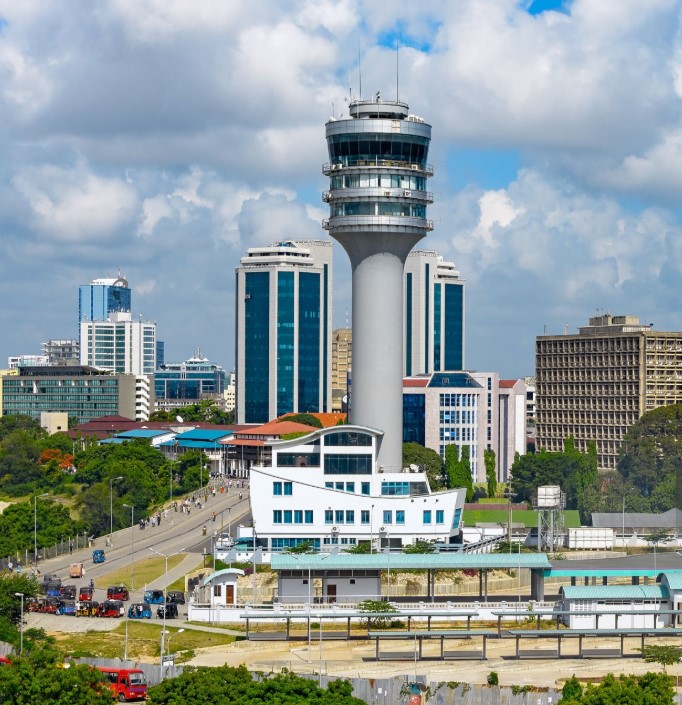
While Tanzania’s major tourist hubs like Arusha, Zanzibar, and Dar es Salaam are considered relatively safe, some rural areas and off-the-beaten-path destinations may require extra attention. Local authorities have worked hard to ensure the safety of tourists, particularly in popular safari zones and national parks. The presence of tourism police in key areas is a testament to this ongoing commitment.
It’s crucial to do a little research and plan ahead to fully enjoy the beauty and excitement that Tanzania offers, while keeping safety in mind.
Health and Medical Safety: Preparing for a Safe Journey
Before embarking on your Tanzanian adventure, it’s essential to make sure you are in good health and have taken the necessary medical precautions. Tanzania requires visitors to have vaccinations against diseases such as yellow fever and recommends vaccinations for hepatitis, malaria, and typhoid, depending on the area you’re visiting. Carrying a small first aid kit and essential medications is also advised.
In addition to vaccinations, malaria prevention is a key concern. The risk of malaria in Tanzania is higher in certain regions, especially in coastal and lowland areas. However, with the right medications and precautions such as using insect repellent and sleeping under nets tourists can significantly reduce their risk.
Traveling Around: How to Stay Safe on the Move
When it comes to getting around Tanzania, safety precautions are important to keep in mind. While public transportation, such as buses and dala-dalas (minivans), is inexpensive and accessible, it can sometimes be overcrowded and less reliable, especially in more rural areas. Tourists are often advised to use private transport or hire local guides when possible, as this ensures a smoother and safer experience.
For those planning to go on safaris, traveling with reputable tour operators who prioritize safety and have qualified guides is essential. These guides are experts in navigating Tanzania’s vast wilderness, ensuring that you stay on well-maintained routes, avoid dangerous wildlife interactions, and have a deeper understanding of the local ecosystem.
Wildlife and Nature Safety: Respecting the Wild
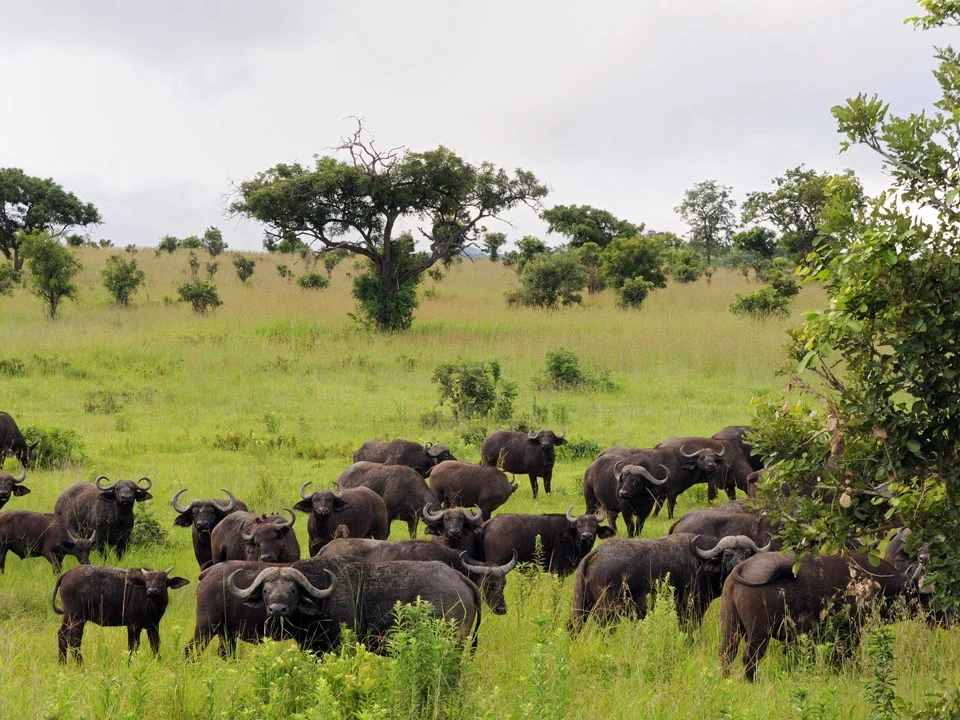
Tanzania is home to an abundance of wildlife, from the Big Five in the Serengeti to the rare species in the Ngorongoro Crater. While the country’s wildlife offers a unique opportunity for travelers to witness nature in its most pristine form, it’s important to approach these animals with caution and respect.
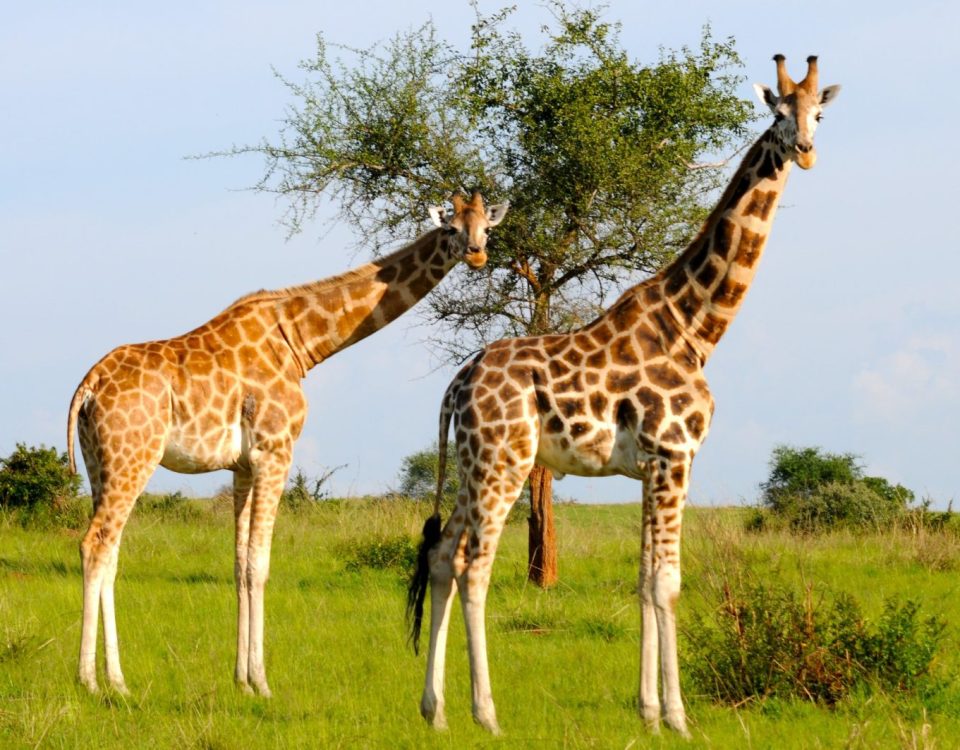
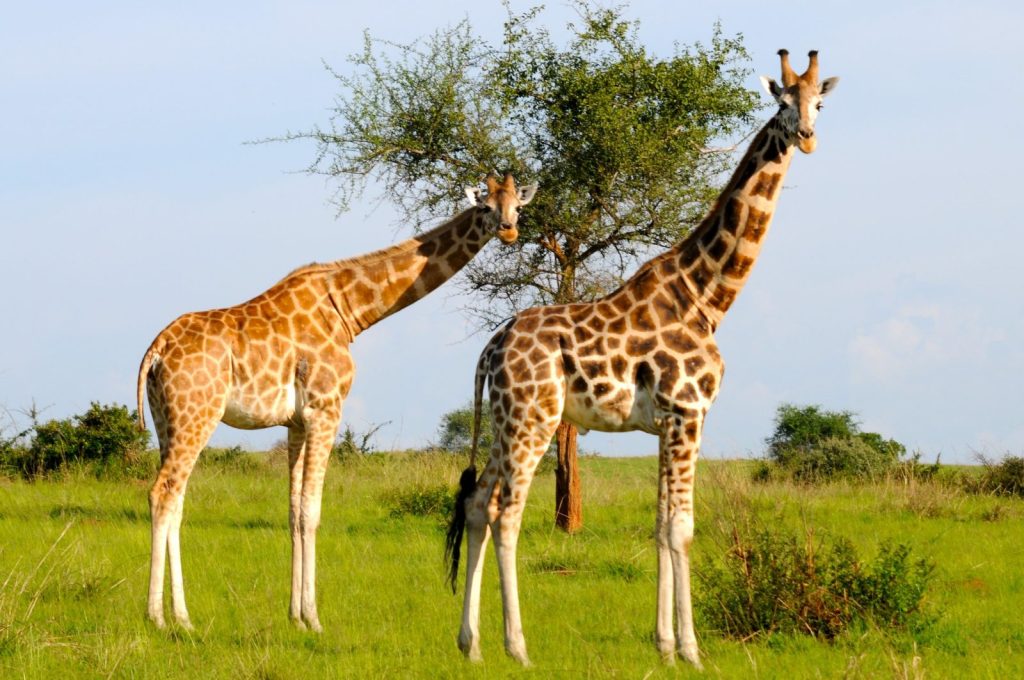
Safari guides are highly trained in understanding animal behavior and will ensure that you stay at a safe distance. Whether you’re observing elephants, lions, or giraffes, your guide will know when it’s safe to approach and when to maintain a safe distance. Remember, Tanzania’s wildlife is unpredictable and should always be treated with the utmost respect.
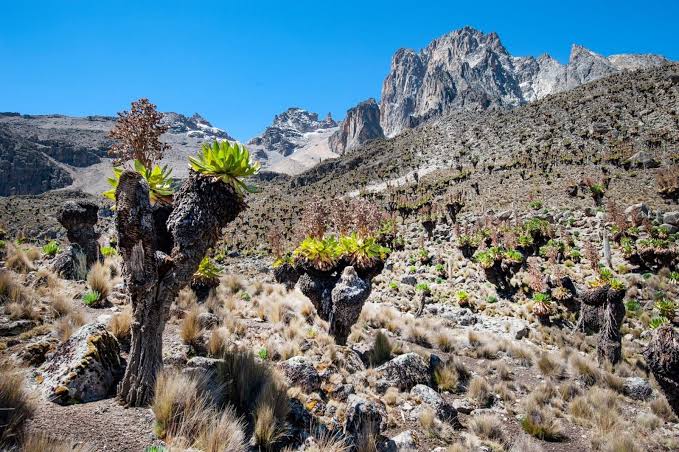
If you plan to hike Mount Kilimanjaro or venture into the Ngorongoro Highlands, it’s essential to be physically prepared and follow safety protocols. Hiring an experienced guide for both Kilimanjaro treks and hiking adventures ensures not only your safety but also your enjoyment of these breathtaking landscapes.
Cultural Sensitivity: Respecting Local Customs and Traditions
One of Tanzania’s greatest assets is its rich cultural diversity. The country is home to over 120 different ethnic groups, each with their own customs, traditions, and ways of life. When traveling to Tanzania, being culturally sensitive is a key component of ensuring both your safety and the respect of the communities you visit.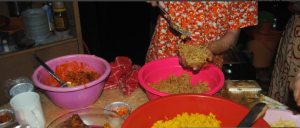
While Tanzanians are generally warm and welcoming, taking the time to learn about local customs can enhance your experience. For example, dressing modestly is advised, especially when visiting rural areas or religious sites. Always ask for permission before taking photos of people, as some local tribes may consider it disrespectful.
Engaging with locals respectfully and with an open mind is the best way to build connections and deepen your experience. Many tourists find that the hospitality of the Tanzanian people enriches their journey, making them feel safe and at ease.
Common Scams and How to Avoid Them
As in many popular tourist destinations, scams can be a concern in Tanzania. Though the country remains largely safe for travelers, it’s still wise to be aware of common tricks that may affect tourists, particularly in busy cities like Dar es Salaam and Zanzibar.
One common scam involves locals posing as guides or taxi drivers, offering overly expensive services or attempting to distract you while an accomplice steals your belongings. To avoid this, always use reputable services and agree on the price of any service upfront.
It’s also a good idea to be cautious with your personal belongings. Petty theft can occur in crowded areas or tourist hotspots, so use a hotel safe for valuables and avoid carrying large amounts of cash with you.
Travel Insurance: Your Safety Net
No matter how safe a destination is, unforeseen events can happen, which is why purchasing comprehensive travel insurance is always a good idea. Travel insurance can cover medical emergencies, trip cancellations, lost baggage, and other unexpected situations, providing peace of mind during your trip.
When traveling in Tanzania, having coverage for medical evacuation is also recommended, particularly if you’re trekking in remote regions like Mount Kilimanjaro or going on a safari.
The Bottom Line: Embrace Tanzania with Awareness and Caution
Tanzania is undoubtedly a safe and exciting destination for travelers from around the world. By taking the right precautions, staying informed, and respecting the local culture, you can have an unforgettable experience in this stunning East African nation. Whether you’re scaling Mount Kilimanjaro, experiencing the Serengeti’s wildebeest migration, or relaxing on the beaches of Zanzibar, Tanzania offers adventure, beauty, and warmth.
To ensure your journey is as smooth and enjoyable as possible, always plan ahead, follow safety recommendations, and trust your instincts. When you do, Tanzania will undoubtedly exceed your expectations, offering a safe and inspiring adventure in one of the world’s most breathtaking corners.
So, pack your bags, get ready for an unforgettable experience, and discover why Tanzania remains one of Africa’s most cherished treasures.
How to Prepare for Climbing Kilimanjaro
Preparing well is the single most important factor in successfully summiting Mount Kilimanjaro. Unlike technical mountaineering peaks, Kilimanjaro requires no ropes or climbing equipment – but it does demand cardiovascular fitness, mental resilience, and proper acclimatization. Start your preparation at least three months before your climb.
Begin with regular cardiovascular training including hiking, running, cycling, and stair climbing. Aim to hike with a loaded backpack on uneven terrain at least once a week. Strength training focusing on legs and core will help significantly on the steep sections, particularly the Barafu or Stella Point approaches to the summit.
Sleep at altitude before your climb if possible. Even a weekend at a mountain lodge at 3,000m will help your body begin to adapt. On the mountain, the golden rule is “pole pole” – slowly, slowly. Rushing is the most common cause of altitude sickness and failed summits.
Kilimanjaro Routes Compared
There are seven official routes up Kilimanjaro, each with different scenery, difficulty levels, and summit success rates. The most popular routes are:
- Machame Route (6-7 days): Known as the “Whiskey Route” for its challenging terrain, Machame is the most scenic and has a good acclimatization profile. Success rate: ~85% on 7-day itinerary.
- Lemosho Route (7-8 days): Starting from the west, Lemosho offers the most diverse scenery and the best acclimatization profile. Fewer crowds. Success rate: ~90%.
- Marangu Route (5-6 days): The only route with hut accommodation. Called the “Coca-Cola Route,” it is the shortest but has the lowest success rate (~65%) due to insufficient acclimatization time.
- Rongai Route (6-7 days): The only route approaching from the north, near the Kenyan border. Drier and less crowded, with good wildlife sightings in the lower zone.
- Northern Circuit (9 days): The longest route with the highest success rate (~95%). Circles the entire northern hemisphere of the mountain before the summit push.
Recommended Tours: 6 Days Kilimanjaro Hiking Safari | 6 Days Tanzania Wildlife Safari