Gorilla Trekking vs Gorilla Habituation Experience: What’s the Difference?
Gorilla encounters in Uganda have evolved into two distinct yet equally fascinating experiences: traditional gorilla trekking and the more immersive gorilla habituation experience. Both activities take place primarily in Bwindi Impenetrable National Park, with additional trekking opportunities in Mgahinga Gorilla National Park. While both allow visitors to observe mountain gorillas in their natural habitat, they differ significantly in duration, depth of interaction, cost, and overall experience.
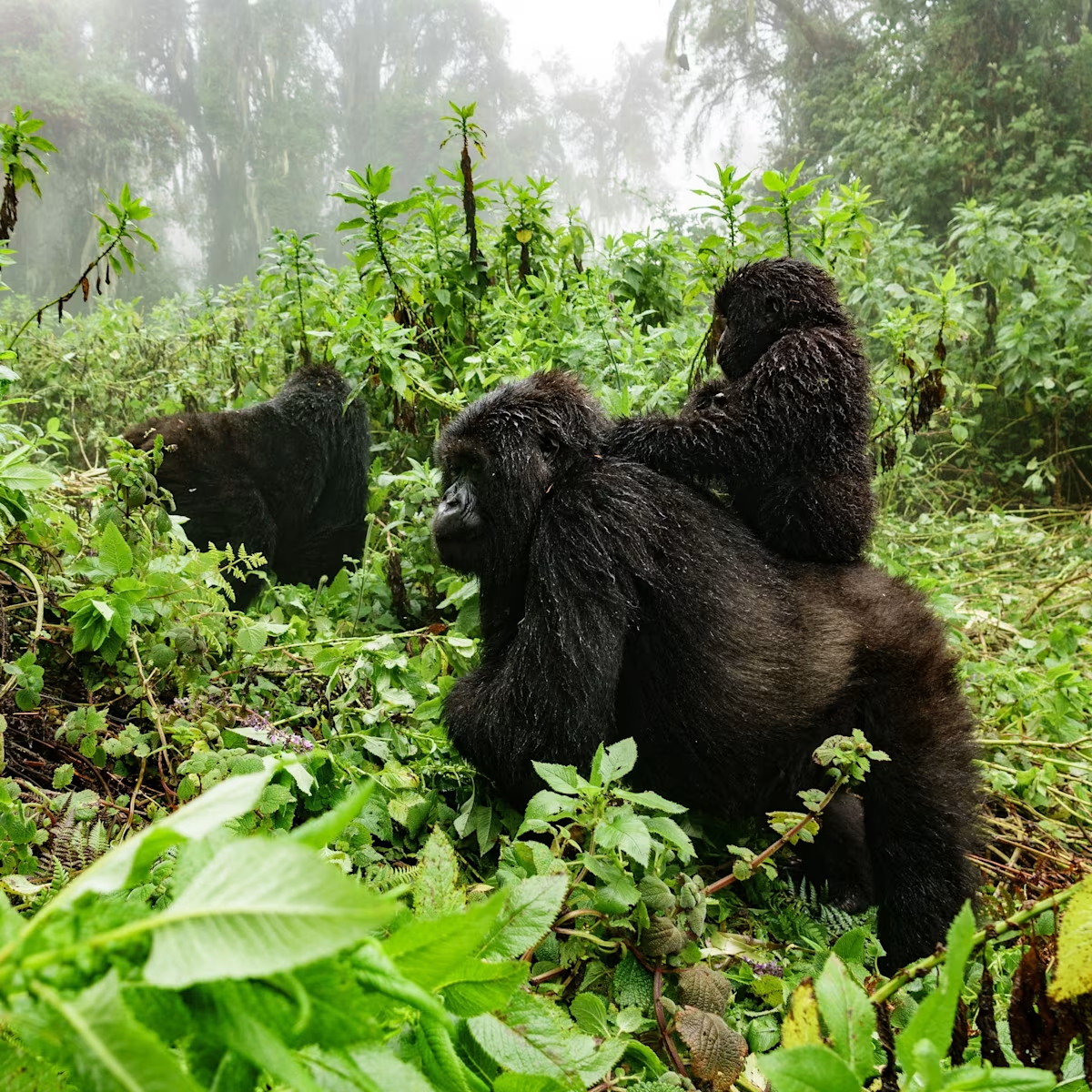
Understanding the difference between these two options is essential for travelers planning a gorilla safari. Whether you are seeking a classic wildlife encounter or a deeper, research-oriented experience, knowing what each offers will help you make an informed decision.
What is Gorilla Trekking?
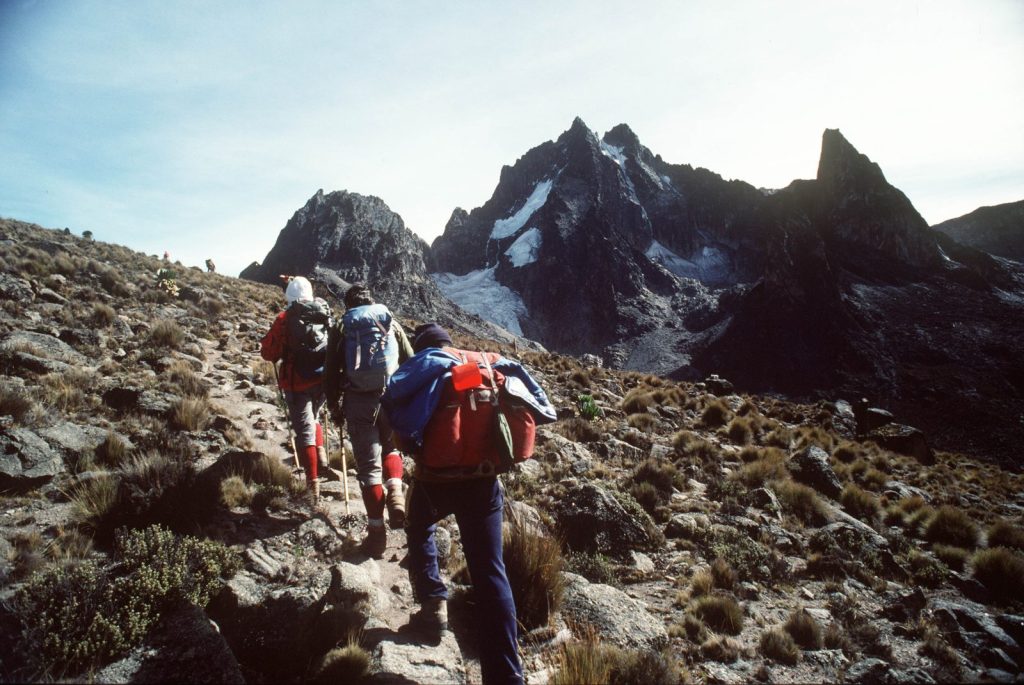
Gorilla trekking is the most popular way to see mountain gorillas in the wild. It involves hiking through dense forest terrain with experienced guides and trackers to locate a habituated gorilla family. These families are already accustomed to human presence, allowing tourists to observe them safely.
The trek itself can take anywhere from two to six hours, depending on the location of the gorillas. Once the group is found, visitors are allowed to spend exactly one hour in their presence. During this time, trekkers observe natural behaviors such as feeding, grooming, playing, and resting.
Gorilla trekking is designed to balance tourism with conservation. The one-hour limit minimizes stress on the animals while still providing visitors with an intimate and memorable wildlife experience. This makes trekking ideal for first-time visitors, photographers, families, and travelers with limited time.
What is the Gorilla Habituation Experience?
The gorilla habituation experience is a more immersive and extended encounter with mountain gorillas. Unlike trekking, this activity involves visiting gorilla families that are still undergoing the habituation process. These gorillas are gradually being introduced to human presence by researchers and conservationists.
Participants in the habituation experience join researchers, trackers, and rangers in the field, observing and sometimes contributing to the process of familiarizing gorillas with humans. The trek may take longer than standard trekking, and once the gorillas are located, visitors are allowed to spend up to four hours with them.
This extended time provides a deeper understanding of gorilla behavior, communication, and social dynamics. It is a more intensive experience that appeals to wildlife enthusiasts, photographers, researchers, and travelers seeking a deeper connection with nature.
Key Differences Between Gorilla Trekking and Habituation
The most significant difference lies in the duration of interaction. Gorilla trekking allows one hour with a fully habituated group, while the habituation experience provides up to four hours with a semi-habituated group. This extended time allows for more detailed observation and photography, as visitors can witness a wider range of behaviors and interactions.
Another key difference is the level of immersion. Trekking is a structured tourist activity focused on observation, while habituation offers a behind-the-scenes look at conservation efforts. Participants gain insight into how gorillas are monitored, studied, and gradually accustomed to human presence.
Group size also differs. Gorilla trekking groups typically include up to eight visitors, whereas habituation groups are smaller, usually limited to four participants. This creates a more intimate and personalized experience during habituation.
The cost varies significantly between the two. Gorilla trekking permits in Uganda are more affordable compared to habituation permits, which are priced higher due to the extended duration and exclusive nature of the experience.
Trekking Difficulty and Physical Demands
Both experiences require physical fitness, as they involve hiking through dense forest with steep, uneven terrain. However, the habituation experience is generally more demanding due to its longer duration and extended time spent in the forest.
Trekkers in both activities should be prepared for muddy trails, thick vegetation, and variable weather conditions. Proper gear, including hiking boots, gaiters, gloves, and waterproof clothing, is essential for comfort and safety.
Guides assess participants’ fitness levels and assign gorilla families accordingly, ensuring that each trek is manageable and safe. While trekking can be adapted for different fitness levels, habituation is better suited for travelers who are physically prepared and comfortable spending extended hours in the ???? environment.
Photography Opportunities
For photographers, both experiences offer exceptional opportunities, but the habituation experience provides a clear advantage. The extended four-hour window allows photographers to capture a wider range of behaviors, lighting conditions, and interactions.
During gorilla trekking, the one-hour limit requires photographers to work efficiently, focusing on key moments and adjusting quickly to changing conditions. In contrast, habituation allows for patience, experimentation with angles and settings, and capturing rare behaviors that may not occur within a short timeframe.
That said, trekking still provides excellent photographic opportunities, especially for those who are prepared and understand gorilla behavior. Both experiences require adherence to ethical photography guidelines, including maintaining distance and avoiding flash.
Conservation and Research Impact
Both gorilla trekking and habituation contribute significantly to conservation. Permit fees fund anti-poaching patrols, habitat protection, veterinary care, and community development projects.
The habituation experience plays a direct role in conservation research. By participating, visitors support the process of preparing new gorilla families for future tourism, ensuring sustainable management of gorilla populations. Researchers gather valuable data on behavior, health, and social dynamics, which informs conservation strategies.
Trekking, on the other hand, generates the bulk of tourism revenue, making it a cornerstone of gorilla conservation efforts. Together, these experiences create a balanced system that supports both research and sustainable tourism.
Choosing the Right Experience for You
The choice between gorilla trekking and habituation depends on your interests, budget, and level of adventure.
Travelers seeking a classic, time-efficient, and highly rewarding wildlife encounter often prefer gorilla trekking. It offers a powerful emotional experience within a manageable timeframe and is suitable for a wide range of visitors.
Those looking for a deeper, more immersive experience may opt for the habituation experience. It provides extended interaction, educational insights, and a closer look at conservation efforts, making it ideal for dedicated wildlife enthusiasts and photographers.
Budget also plays a role. Habituation permits are more expensive, reflecting the longer duration and exclusive nature of the activity. Travelers should weigh this cost against the value of extended time with the gorillas.
Seasonal Considerations
Both experiences are available year-round, but seasonal conditions affect the trekking experience. The dry seasons, from June to September and December to February, offer easier trails and more comfortable trekking conditions. The rainy seasons provide lush scenery, fewer tourists, and a more intimate atmosphere but require greater physical effort due to muddy trails.
Choosing the right season enhances the overall experience, regardless of whether you select trekking or habituation. Proper preparation and gear ensure comfort and safety in any season.
Gorilla trekking and the gorilla habituation experience offer two distinct ways to encounter mountain gorillas in the wild. Trekking provides a structured, one-hour interaction with fully habituated families, making it ideal for first-time visitors and those seeking a classic wildlife experience. Habituation offers a deeper, more immersive journey, allowing up to four hours with semi-habituated gorillas and a closer look at conservation work.
Both experiences are extraordinary and contribute to the protection of mountain gorillas and their habitats. The choice ultimately depends on your travel goals, physical readiness, and level of interest in wildlife research and extended observation.
Whichever option you choose, the opportunity to stand just meters away from a mountain gorilla in the forests of Uganda is unforgettable. It is an experience that combines adventure, education, and emotional connection, leaving travelers with a profound appreciation for one of the world’s most remarkable species.