Is It Safe to Trek Gorillas in the Congo? What Travelers Need to Know
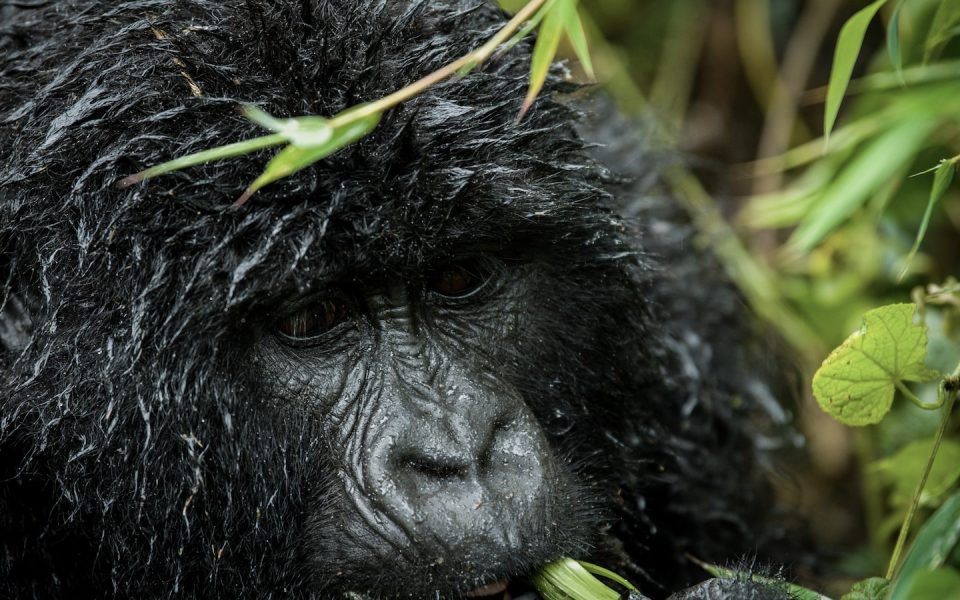
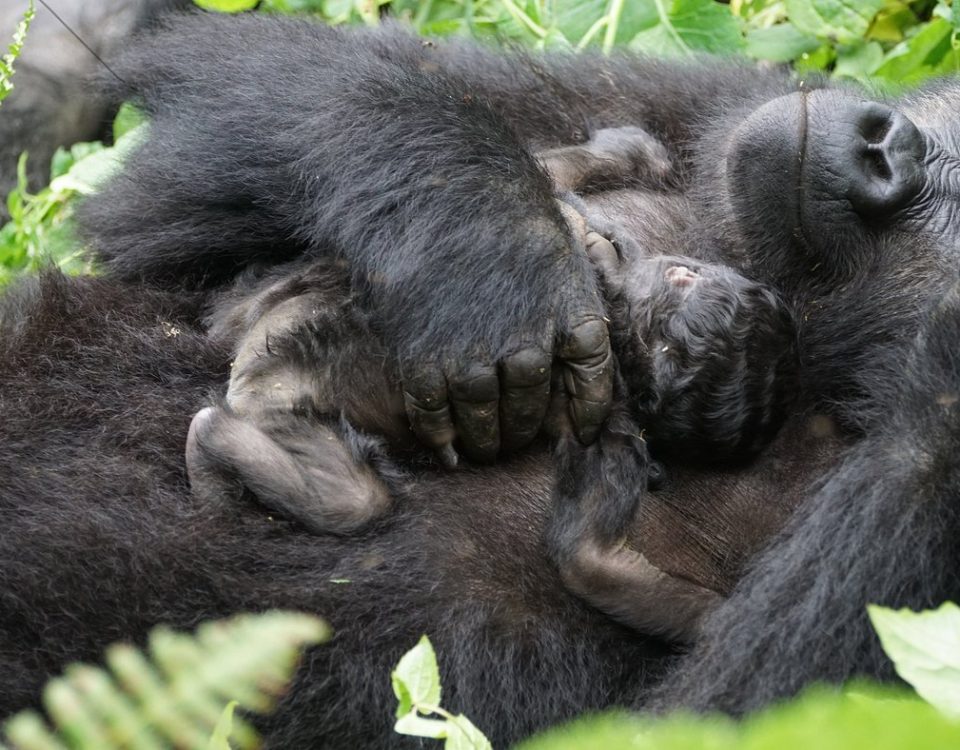
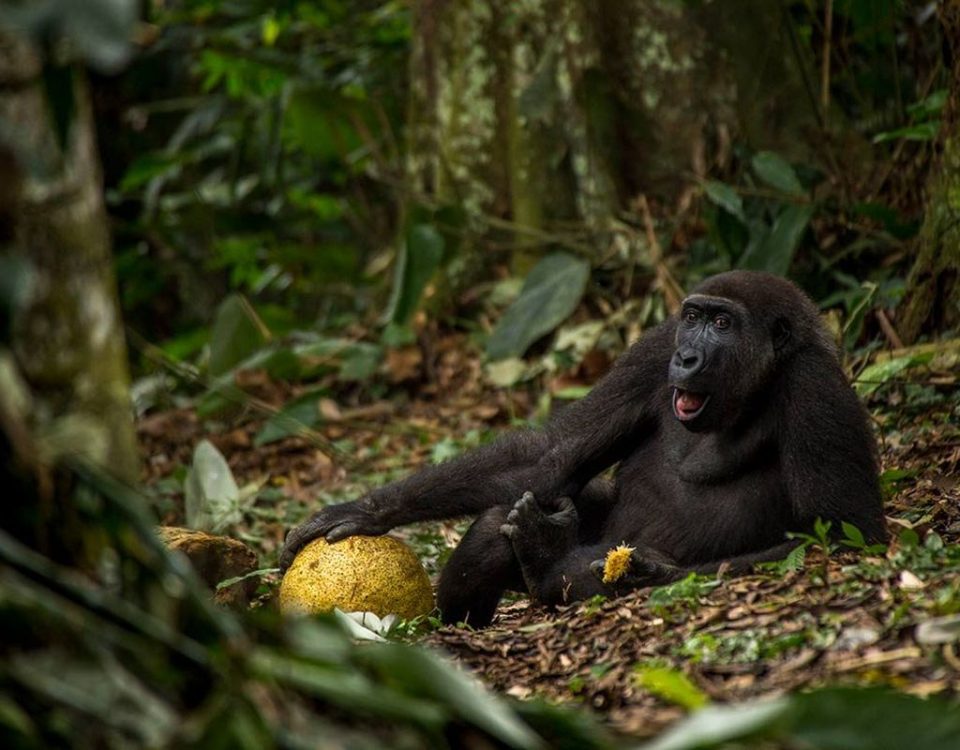
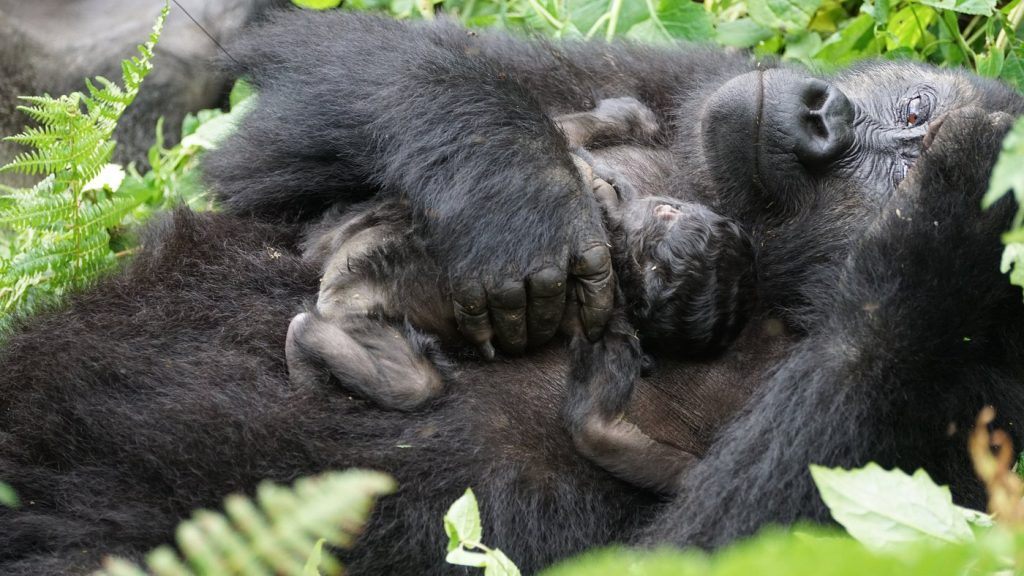
Gorilla trekking in the Virunga National Park is considered one of the ultimate wildlife experiences in the world. For travelers seeking adventure, immersion in nature, and close encounters with one of the planet’s most endangered species, Virunga offers a rare and transformative opportunity. However, the Democratic Republic of the Congo (DRC) has historically been associated with political unrest, regional conflicts, and security concerns. These factors naturally raise the question: Is it truly safe to trek gorillas in the Congo in 2026?
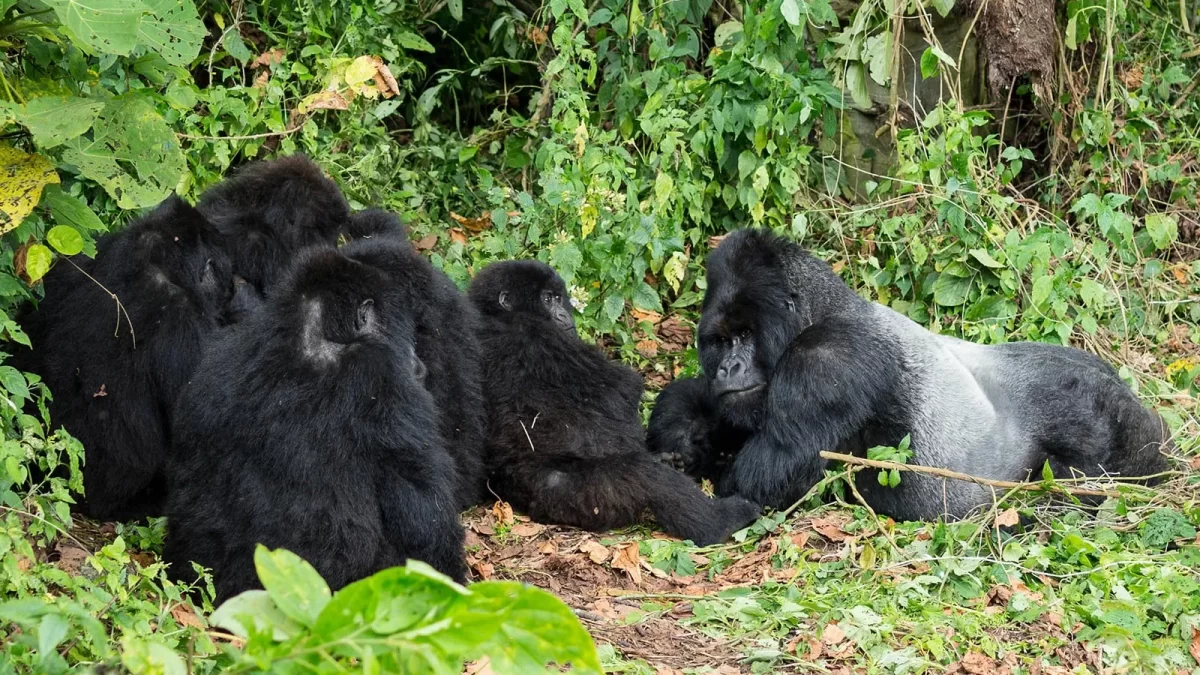
The answer is nuanced. While the eastern DRC has had security challenges in the past, Virunga National Park itself is heavily protected, carefully managed, and generally safe for tourists when visited with official operators. This comprehensive guide provides a detailed look at safety considerations, park infrastructure, trekking protocols, medical and logistical preparations, and tips for maximizing both safety and enjoyment. It is designed to give travelers the confidence and practical knowledge to plan a secure and unforgettable gorilla trekking experience in Virunga.
Why Travelers Worry About Safety
Many travelers’ concerns stem from broader perceptions of the DRC rather than conditions in Virunga itself. The country has experienced political instability, particularly in the eastern provinces near the borders with Rwanda and Uganda. International news often focuses on past conflicts or isolated incidents, which can amplify perceptions of danger.
However, Virunga National Park is a controlled and highly monitored area, with strict access regulations, trained rangers, and established tourism infrastructure. It is not representative of the entire country, and thousands of tourists visit each year without incident. The reality is that trekking in Virunga can be as safe as any other protected wilderness area in Africa, provided travelers follow guidelines and work with reputable operators.
The park’s management balances conservation, tourism, and community engagement, making visitor safety a top priority. Moreover, the exclusivity and rawness of the Congo experience – fewer crowds and unspoiled forest trails – are precisely what makes Virunga unique compared to Uganda or Rwanda.
Safety Measures in Place
Ranger Protection
Virunga rangers are the backbone of the park’s safety system. They are highly trained, equipped with communication devices, and patrol trekking routes daily. Their duties include protecting gorilla families from poachers, guiding tourists safely through dense forest and challenging terrain, and responding to medical emergencies or wildlife encounters. Rangers are stationed strategically along trailheads and patrol areas, ensuring visitors are never trekking alone. Their presence significantly mitigates potential security risks and provides reassurance to travelers.
Gorilla Permit System
Every visitor must hold a gorilla trekking permit issued by Virunga National Park. This serves multiple safety functions: it ensures trekkers are guided by official staff, limits group sizes to reduce stress on the gorillas and maintain manageable hiking groups, and regulates access to trekking zones to prevent unauthorized or unsafe entry. Permits are carefully allocated, and trekking is only allowed under controlled conditions. This system ensures that both visitors and wildlife remain protected throughout the experience.
Guided Treks and Trackers
All treks are led by experienced guides who are familiar with gorilla behavior, forest navigation, and emergency protocols. Trackers accompany guides to locate gorilla families by following signs such as footprints, feeding areas, and nesting sites. This ensures that hikers remain on safe paths, encounters are predictable and limited to one hour per family, reducing risk to both humans and gorillas, and groups do not disrupt the natural movement of gorillas. This combination of guides, trackers, and permit-enforced regulations makes trekking in Virunga significantly safer than independent forest exploration.
Medical Preparedness
Medical support is a crucial aspect of Virunga’s safety system. Guides carry first aid kits, and lodges maintain connections with clinics in nearby towns such as Goma or Bukavu. Visitors are strongly advised to carry travel insurance covering emergency evacuation, bring personal medications and malaria prophylaxis, and have knowledge of basic first aid and wilderness safety. While serious medical incidents are rare, preparedness is essential given the remote and rugged nature of the terrain.
Terrain and Trekking Safety
Mountain gorilla treks in Virunga can be physically demanding. Trekkers should expect steep slopes and uneven terrain, particularly in the bamboo forest and montane regions, muddy or slippery trails especially during the wet season (April-May and October-November), and variable hiking durations from 2 hours for nearby gorilla families to over 8 hours if trackers need to cover large distances. Physical preparation is highly recommended. Hiking boots with good ankle support, gloves, walking sticks, rain gear, and a small daypack are essential. Adequate hydration and energy snacks can make the trek safer and more enjoyable. Fitness levels vary, but even novice trekkers can succeed with pacing, rest breaks, and guidance from experienced staff.
Emergency Preparedness
Although Virunga is well-protected, emergencies can occur due to minor injuries or slips during trekking, wildlife encounters outside the gorilla family zone, or health issues such as altitude sickness or dehydration. Travelers should keep emergency contacts handy, carry a digital and printed copy of permits, ensure phone communication or satellite access for remote areas, and understand the evacuation plan provided by the lodge or operator. Being proactive and informed greatly reduces risk and ensures that help is available if needed.
Travel and Security Logistics
Entry Points
Goma is the main gateway for Virunga. Travelers usually fly into Kigali (Rwanda) or Entebbe (Uganda) and cross into DRC. Visas are required for most nationalities, and border procedures may include security checks and documentation verification. Registered tour operators handle these logistics and provide guidance on safe border crossings.
Local Travel
Roads to park headquarters are generally passable during the day but can be challenging in wet conditions. Travelers should avoid nighttime travel outside controlled areas and use official transport arranged by their operator, which ensures coordination with park authorities and local security services.
Regional Awareness
Travelers should avoid travel to conflict zones or remote border areas unrelated to their trek, monitor government travel advisories for updates, and stay informed about local events that may affect road safety or access.
Comparing Safety: Congo vs Uganda vs Rwanda
Uganda and Rwanda are widely considered safer due to more stable political environments, well-developed tourism infrastructure and reliable road systems, and established medical and emergency services. Congo, specifically Virunga, offers a more adventurous and less commercialized trekking experience, smaller tourist groups, intimate encounters with gorilla families, and additional activities such as chimpanzee tracking, volcano hikes, and deep forest exploration. While the DRC may require more preparation, vigilance, and travel planning, the unique and raw nature of the experience appeals to seasoned travelers and adventure seekers.
Health Precautions
Visitors to Virunga should ensure they are medically prepared. Vaccinations such as yellow fever are mandatory, and routine immunizations should be up to date. Malaria protection through prophylaxis is essential as the region is malaria-endemic. Trekking can be strenuous, so consulting a physician if there are pre-existing conditions is recommended. Carrying sufficient hydration and nutrition for the duration of the trek is also necessary. Following these measures helps prevent minor health issues from becoming significant challenges during the trek.
Accommodation and Safety
Accommodations near Virunga range from rustic lodges to boutique eco-lodges such as Mikeno Lodge and Sabinyo Silverback Lodge, providing secure and comfortable lodging close to trekking zones. Lodges typically offer meals, transport, communication, and emergency support. Staying within officially designated lodges ensures proximity to ranger posts and quick access to assistance if needed. Travelers are advised not to stay in unauthorized or remote areas, as these lack protective oversight.
Practical Tips for a Safe Gorilla Trek in Congo
Book through reputable operators as they manage permits, guides, transport, and communication with park authorities. Travel during daylight hours and avoid nighttime transfers in rural or remote areas. Follow all briefing instructions since rangers and guides are trained to ensure your safety and gorilla protection. Limit personal risk by avoiding travel alone in nearby towns or unfamiliar regions. Respect gorilla health rules, and do not visit if you have flu, cough, or contagious illnesses. Prepare physically with hiking boots, gloves, rain gear, and trekking poles, and ensure your insurance covers emergency evacuation, medical care, and trip interruption.
The Reward: Why the Risk is Worth It
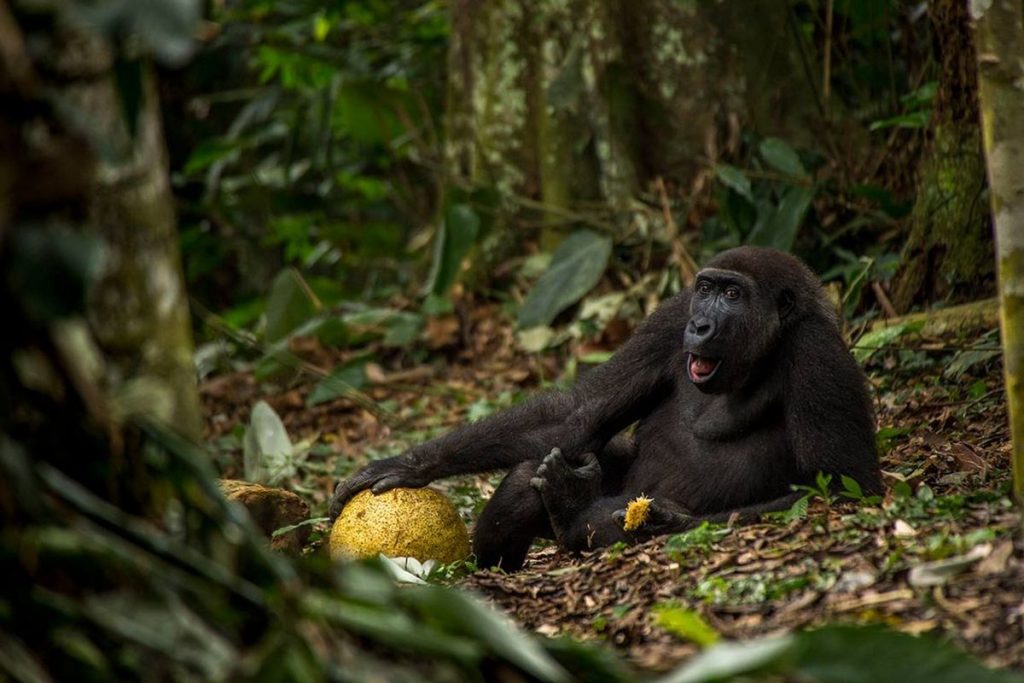
Despite additional planning and precautions, trekking gorillas in Congo is unmatched in terms of authenticity, wildlife diversity, dramatic landscapes, and direct contribution to conservation. Visitors can see chimpanzees, forest elephants, rare birds, and other wildlife alongside gorillas. The volcanic scenery and montane forests provide incredible photography opportunities. Permit fees directly support ranger patrols, research, and community projects, contributing to long-term protection. The sense of accomplishment, awe, and intimacy with nature makes Virunga a destination worth careful preparation.
When to Visit for Safety and Comfort
Dry seasons from June to September and December to March provide easier trekking conditions, reduced risk of muddy trails, and optimal weather for photography and wildlife observation. Wet seasons from April to May and October to November require more stamina and waterproof gear but remain feasible year-round with proper preparation.
Gorilla trekking in the Congo is safe in 2026 when approached with knowledge, preparation, and caution. While the DRC’s reputation may give some travelers pause, Virunga National Park is well-protected, highly managed, and equipped to host tourists safely. By booking with reputable operators, following ranger guidance, preparing physically and medically, and respecting park regulations, travelers can enjoy one of the most intimate and rewarding wildlife encounters on Earth. For those willing to take the necessary precautions, the rewards far outweigh the risks – a journey into Congo’s lush forests to witness mountain gorillas in their natural habitat is a transformative and unforgettable experience.
Recommended Tours: 8 Days Congo Gorillas & Nyiragongo Safari | 5 Days Lowland Gorilla Safari Congo