
Ethiopian Food Guide: Injera, Wat and the Coffee Ceremony (2026)
Ethiopian cuisine is one of the most distinctive food cultures in the world. It is defined not just by its ingredients, but by its eating style, communal traditions, and deep historical roots. Meals are shared from a single plate, eaten with the hands, and built around a unique sour flatbread called injera. At the center of it all are richly spiced stews known as “wat” and one of the most important cultural rituals in the country—the Ethiopian coffee ceremony.(Ethiopian Food Guide: Injera Wat and the Coffee Ceremony)
In cities like Addis Ababa, traditional food and modern dining coexist, giving visitors a full spectrum of Ethiopian culinary experiences.
This guide breaks down the essential dishes, dining customs, and cultural rituals that define Ethiopian food.
Understanding Ethiopian Cuisine
Ethiopian food is rooted in ancient agricultural traditions and Orthodox Christian fasting practices. The cuisine is heavily plant-based during fasting periods, with lentils, chickpeas, vegetables, and grains forming the core of many meals. Meat is also widely consumed, especially in celebratory dishes.
One of the defining characteristics of Ethiopian cuisine is the use of spices. The most important spice blend is berbere—a complex mix of chili peppers, garlic, ginger, fenugreek, and other aromatics. Another key ingredient is niter kibbeh, a clarified spiced butter that adds richness to many dishes.
Meals are traditionally eaten communally from a shared platter, reinforcing the cultural importance of togetherness.
Injera: The Foundation of Every Meal
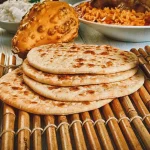
Injera is the heart of Ethiopian cuisine. It is a large, spongy, sour flatbread made from teff flour, a nutrient-rich ancient grain native to Ethiopia.
Injera serves two roles: it is both plate and utensil. Stews and dishes are placed on top of it, and pieces are torn off to scoop up food.
Its slightly sour taste comes from natural fermentation, which also gives it a soft, porous texture ideal for absorbing sauces.
Injera is present at almost every meal across Ethiopia, including in restaurants throughout Addis Ababa.
Wat: Ethiopia’s Signature Stews
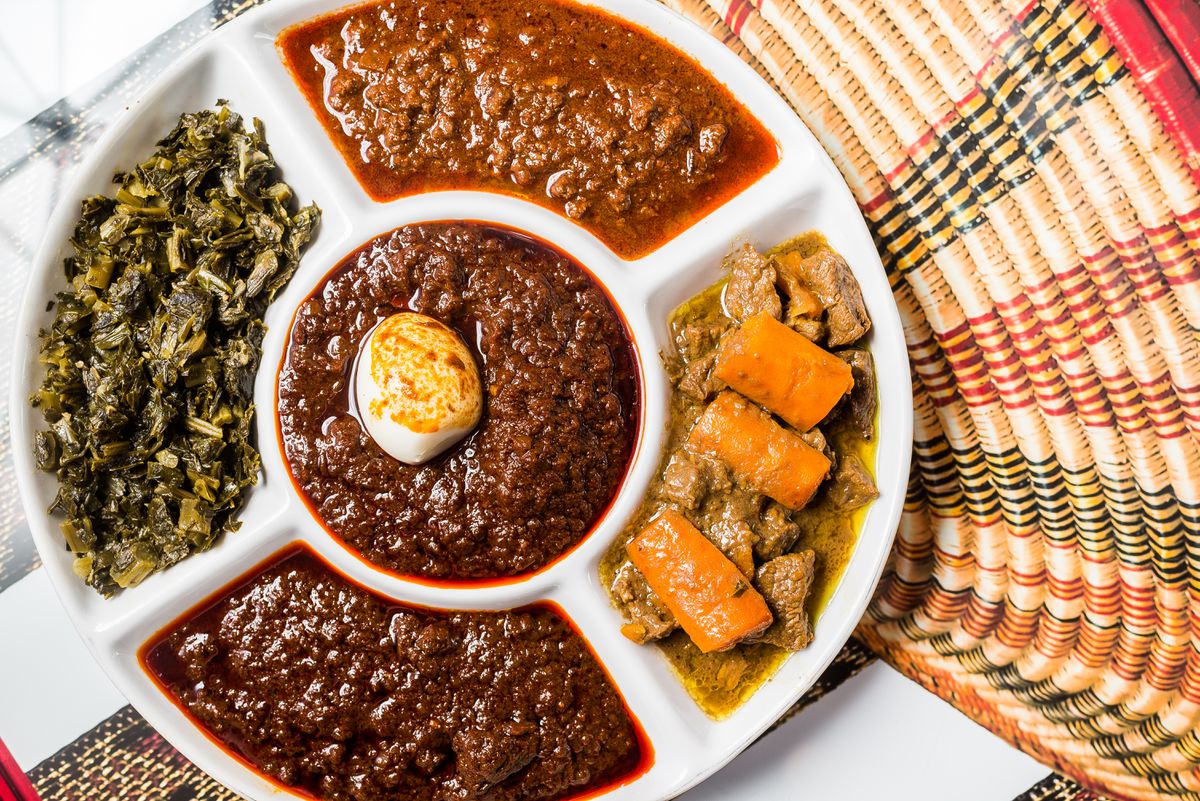
Wat refers to a variety of Ethiopian stews, typically made with meat, lentils, or vegetables cooked in a spiced sauce.
There are two main types:
Doro Wat (spicy chicken stew)
Misir Wat (lentil stew)
Doro Wat is considered the national dish of Ethiopia. It is rich, spicy, and slow-cooked, often served with boiled eggs. Misir Wat is a popular vegetarian option made with red lentils and berbere spice.
Wat dishes are usually served on top of injera, forming a complete meal.
Kitfo: Ethiopian Steak Tartare
Kitfo is a traditional dish made from finely chopped raw beef, seasoned with spices and clarified butter. It is sometimes lightly cooked, depending on preference.
It is often served with injera or cottage cheese and greens.
Kitfo is considered a delicacy and is especially popular in special occasions and traditional restaurants in Addis Ababa.
Tibs: Sautéed Meat Dishes
Tibs refers to sautéed or grilled meat, usually beef or lamb, cooked with onions, peppers, and spices.
It can be mild or spicy depending on preparation. Tibs is often served sizzling hot in clay dishes and paired with injera or bread.
It is one of the most commonly ordered meat dishes in Ethiopian restaurants.
Vegetarian Cuisine: A Fasting Tradition
Ethiopia has a strong vegetarian food culture due to Orthodox Christian fasting periods, during which meat and dairy are avoided.
As a result, vegetarian platters are rich and varied, often including:
Lentils (misir)
Chickpeas (shiro)
Collard greens (gomen)
Split peas
These dishes are served together on injera, forming a colorful and nutritious spread.
Vegetarian Ethiopian food is widely available in restaurants across Addis Ababa.
The Ethiopian Coffee Ceremony
The Ethiopian coffee ceremony is one of the most important cultural traditions in the country. Coffee is believed to have originated in Ethiopia, and the ceremony reflects hospitality, respect, and community.
The process involves:
Roasting green coffee beans
Grinding them manually
Brewing coffee in a clay pot called a jebena
Serving multiple rounds of coffee
The ceremony is slow and symbolic, often accompanied by incense and snacks like popcorn or roasted barley.
It is not just about drinking coffee—it is about conversation, connection, and ritual.
Ethiopian Food Guide
Street Food and Local Snacks
Ethiopian street food is simple but flavorful. Common snacks include:
Sambusa (fried pastry filled with lentils or meat)
Roasted chickpeas
Bread rolls
Boiled eggs with chili
In busy urban areas of Addis Ababa, street food is widely available, especially around markets and transport hubs.
Ethiopian Dining Style: The Gursha Tradition
One unique aspect of Ethiopian food culture is “gursha,” a tradition where people feed each other by hand as a sign of respect and friendship.
Sharing food from a communal plate strengthens social bonds and is an important cultural expression of trust and hospitality.
Eating Etiquette in Ethiopia
Meals are typically eaten with the right hand. Utensils are rarely used in traditional settings.
It is common for guests to be served first, and hospitality is an important cultural value.
Washing hands before and after meals is standard practice, especially since food is shared communally.
Restaurants in Ethiopia
Ethiopian restaurants range from simple local eateries to upscale dining establishments that serve traditional food with modern presentation.
In Addis Ababa, you can find both authentic traditional restaurants and contemporary fusion spaces.
Traditional restaurants often feature live cultural music and dance performances, enhancing the dining experience.
Food in Rural Ethiopia
Outside urban centers, food remains very traditional and locally sourced. Meals are often based on seasonal vegetables, grains, and home-prepared spices.
In rural areas, injera is still made using traditional fermentation methods, and cooking is done over open fires or clay stoves.
Health and Nutrition Aspects
Ethiopian cuisine is naturally balanced due to its reliance on legumes, grains, and vegetables.
Teff, the grain used for injera, is high in protein, fiber, and essential minerals. Lentils and chickpeas provide plant-based protein, making Ethiopian food both filling and nutritious.
Food Safety and Travel Tips
Ethiopian food is generally safe for travelers, especially in established restaurants.
Basic tips include:
Eat at busy, reputable places
Choose freshly prepared food
Drink bottled or filtered water
Wash hands before eating traditional meals
In cities like Addis Ababa, food hygiene standards vary but are improving in modern establishments.
Regional Variations in Ethiopian Cuisine
Ethiopia has diverse regional cuisines:
Northern regions favor wheat-based dishes and meat stews
Southern regions include more vegetables and plant-based foods
Highland areas rely heavily on injera and lentils
Lowland regions incorporate more spicy and grilled foods
This diversity adds depth to the national cuisine.
Ethiopian cuisine is one of the most culturally rich and unique food traditions in the world. It combines ancient grains, bold spices, communal dining, and deep cultural rituals into a single experience.
From injera and wat to the slow, meaningful coffee ceremony, food in Ethiopia is about more than nourishment—it is about identity, connection, and heritage.
Whether you are dining in a traditional restaurant in Addis Ababa or experiencing a rural household meal, Ethiopian cuisine offers a powerful window into one of Africa’s oldest and most fascinating cultures.
East Africa Safari — Essential Travel Information
East Africa encompasses some of the world’s most iconic wildlife destinations. Uganda, Rwanda, Kenya, and Tanzania form the heart of the safari region, each offering distinct landscapes, wildlife, and travel experiences. Whether you’re seeking mountain gorillas in misty rainforests, the spectacular wildebeest migration across the Serengeti, or the intimate Big Five encounters of the Masai Mara, East Africa delivers an unparalleled variety of wildlife experiences within a relatively compact geographic region.
The region’s safari infrastructure is mature and well-developed, with a wide range of accommodation from budget campsites to ultra-luxury tented lodges. International air connections serve multiple gateway airports including Nairobi’s JKIA, Entebbe (Uganda), Kigali (Rwanda), Kilimanjaro International (Tanzania), and Julius Nyerere International (Dar es Salaam), giving visitors flexibility in designing multi-country itineraries.
East Africa Safari Planning Tips
- Best time to visit: The dry seasons — June to October and December to February — offer the best wildlife viewing across most of East Africa. The Masai Mara migration peaks in July–October. Gorilla trekking is year-round but June–September is most popular.
- Book early: Gorilla permits (Uganda and Rwanda), popular migration camps in the Serengeti and Masai Mara, and Kilimanjaro climb slots all have limited capacity. Book 6–12 months ahead for peak season.
- Combine countries: East Africa’s geography makes multi-country itineraries practical and rewarding. A classic 10-day circuit might combine Uganda gorillas + Queen Elizabeth wildlife + Rwanda gorillas. A 14-day trip adds the Serengeti and Masai Mara.
- Health preparation: Yellow fever vaccination is required for Uganda and Rwanda and recommended elsewhere in the region. Malaria prophylaxis is essential below 2,500m. Comprehensive travel insurance including medical evacuation coverage is non-negotiable.
- Currency: The US dollar is the de facto currency in most safari operations. Carry clean, undamaged USD bills printed after 2009 — older notes are routinely refused. Each country has its own local currency for smaller purchases.
Recommended Tours: 4 Days Bwindi Gorilla Trekking Safari | 8 Days Kenya Wildlife Safari