Kenyan Food Culture: Nyama Choma, Ugali and More (2026 Guide)
Kenyan food culture is one of the most recognizable in East Africa because it is deeply social, highly regional, and strongly tied to everyday life. Meals are not just about eating—they are about gathering, sharing, and celebrating. From roadside grills in Nairobi to lakeside fish feasts along Lake Victoria and traditional stews in rural homesteads, Kenyan cuisine reflects a blend of pastoral traditions, agricultural abundance, and urban creativity.
At its core, Kenyan food is built around a few key staples: maize (for ugali), meat (especially goat and beef), beans, vegetables, and fresh fish. But what makes it distinctive is how these ingredients are prepared and shared.
This guide explores the heart of Kenyan cuisine, focusing on nyama choma culture, ugali traditions, street food, and regional specialties.
Ugali: The Foundation of Kenyan Meals
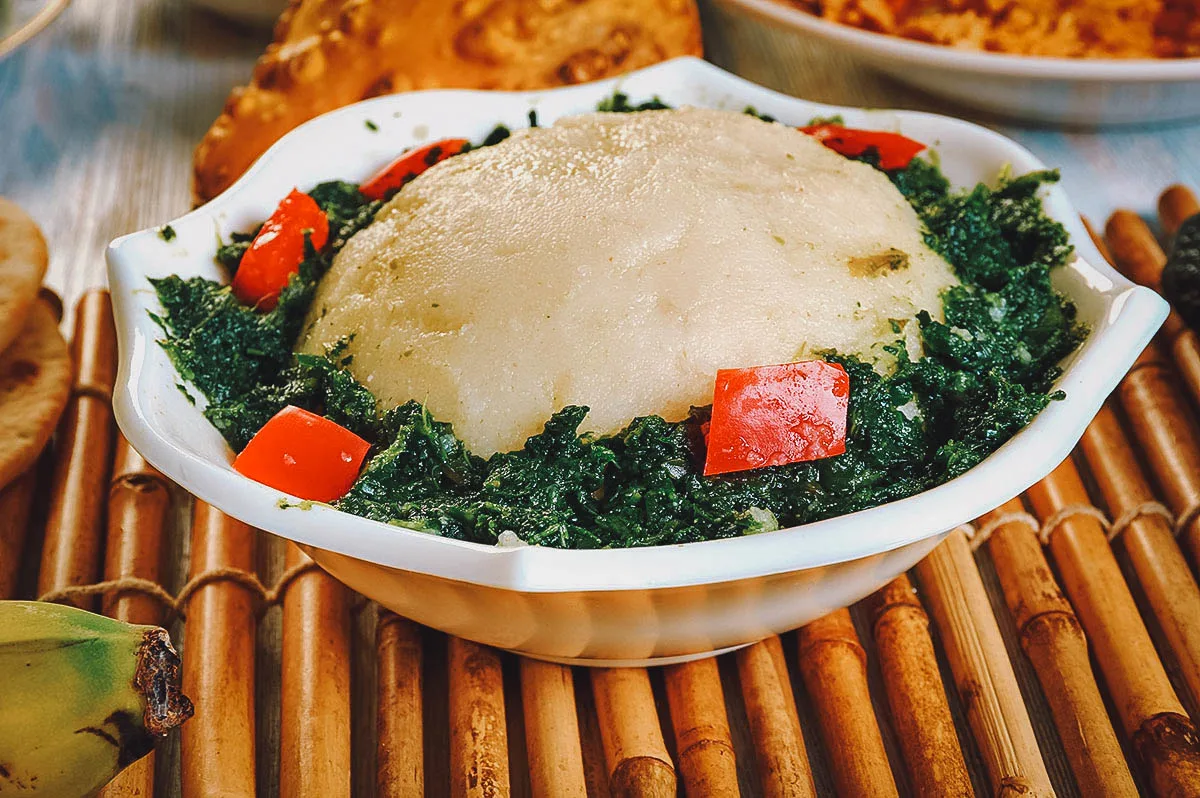
Ugali is the most important staple in Kenyan cuisine. Made from maize flour and water, it is cooked into a thick, firm dough that is eaten with the hands. It has a neutral taste, which makes it the perfect accompaniment to richly flavored stews, vegetables, and meats.
Ugali is not just food—it is a cultural constant. It appears in homes, restaurants, and safari lodges across the country, including in wildlife regions such as Masai Mara National Reserve.
It is typically served with:
Beef stew
Fish
Chicken
Sukuma wiki (collard greens)
Beans
For many Kenyans, a meal without ugali feels incomplete.
Nyama Choma: Kenya’s National Food Experience
Nyama choma literally means “roasted meat,” and it is arguably the most iconic element of Kenyan food culture. Goat meat is the most traditional choice, though beef and chicken are also widely used.
The meat is slow-grilled over charcoal, chopped into pieces, and served with kachumbari—a fresh salad of tomatoes, onions, coriander, and chili.
What makes nyama choma special is not just the food, but the social experience. It is eaten in groups, often outdoors, and is associated with relaxation, celebration, and friendship.
In Nairobi, nyama choma restaurants and open-air grills are extremely popular, especially in areas like Lang’ata and Karen, where people gather for long, leisurely meals.
Kachumbari: The Fresh Side Dish
Kachumbari is a simple but essential side dish made from chopped tomatoes, onions, chili, and sometimes avocado. It adds freshness and acidity to rich, grilled meats.
It is served alongside nyama choma, rice dishes, and even street food snacks. Despite its simplicity, it plays an important balancing role in Kenyan meals.
Sukuma Wiki: Everyday Greens
Sukuma wiki, meaning “push the week,” is a collard greens dish that is one of the most common vegetables in Kenya. It is usually sautéed with onions, tomatoes, and light spices.
It is inexpensive, nutritious, and widely available in homes and restaurants. Sukuma wiki is typically eaten with ugali or rice and forms a core part of daily meals across the country.
Kenyan Street Food Culture
Street food is a major part of urban life, especially in Nairobi. It is fast, affordable, and widely consumed by both locals and visitors.
Common street foods include:
Samosas
Mandazi (fried dough)
Mutura (Kenyan sausage)
Boiled maize
Roasted meat skewers
Mutura, in particular, is a unique Kenyan delicacy made from spiced minced meat stuffed into intestines and grilled over charcoal.
Street food is often eaten late in the evening, especially after work or social outings.
Fish Culture in Western Kenya
Along Lake Victoria, fish is a dietary staple. Tilapia is the most common, often grilled, fried, or stewed.
Fish is typically served with ugali and vegetables, forming a balanced and satisfying meal.
Cities like Kisumu are known for their fish markets and lakeside restaurants, where freshly caught fish is prepared in simple but flavorful ways.
Rice Dishes and Coastal Influence
In coastal regions like Mombasa, Kenyan cuisine is heavily influenced by Swahili, Arab, and Indian culinary traditions.
Rice dishes such as pilau and biryani are especially popular. These are richly spiced with cloves, cinnamon, cardamom, and cumin.
Coconut is also widely used, especially in curries and seafood dishes, giving coastal food a distinct flavor profile compared to inland regions.
Kenyan Food Culture
Githeri: Traditional Kikuyu Dish
Githeri is a traditional dish made from boiled maize and beans. It is simple, filling, and widely eaten in central Kenya.
It can be served plain or mixed with potatoes, meat, or vegetables. Githeri reflects the agricultural roots of many Kenyan communities.
Kenyan Breakfast Culture
Breakfast in Kenya is typically light but satisfying. Common items include:
Tea (chai) with milk and sugar
Mandazi
Bread with tea
Boiled eggs
Leftover ugali or githeri
Kenyan chai is strong, milky, and sweet, often flavored with ginger or spices.
Dining in Nairobi: Modern Kenyan Cuisine
In Nairobi, the food scene has evolved significantly. Alongside traditional eateries, there is now a growing trend of modern African fusion restaurants.
These establishments combine Kenyan ingredients with international techniques, offering refined versions of nyama choma, seafood, and vegetarian dishes.
However, even in upscale restaurants, traditional dishes remain central to the menu.
Food in Safari Regions
In safari destinations such as Masai Mara National Reserve, food is typically served in lodges and camps.
Meals often include:
Buffet-style Kenyan and international dishes
Grilled meats
Fresh vegetables
Rice and pasta options
While adapted for international visitors, many lodges still include local dishes like ugali and stews.
Cultural Role of Food in Kenya
Food in Kenya is deeply social. Large meals are shared among families and communities, and eating together is an important cultural practice.
Nyama choma gatherings, in particular, are social events that can last for hours. They are often accompanied by music, storytelling, and drinks.
Food is also tied to identity, with different regions taking pride in their local specialties.
Food Safety and Practical Tips
Kenyan food is generally safe, especially in established restaurants and lodges.
Basic travel tips include:
Eat at busy, reputable places
Choose freshly cooked food
Drink bottled water
Be cautious with raw street-side salads
Street food is widely consumed by locals and is safe when freshly prepared and hot.
Regional Diversity of Kenyan Cuisine
Kenya’s food culture varies significantly by region:
Central Kenya emphasizes githeri, vegetables, and dairy
Western Kenya focuses on fish and maize-based dishes
Coastal Kenya specializes in spiced rice and seafood
Northern pastoral regions rely heavily on meat and milk
This diversity makes Kenyan cuisine rich and multi-layered.
Kenyan food culture is built on simplicity, community, and flavor. It is not about elaborate presentation—it is about shared experience and satisfaction.
From smoky nyama choma in Nairobi to fresh fish along Lake Victoria and traditional stews in rural villages, every dish reflects a different part of the country’s identity.
Whether you are exploring street food, enjoying ugali with stew, or sharing a nyama choma feast with locals, Kenyan cuisine offers more than food—it offers connection, culture, and memory.