

Mountain Hiking
août 17, 2024
Hot Air Balloon Safaris
août 19, 2024

Game Drives
Game drives are the heartbeat of African safaris, offering travelers an unparalleled opportunity to witness wildlife in their natural habitats. From the golden plains of savannahs to dense forests and river valleys, game drives provide close encounters with species that have fascinated humans for centuries. Observing lions lounging under acacia trees, elephants meandering across grasslands, or giraffes grazing against a sunset backdrop creates unforgettable moments that define the safari experience.



Chimpanzee Trekking
Chimpanzee trekking in Africa is a powerful and intimate wildlife experience that combines adventure, education, and conservation. From the dense forests of Uganda and Rwanda to the remote shores of Lake Tanganyika in Tanzania, each destination offers a unique perspective on chimpanzee life in the wild.
Game Drives: A Complete Guide to Experiences Across the Region
Why Game Drives Are a Core Safari Experience
Game drives combine adventure, education, and natural beauty. Unlike walking or horseback safaris, vehicles allow travelers to cover larger distances safely while accessing diverse habitats. Guides provide expert knowledge on species, behavior, and ecosystems, enriching the experience and increasing the likelihood of rare sightings.
Game drives also cultivate patience, observation skills, and appreciation for subtle details. The way a lioness crouches before a hunt, the protective behavior of elephant herds, or the playful antics of monkeys all become vivid lessons in animal behavior. These experiences foster respect for wildlife and inspire a deeper understanding of conservation.
Big Five and Other Iconic Wildlife
The Big Five—lion, elephant, buffalo, leopard, and rhinoceros—are the ultimate safari icons and the main draw for many travelers. Observing these species in the wild is awe-inspiring, whether it’s a pride of lions stretching lazily under shade, a massive bull elephant raising its trunk, or a leopard prowling silently through the brush.
Beyond the Big Five, game drives reveal diverse wildlife. Antelope species such as impalas, kudus, and gazelles roam the plains, while hippos and crocodiles inhabit rivers and lakes. Birds, including hornbills, eagles, and storks, add color and movement to the landscape, enhancing the richness of the safari experience.
Best Game Drive Destinations in Africa
Africa offers a multitude of world-class safari destinations. East Africa, including Kenya and Tanzania, features the Serengeti, Maasai Mara, and Ngorongoro Crater, renowned for large-scale migrations and predator-prey interactions. Southern Africa boasts Botswana’s Okavango Delta, Kruger National Park in South Africa, and Hwange in Zimbabwe, offering exceptional diversity and accessibility.
Uganda and Rwanda provide unique game drives where travelers can combine wildlife viewing with primate trekking, spotting buffalo, elephants, and rare antelopes within scenic national parks. Each destination presents different landscapes, wildlife behavior, and photographic opportunities, making each game drive distinct.
Timing and Seasonal Considerations
The timing of game drives significantly affects wildlife visibility and experiences. Dry seasons often concentrate animals around water sources, making sightings easier and more predictable. Conversely, wet seasons bring lush landscapes, newborn wildlife, and vibrant birdlife, though animals may be more dispersed.
Early morning and late afternoon drives are typically most rewarding. During these cooler periods, wildlife is more active, offering better opportunities to observe feeding, hunting, and social behaviors. The soft morning or evening light also enhances photography, casting golden tones over the savannah or forest landscapes.
The Game Drive Experience
A typical game drive begins with a guided briefing, safety instructions, and orientation about the terrain and wildlife to expect. Open 4x4 vehicles or specialized safari trucks allow for unobstructed views, while knowledgeable guides narrate animal behavior, tracking methods, and ecological insights.
The drive itself is a combination of movement and stillness—cruising across plains, stopping at waterholes, or waiting silently as a herd grazes nearby. Observation requires attentiveness, listening for calls, scanning for movement, and interpreting tracks or signs of animals.
Every game drive is unpredictable. A chance encounter with a leopard resting on a tree branch, a cheetah sprinting after prey, or a herd of elephants crossing a dusty road creates lasting memories. The unpredictability is part of the thrill, reinforcing the sense of connection to the wild.
Wildlife Photography on Game Drives
Game drives offer abundant opportunities for wildlife photography. The key is preparation and patience. Telephoto lenses capture distant subjects without disturbing them, while wide-angle shots frame animals within the grandeur of the landscape. Early morning and late afternoon light enhances shadows, colors, and textures, producing dramatic and vivid images.
Photography goes beyond documentation—it becomes a way to connect with wildlife, observe behaviors, and appreciate the delicate balance of ecosystems. Guides often suggest optimal angles and positions to maximize both safety and photographic potential.
Safety and Responsible Wildlife Viewing
Safety is critical on game drives. Staying inside vehicles, following guide instructions, and maintaining safe distances from wildlife protects both visitors and animals. Wildlife behavior is unpredictable, and respect for natural instincts ensures encounters remain positive and safe.
Responsible game drives also emphasize conservation and ethical tourism. Many operators work within protected areas, contributing to anti-poaching initiatives, habitat preservation, and community engagement. Travelers who choose ethical operators support sustainable safari practices that benefit wildlife and local communities.
Family and Group Safari Experiences
Game drives are highly adaptable for families and groups. Children often delight in spotting wildlife and learning about ecosystems, while adults appreciate the educational and scenic aspects. Group drives create shared experiences, stories, and photo memories that strengthen bonds and make the safari more meaningful.
Family-friendly drives often include shorter routes, frequent stops, and interactive learning moments, ensuring participants of all ages remain engaged and entertained.
Combining Game Drives with Other Safari Activities
Game drives can be combined with walking safaris, boat safaris, primate trekking, or cultural village visits. This integration creates a holistic safari experience, balancing observation from vehicles with immersive, on-foot encounters.
For example, a multi-day itinerary could include early morning game drives, mid-day cultural experiences, and afternoon primate tracking, providing a layered and enriching adventure.
The Emotional and Educational Impact of Game Drives
Game drives foster awe, curiosity, and reflection. Witnessing animals in their natural habitats inspires a sense of connection to nature, reinforces conservation awareness, and cultivates respect for wildlife.
The experience is both thrilling and humbling, reminding travelers of the complexity of ecosystems and the importance of protecting them. Every sighting, from the largest elephant to the smallest bird, contributes to a deeper understanding of Africa’s rich biodiversity. Game drives offer an unparalleled window into Africa’s wildlife and landscapes. From Big Five encounters to observing rare birds, antelope, and predators, every drive is a journey of discovery, excitement, and education.
This quintessential safari experience combines adventure, learning, and natural beauty, creating memories that endure long after the journey ends. Whether part of a multi-day safari or a focused wildlife tour, game drives remain at the heart of Africa’s most iconic adventures.
Our Recommended Tour Ideas

Murchison Falls' classic activities based from a premium riverside lodge, with private transfers throughout.
Search for the shoebill stork among 450+ recorded species, with classic game drives built around the trip too.
A dedicated sunset game drive for peak predator activity, alongside the park's classic Nile boat cruise.
Cast for Nile perch below the falls, then spend an afternoon on a classic savannah game drive.
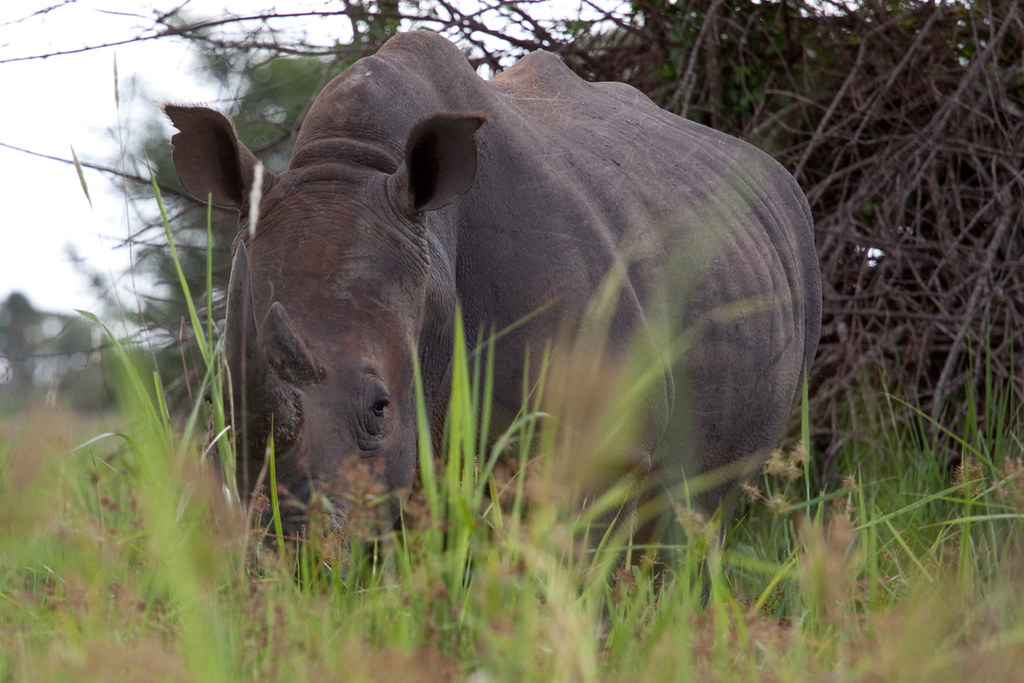
Uganda's only wild rhinos at Ziwa, chimpanzee trekking in Budongo, and classic Murchison Falls game drives.
A fast, efficient fly-in trip with a game drive and boat cruise to the base of the falls.
A longer, quieter Nile cruise downstream to the Delta on Lake Albert, known for strong shoebill stork sightings.
Hike to the top of Murchison Falls where the Nile forces through a narrow gorge, plus classic savannah game drives.
Skip the long drive with a direct flight to wherever the migration currently is, for a fast, high-value trip.
What Our Travelers Enjoyed About Primate Safaris

Gorillas "Silverback"
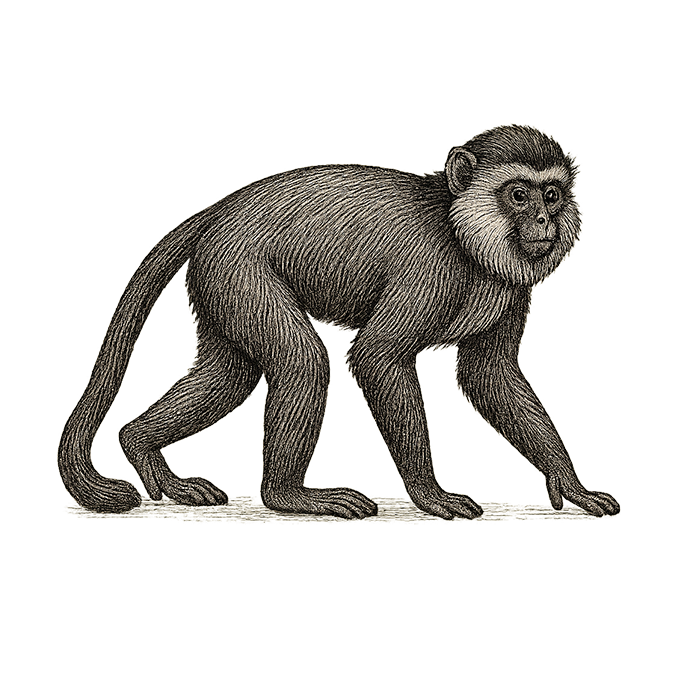
Golden Monkey "Photogenic"
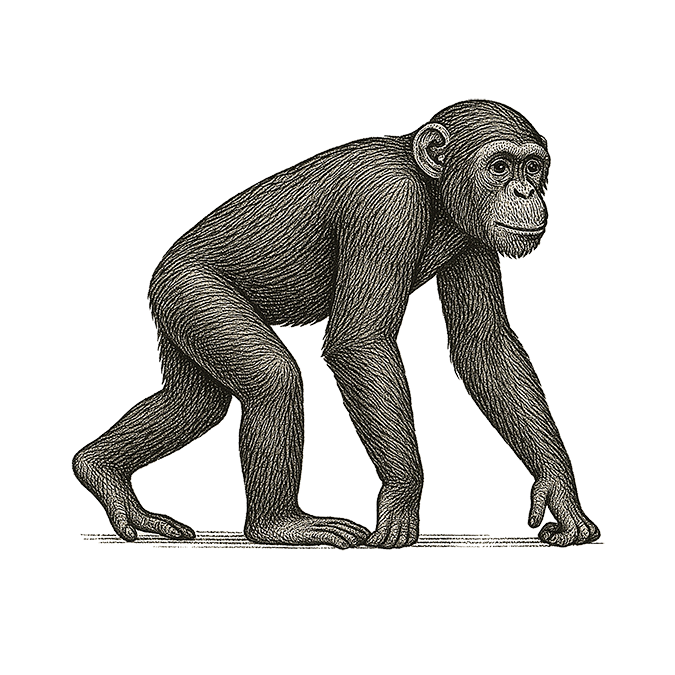
Chimpanzees "Pant-hoot"

Volcanoes "Real Forest Africa"
Experience East Africa the Way It Was Meant to Be
The game drive remains the core activity of any East Africa safari, and across the region’s major parks, morning and afternoon drives are timed deliberately around when wildlife is most active, generally the cooler hours around dawn and dusk, rather than the heat of midday. Open-sided 4×4 vehicles give largely unobstructed views, and experienced guides read tracks, fresh dung, and alarm calls from other species to work out where predators are likely to be, often staying in radio contact with other vehicles in the area to share real-time sightings.
What a game drive looks like varies significantly by park: the Masai Mara and Serengeti offer dense concentrations of plains game and predators across open grassland, Uganda’s Queen Elizabeth National Park adds the unusual sight of tree-climbing lions in its Ishasha sector, and Murchison Falls combines savannah game viewing with proximity to the Nile itself. Most safari itineraries include at least one game drive per day as a baseline activity, often supplemented with a boat cruise, walking safari, or specialist activity depending on the specific park and season.