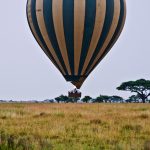
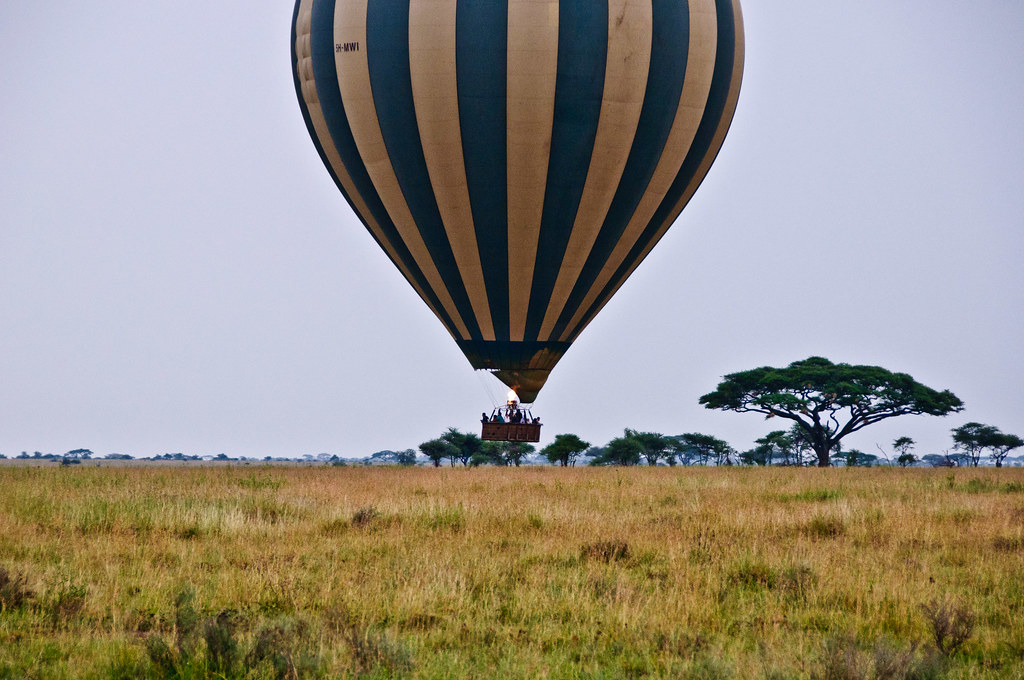
Hot Air Balloon Safaris
November 22, 2025

Camping Safaris
Camping safaris offer one of the most immersive and authentic ways to experience Africa’s wilderness, placing travelers directly within nature rather than observing it from a distance. Unlike lodge-based safaris, camping safaris emphasize closeness to the environment, natural sounds, open skies, and the raw rhythm of wildlife. From the moment the campfire is lit to the calls of nocturnal animals echoing through the night, camping safaris deliver a deeply personal and unforgettable connection to the wild.
Uganda Gorilla Trekking Experience
Discover Uganda’s gorilla trekking experience where misty rainforests shelter mountain gorillas, ancient trails wind through Bwindi’s depths, and every step brings you closer to one of Africa’s most profound wildlife encounters, blending raw nature, conservation, and lasting memories.
Camping Safaris: A Complete Guide to Experiences Across the Region
What Makes Camping Safaris Unique
The defining feature of camping safaris is simplicity paired with adventure, allowing travelers to engage with nature in its purest form. Tents are set in scenic locations close to wildlife corridors, water sources, or open plains, ensuring that animals remain part of the experience even outside game drives. The absence of permanent structures creates a sense of impermanence that heightens appreciation for the landscape and reinforces respect for the ecosystem.
Camping safaris also slow the pace of travel. Without rigid schedules or luxury distractions, guests focus on wildlife behavior, landscapes, and the small details that define the bush, such as animal tracks, bird calls, and changing light.
Types of Camping Safaris
Camping safaris range from classic budget adventures to high-end mobile experiences, catering to different travel styles while maintaining the same wilderness ethos. Budget camping safaris focus on practicality and affordability, making them popular with adventurous travelers and backpackers. These safaris typically use dome tents, shared facilities, and communal meals prepared over open fires.
Luxury camping safaris elevate the concept by offering spacious canvas tents, en-suite facilities, fine dining, and personalized service, all without sacrificing the sense of being deep in the wild. Mobile camping safaris move camps periodically to follow wildlife migration patterns or seasonal changes, providing front-row access to nature’s most dynamic moments.
Wildlife Encounters on Camping Safaris
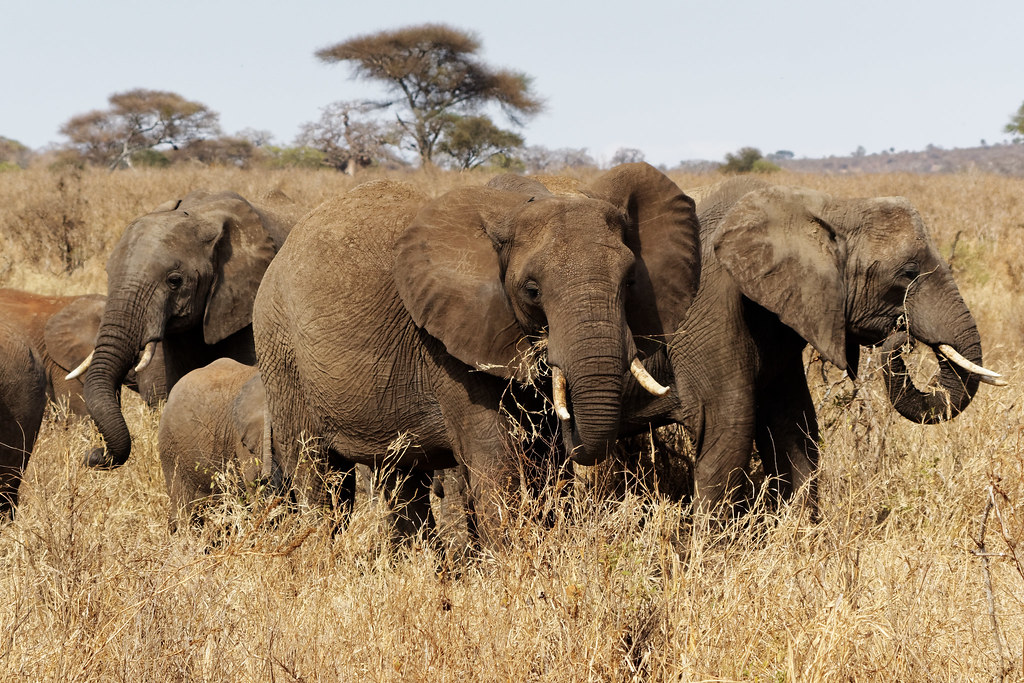
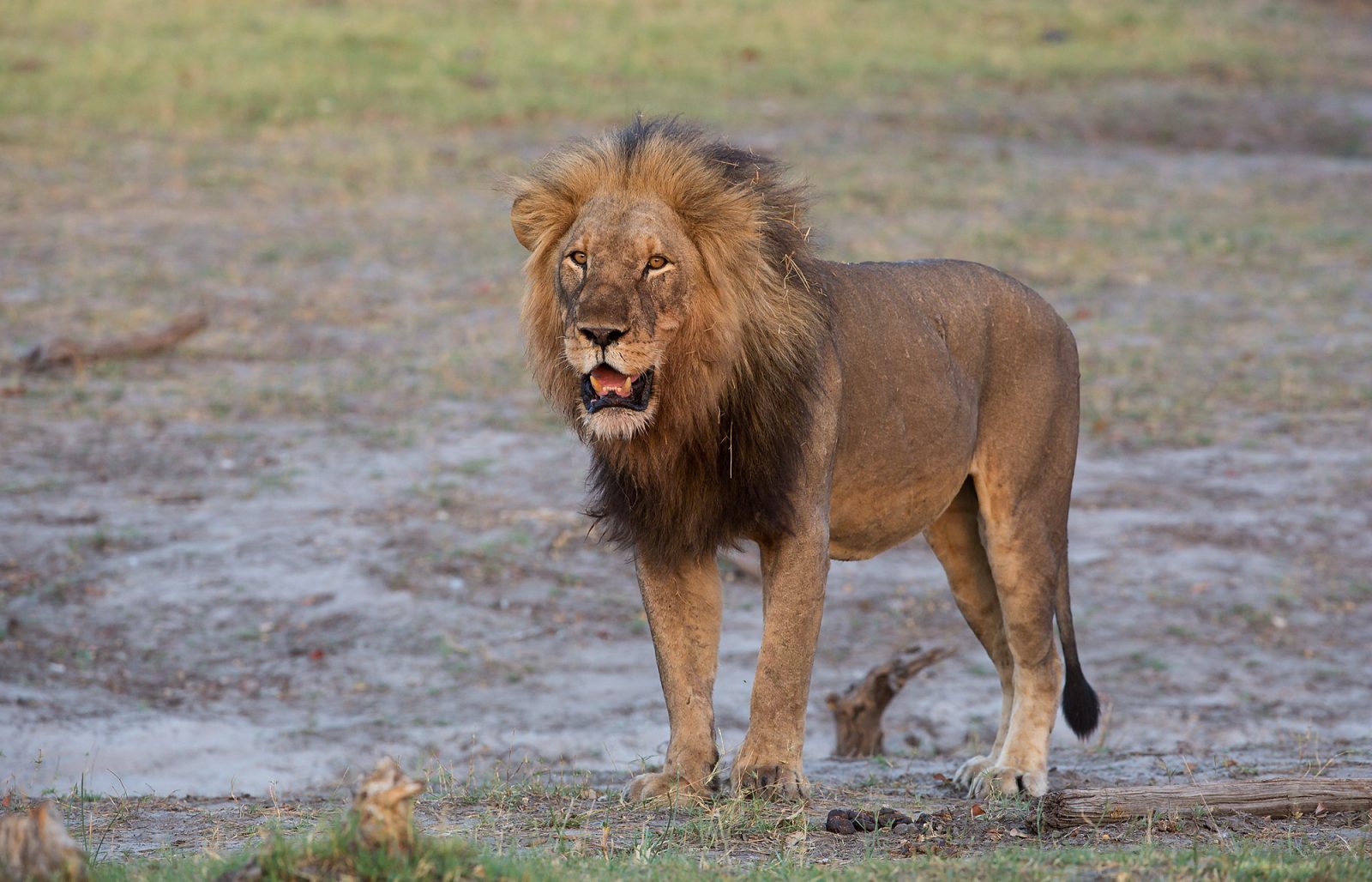
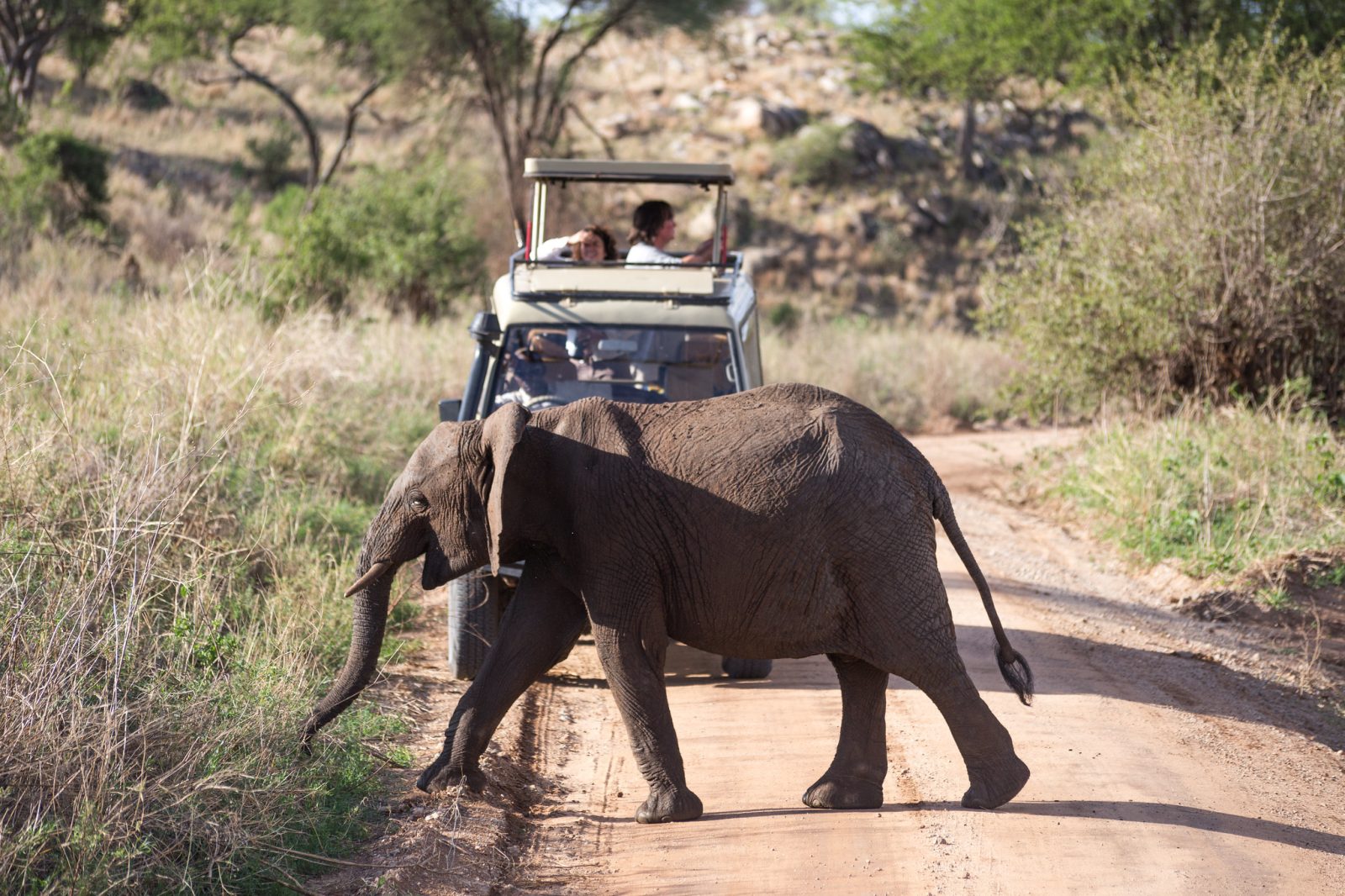
Wildlife encounters on camping safaris feel more immediate and intense than on lodge-based safaris, simply because you are living within the animals’ environment. Hearing lions roar at night, elephants moving through nearby vegetation, or hyenas calling after dark creates a powerful sense of presence that cannot be replicated in permanent accommodations.
Game drives remain the core activity, but the overall experience is enriched by what happens in camp. Early mornings begin with birdsong and fresh tracks around the tents, while evenings often include storytelling, stargazing, and discussions about the day’s sightings.
Camping Safaris in Uganda
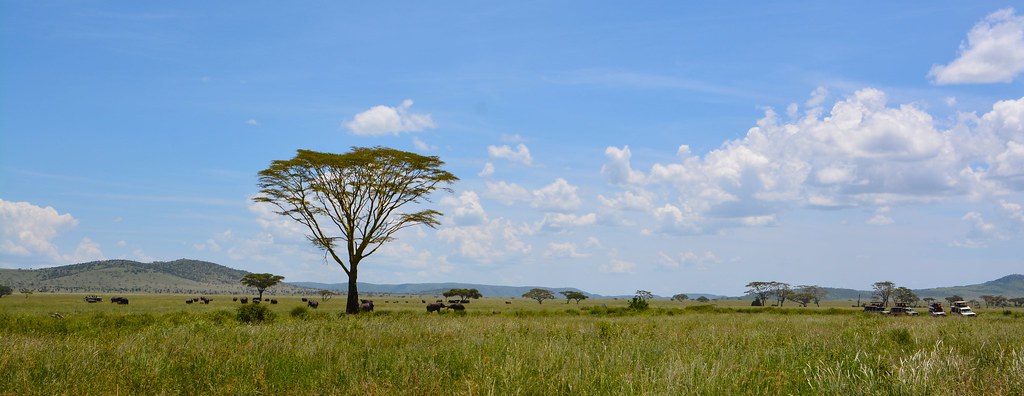
Uganda offers exceptional camping safari opportunities across its diverse national parks, combining savannah wildlife, river ecosystems, and forested landscapes. In Queen Elizabeth National Park and Murchison Falls National Park, camping safaris allow travelers to experience classic big game viewing alongside dramatic scenery and water-based wildlife encounters. Remote destinations such as Kidepo Valley National Park are particularly well suited to camping safaris, as their isolation enhances the feeling of true wilderness.
Camping safaris in Uganda are often combined with boat safaris, guided nature walks, and cultural encounters, creating a varied and enriching itinerary that goes beyond traditional game drives.
The Role of Guides and Camp Staff
Experienced guides and camp staff are central to the success of a camping safari, ensuring safety, comfort, and meaningful interpretation of the environment. Guides read animal behavior, track movements, and adapt activities based on weather and wildlife patterns. Camp staff handle logistics, meal preparation, and camp setup, allowing guests to relax and fully engage with the experience.
Their knowledge transforms camping safaris into educational journeys, offering insight into ecosystems, conservation challenges, and local traditions.
Comfort and Safety in the Wild
Modern camping safaris balance adventure with safety and comfort, even in remote locations. Camps are carefully positioned to minimize disturbance to wildlife while ensuring secure surroundings. Safety briefings are standard, teaching guests how to move around camp responsibly and respect animal behavior.
Comfort levels vary depending on the style of camping safari, but even basic setups prioritize clean sleeping arrangements, nutritious meals, and attentive service. Luxury camping options further enhance comfort with proper beds, hot bucket showers, and elegant dining setups under the stars.
Best Time for Camping Safaris
Camping safaris can be enjoyed year-round, though seasonal conditions influence the experience. Dry seasons generally provide easier access, better road conditions, and concentrated wildlife around water sources. Wet seasons bring lush landscapes, fewer visitors, and exceptional birdlife, though camps may relocate to adapt to changing conditions.
Mobile camping safaris are particularly effective in responding to seasonal shifts, ensuring optimal wildlife viewing while maintaining environmental sustainability.
Conservation and Responsible Travel
Camping safaris promote low-impact tourism and support conservation efforts, as temporary camps reduce long-term environmental footprint. Responsible operators follow strict guidelines regarding waste management, wildlife interaction, and campsite restoration. Tourism revenue from camping safaris contributes to park management, anti-poaching initiatives, and community development projects.
By choosing ethical camping safaris, travelers directly support conservation while enjoying a meaningful connection to nature.
Who Should Choose a Camping Safari
Camping safaris are ideal for travelers seeking authenticity, adventure, and deeper engagement with the wild. They appeal to wildlife enthusiasts, photographers, nature lovers, and those who value experience over luxury. While not everyone prefers sleeping in tents, those who do often describe camping safaris as the most rewarding and emotionally powerful way to explore Africa.
Camping safaris represent the essence of African wilderness travel, offering raw beauty, close wildlife encounters, and a profound sense of connection to nature. Whether experienced as a budget adventure, a luxury mobile camp, or a remote wilderness journey, camping safaris strip travel back to its fundamentals and remind us why Africa’s wild places are worth protecting. For travelers seeking an honest, immersive, and unforgettable safari experience, camping safaris remain unmatched.
Our Recommended Tour Ideas

Murchison Falls' classic activities based from a premium riverside lodge, with private transfers throughout.

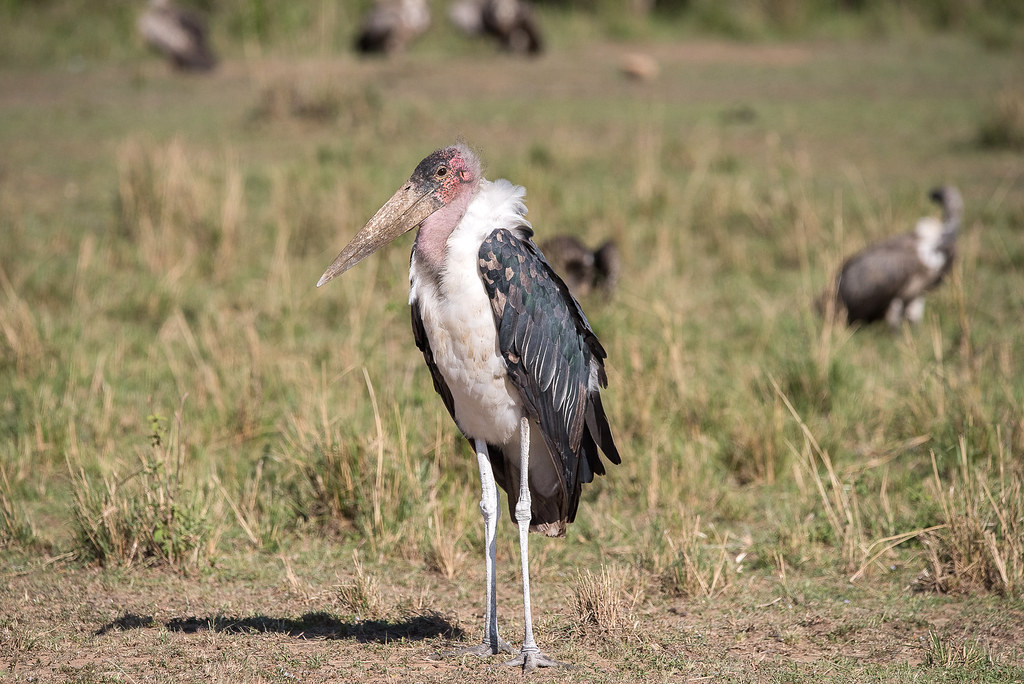
Search for the shoebill stork among 450+ recorded species, with classic game drives built around the trip too.
A dedicated sunset game drive for peak predator activity, alongside the park's classic Nile boat cruise.
Cast for Nile perch below the falls, then spend an afternoon on a classic savannah game drive.

Uganda's only wild rhinos at Ziwa, chimpanzee trekking in Budongo, and classic Murchison Falls game drives.
A fast, efficient fly-in trip with a game drive and boat cruise to the base of the falls.

A longer, quieter Nile cruise downstream to the Delta on Lake Albert, known for strong shoebill stork sightings.
Hike to the top of Murchison Falls where the Nile forces through a narrow gorge, plus classic savannah game drives.

Skip the long drive with a direct flight to wherever the migration currently is, for a fast, high-value trip.
What Our Travelers Enjoyed About Primate Safaris

Gorillas "Silverback"
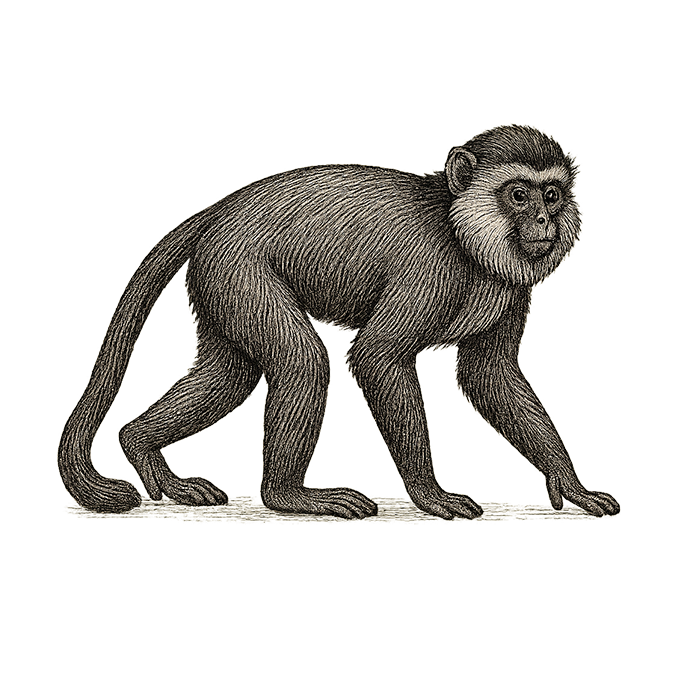
Golden Monkey "Photogenic"
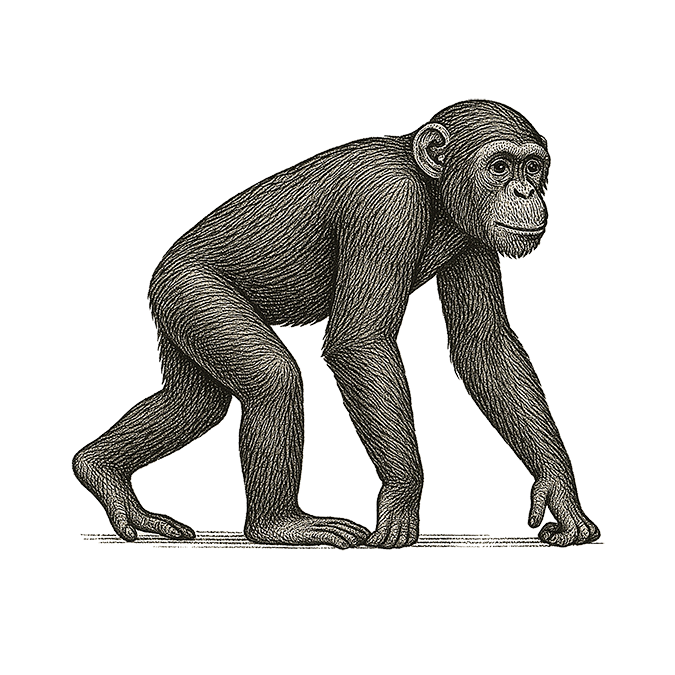
Chimpanzees "Pant-hoot"