Home / Kenya Safaris /
When To Go On A Kenya Safari
Kenya is one of Africa’s most celebrated safari destinations, renowned for its breathtaking landscapes, abundant wildlife, and unforgettable safari experiences. Choosing the right time to go on a safari in Kenya is crucial for first-time travelers because the timing affects wildlife sightings, weather conditions, and overall comfort. From witnessing the spectacular wildebeest migration in the Maasai Mara to exploring the lush forests of Aberdare or the sprawling savannahs of Amboseli, the best time to visit depends on the type of safari experience you are seeking.
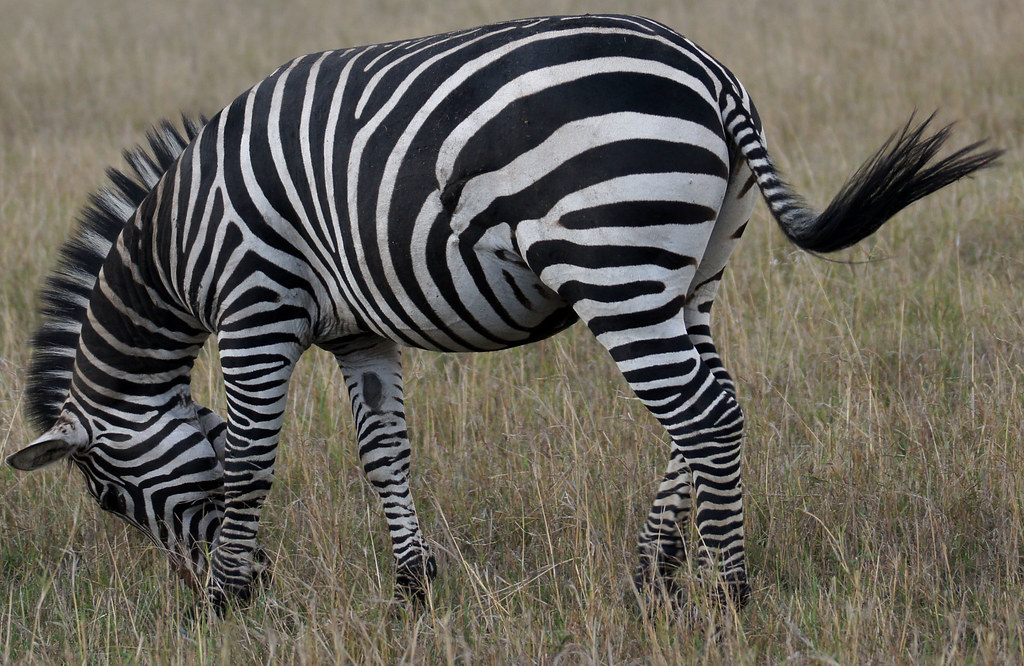
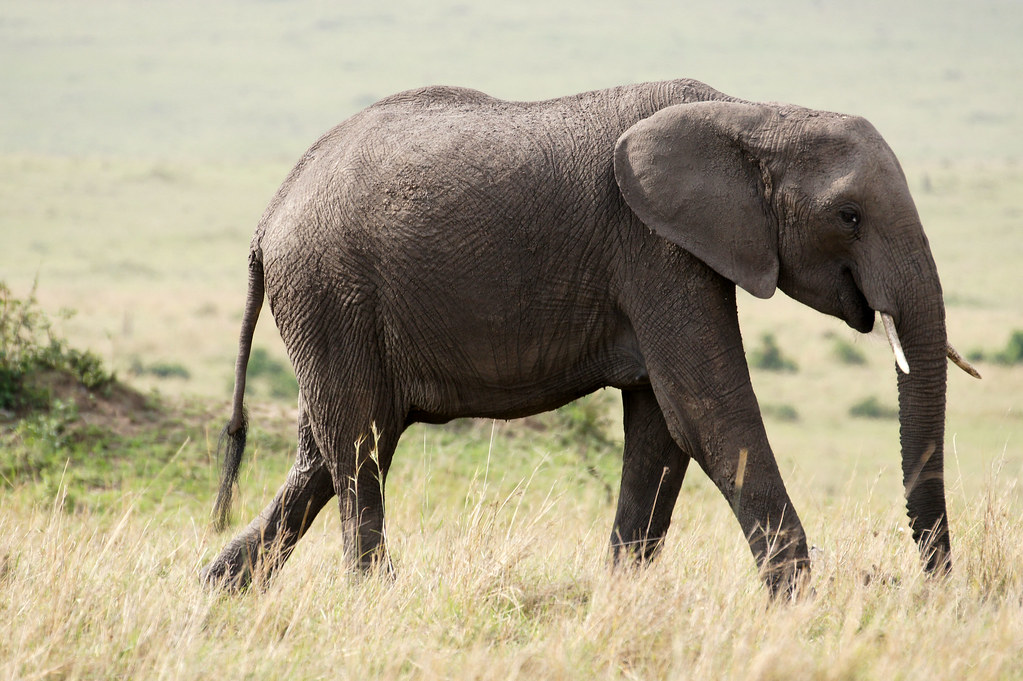
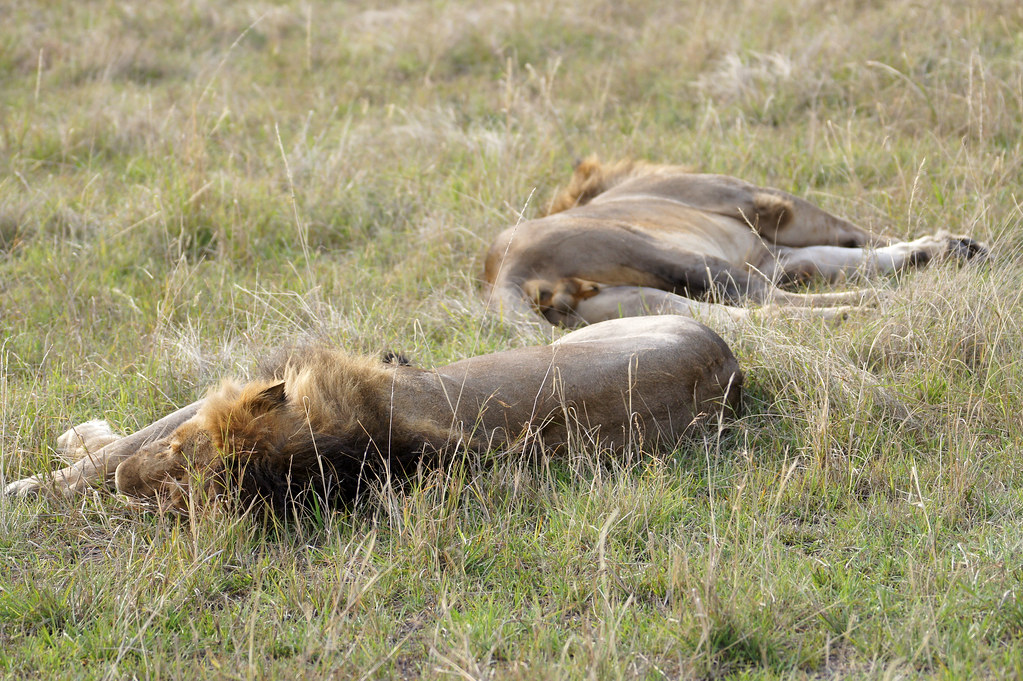
Big Five in the Masaai Mara
When people think of African safaris, the “Big Five” often comes to mind: lion, leopard, elephant, buffalo, and rhinoceros. Rwanda may be small, but it offers excellent opportunities to see several of these iconic animals, especially in Akagera National Park, which is the country’s main savannah and wildlife reserve.
When To Go On A Kenya Safari & Tours

Murchison Falls' classic activities based from a premium riverside lodge, with private transfers throughout.

Search for the shoebill stork among 450+ recorded species, with classic game drives built around the trip too.
A dedicated sunset game drive for peak predator activity, alongside the park's classic Nile boat cruise.
Cast for Nile perch below the falls, then spend an afternoon on a classic savannah game drive.

Uganda's only wild rhinos at Ziwa, chimpanzee trekking in Budongo, and classic Murchison Falls game drives.
A fast, efficient fly-in trip with a game drive and boat cruise to the base of the falls.
When To Go On A Kenya Safari Guide: Journey in Kenya
The Dry Season: June to October and January to February
The dry seasons in Kenya, from June to October and January to February, are generally considered the best times for safaris. During these months, wildlife congregates around rivers, waterholes, and lakes, making animal sightings easier and more predictable. In the Maasai Mara, the dry season coincides with the annual wildebeest migration, one of the most iconic wildlife spectacles in the world. Visitors can witness thousands of wildebeest and zebras crossing rivers in dramatic encounters with predators, offering unforgettable photographic opportunities.
In Amboseli National Park, the dry months provide excellent visibility of elephant herds against the backdrop of Mount Kilimanjaro. Predators, including lions and leopards, are more easily spotted, as the vegetation is less dense. The clear skies, warm temperatures, and minimal rainfall during the dry season make it ideal for game drives, photography, and outdoor activities. The dry season also allows for easier access to remote northern reserves such as Samburu and Buffalo Springs, where animals gather around scarce water sources in the arid landscape.
The Wet Season: March to May and November to Early December
The wet season, spanning from March to May and November to early December, offers a different safari experience in Kenya. During this period, the landscapes transform into lush green plains, waterfalls flow more vigorously, and rivers and lakes are full. While some roads in parks may become muddy or less accessible, the wet season brings a unique charm for travelers who enjoy vibrant scenery, fewer crowds, and opportunities for birdwatching.
This period is particularly attractive for observing migratory and breeding birds, as wetlands and lakes host flocks of flamingos, pelicans, storks, and other species. Safari-goers may also enjoy lower accommodation rates during the wet season, making it ideal for budget-conscious travelers who want to experience Kenya without the peak season crowds. For those visiting the coast, the wet season has little impact on beach holidays, as coastal areas remain warm and inviting.
Wildlife Considerations and Seasonal Highlights
Different times of year influence the behavior of wildlife in Kenya. During the dry season, animals are more concentrated, increasing the likelihood of spotting the Big Five—lion, leopard, elephant, buffalo, and rhinoceros. Predators are easier to observe as they hunt along the edges of water sources. The wet season encourages the growth of vegetation, which can provide excellent camouflage for wildlife, making some species slightly harder to spot but offering a more intimate and natural viewing experience.
For those planning multi-destination trips, combining dry-season safari parks with coastal holidays or mountain treks can maximize the overall experience. While the Maasai Mara, Amboseli, and Tsavo are best visited during the dry months, highland regions and forests such as Aberdare and Mount Kenya can be explored year-round, as rainfall is often intermittent and trails remain navigable with proper guidance.
Travel Tips for First-Time Safari Visitors
First-time travelers should plan their visit according to the season, type of safari experience, and personal preferences. Early morning and late afternoon game drives are recommended regardless of the season, as animals are most active during cooler hours. Guided tours are essential for navigating parks safely and enhancing wildlife observation. Travelers should pack layered clothing, sun protection, insect repellent, sturdy shoes, and cameras with zoom lenses to capture memorable encounters. Booking accommodations and guided safaris in advance is particularly important during the dry season, when parks are at their busiest.
The best time to go on a Kenyan safari depends on whether you prioritize wildlife sightings, dramatic landscapes, or fewer tourists. The dry seasons, from June to October and January to February, are ideal for spotting concentrated wildlife, enjoying predictable weather, and witnessing the great wildebeest migration. The wet seasons, from March to May and November to early December, offer lush scenery, vibrant birdlife, and fewer visitors, creating a more intimate safari experience. By understanding Kenya’s seasonal variations, first-time travelers can plan a safari that maximizes wildlife encounters, comfort, and adventure, ensuring a journey that will be remembered for a lifetime.
What Our Travelers Enjoyed About Primate safaris

Gorillas "Silverback"
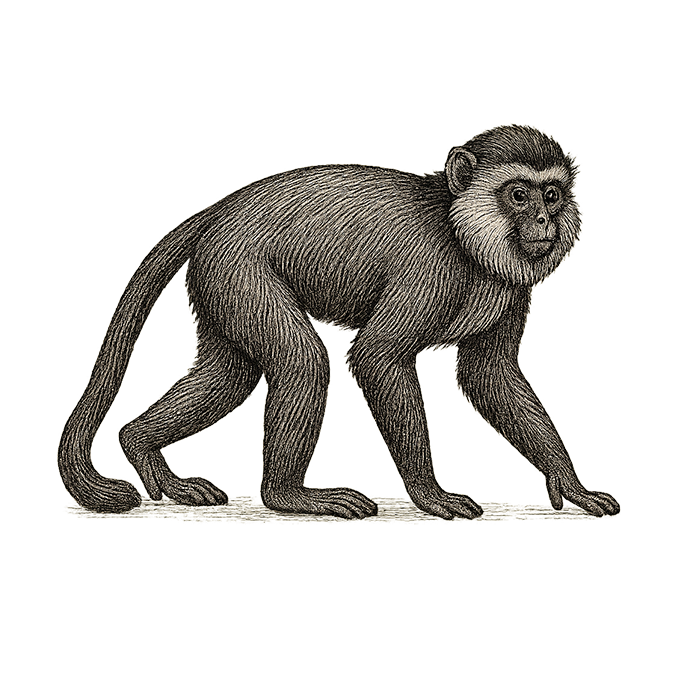
Golden Monkey "Photogenic"
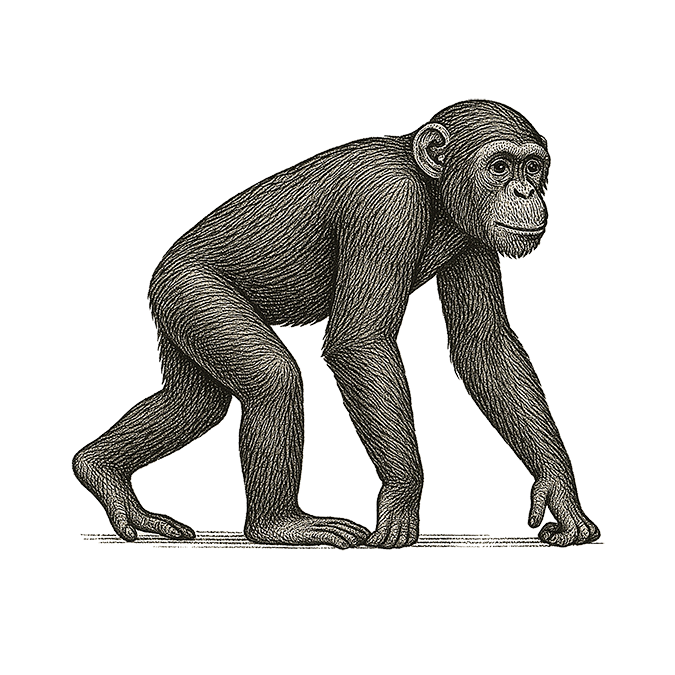
Chimpanzees "Pant-hoot"