

Sarova Shaba Game Lodge
January 24, 2026
Hemingways Ol Seki Mara
January 24, 2026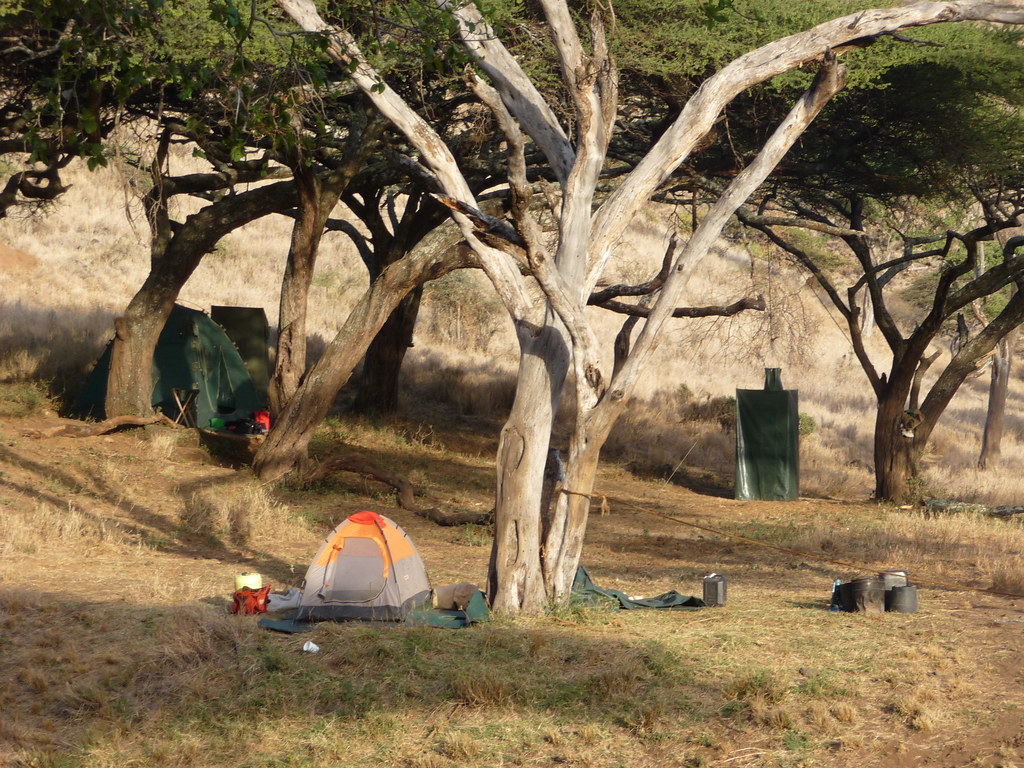
Lewa Walking Wild Camp sits within the Lewa Wildlife Conservancy, a private conservancy in Kenya’s Laikipia region recognized as a UNESCO World Heritage Site for its role in rhino conservation, and built its identity specifically around walking safaris rather than treating them as an occasional add-on to vehicle-based game drives.
Location & Setting
Lewa sits on the eastern flank of the Laikipia plateau, within view of Mount Kenya on clear days, and has operated as a dedicated conservation area for decades, developing one of the most effective rhino protection programs in East Africa along the way. The conservancy’s combination of strong security infrastructure and open, walkable terrain is central to why a walking-focused camp works particularly well here.
Why Walking Safaris
A walking safari changes the pace and focus of wildlife viewing in ways a vehicle can’t replicate — tracks, dung, insect activity, and plant use all become part of what a guide points out, and the physical act of moving through the landscape on foot, with an armed ranger accompanying larger groups as standard practice, builds a different relationship with the bush than observing it from a vehicle window. Lewa’s conservancy status and controlled visitor numbers make it one of the more reliable places in Kenya to build an entire stay around this style of safari rather than treating it as a single activity within an otherwise vehicle-based itinerary.
Wildlife & Conservation
Lewa holds one of Kenya’s most significant black and white rhino populations, protected by a security and monitoring system that has become a reference model studied by conservationists working on rhino protection elsewhere in Africa. Beyond rhino, the conservancy supports healthy populations of elephant, lion, leopard, Grevy’s zebra, and reticulated giraffe, along with the endangered Jackson’s hartebeest, a species with a very limited remaining range.
Activities
Guided walks are the core activity, typically covering varying distances depending on group fitness and interest, with rangers trained specifically in Lewa’s terrain and wildlife leading each outing. Vehicle-based game drives, horseback safaris in some seasons, and visits to community conservation projects supported by the conservancy are usually available alongside the core walking program, giving a varied mix of activities across a multi-day stay.
Food & Drink
Meals are typically taken communally, reflecting the camp’s small scale, with menus built around Kenyan and international dishes and a kitchen accustomed to accommodating dietary requirements given advance notice. Bush breakfasts or lunches set up during a longer walk are a common feature, adding a further dimension to the walking-focused format beyond standard camp dining.
Rooms & Cottages
Accommodation is generally in a small number of tents or simple rooms, built with the camp’s walking-safari focus in mind rather than resort-style amenities, prioritizing comfortable, functional accommodation over elaborate facilities. Exact configuration is best confirmed directly with the property.
Best Time to Visit
Lewa’s higher elevation keeps temperatures more moderate than lower-lying parks, with June through October and January through February generally offering the driest, most comfortable walking conditions, while the rainy seasons bring lush scenery at some cost to trail conditions.
Who It Suits
It suits travelers specifically drawn to walking safaris as a primary activity rather than an occasional break from vehicle-based game drives, along with those with a strong interest in rhino conservation and Lewa’s specific role in protecting the species.
Budget & Positioning
As a specialized, conservation-linked camp on prestigious conservancy land, Lewa Walking Wild Camp typically sits in the upper-mid to luxury segment of the Laikipia market. Current rates are best obtained directly through the property or a specialist operator.
Guiding & Safety
Walking safaris in Kenya are generally conducted with an armed ranger accompanying the guide, a standard safety practice for foot-based wildlife viewing that reflects the genuinely different risk profile of walking through habitat shared with elephant, buffalo, and predators compared to observing the same animals from an enclosed vehicle. Lewa’s rangers, drawn substantially from the conservancy’s own long-running training and security programs, generally bring a depth of tracking skill and terrain knowledge built up over years of daily work protecting the conservancy’s rhino population, which extends naturally into strong walking-safari guiding.
Combining With a Wider Itinerary
Lewa’s position in Laikipia places it within reach of Kenya’s central highlands and Mount Kenya, as well as the northern arid-zone reserves further afield, making it a natural stop on a longer Kenya itinerary that moves between highland, conservancy, and lowland savanna ecosystems. It pairs particularly well with a stay in a more classic vehicle-based safari destination like the Masai Mara, giving travelers a chance to directly compare the two very different paces of wildlife viewing within a single trip.
Practical Notes
Lewa is typically reached by light aircraft from Nairobi to the conservancy’s own airstrip, with road transfer time from Nairobi considerably longer given the distance and road conditions. Because walking safaris are physically more demanding than vehicle-based drives, a reasonable level of fitness is generally expected, and the camp or a booking agent can usually advise on appropriate walk lengths and difficulty for a given group’s fitness level ahead of arrival. Malaria prophylaxis and standard East Africa travel health precautions apply, and given the physical nature of the activities on offer, comfortable, broken-in walking shoes are a more important packing consideration here than at a purely vehicle-based safari destination.