

Rhino Tracking
January 28, 2026
Horse Back Riding
January 28, 2026

Nature Walk
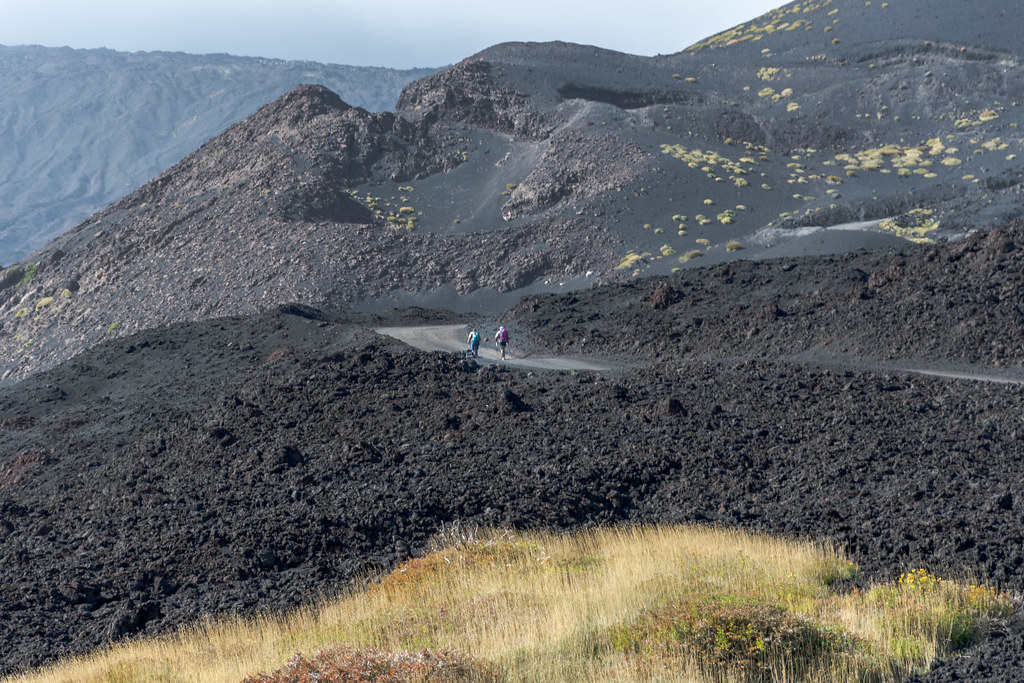
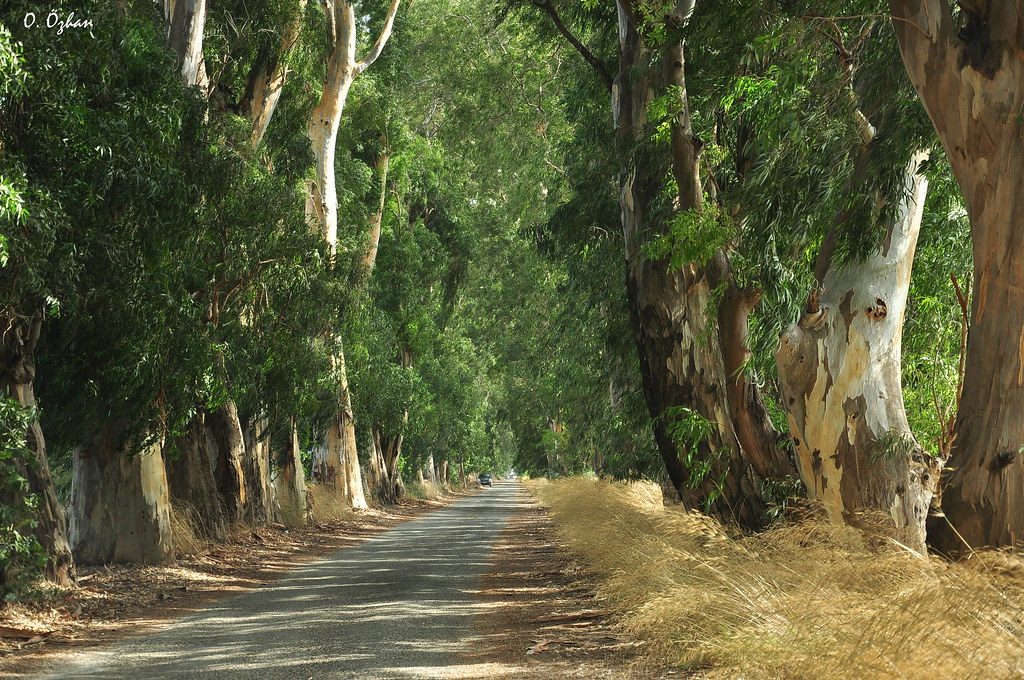
Nature walks offer one of the most authentic and grounding ways to explore Africa’s wilderness. Moving slowly on foot allows travelers to experience landscapes at eye level, engaging all senses while discovering the intricate details often missed on vehicle-based safaris. From rustling leaves and distant bird calls to animal tracks pressed into the soil, every step reveals a deeper story of the natural world.

Golden Monkey Trekking
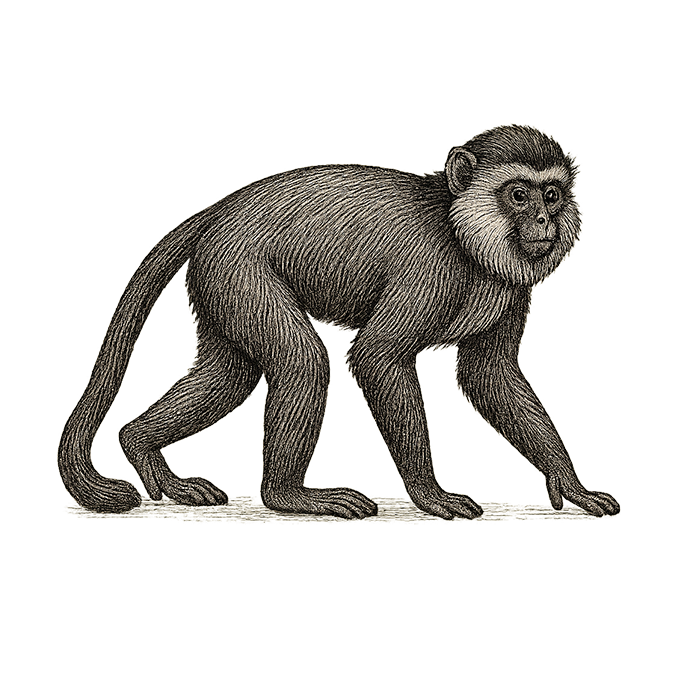
Golden monkeys are endemic to the Albertine Rift, meaning they are found nowhere else in the world. Trekking to see them is not only an adventure but also an opportunity to witness a rare species whose survival depends on continued conservation and responsible tourism.
Nature Walk: A Complete Guide to Experiences Across the Region
Why Nature Walks Are a Unique Safari Experience
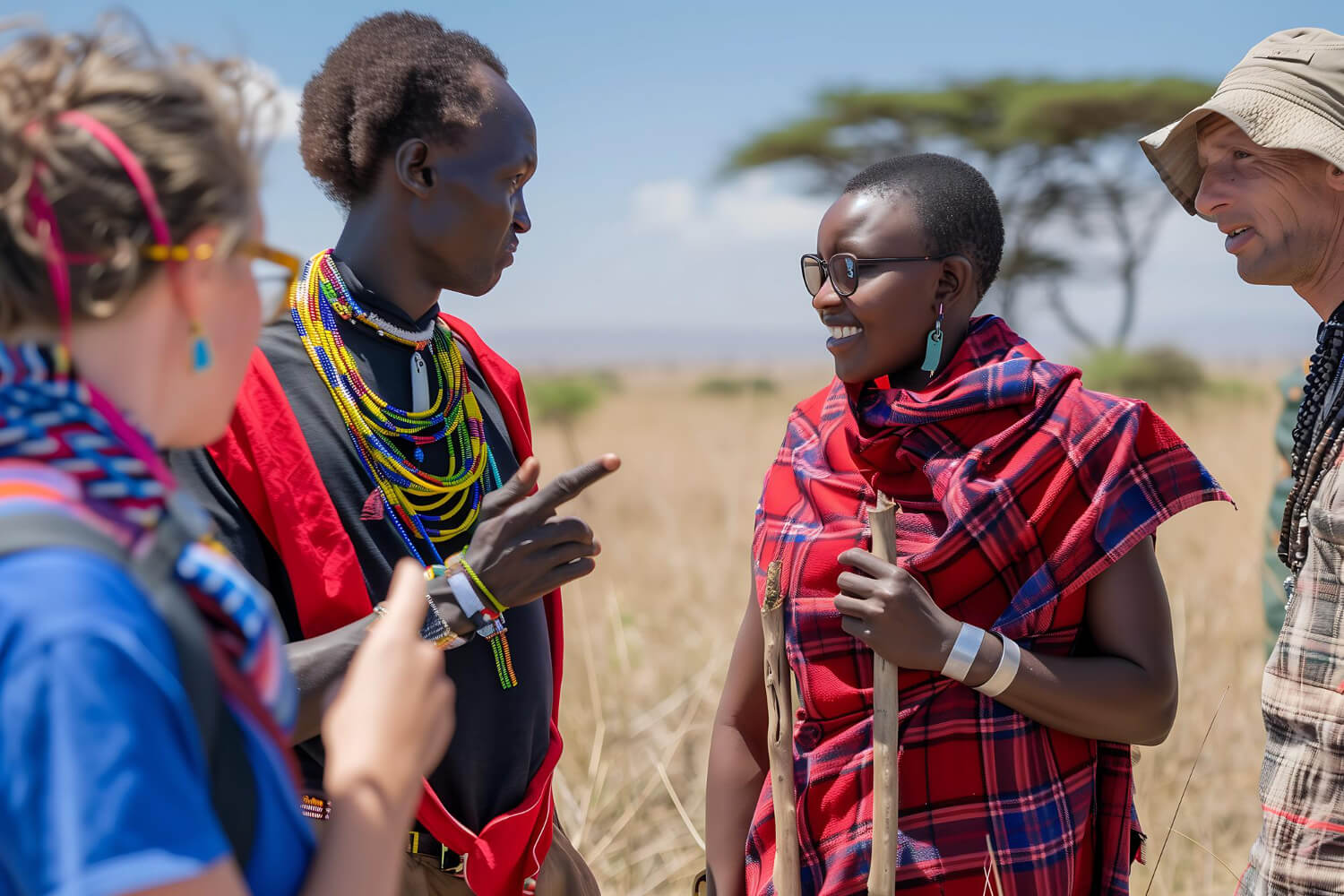
Nature walks stand apart because they remove the barrier between traveler and environment. Walking through forests, savannahs, wetlands, or mountain foothills allows a deeper understanding of ecological relationships. Guides interpret signs such as animal tracks, feeding marks, droppings, and plant behavior, transforming the walk into a living classroom.
The slower pace fosters mindfulness and appreciation. Travelers learn how insects pollinate plants, how predators stalk prey, and how seasons shape the land. Each walk becomes an interactive exploration rather than passive observation, making the experience both educational and emotionally rewarding.
Top Nature Walk Destinations in Africa
Africa offers exceptional destinations for guided nature walks across diverse ecosystems. Uganda’s national parks, including Bwindi Impenetrable Forest, Kibale Forest, and Lake Mburo, are renowned for forest and savannah walks that reveal primates, birds, and unique plant species. Walking along crater lakes and wetlands adds scenic variety to the experience.
Kenya and Tanzania offer iconic walking safaris across savannah landscapes, where travelers encounter plains wildlife, acacia woodlands, and seasonal river systems. Southern Africa, particularly Zambia and Zimbabwe, is globally recognized for its walking safari traditions, offering expertly guided experiences in wildlife-rich reserves.
Mountain regions such as the Rwenzori foothills and Mount Elgon provide nature walks through alpine vegetation, waterfalls, and montane forests, combining physical activity with scenic beauty and biodiversity.
What to Expect on a Guided Nature Walk
Nature walks typically begin with a safety briefing and orientation led by trained guides or armed rangers where required. Guides explain walking protocols, wildlife awareness, and environmental etiquette before setting off along designated trails or wilderness routes.
Walks can range from short interpretive strolls lasting one to two hours to half-day or full-day excursions. The focus is not distance but discovery, with frequent stops to examine plants, insects, animal signs, and landscapes. The experience is tailored to group interests and fitness levels, ensuring comfort and engagement.
Wildlife Encounters on Nature Walks
Nature walks offer unique wildlife encounters rooted in observation rather than pursuit. While large mammals may be seen at a distance, the real highlights often include smaller species and subtle interactions. Antelope, monkeys, birds, reptiles, butterflies, and insects are commonly encountered, offering insight into the foundation of African ecosystems.
Birdwatching is particularly rewarding on nature walks, as guides identify calls, nesting behavior, and feeding patterns. Learning to read animal tracks and signs deepens appreciation for wildlife movement and survival strategies.
Flora, Ecosystems, and Natural Knowledge
Plants play a central role in nature walks. Guides explain medicinal uses, traditional knowledge, and ecological functions of trees, shrubs, and grasses. Travelers learn how vegetation supports wildlife, regulates climate, and sustains local communities.
Walking through different habitats reveals how ecosystems transition and adapt. From wetlands and grasslands to forests and rocky outcrops, each environment offers distinct biodiversity and ecological lessons, enriching the overall experience.
Best Seasons for Nature Walks in Africa
Nature walks are available year-round, though seasonal conditions influence scenery and wildlife activity. Dry seasons often provide easier walking conditions and clearer views, while wet seasons bring lush vegetation, wildflowers, and increased insect and bird activity.
Forest walks during wet months reveal vibrant greenery and active primates, while savannah walks in dry periods highlight animal tracks and concentrated wildlife near water sources. Choosing the right season depends on interests, comfort, and photographic goals.
Safety and Responsible Walking Practices
Safety is a fundamental aspect of guided nature walks. Experienced guides assess wildlife presence, weather conditions, and terrain to ensure secure routes. Travelers are encouraged to follow instructions, walk calmly, and remain attentive to surroundings.
Responsible walking emphasizes minimal impact. Staying on trails where appropriate, avoiding disturbance to wildlife, and respecting plants and habitats preserve the environment. Many nature walks directly support conservation through park fees and community involvement.
Family and Group Nature Walk Experiences
Nature walks are ideal for families and groups, offering accessible and educational adventures suitable for different ages. Children benefit from hands-on learning, discovering insects, plants, and animal signs while developing appreciation for nature.
Group walks encourage shared curiosity and discussion, creating engaging experiences that foster teamwork and connection. Family-friendly walks often focus on shorter distances and interactive interpretation, ensuring enjoyment for all participants.
Combining Nature Walks with Other Safari Activities
Nature walks integrate seamlessly with other safari experiences. They complement game drives, boat cruises, birdwatching, primate trekking, mountain hiking, and cultural tours. Walking provides context and depth, enriching the understanding gained from other activities.
For example, a safari itinerary may include morning game drives followed by afternoon nature walks, allowing travelers to observe wildlife from both vehicle and ground perspectives. This combination creates a well-rounded and immersive adventure.
The Emotional and Reflective Impact of Nature Walks
Nature walks encourage presence and reflection. Walking quietly through natural environments allows travelers to disconnect from modern distractions and reconnect with the rhythms of nature. The experience often brings calm, clarity, and appreciation for the interconnectedness of life.
Moments such as spotting fresh animal tracks, listening to birdsong, or standing beneath ancient trees leave lasting impressions. Nature walks foster respect for ecosystems and inspire a deeper commitment to conservation. Nature walks in Africa offer an intimate, educational, and emotionally enriching way to explore the continent’s diverse landscapes. By traveling on foot, visitors gain insight into ecosystems, wildlife behavior, and traditional ecological knowledge that cannot be fully experienced from vehicles alone.
This adventure combines gentle physical activity with discovery, making it suitable for all travelers seeking authenticity and connection. For those who wish to truly understand Africa’s wild places, nature walks provide a timeless and deeply rewarding safari experience.
Our Recommended Tour Ideas

Murchison Falls' classic activities based from a premium riverside lodge, with private transfers throughout.

Search for the shoebill stork among 450+ recorded species, with classic game drives built around the trip too.
A dedicated sunset game drive for peak predator activity, alongside the park's classic Nile boat cruise.
Cast for Nile perch below the falls, then spend an afternoon on a classic savannah game drive.

Uganda's only wild rhinos at Ziwa, chimpanzee trekking in Budongo, and classic Murchison Falls game drives.
A fast, efficient fly-in trip with a game drive and boat cruise to the base of the falls.

A longer, quieter Nile cruise downstream to the Delta on Lake Albert, known for strong shoebill stork sightings.
Hike to the top of Murchison Falls where the Nile forces through a narrow gorge, plus classic savannah game drives.

Skip the long drive with a direct flight to wherever the migration currently is, for a fast, high-value trip.
What Our Travelers Enjoyed About Primate Safaris

Gorillas "Silverback"
Golden Monkey "Photogenic"

Chimpanzees "Pant-hoot"

Volcanoes "Real Forest Africa"
Experience East Africa the Way It Was Meant to Be
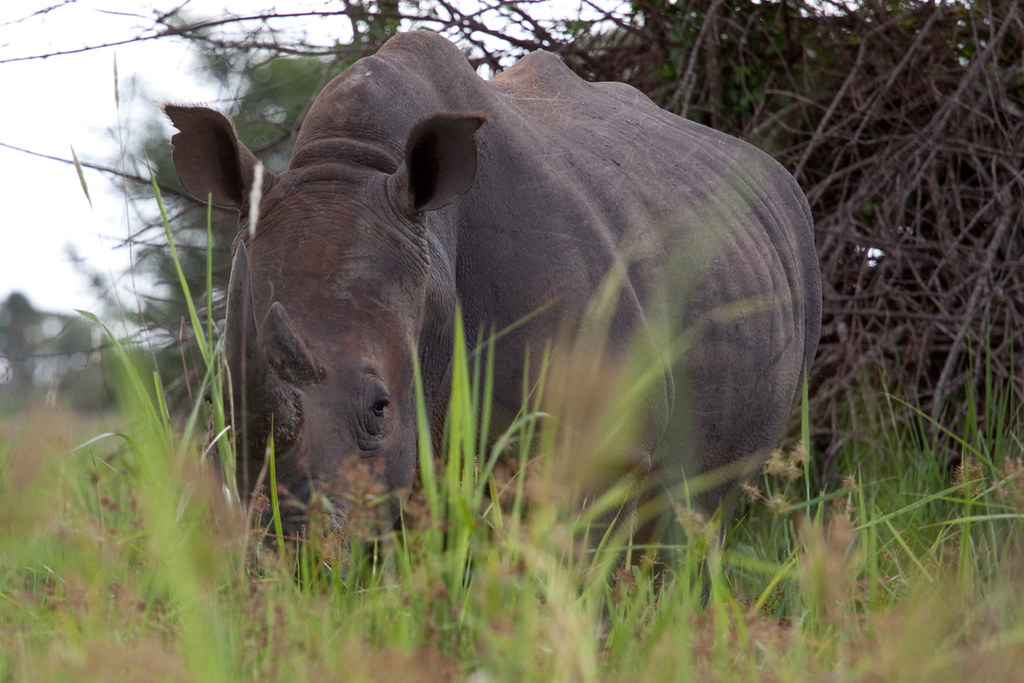
Nature walks offer a slower, ground-level counterpart to a standard game drive, and several parks across the region set aside specific trails for exactly this. In Uganda, Lake Mburo National Park allows ranger-led walking safaris that get considerably closer to zebra, impala, and warthog than a vehicle typically can, while Ziwa Rhino Sanctuary requires walking as the only way to track its resident southern white rhinos on foot with an armed ranger.
Queen Elizabeth National Park’s Maramagambo Forest offers a quieter, shadier walk focused on birdlife, butterflies, and forest plants rather than large mammals, a useful change of pace on a longer Uganda itinerary. In Rwanda and Kenya, most lodges near major parks also offer shorter guided nature walks around their own grounds or adjoining community land, useful for spotting smaller wildlife, birds, and plant life that a faster-moving game drive tends to miss entirely. These walks are typically an hour or two long, require no special fitness, and are often included at no extra cost by lodges that have the necessary walking permits.