

Rock Art & Cave Paintings
January 28, 2026

Stargazing / Night Sky
Stargazing in Africa is a deeply moving experience that reveals the universe in its purest form. Far from city lights and pollution, Africa’s vast landscapes offer some of the darkest skies on Earth, allowing travelers to witness stars, planets, and galaxies with remarkable clarity. As night falls over deserts, savannahs, mountains, and remote lakes, the sky transforms into a luminous canvas filled with countless stars and celestial patterns.
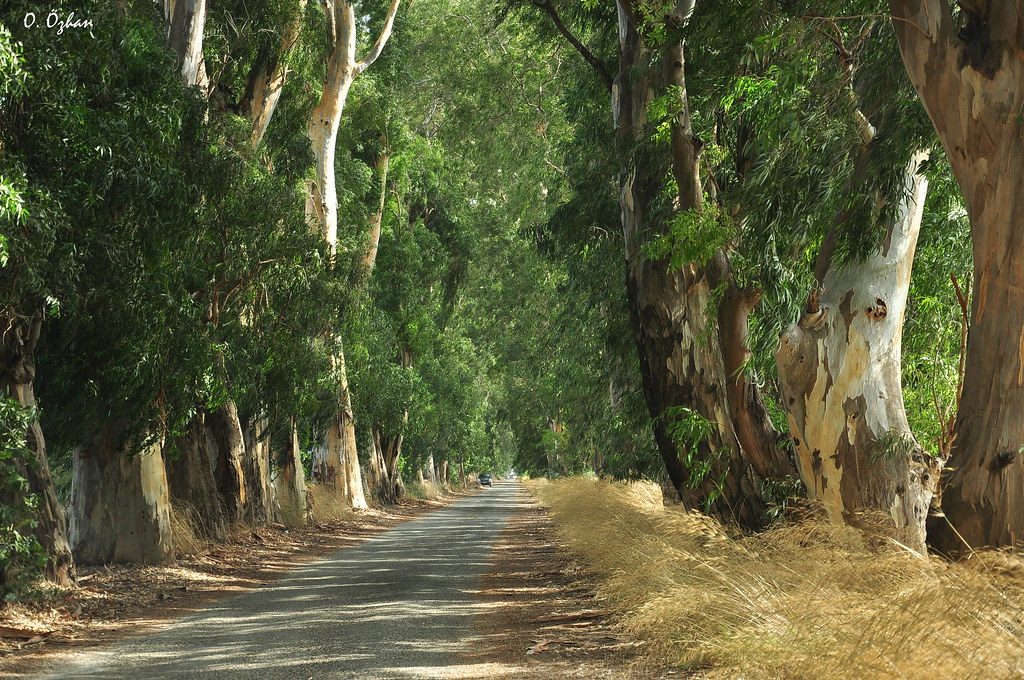




Chimpanzee Trekking
Chimpanzee trekking in Africa is a powerful and intimate wildlife experience that combines adventure, education, and conservation. From the dense forests of Uganda and Rwanda to the remote shores of Lake Tanganyika in Tanzania, each destination offers a unique perspective on chimpanzee life in the wild.
Stargazing / Night Sky: A Complete Guide to Experiences Across the Region
Why Stargazing Is a Unique Safari Experience
Stargazing stands apart from daytime safari activities because it invites stillness and reflection. After the excitement of game drives and adventure excursions, night sky observation offers a moment to slow down, breathe, and reconnect with the natural world on a cosmic scale. Sitting quietly beneath the stars fosters a sense of humility and wonder, reminding travelers of their place within the universe.
In Africa, stargazing is often combined with wilderness settings, campfires, and the distant sounds of nature. The calls of nocturnal animals, the crackle of firewood, and the vast silence of open landscapes deepen the experience, making it immersive and unforgettable.
Top Stargazing Destinations in Africa
Africa hosts several world-class stargazing destinations known for minimal light pollution and expansive horizons. Namibia is widely regarded as one of the best stargazing countries globally, particularly in its desert regions, where clear skies and dry air provide exceptional visibility. The Namib Desert offers uninterrupted views of the Milky Way and deep-space objects throughout much of the year.
In East Africa, remote safari lodges in Kenya, Tanzania, and Uganda provide excellent stargazing opportunities. Open savannahs and highland regions allow clear views of constellations, planets, and meteor showers. Areas around Lake Turkana, the Serengeti, and Karamoja are especially known for pristine night skies.
Southern Africa, including Botswana’s Okavango region and South Africa’s remote reserves, also offers superb stargazing conditions, blending wildlife experiences with astronomy under expansive skies.
What to Expect During a Stargazing Safari
Stargazing experiences often begin after dinner, when guides or lodge hosts lead guests to open viewing areas away from artificial lights. Some safaris include professional telescopes and knowledgeable guides who explain celestial objects, constellations, and planetary movements. Others focus on naked-eye observation, encouraging guests to simply lie back and absorb the vastness above.
Stargazing sessions may include constellation storytelling, planet identification, moon phase observation, and discussions about cosmic phenomena. Whether guided or self-explored, the experience is calm, contemplative, and deeply enriching.
Celestial Wonders You May Observe
Africa’s night skies reveal extraordinary celestial features. The Milky Way appears exceptionally bright, with visible dust lanes and star clusters. Southern Hemisphere constellations such as the Southern Cross, Scorpius, and Sagittarius dominate the sky, offering views unavailable in many parts of the world.
Planets such as Jupiter, Saturn, Venus, and Mars often shine brightly, visible even without telescopes. During specific seasons, meteor showers streak across the sky, adding excitement and wonder to night sky observation. On clear nights, distant galaxies and nebulae become visible through telescopes, enhancing the astronomical experience.
Cultural Astronomy and Indigenous Star Knowledge
Stargazing in Africa is deeply connected to cultural heritage. Many African communities have long relied on the stars for navigation, seasonal planning, agriculture, and storytelling. Indigenous star knowledge is passed down through generations, blending astronomy with mythology, spirituality, and survival wisdom.
During stargazing safaris, guides may share traditional interpretations of constellations and celestial events, offering insight into how ancient cultures understood the universe. These stories enrich the experience, connecting modern travelers to ancestral perspectives on the cosmos.
Best Seasons for Stargazing in Africa
Stargazing is best enjoyed during dry seasons when skies are clear and cloud cover is minimal. Desert and semi-arid regions offer excellent year-round visibility, while savannah and highland areas provide optimal conditions during dry months.
Moon phases also influence stargazing quality. New moon periods create darker skies, enhancing visibility of stars and deep-space objects. Planning stargazing around lunar cycles allows travelers to experience the night sky at its most brilliant.
Photography and Astrophotography Opportunities
Africa’s dark skies provide exceptional conditions for astrophotography. With minimal light pollution, photographers can capture detailed images of the Milky Way, star trails, and constellations. Iconic landscapes such as acacia trees, rock formations, deserts, and safari camps create dramatic foregrounds for night sky compositions.
Astrophotography requires patience, steady equipment, and long exposures, but the results are often breathtaking. Even amateur photographers can achieve impressive results under Africa’s pristine skies.
Safety and Comfort During Night Sky Observation
Stargazing safaris prioritize safety and comfort. Guests are advised to dress warmly, as temperatures can drop significantly after sunset. Guides ensure viewing areas are secure and wildlife-safe, particularly in remote wilderness locations.
Responsible stargazing practices include minimizing artificial lighting, respecting quiet hours, and maintaining awareness of surroundings. These measures preserve the natural experience while ensuring guest safety.
Family and Group Stargazing Experiences
Stargazing is suitable for families and groups, offering educational and bonding opportunities. Children often find astronomy fascinating, and guided explanations help spark curiosity about science and nature. Families enjoy shared moments of discovery, pointing out stars, planets, and constellations together.
Group stargazing sessions foster connection and storytelling, creating memorable evenings that complement daytime safari adventures.
Combining Stargazing with Other Safari Experiences
Stargazing fits seamlessly into broader safari itineraries. It complements game drives, walking safaris, camel trekking, desert camping, mountain hiking, and cultural tours. Many luxury and eco-lodges design itineraries that balance active exploration with restful evenings under the stars.
For example, a desert safari might combine camel trekking during the day with stargazing at night, while a wildlife safari could conclude each day with celestial observation around a campfire.
The Emotional and Spiritual Impact of Stargazing
Stargazing often evokes deep emotional responses. The vastness of the universe, the silence of the night, and the brilliance of the stars inspire awe, reflection, and perspective. Many travelers describe feelings of peace, humility, and connection, as everyday concerns fade beneath the infinite sky.
Moments spent observing the cosmos can be transformative, offering clarity, inspiration, and renewed appreciation for both the natural world and human existence. Stargazing and night sky observation in Africa offer one of the continent’s most profound and unforgettable experiences. From deserts to savannahs, Africa’s dark skies reveal celestial wonders that inspire awe, curiosity, and reflection.
This adventure requires no equipment, no physical exertion, and no prior knowledge—only presence and openness to wonder. For travelers seeking beauty, meaning, and connection beyond the horizon, stargazing in Africa is a timeless and deeply rewarding journey.
Our Recommended Tour Ideas

Murchison Falls' classic activities based from a premium riverside lodge, with private transfers throughout.

Search for the shoebill stork among 450+ recorded species, with classic game drives built around the trip too.
A dedicated sunset game drive for peak predator activity, alongside the park's classic Nile boat cruise.
Cast for Nile perch below the falls, then spend an afternoon on a classic savannah game drive.

Uganda's only wild rhinos at Ziwa, chimpanzee trekking in Budongo, and classic Murchison Falls game drives.
A fast, efficient fly-in trip with a game drive and boat cruise to the base of the falls.

A longer, quieter Nile cruise downstream to the Delta on Lake Albert, known for strong shoebill stork sightings.
Hike to the top of Murchison Falls where the Nile forces through a narrow gorge, plus classic savannah game drives.

Skip the long drive with a direct flight to wherever the migration currently is, for a fast, high-value trip.
What Our Travelers Enjoyed About Primate Safaris

Gorillas "Silverback"
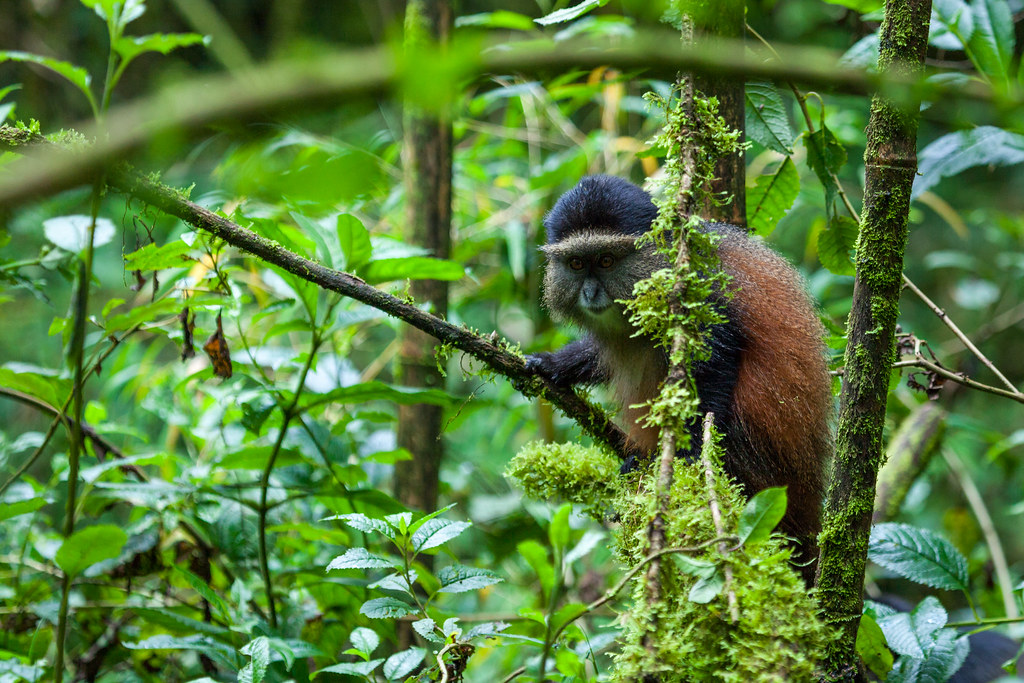
Golden Monkey "Photogenic"
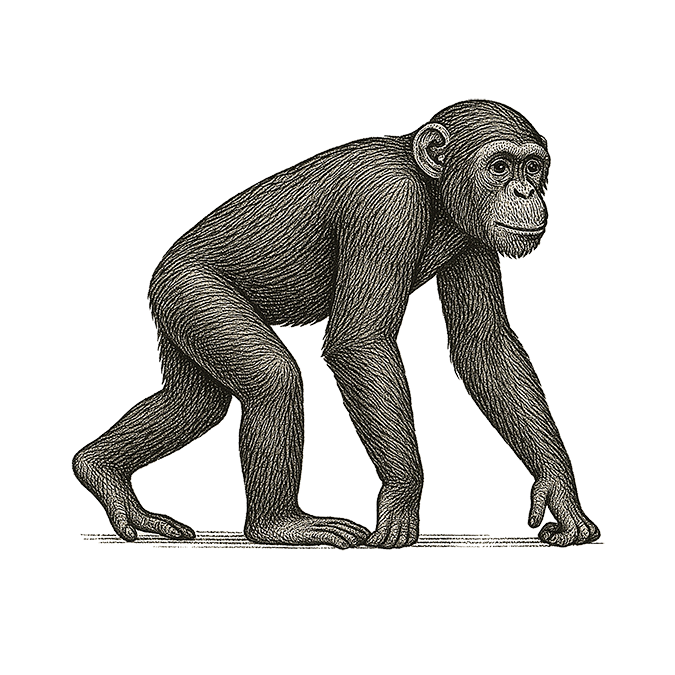
Chimpanzees "Pant-hoot"

Volcanoes "Real Forest Africa"
Experience East Africa the Way It Was Meant to Be
Away from city lights, East Africa’s savannahs offer some of the darkest night skies left on the continent, and several camps have built genuine stargazing experiences around them rather than treating it as an afterthought. In the far south of Kenya’s Laikipia Plateau, star-bed camps set up open-air four-poster beds on raised platforms so guests fall asleep looking straight up at the Milky Way, with a guide or askari nearby for safety. In Tanzania’s central Serengeti and southern plains, the near-total absence of artificial light means the Southern Cross, the Magellanic Clouds, and thousands of stars invisible from most of the Northern Hemisphere become clearly visible on a clear, moonless night.
Uganda’s Kidepo Valley, one of the country’s most remote parks, is particularly prized by astronomy-minded travelers for the same reason: almost no light pollution for hundreds of kilometers in any direction. Most camps that offer dedicated stargazing pair it with a sundowner or a telescope session led by a guide who can point out visible planets and constellations specific to the season. It’s best experienced during the dry months when cloud cover is minimal, and around the new moon, when the sky is at its darkest.