Why Whale Watching Is So Meaningful
Whales represent endurance, intelligence, and the interconnectedness of life on Earth. Many species migrate thousands of kilometers each year, following ancient routes between feeding and breeding grounds. Witnessing this journey offers insight into the rhythms of the natural world and humanity’s responsibility to protect it.
Whale watching is meaningful because it connects travelers emotionally to conservation. Seeing whales alive and free reinforces the importance of protecting oceans from pollution, climate change, and overexploitation. For many people, a whale watching experience marks the beginning of a lifelong commitment to marine conservation.
Different Species Encountered While Whale Watching
Whale watching reveals a variety of species, each with unique behaviors and characteristics. Humpback whales are among the most popular due to their acrobatic breaches and complex songs. Blue whales, the largest animals ever to exist, inspire awe simply through their immense scale.
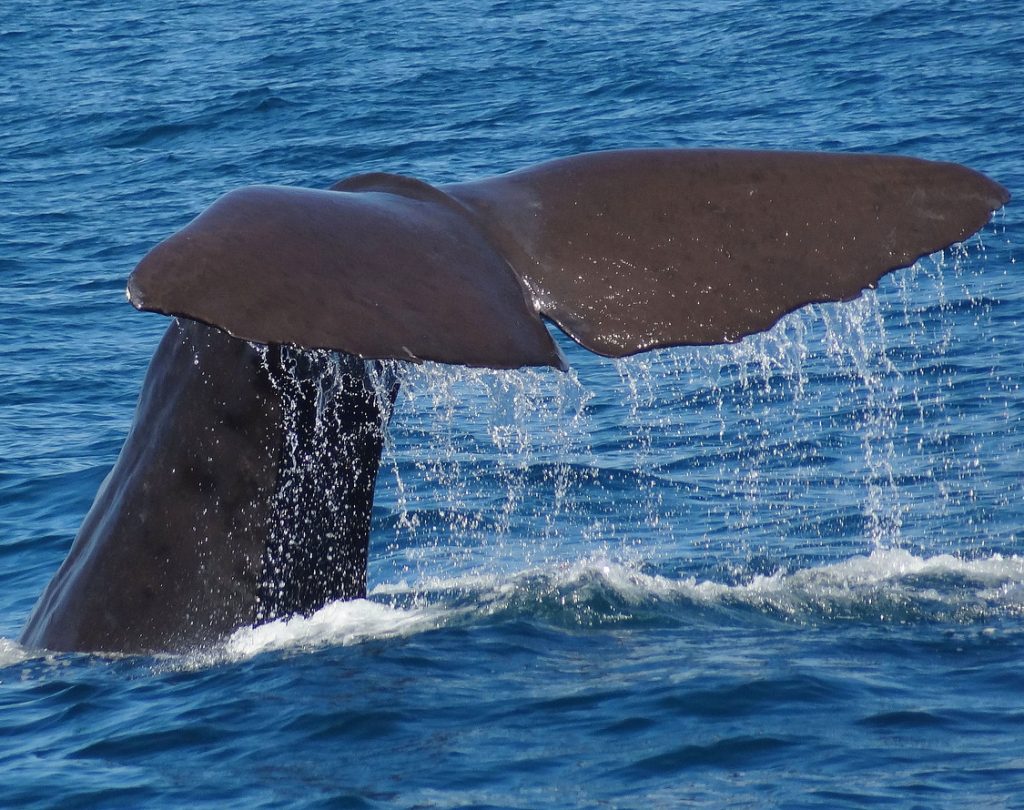
Other species include sperm whales, known for deep diving and distinctive square heads, and southern right whales, often seen close to shore with calves. Orcas, while technically dolphins, are frequently included in whale watching experiences due to their size, intelligence, and complex social structures.
Understanding the species present in a region enhances the experience, allowing travelers to recognize behaviors such as feeding, breaching, and nurturing young.
Best Regions for Whale Watching Adventures
Whale watching opportunities exist in oceans across the globe, often concentrated along migration routes and nutrient-rich waters. Coastal regions, islands, and continental shelves provide ideal viewing conditions where whales surface regularly to breathe and socialize.
In Africa, whale watching is particularly rewarding along the southern and eastern coastlines, where warm waters attract migrating whales. Island destinations and marine reserves also offer excellent conditions, combining whale sightings with scenic landscapes and calm seas.
What defines the best whale watching regions is not only whale presence but also responsible tour practices, experienced guides, and protected marine environments.
Best Time of Year for Whale Watching
Timing is essential for successful whale watching. Most whale sightings occur during migration seasons when whales travel between feeding and breeding grounds. These periods vary by region and species but often coincide with calmer sea conditions and favorable weather.
Understanding seasonal patterns allows travelers to plan their trips for peak viewing opportunities. Early mornings and late afternoons often provide the best light and calmer seas, enhancing both comfort and visibility.
Whale watching is deeply tied to natural cycles, and aligning travel plans with these rhythms ensures a richer experience.
The Whale Watching Experience at Sea
A typical whale watching excursion begins with a safety briefing and an introduction to the marine environment. As the boat moves offshore, guides share information about whale behavior, migration patterns, and conservation efforts.
The experience itself is shaped by patience and observation. Whales are wild animals, and sightings unfold on their terms. When a whale surfaces, the moment feels powerful and humbling, especially when it occurs close to the vessel.
Encounters may include breaches, tail slaps, spy-hopping, or quiet moments of whales traveling steadily through the water. Each encounter is unique, shaped by the animal’s behavior and the conditions of the day.
Ethical Whale Watching and Conservation
Ethical whale watching is essential to protect whales and their habitats. Responsible operators maintain safe distances, limit boat numbers, and avoid disturbing natural behaviors. These practices ensure that whales are not stressed or forced to alter their movements.
Travelers contribute to conservation by choosing ethical tours that support research, monitoring, and community-based initiatives. Whale watching, when conducted responsibly, provides economic incentives to protect marine life rather than exploit it.
Understanding and respecting guidelines enhances both the experience and its long-term sustainability.
Photography and Observation Tips
Whale watching photography requires patience, awareness, and respect for the environment. Whales surface unpredictably, so learning to anticipate breathing patterns improves the chance of capturing key moments.
Beyond photography, mindful observation allows travelers to fully absorb the experience. Watching how whales move, interact, and communicate offers insight into their intelligence and social structure. Some of the most powerful moments occur when cameras are lowered, and attention is focused entirely on the encounter.
Whale Watching for Families and Groups
Whale watching is well suited for families and groups, offering shared excitement and educational value. Children often find whale encounters inspiring, sparking curiosity about marine life and conservation.
Group experiences create collective memories that strengthen bonds and provide shared stories long after the trip ends. The accessibility of whale watching makes it one of the most inclusive wildlife experiences available.
Combining Whale Watching with Other Travel Experiences
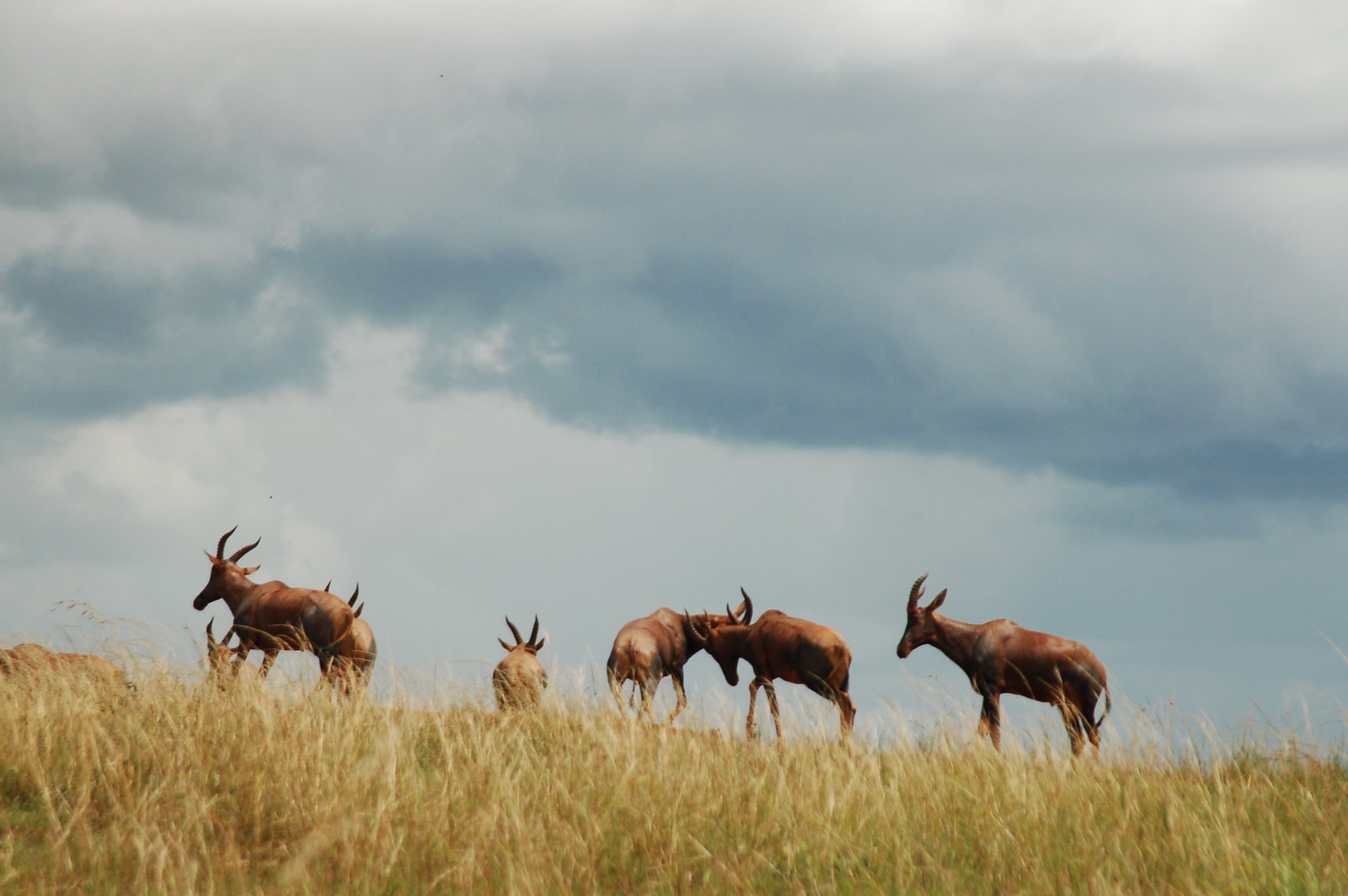
Whale watching pairs naturally with coastal travel, island escapes, cultural tours, and marine adventures such as snorkeling and diving. Combining whale watching with land-based safaris or nature experiences creates a well-rounded journey that highlights both marine and terrestrial ecosystems.
This combination offers travelers a deeper appreciation of biodiversity and the interconnectedness of Earth’s environments.
The Emotional Impact of Whale Encounters
Seeing a whale in the wild often evokes strong emotional responses, from awe and joy to humility and reflection. These moments remind travelers of the vastness of the natural world and humanity’s role within it.
Many people describe whale watching as a life-changing experience that reshapes their perspective on nature and conservation. The memory of a whale surfacing nearby or breaching against the horizon remains etched in the mind long after the journey ends.
Whale watching experiences offer a rare opportunity to witness some of the planet’s most magnificent creatures in their natural habitat. Combining awe-inspiring encounters, educational insight, and conservation impact, whale watching stands among the most meaningful wildlife adventures available.
This experience goes beyond sightseeing. It fosters respect, awareness, and a deeper connection to the ocean. Whale watching invites travelers to slow down, observe, and appreciate the power and beauty of life beneath the waves—leaving them changed, inspired, and deeply connected to the natural world.