African Buffalo: The Most Dangerous Animal on Safari
The African buffalo, often underestimated by first-time safari travellers, is widely regarded as one of the most dangerous animals in Africa. Unlike predators that actively hunt humans only in rare circumstances, buffalo are unpredictable, highly defensive, and capable of coordinated group aggression when threatened.
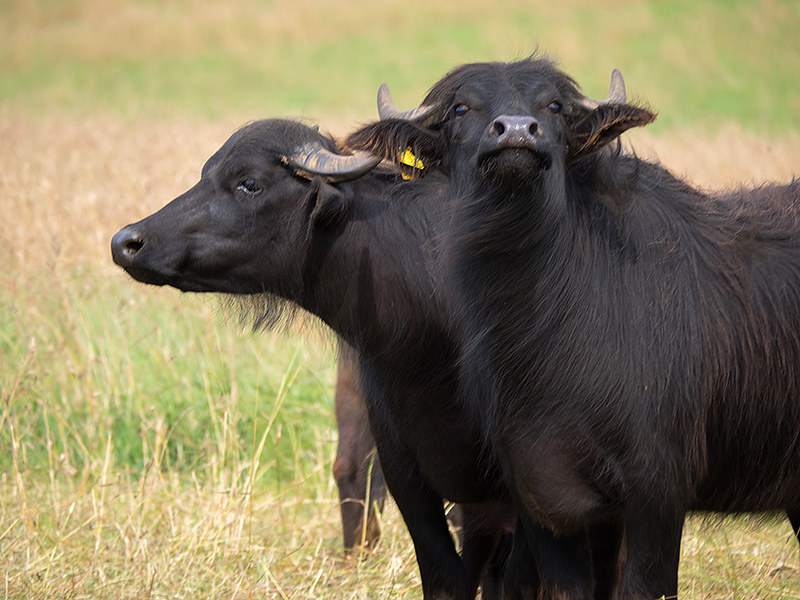
In ecosystems such as the Masai Mara National Reserve and the Serengeti National Park, buffalo are a constant presence. They move in large herds, dominate grassland systems, and play a critical ecological role—but they also account for a significant number of dangerous wildlife encounters on safari.
Understanding buffalo behavior is essential for appreciating why experienced guides treat them with caution, even when they appear calm at a distance.
Why African buffalo are considered so dangerous
The African buffalo (Syncerus caffer) is not dangerous because it actively seeks out conflict with humans. It becomes dangerous because of its defensive behavior, memory, and herd coordination.
When buffalo feel threatened, they do not scatter like antelope. Instead, they often regroup, circle back, and confront the perceived threat.
This behavior is especially dangerous when dealing with wounded or isolated individuals, which are known to become highly aggressive and unpredictable.
Buffalo are responsible for more human fatalities in some regions than even large predators, which is why they are included among the “Big Five” despite being herbivores.
Herd structure and collective defense
Buffalo are highly social animals that live in large herds that can range from dozens to several hundred individuals.
These herds are not random gatherings. They are structured groups with strong protective instincts.
When a threat is detected, buffalo often respond collectively. Instead of fleeing in different directions, they may form defensive formations, with adults positioning themselves between danger and vulnerable calves.
This coordinated behavior makes them particularly difficult to approach safely.
Even lions, their primary predators, face significant risk when targeting buffalo herds.
The “Daga boy” phenomenon
One of the most dangerous individuals in any buffalo population is the old solitary male, often referred to as a “Daga boy.”
These bulls are typically older, expelled from herds, or no longer dominant enough to remain in groups.
They are frequently found alone or in small bachelor groups, often in dense vegetation or swampy areas.
Daga boys are unpredictable, often irritable, and more likely to charge without warning.
Many serious safari incidents involving buffalo are attributed to encounters with these solitary bulls.
Habitat and movement patterns
Buffalo are highly adaptable and occupy a wide range of habitats, from open savannah to dense wetlands and riverine forests.
In East Africa, they are commonly seen in areas such as the Masai Mara ecosystem and the Serengeti plains, where grassland availability supports large herds.
They are strongly dependent on water and rarely stray far from water sources, which influences their daily movement patterns.
Early mornings and late afternoons are common grazing times, while midday is often spent resting in shaded or muddy areas to regulate body temperature.
Buffalo behavior in the wild
Buffalo behavior is often misunderstood as simple grazing activity, but their social dynamics are complex.
They communicate through vocalizations, body positioning, and collective movement decisions.
One of their most notable traits is their memory. Buffalo can remember threats and disturbances over long periods and may react aggressively if they recognize perceived danger.
This makes them particularly sensitive to repeated human presence or pressure.
Unlike many herbivores, buffalo do not rely solely on speed for escape. Instead, they often rely on strength in numbers and defensive confrontation.
Predator interactions and survival strategy
Buffalo are a primary prey species for lions, but they are far from easy targets.
Lion prides often carefully select isolated individuals, weak calves, or older bulls when hunting buffalo.
Even then, hunts are risky and can result in injury or failure for predators.
Buffalo herds are known to counter-attack lions, sometimes injuring or killing them in defensive charges.
This makes buffalo one of the few herbivores capable of actively challenging apex predators in direct confrontation.
Why buffalo are harder to predict than other Big Five animals
Unlike elephants or giraffes, buffalo movement is less predictable due to their reliance on herd decisions and environmental conditions.
Their large group size creates multiple layers of decision-making, which can shift direction rapidly depending on perceived threats or resource availability.
This unpredictability is what makes them difficult to approach on safari vehicles, even in open landscapes.
Experienced guides maintain careful distance and avoid positioning vehicles in front of moving herds.
Buffalo in safari ecosystems
Buffalo play a critical ecological role in shaping grassland environments.
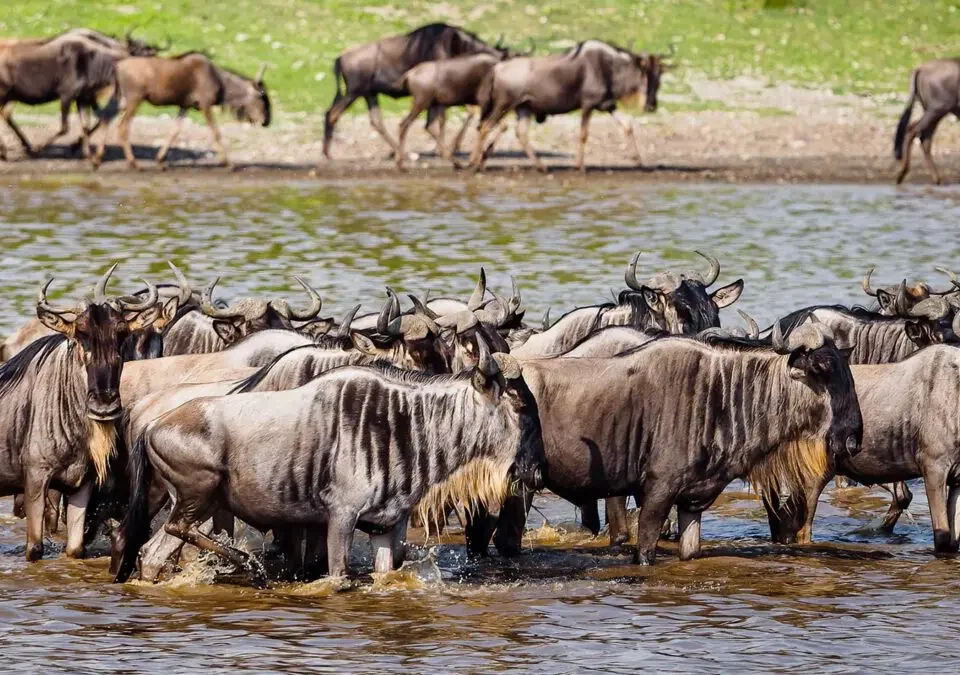
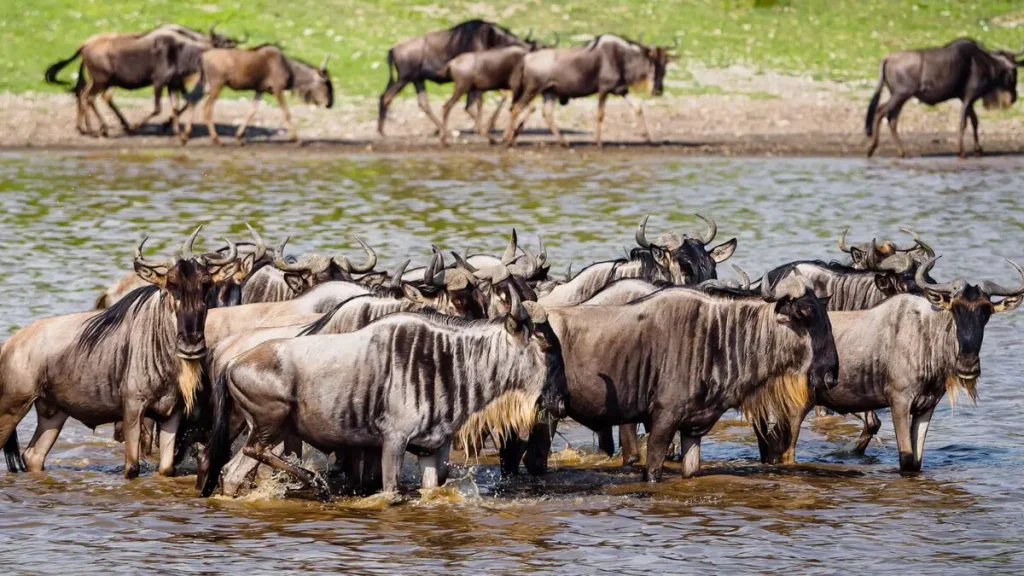
Their grazing patterns influence vegetation structure, which in turn affects other herbivores such as wildebeest and zebra.
They also serve as a key prey species for large carnivores, supporting predator populations across East Africa.
In regions like the Serengeti, buffalo contribute to the balance between predator and herbivore populations.
Where to see African buffalo in East Africa
Buffalo are widely distributed across major safari destinations and are one of the most commonly seen large mammals in East Africa.
In the Masai Mara and Serengeti ecosystems, large herds are frequently observed in open grasslands, especially during dry seasons when water sources become focal points.
In protected crater environments such as the Ngorongoro Crater, buffalo are also present in stable populations due to the enclosed nature of the ecosystem.
They are generally easier to spot than more elusive species like leopards or rhinos, but their behavior still requires caution.
Buffalo and water dependency
Water is central to buffalo ecology.
Herds rarely move far from reliable water sources, which shapes their daily and seasonal movement patterns.
During dry periods, buffalo congregate near rivers, lakes, and permanent waterholes.
This concentration increases visibility but also intensifies predator interactions.
In wetter seasons, herds disperse more widely across grazing areas.
Human encounters and safety considerations
Buffalo are considered one of the most dangerous animals in Africa not because of frequent attacks, but because of the severity of encounters when they do occur.
They are responsible for more serious injuries to hunters and rangers than many carnivores.
On safari, incidents are rare but typically occur when individuals approach too closely on foot or when a wounded or isolated buffalo feels cornered.
This is why strict distance guidelines are enforced during game drives.
Why buffalo are respected by guides
Professional safari guides treat buffalo with high respect, often maintaining more distance from them than from lions or elephants in certain situations.
This is not due to fear in the traditional sense, but due to the unpredictability of their reaction.
A calm buffalo herd can shift into defensive formation quickly if alarmed, making positioning critical.
Experienced guides read subtle behavioral cues such as ear movement, head positioning, and herd spacing to assess risk levels.
Buffalo intelligence and social awareness
Buffalo exhibit strong social awareness within herds.
They are capable of coordinated movement, group defense, and collective decision-making.
Their ability to react as a unit gives them a survival advantage against predators.
This intelligence, combined with physical strength, makes them one of the most formidable herbivores in African ecosystems.
The ecological importance of buffalo
Beyond their reputation for danger, buffalo are essential ecosystem engineers.
Their grazing maintains grassland health, supports nutrient cycling, and influences predator-prey dynamics.
They are a foundational species in many East African ecosystems.
Without buffalo, the structure of savannah landscapes would shift significantly.
The reality of encountering buffalo on safari
For most travellers, buffalo encounters are routine and safe when viewed from a safari vehicle.
They are commonly seen grazing, resting, or moving in large herds across plains.
The danger associated with buffalo is not in everyday sightings but in specific behavioral contexts such as isolation, injury, or perceived threat.
Understanding this distinction is key to appreciating their role in the safari landscape.