
African Lion: Behavior, Pride Life and Where to Find Them
The African lion is one of the most studied and symbolically significant predators on the continent. As the only truly social big cat, lions operate in structured family groups known as prides, which gives them a unique ecological advantage over other large carnivores. They are widely distributed across savannah ecosystems, with strong viewing opportunities in parks such as Serengeti National Park, Masai Mara National Reserve, and Kruger National Park.
Understanding lions requires looking beyond sightings and focusing on how pride structure, hunting strategy, and territorial behavior interact with African landscapes.
Species Overview and Distribution
Panthera Leo and Its Range
The African lion (Panthera leo) is found primarily in sub-Saharan Africa, with populations concentrated in savannah and open woodland ecosystems.
Historically widespread, lion populations have declined due to habitat loss and human-wildlife conflict, but strongholds remain in protected areas across East and southern Africa.
Habitat Preference
Lions prefer open or semi-open landscapes where visibility supports coordinated hunting.
They are less common in dense forests or arid deserts, although some adapted populations exist in unique environments.
Pride Structure and Social Organization
The Pride System
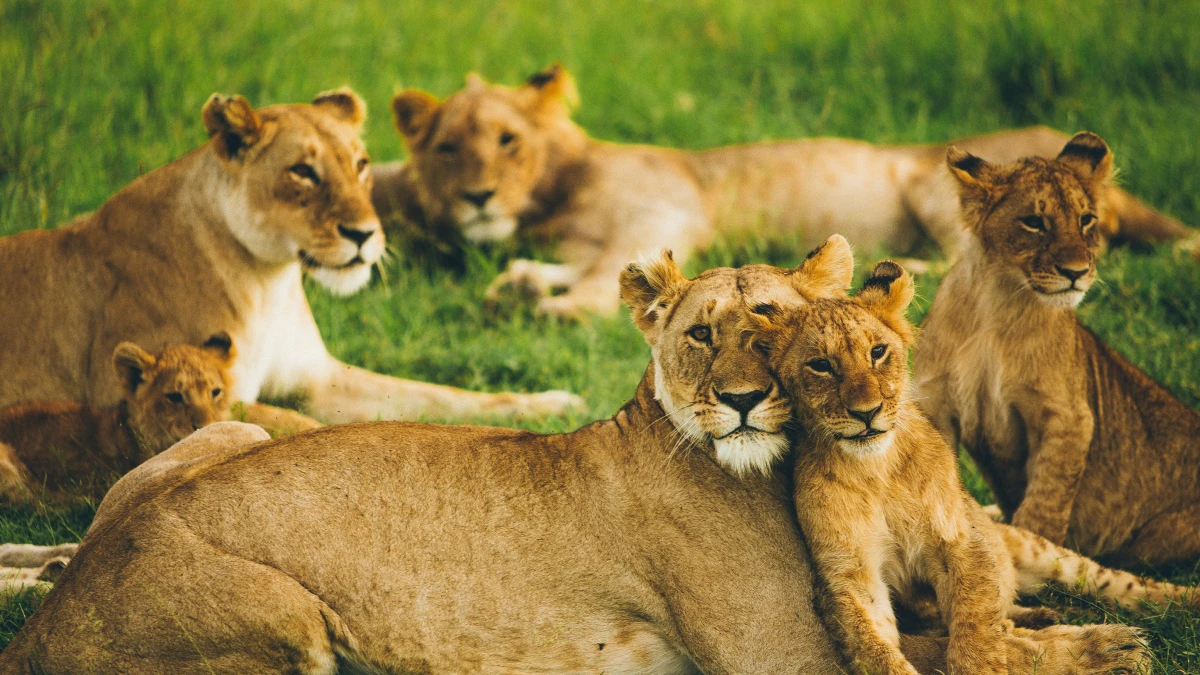
Unlike most big cats, lions live in structured social groups called prides.
A pride typically consists of related females, their offspring, and a coalition of males.
This structure is central to their survival strategy.
Female Core Stability
Female lions form the stable backbone of the pride.
They remain in their natal groups for life, creating long-term cooperative hunting and cub-rearing systems.
This stability ensures knowledge transfer across generations.
Male Coalitions
Male lions often form coalitions, sometimes consisting of brothers or unrelated individuals.
Their primary role is to defend pride territory and maintain access to mating opportunities.
Coalitions can control prides for several years, depending on strength and competition.
Hunting Behavior and Strategy
Cooperative Hunting
Lions are cooperative hunters, relying on group coordination rather than speed alone.
Hunting strategies vary depending on prey type and habitat.
Prey Selection
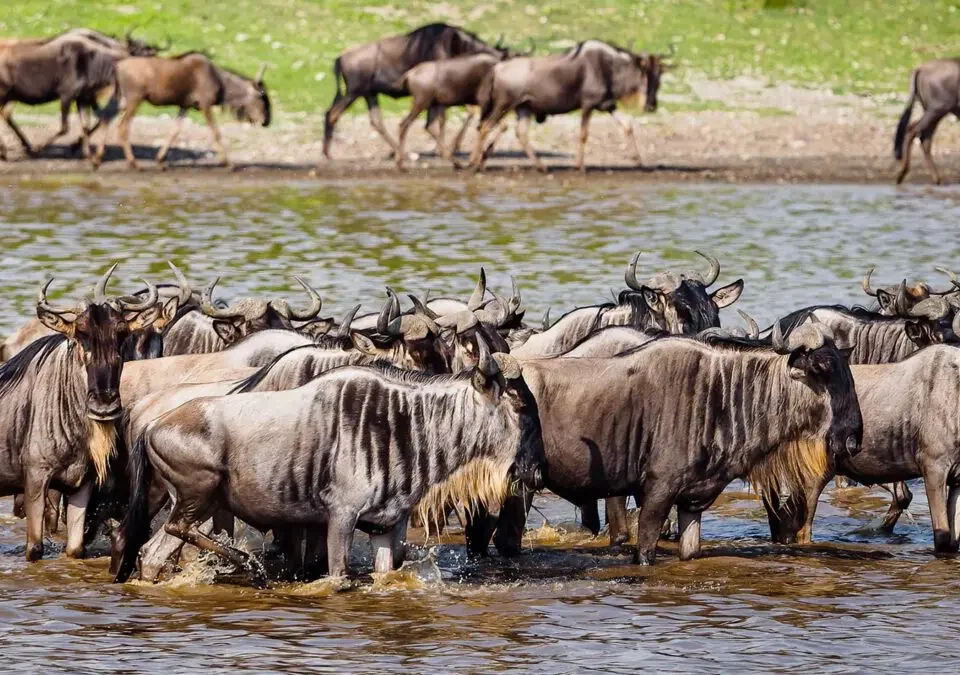
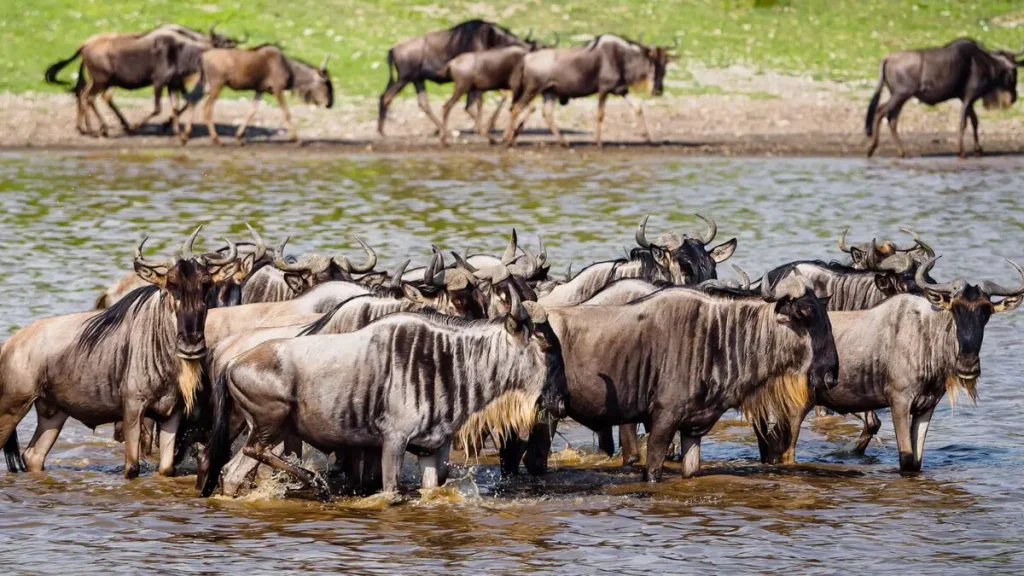
Common prey includes zebra, wildebeest, buffalo, and antelope species.
Selection depends on availability and vulnerability within the ecosystem.
Nocturnal Advantage
Lions are primarily nocturnal or crepuscular hunters.
Lower temperatures and reduced visibility provide advantages during night hunts.
Territorial Behavior
Territory Size and Defense
Lion territories vary in size depending on prey density and environmental conditions.
High-density areas like Serengeti National Park often support smaller, more concentrated territories.
Roaring and Communication
Roaring plays a key role in territorial communication.
It can travel several kilometers and is used to signal presence and deter rival groups.
Daily Behavior and Resting Patterns
Energy Conservation Strategy
Lions spend a large portion of their day resting, often up to 20 hours.
This behavior conserves energy for short, intense hunting periods.
Social Bonding
When not resting or hunting, lions engage in grooming and social interaction.
These behaviors strengthen pride cohesion.
Best Places to See African Lions
East Africa
Serengeti National Park is one of the most reliable lion viewing ecosystems due to high prey density and open terrain.
Masai Mara National Reserve offers strong predator-prey interactions, especially during migration periods.
Ngorongoro Conservation Area provides high-density sightings within a contained crater environment.
Southern Africa
Kruger National Park supports stable lion populations across a wide and well-managed ecosystem.
Chobe National Park offers river-based viewing opportunities with strong predator presence.
Best Time to See Lions
Dry Season Concentration
The dry season is typically the best time to observe lions.
Prey animals concentrate around water sources, increasing hunting activity.
Vegetation is also thinner, improving visibility.
Wet Season Dynamics
During the wet season, prey disperses across larger areas.
While sightings are still possible, they may be less predictable.
African Lion
Lion Cubs and Reproduction
Breeding Cycles
Lionesses can give birth at any time of year, with litters typically ranging from one to four cubs.
Cub Survival Challenges
Cubs face high mortality rates due to predation, starvation, and pride takeovers.
New male coalitions may kill existing cubs to bring females back into breeding condition.
Conservation Status and Threats
Population Decline
Lion populations have decreased significantly over the past century due to habitat loss and human conflict.
Human-Wildlife Conflict
Lions sometimes prey on livestock, leading to retaliatory killings in surrounding communities.
Habitat Fragmentation
Expanding human settlement reduces available territory and disrupts movement corridors.
Conservation Efforts
Protected Area Networks
National parks and reserves remain critical for lion survival, providing safe habitats and prey availability.
Community Conservation Programs
Programs that involve local communities help reduce conflict and promote coexistence.
Monitoring and Research
Tracking populations and behavior helps inform conservation strategies and management decisions.
Why Lions Matter in Ecosystems
Apex Predator Role
Lions regulate herbivore populations, helping maintain ecological balance.
Indicator Species
Stable lion populations often indicate healthy prey systems and functional ecosystems.
Seeing African Lions
In practical safari terms, lions are one of the most sought-after species across African wildlife destinations.
However, sightings are not guaranteed and depend on habitat, season, and luck.
In high-density ecosystems like the Serengeti and Masai Mara, lions are frequently observed resting, hunting, or interacting socially.
In more fragmented or forested environments, sightings are rarer and require more tracking effort.
What makes lions particularly compelling is not just their presence, but the complexity of their social structure and behavior. Observing pride dynamics, cub interactions, and hunting coordination provides one of the most complete behavioral studies available in African wildlife tourism.