African Elephant: Facts, Parks and Best Places to See Them
The African elephant is the largest land mammal on Earth and one of the most influential species in shaping African ecosystems. Its presence transforms landscapes, influences vegetation patterns, and supports biodiversity across multiple habitats. Found across savannahs, forests, and river systems, elephants are central to the safari experience in destinations such as Serengeti National Park, Chobe National Park, and Murchison Falls National Park.
Understanding African elephants requires more than identifying their size or appearance. Their behavior, movement patterns, and ecological role make them one of the most complex and impactful animals to observe in the wild.
Species Overview and Classification
Two Distinct Elephant Species
Africa is home to two recognized elephant species:
The African savannah elephant (Loxodonta africana), which is larger and more widely distributed
The African forest elephant (Loxodonta cyclotis), which is smaller and adapted to dense rainforest environments
Most safari experiences involve the savannah elephant, particularly in open landscapes where visibility is high.
Physical Characteristics
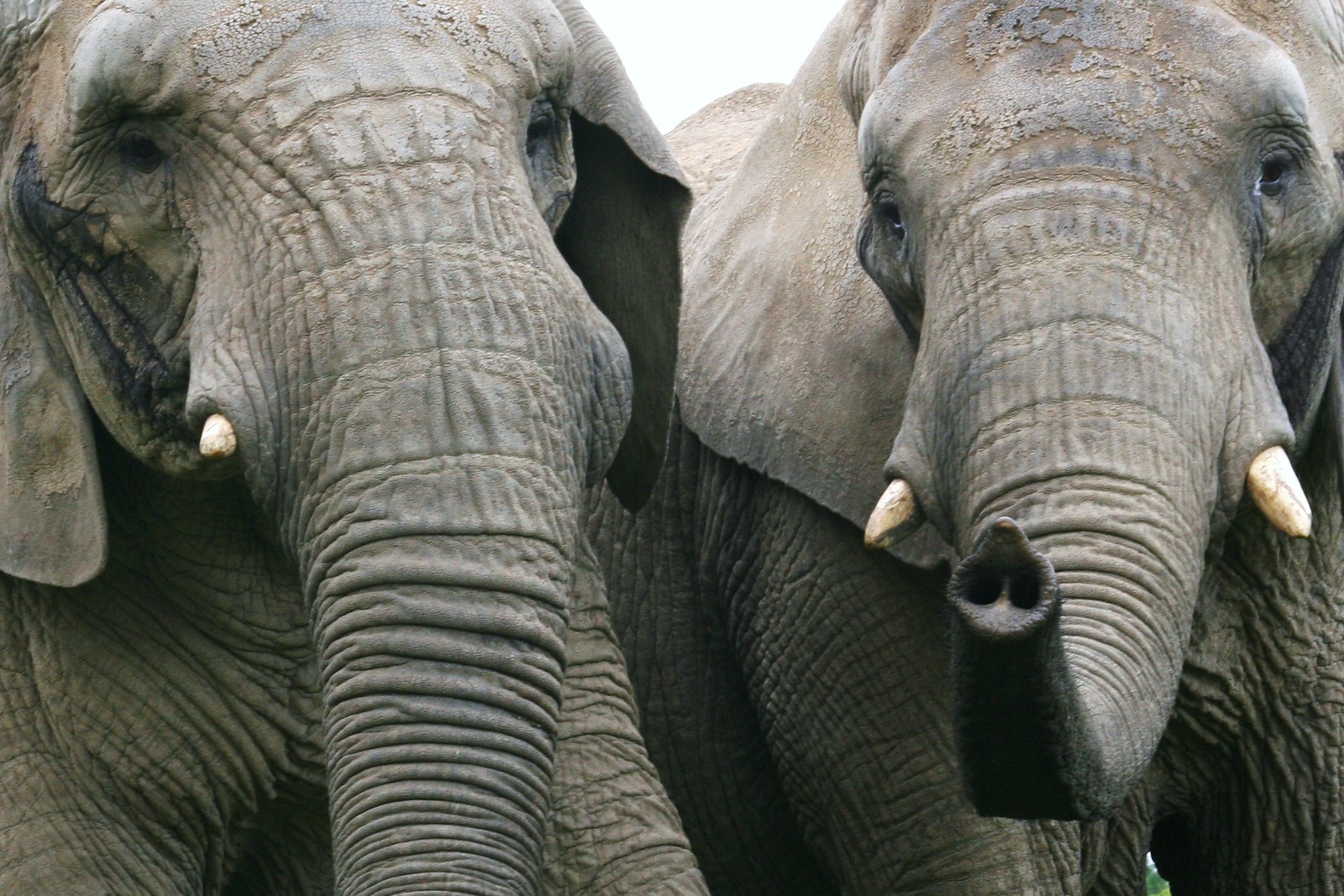
African elephants are defined by their large ears, which help regulate body temperature, and their long, muscular trunks used for feeding, drinking, and communication.
Adult males can weigh over 6,000 kilograms, while females are smaller but still substantial in size.
Both males and females may have tusks, though size and shape vary depending on genetics and environmental factors.
Habitat and Distribution
Range Across Sub-Saharan Africa
African elephants are distributed across a wide range of countries, from East Africa to southern Africa and parts of Central Africa.
Their habitat includes savannahs, woodlands, wetlands, and forests.
Dependence on Water and Vegetation
Elephants require large quantities of water and food, consuming up to 150 kilograms of vegetation per day.
This dependence on resources influences their movement patterns, particularly during dry seasons when water becomes scarce.
Behavior and Social Structure
Matriarchal Herd System
Elephants live in matriarchal family groups led by an experienced female.
These groups consist of related females and their offspring.
The matriarch plays a critical role in decision-making, particularly in locating water and navigating seasonal changes.
Male Behavior
Adult males often leave family groups and may live alone or form temporary bachelor groups.
They periodically enter a state known as musth, during which testosterone levels rise and behavior becomes more aggressive.
Communication and Intelligence
Elephants communicate through vocalizations, body language, and low-frequency sounds that can travel long distances.
They demonstrate advanced cognitive abilities, including memory, problem-solving, and social bonding.
Feeding and Ecological Impact
Diet and Foraging
Elephants are herbivores that feed on grasses, leaves, bark, fruit, and roots.
Their feeding behavior varies depending on habitat and season.
Ecosystem Engineering
Elephants are often referred to as ecosystem engineers because of their ability to alter landscapes.
They can:
Knock down trees, creating open grasslands
Dig water holes used by other animals
Disperse seeds through their dung
These activities support biodiversity and shape habitat structure.
Best Parks to See African Elephants
East Africa
Serengeti National Park offers large landscapes where elephants move across open plains and woodland areas.
Tarangire National Park is one of the best locations for high elephant density, especially during the dry season.
Murchison Falls National Park provides river-based viewing opportunities where elephants gather near the Nile.
Southern Africa
Chobe National Park is known for some of the largest elephant concentrations in Africa, particularly along the Chobe River.
Kruger National Park offers consistent sightings across a well-developed safari network.
Central Africa
Forest elephants can be found in dense rainforest environments, though sightings are more challenging due to vegetation.
African Elephant
Best Time to See Elephants
Dry Season Advantage
The dry season is generally the best time to observe elephants.
Water sources become limited, concentrating animals in predictable areas such as rivers and waterholes.
Wet Season Movement
During the wet season, elephants disperse across wider areas where water and vegetation are abundant.
This can make sightings less concentrated but still possible.
How to Observe Elephant Behavior on Safari
Waterhole and River Viewing
Elephants are most active around water sources, making these locations ideal for observation.
You can witness drinking, bathing, and social interaction.
Herd Dynamics
Watching herd movement reveals social structure, with calves protected in the center and adults forming a defensive perimeter.
Feeding Patterns
Elephants spend much of their day feeding, offering opportunities to observe how they interact with different types of vegetation.
Conservation Status and Threats
Poaching for Ivory
Poaching remains one of the most significant threats to African elephants, driven by demand for ivory.
This has reduced populations in several regions.
Habitat Loss
Expansion of agriculture and human settlement reduces available habitat and disrupts migration routes.
Human-Wildlife Conflict
Elephants sometimes come into conflict with humans when they raid crops or compete for water resources.
Conservation Efforts
Protected Areas and Anti-Poaching
National parks and reserves play a key role in protecting elephant populations.
Ranger patrols and monitoring systems help reduce illegal activity.
Community-Based Conservation
Programs that involve local communities in conservation efforts help reduce conflict and create economic incentives for protection.
International Regulation
Global agreements regulate ivory trade and support conservation initiatives.
Why Elephants Matter in Safari Ecosystems
Keystone Species
Elephants influence the distribution and abundance of other species through their impact on vegetation and water access.
Indicator of Ecosystem Health
Healthy elephant populations often indicate well-functioning ecosystems with sufficient resources and protection.
Field Reality of Seeing African Elephants
In practical safari terms, elephants are one of the most consistently observed animals across Africa.
However, the quality of the experience depends on location and timing.
High-density areas like Tarangire National Park or Chobe National Park offer large herd interactions, while other parks provide more dispersed but equally meaningful encounters.
Observing elephants is less about finding them and more about understanding what they are doing-how they move, feed, communicate, and interact within their environment.
This depth of observation is what transforms a common sighting into a meaningful wildlife experience.