Chimpanzee Habituation Experience in Kibale
March 27, 2026
Can I trek gorillas alone?
March 27, 2026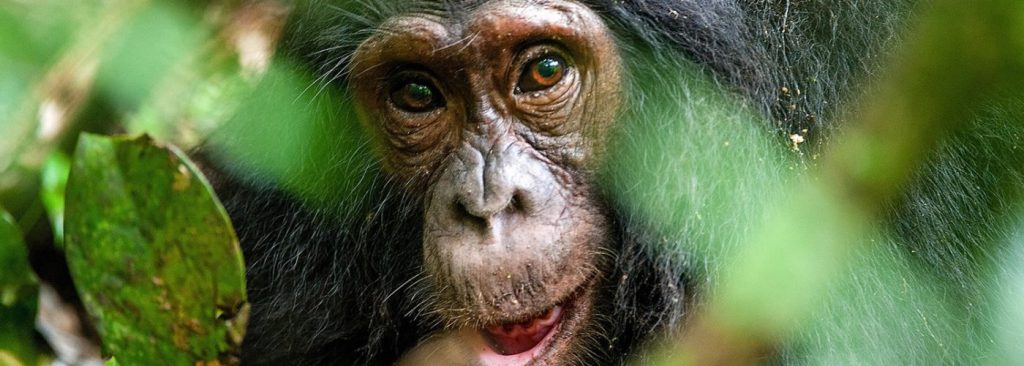
Best Time to Visit Kibale Forest for Chimpanzee Tracking
Chimpanzee tracking in Kibale Forest is a year-round activity, but seasonal weather patterns significantly influence trekking comfort, forest accessibility, and overall visitor experience. Located in western Uganda, Kibale National Park experiences a tropical rainforest climate with two main dry seasons and two wetter periods that shape how the forest feels and functions.
Unlike seasonal wildlife events such as migrations, chimpanzee tracking does not depend on animal movement patterns. Instead, success rates remain consistently high throughout the year, while the main variable is terrain difficulty and trekking comfort.
Understanding these seasonal differences helps travelers choose the best time based on priorities such as ease of hiking, photography conditions, and overall safari integration.
Best Dry Seasons for Chimpanzee Tracking
The most recommended time to visit Kibale Forest is during the dry seasons from June to September and December to February. These periods offer more stable trekking conditions, with reduced rainfall and firmer forest trails.
During these months, chimpanzee tracking is generally more comfortable because paths are less slippery and forest access is easier for both visitors and ranger teams. Visibility in the forest can also improve slightly due to reduced undergrowth density in some areas.
These dry seasons also align with peak safari travel in Uganda, making them ideal for combining chimpanzee tracking with gorilla trekking, game drives, and multi-park itineraries.
Wet Season Experience and What to Expect
The wet seasons in Kibale typically occur from March to May and October to November, bringing heavier rainfall and increased humidity throughout the forest. While trekking conditions become more challenging, chimpanzee sightings remain highly reliable due to habituated groups.
During these months, forest trails become muddy and more physically demanding, requiring stronger footwear and greater endurance. However, the rainforest environment becomes more vibrant, with dense greenery, active birdlife, and dramatic atmospheric conditions.
For photographers and travelers seeking lush rainforest scenery, the wet season offers some of the most visually striking forest conditions in East Africa.
Chimpanzee Behavior Across Seasons
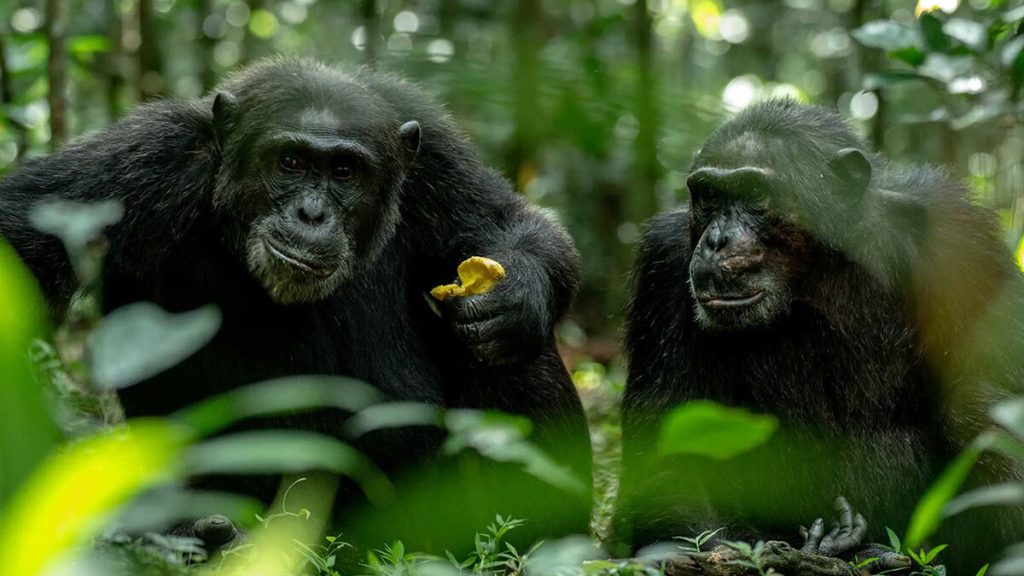
Chimpanzee behavior in Kibale remains relatively stable year-round because food availability is consistent within the rainforest ecosystem. Unlike migratory species, chimpanzees do not relocate seasonally.
However, during wetter months, chimpanzees may adjust their movement patterns slightly, sometimes staying in denser canopy cover or reducing ground movement. This can affect visibility but not overall encounter success.
In dry seasons, chimpanzees are often easier to follow due to more predictable movement paths and improved ground conditions.
Temperature and Forest Conditions Throughout the Year
Kibale Forest maintains relatively stable temperatures year-round, typically ranging from mild mornings to warm afternoons due to its equatorial location. The primary variation comes from rainfall rather than temperature changes.
Humidity levels remain high throughout the year, but wet seasons intensify moisture levels, making forest conditions feel heavier and more enclosed. Dry seasons offer slightly more comfortable trekking conditions, though the forest always retains its tropical character.
This consistent climate means there is no true “off-season” for chimpanzee tracking, only variations in comfort and trekking intensity.
Best Time for Photography in Kibale Forest
Dry seasons are generally preferred for chimpanzee photography due to better light penetration through the canopy and easier movement through the forest. Subjects are often more accessible on the ground or in lower vegetation layers.
Wet seasons, however, offer richer color saturation, misty forest atmospheres, and dramatic rainforest backdrops that appeal to artistic and documentary-style photography.
The best photographic results often come from balancing both seasons depending on the desired visual outcome—clarity versus atmosphere.
Tourist Crowds and Permit Availability
Peak dry seasons in Kibale tend to attract higher numbers of visitors, which can increase demand for chimpanzee permits and accommodation. Early booking becomes essential during these months.
Wet seasons generally see fewer tourists, offering a quieter and more exclusive forest experience. This can be ideal for travelers seeking solitude and less crowded tracking groups.
Despite seasonal variation in visitor numbers, tracking group sizes remain controlled year-round to maintain conservation standards.
Combining Kibale with Other Safari Destinations
The dry seasons are particularly suitable for multi-destination safari itineraries that combine Kibale with Queen Elizabeth National Park or Bwindi Impenetrable Forest. Road conditions are more reliable and travel times are smoother.
During wet seasons, travel between parks may take longer due to road conditions, but wildlife viewing remains strong across Uganda’s protected areas.
This makes Kibale highly flexible within broader Uganda safari planning regardless of season.
When Should You Go?
The best overall time to visit Kibale Forest for chimpanzee tracking is during the dry seasons from June to September and December to February. These months offer the most comfortable trekking conditions and optimal safari logistics.
However, the wet seasons from March to May and October to November still provide excellent chimpanzee sightings and richer rainforest scenery, making them ideal for travelers prioritizing photography and fewer crowds.
Ultimately, Kibale is a true year-round destination, and the best time depends on whether you prioritize comfort, scenery, or exclusivity.