Chimpanzee Habituation Experience in Kibale: What Travelers Don’t Tell You
The chimpanzee habituation experience in Kibale is a rare, extended primate encounter that allows visitors to spend significantly more time with semi-habituated chimpanzee groups compared to standard tracking. Unlike regular chimpanzee trekking, which typically offers about one hour of observation, habituation involves a full-day immersion in the forest alongside researchers and rangers.
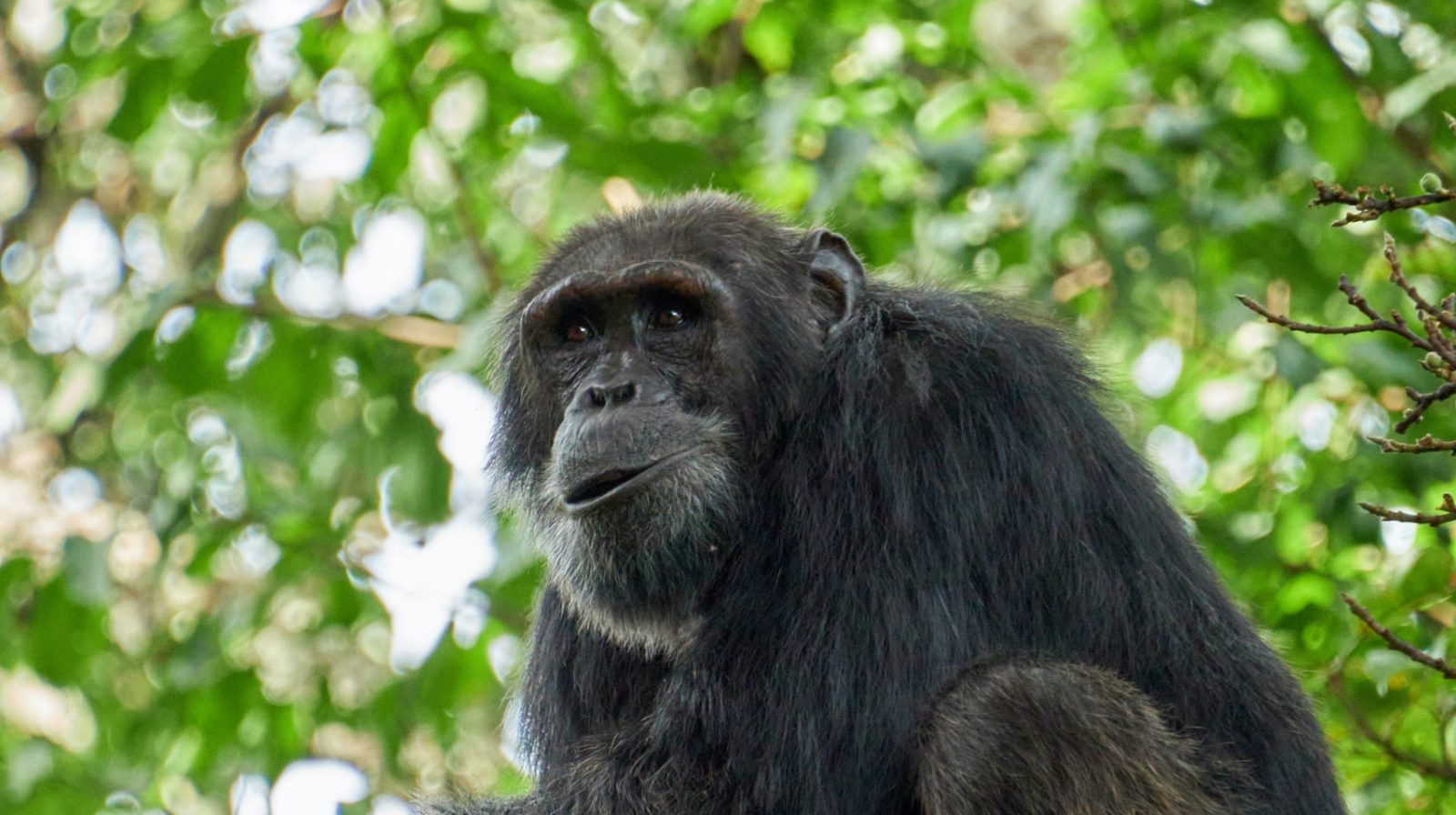
This experience takes place in Kibale National Park, one of Africa’s richest primate ecosystems, where chimpanzees are gradually accustomed to human presence for research and conservation purposes. The process is carefully controlled to ensure minimal disturbance while allowing scientific observation and limited tourism participation.
What most travelers do not realize is that chimpanzee habituation is not a simple sightseeing activity-it is an active participation in ongoing behavioral science and long-term conservation work.
What Chimpanzee Habituation Really Means
Chimpanzee habituation is the process of slowly training wild chimpanzees to tolerate human observers without changing their natural behavior. This process can take several years and is essential for both research and sustainable tourism.
During habituation visits, guests accompany trackers from early morning until late afternoon, following chimpanzee movements throughout their daily routines. This includes nesting sites, feeding areas, grooming sessions, and territorial movements.
Unlike standard tracking, there is no guarantee of easy sightings, and much of the day is spent actively searching, observing signs, and waiting for chimpanzee groups to become visible.
Full-Day Experience Structure
The habituation experience typically begins before sunrise with a briefing at the park headquarters, followed by entry into the forest alongside research teams. This early start is crucial because chimpanzees are most active during morning hours.
The day unfolds in phases of tracking, observation, and repositioning as the chimpanzee group moves through the forest. Visitors may walk long distances, sometimes covering uneven terrain, river crossings, and dense vegetation zones.
The experience often lasts 6 to 8 hours, making it significantly more demanding than standard chimpanzee tracking.
Physical Demands and What Travelers Don’t Expect
One of the least discussed aspects of chimpanzee habituation is its physical intensity. The trek can be significantly longer and more unpredictable than standard chimpanzee tracking.
Visitors should expect extended hiking through dense rainforest, muddy trails, and continuous movement tracking chimpanzees across large territories. The terrain in Kibale is less mountainous than gorilla trekking areas but still physically demanding due to humidity and forest density.
Many travelers underestimate the endurance required, especially because the experience is marketed as immersive rather than strenuous.
Level of Access and Proximity to Chimpanzees
Chimpanzee habituation offers closer and longer exposure to chimpanzee behavior compared to standard tracking permits. However, proximity is still strictly regulated to avoid stress or disease transmission.
Because the chimpanzees are only partially habituated, they may show more natural caution, including moving away, vocalizing, or staying in the canopy. This creates a more authentic but less predictable viewing experience.
When sightings occur, they are often more raw and behaviorally rich than standard tracking encounters.
Scientific and Conservation Importance
The habituation program in Kibale plays a critical role in long-term chimpanzee research, behavioral monitoring, and conservation planning. Researchers collect data on social structures, feeding ecology, reproduction, and inter-group dynamics.
Visitors indirectly contribute to conservation science by supporting funding for research teams and forest protection initiatives. This makes the experience both educational and conservation-driven.
Unlike standard tourism, habituation experiences are deeply integrated into ongoing scientific fieldwork.
Differences Between Habituation and Standard Tracking
Chimpanzee habituation differs from standard tracking primarily in duration, depth of engagement, and unpredictability. While tracking offers a short, structured encounter, habituation provides a full-day exploratory experience.
Standard tracking is more suitable for first-time visitors, while habituation is designed for travelers seeking deeper immersion and extended observation time.
Habituation also involves more walking, more waiting, and more adaptation to natural chimpanzee behavior patterns rather than fixed viewing schedules.
Best Time to Do Chimpanzee Habituation
The experience is available year-round, but dry seasons from June to September and December to February offer more manageable trekking conditions. Trails are less slippery and forest movement is slightly easier.
Wet seasons provide richer forest scenery and more dramatic ecological conditions but significantly increase trekking difficulty.
Because chimpanzee movement is not seasonally fixed, sightings depend more on group behavior than weather patterns.
Who Should Choose Chimpanzee Habituation
Chimpanzee habituation is best suited for experienced safari travelers, wildlife photographers, researchers, and visitors seeking deeper ecological understanding. It requires patience, endurance, and strong interest in primate behavior.
It is less suitable for travelers with limited time, low fitness levels, or those seeking guaranteed short encounters.
For many visitors, it represents the most immersive chimpanzee experience available in Africa.
Final Thoughts on the Experience
Chimpanzee habituation in Kibale offers a rare opportunity to step beyond tourism and into the world of primate field research. It is unpredictable, physically demanding, and scientifically rich.
What travelers often do not anticipate is how deeply immersive and time-intensive the experience becomes, transforming a simple forest visit into a full-day wilderness expedition.
For those prepared for the challenge, it delivers one of the most authentic and educational wildlife encounters in East Africa.
Chimpanzee Trekking in East Africa – Complete Guide
Chimpanzees (Pan troglodytes) are our closest living relatives, sharing approximately 98.7% of human DNA. Watching a habituated chimpanzee family in the wild – their complex social dynamics, tool use, and remarkable expressions – is one of the most intellectually and emotionally engaging wildlife experiences Africa has to offer.
East Africa’s premier chimpanzee destination is Kibale Forest National Park in western Uganda, home to over 1,500 chimpanzees – the highest density of primates in Africa. Rwanda’s Nyungwe Forest National Park offers another outstanding option within one of Africa’s largest montane rainforests.
Kibale Forest National Park – Uganda’s Chimpanzee Capital
Kibale Forest covers 776 km² of moist evergreen and semi-deciduous forest in the Rwenzori foothills of western Uganda. The park’s Kanyanchu tourism site is where chimpanzee trekking takes place, with several habituated communities accustomed to human observation.
A standard chimpanzee trekking permit in Kibale costs USD 250 per person and covers one hour with the chimps after tracking them through the forest. The Chimpanzee Habituation Experience (CHEX) costs USD 250 per person and runs from 6 AM to 6 PM, allowing a full day following a semi-habituated community – a far more intimate encounter. Permits are available through Uganda Wildlife Authority or licensed tour operators.
Beyond chimpanzees, Kibale is home to 12 other primate species including red-tailed monkeys, black-and-white colobus, grey-cheeked mangabeys, olive baboons, and the rare L’Hoest’s monkey. Over 375 bird species have been recorded, making it one of Uganda’s premier birding destinations.
Recommended Tours: 3 Days Chimpanzee Trekking in Kibale | 4 Days Kibale & Queen Elizabeth Safari