Cultural Tours in Kahuzi-Biega National Park: Exploring Heritage, Communities, and Wildlife in Eastern Congo
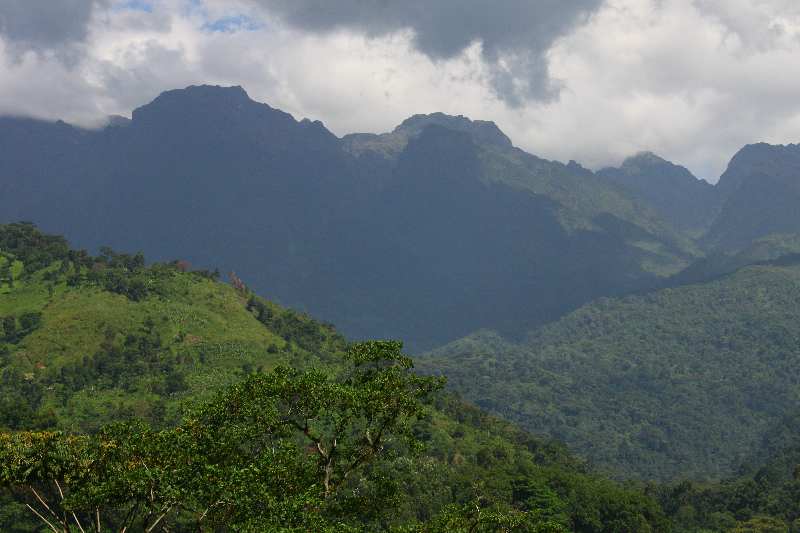
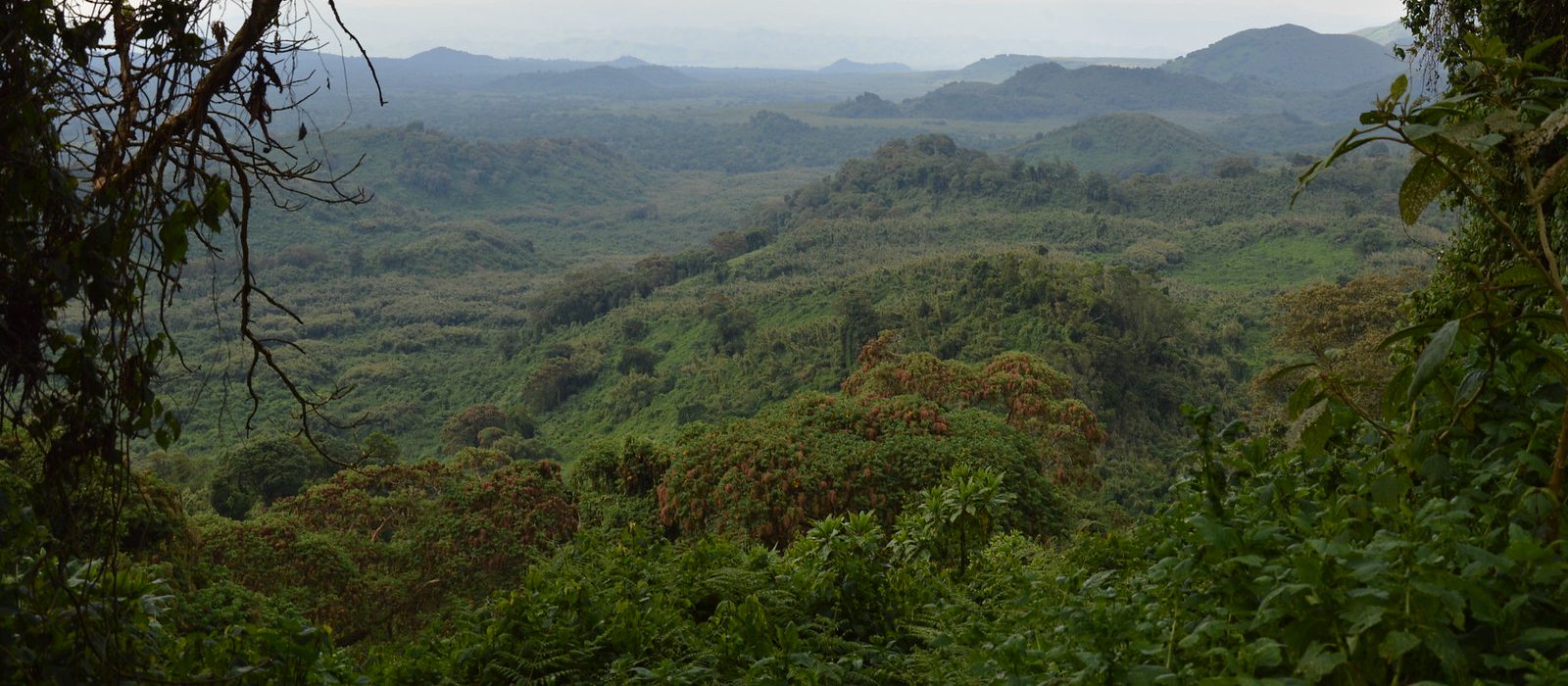
Nestled in the eastern part of the Democratic Republic of Congo, Kahuzi-Biega National Park is world-renowned for its dense rainforests, dramatic hills, and as one of the last refuges of the eastern lowland gorilla. Yet beyond its remarkable wildlife, the park is surrounded by a rich tapestry of human life and culture that adds depth and meaning to every visit. Cultural tours in and around Kahuzi-Biega offer travelers the opportunity to engage with communities, explore traditions, and gain insight into the ways people have lived alongside the forest for generations. For those seeking a safari experience that blends wilderness with humanity, cultural tours are not an optional add-on—they are an essential part of understanding this extraordinary landscape.

Where Culture Meets Nature
The communities surrounding Kahuzi-Biega, including the Bashi, Bembe, and Barega peoples, have lived in the highlands and valleys adjacent to the park for centuries. Their lives are intimately connected to the land, shaped by the rhythms of agriculture, forest resources, and ancestral traditions. Visitors to Kahuzi-Biega quickly realize that the park is not just a sanctuary for wildlife but also a region of human stories. Cultural tours invite travelers to step into these stories, walking through villages where history, community, and environment converge. The experience is immersive: as you trek the forest in search of gorillas or other wildlife, you also witness the lives of the people who have coexisted with these ecosystems for generations.
Village Visits and Traditional Practices
A central component of cultural tours is visiting local villages, where travelers are welcomed into daily life. Guided by local rangers or community leaders, visitors explore family compounds, watch villagers tending fields, and observe traditional practices. In many villages, dance and song performances are an integral part of the welcoming ceremony. The rhythms, movements, and costumes tell stories of identity, unity, and heritage, giving visitors a window into a world that is often unseen by outsiders. These performances are not staged for tourists alone—they are living traditions passed down through generations.
Beyond music and dance, travelers encounter traditional crafts that have been maintained for centuries. Artisans demonstrate basket weaving, pottery, and beadwork, explaining techniques, symbolism, and the role of these crafts in daily life. Guests often have the opportunity to try their hand at weaving or decorating beads, transforming the visit from a passive observation into a hands-on cultural exchange. This interaction fosters appreciation for the skills, patience, and creativity embedded in local traditions.
Culinary Experiences and Local Kitchens
Food is another way to connect with culture in Kahuzi-Biega. Many cultural tours include visits to local kitchens, where travelers can participate in preparing traditional Congolese meals alongside village families. From cooking cassava and maize-based dishes to simmering stews with fresh vegetables and local spices, these culinary experiences offer insight into the resourcefulness and creativity of local communities. Sharing a meal in a family home, tasting dishes that have been prepared using age-old recipes, and learning about agricultural practices creates a sense of intimacy and respect. Food becomes a bridge between visitor and host, providing a tangible connection to culture that lingers long after the trek is over.
Cultural Heritage and Museums
For travelers seeking a deeper understanding of local history, nearby towns such as Bukavu host cultural heritage sites and museums that contextualize the lives of Kahuzi-Biega’s communities. These institutions display artifacts, traditional costumes, tools, and artwork that chronicle centuries of cultural evolution, community organization, and interaction with the natural environment. Visiting these spaces provides insight into the continuity and adaptation of traditions, illustrating how local people maintain identity and resilience even as the modern world encroaches. Museums and heritage centers complement village visits by offering historical perspective, helping travelers appreciate the richness of culture alongside the park’s biodiversity.
Storytelling and Oral Traditions
Storytelling is a living tradition among the Bashi and Bembe peoples. Cultural tours often include sessions where elders recount myths, legends, and ancestral tales, narrating stories of spirits in the forest, heroic ancestors, and moral lessons. These sessions frequently take place around fires or in communal spaces, where the forest hums in the background and listeners are drawn into the rhythm of the narratives. Storytelling is more than entertainment; it is a repository of knowledge, values, and history, allowing visitors to see the forest and its wildlife through local eyes. The experience fosters empathy, curiosity, and a deeper understanding of the human dimension of conservation.
Supporting Communities and Sustainable Tourism
Cultural tours in Kahuzi-Biega are designed with sustainability and community benefit in mind. Fees for visits, performances, and workshops directly support local families, employment for guides and porters, and initiatives that encourage cultural preservation. By participating, travelers help maintain economic opportunities for villagers while ensuring that cultural practices continue to thrive. Community-based tourism provides an alternative to unsustainable resource extraction, linking conservation and culture in a way that benefits both people and wildlife. Every interaction, craft purchase, or meal shared contributes to this cycle of support, making visitors active participants in sustainable development.
Combining Culture with Wildlife Exploration
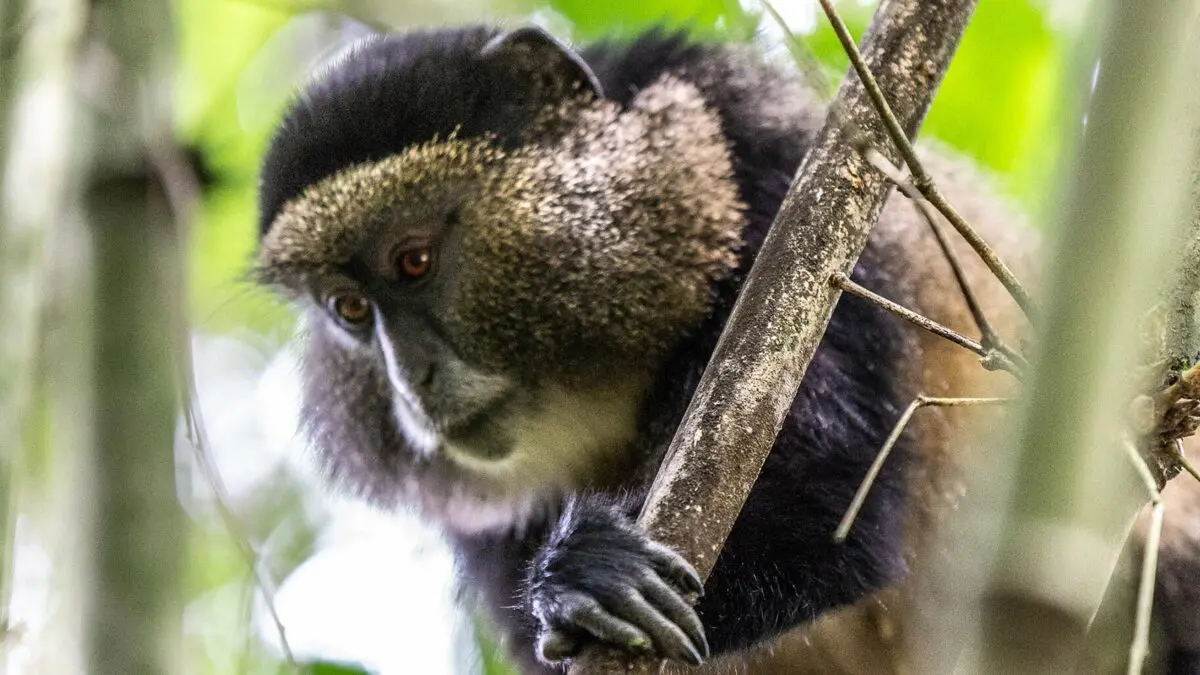
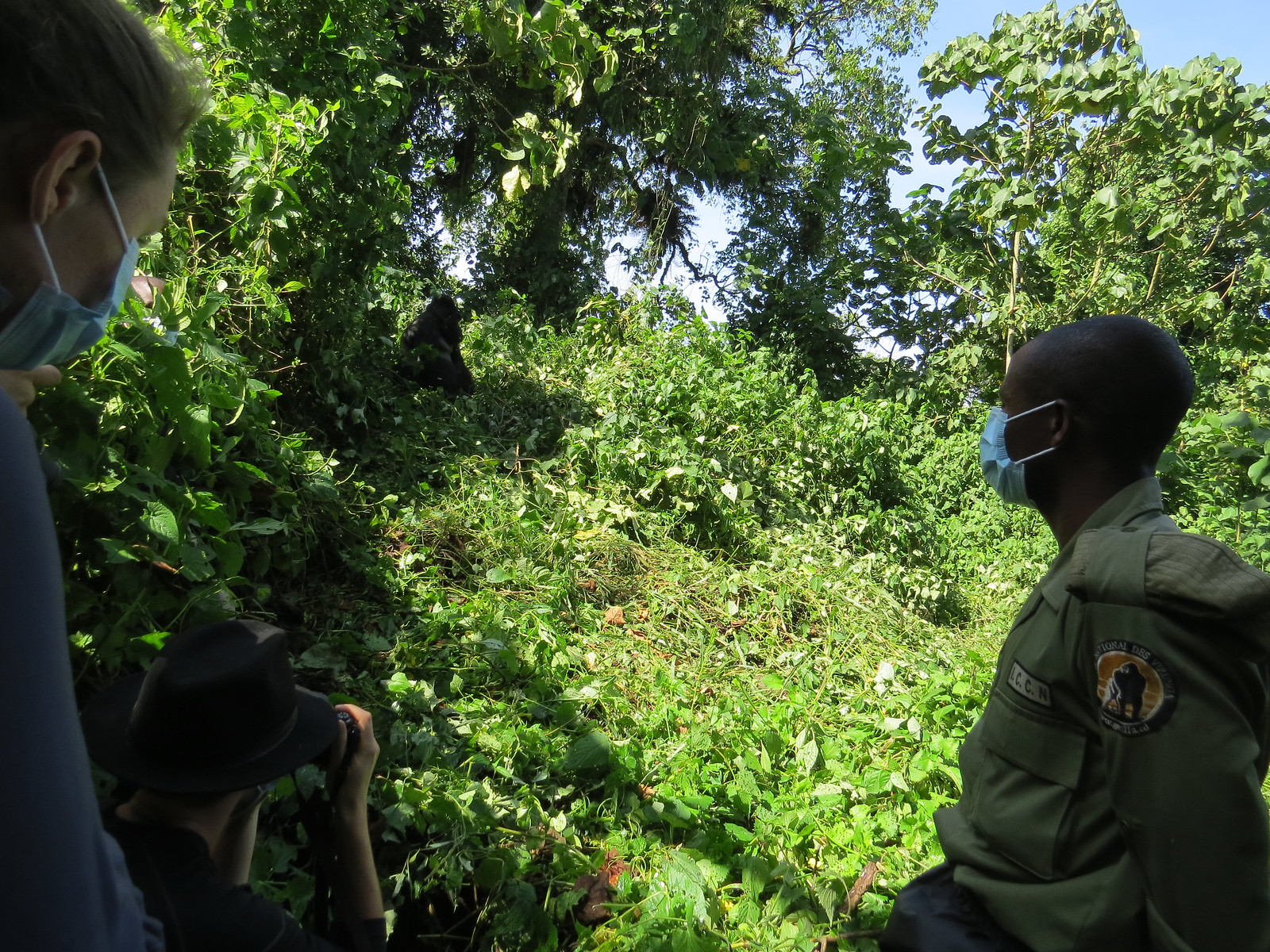
One of the most compelling aspects of cultural tours in Kahuzi-Biega is how they integrate seamlessly with wildlife experiences. After tracking eastern lowland gorillas in the dense forest or hiking through bamboo groves in search of other primates, travelers can spend afternoons engaging with local communities, tasting traditional dishes, or learning crafts. This combination creates a holistic safari experience, where visitors gain both the thrill of wildlife encounters and the understanding of human life that surrounds these habitats. The balance between nature and culture enhances the depth of the journey, ensuring that each moment in Kahuzi-Biega is meaningful and multifaceted.
Best Time to Experience Cultural Tours
While cultural tours are available year-round, timing can enhance the experience. Dry months, typically June to September and December to February, make travel between villages easier and more comfortable. During these periods, performances are lively, trails are accessible, and visitors can combine cultural experiences with forest exploration more seamlessly. Even in wetter seasons, the cultural richness remains intact, offering travelers an authentic view of daily life in the Kahuzi-Biega region.
Why Cultural Tours in Kahuzi-Biega Matter
Cultural tours offer more than knowledge or entertainment; they provide context to every visit in Kahuzi-Biega National Park. They remind travelers that conservation is not only about protecting wildlife and forests but also about supporting the people who have lived in harmony with these landscapes for generations. Engaging with communities, participating in crafts, sharing meals, and listening to stories creates a connection that elevates a safari from observation to understanding. Cultural immersion transforms a trip into a narrative of interwoven lives, highlighting the resilience, creativity, and stewardship of local people.
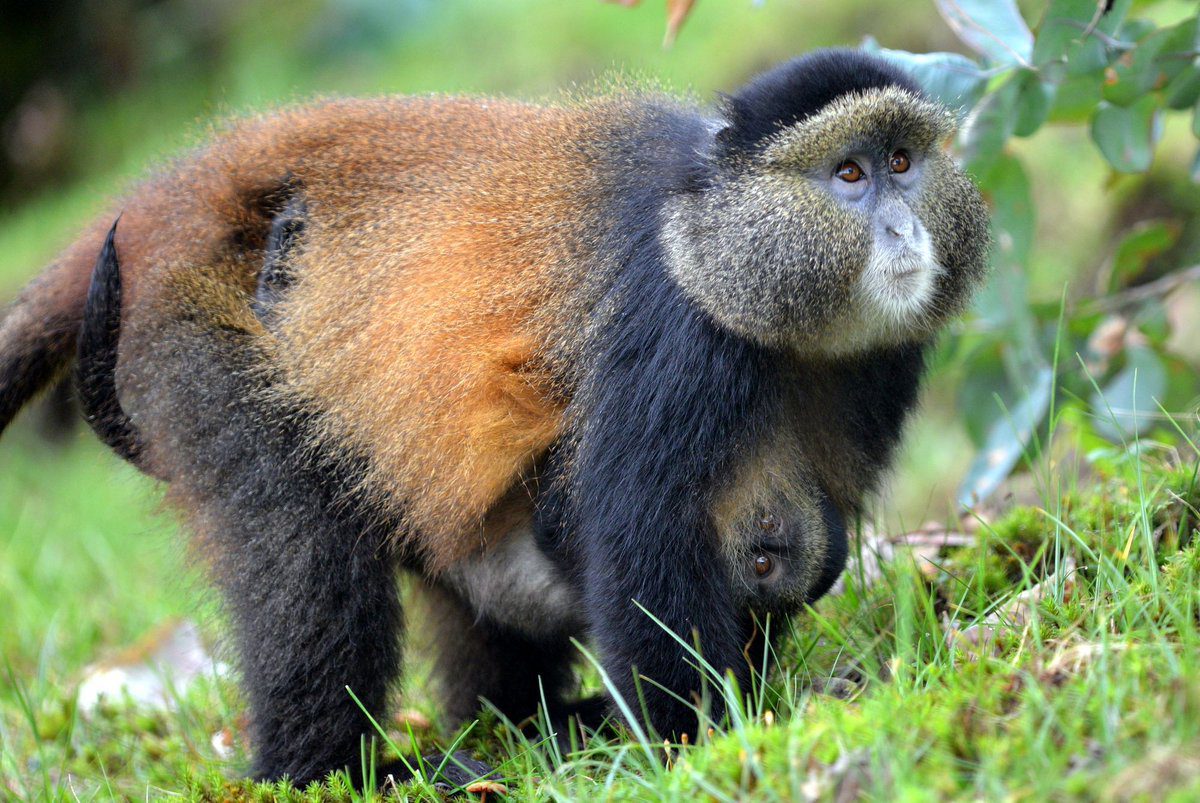
Visiting Kahuzi-Biega without exploring its cultural dimensions is like seeing the forest through a single lens. Adding cultural tours turns the journey into a layered, enriched experience that celebrates both nature and humanity, wildlife and tradition. Travelers leave not only with memories of gorillas, monkeys, and birds but also with insight into the lives, stories, and values of the people who call this extraordinary region home.
In 2026, cultural tours in Kahuzi-Biega National Park provide an opportunity to witness a living tradition alongside Africa’s wildest landscapes. For those seeking adventure, learning, and connection, these tours are an essential complement to wildlife exploration, offering an experience that is unforgettable, authentic, and deeply rewarding. The combination of forest, wildlife, and culture ensures that every visitor leaves with a profound sense of place, a better understanding of human-nature relationships, and memories that linger long after the journey ends.
Recommended Tours: 8 Days Congo Gorillas & Nyiragongo Safari | 5 Days Lowland Gorilla Safari Congo
Frequently Asked Questions About Gorilla Trekking in Congo
Is the Democratic Republic of Congo safe for gorilla trekking?
Gorilla trekking in Virunga National Park has resumed in parts of eastern DRC, though the security situation remains complex. Always check current travel advisories from your government and book only with established, experienced operators who have up-to-date security protocols. The Kahuzi-Biega National Park in South Kivu is another option for eastern lowland gorilla trekking.
What is unique about gorilla trekking in the DRC?
The DRC offers encounters with both mountain gorillas in Virunga and eastern lowland gorillas (Grauer’s gorillas) in Kahuzi-Biega — a species not found in Uganda or Rwanda. DRC permits are significantly cheaper than Rwanda (USD 400) and the experience is far more off-the-beaten-track with far fewer tourists.
Tips for Visiting Virunga National Park
- Check security advisories: Always check your government’s travel advisory for eastern DRC before booking. The situation changes frequently.
- Use a specialist operator: Choose a tour operator with extensive DRC experience and established local partnerships.
- Fly via Kigali: The most reliable way to reach Goma (gateway to Virunga) is via Kigali, Rwanda, just 80km away.
- Carry USD cash: Banking infrastructure in eastern DRC is limited. Carry sufficient USD cash for the duration of your stay.
Gorilla Trekking in the Democratic Republic of Congo
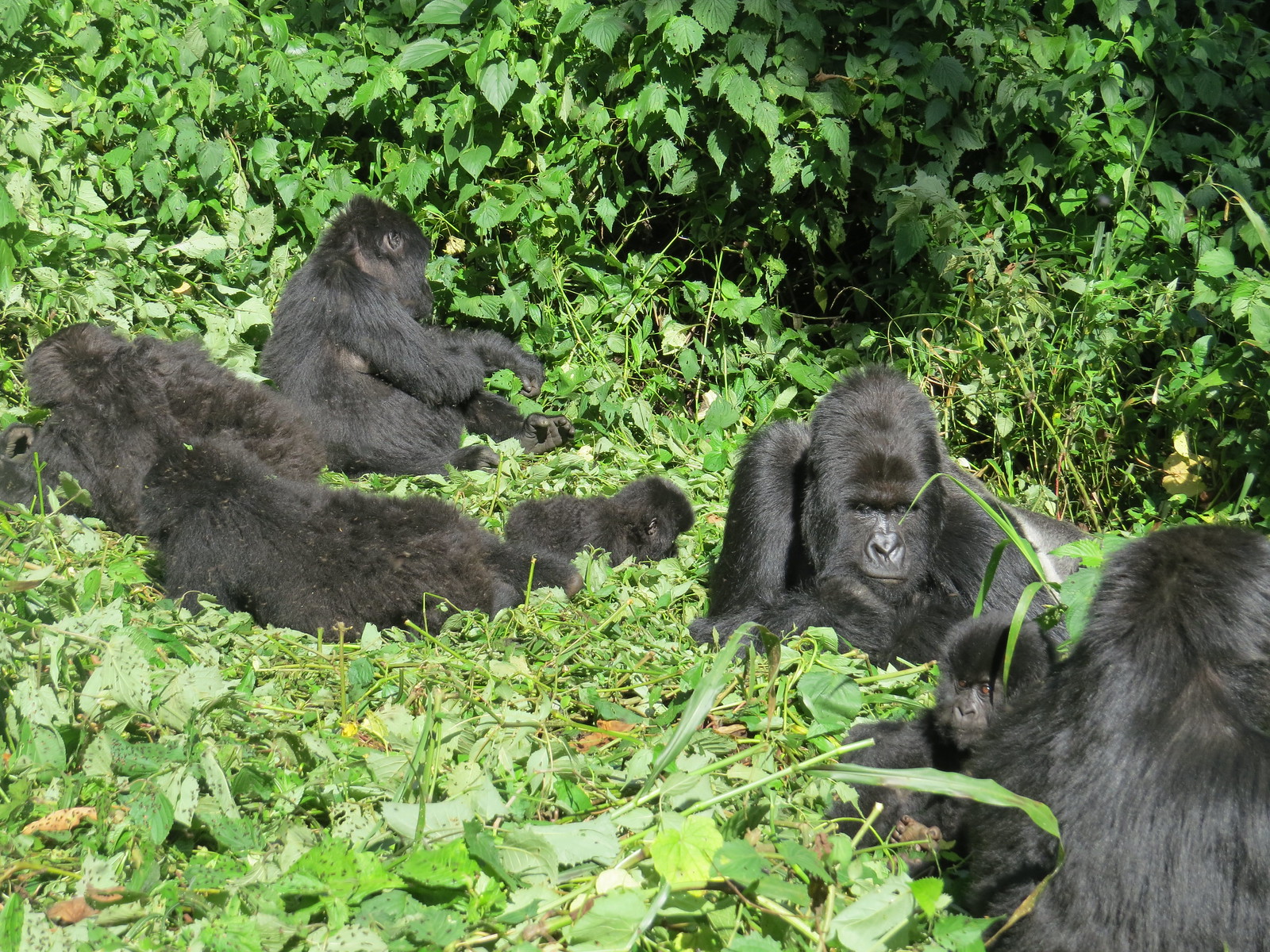
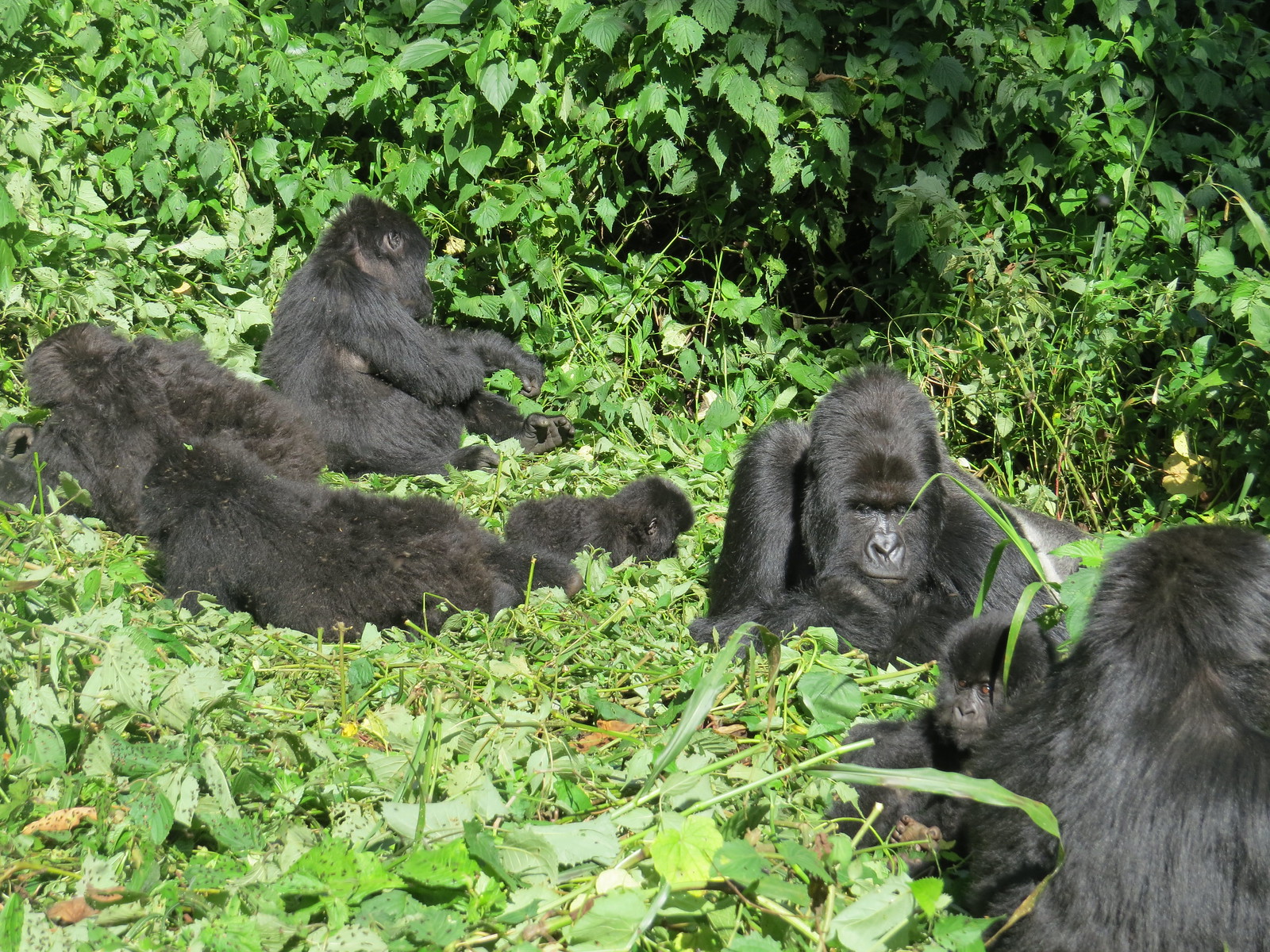
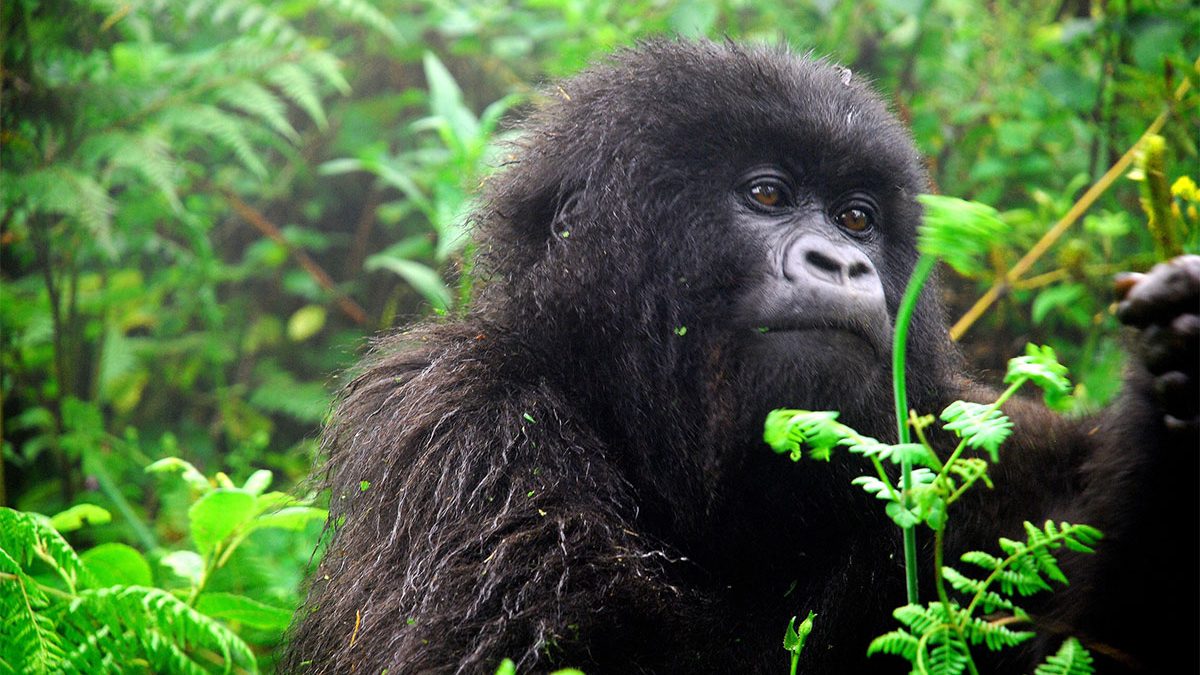
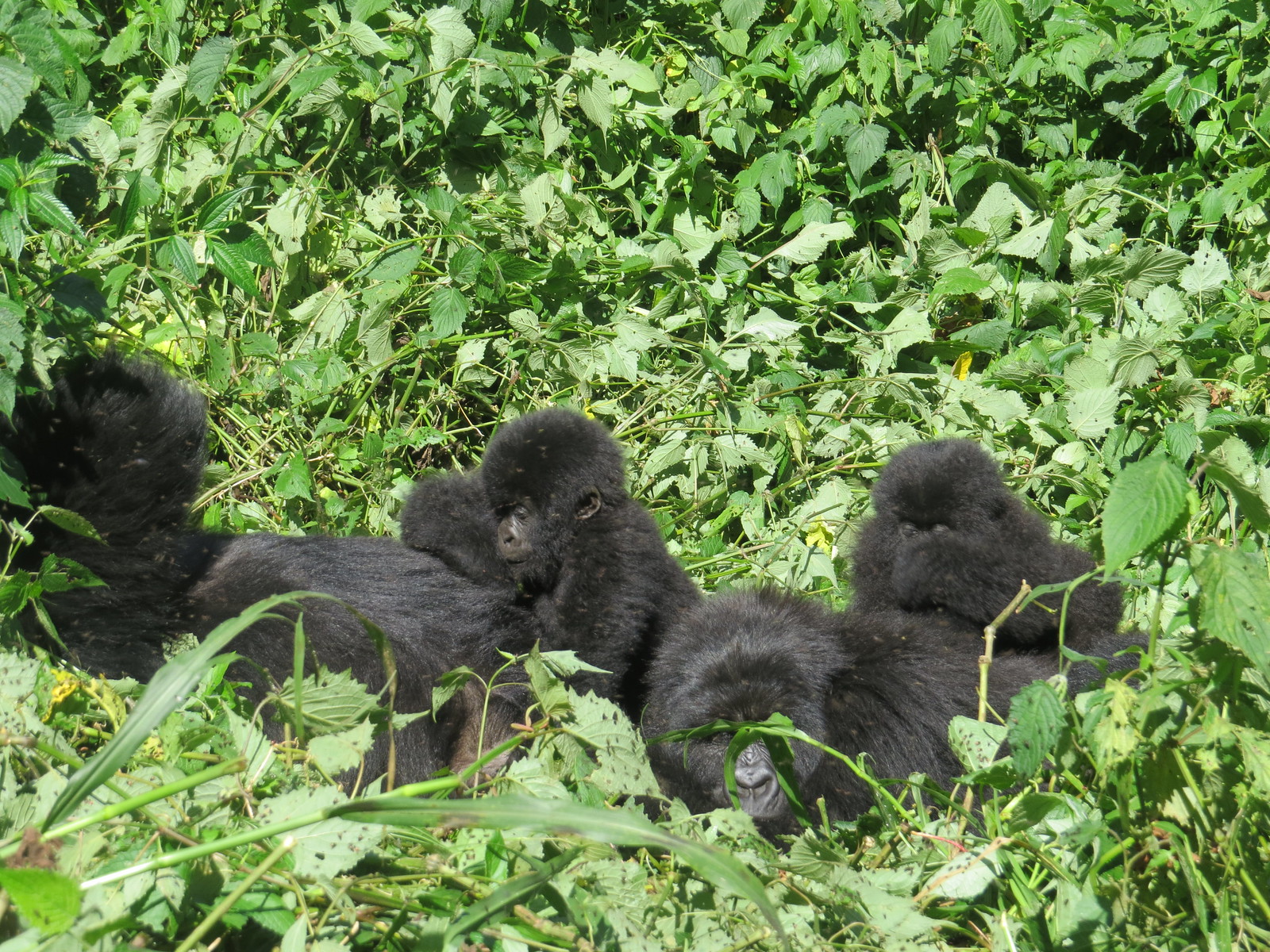
The Democratic Republic of Congo (DRC) is home to two gorilla species found nowhere else together: mountain gorillas in Virunga National Park and eastern lowland gorillas (Grauer’s gorillas, Gorilla beringei graueri) in Kahuzi-Biega National Park. Both are UNESCO World Heritage Sites.
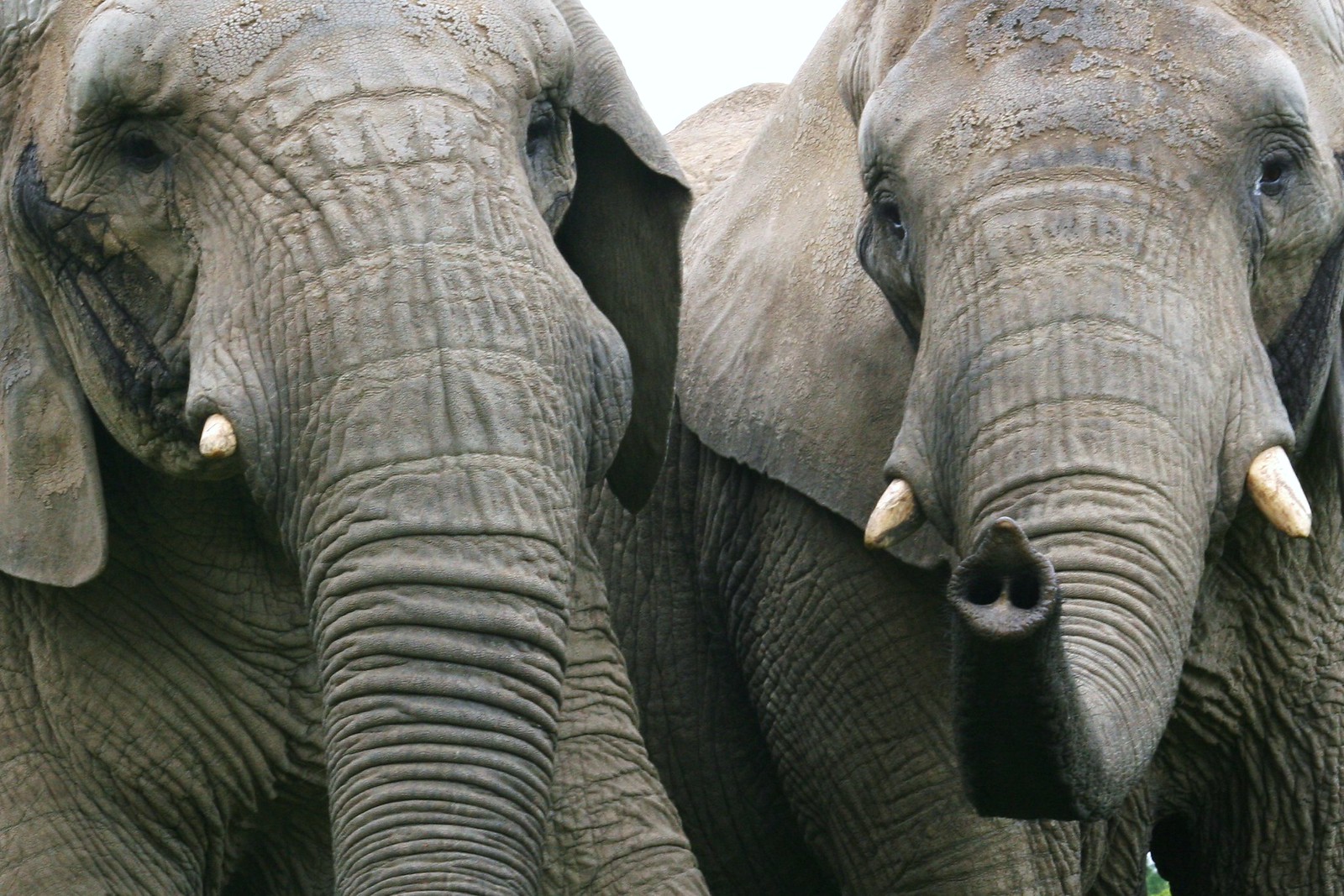
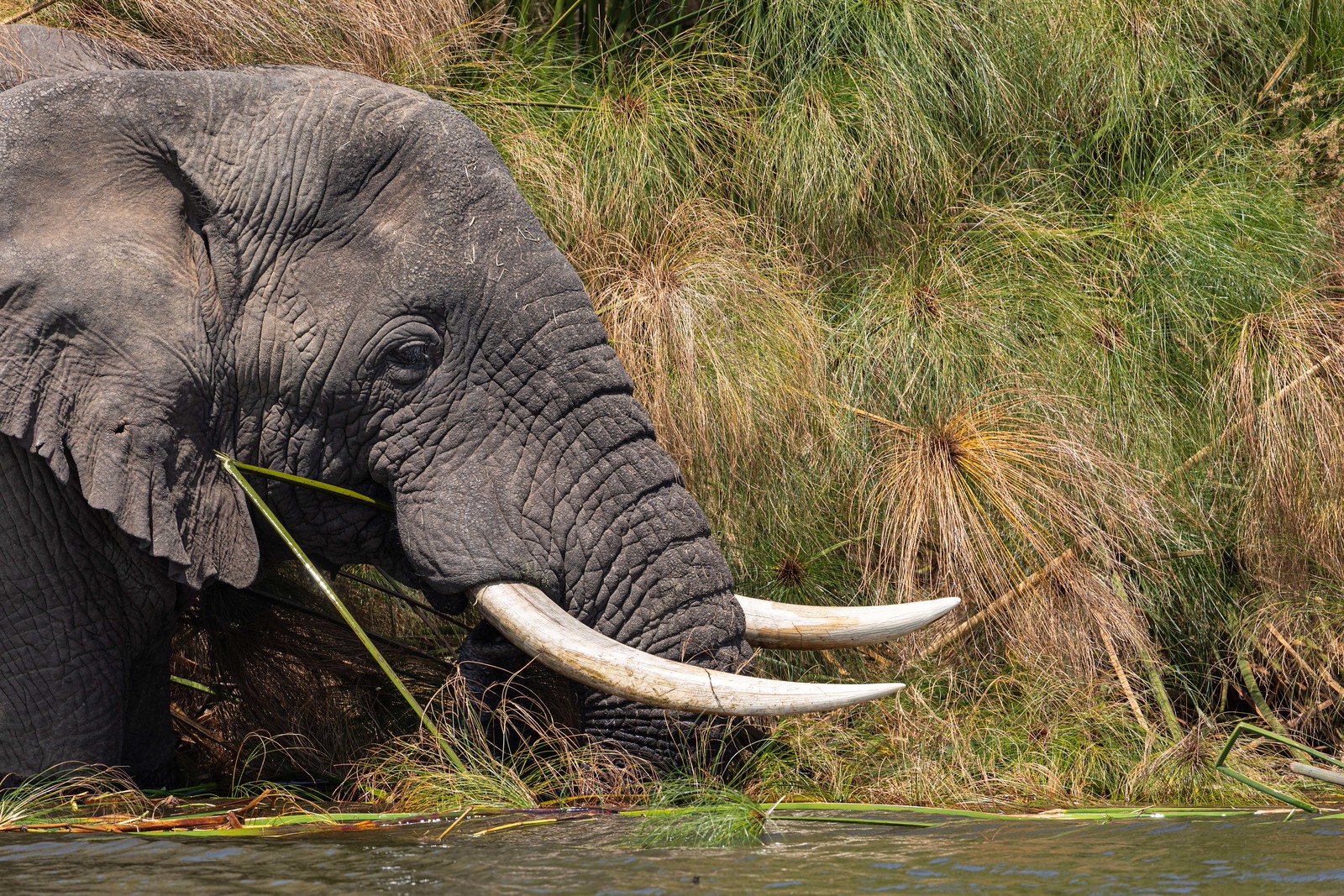
Virunga National Park — Africa’s oldest national park, established in 1925 — covers 7,900 km² of remarkable ecological diversity, from the volcanic peaks of the Virunga Massif to the glaciers of the Rwenzori Mountains and the tropical lowland forests of the Congo Basin. The park is also home to hippos, elephants, okapis, and the entire cast of Congo rainforest wildlife.
Eastern Lowland Gorillas — A Unique Encounter
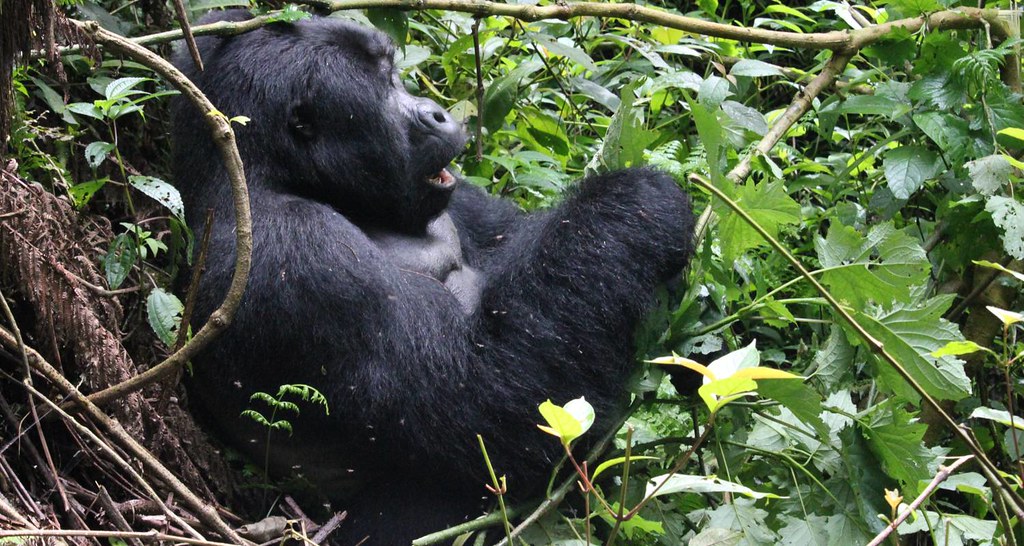
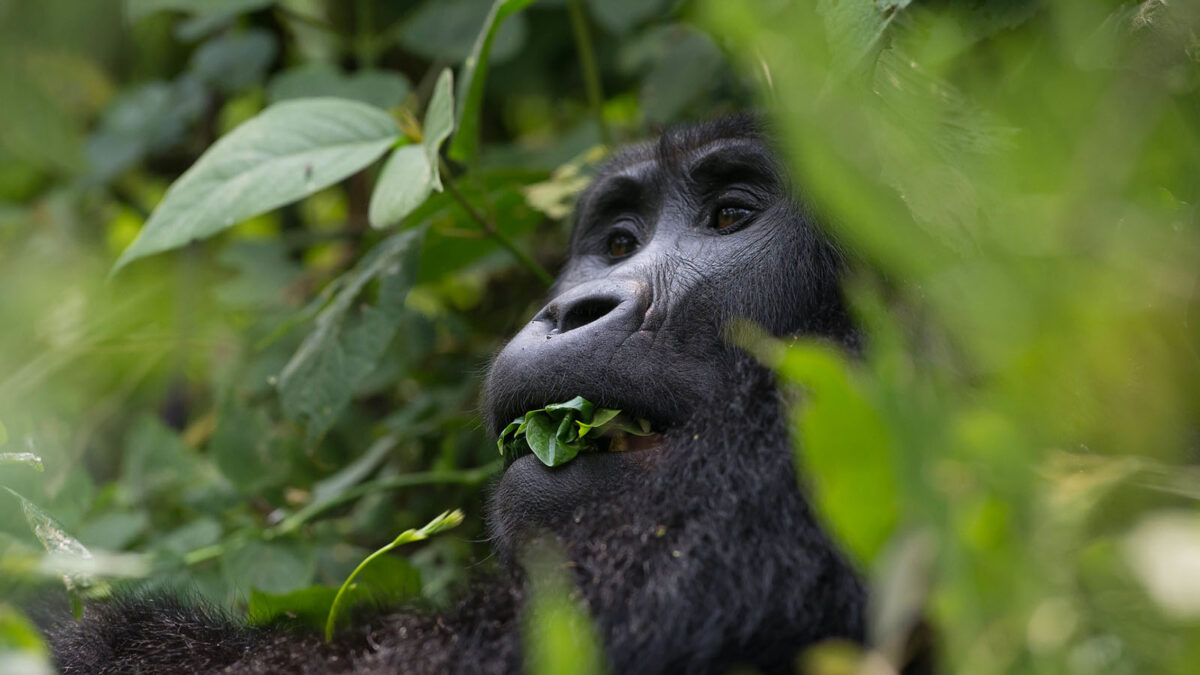
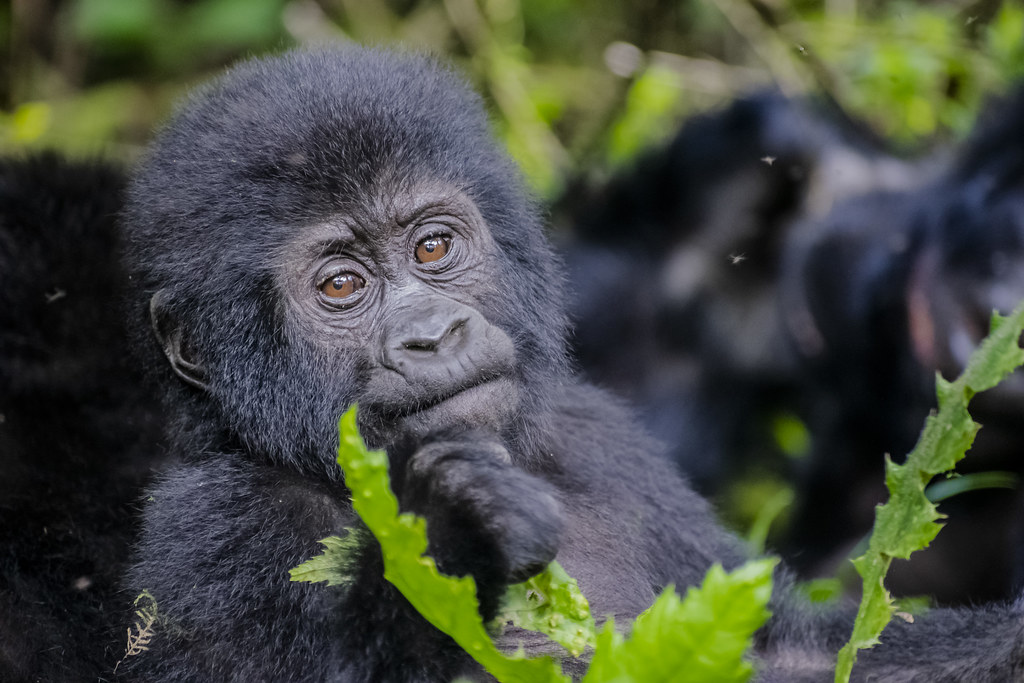
The eastern lowland gorilla (Grauer’s gorilla) is the world’s largest subspecies of gorilla, with silverbacks weighing up to 220kg. Found only in the DRC, Grauer’s gorillas are considerably rarer than mountain gorillas — their population has declined by more than 70% since the 1990s due to conflict, habitat loss, and poaching. Kahuzi-Biega National Park in South Kivu offers the only reliable trekking experience with habituated Grauer’s gorilla families.
A gorilla permit in the DRC costs USD 400 per person — significantly cheaper than Rwanda (USD 1,500) or Uganda (USD 800). The experience is raw, off-the-beaten-track, and unforgettable for travellers seeking something genuinely uncommon.
Practical Information for DRC Gorilla Trekking
Getting to Virunga and Kahuzi-Biega
The most common entry point to eastern DRC is via Kigali, Rwanda. Goma — the gateway to Virunga National Park — is just 80km from Kigali. Direct flights from Nairobi and Kampala also serve Goma. Bukavu (gateway to Kahuzi-Biega) is accessible from Goma by road (3–4 hours) or by light aircraft.
Is it safe to trek gorillas in the DRC?
Security in eastern DRC is complex and fluctuates. Virunga National Park and Kahuzi-Biega have experienced periods of closure due to armed group activity. Always check current security conditions with your tour operator and your government’s travel advisory before planning a DRC gorilla trek. Reputable operators with established local security networks are essential.
Explore More: Congo Safaris | Gorilla Trekking Guide | Virunga Volcanoes | Gorilla Trekking Permits | Gorilla Trekking Costs
Contact Us – Ready to book your East Africa gorilla safari? Our team is here to help you plan the perfect trip.
Congo and Virunga National Park Safari Experiences
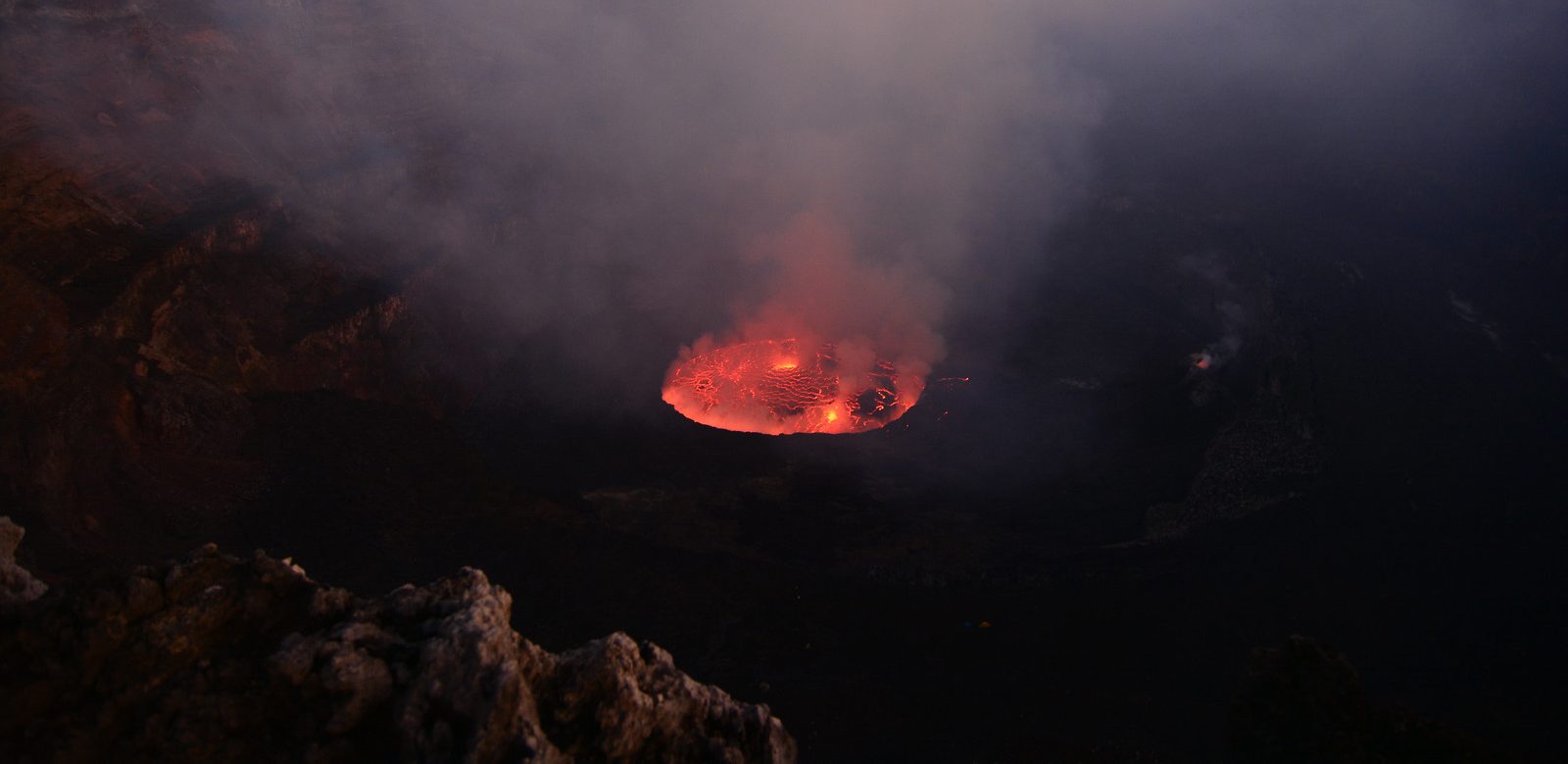
Virunga National Park in the DRC is Africa’s oldest national park and a UNESCO World Heritage Site, home to mountain gorillas, chimpanzees, and the world’s most active volcanoes. The Virunga Volcanoes including Nyiragongo – with its spectacular lava lake – offer thrilling hiking adventures. Mountain gorilla trekking in Virunga can be combined with Volcanoes National Park in Rwanda or Bwindi in Uganda. Conservation safaris directly support endangered species protection. Enjoy exceptional birding, chimpanzee trekking, and boat safaris on Lake Edward. Choose from luxury, camping, or group safari options. Trust East Africa Gorilla Safaris to arrange your Congo adventure safely.