Simien Mountains National Park
January 28, 2026
Awash National Park
January 28, 2026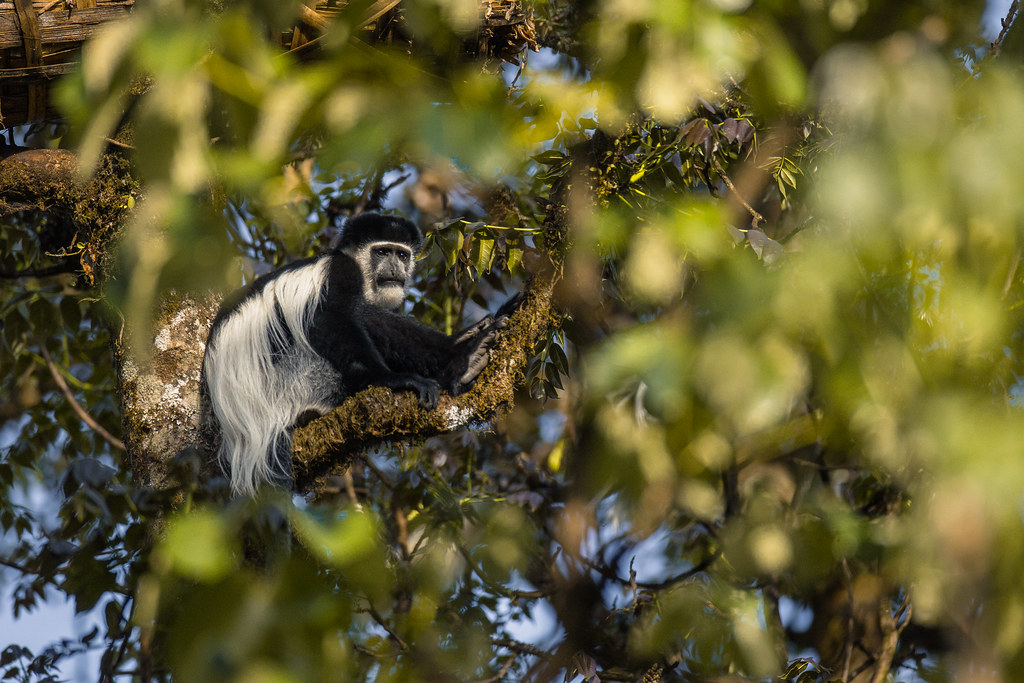


Bale Mountains National Park
Rising majestically in southeastern Ethiopia, Bale Mountains National Park is a sanctuary of misty peaks, rolling moorlands, and glacial rivers. Covering roughly 2,200 square kilometers, it is one of the largest protected areas in the country, encompassing vast plateaus, deep valleys, and Afro-alpine landscapes rarely found elsewhere in Africa. Known for its extraordinary biodiversity, Bale Mountains National Park is a place where the air is crisp, the terrain dramatic, and wildlife thrives in habitats ranging from grasslands and heath to bamboo forests and alpine moorlands. A journey through Bale is not merely a safari; it is an expedition into a realm of isolation, wonder, and ecological significance.




Attractions In Rwanda
Attractions In Tanzania
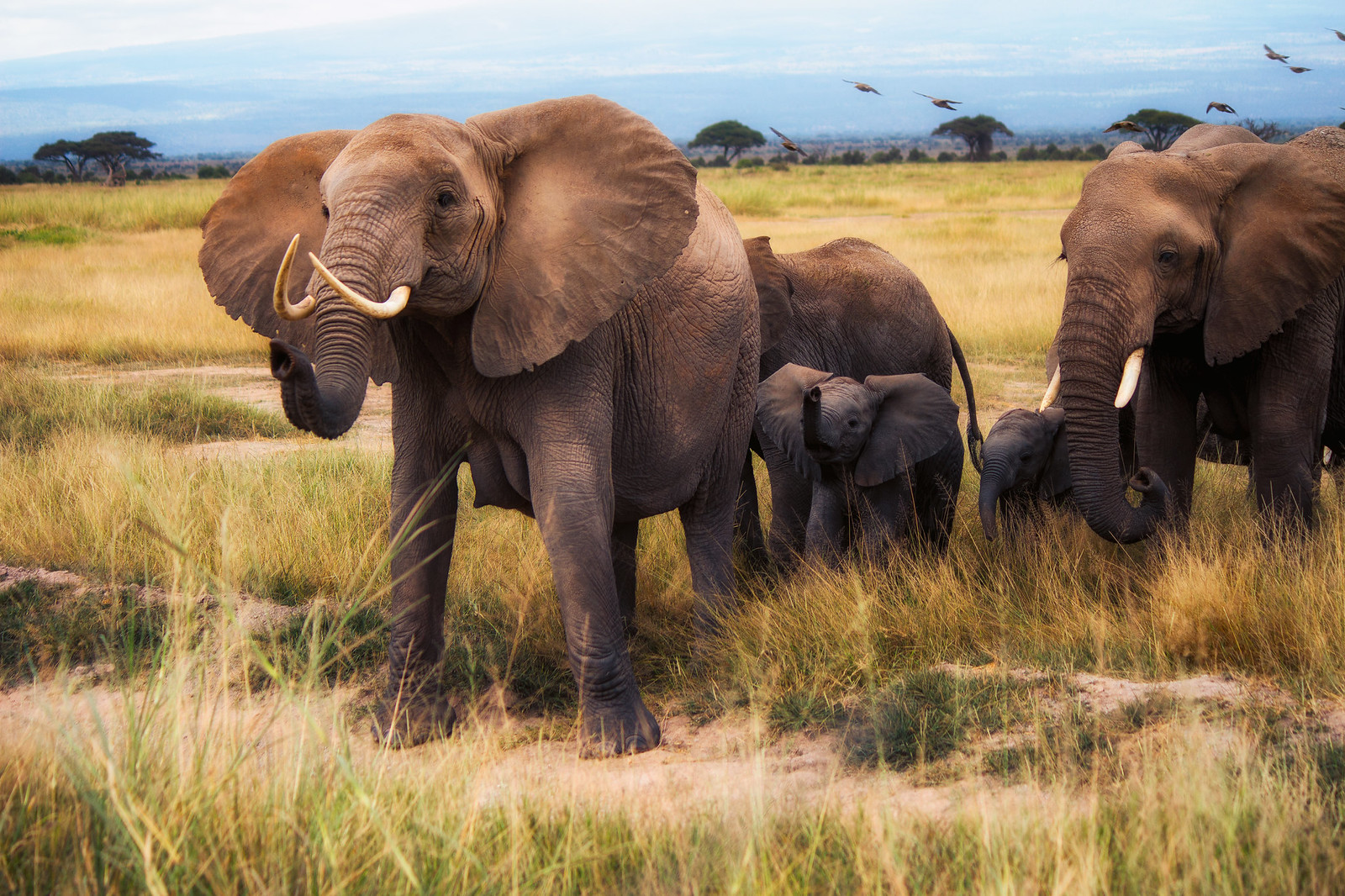
Uganda Gorilla Trekking Experience
Discover Uganda’s gorilla trekking experience where misty rainforests shelter mountain gorillas, ancient trails wind through Bwindi’s depths, and every step brings you closer to one of Africa’s most profound wildlife encounters, blending raw nature, conservation, and lasting memories.
Bale Mountains National Park: National Parks and Protected Areas
Geography and Landscapes
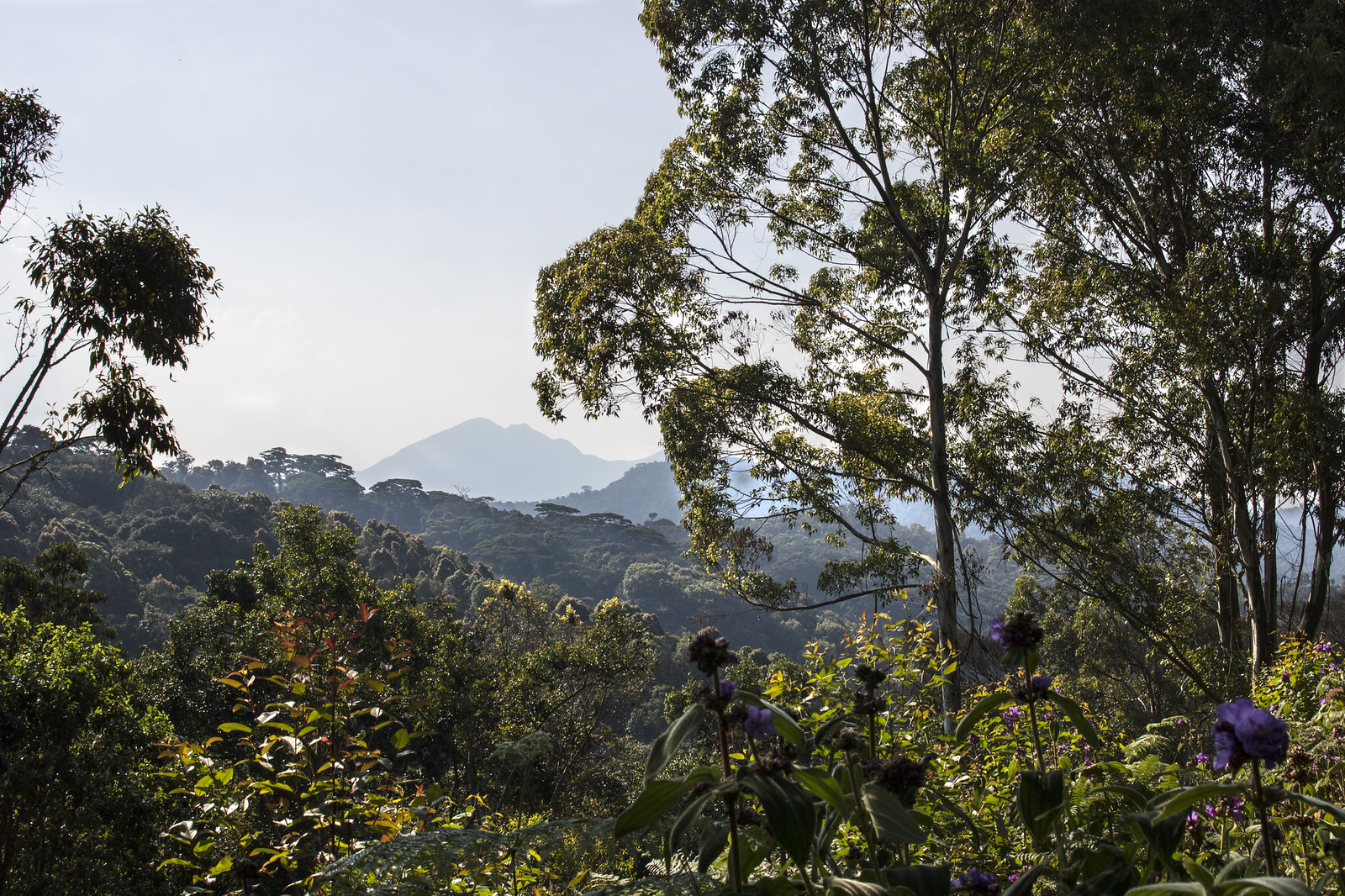
The park sits at the heart of the Ethiopian Highlands, forming part of the Bale-Arsi massif. Its terrain is diverse and rugged, featuring Harenna Forest, the largest continuous natural forest in Ethiopia, rolling Afro-alpine moorlands, and deep river valleys carved by centuries of glacial and volcanic activity. The park’s elevation ranges from 1,500 meters in the lowlands to over 4,000 meters at peaks such as Tullu Dimtu, the second-highest in Ethiopia.
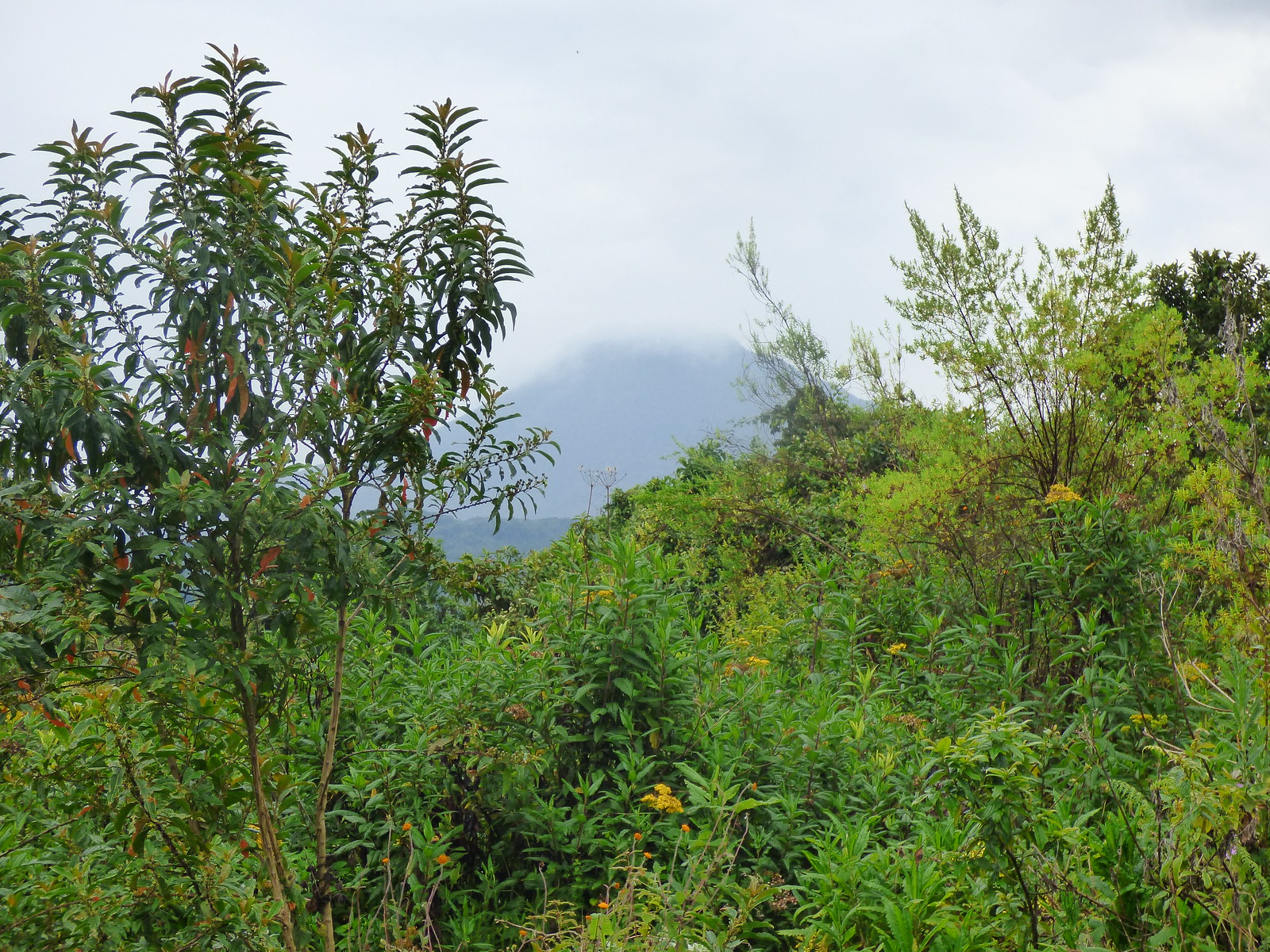
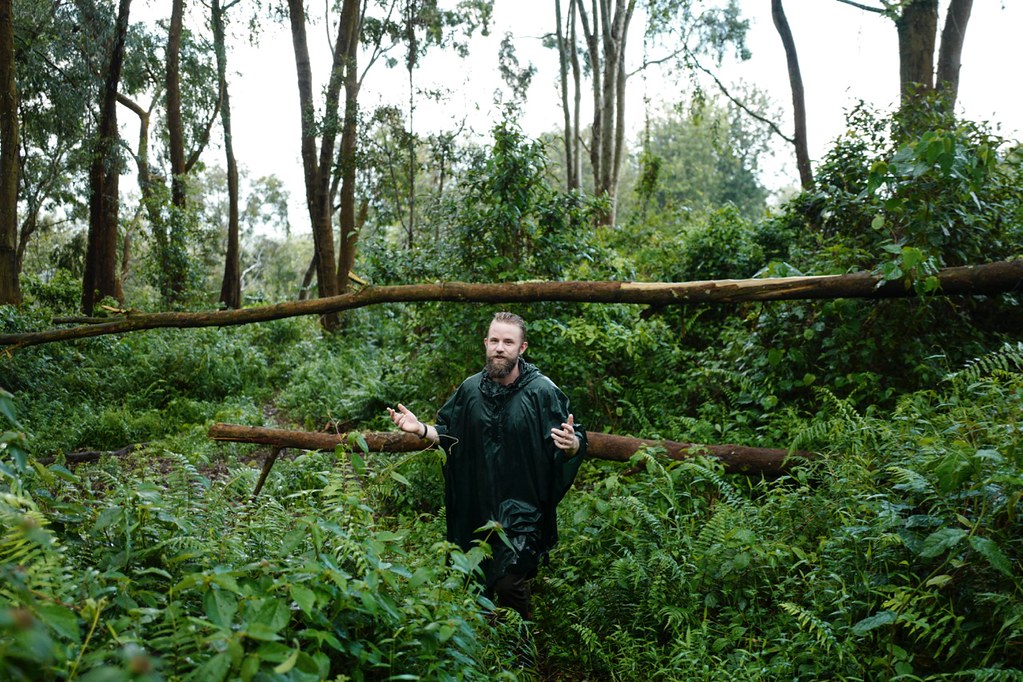
Tullu Dimtu’s slopes are cloaked in moorlands dotted with giant lobelias and endemic flora, creating surreal landscapes that shift with the light and weather. Harenna Forest, in contrast, is dense and humid, with thick canopies, moss-covered trees, and the murmur of hidden streams. Between these extremes, rolling grasslands and river valleys form vital habitats for grazers and predators alike. Rivers such as the Web and Weyb flow through the park, fed by mountain springs and glaciers, providing life to both wildlife and local communities downstream.
The Bale Mountains’ climate is equally varied. Higher altitudes are cool and misty, while the lower valleys experience temperate conditions with occasional frost at night. Clouds often cling to peaks, casting shifting shadows across the moorlands and valleys, creating a magical, almost otherworldly atmosphere.
Unique Wildlife
Bale Mountains National Park is a haven for wildlife, boasting a remarkable concentration of endemic species. The park is perhaps most famous for the Ethiopian wolf, the rarest canid in the world. These slender, reddish wolves roam the high-altitude moorlands in small packs, hunting rodents with precision and grace. Observing an Ethiopian wolf in its natural habitat is a highlight of any visit, offering an intimate glimpse into one of Africa’s most endangered species.
Mountain nyala, an antelope endemic to Ethiopia, are commonly spotted in the montane forests, while menelik’s bushbuck and warthogs graze the grasslands. The park is also home to olive baboons, colobus monkeys, and an array of smaller mammals such as hares, genets, and porcupines. Predators like leopards, caracals, and jackals roam the park, often remaining elusive, adding an element of mystery to the wilderness.
Birdlife in Bale is extraordinary, with over 280 recorded species. Endemic species such as the Abyssinian longclaw, Rouget’s rail, and Ethiopian bush-crow attract avid birdwatchers from around the world. Raptors, including augur buzzards and lanner falcons, soar above moorlands and cliffs, while smaller passerines flit through the bamboo forests and riverine habitats. The park’s rivers and wetlands provide vital resources for waterbirds, including herons and kingfishers.
Flora and Vegetation
Bale Mountains National Park is as remarkable for its flora as its fauna. The Afro-alpine moorlands are dotted with giant lobelias, some towering over five meters, their presence giving the landscape an almost prehistoric feel. Heathlands host ericaceous shrubs and endemic wildflowers, while bamboo thickets dominate the mid-altitude zones, providing critical cover for wildlife and regulating the park’s hydrology.
Harenna Forest, the largest natural forest in Ethiopia, is lush and humid, filled with acacia, olive, and fig trees. Ferns, mosses, and lichens carpet the forest floor, and the dense canopy shelters countless insects and bird species. This diversity of vegetation supports complex food webs, ensuring that every niche—from the alpine moorlands to the shaded forest floor—sustains life.
Activities in the Park
Bale Mountains National Park offers a wealth of activities for nature enthusiasts, adventure seekers, and wildlife photographers. Hiking is perhaps the most popular activity, with trails ranging from gentle walks along river valleys to challenging treks up Tullu Dimtu. Along these trails, hikers encounter sweeping views, endemic flora, and the occasional glimpse of the elusive Ethiopian wolf or mountain nyala.
Guided wildlife tours are highly recommended, particularly for spotting endangered species. Night drives provide opportunities to see nocturnal animals such as civets and genets, while morning excursions in the moorlands are ideal for Ethiopian wolf sightings. Birdwatching tours, often led by local guides, allow visitors to track rare species across different habitats, from alpine grasslands to dense bamboo thickets.
Cultural experiences are an added dimension to visiting Bale. Local communities, including the Oromo people, live in and around the park. Their traditional knowledge of the land, herding practices, and sustainable use of forest resources enrich the visitor experience, offering insight into human adaptation in highland Ethiopia. Photography enthusiasts are particularly drawn to the dramatic landscapes and unique wildlife, with lighting conditions often changing rapidly due to clouds and mist, creating ever-shifting scenes of beauty.
Accommodation
Accommodation around Bale Mountains National Park ranges from eco-lodges to mountain camps. Dinsho Lodge, located near the park headquarters, offers comfortable rooms and easy access to hiking trails and wildlife viewing areas. Campsites and tented lodges provide a more immersive wilderness experience, allowing visitors to awaken to the sounds of Ethiopian wolves calling across the moorlands and the distant flow of rivers. Staying within or near the park provides a profound sense of connection with this highland wilderness.
Best Time to Visit
The optimal time to visit Bale Mountains National Park is during the dry season, from October to March. During this period, trails are accessible, wildlife is easier to spot, and mornings offer clear skies for viewing the dramatic landscapes. The wet season, from April to September, transforms the park, bringing lush greenery, blooming wildflowers, and full rivers. While hiking can be more challenging, the scenery is at its most vibrant, and the abundance of water supports both wildlife and bird migrations.
Conservation and Significance
Bale Mountains National Park plays a critical role in Ethiopia’s ecology. It protects the headwaters of major rivers, sustains endemic wildlife, and preserves one of Africa’s few remaining Afro-alpine ecosystems. Conservation efforts focus on protecting endangered species like the Ethiopian wolf and mountain nyala, preventing habitat destruction, and promoting eco-tourism as a sustainable means of supporting both wildlife and local communities. Visitors contribute directly to these efforts, making tourism an important pillar of the park’s preservation strategy.
Experiencing Bale Mountains National Park
Bale Mountains National Park is more than a destination—it is a journey into an extraordinary highland world where ecosystems intersect and life thrives at the edge of extremes. From mist-shrouded peaks to dense forests and sweeping moorlands, every step immerses visitors in landscapes that are both fragile and enduring. Watching an Ethiopian wolf move gracefully across the moorlands, hearing the distant roar of a river cutting through a gorge, or observing endemic birds flitting through bamboo thickets creates a sense of wonder that lingers long after the journey ends.
For travelers seeking an adventure off the beaten path, where wildlife, alpine landscapes, and cultural insights converge, Bale Mountains National Park offers a safari unlike any other. It is a place of quiet grandeur, where the highlands’ raw beauty and ecological richness remain largely untouched, inviting those who visit to witness Ethiopia’s wilderness at its most extraordinary.
Our Recommended Tour Ideas

7 Days Rwanda & Uganda Gorilla and Wildlife Safari from Kigali with Volcanoes, Bwindi & Big Game Experiences

Please the content should be 130 characters.

Please the content should be 130 characters.

Please the content should be 130 characters.

Please the content should be 130 characters.
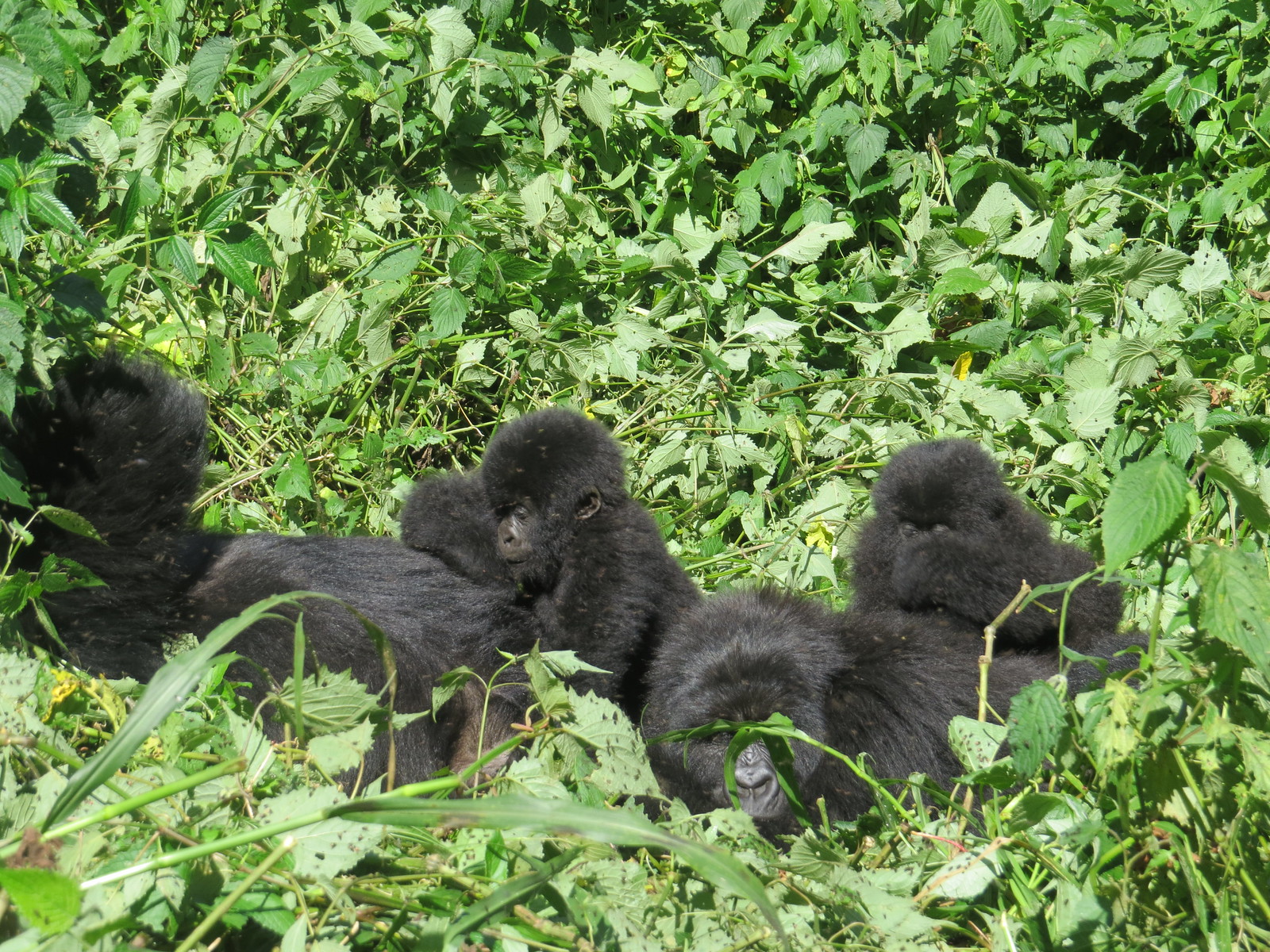
3 days in Virunga trekking mountain gorillas through volcanic forests and experiencing raw DR Congo wilderness.
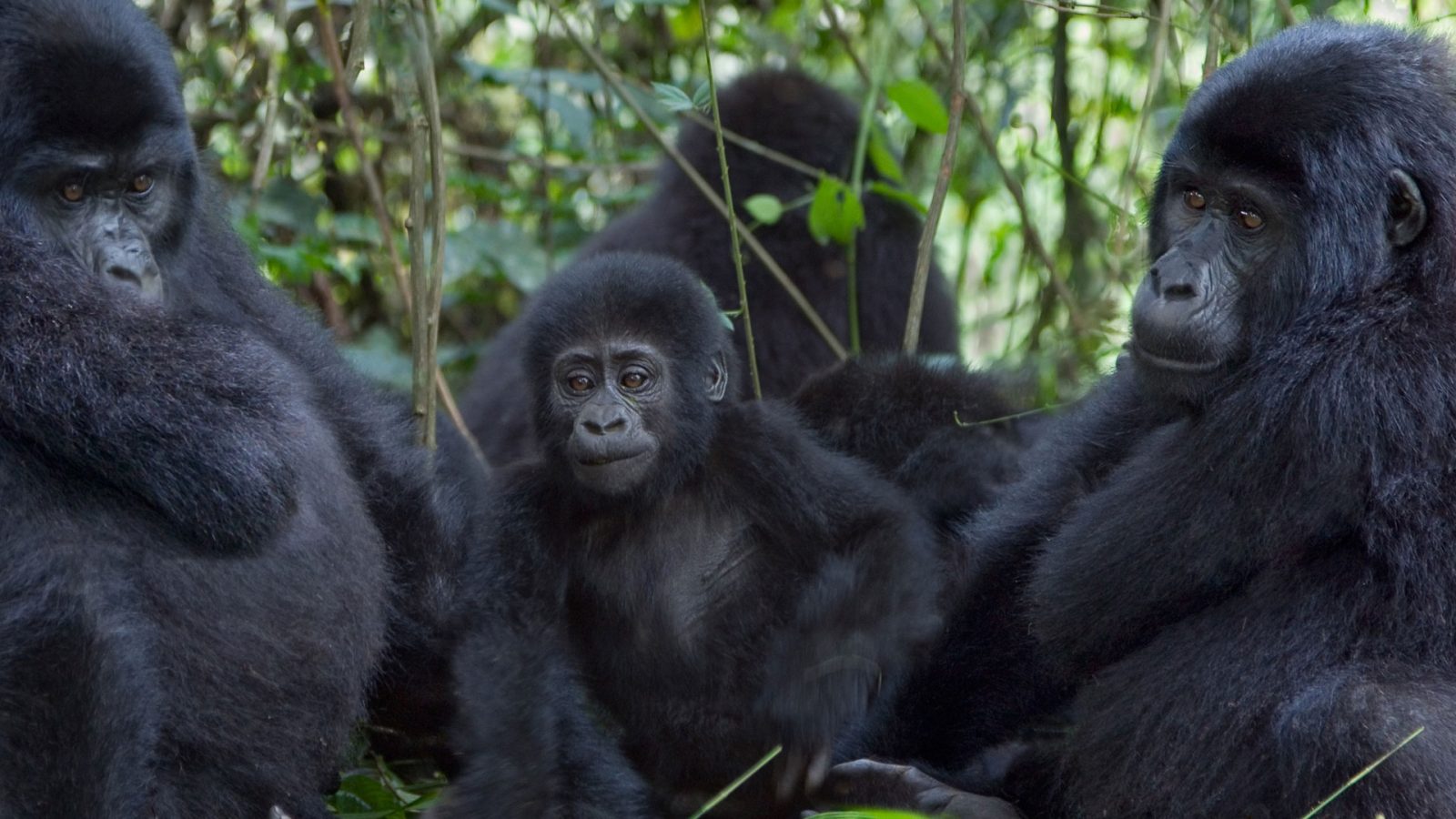
Please the content should be 110 characters.

Please the content should be 130 characters.

Please the content should be 130 characters.
What Our Travelers Enjoyed About Primate Safaris

Gorillas "Silverback"
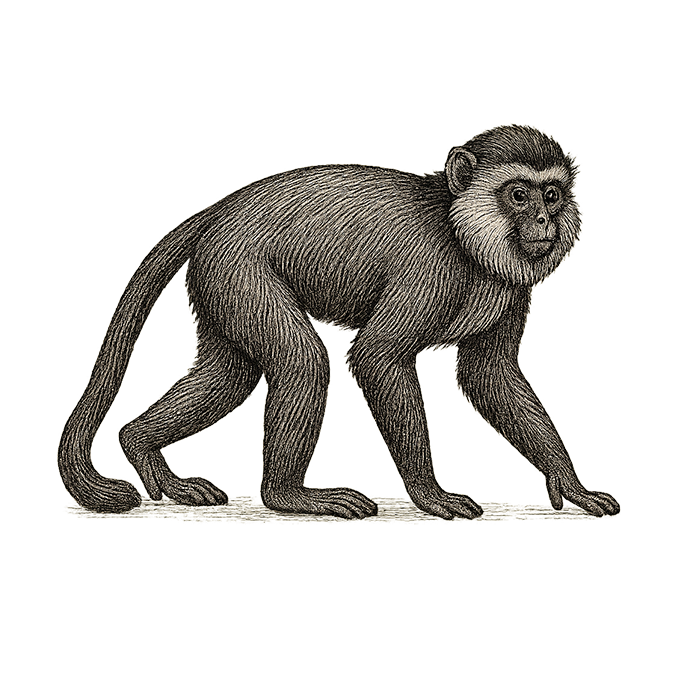
Golden Monkey "Photogenic"
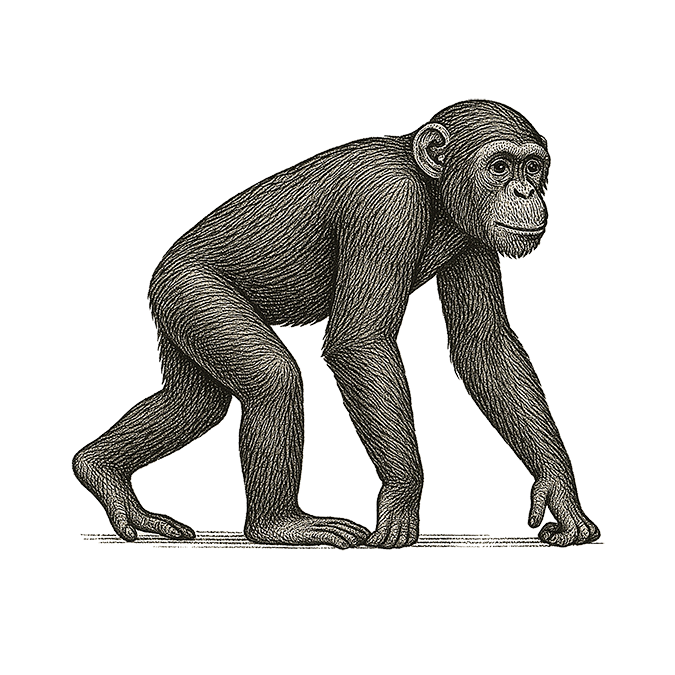
Chimpanzees "Pant-hoot"