Ajai Wildlife Reserve
January 28, 2026
Tsavo East National Park
January 28, 2026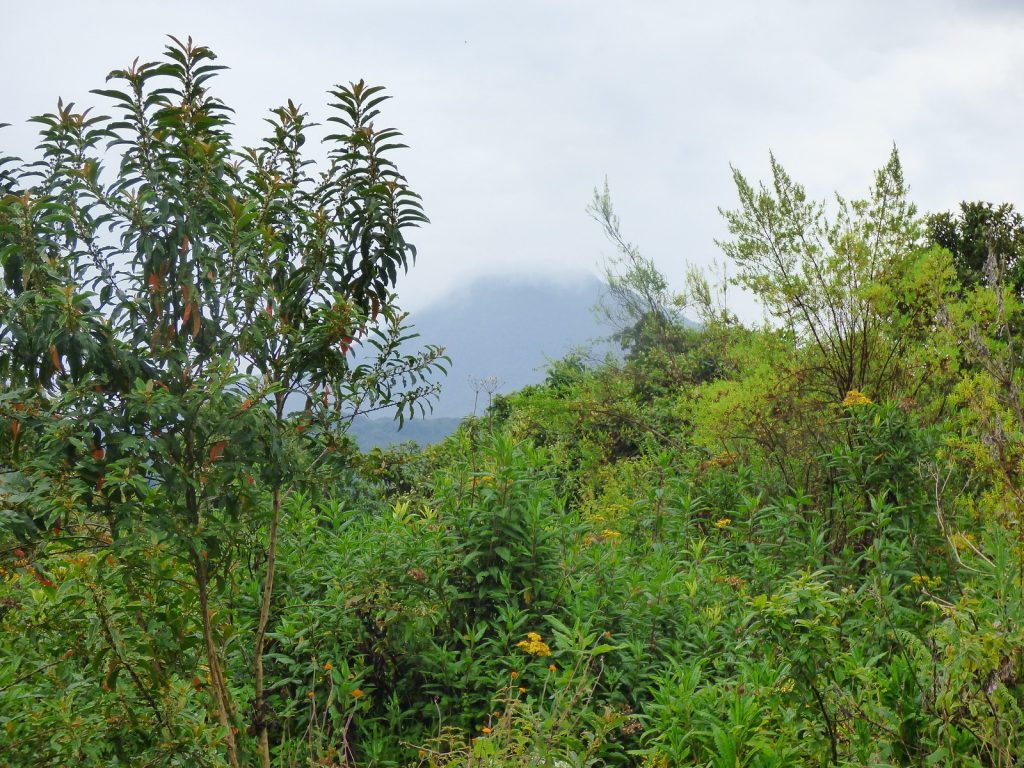


Katonga Wildlife Reserve
Katonga Wildlife Reserve is one of Uganda’s lesser-known protected areas, offering a serene blend of wetlands, grasslands, and woodland savannah. Situated in central-western Uganda along the Katonga River, the reserve acts as a transitional habitat between Uganda’s highland and lowland ecosystems.Despite its quiet reputation, Katonga is ecologically significant, providing sanctuary for a variety of wildlife, including antelopes, small mammals, and an exceptional diversity of birds. The reserve’s combination of wetlands, riverine forest, and savannah makes it a peaceful alternative to the country’s more famous safari destinations, ideal for travelers seeking authentic and less crowded nature experiences.


Attractions In Rwanda
Attractions In Tanzania
Uganda Gorilla Trekking Experience
Discover Uganda’s gorilla trekking experience where misty rainforests shelter mountain gorillas, ancient trails wind through Bwindi’s depths, and every step brings you closer to one of Africa’s most profound wildlife encounters, blending raw nature, conservation, and lasting memories.
Katonga Wildlife Reserve: National Parks and Protected Areas
Landscape and Ecosystem Diversity
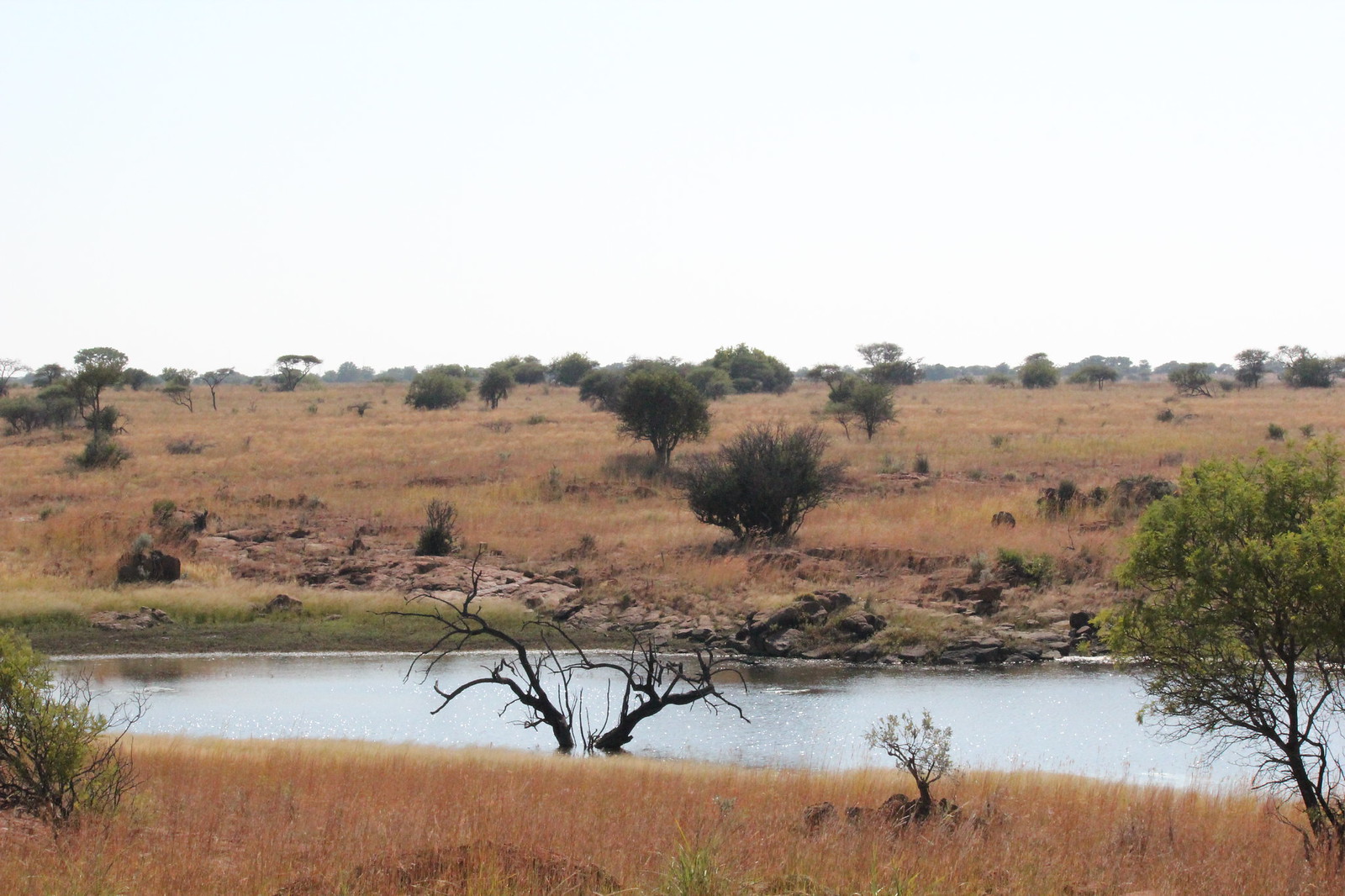
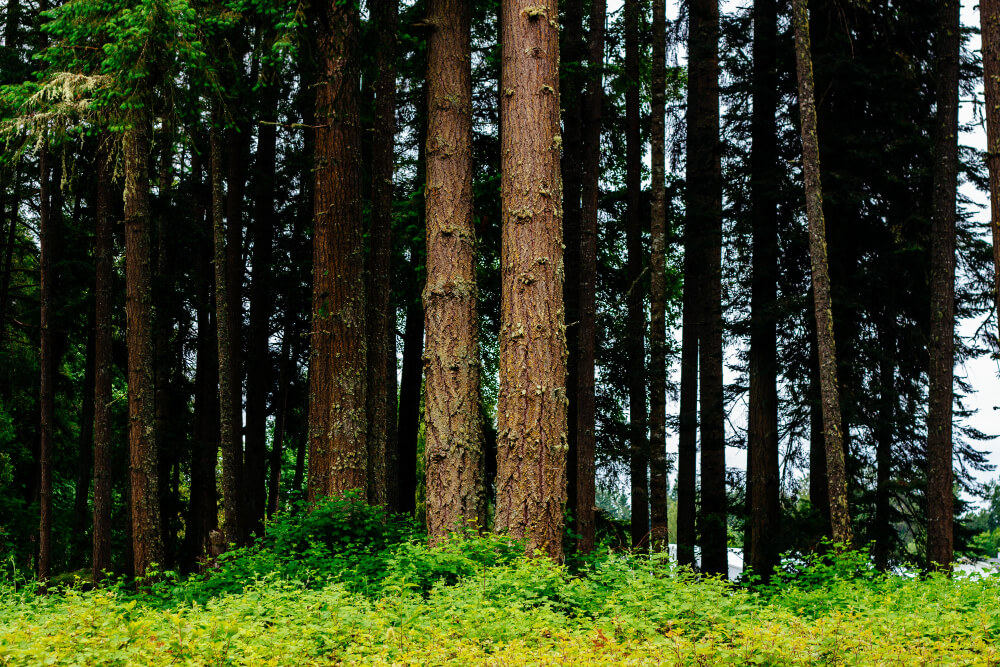
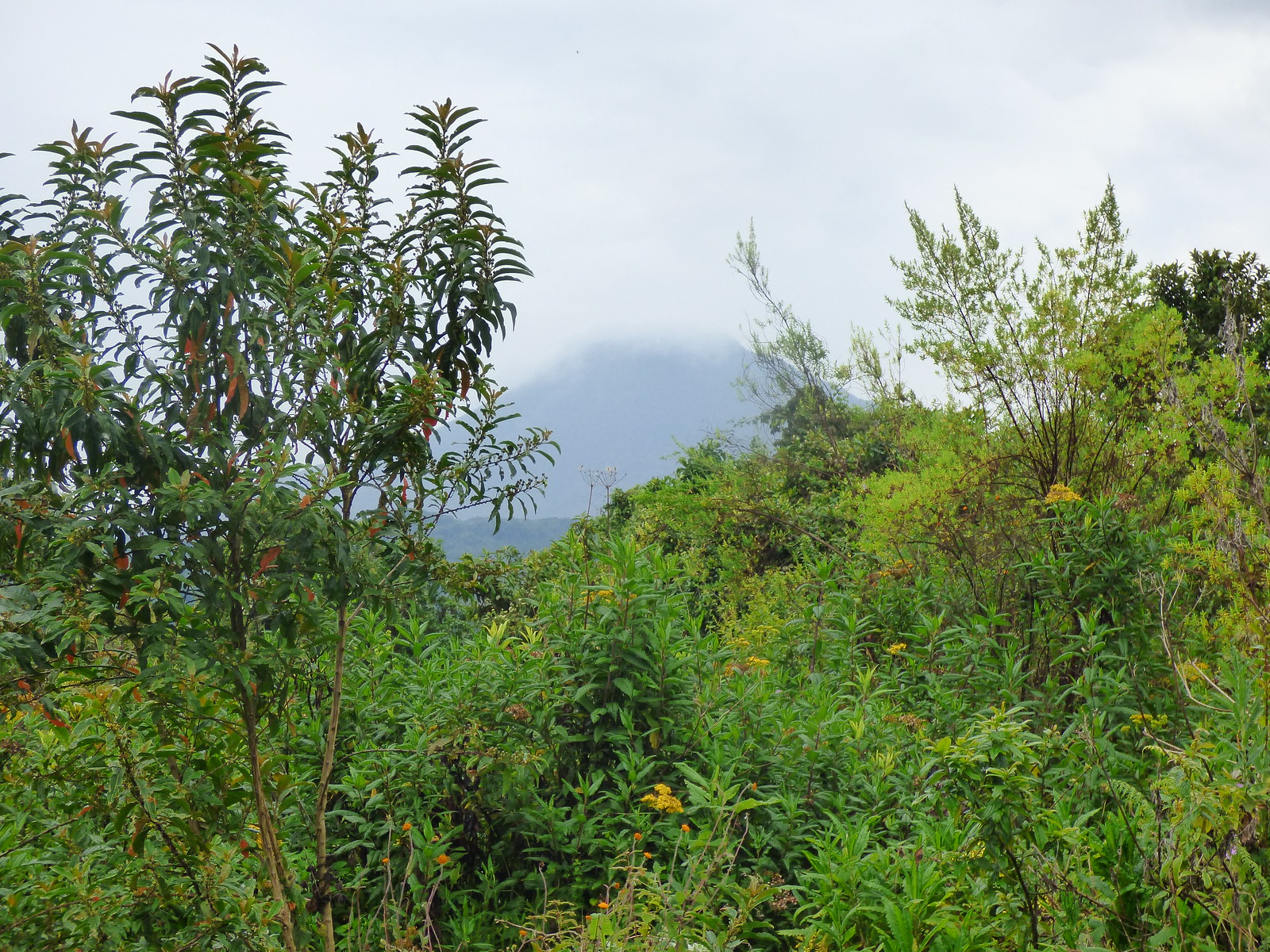
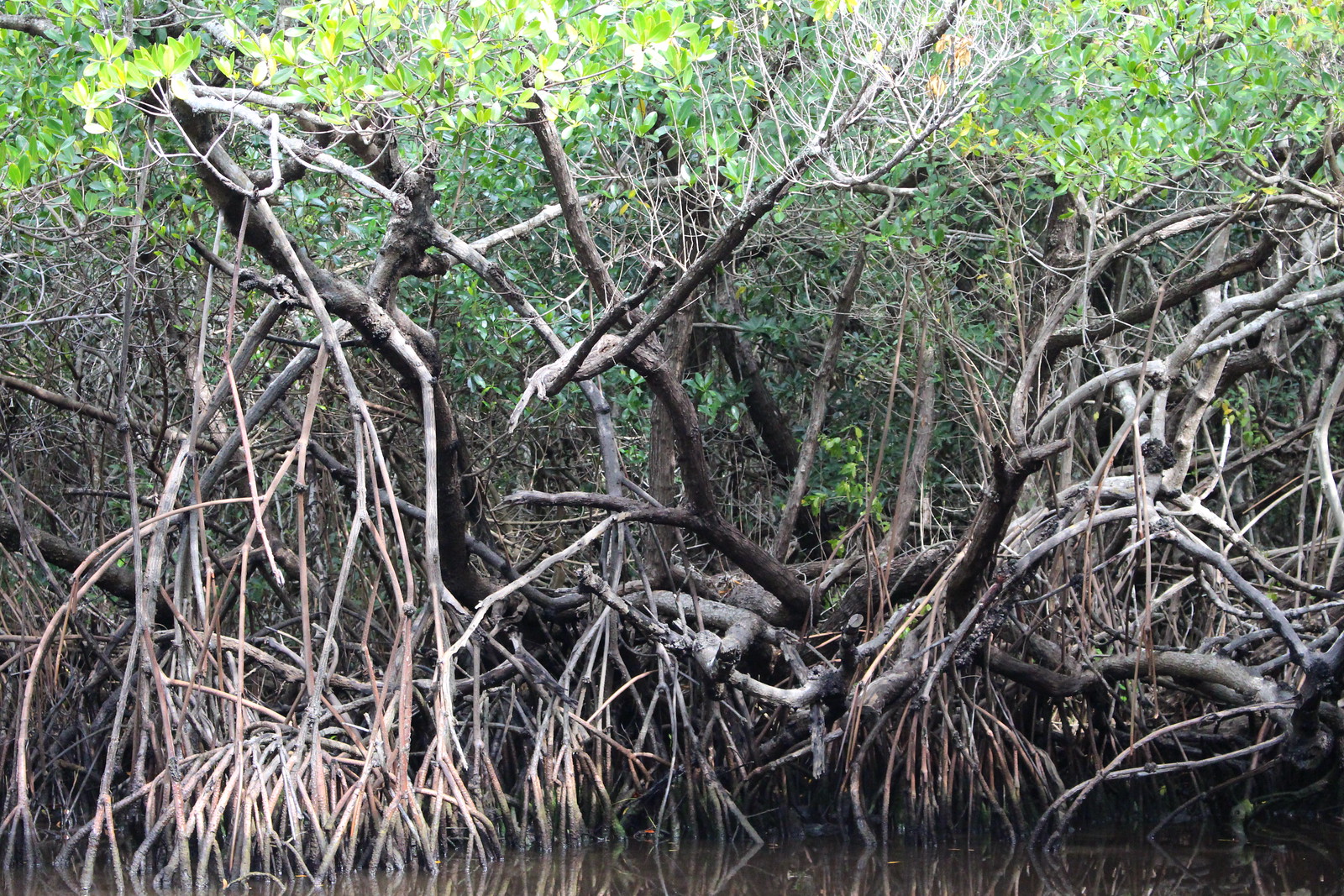
The landscape of Katonga Wildlife Reserve is defined by its wetlands, open savannahs, and patches of riverine forest, creating a mosaic of habitats for different species. The Katonga River and its tributaries feed seasonal floodplains, which support aquatic and semi-aquatic species.
During wet periods, the floodplains expand dramatically, transforming the reserve into a haven for waterbirds and wetland wildlife. Dry seasons reveal open grasslands where antelopes graze and predators may be spotted at a distance. This diversity allows visitors to experience multiple ecological zones in a single visit.
Wildlife in Katonga Wildlife Reserve
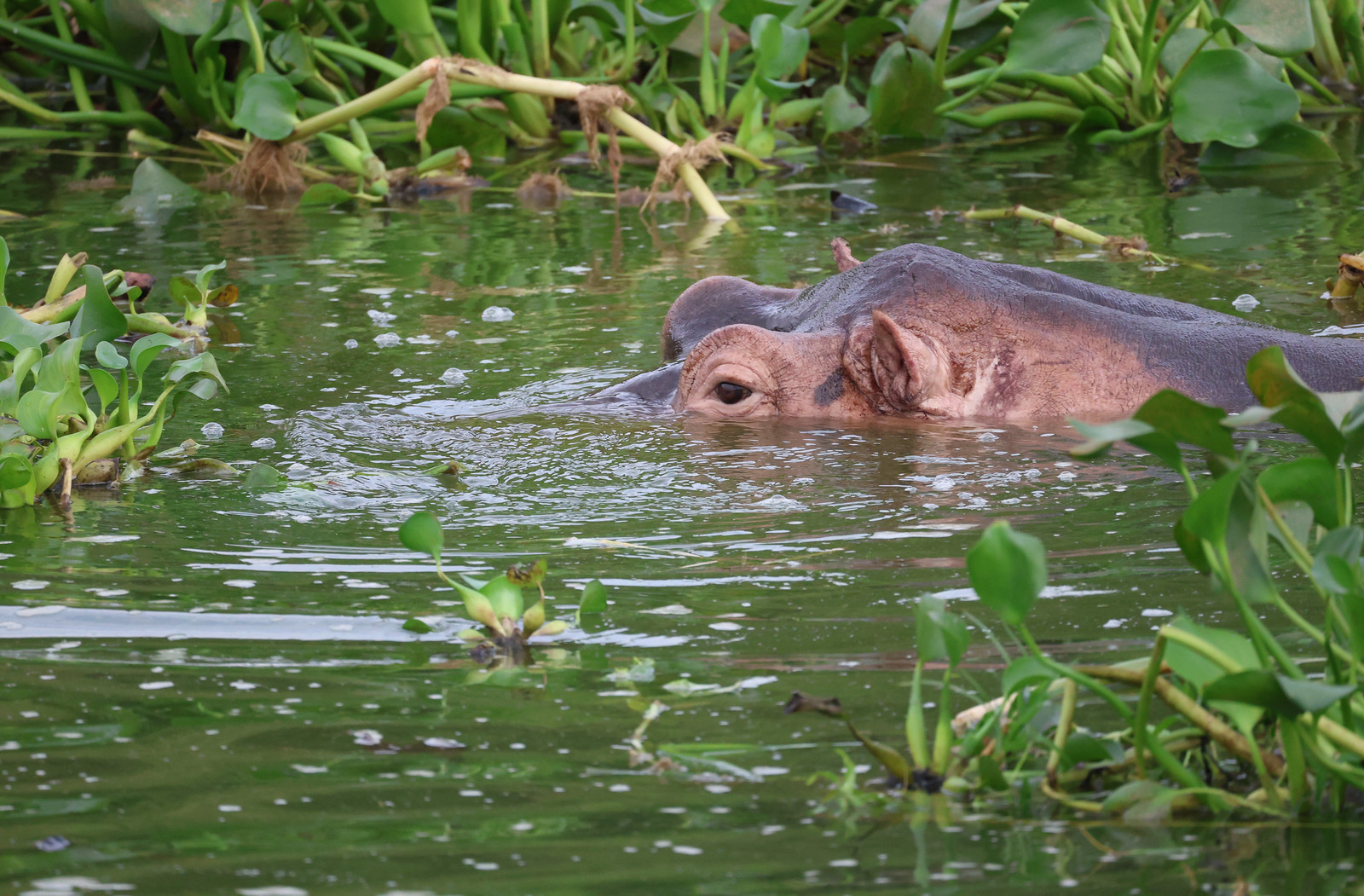
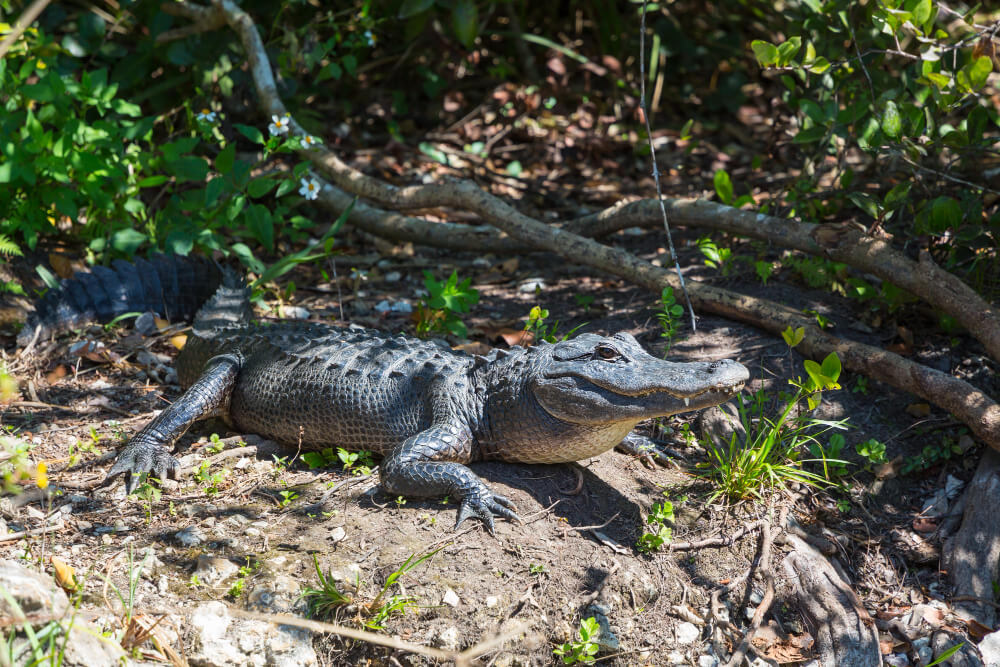
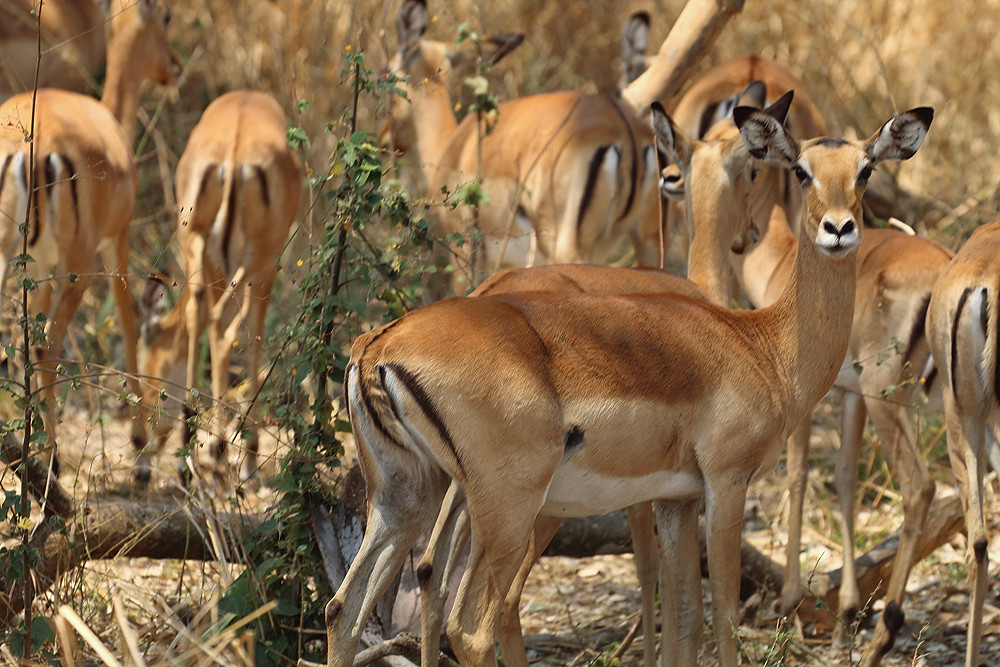
Wildlife in Katonga is abundant yet understated, providing visitors with intimate safari encounters. The reserve hosts Uganda kob, bushbuck, warthogs, waterbuck, and occasional sightings of buffalo. Smaller mammals such as mongoose, jackals, and monitor lizards inhabit the floodplains and savannah patches.
Predators are present but elusive, with occasional leopard and serval sightings reported by patient observers. Katonga’s wildlife is best appreciated through careful observation during game drives, guided walks, and river excursions.
Birdwatching Paradise
Katonga Wildlife Reserve is particularly celebrated for its rich birdlife, with over 250 species recorded, making it a hotspot for birders exploring Uganda’s wetlands and savannahs. The reserve supports waterfowl, raptors, and grassland species, as well as Albertine Rift endemic birds in the forested areas.
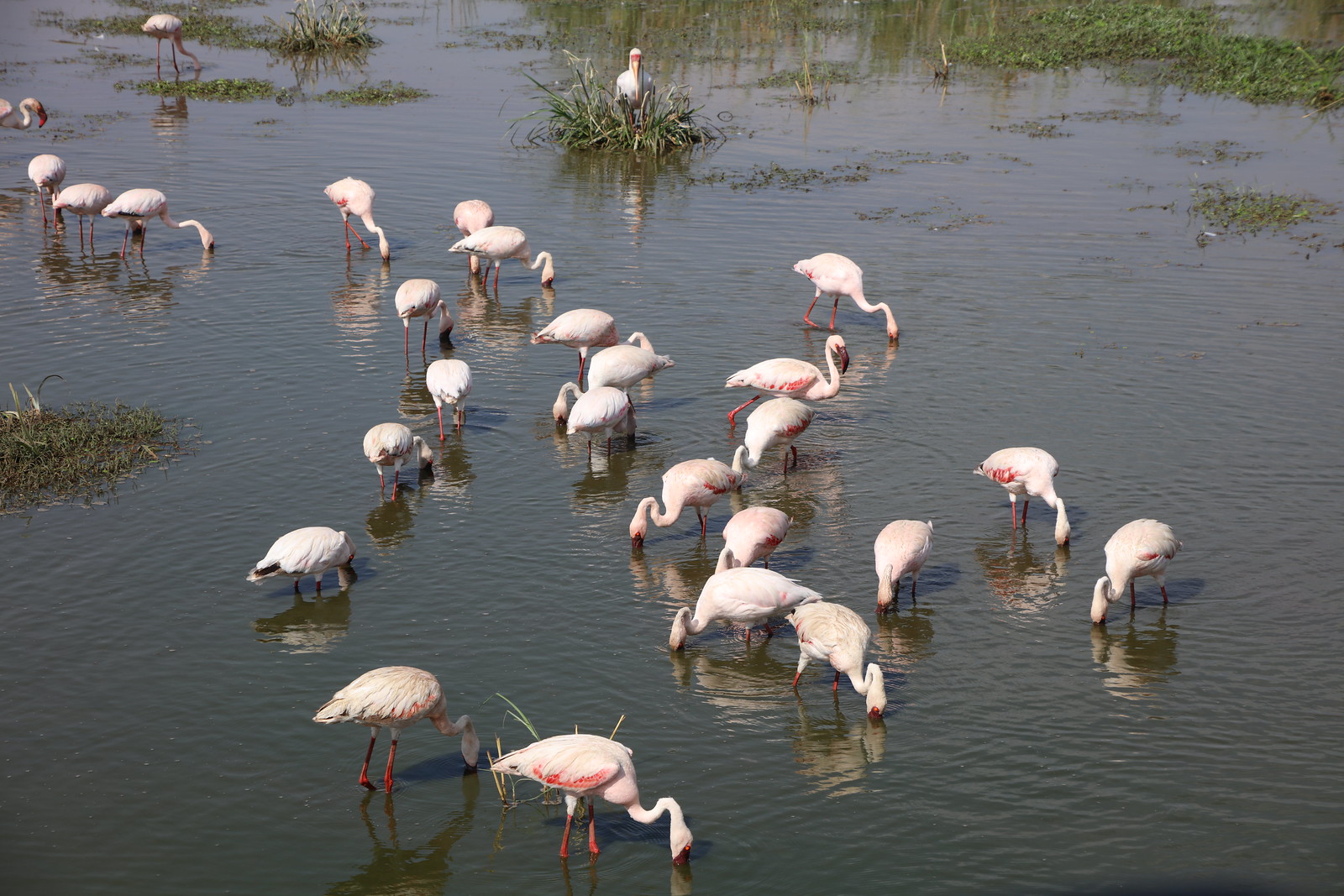
Wetland species such as herons, storks, jacanas, and kingfishers dominate the river systems, while grasslands attract lapwings, rollers, and larks. Birdwatching in Katonga offers a tranquil and rewarding experience, especially during early morning and late afternoon hours.
Nature Walks and River Exploration
Guided nature walks and boat excursions are the best way to explore Katonga Wildlife Reserve, allowing visitors to observe wildlife quietly and closely. Forested trails along riverbanks provide insight into plant communities, insect life, and smaller mammals, while boat trips on the Katonga River reveal aquatic species and abundant birdlife.
These experiences emphasize connection with the environment and ecological education, allowing visitors to appreciate the reserve’s biodiversity beyond large mammals.
Wetlands and Ecological Importance
Katonga’s wetlands are crucial for regional ecology, acting as breeding grounds for fish, amphibians, and invertebrates, while supporting migratory and resident bird populations. The floodplains also serve as water catchments that maintain the hydrology of surrounding agricultural areas and downstream ecosystems.
The conservation of these wetlands is vital for both wildlife and local communities, making Katonga an important site for ecological research and sustainable tourism development.
Cultural Connections and Local Communities
Communities surrounding Katonga Wildlife Reserve have long interacted with the landscape, relying on its resources for fishing, grazing, and small-scale agriculture. Visitors can learn about traditional practices, seasonal cycles, and the relationship between people and the reserve.
Community-led conservation initiatives and guided cultural tours help connect tourism with local livelihoods, ensuring that ecotourism benefits both wildlife protection and the people who depend on these ecosystems.
Best Time to Visit Katonga Wildlife Reserve
Katonga Wildlife Reserve can be visited throughout the year, but the dry seasons between June and August and December to February offer the most comfortable conditions for walking, wildlife observation, and game drives.
Wet periods transform the floodplains into spectacular wetlands, attracting waterbirds and amphibians, though some areas may be difficult to traverse. Each season offers a distinct perspective on the reserve’s landscapes and wildlife.
Accommodation and Visitor Experience
Accommodation around Katonga is modest and nature-focused, including eco-lodges, tented camps, and guesthouses designed to blend with the environment. Lodges are often positioned near riverine or wetland areas, providing scenic views and convenient access to wildlife observation points.
Staying in Katonga allows travelers to experience solitude, quiet wildlife encounters, and immersive morning and evening forest sounds. The reserve’s peaceful setting appeals to photographers, birders, and travelers seeking a slower, more reflective safari experience.
Conservation Significance of Katonga
Katonga Wildlife Reserve plays an important role in wetland and savannah conservation in central Uganda, protecting diverse habitats and species that would otherwise be vulnerable to agricultural expansion and human settlement.
The reserve’s combination of community engagement, low-impact tourism, and ecological research makes it a model for sustainable wildlife management. Protecting Katonga ensures the preservation of critical water resources, floodplain biodiversity, and the survival of regionally significant wildlife populations.
Why Katonga Wildlife Reserve Is Special
Katonga Wildlife Reserve stands out for its unique blend of wetlands, savannah, and forest habitats, offering a quiet and authentic safari experience away from crowded tourist routes. Its birdlife, seasonal floodplains, and subtle wildlife encounters create a distinctive contrast to Uganda’s more famous parks. For travelers who value tranquility, birdwatching, and ecological diversity, Katonga provides a rewarding and memorable safari adventure
Our Recommended Tour Ideas

Please the content should be 130 characters.
Please the content should be 130 characters.

Please the content should be 130 characters.
Please the content should be 130 characters.
Please the content should be 130 characters.

Please the content should be 130 characters.
Please the content should be 130 characters.
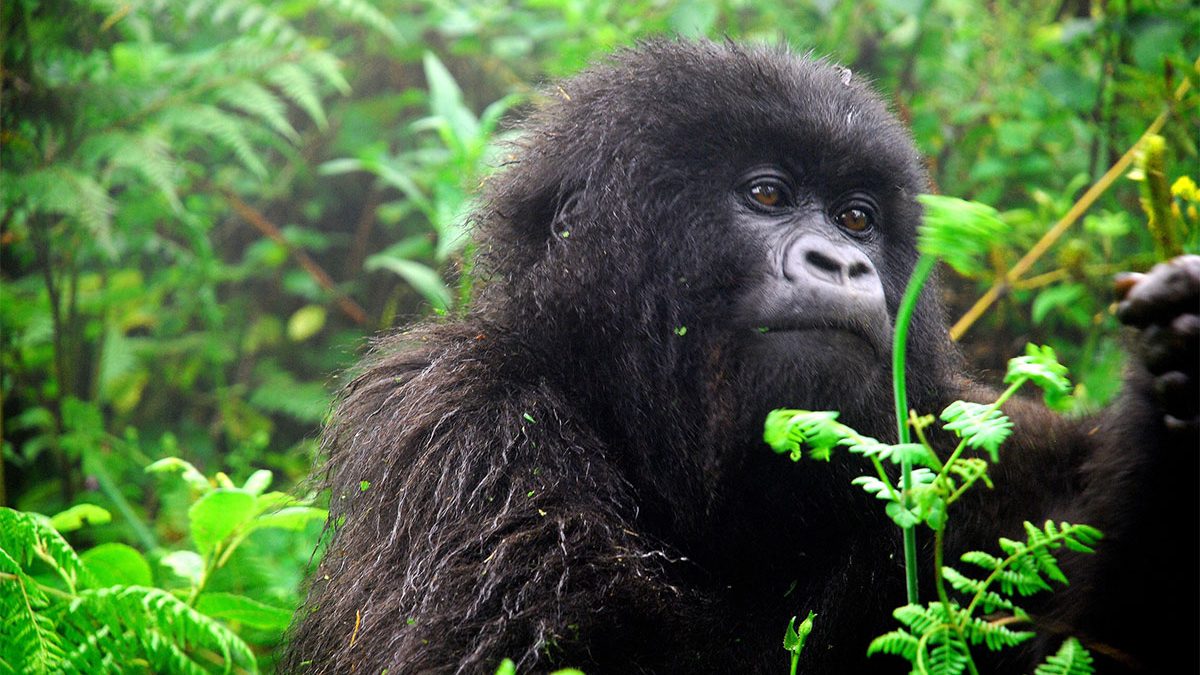
3 days in Kahuzi-Biega trekking eastern lowland gorillas through dense rainforest and remote DR Congo landscapes.
What Our Travelers Enjoyed About Primate Safaris

Gorillas "Silverback"
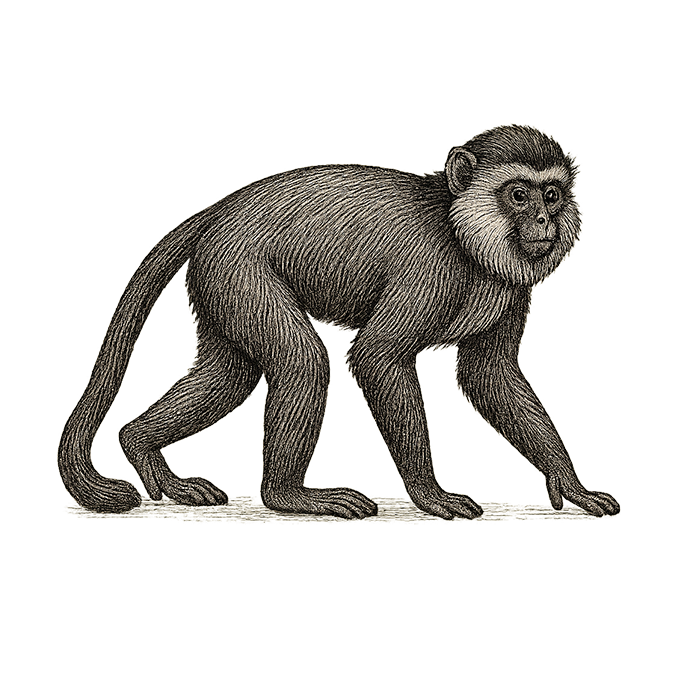
Golden Monkey "Photogenic"

Chimpanzees "Pant-hoot"