Akagera National Park
January 28, 2026
Ruvubu National Park
January 28, 2026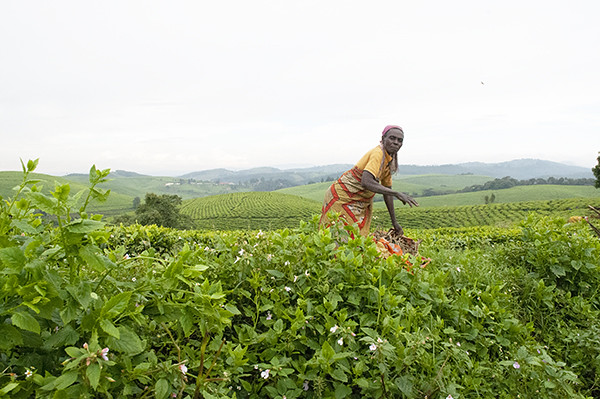


Kibira National Park
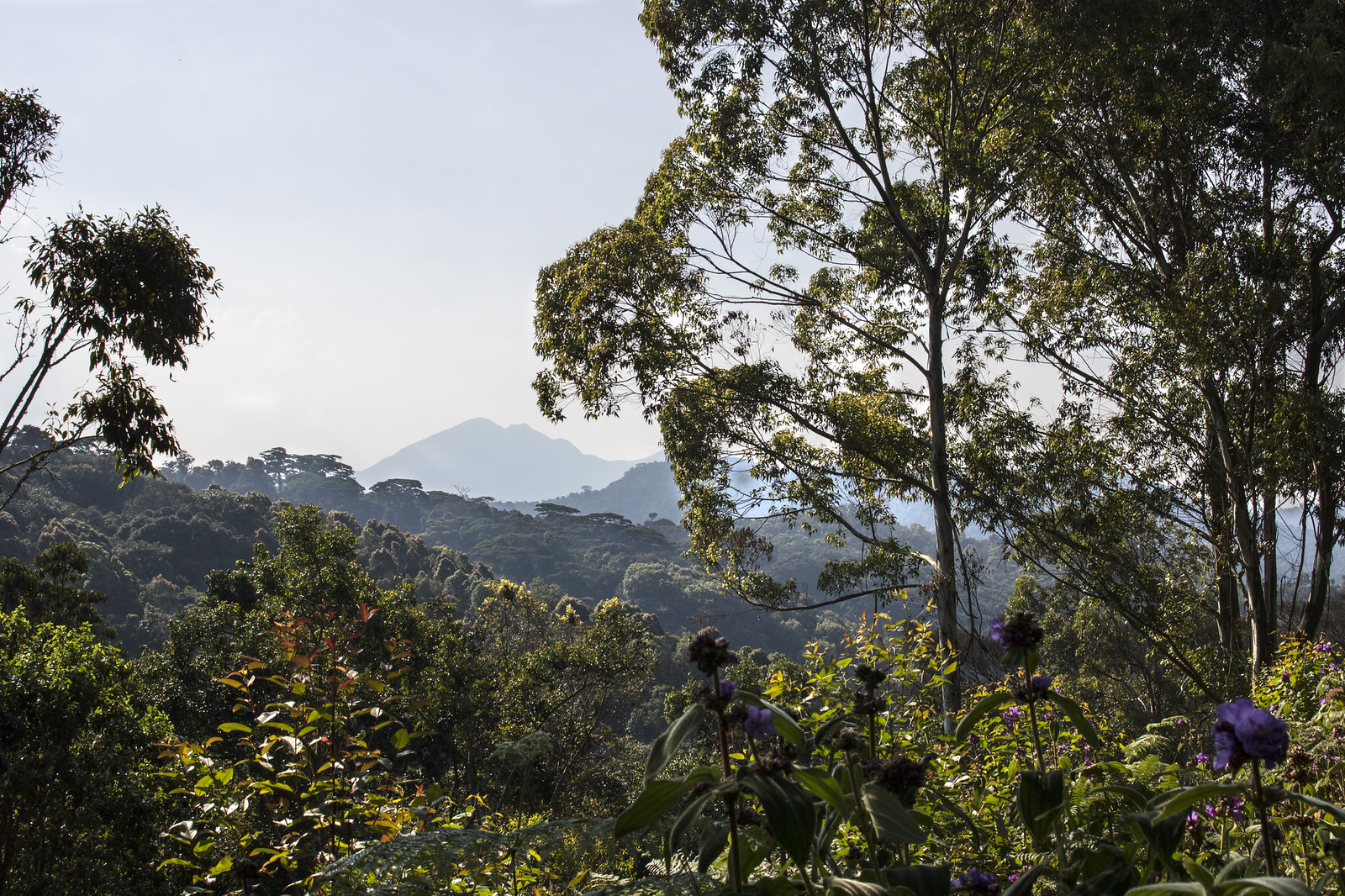
High along the crest of the Congo–Nile Divide, where clouds gather and forests stretch endlessly across mountain ridges, Kibira National Park stands as one of East Africa’s most overlooked yet ecologically vital treasures. Located in northwestern Burundi, this vast montane rainforest is a sanctuary of biodiversity, a source of life-giving rivers, and a refuge for primates that swing through ancient trees older than memory itself.Spanning approximately 400 square kilometers, Kibira National Park forms part of the larger Albertine Rift ecosystem—one of Africa’s most biologically diverse regions. It borders Rwanda’s Nyungwe Forest National Park to the north, creating a transboundary forest corridor that supports rare species and fragile ecosystems.Kibira is not a typical safari destination of open plains and roaming elephants. Instead, it is a place of towering trees, mist-filled valleys, and layered canopies where life unfolds in subtle yet extraordinary ways.


Attractions In Rwanda
Attractions In Tanzania
Uganda Gorilla Trekking Experience
Discover Uganda’s gorilla trekking experience where misty rainforests shelter mountain gorillas, ancient trails wind through Bwindi’s depths, and every step brings you closer to one of Africa’s most profound wildlife encounters, blending raw nature, conservation, and lasting memories.
Kibira National Park: National Parks and Protected Areas
A Forest Above the Clouds
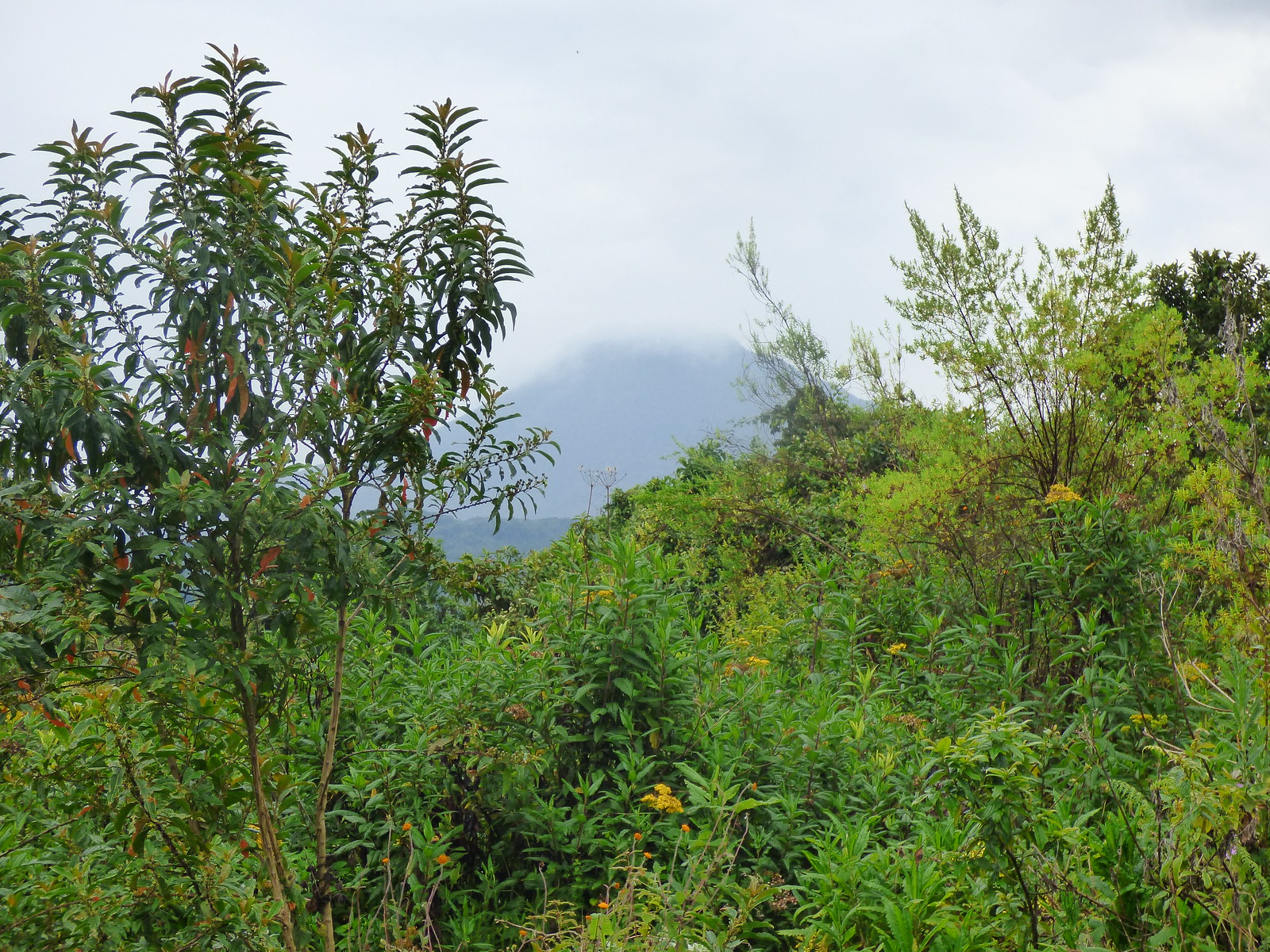
Kibira National Park rises between 1,500 and 2,700 meters above sea level. Its altitude creates a cool, humid climate that sustains a lush montane rainforest ecosystem. The air here feels different—fresh, damp, and heavy with the scent of earth and vegetation.
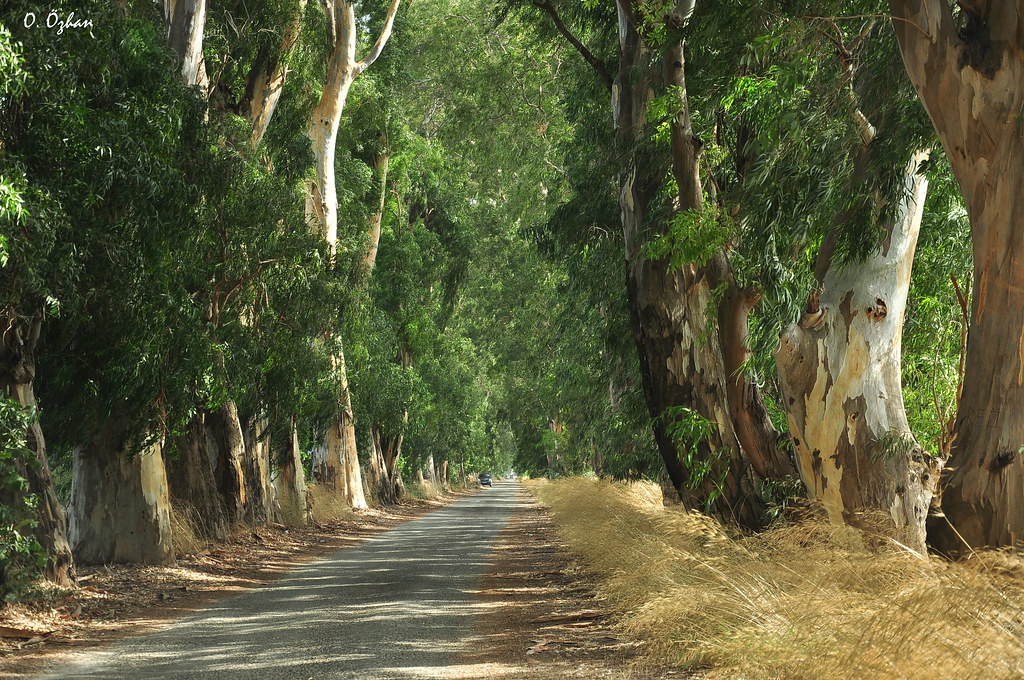
The forest canopy forms a green cathedral overhead, filtering sunlight into shifting patterns on the forest floor. Giant mahogany trees, Newtonia species, and podocarps dominate the landscape, their trunks wrapped in moss and vines. Ferns and orchids cling to branches, thriving in the perpetual moisture.
Mist frequently drapes the hills in soft layers, adding an ethereal beauty to the environment. At dawn, the forest seems to breathe, as fog lifts slowly to reveal ridges rolling into the distance. The quiet is broken only by distant bird calls and the rustle of leaves stirred by unseen movement.
Kibira’s location along the Congo–Nile Divide is not merely geographical—it is hydrological. The park serves as a critical watershed, feeding rivers that eventually flow into both the Nile and Congo basins. Streams born within this forest sustain agriculture, communities, and ecosystems far beyond its borders.
A Sanctuary for Primates
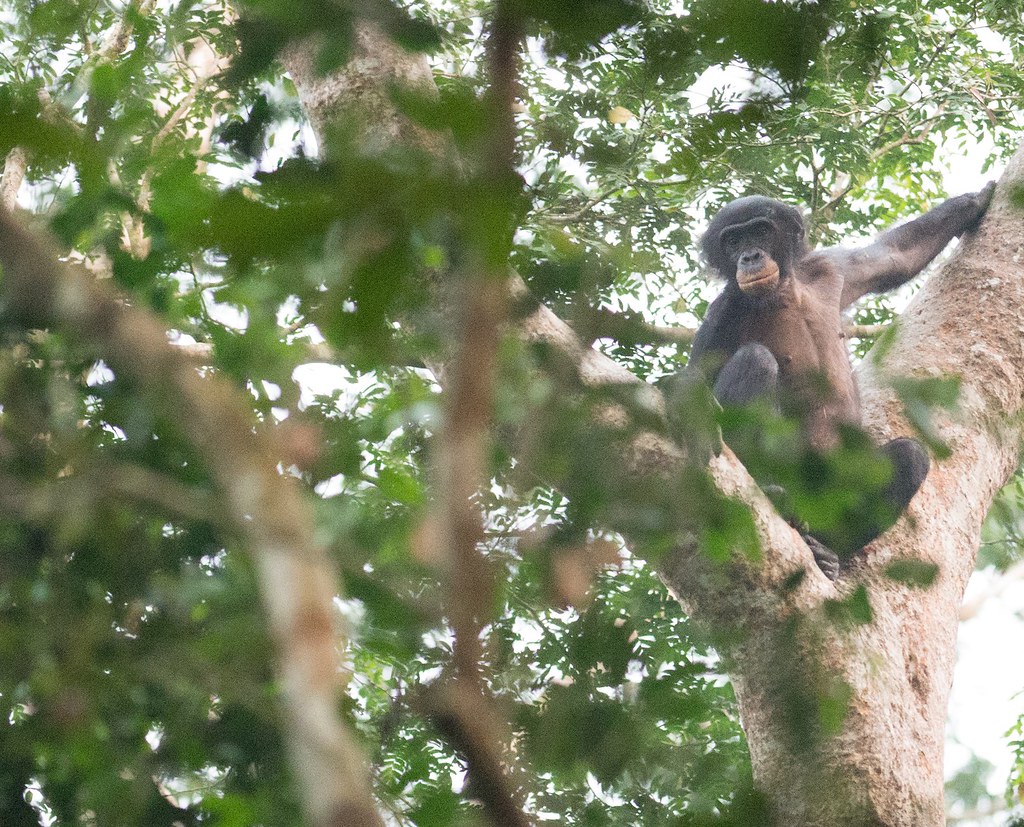
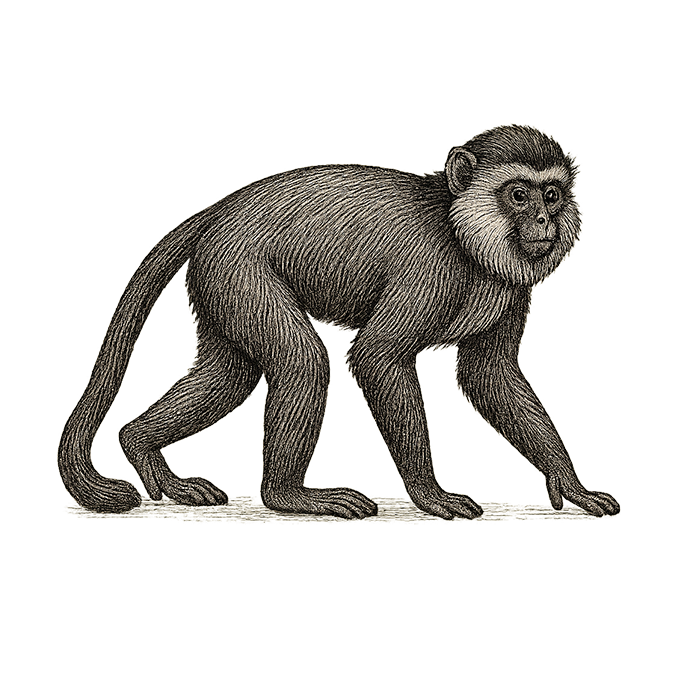
Kibira National Park is perhaps best known for its primate population. The forest provides refuge to several species, including chimpanzees, black-and-white colobus monkeys, red-tailed monkeys, and L’Hoest’s monkeys.
Chimpanzee trekking is the park’s most sought-after wildlife experience. Though sightings are not guaranteed, guided treks into the forest offer thrilling opportunities to observe these intelligent primates in their natural habitat. The trek itself is part of the adventure—navigating dense vegetation, climbing slopes, and listening for distant pant-hoots that echo through the trees.
When a chimpanzee group is located, the moment feels electric. Watching them groom one another, swing between branches, or forage quietly offers insight into a species so closely related to our own. Their expressive faces and social behaviors create an emotional connection that lingers long after the encounter.
Colobus monkeys leap dramatically across high branches, their long white tails flowing behind them like banners. These acrobatic primates often move in large troops, filling the canopy with motion and sound.
Birdlife of the Albertine Rift
Kibira National Park is a haven for bird enthusiasts. The forest is home to more than 200 bird species, many of which are endemic to the Albertine Rift region.
Colorful turacos flash through the canopy, their crimson wings vivid against green foliage. The great blue turaco, in particular, is a highlight—its large size and distinctive call announcing its presence long before it is seen.
Other notable species include the Rwenzori turaco, mountain buzzard, and various sunbirds that flit delicately among flowering plants. For dedicated birders, Kibira offers a rare opportunity to observe species not commonly found elsewhere.
The symphony of bird calls begins before sunrise. As dawn breaks, the forest resonates with layered melodies—chirps, whistles, and deep resonant notes blending into a complex chorus that defines life in this montane wilderness.
Hiking Through Ancient Wilderness
Exploring Kibira National Park is primarily done on foot. Guided hiking trails wind through dense forest, crossing streams and ascending ridges that reveal sweeping views of distant valleys.
The experience is immersive and sensory. The forest floor is soft beneath your boots, covered in fallen leaves and tangled roots. Sunlight occasionally pierces the canopy, illuminating moss-covered trunks and delicate fungi growing along decaying wood.
Each step reveals small details—colorful butterflies hovering near damp soil, chameleons blending perfectly with foliage, and insects moving busily through their hidden worlds.
Hikes vary in length and difficulty, but all offer a deep connection to the forest’s rhythm. Unlike open savanna parks, where wildlife is often visible from afar, Kibira requires patience and attentiveness. The reward lies in subtle discoveries and quiet observation.
Cultural Connections and Surrounding Communities
Communities living near Kibira National Park have long depended on its resources for water, firewood, and medicinal plants. Conservation efforts increasingly emphasize community involvement, recognizing that the forest’s survival depends on sustainable relationships with surrounding populations.
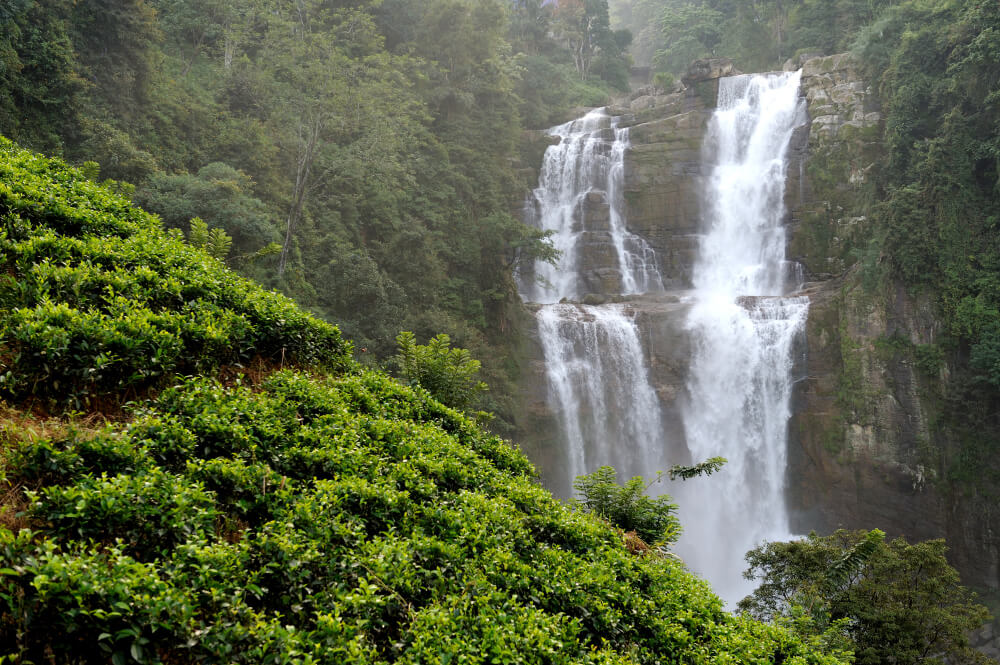
Traditional agricultural landscapes border the park, creating a striking contrast between cultivated hillsides and untouched forest. Tea plantations, in particular, dominate parts of the region, their neat green rows forming geometric patterns against the mountainous backdrop.
Visitors who explore beyond the park’s boundaries can engage with local culture, learning about Burundian traditions, music, and daily life. Such experiences add context to the forest’s importance—not only as wildlife habitat but also as a lifeline for human communities.
Best Time to Visit
Kibira National Park can be visited throughout the year, though the dry seasons—from June to September and December to February—offer more comfortable trekking conditions. Trails are less muddy, and wildlife tracking becomes slightly easier.
However, even during drier months, the forest retains its humidity and lushness. Rainfall is frequent in montane environments, and sudden showers are part of the experience. Waterproof gear and sturdy footwear are essential for any visit.
Early mornings are ideal for birdwatching and primate trekking, as wildlife activity peaks during cooler hours.
Conservation Challenges and Hope
Like many forests in the Albertine Rift, Kibira faces pressures from deforestation, illegal resource extraction, and human encroachment. Its ecological significance as a watershed and biodiversity hotspot makes conservation efforts critical.
Collaborative initiatives between government authorities, conservation organizations, and local communities aim to protect the forest while promoting sustainable livelihoods. Eco-tourism plays an important role by generating income tied directly to preservation.
The future of Kibira National Park depends on balancing human needs with environmental stewardship—a challenge faced by protected areas across Africa.
The Quiet Power of Kibira
Kibira National Park does not overwhelm visitors with grand spectacles. Its beauty is quieter, subtler, and deeply immersive. It is found in the hush of mist drifting through treetops, the distant call of a turaco, and the sudden burst of movement as monkeys leap across the canopy.
To walk through Kibira is to step into an ancient world, one that predates borders and modern development. The forest feels timeless, layered with ecological stories unfolding simultaneously—from towering trees reaching skyward to tiny insects navigating fallen leaves.
For travelers seeking more than the traditional safari, Kibira offers something profound: a chance to experience Africa’s montane rainforest in its raw and living form. It is a destination for those who appreciate patience, biodiversity, and the subtle grandeur of untouched wilderness.
In the cool shade of its canopy, amid mist and birdsong, Kibira National Park reminds us that not all wilderness roars. Some forests whisper—and their whispers carry the wisdom of centuries.
Our Recommended Tour Ideas
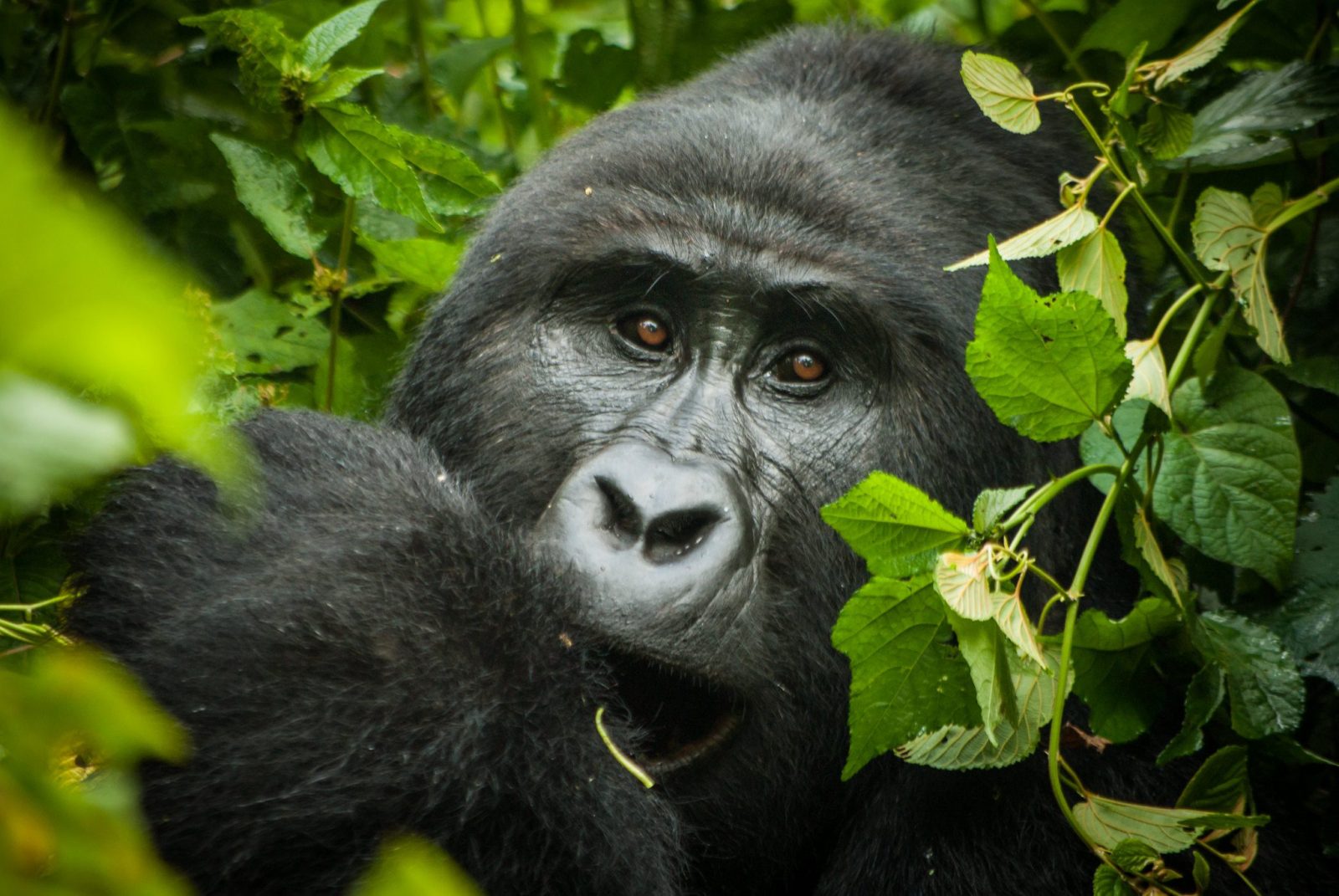
4 days in Bwindi with two gorilla treks, guided rainforest hikes, and unforgettable close encounters with mountain gorillas.
Please the content should be 130 characters.

Please the content should be 130 characters.
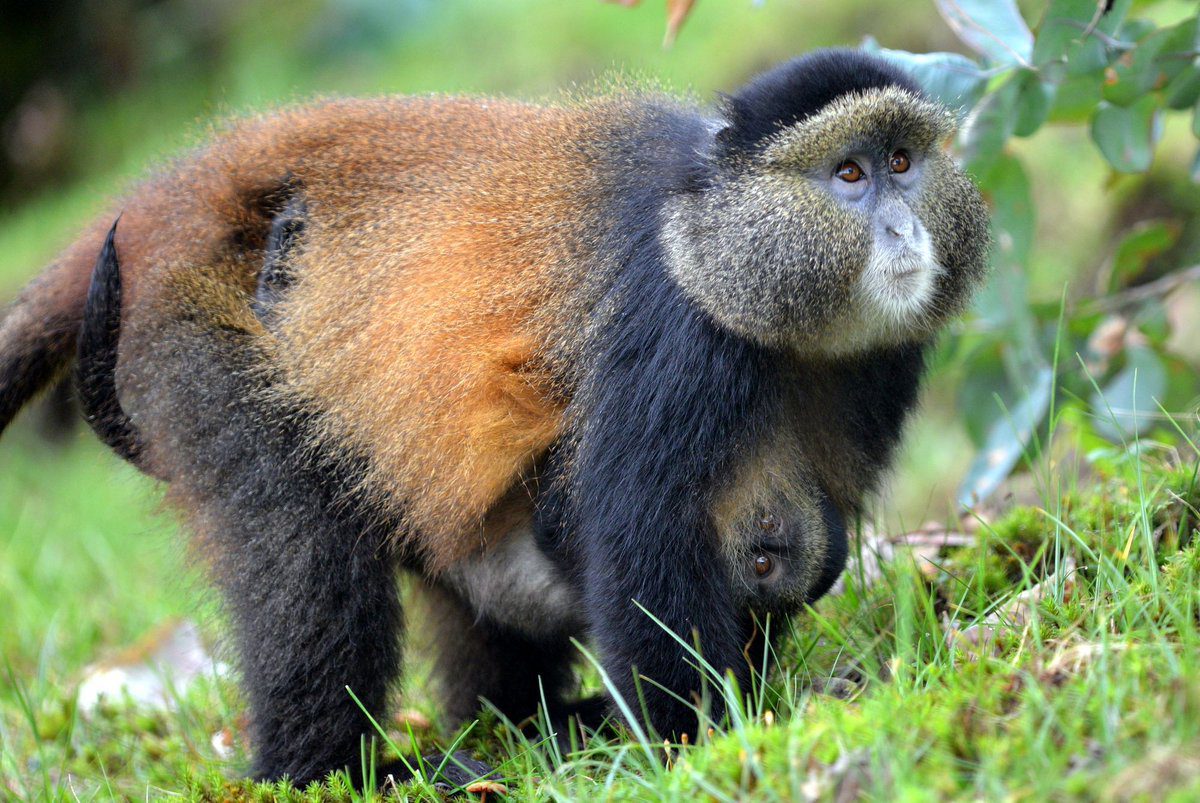
Kigali city exploration with gorilla trekking and golden monkey tracking in Volcanoes National Park.
6 Days Congo Lowland Gorillas & Lake Kivu Safari Experience
Please the content should be 110 characters.


Please the content should be 130 characters.

Please the content should be 130 characters.
What Our Travelers Enjoyed About Primate Safaris

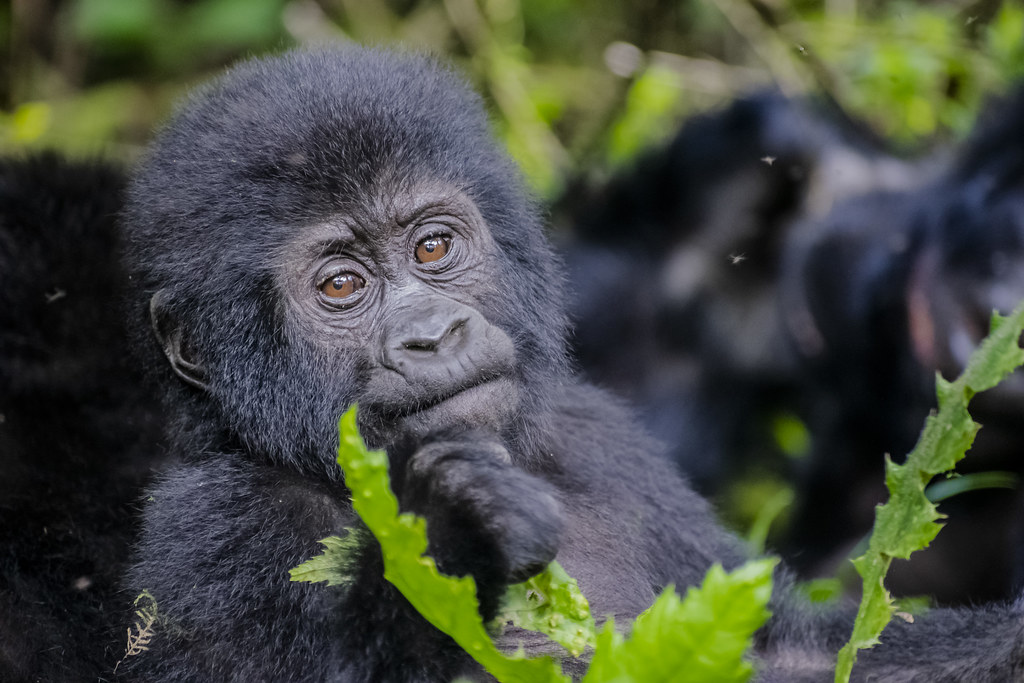
Gorillas "Silverback"
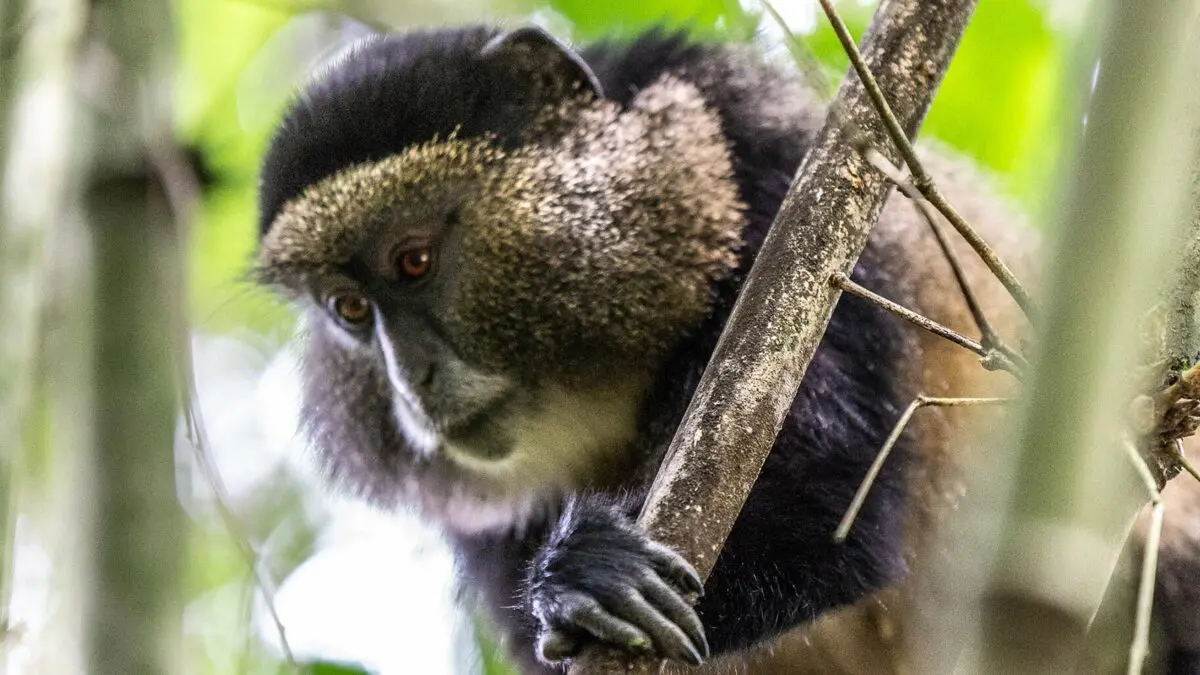
Golden Monkey "Photogenic"

Chimpanzees "Pant-hoot"