Katavi National Park
January 28, 2026
Akagera National Park
January 28, 2026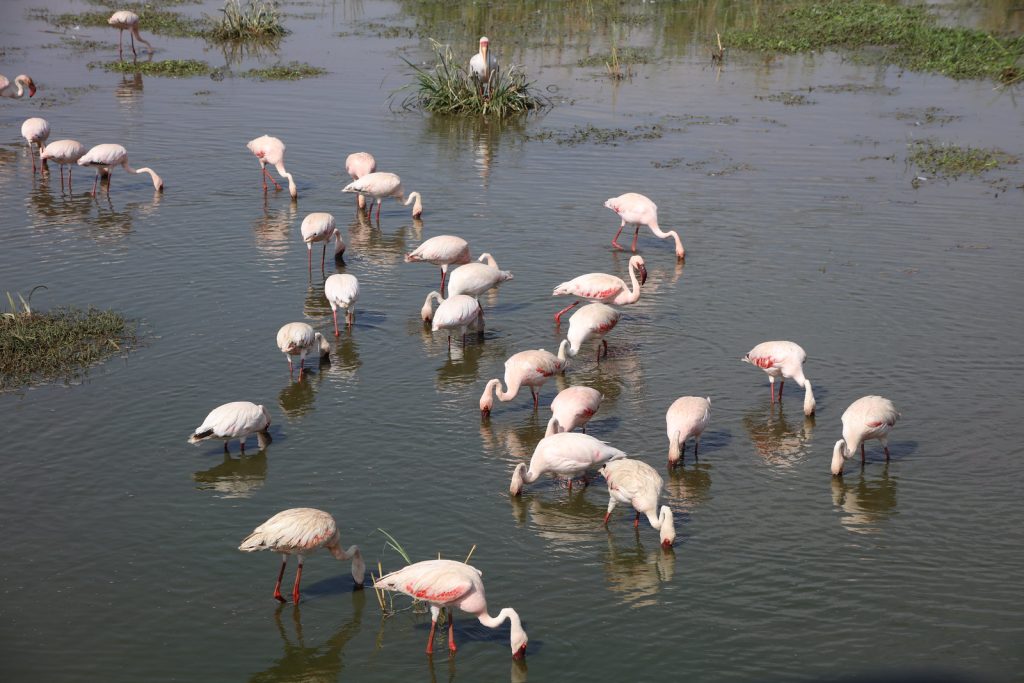


Lake Manyara National Park
Nestled at the base of the Great Rift Valley escarpment in northern Tanzania, Lake Manyara National Park is a captivating safari destination that combines spectacular landscapes, abundant wildlife, and unique ecological diversity. Covering about 330 square kilometers (127 square miles), the park is small by Tanzanian standards but incredibly rich in wildlife and scenery. Its iconic lake, alkaline shores, lush forests, and soda flats make it a paradise for photographers, birdwatchers, and wildlife enthusiasts alike.


Attractions In Rwanda
Attractions In Tanzania
Great Migration Experience
Discover great migration experience where misty rainforests shelter ancient trails wind through great migration's depths, and every step brings you closer to one of Africa’s most profound wildlife encounters, blending raw nature, conservation, and lasting memories.
Lake Manyara National Park: National Parks and Protected Areas
A Landscape of Contrasts
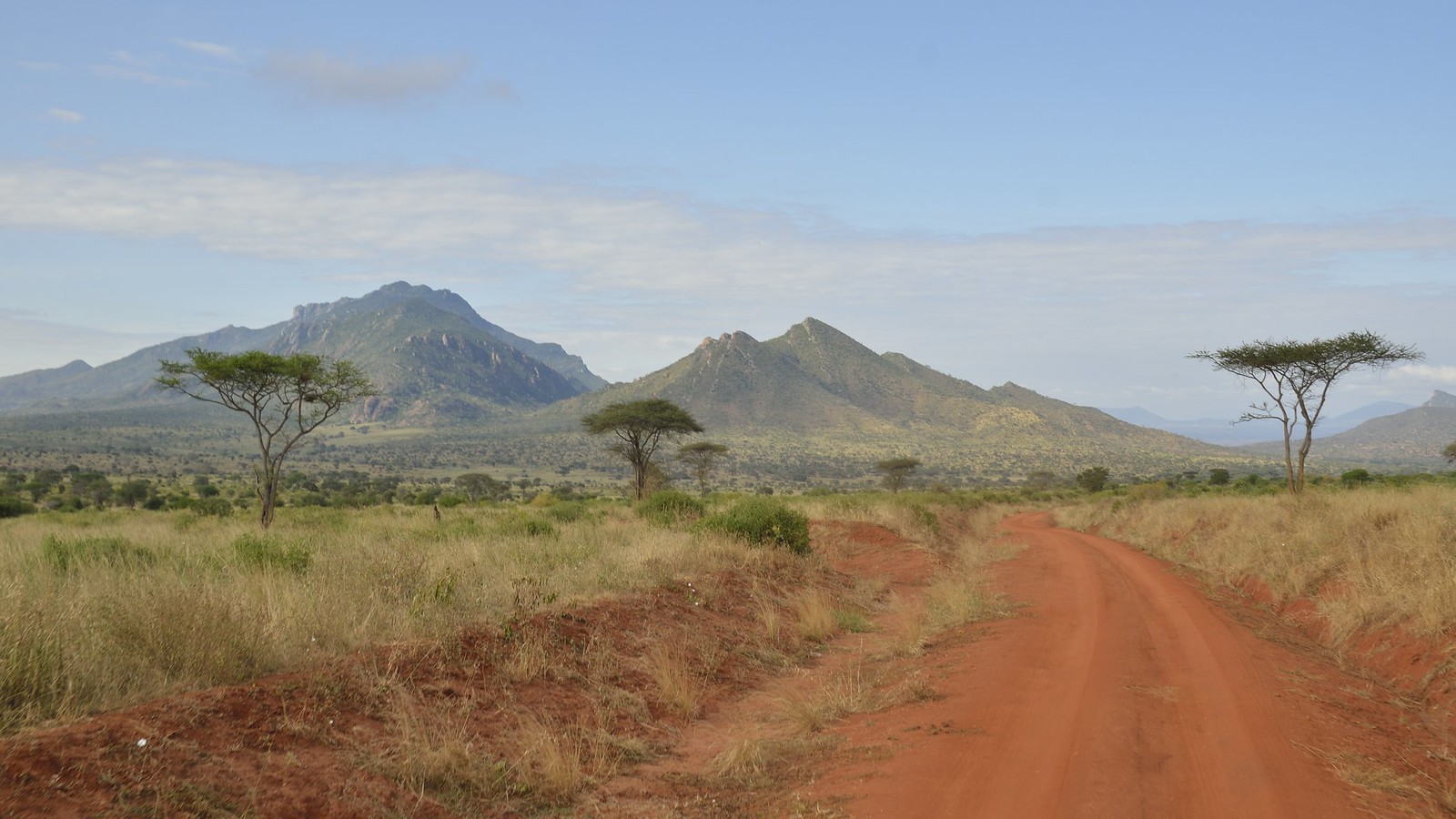
Lake Manyara National Park is defined by stunning contrasts. The park encompasses:
-
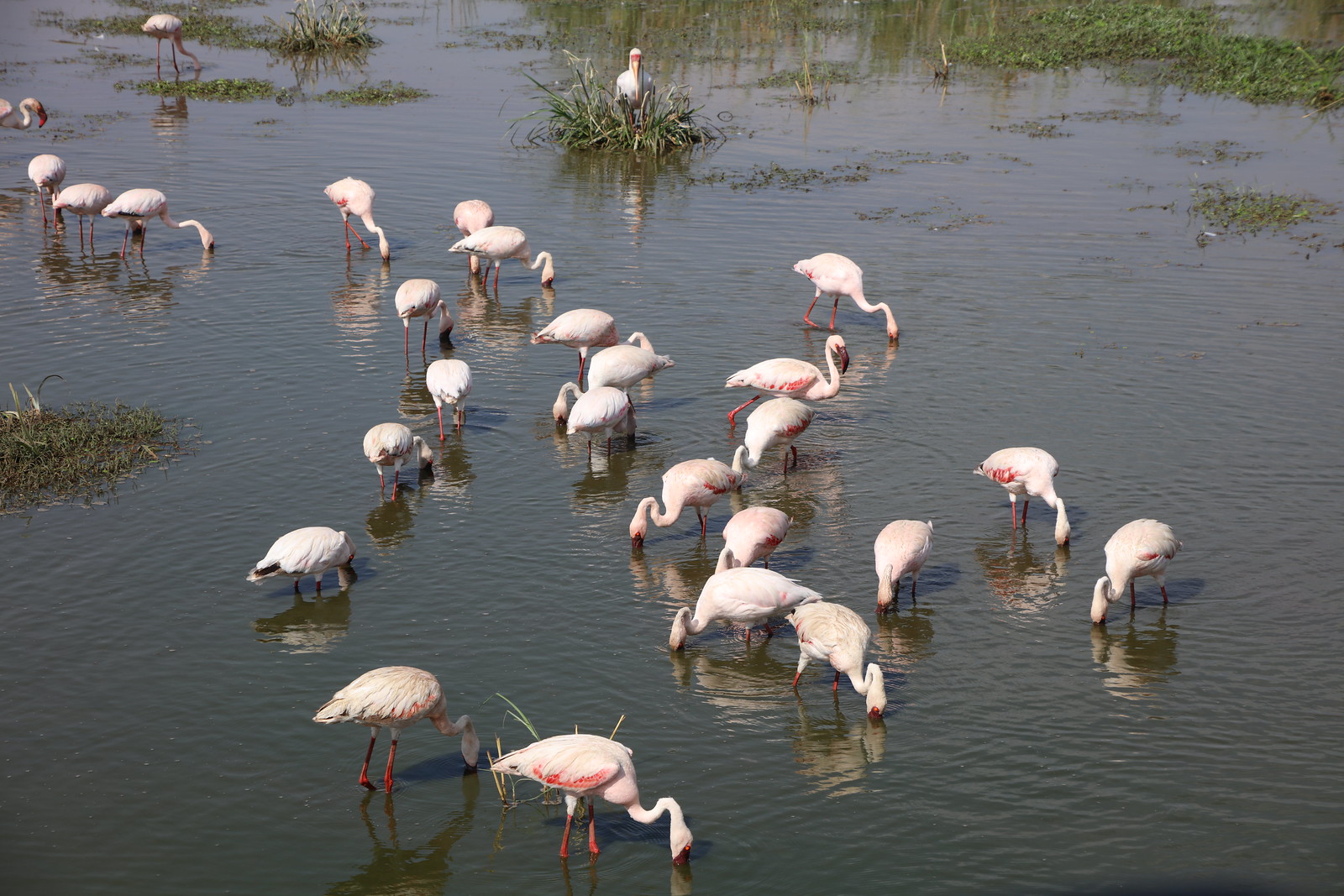
Lake Manyara itself, an alkaline soda lake that attracts thousands of waterbirds, particularly flamingos during the wet season.
-
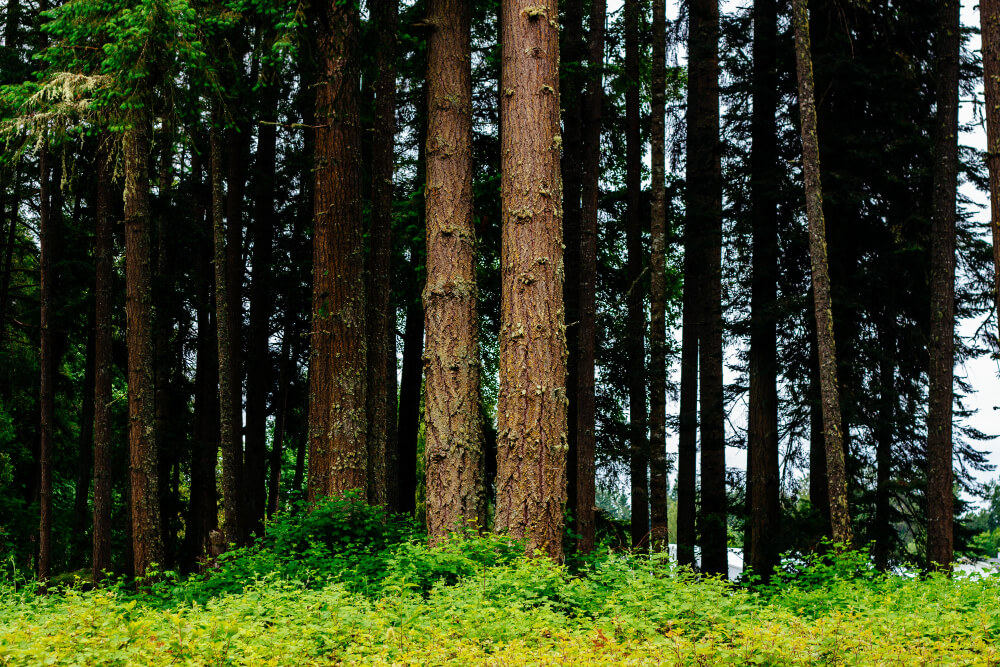
Acacia and mahogany woodlands, home to tree-climbing lions and a variety of herbivores.
-
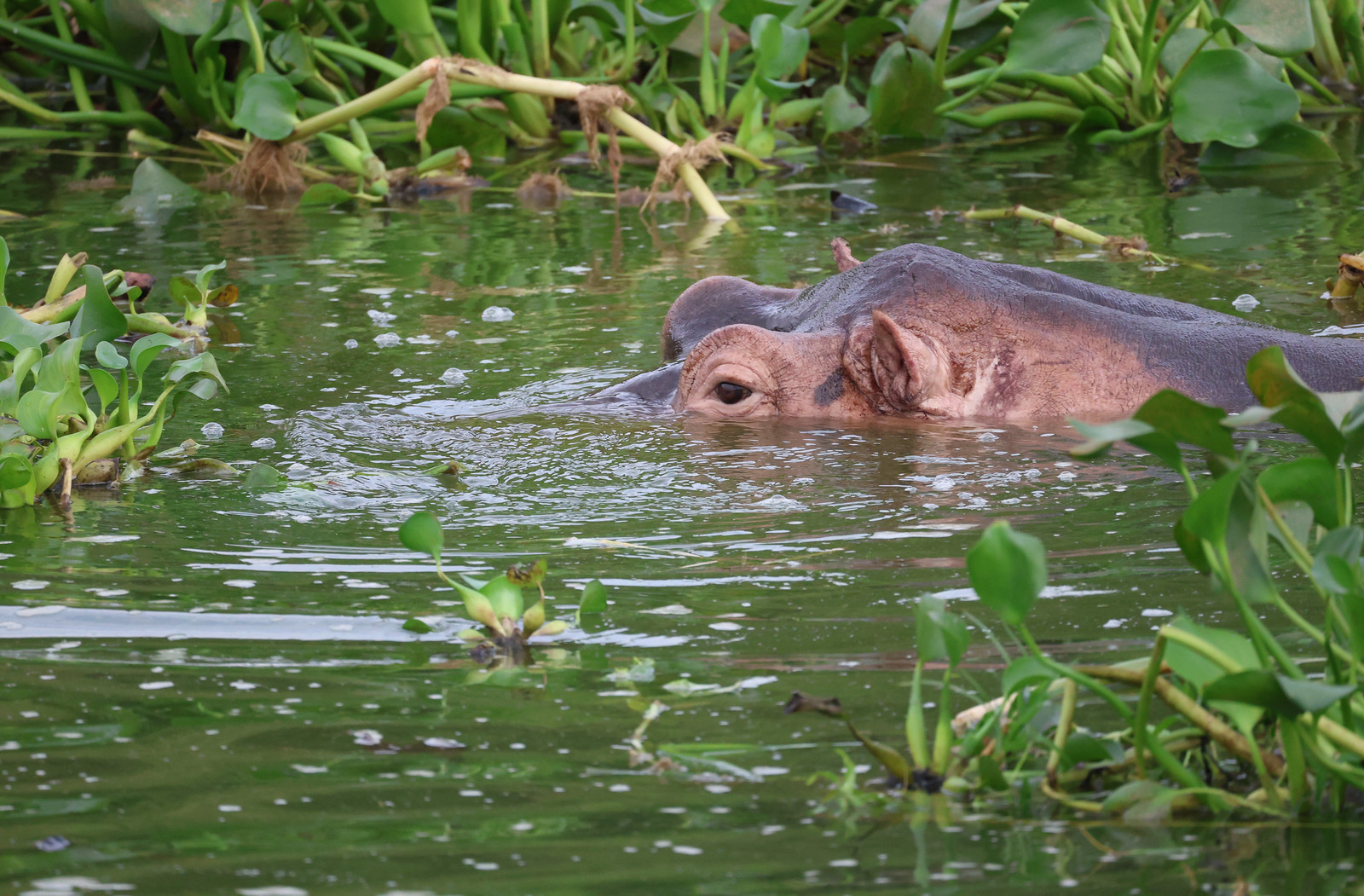
Papyrus swamps along the lakeshore, providing habitat for hippos, sitatungas, and rare bird species.
-
Grasslands and plains, where zebras, buffaloes, giraffes, and antelopes roam freely.
-
Escarpments and cliffs of the Rift Valley, offering panoramic views and unique geological features.
This combination of landscapes within a compact park creates a microcosm of Tanzania’s larger ecosystems, making Lake Manyara a diverse and photogenic safari destination.
Wildlife of Lake Manyara
Despite its small size, Lake Manyara supports a rich variety of wildlife, from large mammals to elusive primates and hundreds of bird species.
Tree-Climbing Lions
Lake Manyara is world-famous for its tree-climbing lions, a rare behavior observed when lions seek shade, escape biting flies, or scout the savannah. Watching lions perched lazily in the branches of acacia trees is an iconic safari moment, drawing photographers and wildlife enthusiasts from around the globe.
Elephants
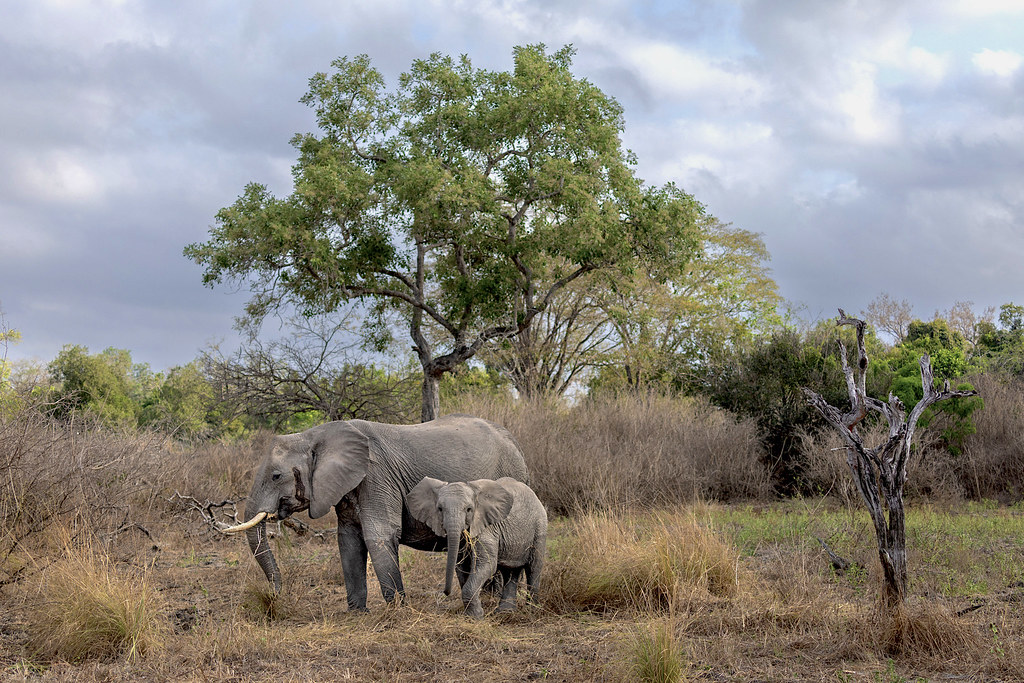
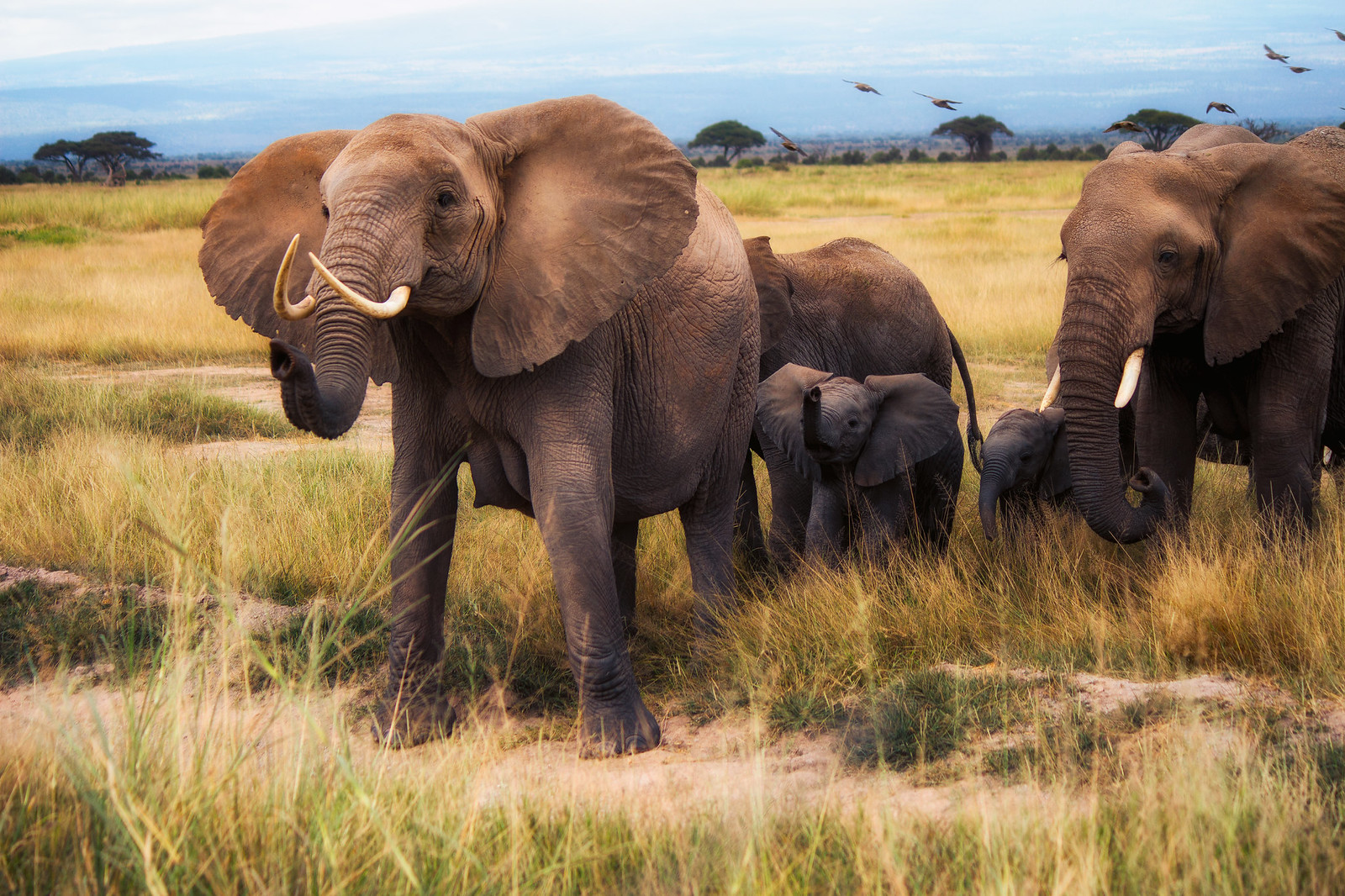
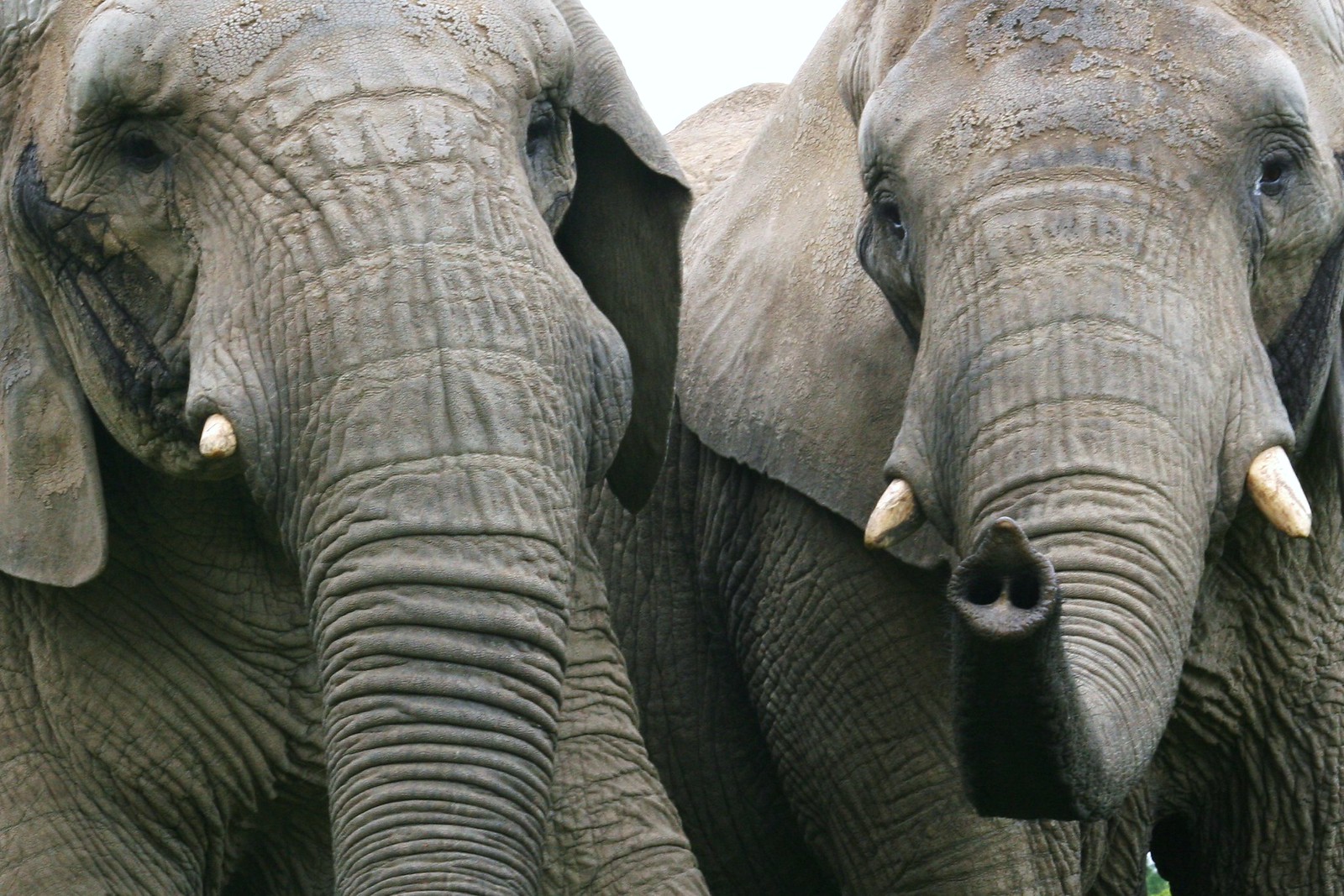
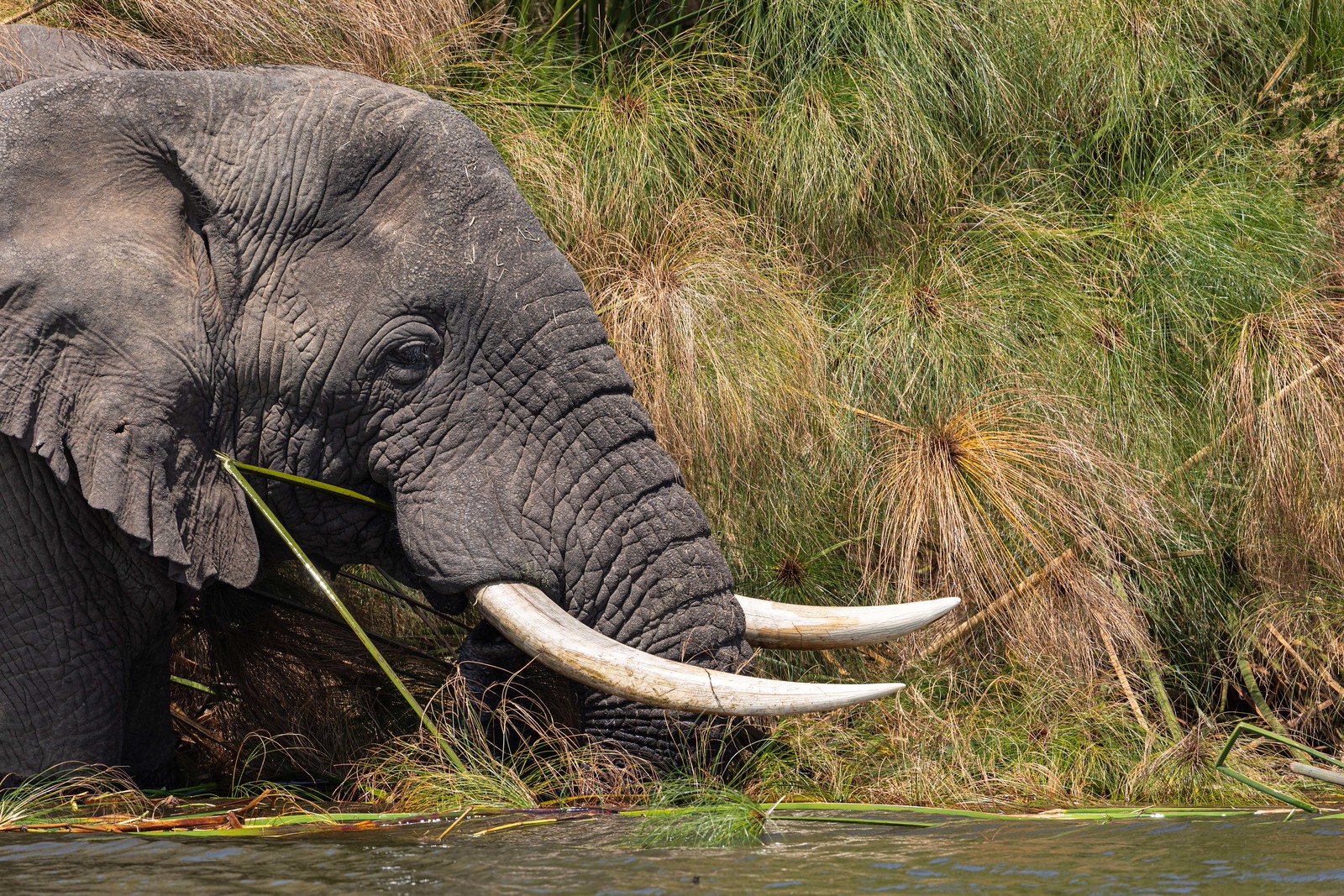
The park is home to significant populations of African elephants, which roam from the woodlands to the lake’s shores. Elephants in Lake Manyara often interact with buffaloes and zebras, creating dynamic wildlife scenes along the edge of the Rift Valley escarpment.
Buffalo, Zebra, and Antelope
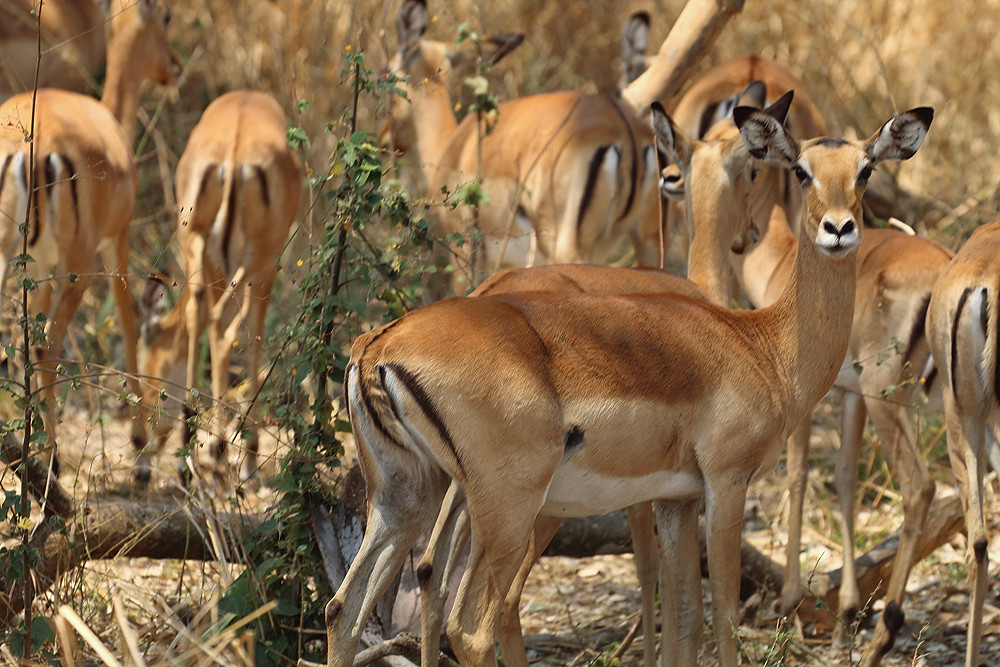
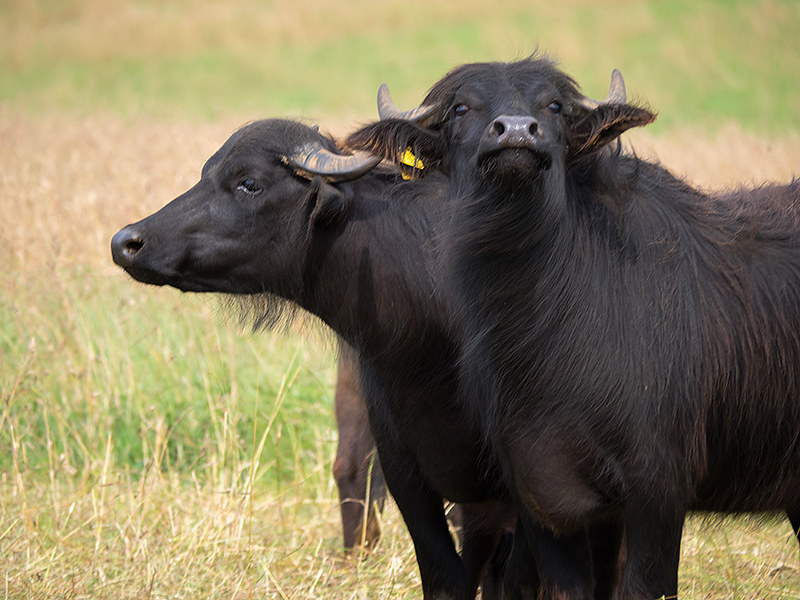
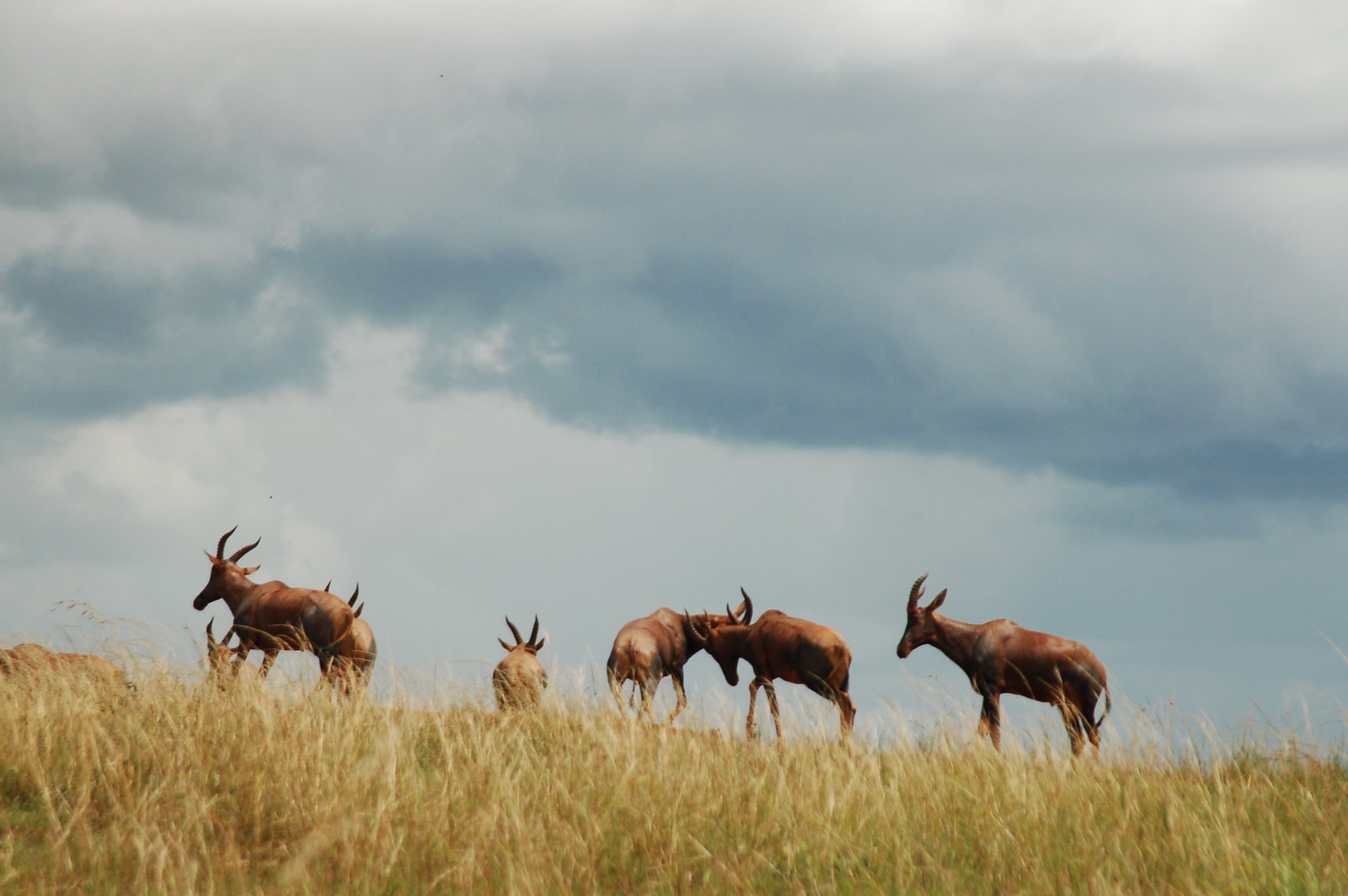
Large herds of buffaloes graze the grasslands alongside zebras, impalas, and waterbucks. These herds migrate seasonally, moving between the lake’s resources and surrounding woodlands, providing excellent opportunities for predator-prey observations and photography.
Hippos and Crocodiles
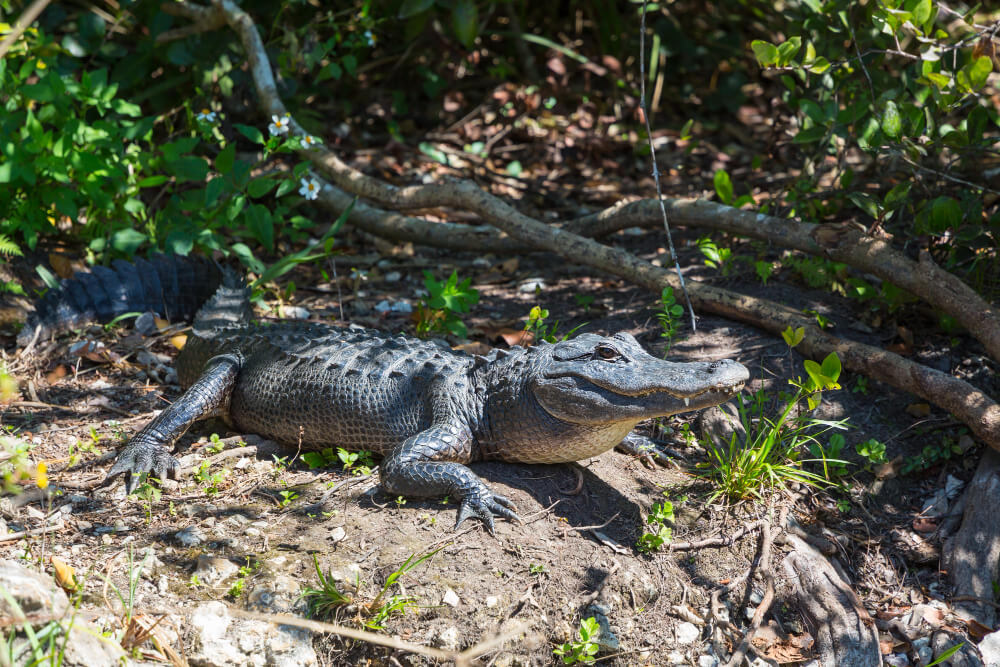
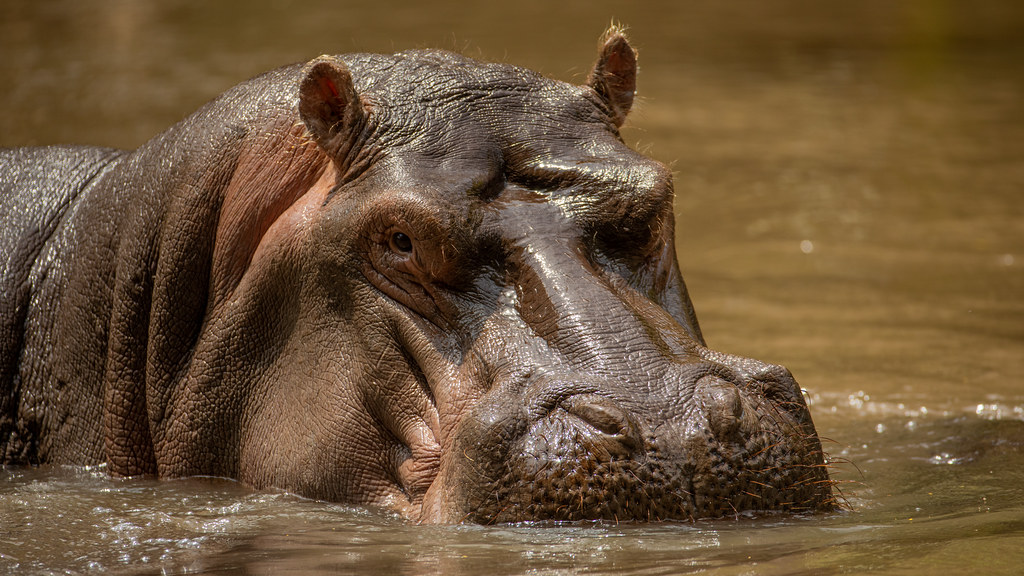
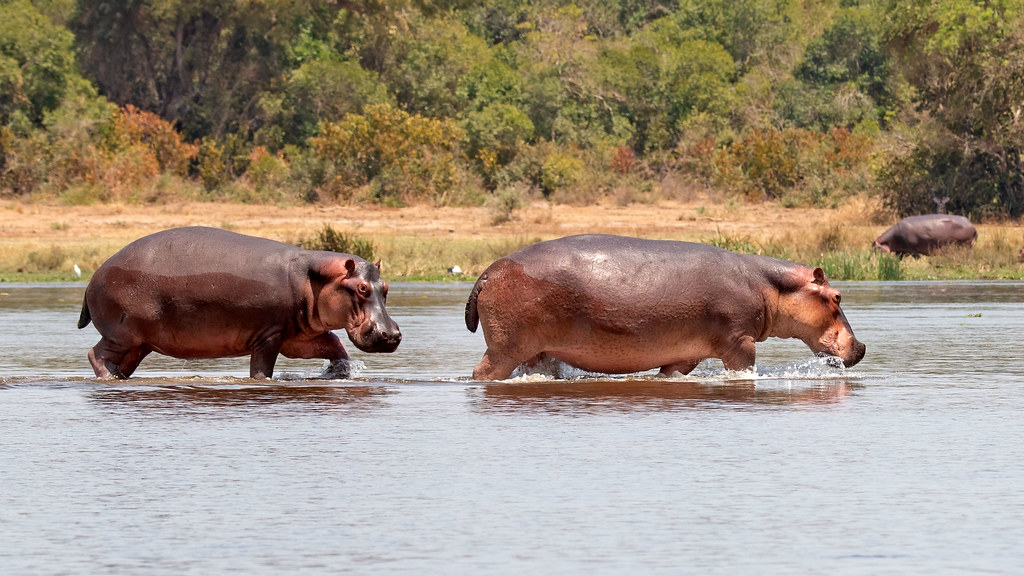
Hippos dominate the shallow waters of Lake Manyara and its tributaries, while Nile crocodiles lie in ambush near the shore. Hippos are particularly active at dawn and dusk, emerging from the water to graze along the floodplains, creating dramatic scenes against the rising sun.
Primates
The park’s blue monkeys, baboons, and vervet monkeys inhabit the forests and woodland areas. Their playful interactions, grooming behaviors, and calls provide lively activity in the quieter forest zones.
Birdlife
Lake Manyara is a birder’s paradise, hosting over 400 species. Flocks of lesser and greater flamingos often cover the lake in pink, especially during the wet season when algae flourish. Other notable birds include pelicans, storks, cormorants, kingfishers, herons, and African fish eagles. Forest patches and woodland areas shelter hornbills, turacos, and raptors, offering diversity across habitats.
Unique Features and Experiences
Lake Manyara offers distinctive safari experiences that set it apart from larger parks like Serengeti or Tarangire.
Alkaline Soda Lake
The lake itself is a striking sight. Its pink flamingos, reflective waters, and seasonal water level changes make it a dramatic photography location. The alkaline environment supports specialized algae that attract the flamingos, creating one of nature’s most visually spectacular phenomena.
The Rift Valley Escarpment
The park sits at the base of the Great Rift Valley escarpment, offering scenic views and unique wildlife encounters. Elephants walking along cliff edges, giraffes feeding near valley slopes, and lions resting in the shade of trees provide safari memories framed by dramatic landscapes.
Game Drives
Game drives in Lake Manyara traverse diverse habitats — from woodlands to floodplains. Morning drives often provide predator sightings and bird activity, while afternoon drives highlight herbivores congregating near water. Experienced guides enhance the safari experience by pointing out animal behavior, tracks, and ecological interactions.
Nature Walks and Birding Excursions
Guided walking safaris allow visitors to explore forest trails and papyrus swamps, providing intimate encounters with smaller species, birdlife, and plant diversity. Birding excursions are particularly rewarding, as Lake Manyara is considered one of the most bird-diverse parks in East Africa.
Photographic Opportunities
Lake Manyara is renowned for its photography potential. The juxtaposition of wildlife, water, woodlands, and escarpments creates dramatic compositions. Tree-climbing lions, herds of buffalo silhouetted at sunset, flamingos against reflective waters, and elephants trekking along the lake shore are highlights for professional and amateur photographers alike.
Conservation and Management
Lake Manyara National Park is managed by the Tanzania National Parks Authority (TANAPA), which focuses on wildlife protection, habitat preservation, and sustainable tourism.
Challenges include:
-
Human-wildlife conflict, particularly along park boundaries with local communities.
-
Tourism pressure, given its accessibility and proximity to Arusha.
-
Water management, as seasonal changes affect the lake’s ecology and flamingo populations.
Despite these challenges, TANAPA’s conservation programs ensure that Lake Manyara remains a thriving ecosystem where wildlife and humans can coexist responsibly.
Visiting Lake Manyara: Practical Information
How to Get There
Lake Manyara is conveniently located 120 kilometers from Arusha, a 2–3 hour drive. Visitors can also combine it with nearby parks like Ngorongoro Crater or Tarangire National Park as part of northern Tanzania safari circuits.
Accommodation
The park offers a range of accommodations, including:
-
Luxury lodges with lake or forest views.
-
Tented camps for immersive safari experiences.
-
Mid-range lodges near park gates for convenience.
Popular options include Lake Manyara Serena Safari Lodge and Kirurumu Manyara Lodge, both providing spectacular views and comfort.
Best Time to Visit
-
Dry Season (June to October): Ideal for wildlife viewing, as animals congregate near water sources.
-
Wet Season (November to May): Lush scenery, fewer tourists, and excellent birdwatching, though some areas may be muddy.
Safari Tips
-
Bring binoculars, camera gear, and insect repellent.
-
Wear neutral-colored clothing to blend into wildlife areas.
-
Carry water and snacks for game drives.
-
Always follow guide instructions for safety and ethical wildlife viewing.
Why Lake Manyara Matters
Lake Manyara National Park is more than just a small park in Tanzania. Its combination of lake, woodland, and floodplain habitats supports a diverse array of wildlife, from tree-climbing lions to vast flocks of flamingos. The park provides accessible wilderness experiences, making it ideal for first-time safari-goers and photographers seeking variety in a single location.
Its scenic landscapes, intimate wildlife encounters, and diverse birdlife make it a model of ecological richness in northern Tanzania. For those exploring the northern safari circuit, Lake Manyara is both a gateway and a highlight, offering a unique glimpse of East Africa’s ecosystems.Lake Manyara National Park is a safari destination like no other. Its dramatic escarpment views, shimmering soda lake, tree-climbing lions, elephants, and flamingo-filled waters combine to create a magical experience. Though small in size, its diversity, accessibility, and scenic beauty make it one of Tanzania’s most beloved parks.Whether on a morning game drive, an afternoon birding excursion, or a lakeside walk, visitors leave Lake Manyara with memories of a wild, vibrant, and photogenic ecosystem. For wildlife enthusiasts, photographers, and nature lovers, it offers a compact yet comprehensive safari adventure — a perfect introduction to the wonders of Tanzania’s northern circuit.
Our Recommended Tour Ideas
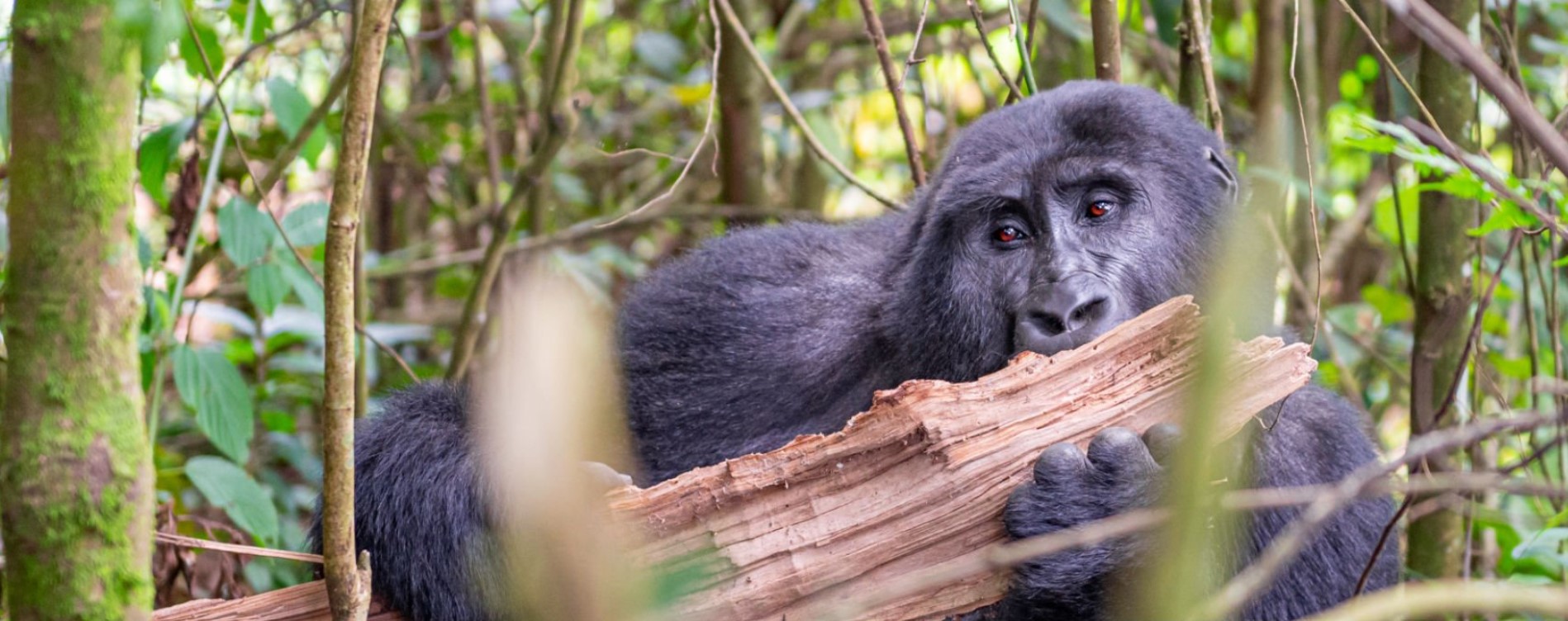
7 days in Uganda with gorilla trekking, Queen Elizabeth wildlife safaris, and peaceful Lake Bunyonyi relaxation.
Please the content should be 110 characters.
Please the content should be 110 characters.
Please the content should be 130 characters.
Please the content should be 110 characters.
Please the content should be 130 characters.

Please the content should be 130 characters.
Please the content should be 110 characters.
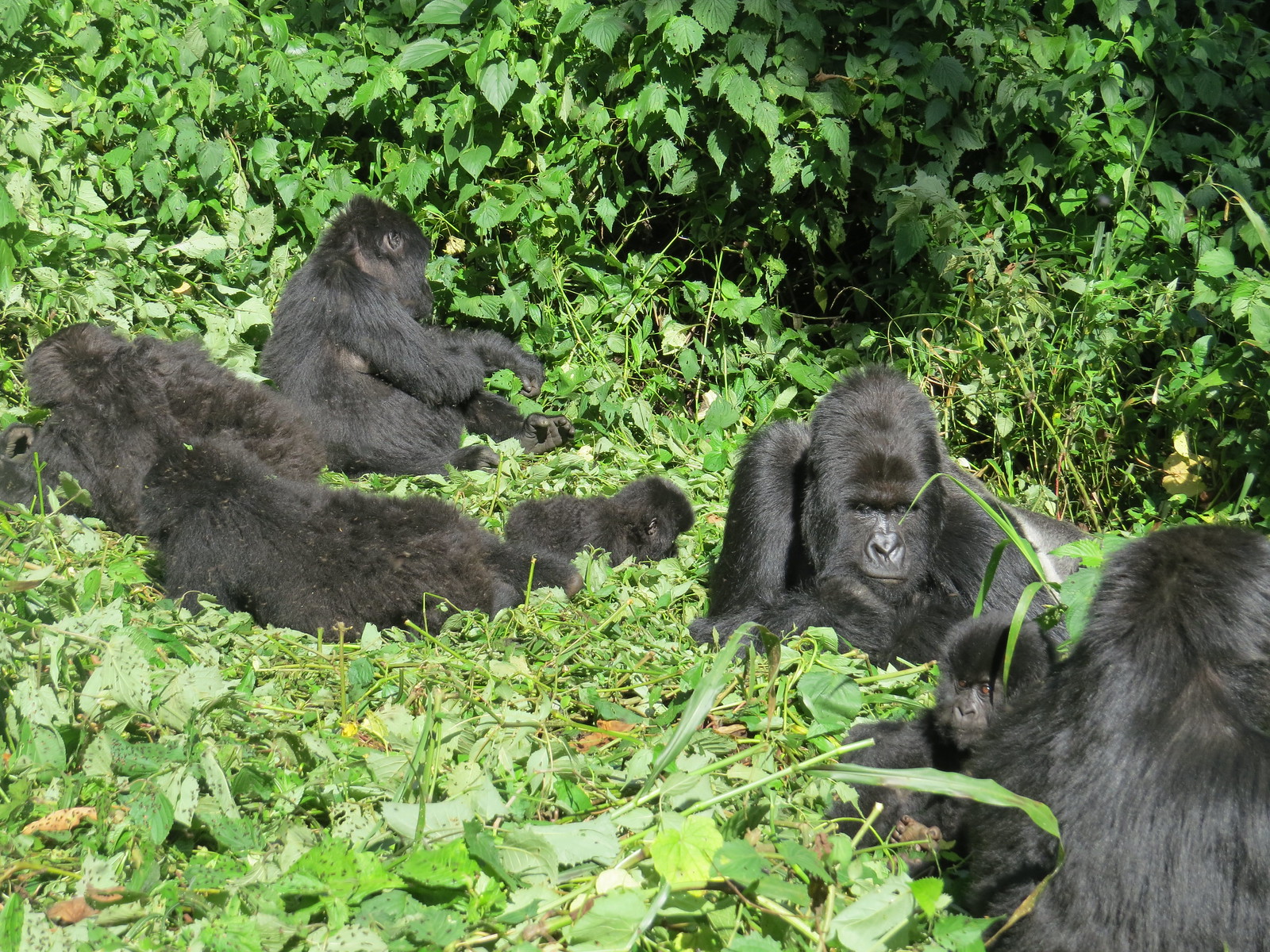
Gorilla trekking in Rwanda and Big Five game drives in Akagera National Park with scenic landscapes.
What Our Travelers Enjoyed About Primate Safaris

Gorillas "Silverback"
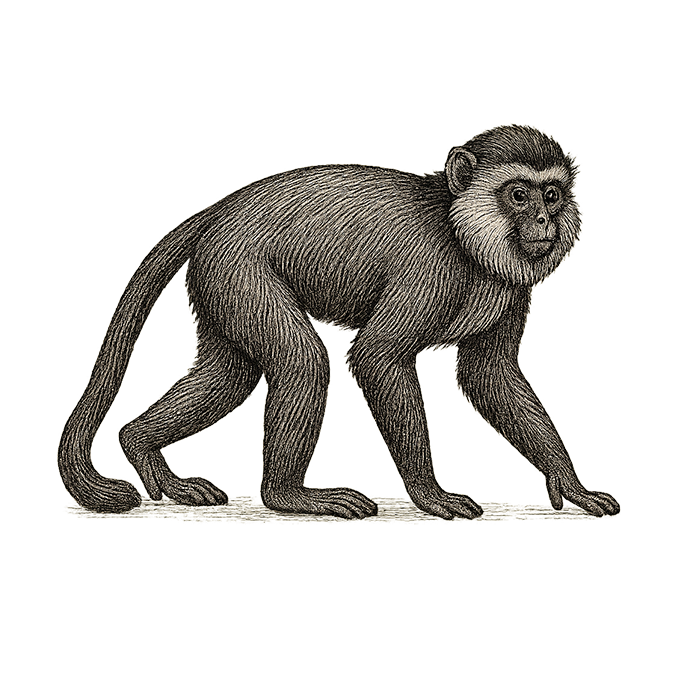
Golden Monkey "Photogenic"
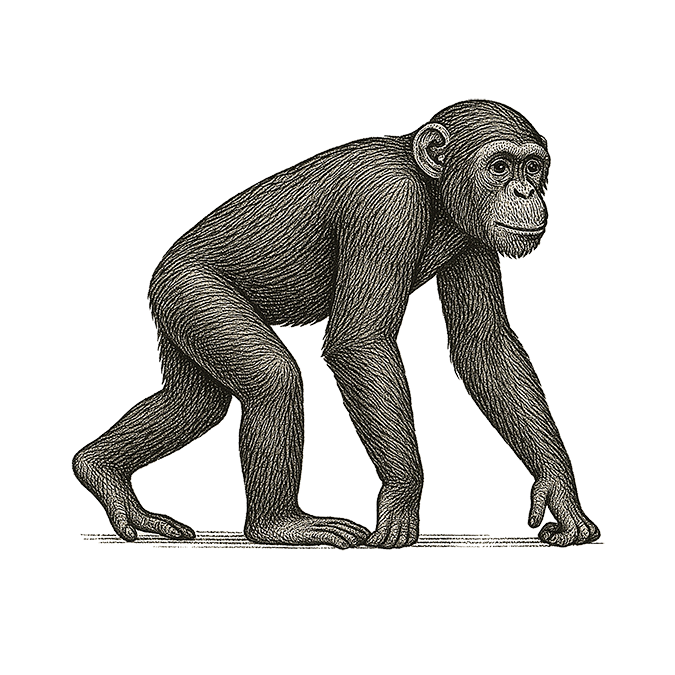
Chimpanzees "Pant-hoot"