Kidepo Valley National Park
July 31, 2024
Kibale National Park
August 1, 2024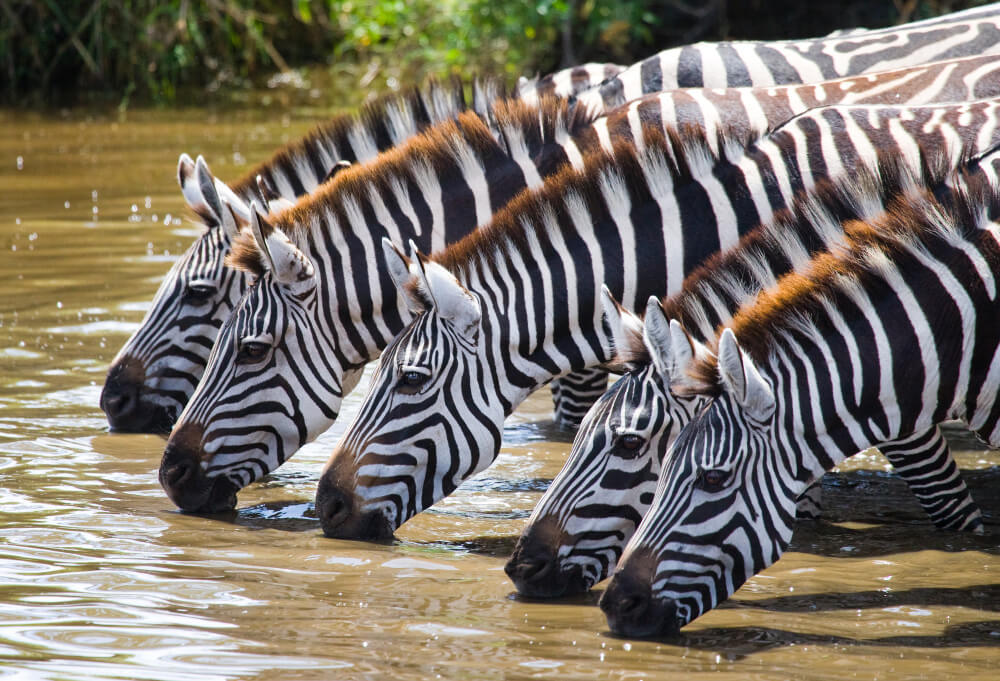


Lake Mburo National Park
Lake Mburo National Park is one of Uganda’s most accessible and picturesque safari destinations, located in the western region near Mbarara. Unlike Uganda’s larger parks, Lake Mburo combines rolling savannah hills, woodland, and a network of lakes, providing a unique and intimate safari experience.The park is named after the largest of its lakes, Lake Mburo, which supports an abundance of aquatic and terrestrial life. Its compact size allows visitors to explore the park in a short period, making it ideal for day trips, weekend safaris, or as part of a larger Western Uganda itinerary. The combination of diverse habitats, scenic landscapes, and charismatic wildlife makes Lake Mburo a must-visit for travelers seeking both convenience and beauty.



Attractions In Rwanda
Attractions In Tanzania
Uganda Gorilla Trekking Experience
Discover Uganda’s gorilla trekking experience where misty rainforests shelter mountain gorillas, ancient trails wind through Bwindi’s depths, and every step brings you closer to one of Africa’s most profound wildlife encounters, blending raw nature, conservation, and lasting memories.
Lake Mburo National Park: National Parks and Protected Areas
Landscape and Habitat Diversity
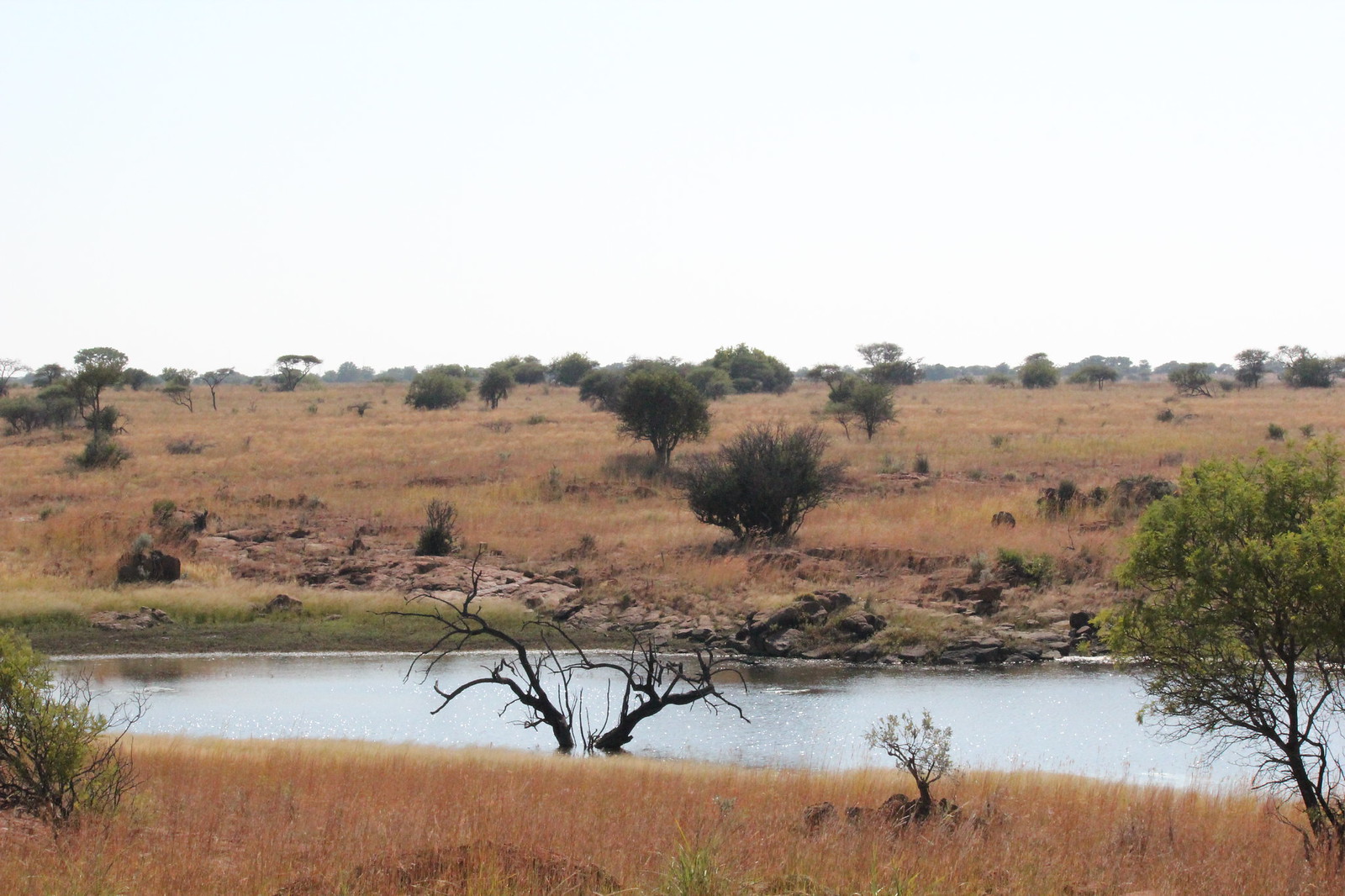
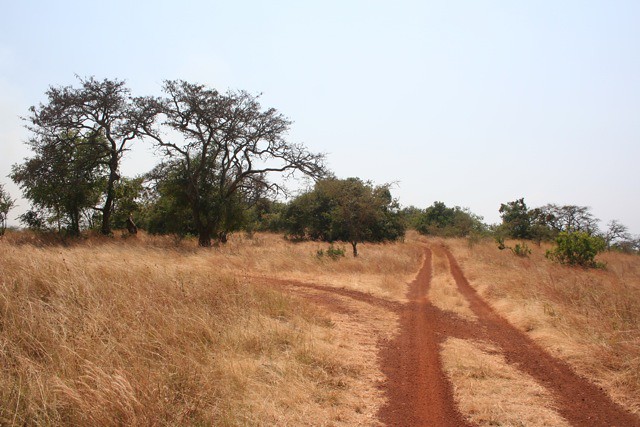
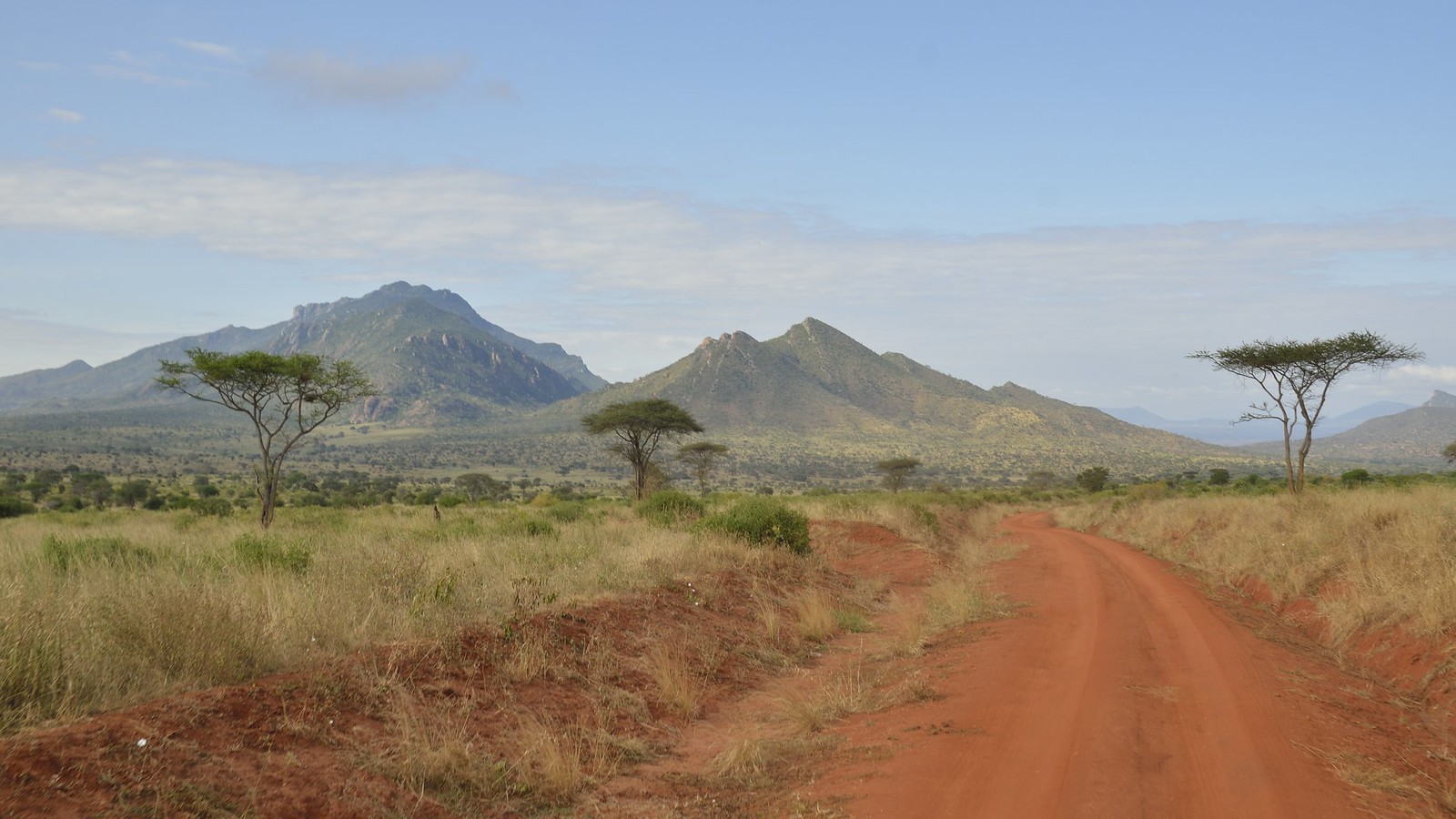
Lake Mburo National Park features a mosaic of rolling hills, acacia savannahs, wetlands, and wooded areas, creating a habitat for a rich variety of wildlife. The park’s lakes, swamps, and rivers support both aquatic life and wetland-adapted species, while open grasslands are home to grazing herbivores and predators.
Visitors will notice the contrast between grassy plains dotted with acacia trees and the tranquil waters of Lake Mburo and its smaller satellite lakes. This diversity allows for multiple safari activities, from game drives and boat cruises to guided nature walks along lakeshores.
Wildlife in Lake Mburo National Park
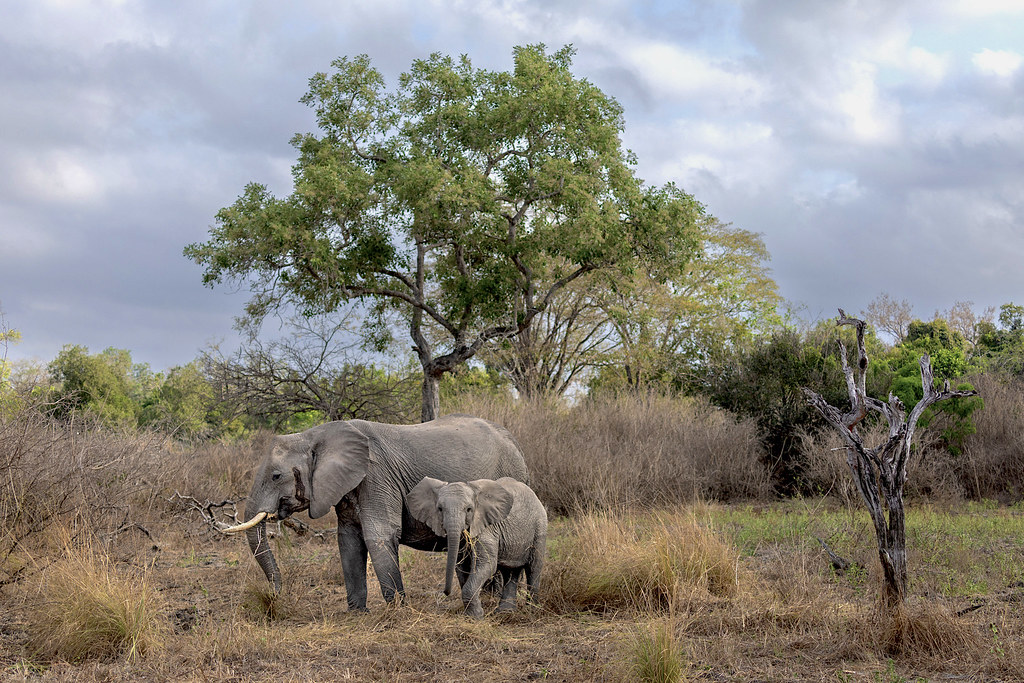
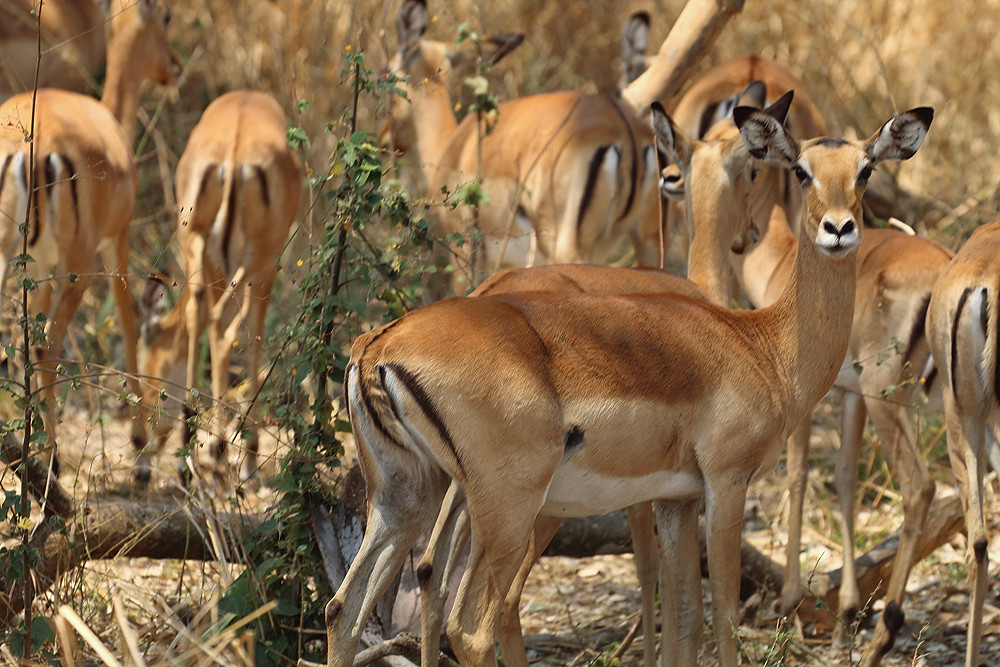
Lake Mburo National Park is famous for its herds of zebras, which are rarely found in Uganda’s other parks. The park also hosts Uganda kob, impala, bushbuck, topi, eland, and warthogs. Predators such as leopards, hyenas, and jackals roam the savannah, though they are often elusive, rewarding patient observers.
Smaller mammals such as monitor lizards, mongoose, and duikers inhabit the park’s forests and wetlands. The mix of grasslands, wooded areas, and lakes creates opportunities to witness diverse animal behaviors in close proximity.
Birdwatching and Wetland Species
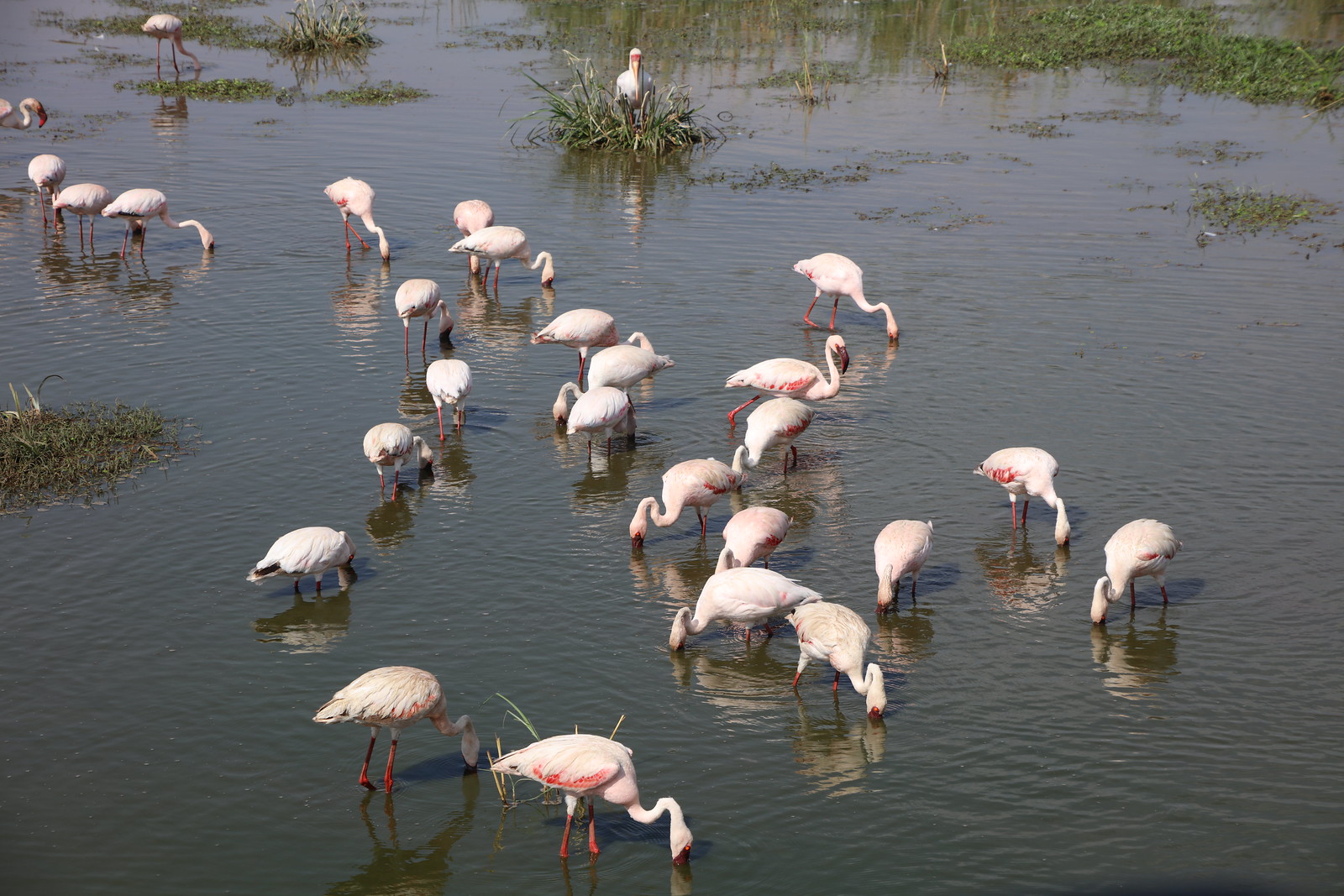
Lake Mburo is a paradise for bird enthusiasts, with over 300 recorded species. The park’s lakes and wetlands attract waterbirds such as herons, kingfishers, storks, and egrets, while the savannahs and woodlands support raptors, hornbills, and colorful passerines.
Migratory birds seasonally visit the park’s lakes, making it a dynamic location for birdwatching throughout the year. Early morning boat rides or lakeside walks offer excellent opportunities to spot rare and endemic species in a serene setting.
Boat Cruising on Lake Mburo
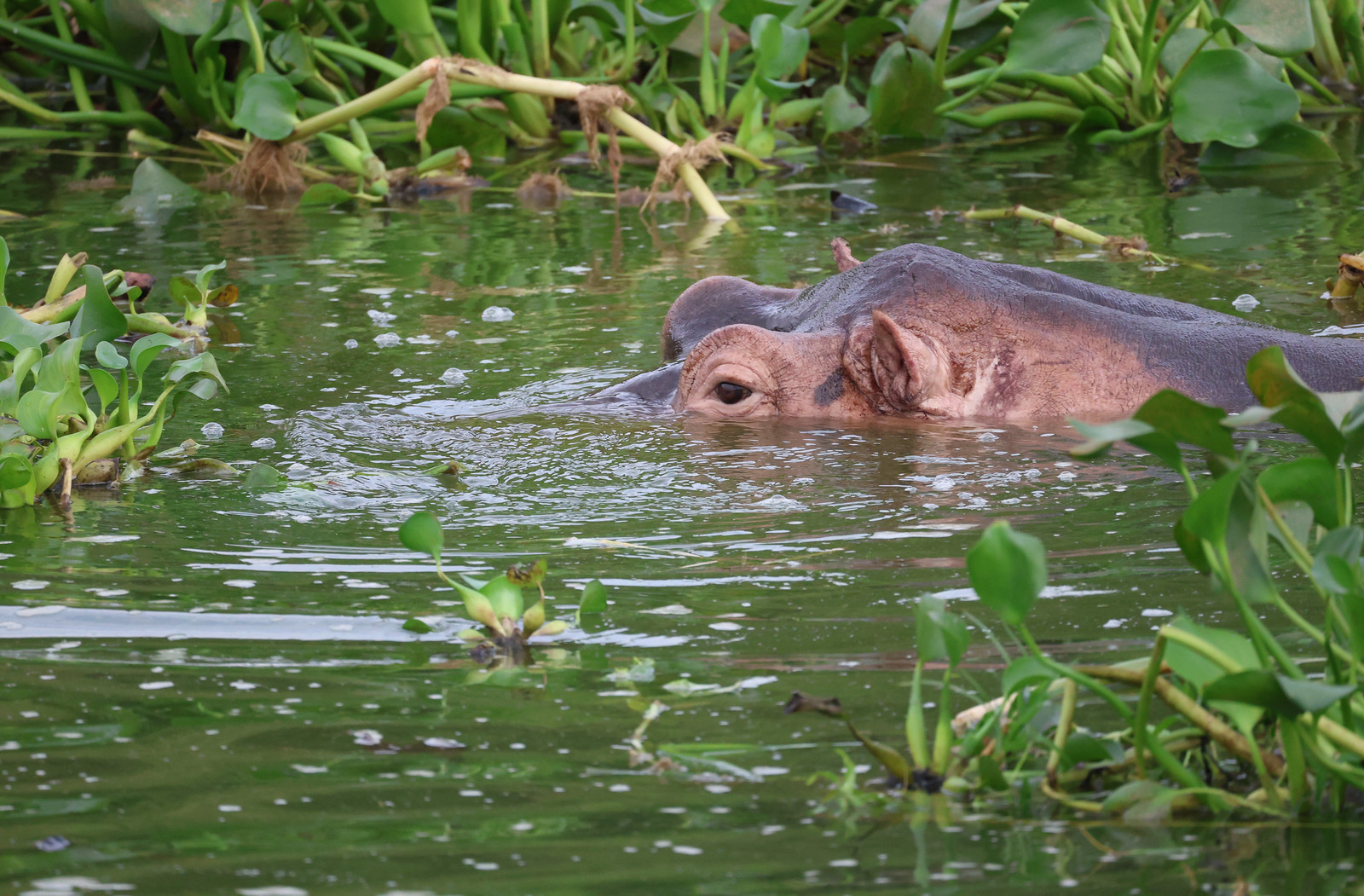
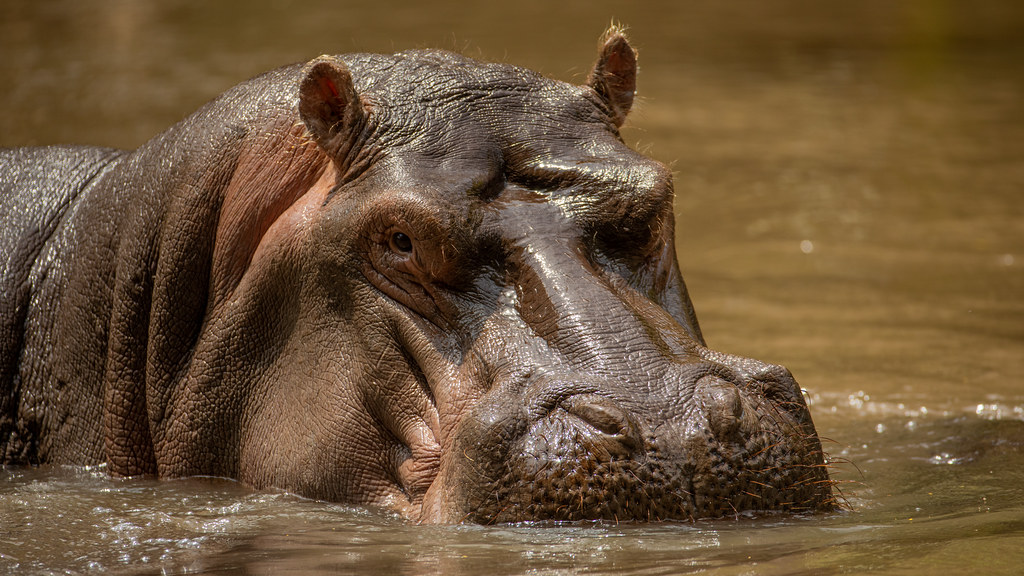
One of the most popular activities in Lake Mburo National Park is boat cruising, which allows visitors to explore the park from a unique perspective. Calm waters provide safe access to wetlands and islands, revealing hippos, crocodiles, and waterfowl up close.
Boat excursions often coincide with sunrise or sunset, offering spectacular reflections of the surrounding hills, creating perfect photographic opportunities. The tranquility of cruising enhances the safari experience, complementing traditional game drives with a peaceful lakeside perspective.
Nature Walks and Guided Safaris
Guided nature walks in Lake Mburo provide a more immersive experience, bringing visitors closer to wildlife and the forest ecosystem. Walks focus on animal tracks, bird identification, plant ecology, and ecological interpretation.
For those seeking adventure and intimacy with nature, walking safaris offer the chance to observe zebras grazing nearby, hear the calls of birds, and spot smaller mammals often missed on vehicles. The combination of walking, driving, and boating makes Lake Mburo a versatile safari destination.
Scenic Beauty and Photography Opportunities
Lake Mburo National Park is renowned for its scenic beauty, with rolling hills, acacia-studded savannah, and shimmering lakes. Photographers and travelers alike are drawn to its landscapes, which change dramatically with sunrise and sunset.
The park’s compact size allows for easy access to multiple vantage points, providing diverse photographic subjects—from grazing zebras and waterbirds to panoramic vistas and misty lakeshores. Wildlife, landscape, and bird photography are seamlessly combined into one rich experience.
Cultural Context and Local Communities
Communities surrounding Lake Mburo National Park play a vital role in conservation, engaging in eco-tourism initiatives and benefiting from park-generated income. Visitors can learn about traditional pastoralist life, cattle grazing, and agricultural practices in the region.
Community tours provide cultural context for the wildlife experience, emphasizing sustainable coexistence between humans and nature. This integration highlights Uganda’s approach to combining conservation, tourism, and local development.
Best Time to Visit Lake Mburo National Park
Lake Mburo National Park can be visited year-round, but dry seasons between December and February and June to August offer the best game viewing conditions. Water levels are lower, roads are easier to navigate, and wildlife congregates around permanent water sources.
Wet seasons create lush landscapes and increase bird activity, particularly in the wetlands, though trails may be muddy and boat excursions may require careful timing. Each season offers its own unique visual and wildlife appeal.
Accommodation and Safari Experience
Accommodation around Lake Mburo ranges from luxury lodges to eco-friendly camps and guesthouses, all designed to immerse guests in the park’s natural environment. Many lodges offer direct access to lakeshores, walking trails, and game drive routes.
Evenings in Lake Mburo are serene, filled with the calls of hippos, birds, and distant predators. The park’s intimate size and accessibility allow travelers to experience high-quality safari encounters without the crowds found in larger national parks.
Conservation Importance of Lake Mburo
Lake Mburo National Park plays a key role in Uganda’s conservation landscape, protecting savannah ecosystems, wetlands, and resident wildlife. Its lakes provide critical water sources for both wildlife and local communities, supporting biodiversity and ecological balance.
The park’s successful integration of tourism and conservation initiatives ensures long-term protection of habitats while generating benefits for surrounding communities. Its role as a safe haven for zebras, antelopes, and birds emphasizes its ecological value.
Why Lake Mburo National Park Is Unique
Lake Mburo is unique in Uganda for its combination of lakes, savannah, and accessibility, offering a complete safari experience in a compact area. Its scenic rolling hills, abundant zebras, diverse birdlife, and boating opportunities make it ideal for photographers, families, and first-time safari-goers.
For travelers seeking variety, ease of access, and memorable wildlife encounters without extensive travel, Lake Mburo delivers an authentic and visually stunning safari adventure.
Our Recommended Tour Ideas

Please the content should be 130 characters.

Please the content should be 130 characters.

7 Days Kenya Wildlife Safari Through Maasai Mara, Amboseli & Lake Nakuru with Big Five Game Drives
Please the content should be 110 characters.

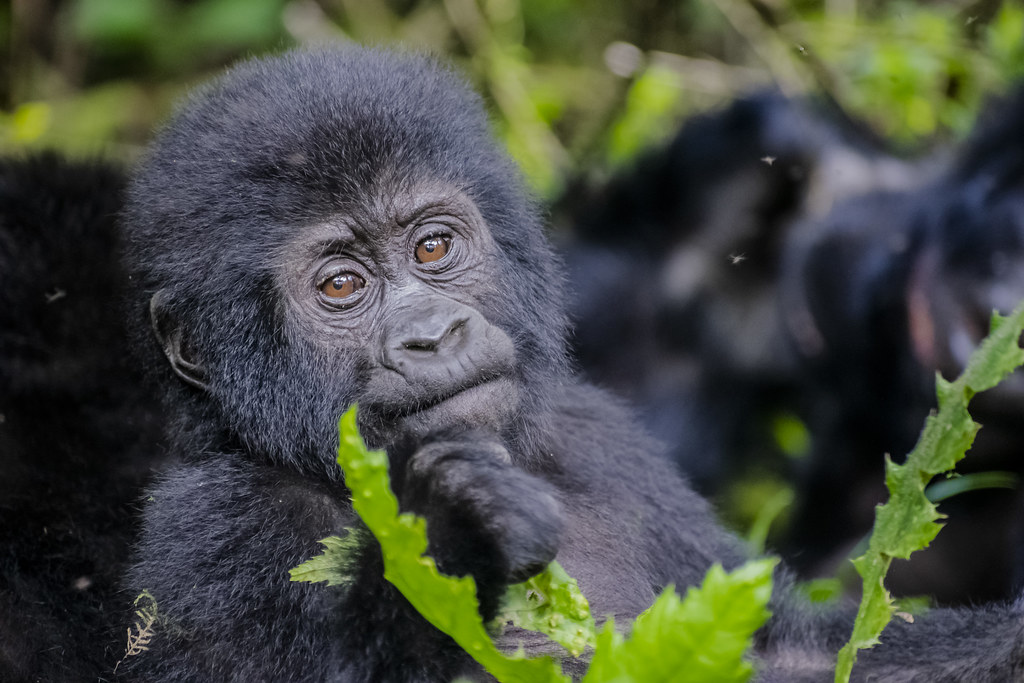
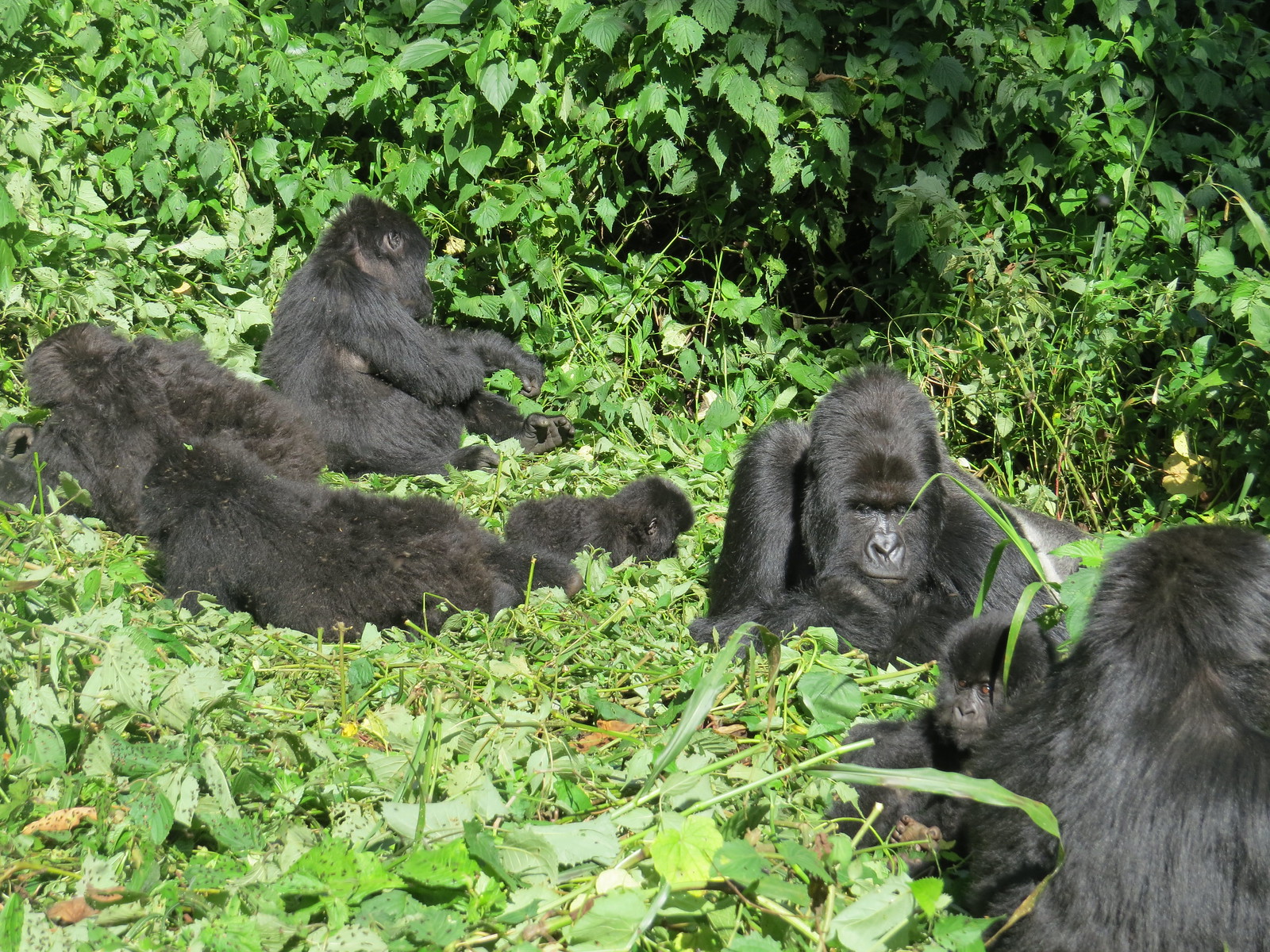
6 Days Congo Lowland Gorillas & Lake Kivu Safari Experience
Please the content should be 110 characters.

Please the content should be 130 characters.
What Our Travelers Enjoyed About Primate Safaris

Gorillas "Silverback"
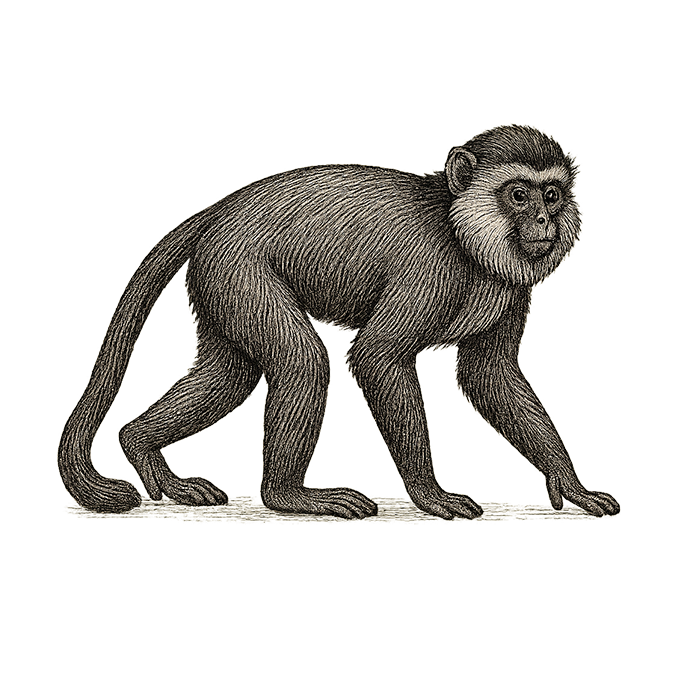
Golden Monkey "Photogenic"
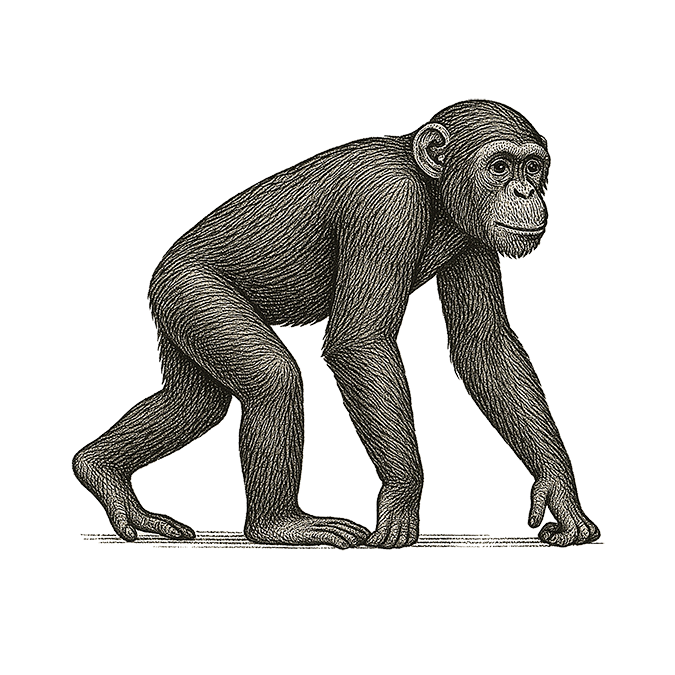
Chimpanzees "Pant-hoot"