Mount Kenya National Park
January 28, 2026
Nairobi National Park
January 28, 2026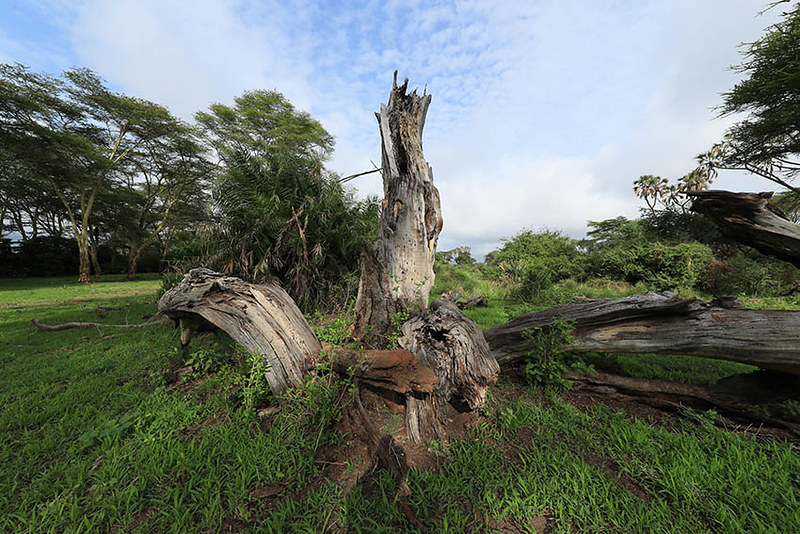


Meru National Park
Tucked away in eastern Kenya, Meru National Park is a vast and unspoiled safari destination, often overshadowed by Kenya’s more famous parks, yet offering some of the most diverse wildlife experiences in the country. Covering approximately 870 square kilometers (336 square miles), Meru is a sanctuary for rare and endangered species, from elephants and rhinos to Grevy’s zebras and wild dogs. Its landscapes—comprising savannahs, riverine forests, swamps, and volcanic hills—provide a breathtaking backdrop for a safari adventure far from the crowds.




Attractions In Rwanda
Attractions In Tanzania
Uganda Gorilla Trekking Experience
Discover Uganda’s gorilla trekking experience where misty rainforests shelter mountain gorillas, ancient trails wind through Bwindi’s depths, and every step brings you closer to one of Africa’s most profound wildlife encounters, blending raw nature, conservation, and lasting memories.
Meru National Park: National Parks and Protected Areas
The Landscape of Meru National Park
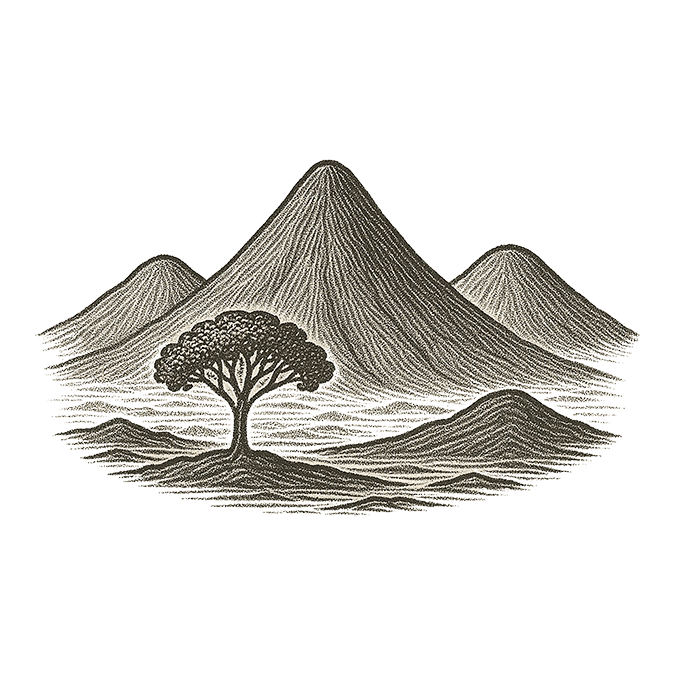
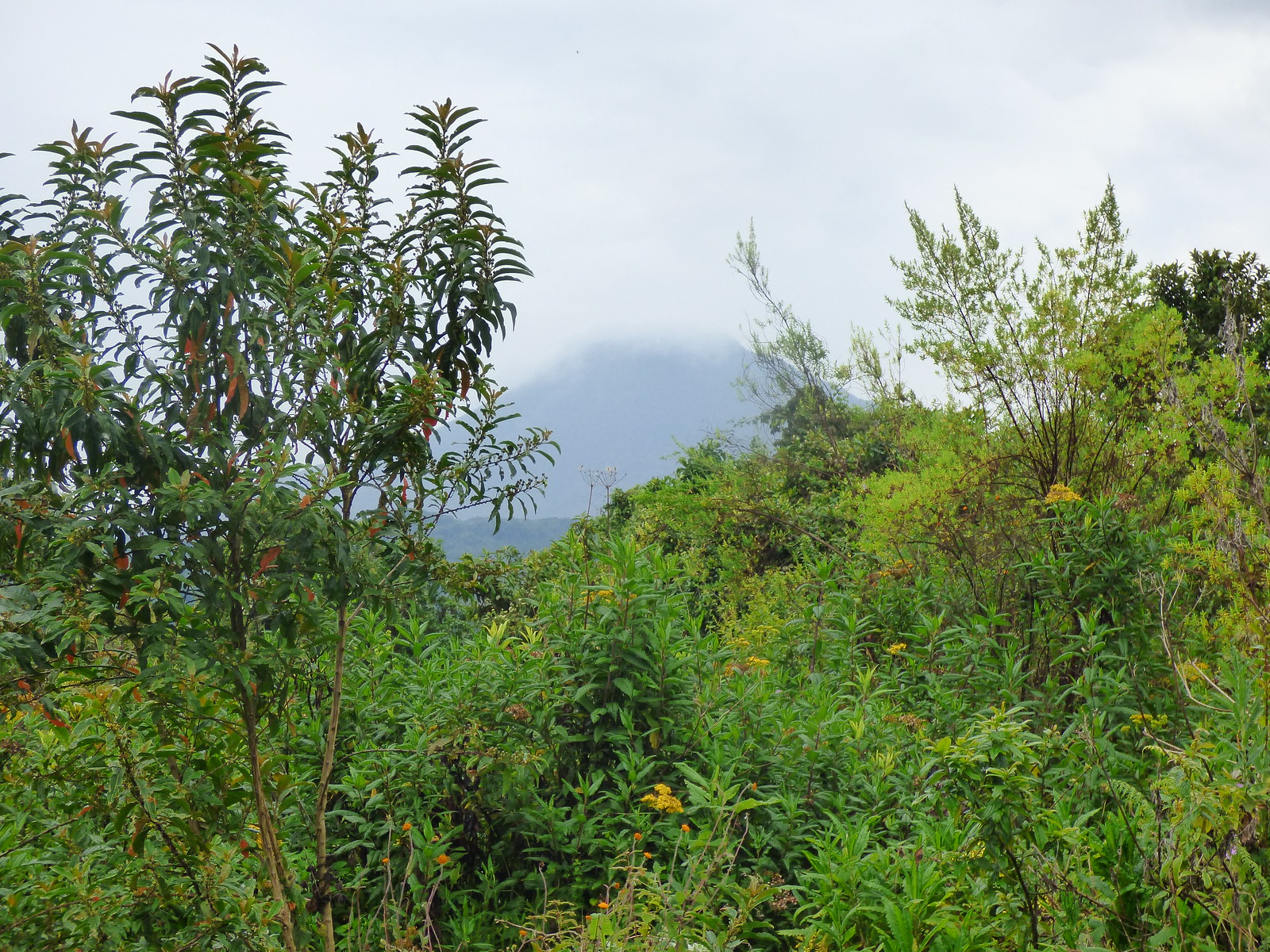
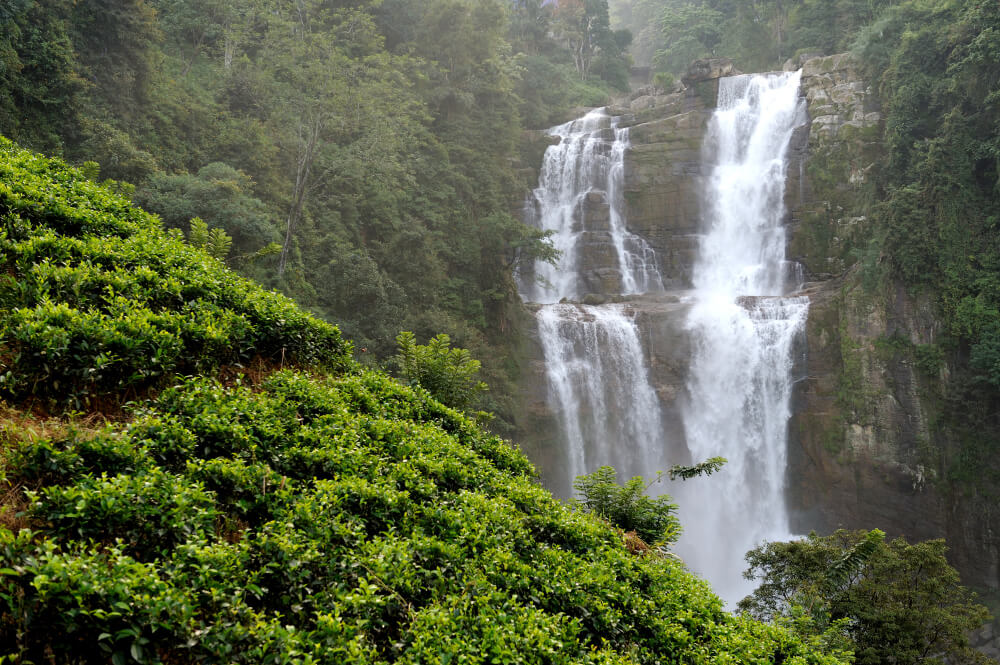
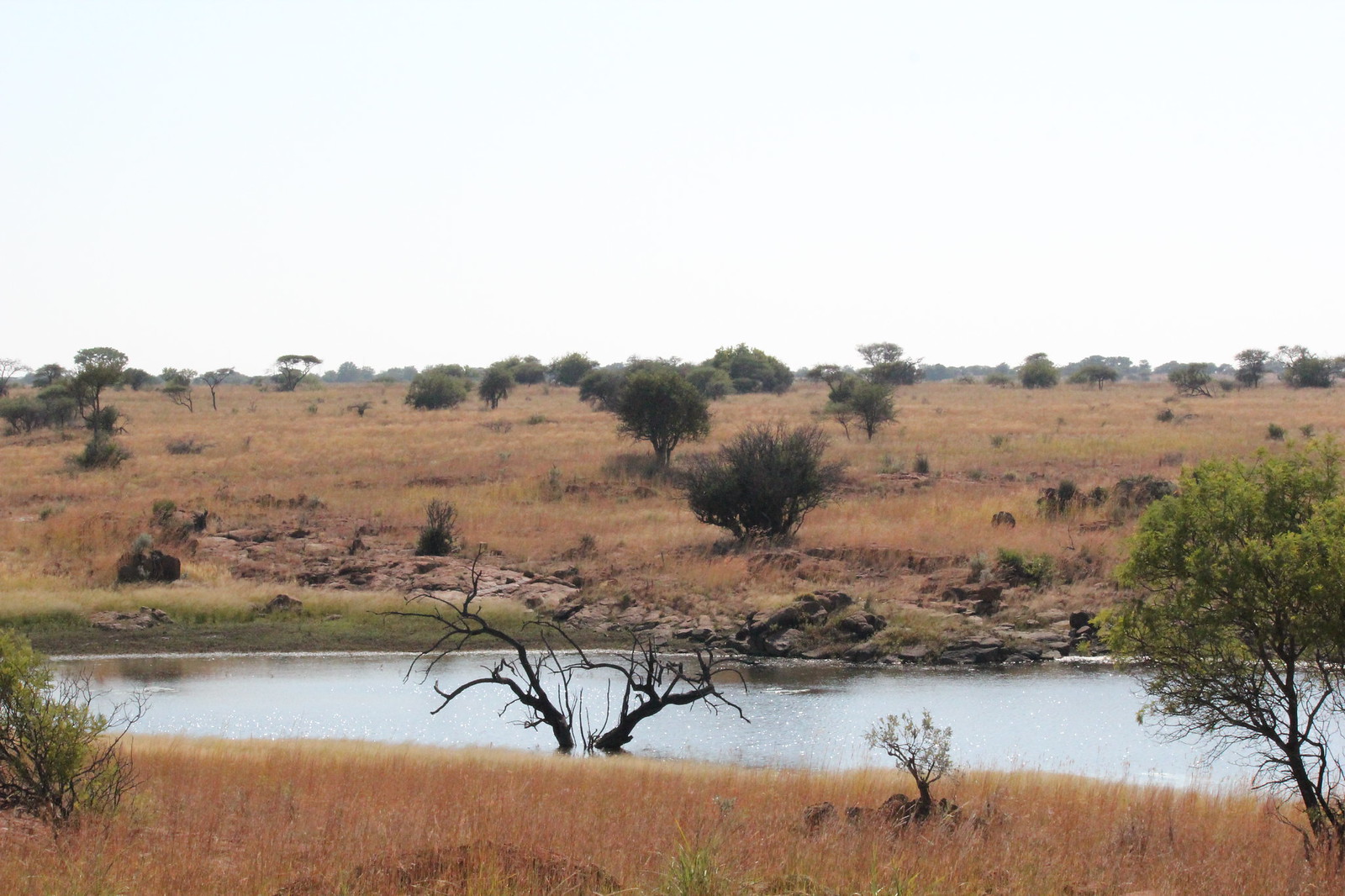
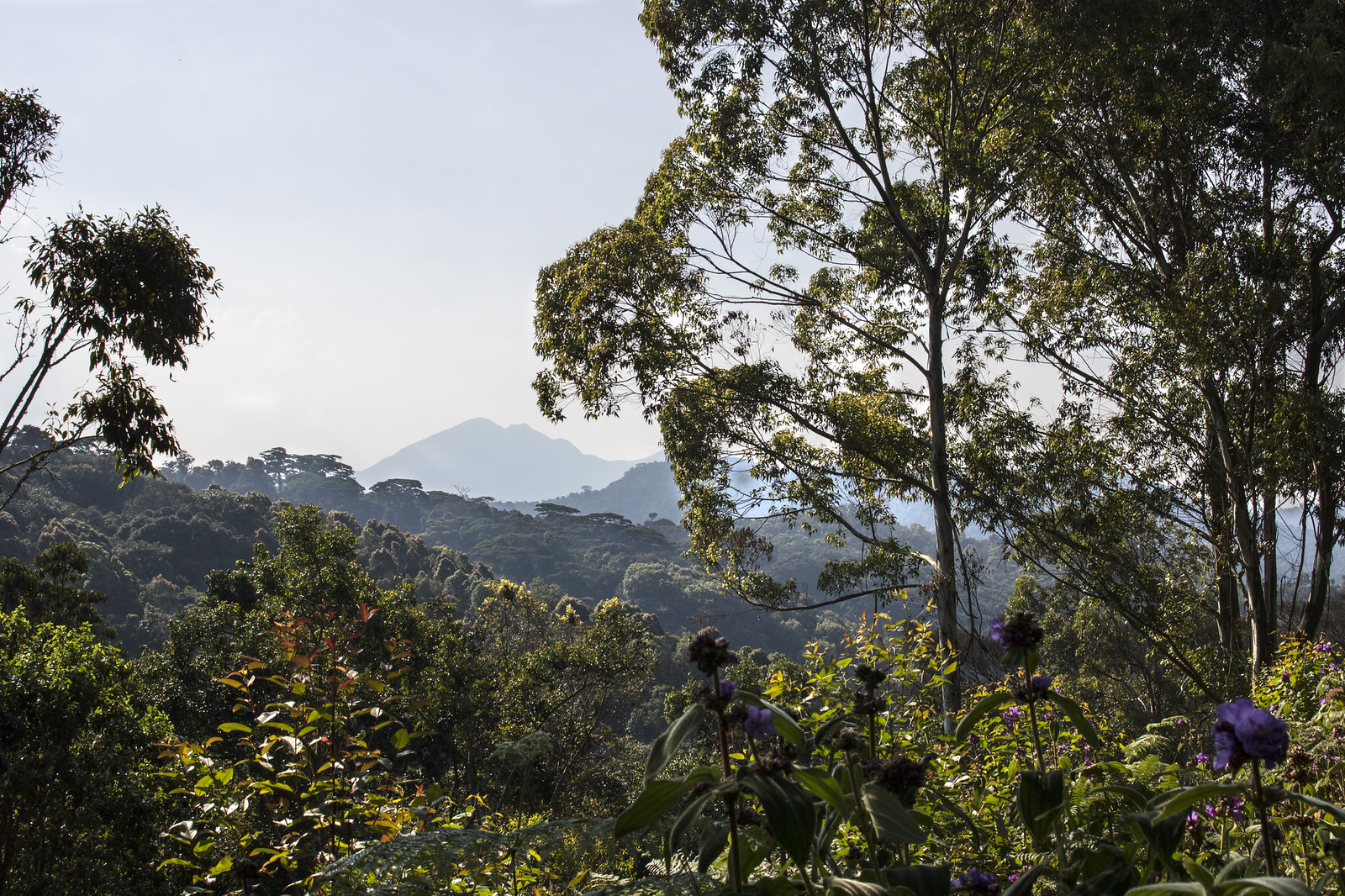
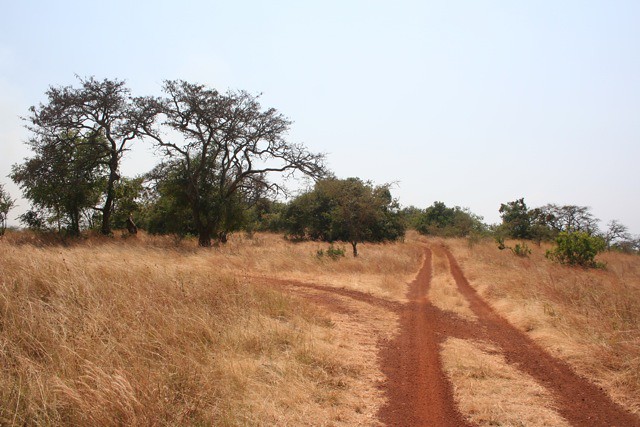
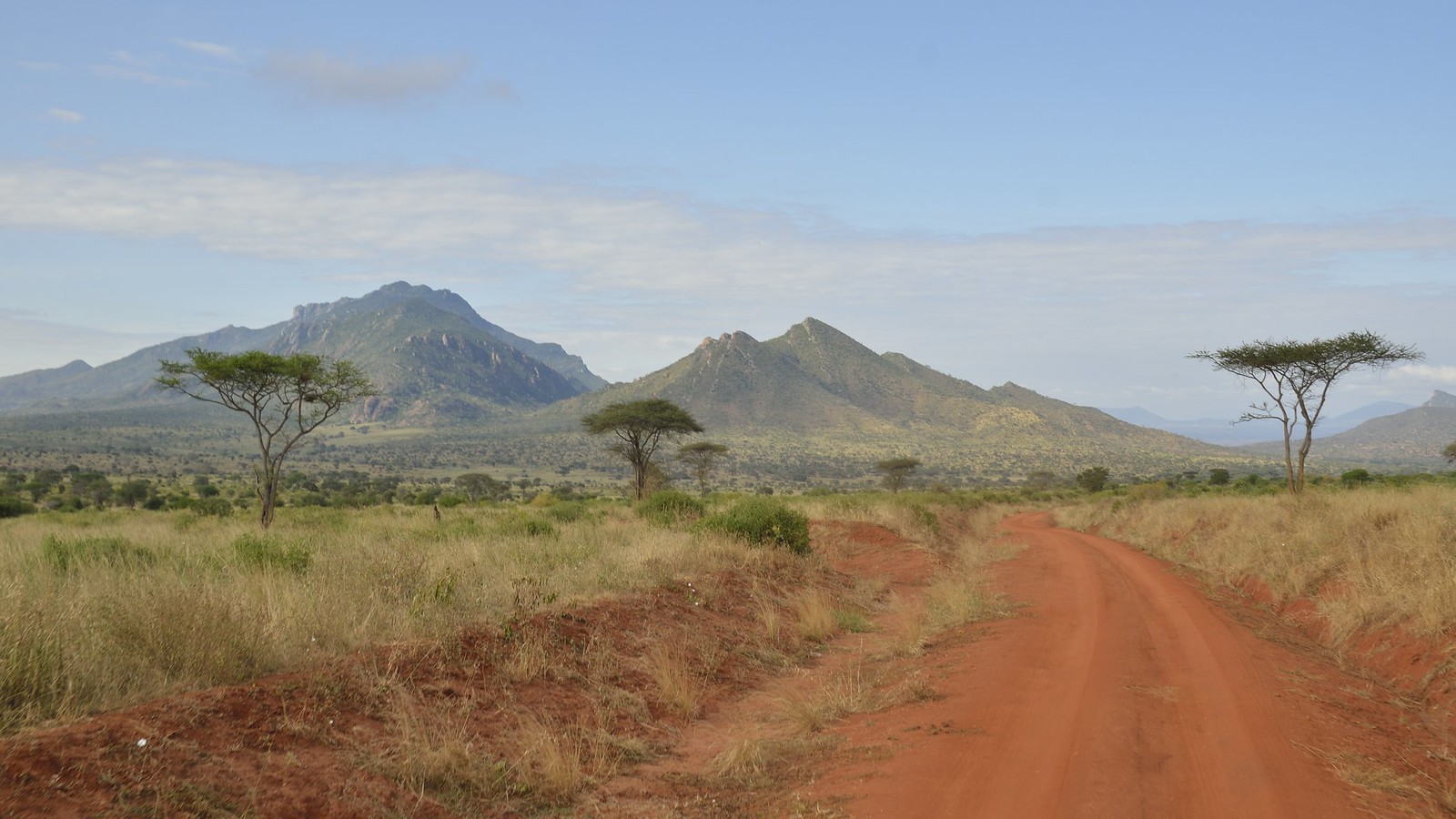
Meru National Park features a remarkably diverse landscape, blending dry savannahs with lush riverine forests and swampy wetlands. The park is shaped by several rivers, including the Ewaso Ng’iro River, which provides essential water sources for wildlife and sustains green corridors throughout the dry season.
Key landscape features include:
-
Savannah Grasslands: Wide-open plains that attract large herbivore herds and provide excellent predator viewing opportunities.
-
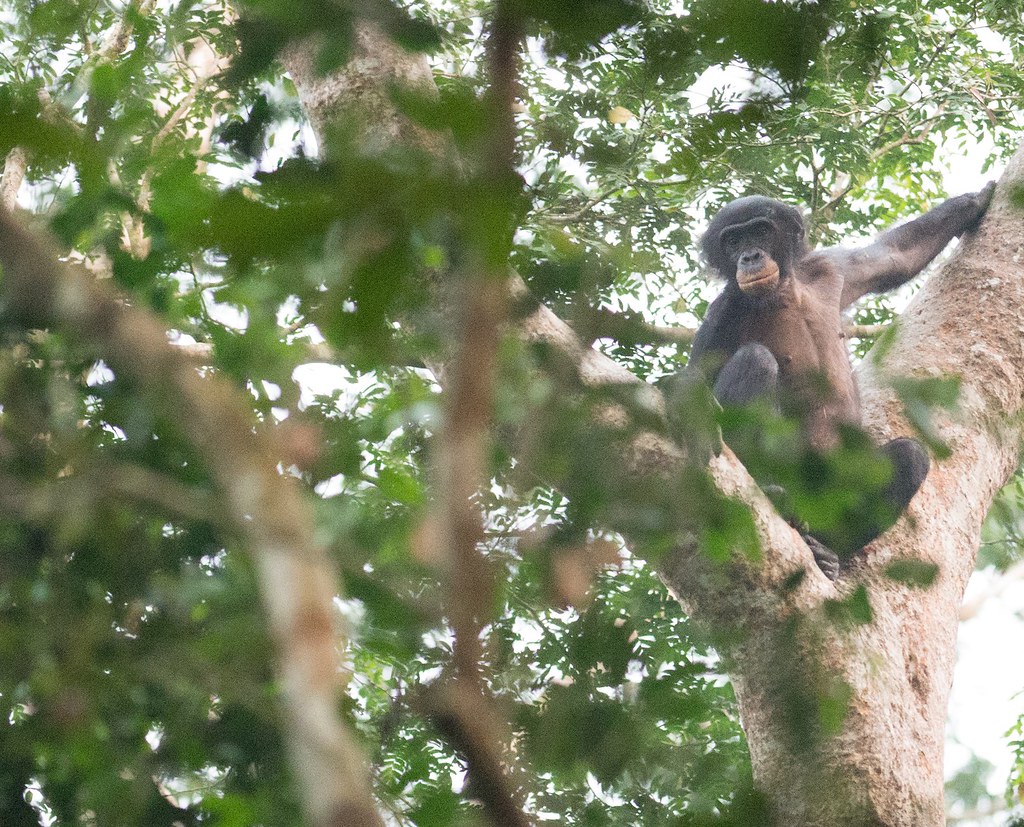
Riverine Forests: Dense vegetation along rivers, sheltering elephants, primates, and a variety of bird species.
-
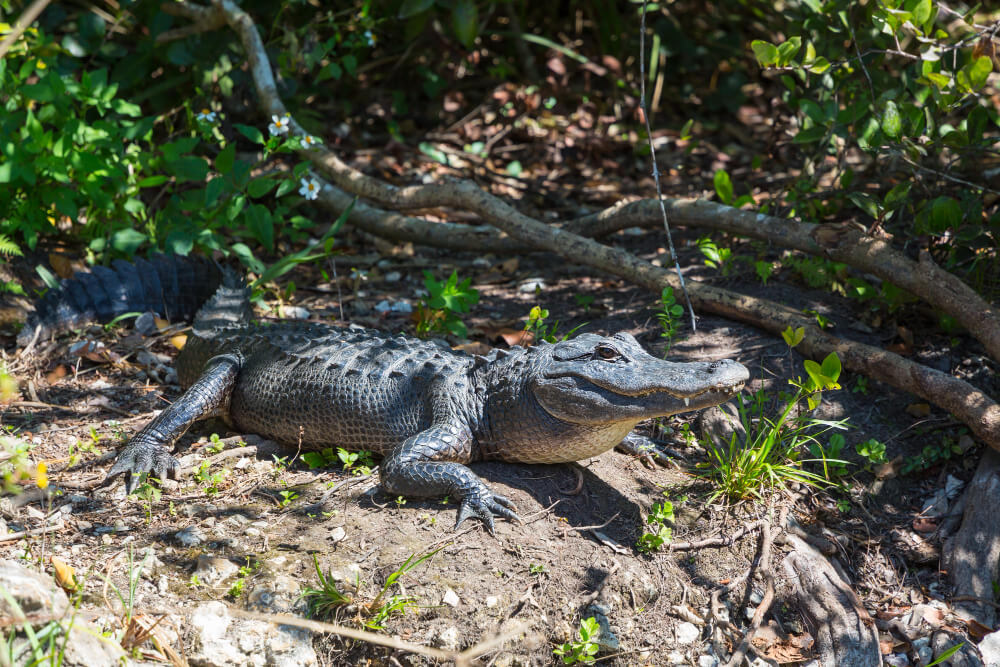
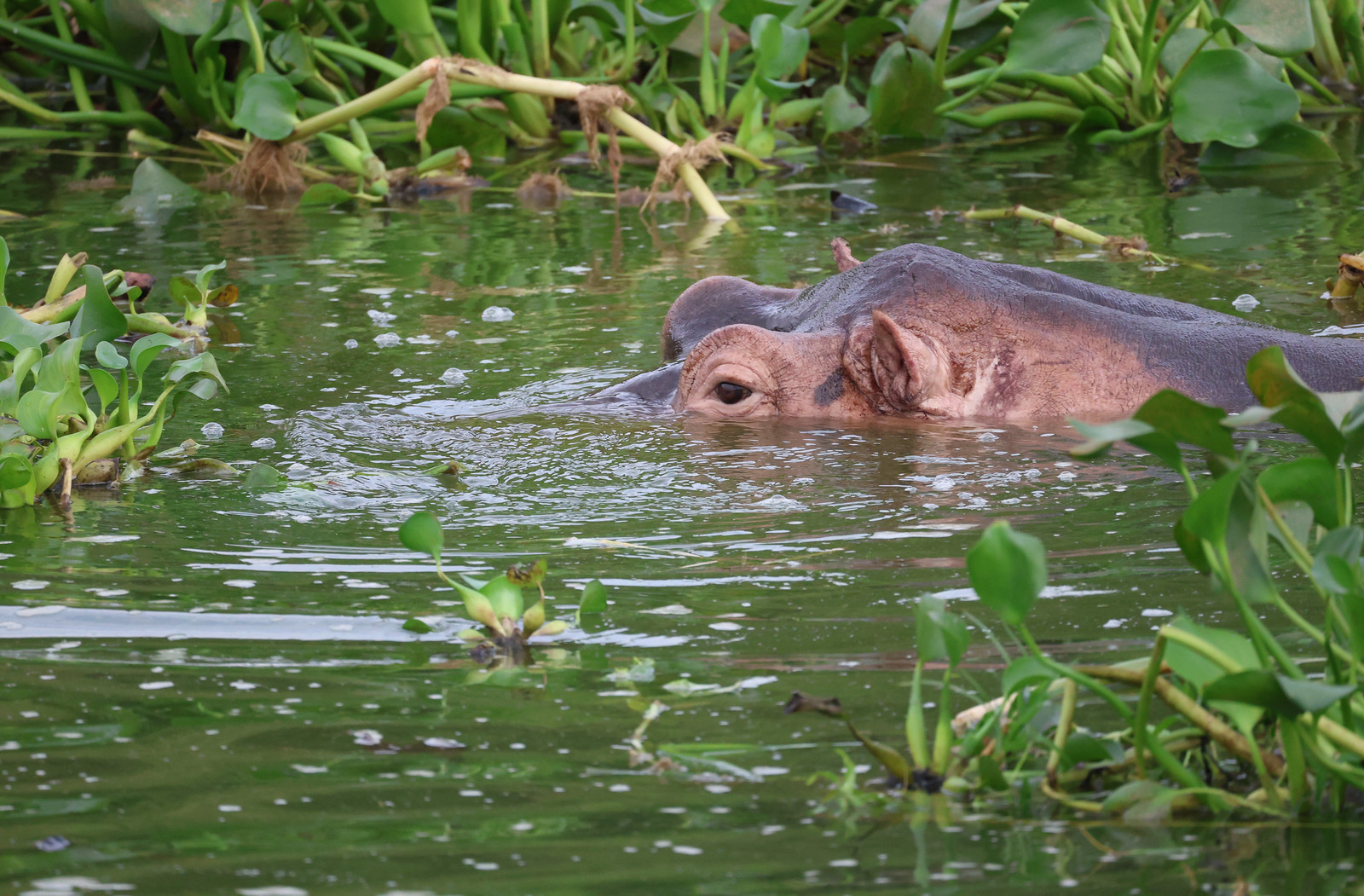
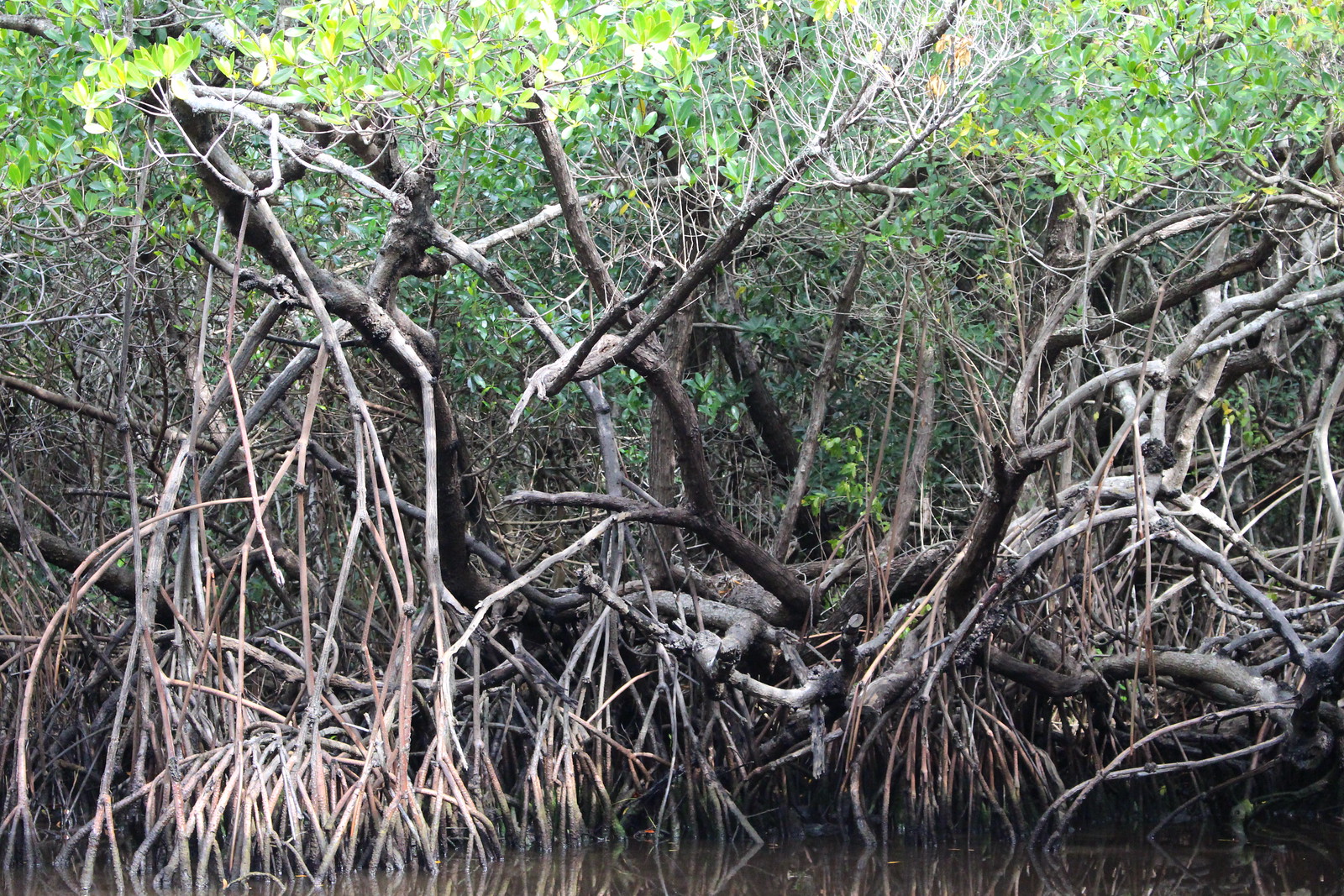
Swamps and Wetlands: Seasonal wetlands attract hippos, crocodiles, and waterbirds, enhancing biodiversity.
-
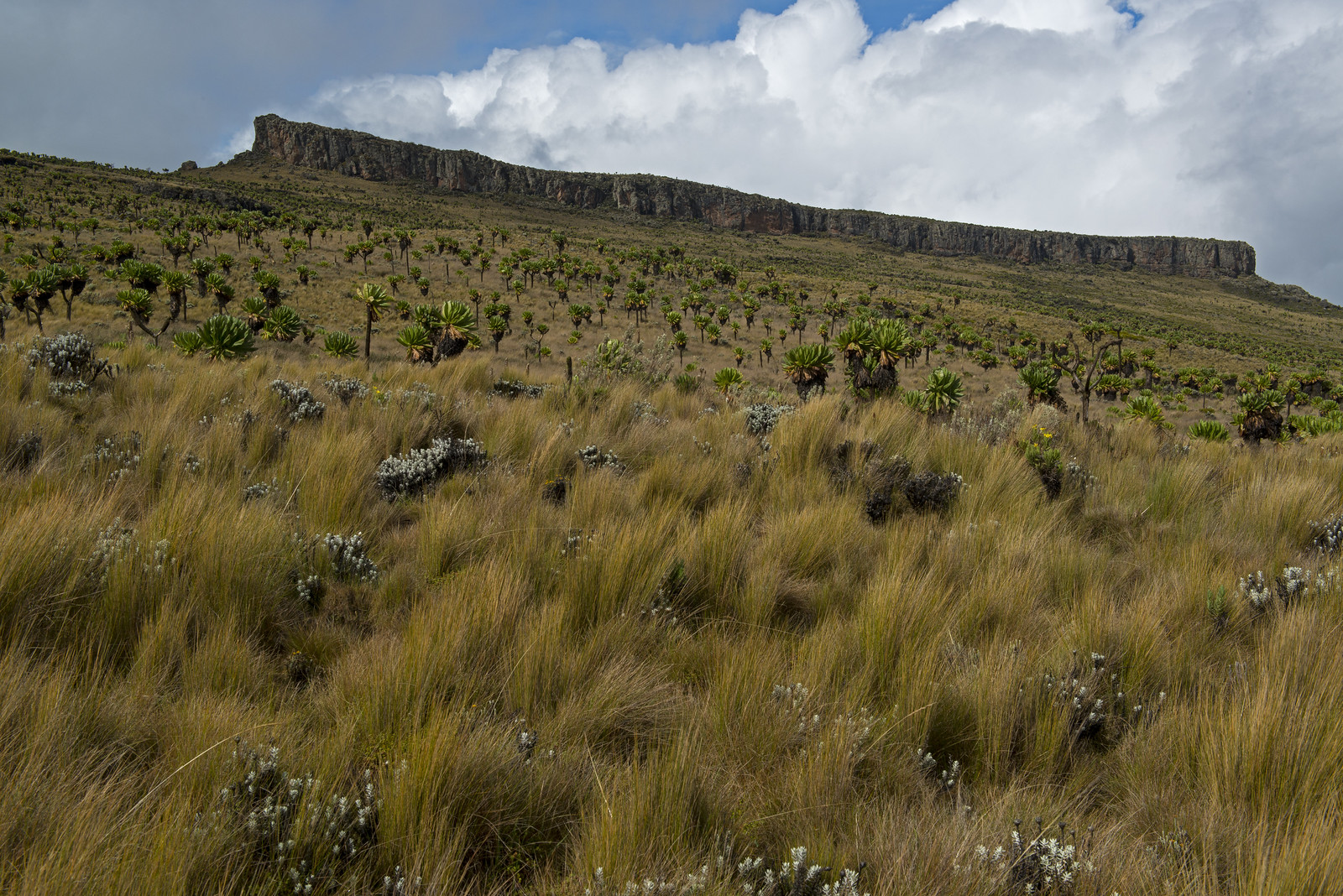
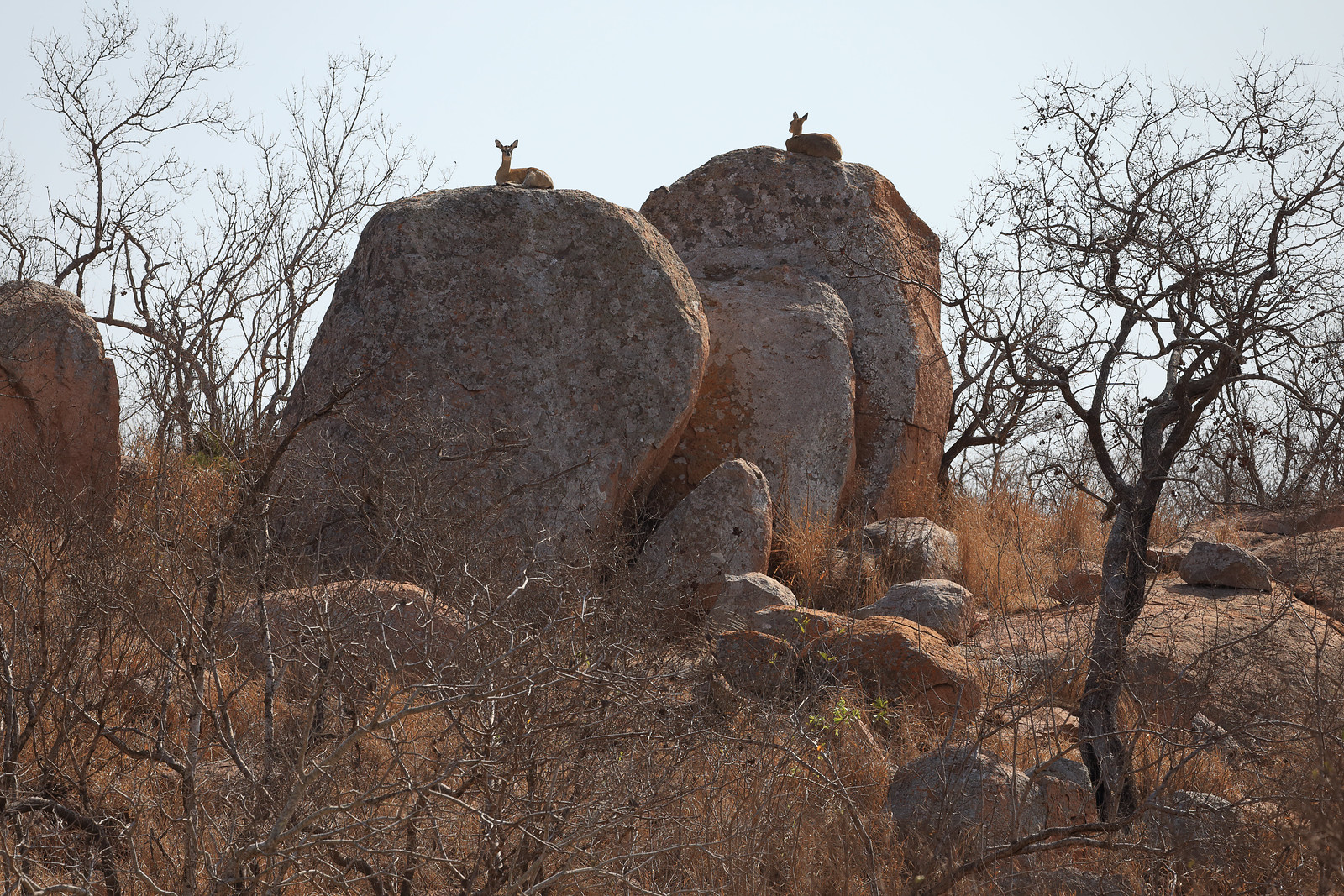
Volcanic Hills and Rocky Outcrops: Scenic features that offer vantage points for wildlife observation and photography.
This varied terrain supports a high concentration of wildlife, making Meru one of Kenya’s ecologically rich parks despite its smaller size compared to Amboseli or Tsavo.
Iconic Wildlife of Meru National Park
Meru National Park is home to remarkable wildlife, including species that are rare or absent in other Kenyan parks.
Elephants
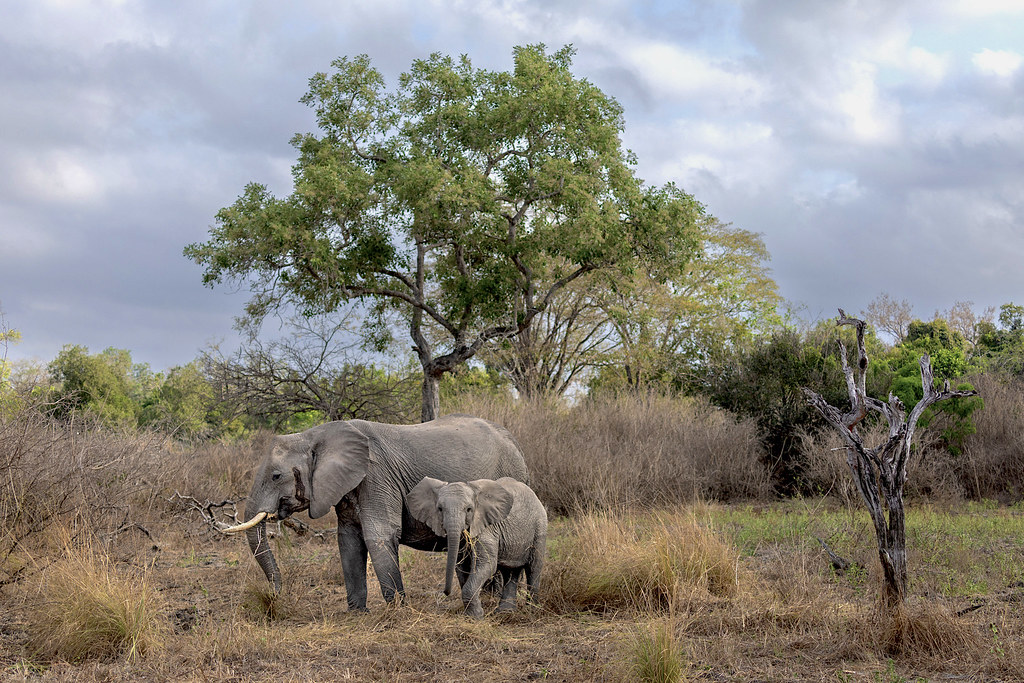
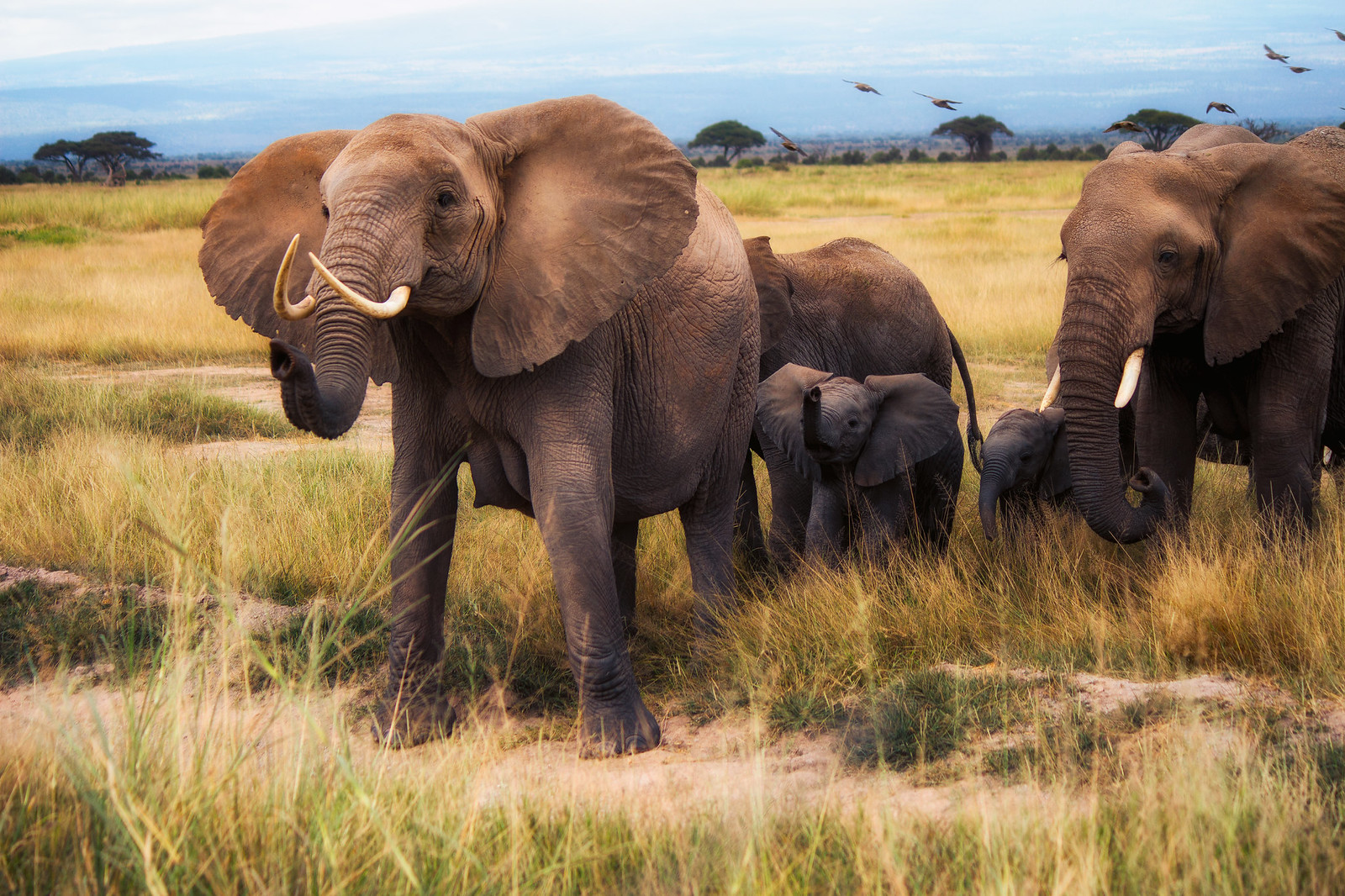
The park is famous for its elephant populations, including matriarch-led herds and solitary bulls. Meru is historically known for “Big Tusker”, an iconic elephant with enormous tusks, and the park continues to protect both small and large tuskers. Elephants can be observed bathing in rivers, crossing savannahs, and foraging in woodlands, providing unforgettable safari moments.
Predators: Lions, Leopards, and Cheetahs
Meru supports a healthy predator population, with lions often resting under acacia trees or moving across open plains. Leopards inhabit forested areas and rocky outcrops, while cheetahs can occasionally be spotted sprinting across grasslands. Hyenas, jackals, and African wild dogs add further diversity, offering exciting predator-prey dynamics.
Rare and Endangered Species
Meru is one of the few parks where visitors can encounter:
-
Grevy’s Zebra: The rarest of Kenya’s zebra species, distinguishable by their narrow stripes.
-
Black Rhinoceros: Protected through intensive conservation efforts.
-
Reticulated Giraffe: A subspecies with distinctive coat patterns.
These species, combined with the park’s general wildlife, make Meru a conservation hotspot and a prime destination for ecotourism.
Herbivores: Buffalo, Eland, and Antelopes
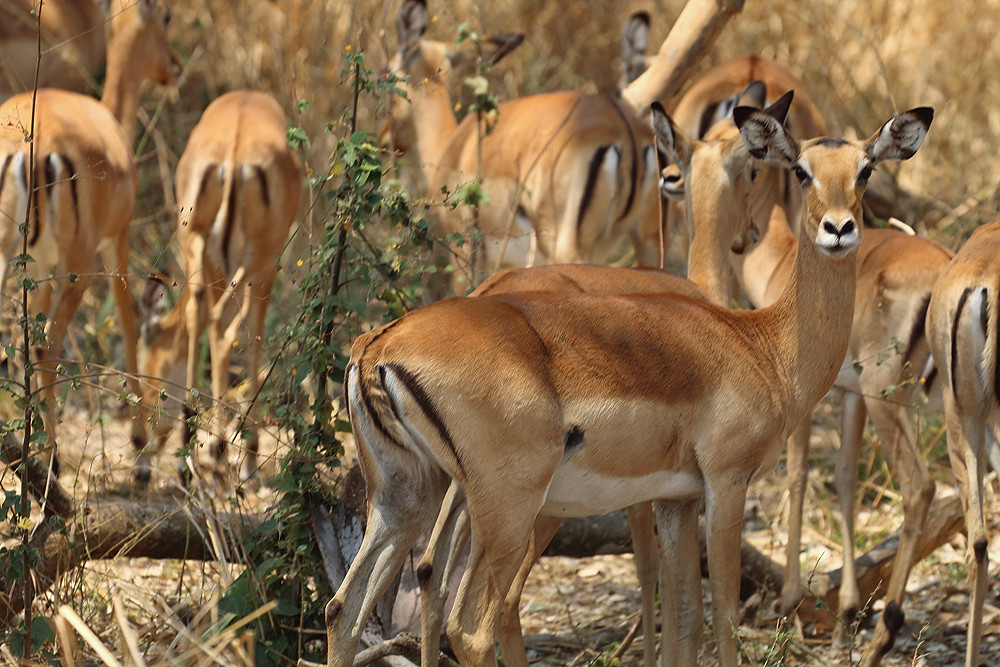
Meru’s grasslands and woodlands host African buffaloes, elands, waterbucks, impalas, and hartebeests. These herbivores often gather near rivers and wetlands, creating spectacular game-viewing opportunities, particularly in the dry season.
Birds
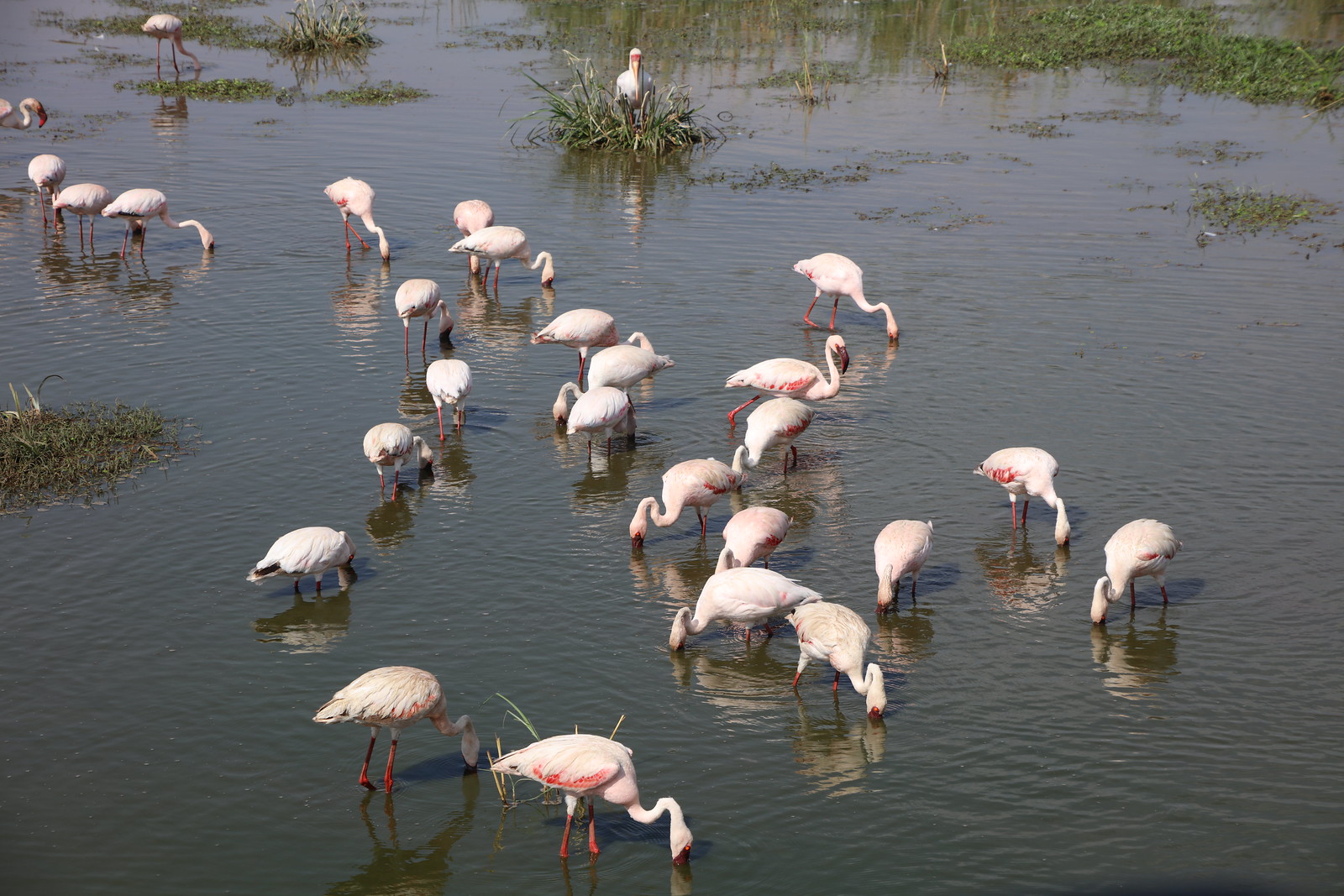
Meru National Park boasts over 400 bird species, ranging from raptors to colorful forest and wetland birds. Key sightings include fish eagles, pelicans, storks, hornbills, and migratory species, making Meru an excellent destination for birdwatching enthusiasts.
Other Wildlife
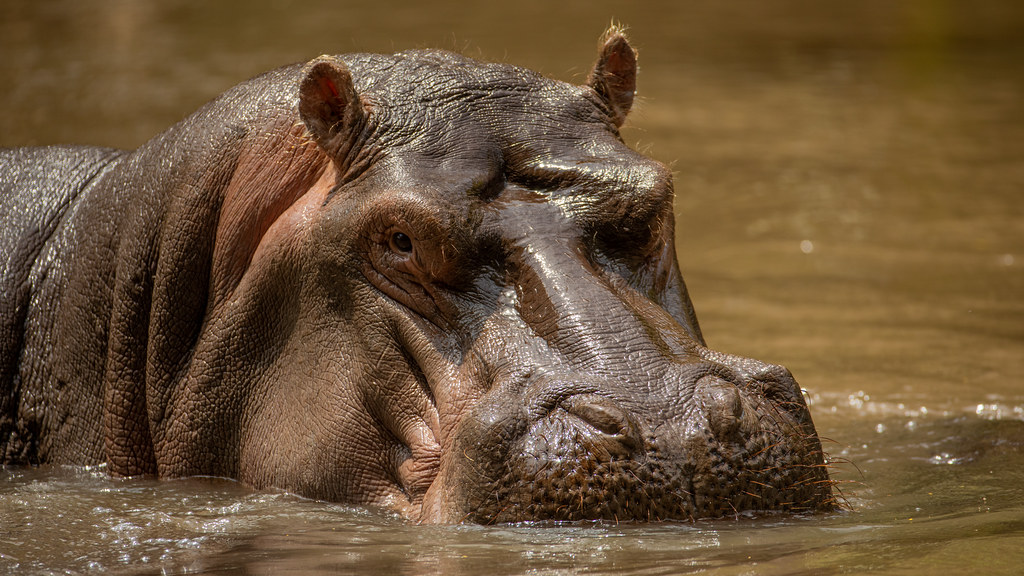
Meru’s rivers and wetlands host hippos, crocodiles, and amphibians, while forests shelter vervet monkeys, baboons, and a variety of smaller mammals. The park’s biodiversity ensures that every safari is rich with discovery and surprises.
Unique Features and Safari Experiences
Ewaso Ng’iro River
The Ewaso Ng’iro River is the lifeblood of Meru National Park, attracting wildlife during the dry season and supporting lush riparian forests. Hippos wallow in its waters, elephants drink from its banks, and a multitude of bird species forage along its edges. Guided river drives provide close encounters with both wildlife and scenic beauty.
Big Tusker Legacy
Visitors often explore areas associated with Big Tusker, Kenya’s legendary elephant, who became a symbol of conservation in Meru. While Big Tusker is no longer alive, his legacy inspires wildlife protection and gives the park a unique historical and cultural significance.
Game Drives and Wildlife Viewing
Meru offers unspoiled game drives across varied terrain, from open plains to dense forests. Early morning drives are perfect for predator activity, while afternoon drives highlight birdlife and riverine wildlife. The park’s low tourist numbers mean visitors often enjoy wildlife encounters in a quiet and immersive environment.
Walking Safaris and Birdwatching
Meru supports walking safaris in designated areas, allowing travelers to observe smaller animals, plants, and tracks. Birdwatchers can explore riverine forests and wetlands to spot both resident and migratory species. These experiences provide an intimate connection with the park’s ecosystems.
Photography
Meru is a photographer’s paradise, offering dramatic wildlife scenes with rivers, wetlands, volcanic hills, and elephants. The combination of light, open spaces, and scenic diversity allows for iconic safari images without the crowds common in other parks.
Conservation in Meru
Meru National Park is a conservation success story, particularly for elephants, rhinos, and rare species like Grevy’s zebras. Key conservation initiatives include:
-
Anti-poaching patrols to protect elephants and rhinos.
-
Habitat preservation, ensuring wetlands, rivers, and forests remain intact.
-
Community-based conservation programs, supporting local communities while promoting sustainable tourism.
Meru’s conservation strategies make it a model for biodiversity protection, maintaining healthy wildlife populations while allowing responsible tourism.
Visiting Meru National Park: Practical Tips
How to Get There
Meru is accessible from Nairobi, approximately 6–7 hours by road, or via flights to Meru Airport, which is close to the park entrance. Road travel takes visitors through scenic highlands and rural Kenya, adding to the journey’s experience.
Accommodation
Visitors can stay in lodges, tented camps, and eco-lodges within or near the park, such as:
-
Meru Safari Lodge – luxury accommodation with panoramic views.
-
Ashnil Aruba Lodge – centrally located for game drives.
-
Tented camps – immersive safari experience close to wildlife habitats.
Best Time to Visit
-
Dry Season (June–October): Ideal for wildlife viewing, especially for predators and riverine gatherings.
-
Wet Season (November–May): Lush scenery, active rivers, and excellent birdwatching, though some roads may be challenging.
Safari Tips
-
Carry binoculars, camera equipment, and comfortable shoes.
-
Wear neutral-colored clothing to blend with natural habitats.
-
Morning and late afternoon drives offer optimal lighting and wildlife activity.
-
Respect wildlife and maintain safe distances, particularly near elephants and predators.
Why Meru National Park Matters
Meru National Park is a hidden gem of Kenya, offering diverse wildlife, scenic landscapes, and low tourist density. Its role in protecting rare species like Grevy’s zebras, black rhinos, and large elephant herds is critical for Kenya’s biodiversity.
The park demonstrates the importance of combining conservation, tourism, and community engagement, ensuring both wildlife and local people benefit. For travelers seeking authentic safari experiences, Meru provides an uncrowded, immersive adventure where every drive feels like a discovery.
Meru National Park is a sanctuary of wildlife and wilderness, where elephants bathe in rivers, lions patrol open plains, and rare species roam freely. Its dramatic landscapes, volcanic hills, riverine forests, and wetlands create a safari experience that is both diverse and intimate.
Visiting Meru is an invitation to explore Kenya’s hidden wilderness, far from crowded parks, where wildlife encounters feel personal and every moment connects you to nature. It is a destination where conservation, adventure, and African beauty converge, leaving visitors with memories of untamed landscapes, remarkable wildlife, and the spirit of the African safari.
Our Recommended Tour Ideas

Please the content should be 130 characters.


Please the content should be 130 characters.

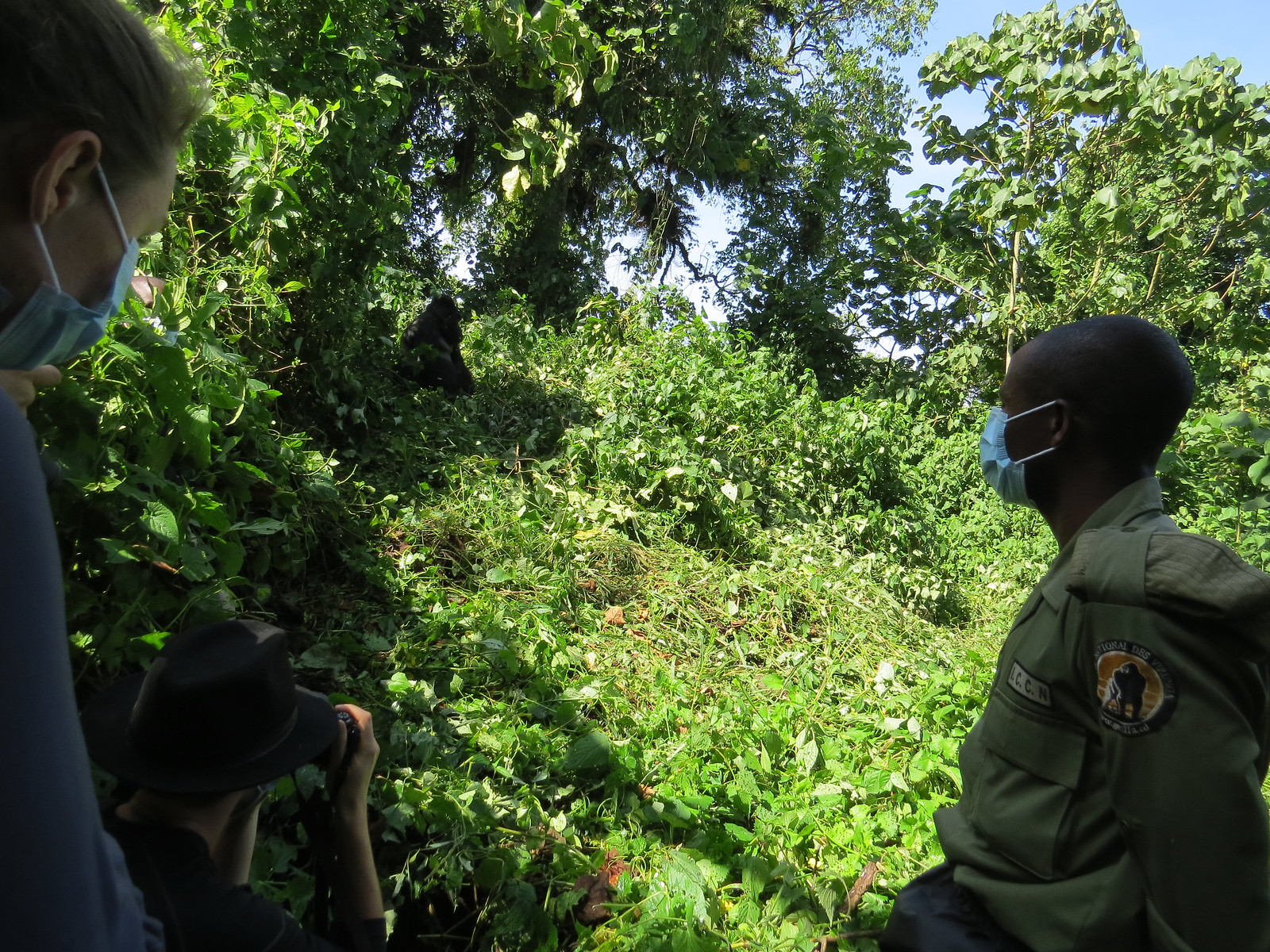
Track mountain gorillas on a seamless 1-day adventure—early start, expert guides, and a life-changing forest
Please the content should be 110 characters.

Please the content should be 130 characters.

7 days in Uganda combining mountain gorilla trekking, rich cultural experiences, and scenic wildlife landscapes.
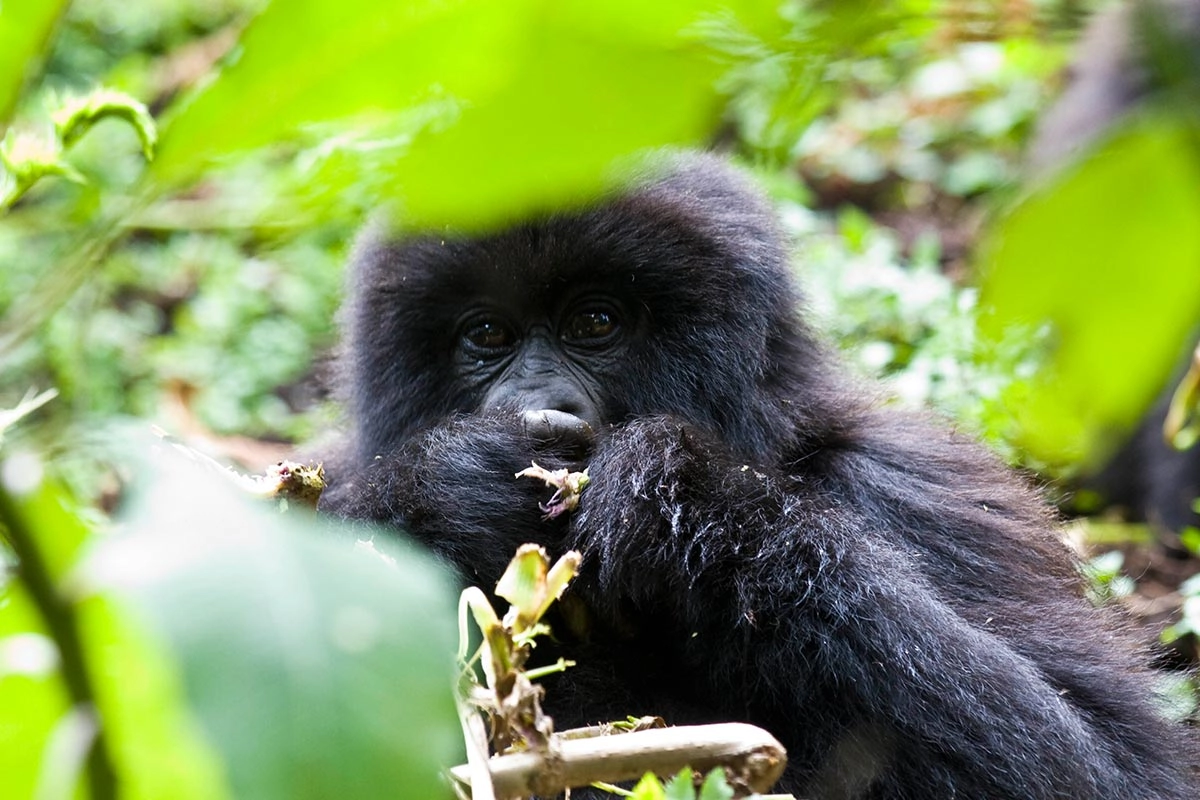
A short yet powerful gorilla trekking escape in Volcanoes National Park with breathtaking scenery.

Please the content should be 130 characters.
What Our Travelers Enjoyed About Primate Safaris

Gorillas "Silverback"
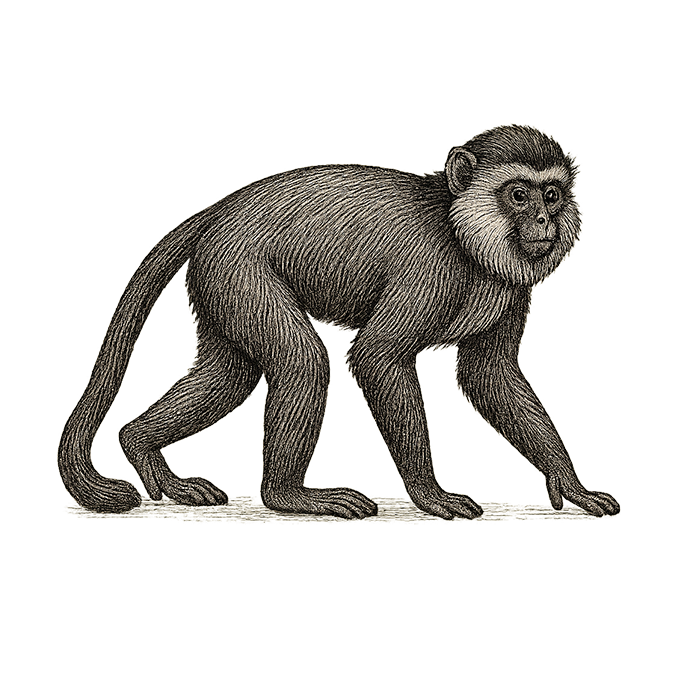
Golden Monkey "Photogenic"
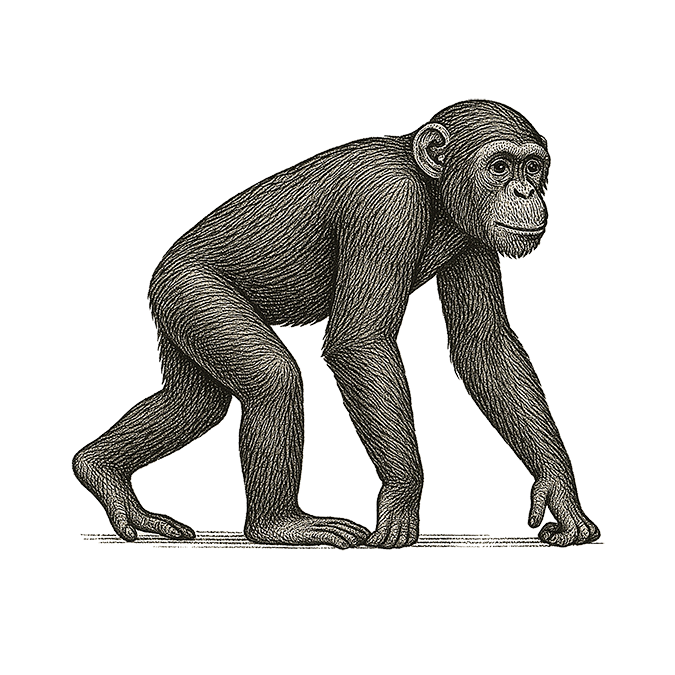
Chimpanzees "Pant-hoot"