Kahuzi-Biega National Park
January 28, 2026
Garamba National Park
January 28, 2026


Salonga National Park
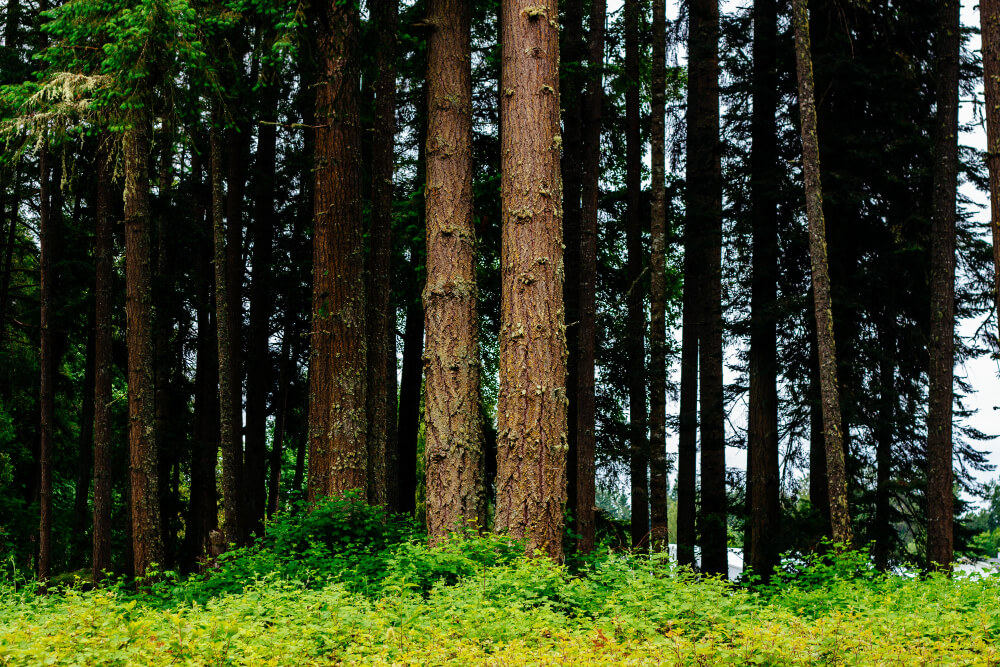
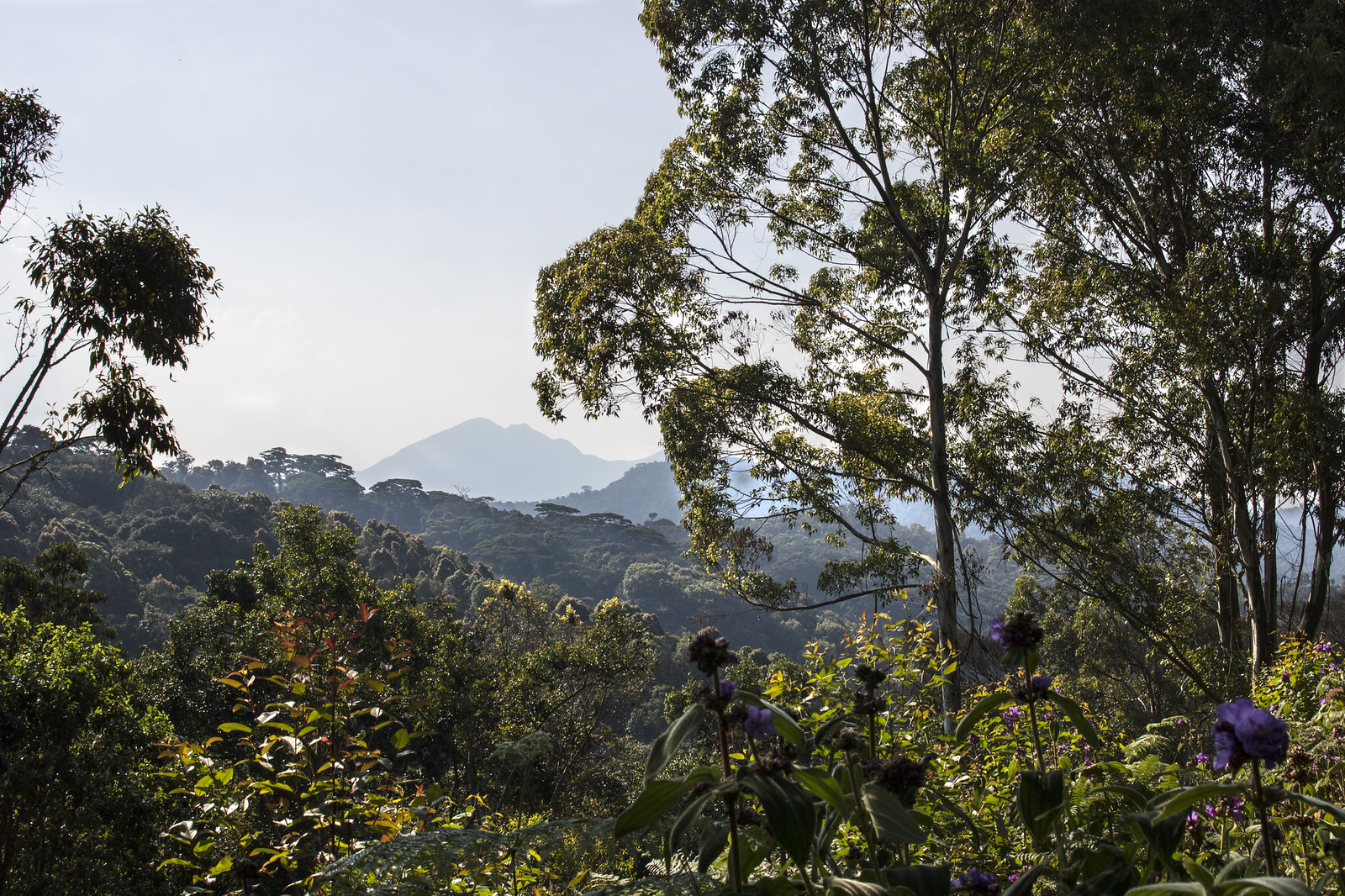
Deep in the central rainforests of the Democratic Republic of the Congo (DRC) lies a place few people have ever seen yet one of the most important wilderness areas on Earth: Salonga National Park. It is not a park of open savannahs or wide plains dotted with big game. Instead, Salonga is an expansive tropical rainforest, a vast labyrinth of rivers, dense foliage, and rich biodiversity that spans nearly 36,000 square kilometers (13,900 square miles) — making it the largest tropical rainforest reserve in Africa and one of the biggest on the planet.



Attractions In Rwanda
Attractions In Tanzania
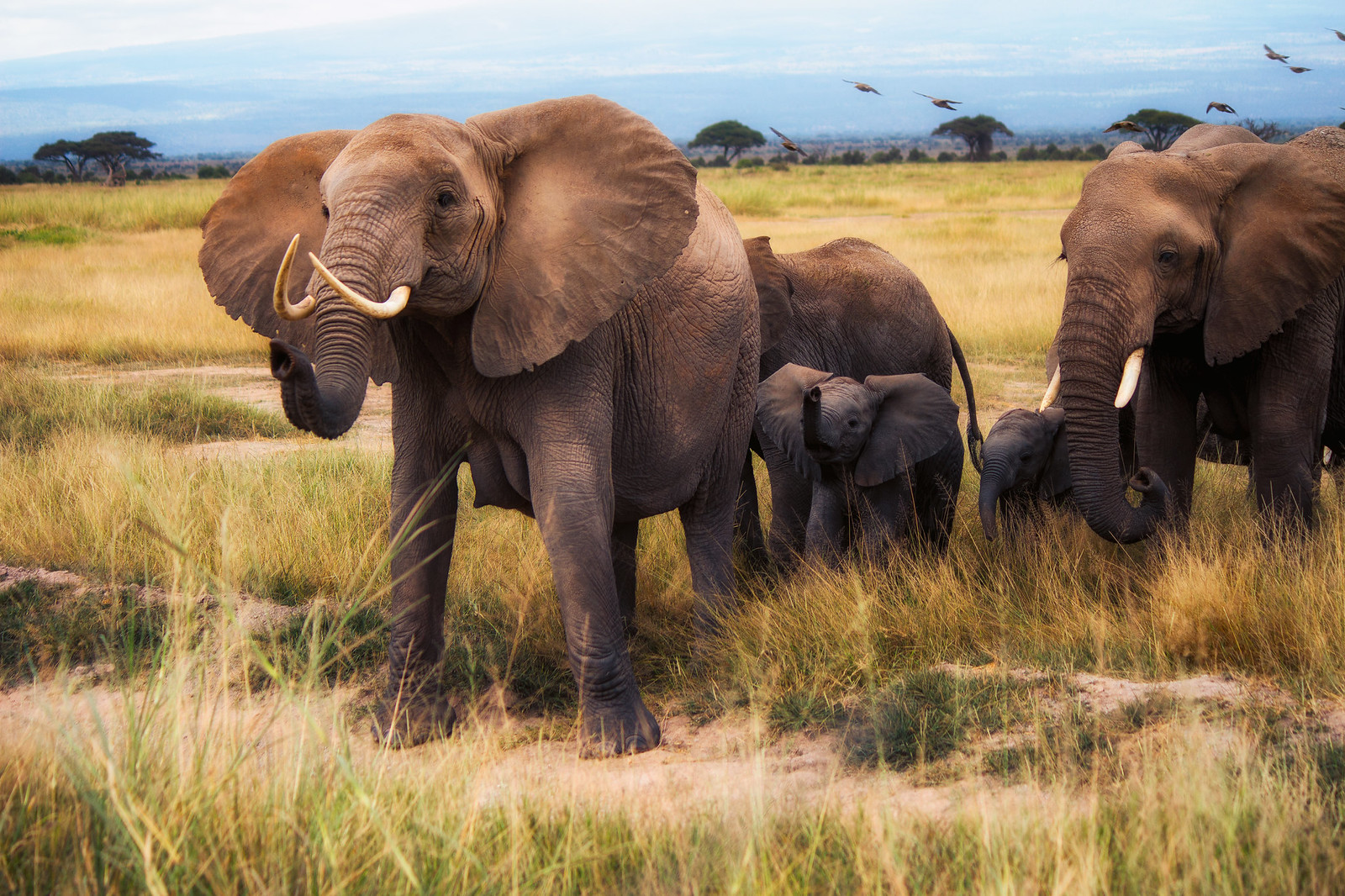
Salonga National Park
Designated a UNESCO World Heritage Site in 1984, Salonga is remarkable for its size, its isolation, and the uniqueness of the species that depend on its shaded canopies and winding waterways. It is a realm of forest giants and elusive primates, secretive birds, and ancient ecosystems that have persisted for millennia — a place where nature still writes her own story.
Salonga National Park: National Parks and Protected Areas
A Vast Green Heart in the Congo Basin
Salonga National Park occupies a central position within the Congo Basin, the second‑largest rainforest on Earth after the Amazon. This vast green web plays a vital role in regulating climate, storing carbon, cycling nutrients, and sustaining life not just within the DRC but across the African continent and beyond.
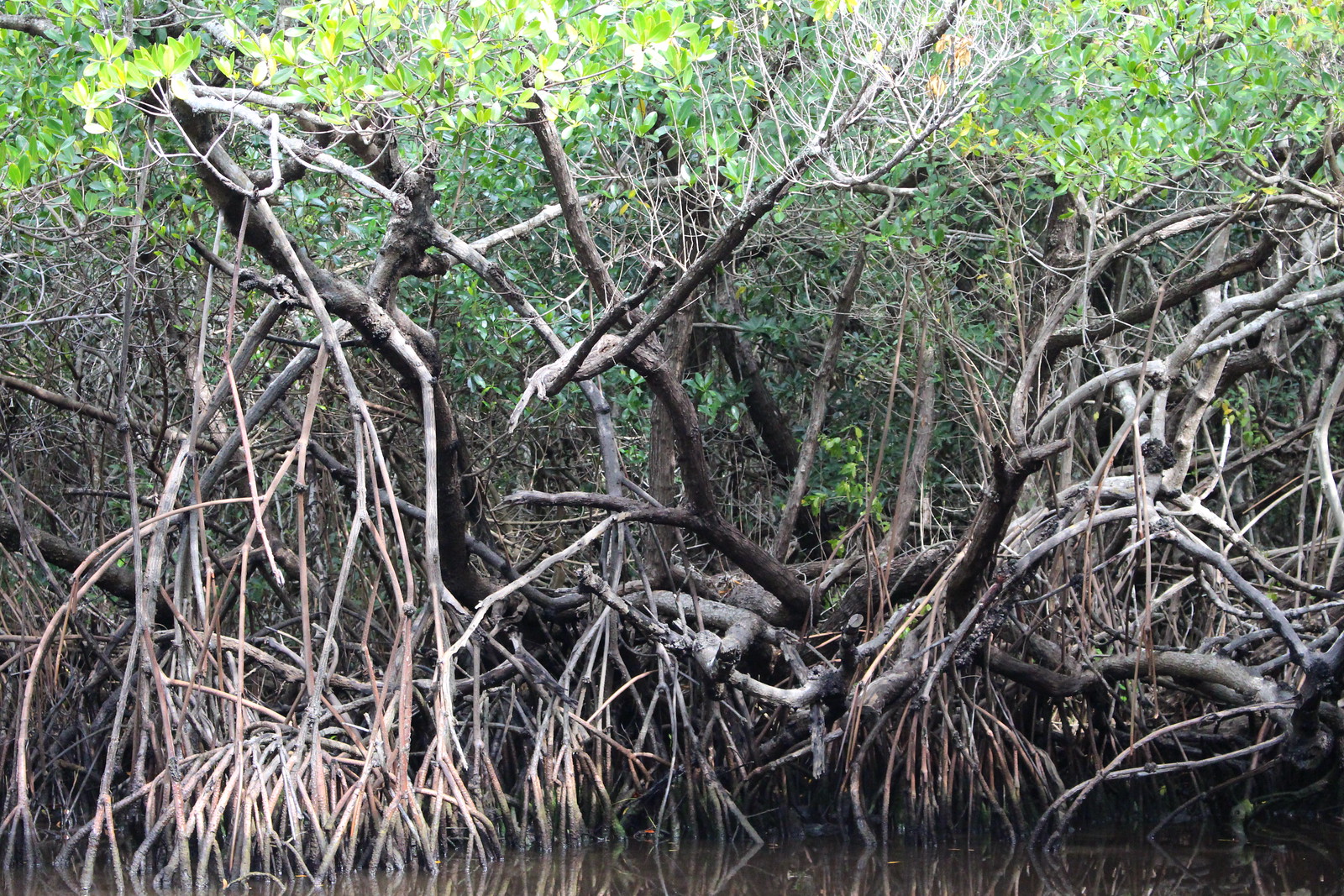
The park’s landscape is defined by broad, slow‑moving rivers — notably the Busira, Salonga, and Luilaka — which snake through lowland forest, creating a network of aquatic corridors that support abundant wildlife. Intermittent wetlands, flooded forest edges, and dense understory thickets shape a complex mosaic of habitats that remain largely untouched by humans due to Salonga’s remoteness and difficult access.
The Wildlife of Salonga: Forest Gems and Endemic Species
Salonga’s wildlife is a reflection of its unique ecological position. Unlike savannah parks with big herds of grazers and large predators, Salonga specializes in forest‑adapted species, many of which are rare, threatened, or found nowhere else on Earth.
Bonobos: Our Closest Living Relatives
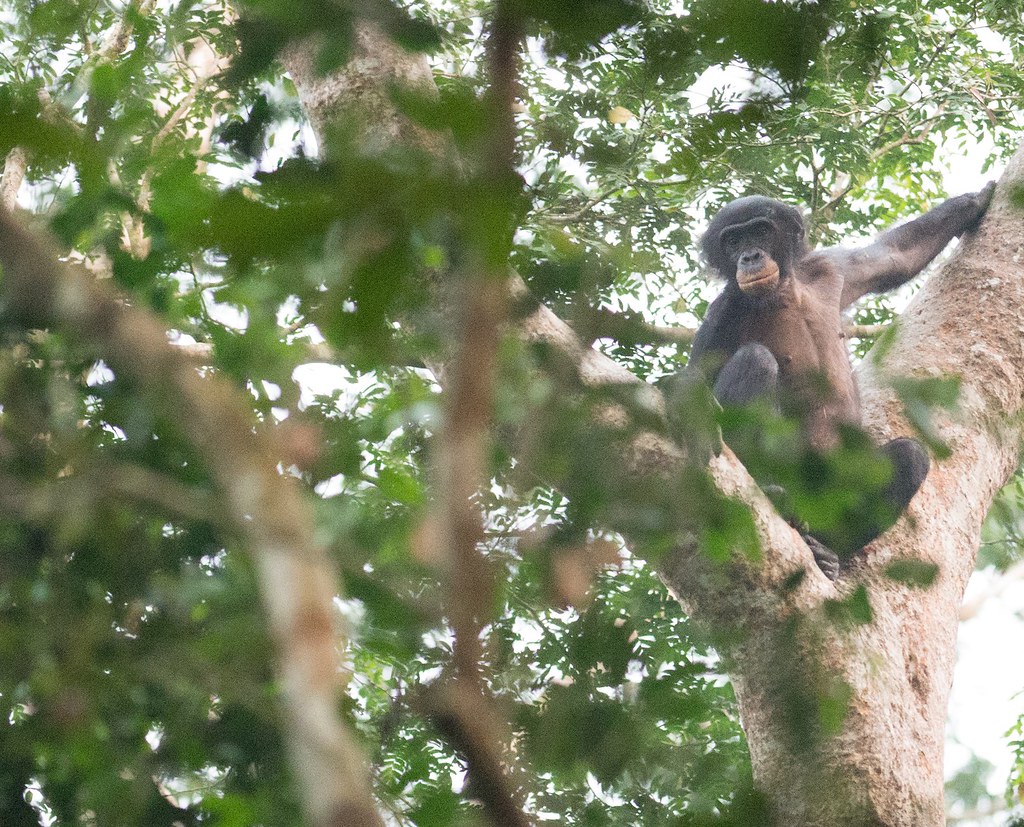
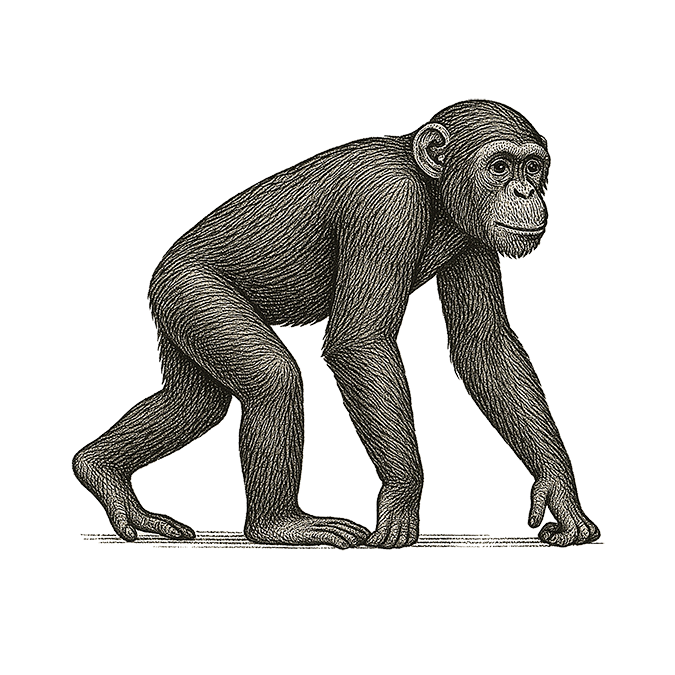
Salonga National Park is one of the last strongholds of the bonobo (Pan paniscus), a great ape species known for its intelligence, complex social behavior, and peaceful societies. Bonobos share approximately 98.7% of their DNA with humans, making them one of our closest living relatives. While chimpanzees are more widespread across Africa, bonobos are confined to the rainforests of the DRC.
Watching bonobos in the wild is a transformational experience. They use tools, laugh, play, groom, and engage in social interactions that reveal rich cultural patterns. Bonobo families travel, forage, and rest in the forest canopy, and their presence in Salonga is one of the park’s most compelling reasons for conservation.
Forest Elephants
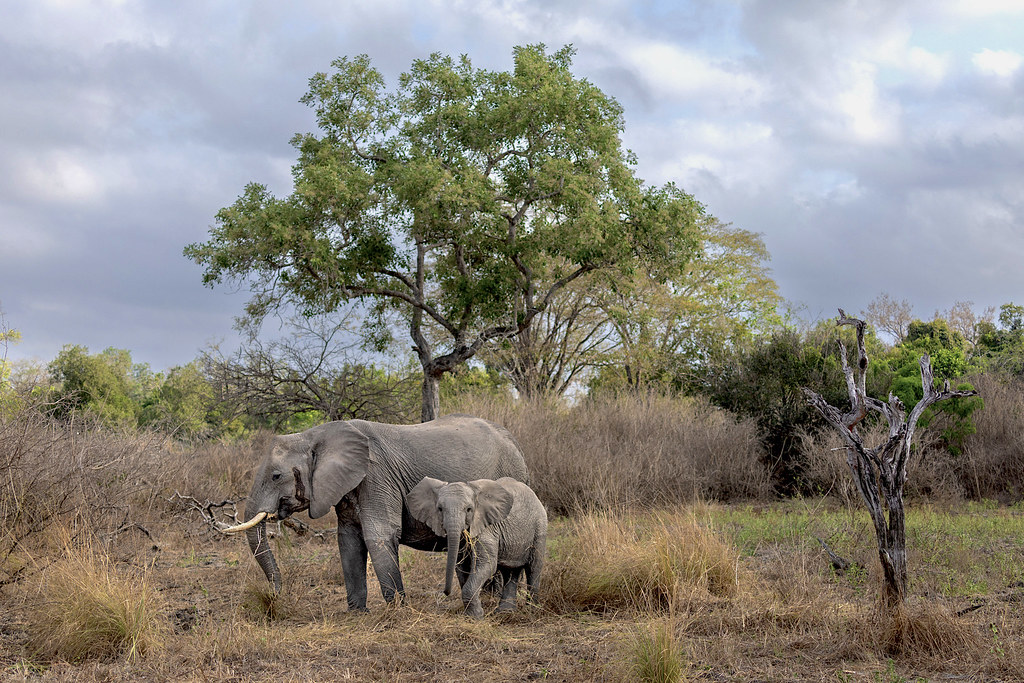
Salonga is also home to the African forest elephant (Loxodonta cyclotis), a smaller, more elusive cousin of the savannah elephant. Forest elephants play a critical ecological role: they disperse seeds of large fruiting trees, shape forest structure through their movements, and contribute to nutrient redistribution. Their presence deep within Salonga’s forests underscores the park’s importance as a refuge for species vulnerable to poaching and habitat loss elsewhere.
Congo Peafowl: A Symbol of Rainforest Rarity
Birdwatchers who venture into Salonga may encounter the Congo peafowl, a forest bird endemic to the DRC and one of Africa’s rarest. With iridescent plumage and a shy nature, this species is considered a flagship bird for Central African rainforest conservation. Other forest bird species — turacos, hornbills, kingfishers, and sunbirds — add color and song to the forest’s tapestry.
Other Mammals and Forest Dwellers
Salonga’s forests support a range of other mammals, including duikers, bongos, sitatungas (a marsh‑adapted antelope), giant forest hogs, pangolins, and numerous rodents. Reptiles and amphibians thrive in wetland habitats, while butterflies, beetles, and countless invertebrates play vital roles in forest ecosystems. Many of these species remain poorly studied, making Salonga a frontier for scientific research and discovery.
Living in Isolation: The Ecology of a Hidden World
Salonga’s isolation is both an ecological treasure and a logistical challenge. There are no major roads into the heart of the park; access is principally by river transport, navigating twisting waterways from distant towns such as Mbandaka or Ikela. The lack of infrastructure has kept human pressure relatively low, allowing ecosystems to function with remarkable continuity. But this isolation also makes research, monitoring, and even tourism difficult to develop.
For scientists, Salonga represents an ecological archive — a place where ancient forest processes continue with minimal human interference. For wildlife, it remains a refuge from expanding agriculture, settlement, and resource extraction that have degraded forests elsewhere in the Congo Basin.
Conservation Challenges and Protection Efforts
Despite its remoteness, Salonga National Park faces serious conservation threats. Bushmeat hunting, illegal fishing methods, and the encroachment of human activities along park boundaries put pressure on wildlife populations. Poaching for ivory and meat has historically affected elephants and bonobos, while mining and logging interests continue to test the effectiveness of protection.
The park is managed by the Congolese Institute for Nature Conservation (ICCN) with support from international partners focused on ranger patrols, wildlife monitoring, and community engagement. Efforts aim to strengthen law enforcement inside the park while fostering sustainable livelihoods for communities living along the forest edges.
Visiting Salonga: A True Rainforest Expedition
Travel to Salonga National Park is not for the faint of heart or the convenience seeker. It is a true expedition — a journey into deep rainforest where rivers are highways, wildlife is abundant yet often hidden, and communication with the outside world may be limited.
Getting There
Most visitors begin their journey from Mbandaka, a river port city on the Congo River. From there, travel continues by boat up the Ruki and Busira rivers to reach remote forest stations along Salonga’s edge. These river journeys can take days, winding through shaded channels and open wetlands, providing early encounters with waterbirds, monkeys, and other forest life.
Expeditions and Trackers
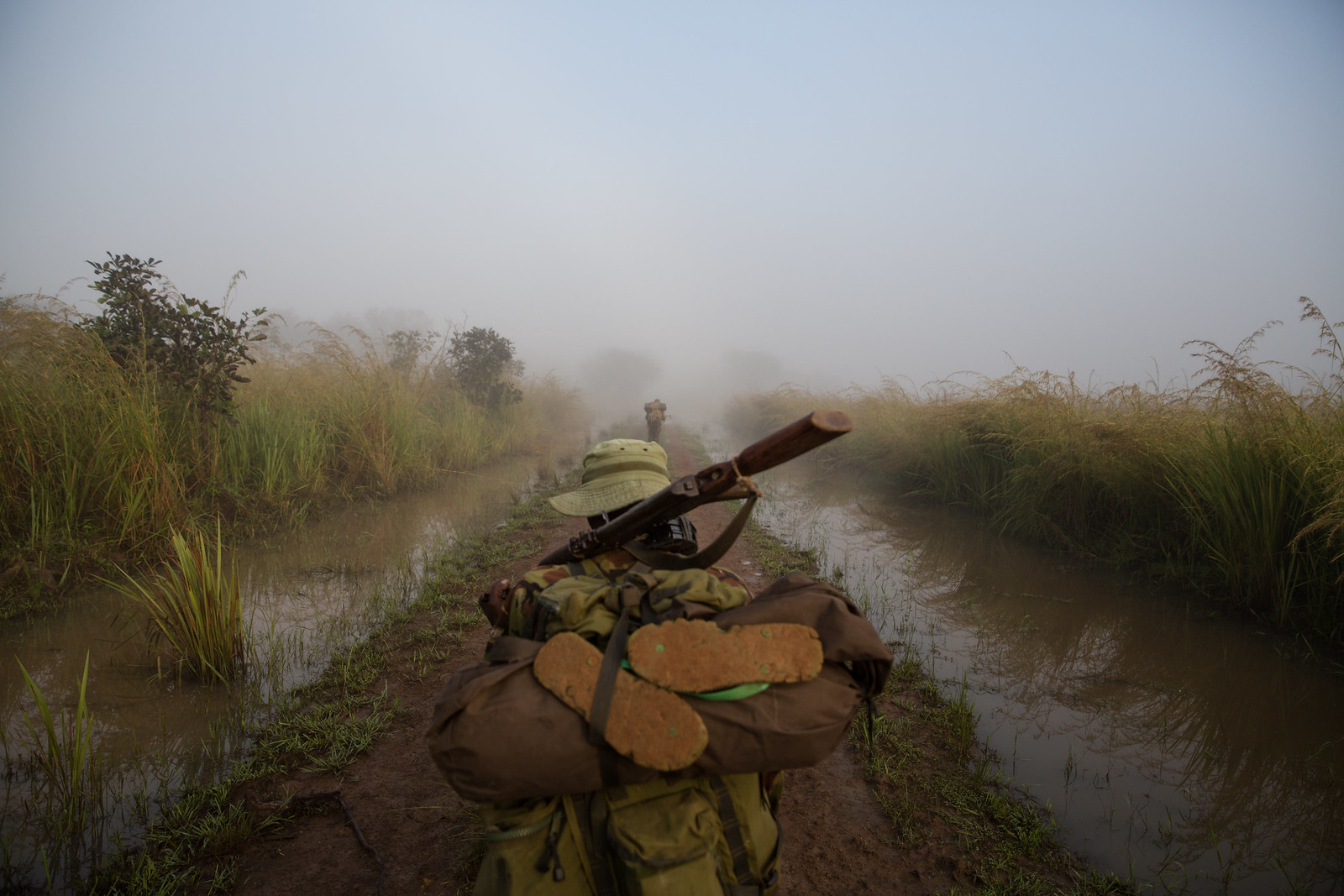
Given the park’s size and complexity, guided expeditions are essential. Experienced park rangers, trackers, and local guides lead groups into areas where bonobos and other wildlife are known to occur. These treks are often on foot and may involve navigating muddy terrain, crossing streams, and listening intently for animal calls.
What to Pack
Travelers should prepare for humid conditions, rain, insects, and remote living. Essential items include waterproof gear, sturdy hiking boots, insect repellent, river‑worthy bags, binoculars, and plenty of drinking water. Accommodation tends to be basic forest camps or lodges outside the core park area, emphasizing comfort through simplicity and immersion rather than luxury amenities.
Ethical Tourism
Visiting Salonga ethically means minimizing impact on wildlife and habitats. Maintaining distance from animals, following park guidelines, and avoiding any disruption of natural behavior are crucial. Supporting local guides and community‑based enterprises ensures that tourism benefits resident populations and contributes to conservation goals.
Why Salonga Matters
Salonga National Park is more than a protected area — it is a key piece of the Earth’s natural heritage. Its forests store vast amounts of carbon, helping stabilize global climate patterns. Its rivers influence hydrological cycles that reach far beyond the park’s boundaries. Its wildlife — especially bonobos and forest elephants — represents evolutionary lineages found nowhere else.
For conservationists, Salonga is a priority: a place where sustained protection can safeguard entire ecosystems and tens of thousands of species. For adventurers, it offers a rare chance to witness Africa’s deep forests in a form that has survived centuries of human change. For the world, it stands as a reminder that the planet’s wildest places still matter — not just for their beauty, but for their essential roles in sustaining life itself.Salonga National Park is a hidden giant: vast, rich, and pulsating with life that thrives beyond human view. It challenges our notion of what a safari can be, offering depth over openness, mystery over spectacle, and profound connection over convenience.In a world where wild places are shrinking, Salonga remains a sanctuary of shadows, sounds, and life in every shade of green. To visit, to protect, and to understand it is to honor some of the last great chapters of Earth’s natural story — a story that remains unwritten in many of its most remote forests.Salonga is not merely a destination; it is a primal wilderness refuge, where echoes of ancient ecosystems still resonate and where every river bend, every bird song, and every rustle in the undergrowth reminds us that nature’s wonders are both fragile and enduring.
Our Recommended Tour Ideas
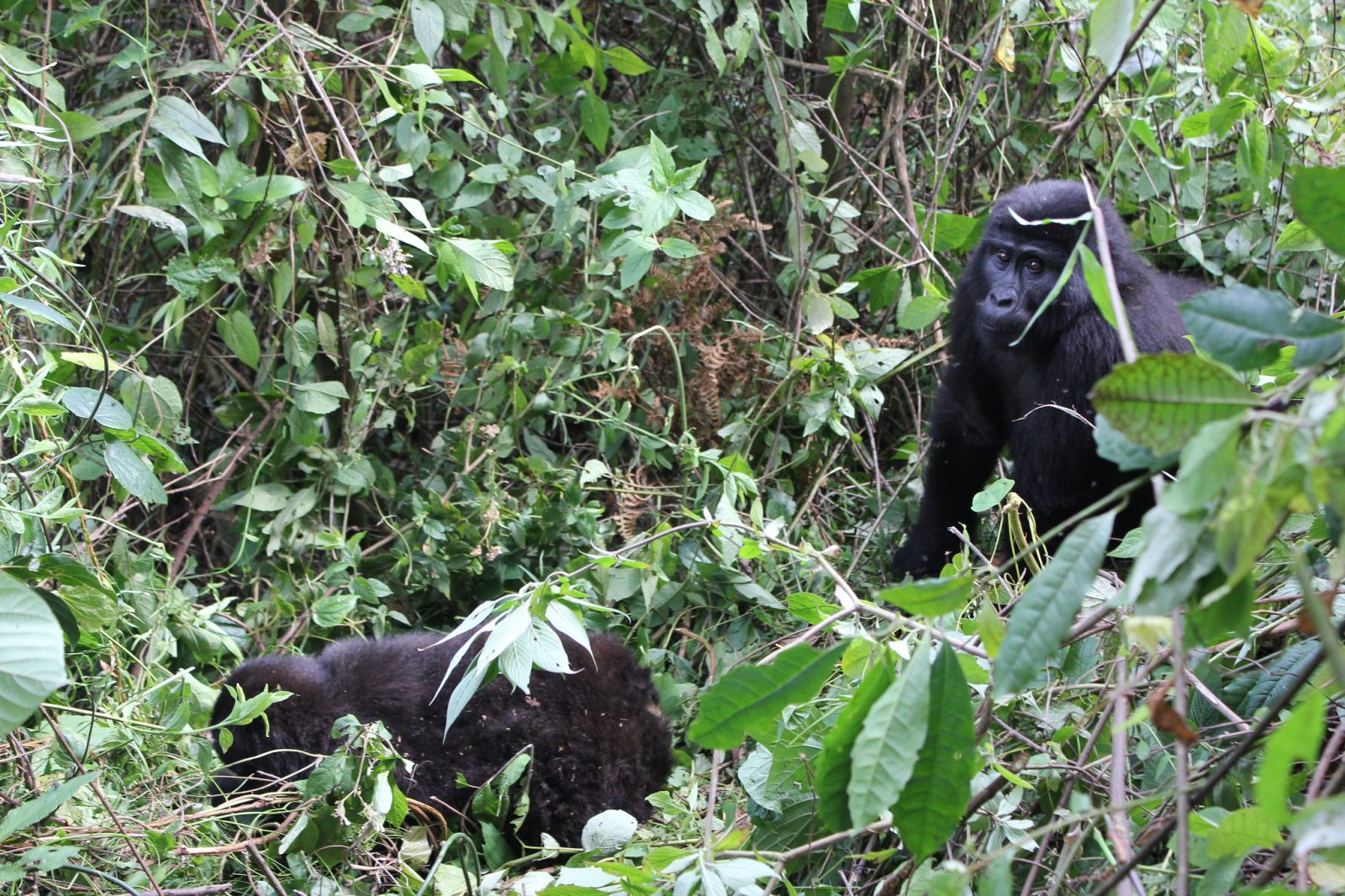
Two unforgettable gorilla treks in Bwindi and Mgahinga with scenic landscapes and primate encounters.
Please the content should be 110 characters.

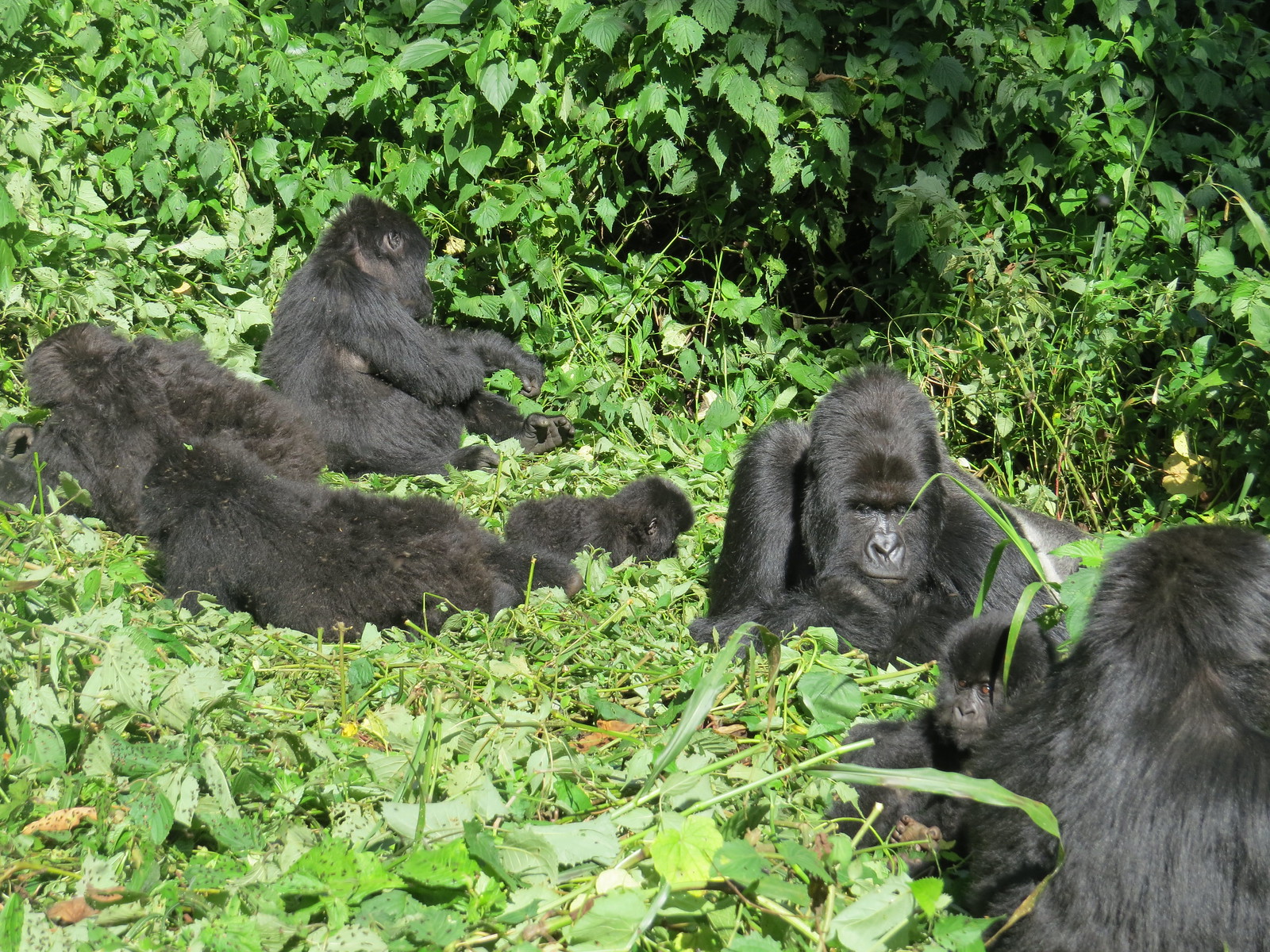
13 Days Uganda Rwanda Tour with Gorilla Trekking, Wildlife Safaris, Chimpanzee Tracking & Scenic Volcano Adventures

Please the content should be 130 characters.

Please the content should be 130 characters.
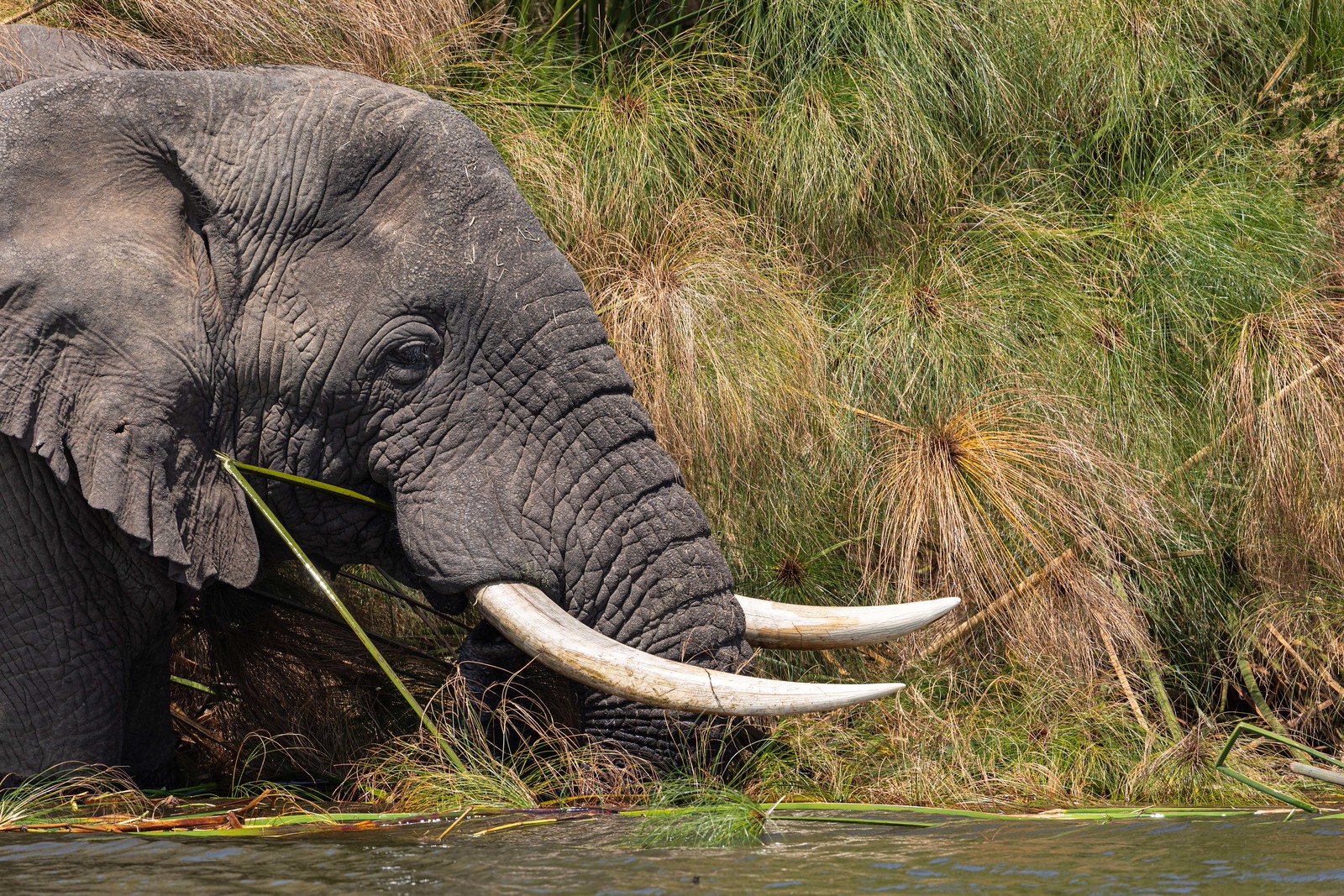
Gorilla trekking in Rwanda and Big Five game drives in Akagera National Park with scenic landscapes.
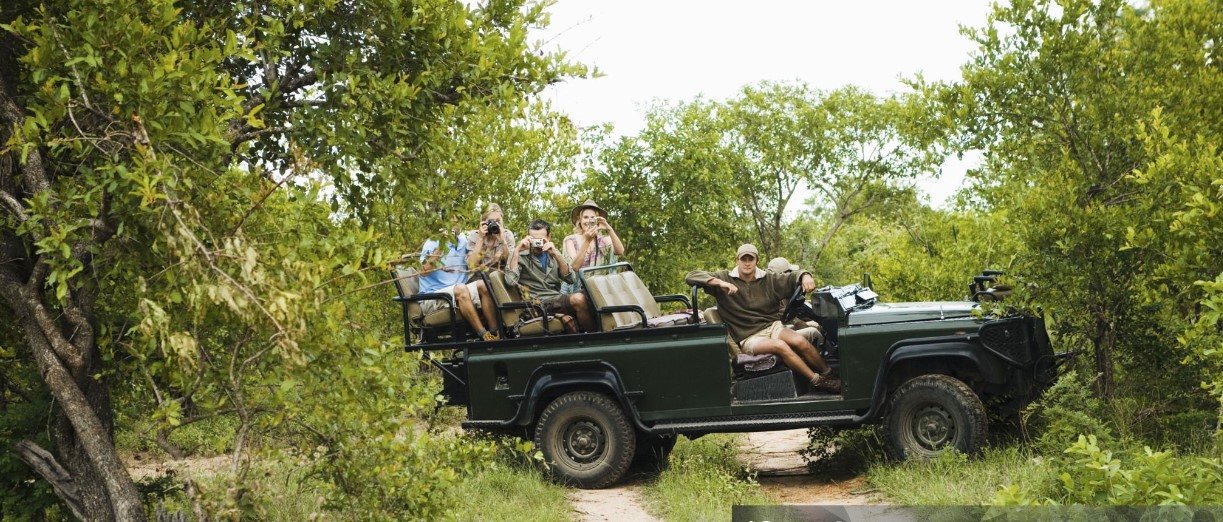
10 days in Uganda with group gorilla trekking, chimp tracking, Big Five safaris, and diverse wildlife adventures.
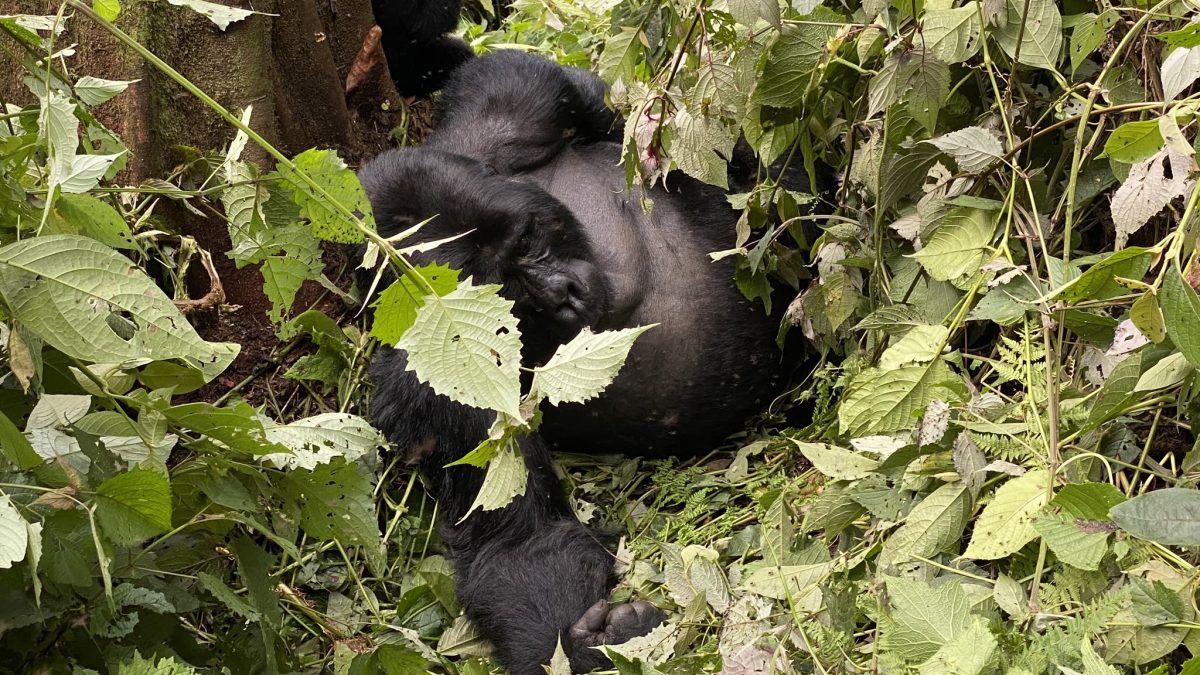
Please the content should be 130 characters.
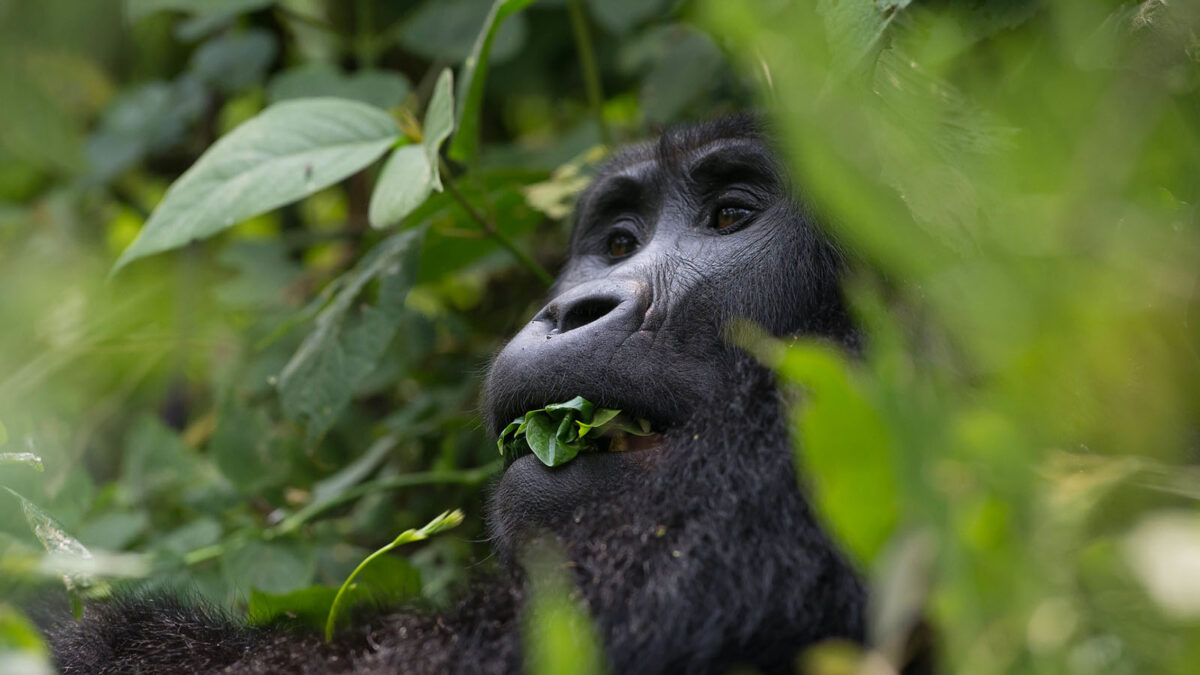
Please the content should be 110 characters.
What Our Travelers Enjoyed About Primate Safaris

Gorillas "Silverback"
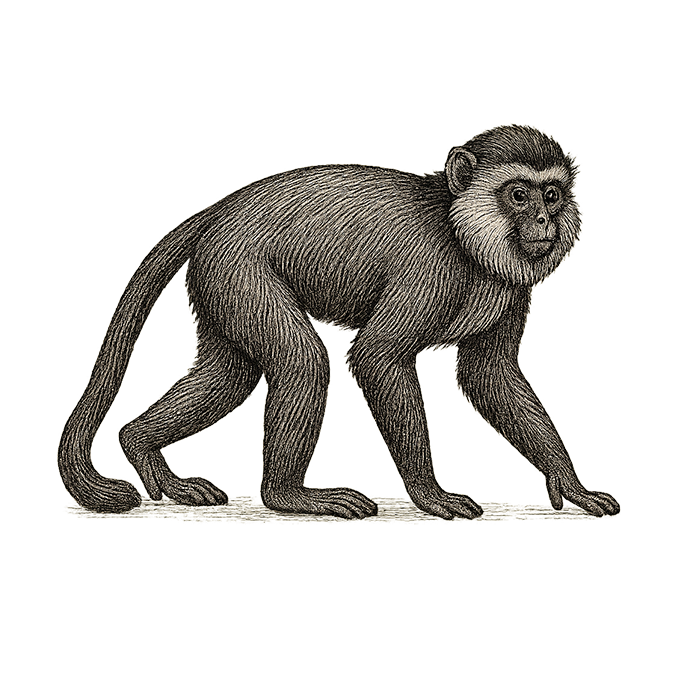
Golden Monkey "Photogenic"
Chimpanzees "Pant-hoot"