
Garamba National Park
January 28, 2026
Maiko National Park
January 28, 2026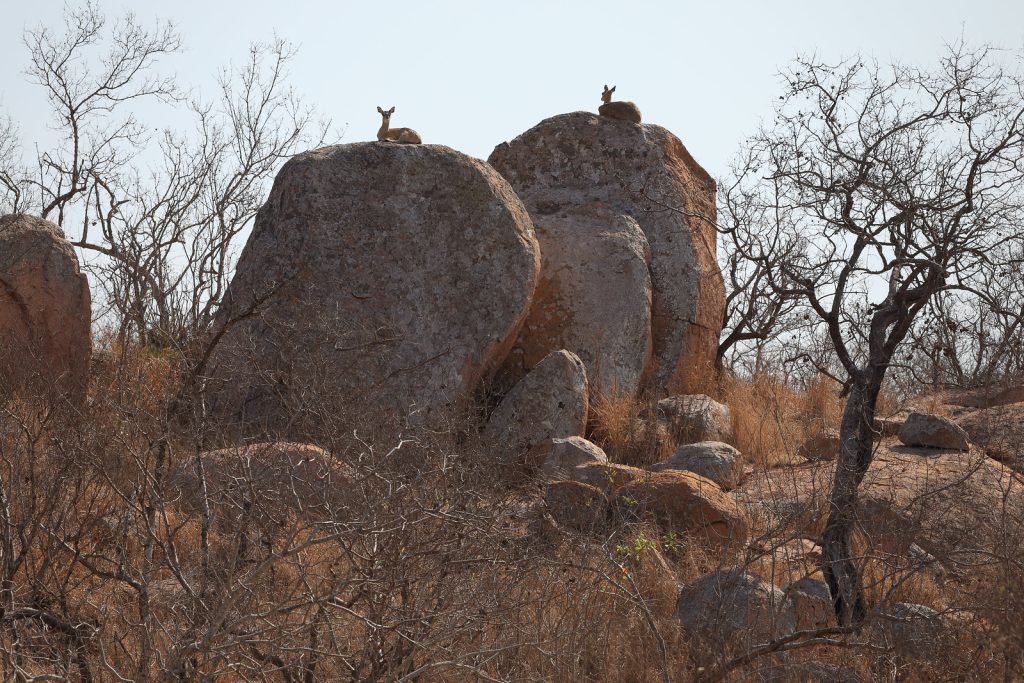


Upemba National Park
Upemba National Park is one of Central Africa’s most extraordinary and under‑appreciated wilderness areas. Stretching across rugged plateaus, lush valleys, and expansive wetlands in the southeastern Democratic Republic of the Congo (DRC), this vast protected landscape is a tapestry of ecosystems — from grasslands to forests, lakes to rivers — that together support rich biodiversity, ancient cultural heritage, and remarkable wildlife encounters far from the beaten path.


Attractions In Rwanda
Attractions In Tanzania
Upemba National Park
Often overshadowed by more famous parks in East and Southern Africa, Upemba offers an experience that feels deeply authentic and profoundly wild. Visiting here is not about luxury lodges or crowded game drives but about venturing into a true African wilderness where landscapes unfold with raw beauty and wildlife thrives in ecosystems shaped by millennia.
Upemba National Park: National Parks and Protected Areas
A Landscape of Contrasts: From Plateaus to Marshes
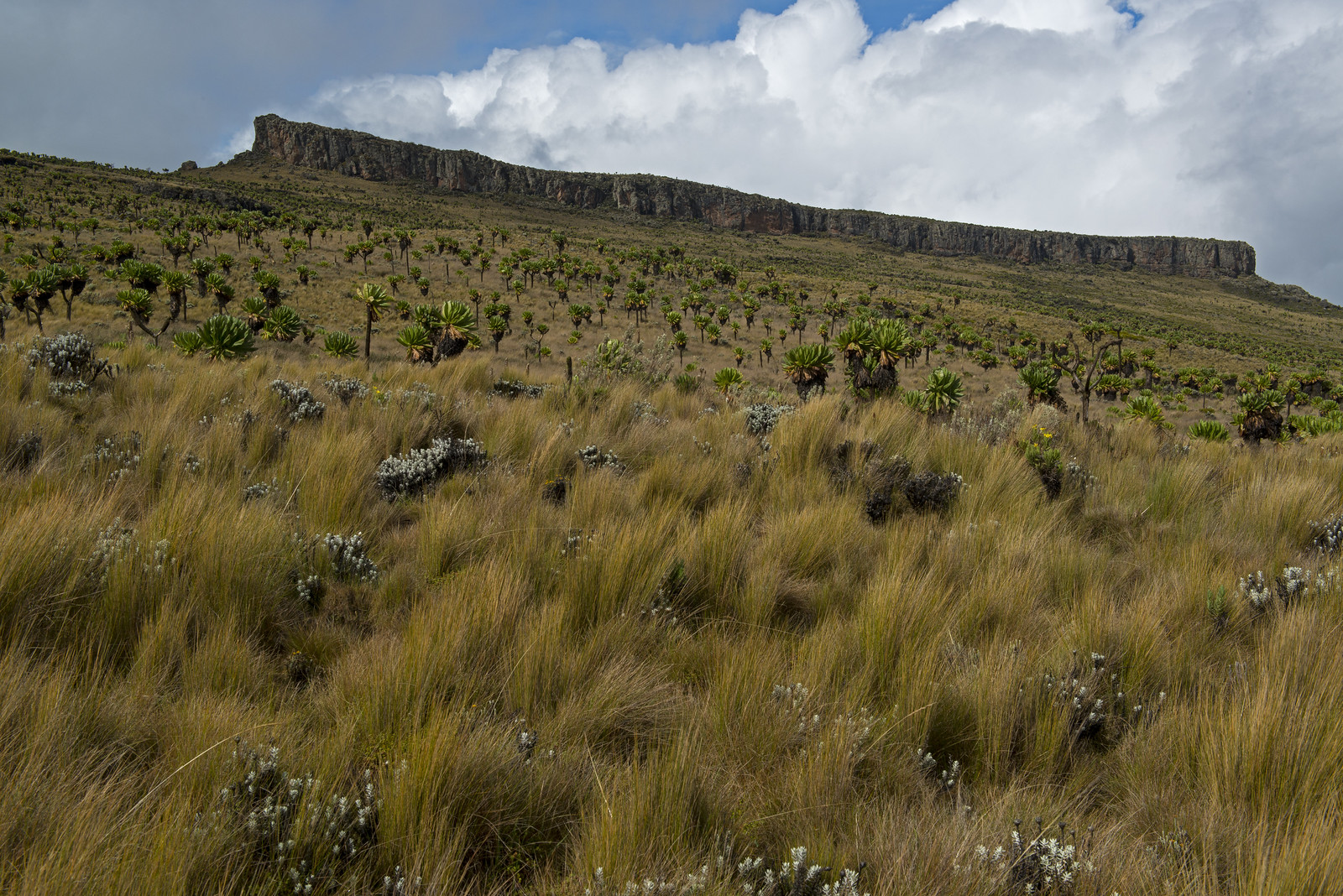
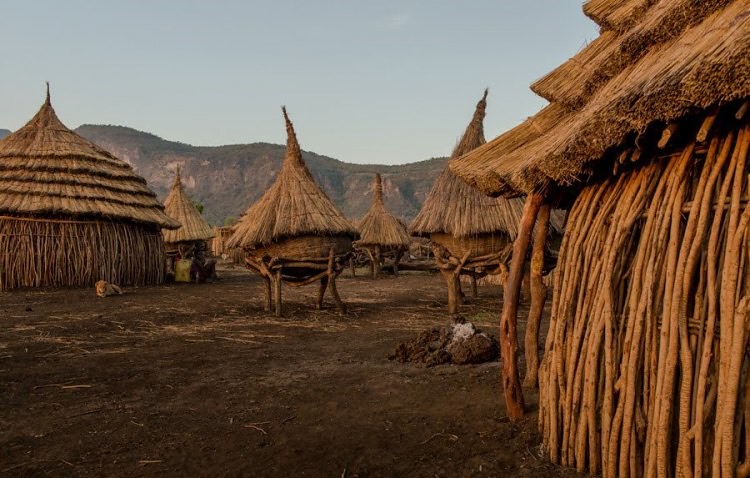
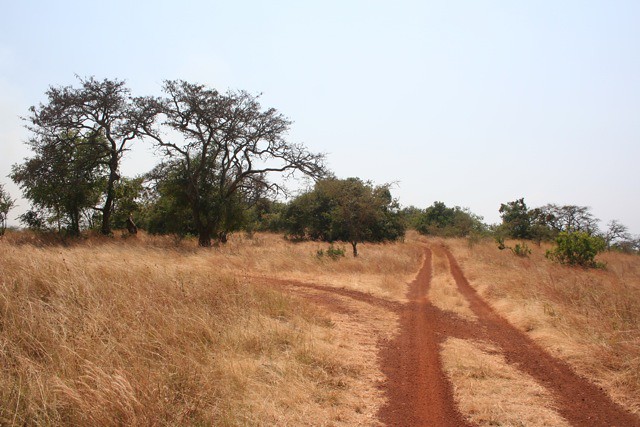
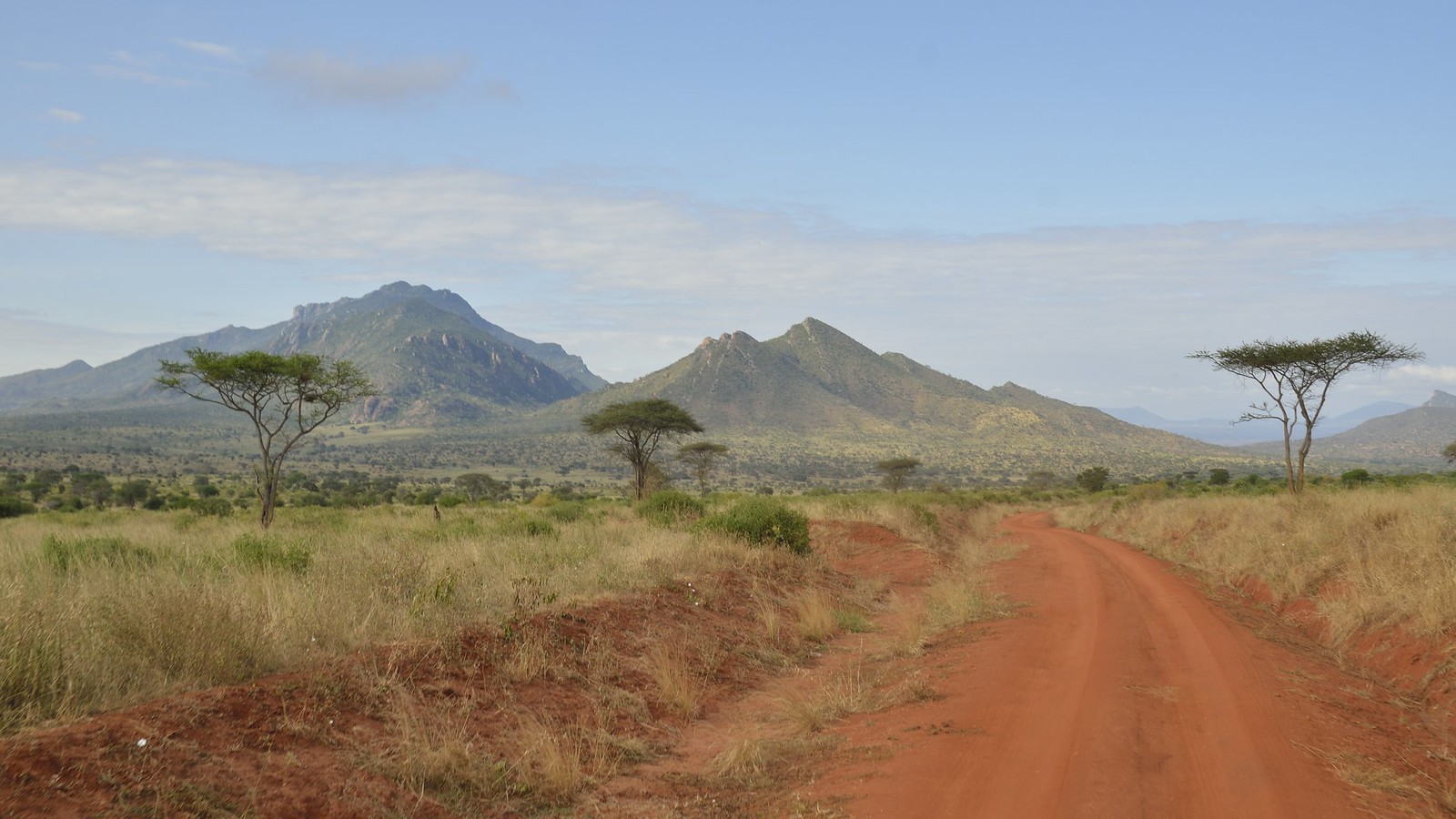
Upemba National Park covers over 10,000 square kilometers (4,000+ square miles) in southeastern DRC near the border with Zambia. What sets Upemba apart is its remarkable geographic diversity — a convergence of highland plateaus, deep valleys carved by ancient rivers, sprawling seasonal marshes, and clear lakes reflecting sky and mountain.
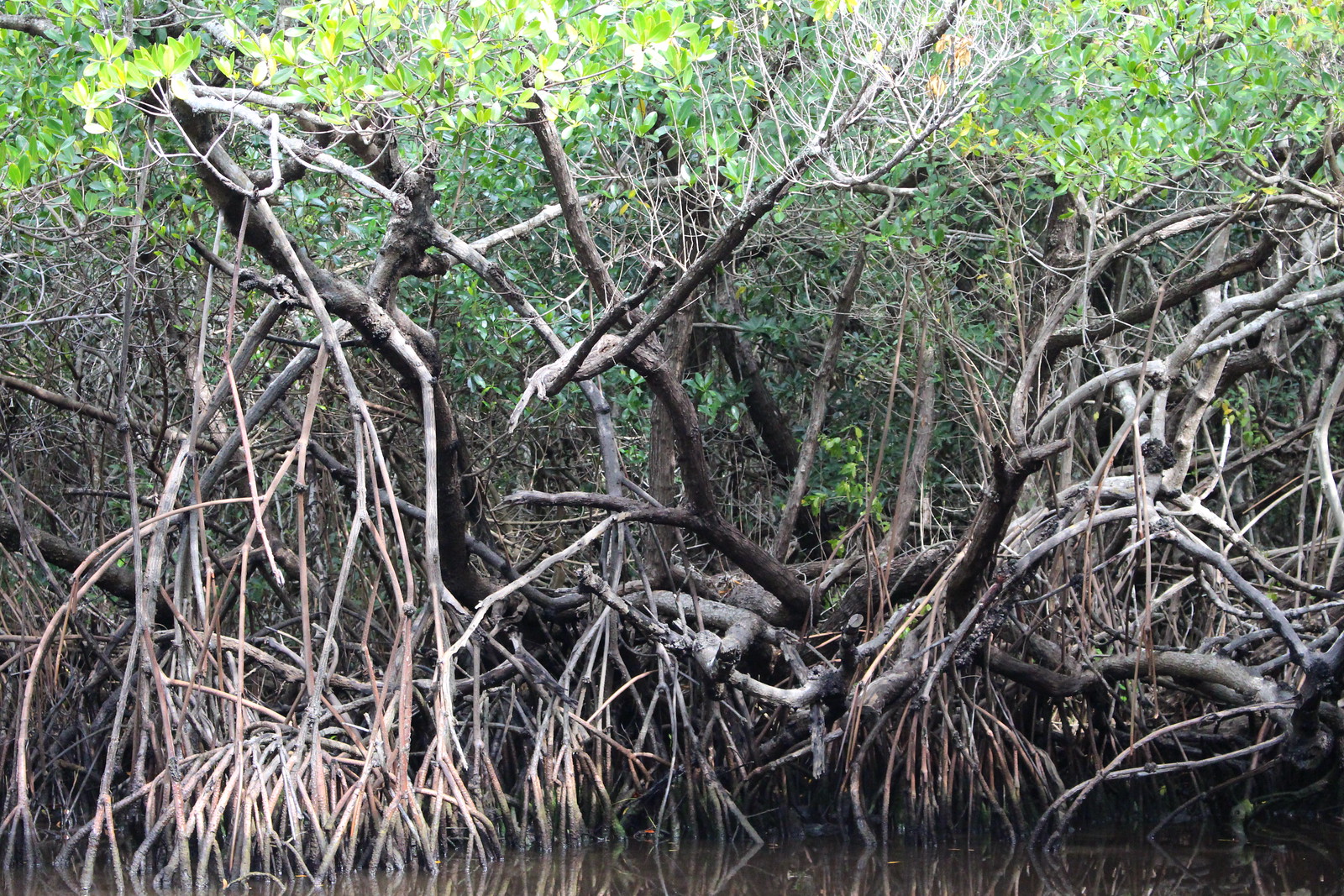
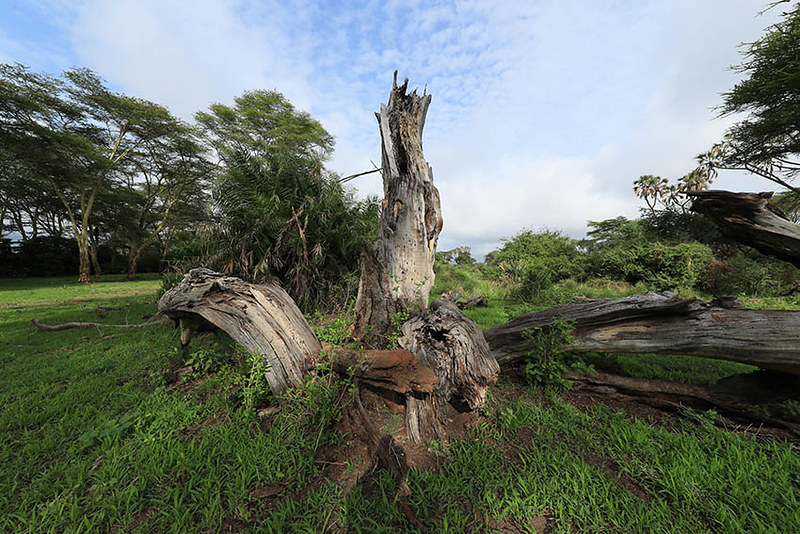
The park’s terrain is dominated by the Upemba Depression, a broad basin filled with a network of waterways and wetlands fed by rivers such as the Lualaba (upper Congo River) and its tributaries. These water sources nourish seasonal marshes and floodplains that attract enormous concentrations of wildlife.
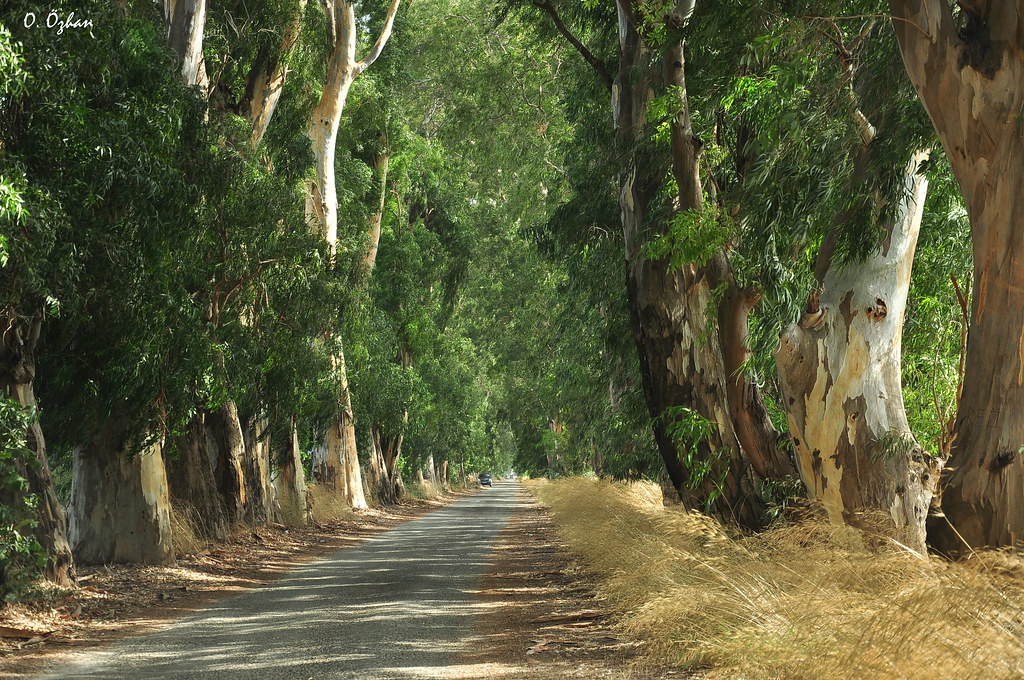
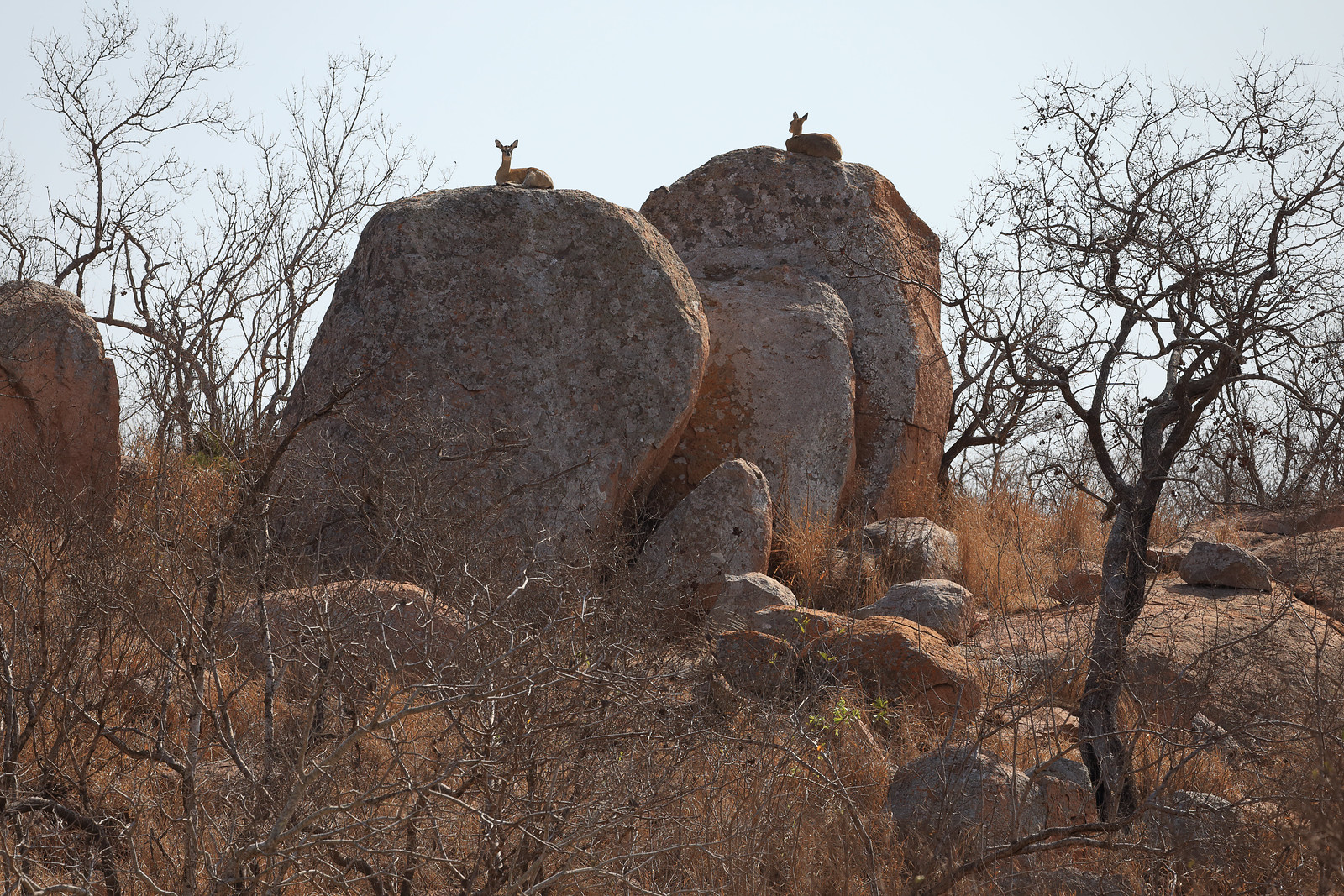
Surrounding this lowland mosaic are rolling hills, rocky outcrops, and wooded slopes that provide habitat for forest antelopes, primates, and elusive carnivores.
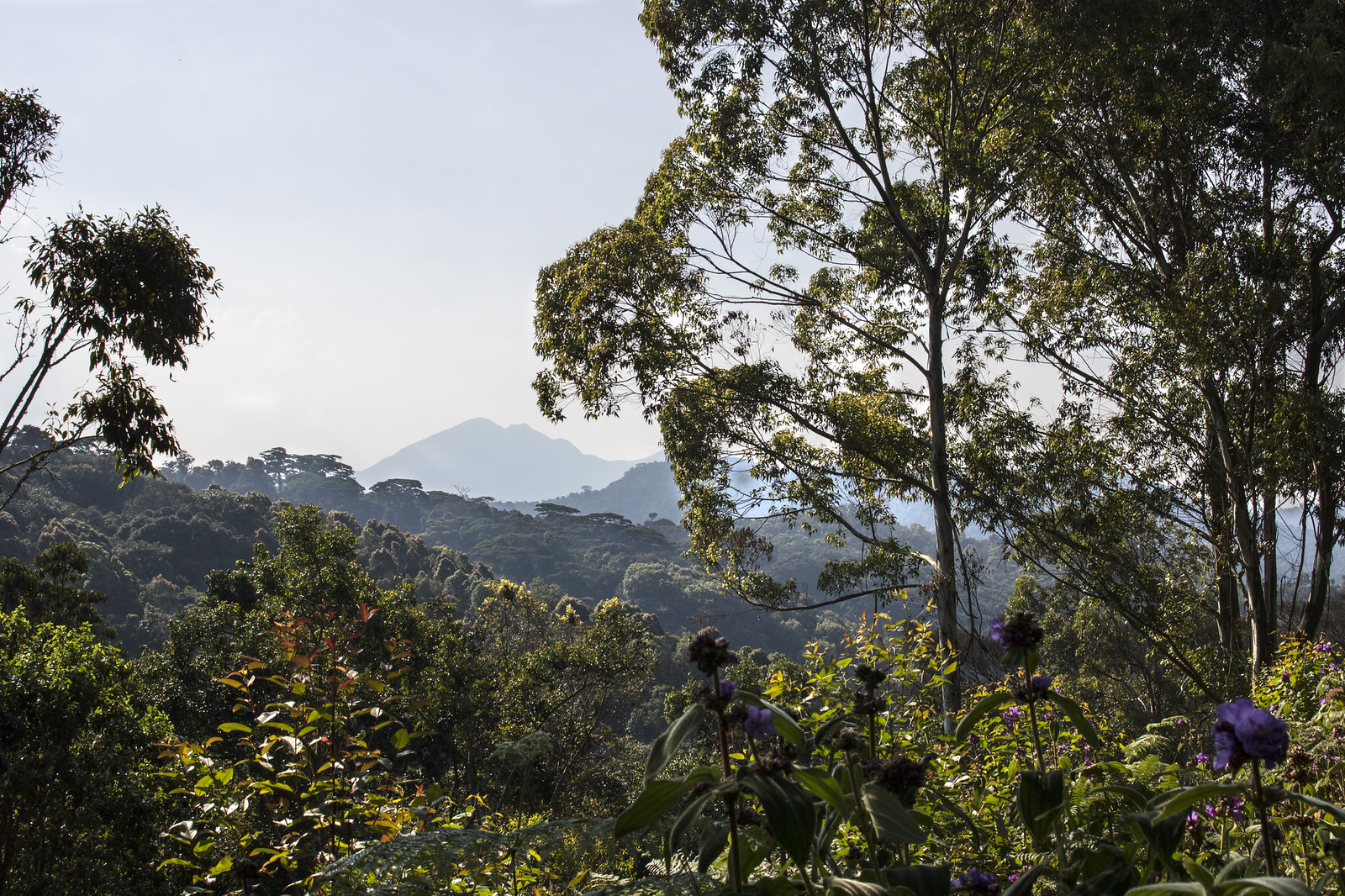
This interplay of water, grasslands, woodlands, and highland escarpments makes Upemba a biodiversity hotspot and a fascinating example of how varied African landscapes intersect within a single protected area.
A Mosaic of Wildlife: Plains, Water, and Forest Species
Upemba National Park supports a remarkable variety of wildlife, including species typical of both savannah and forest ecosystems. The park’s varied habitats accommodate large herbivores, rare antelopes, carnivores, abundant birdlife, and aquatic species — creating dynamic wildlife viewing opportunities throughout the year.
Elephants and Buffalo
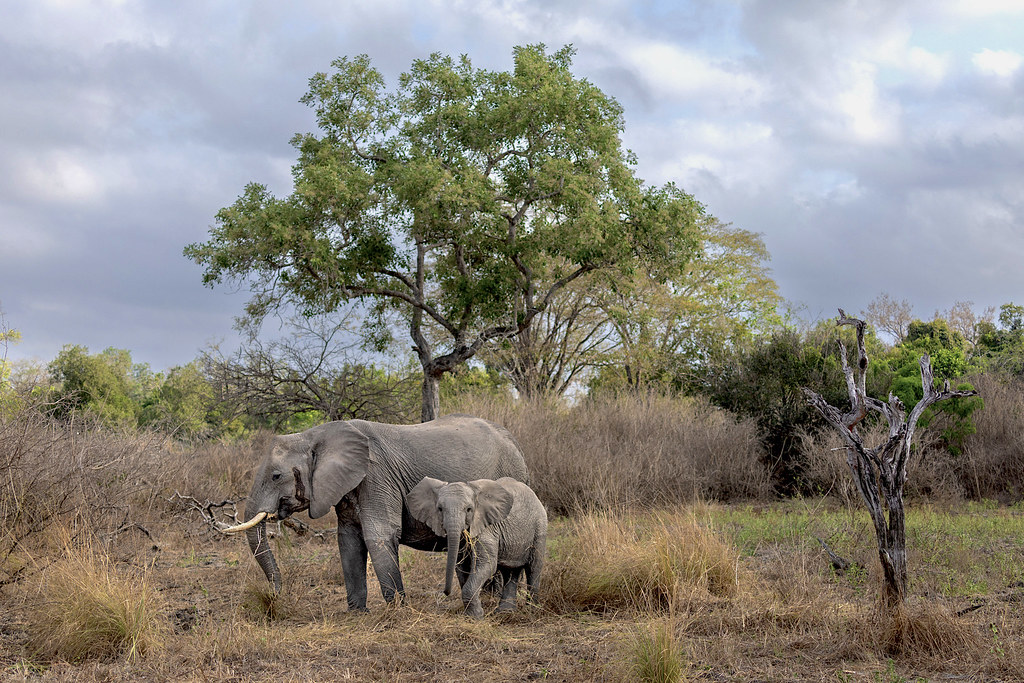
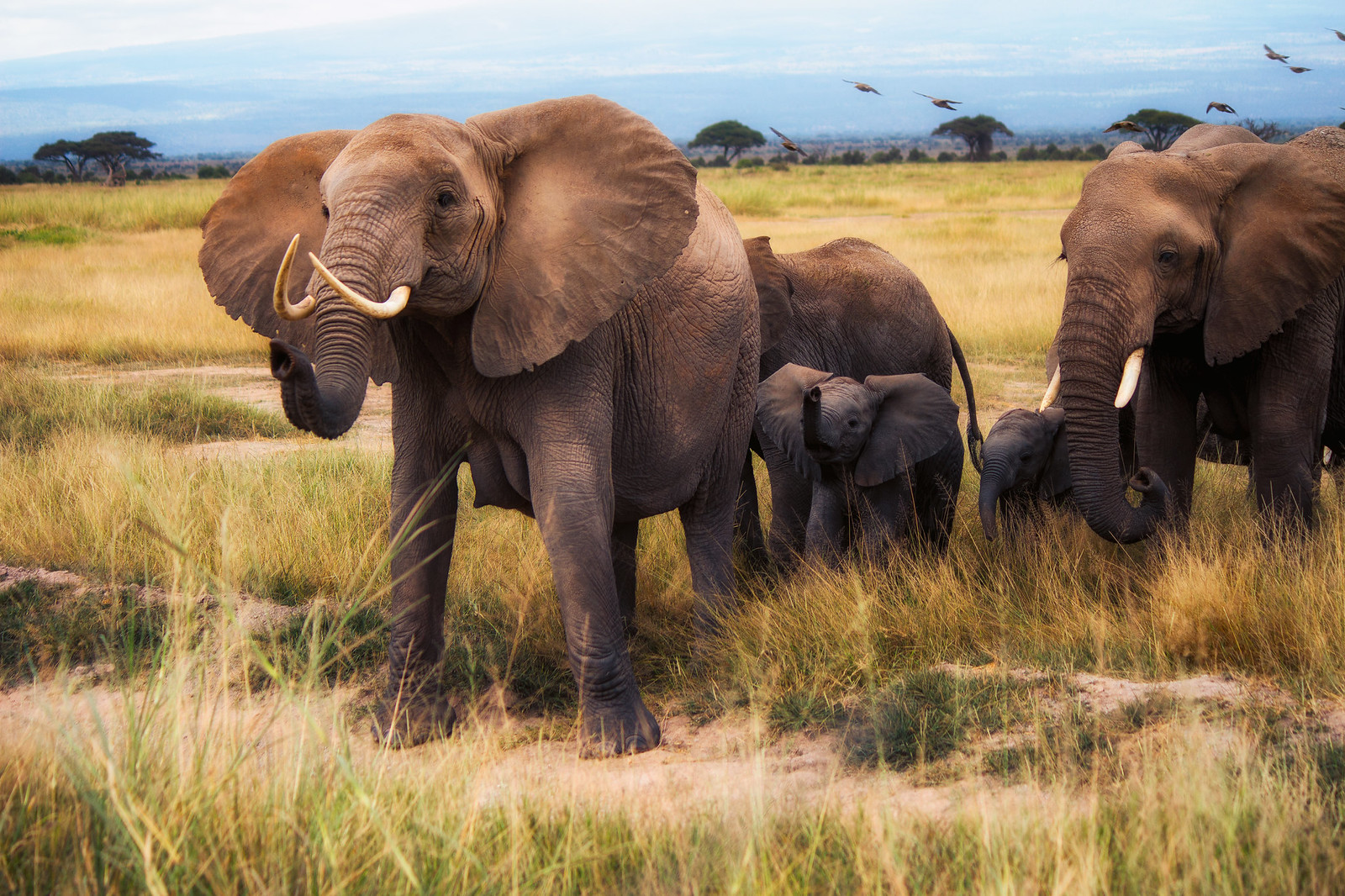
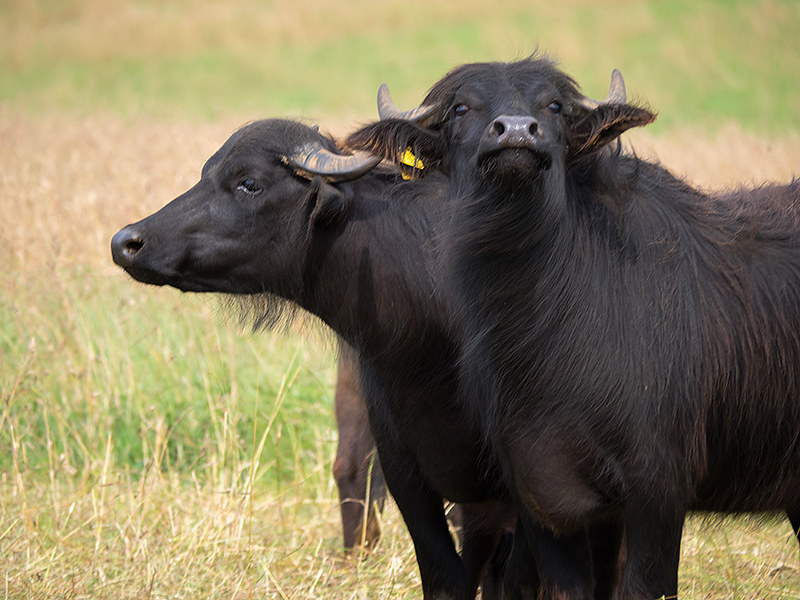
African elephants roam the park’s floodplains, riverbanks, and woodlands, often seen in family groups grazing on grasses or drinking at waterholes. Buffalo herds, large and social, move across the plains in search of water and pasture, lending an unmistakable presence to the park’s wild heart.
Sitatunga and Waterbuck
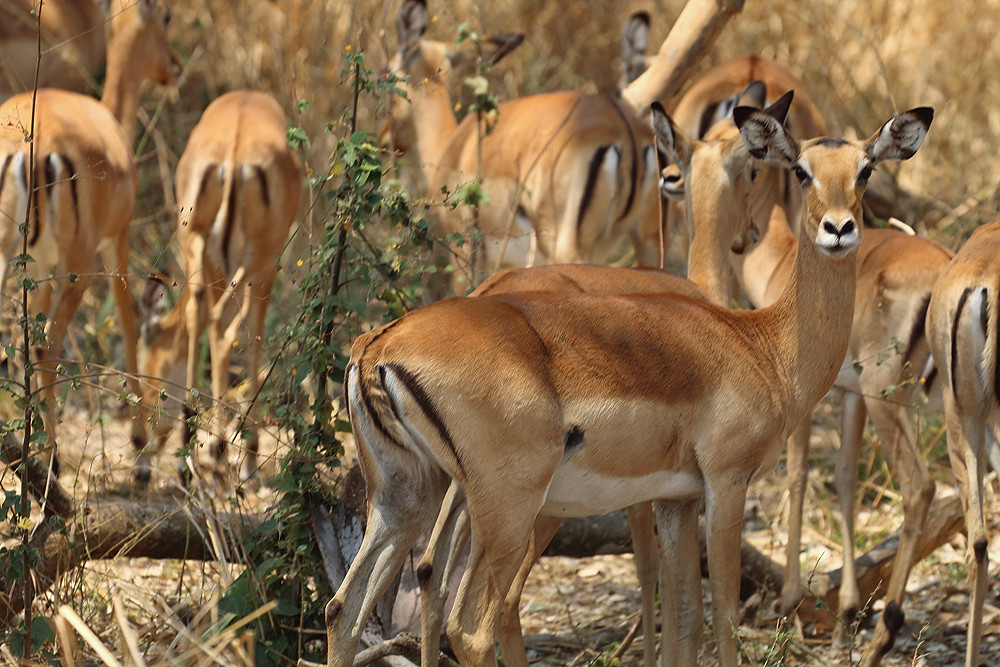
One of Upemba’s most fascinating species is the sitatunga, a swamp‑adapted antelope rarely seen elsewhere in Africa. With splayed hooves and a striking coat pattern, the sitatunga glides through reeds and marshes, perfectly adapted to watery terrain. Waterbuck also thrive along river edges and marshy grasslands, adding to the park’s rich herbivore diversity.
Carnivores: Lions, Cheetahs, and More
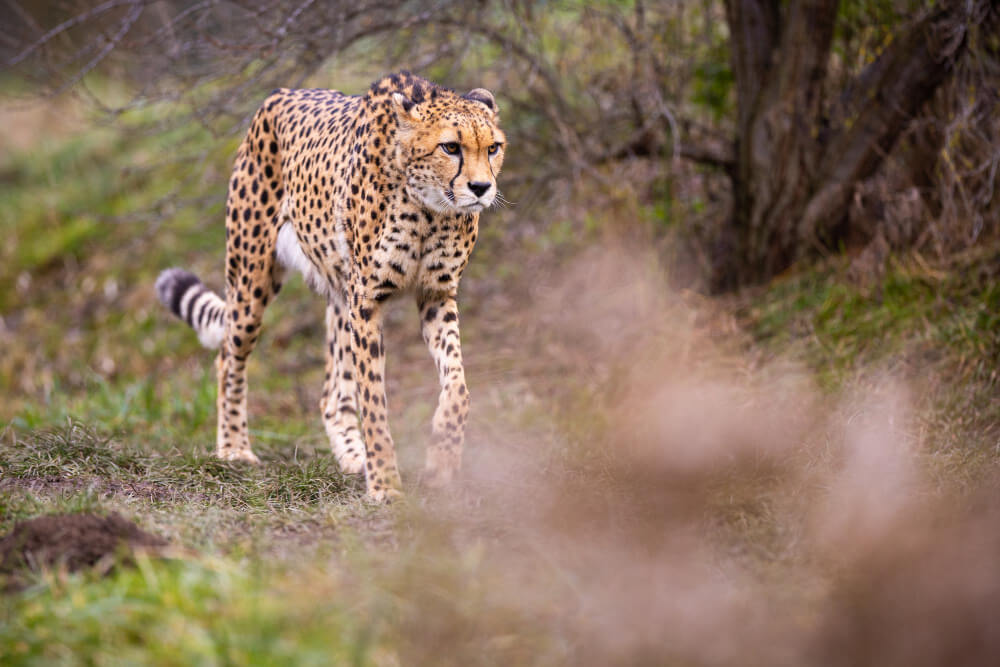
Carnivores such as lions patrol the grasslands and plains, while leopards lurk in wooded areas and rocky outcrops. Cheetahs, a rare and prized sighting in Central Africa, have been documented in parts of Upemba, offering a thrilling prospect for wildlife enthusiasts. Smaller predators — from jackals to servals — also find niches within the park’s varied ecosystems.
Primates and Forest Mammals
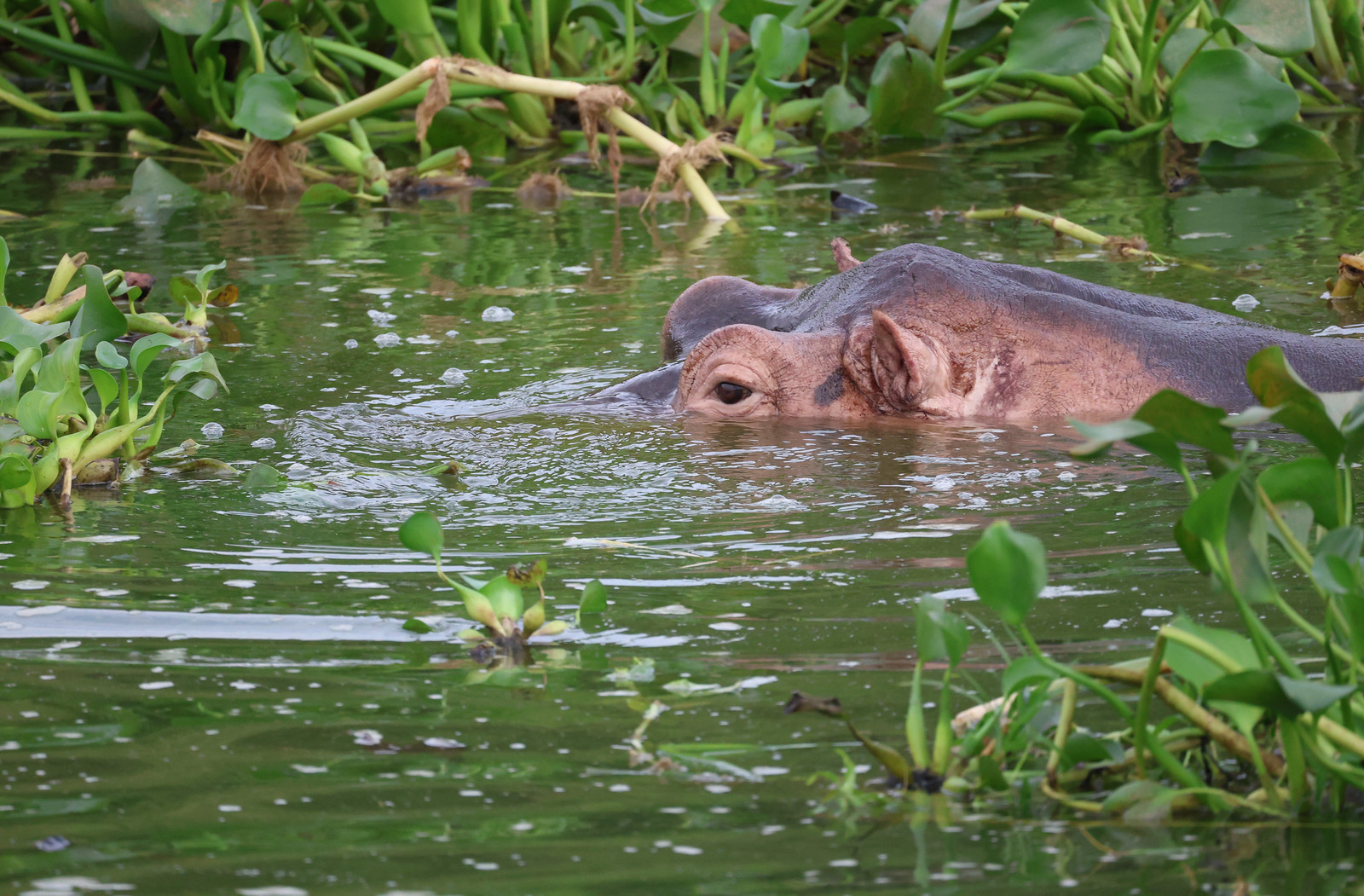
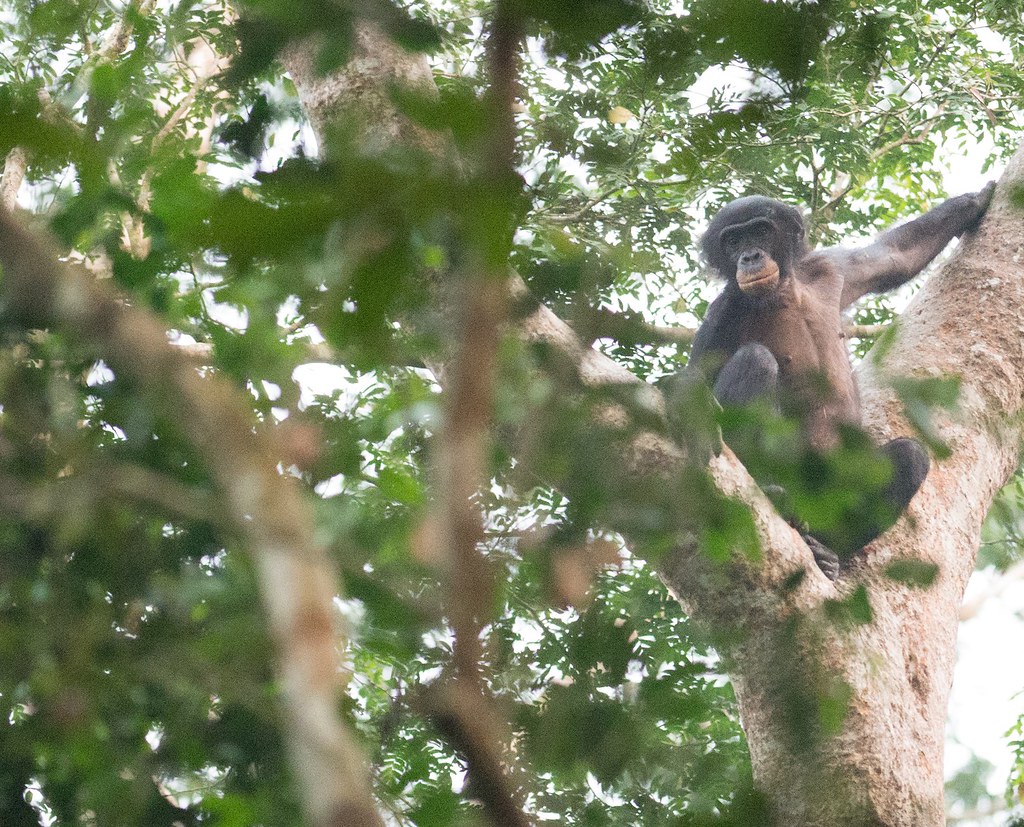
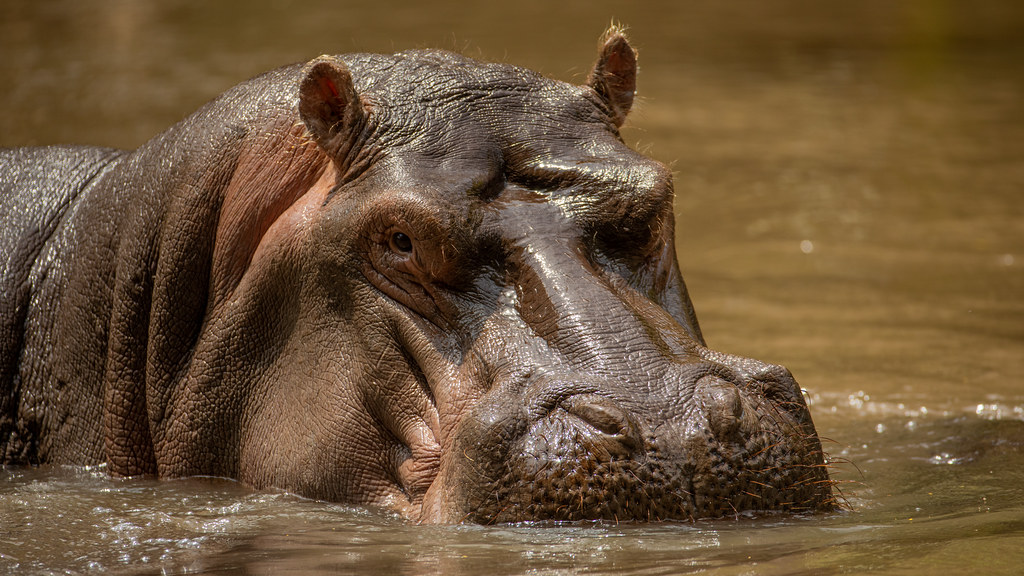
In areas with woodland cover, primates such as baboons and monkeys are common. Forested valleys and rocky hillsides provide shelter for smaller species like porcupines, mongooses, and civets, while marsh fringes support hippos that rise at dusk and dawn to graze grasses.
Rich Birdlife Across Habitats
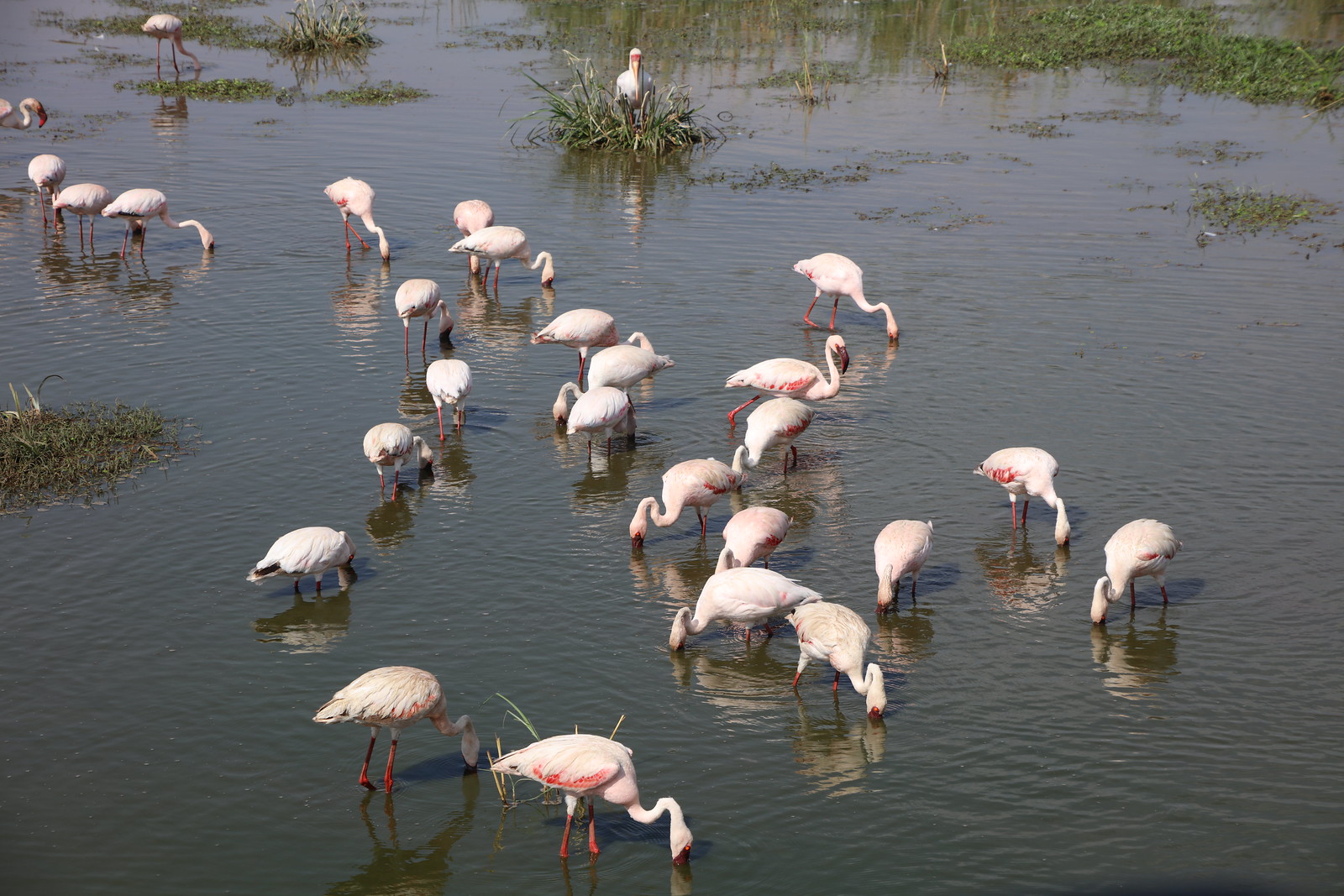
Upemba is a birder’s paradise, especially during wet seasons when water levels rise and bird diversity peaks. The park boasts hundreds of bird species, including herons, egrets, storks, kingfishers, African fish eagles, and numerous waterfowl. Grassland and woodland species — such as hornbills, rollers, bee‑eaters, and raptors — add color and sound to every safari day.
Migratory birds also arrive seasonally, turning Upemba’s marshes into bustling aerial sanctuaries of feathers and calls.
Reptiles and Aquatic Life
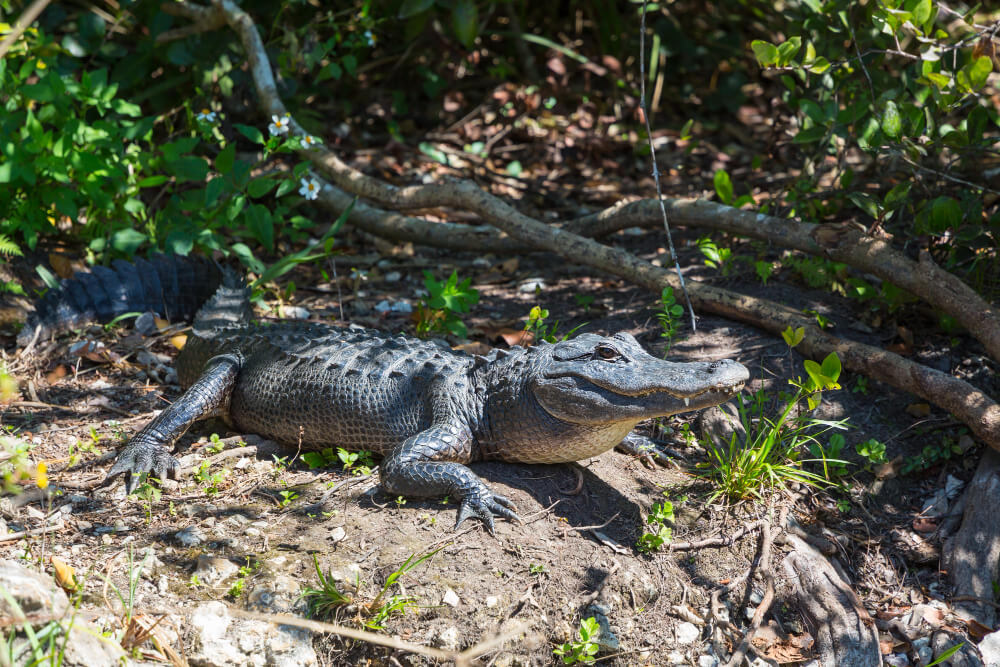
The park’s waterways support healthy populations of crocodiles, monitor lizards, turtles, and aquatic snakes. These creatures are most visible during dry seasons when water levels recede, concentrating wildlife around rivers and lakes and offering dramatic natural spectacles.
Cultural Heritage and Human History
Upemba National Park is not only rich in wildlife; it is layered with human history that stretches back centuries. The region has long been home to indigenous communities whose cultural traditions center on water, land, and wildlife. Archeological sites within and around the park reveal ancient settlement patterns, rock art, and artifacts that offer insight into early human life on the African continent.
Visiting the park with local guides can illuminate these cultural threads, blending natural history with human storylines that deepen appreciation for the landscape and its inhabitants.
When to Visit: Seasonal Rhythms and Wildlife Peaks
Upemba’s wildlife patterns and landscapes are shaped by seasonal rainfall and water levels. Understanding the seasons helps visitors plan the best experiences:
Dry Season (May to October)
The dry season is generally considered the best time to visit Upemba National Park for wildlife viewing. During these months, water sources shrink, concentrating animals around rivers, lakes, and permanent marshes. This natural compression makes sightings — from elephants and buffalo to sitatunga and crocodiles — more predictable and frequent.
Vegetation also thins slightly, making wildlife easier to spot on open plains and grasslands. Birdlife remains abundant, and the dry conditions generally make overland travel easier.
Wet Season (November to April)
The wet season transforms Upemba into a lush, verdant paradise. Grasslands become emerald carpets, waterways swell, and bird diversity increases with migratory arrivals. While wildlife may disperse more widely during high water levels, the vibrant scenery and booming ecology reward those who are prepared for muddy terrain and occasional travel delays.
Photographers often enjoy the wet season for its dynamic skies, reflective waterways, and dramatic landscapes.
Safari Activities and Experiences
Upemba National Park offers a range of experiences for travelers willing to venture into its wild landscapes:
Game Drives Across Habitats
4×4 game drives allow visitors to explore open plains, wooded hills, and river valleys. Skilled guides look for signs of wildlife activity, tracks, and seasonal movements that reveal the best sightings. Game drives can be dawn to dusk affairs, capturing wildlife behavior throughout the day.
Boat Cruises and River Safaris
Water is central to Upemba’s ecology. Boat safaris and river cruises allow visitors to observe sitatunga, hippos, crocodiles, and waterbirds at close range. These excursions offer a quiet, immersive way to connect with aquatic ecosystems that define much of the park’s character.
Guided Nature Walks
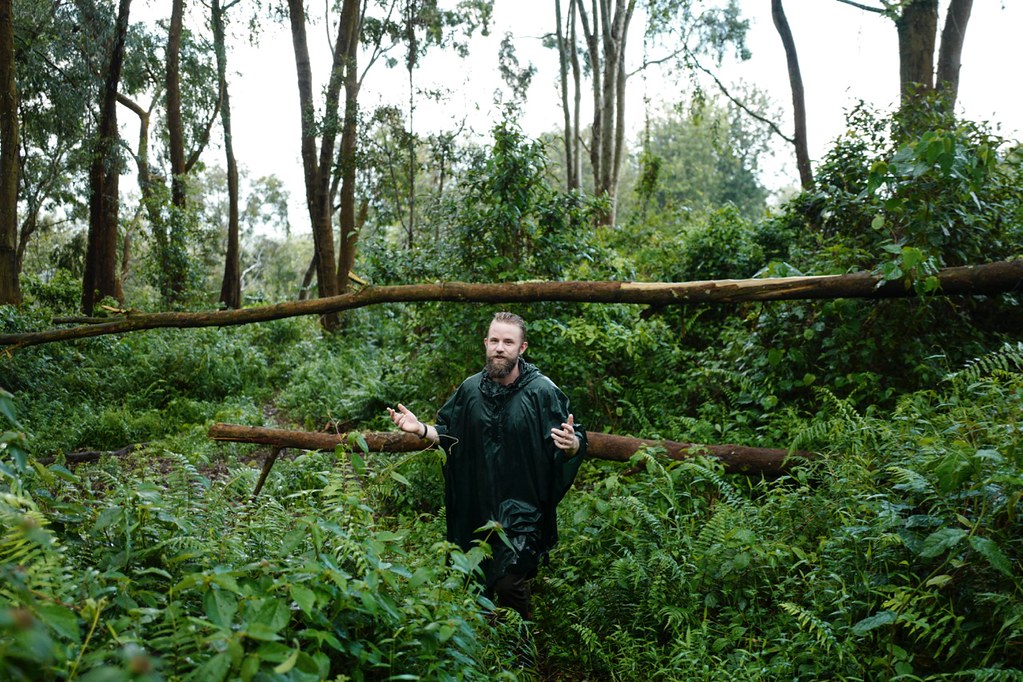
Regional guides lead walks in areas where foot access is possible, allowing travelers to hear forest sounds, inspect tracks, and learn about plants, birdlife, and ecosystem dynamics up close. Foot travel deepens understanding of how water, grass, and earth shape animal behavior.
Cultural Village Visits
Nearby communities bring human storylines into the safari experience. Cultural visits offer insights into local traditions, fishing practices, agricultural cycles, and spiritual connections to the land and waterways. These engagements enrich the wildlife experience with human context and meaning.
Conservation and Community Engagement
Like many large protected areas in Africa, Upemba National Park faces conservation challenges — from poaching and habitat pressure to resource extraction in surrounding landscapes. Collaborative efforts between park authorities, local communities, and conservation NGOs aim to protect biodiversity while supporting sustainable livelihoods.
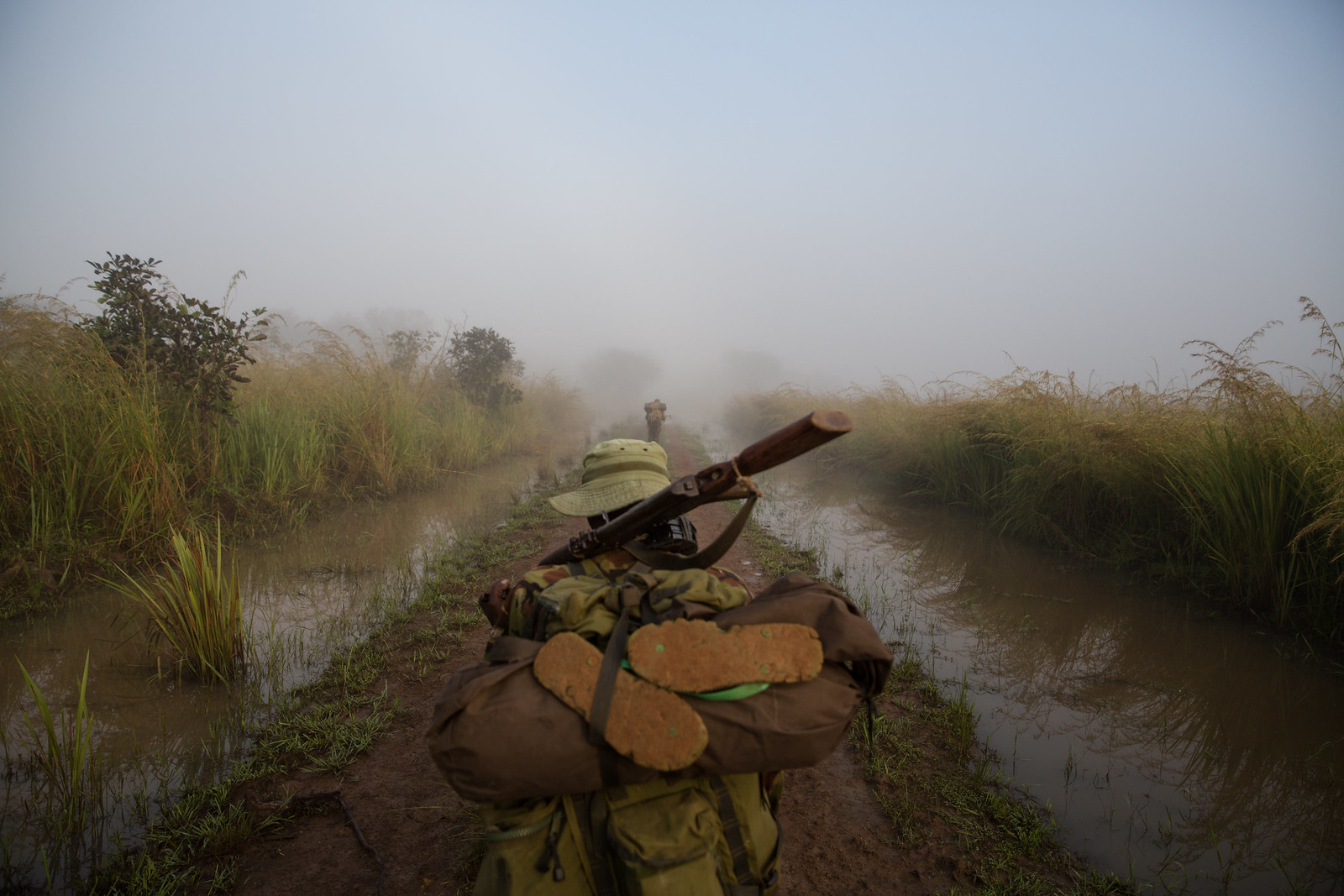
Conservation strategies include ranger patrols, community education programs, habitat monitoring, and eco‑tourism initiatives that provide income opportunities for local guides, lodge staff, and cultural partners.
By involving communities in wildlife stewardship, Upemba’s conservation narrative becomes a shared endeavor rather than an isolated fortress.
Practical Tips for Visiting Upemba National Park
Travel Logistics
Upemba is accessed primarily from Lubumbashi, a major city in southeastern DRC. From there, visitors travel by road to the park’s entry points. Roads vary in condition depending on the season, so flexible planning and local guides are recommended.
Health and Safety
Visitors should ensure they have necessary visas, yellow fever vaccination certificates, and malaria prophylaxis before travel. Forested and wetland environments mean mosquitoes and insects are common, so insect repellent and protective clothing are essential.
Knowledge of French and local languages such as Swahili is helpful, as English is less widely spoken in the region.
Permits and Guides
Park entry fees and wildlife permits are managed through Congolese wildlife authorities. Hiring local guides not only enhances wildlife sightings but also supports local economies and deepens cultural engagement.
Responsible Travel
Respect for wildlife and ecosystems is paramount. Visitors should maintain safe distances, avoid loud noises, and adhere to park guidelines to minimize disturbance. Responsible tourism contributes to the long‑term sustainability of Upemba and its wildlife.
Why Upemba Matters
Upemba National Park stands as a reminder that true wilderness still exists — vast, varied, and vital. Its landscapes tell ancient geological and ecological stories shaped by water and earth. Its wildlife, from the swamp‑slipping sitatunga to roaming elephants and grazing buffalo, represents Africa’s evolutionary mosaic. Its wetlands feed rivers that nourish people and animals alike.
For travelers willing to venture beyond typical safari circuits, Upemba offers an experience that is rich in wildlife, rich in culture, and rich in meaning. Here, safari is not just about ticking sightings; it’s about embracing deep landscapes woven from grass, water, forest, and sky.
From birdlife that dances on the wind to primates that mirror our own curiosity, Upemba National Park stands as one of Africa’s great wild places — a destination that rewards patience, adventurous spirit, and sincere respect for the living world.
Our Recommended Tour Ideas

7 Days Kenya Wildlife Safari Through Maasai Mara, Amboseli & Lake Nakuru with Big Five Game Drives
Please the content should be 110 characters.
Please the content should be 130 characters.
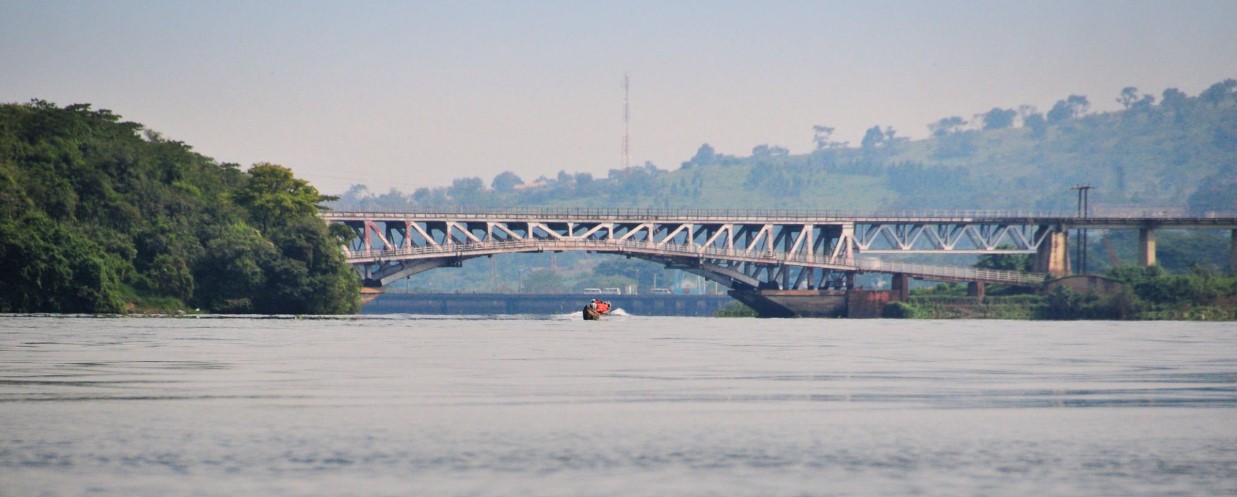
9 days in Uganda combining gorilla trekking, wildlife safaris, Jinja Nile experiences, and rich cultural encounters.

Please the content should be 130 characters.

A 12-day adventure combining Uganda gorilla trekking with Kenya’s Great Migration and classic Big Five safaris.
Please the content should be 130 characters.


Please the content should be 130 characters.
What Our Travelers Enjoyed About Primate Safaris

Gorillas "Silverback"
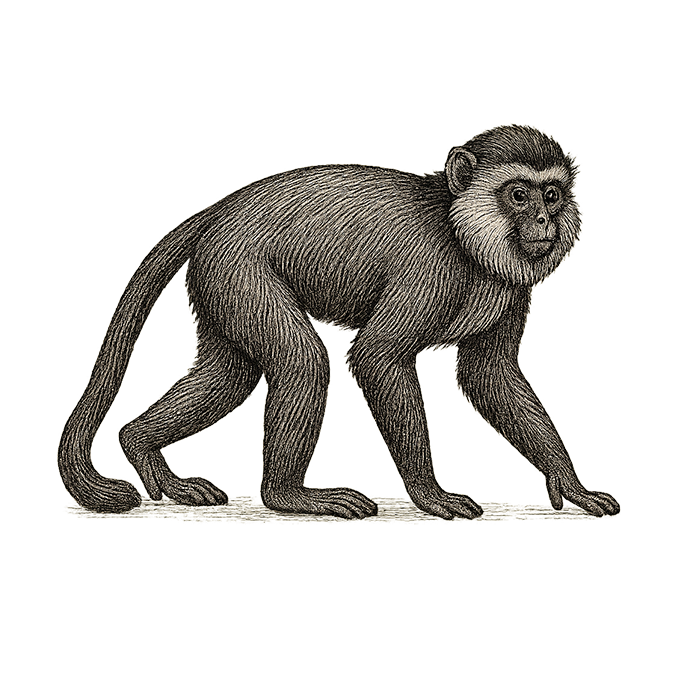
Golden Monkey "Photogenic"

Chimpanzees "Pant-hoot"