A Landscape of Mountains and Water
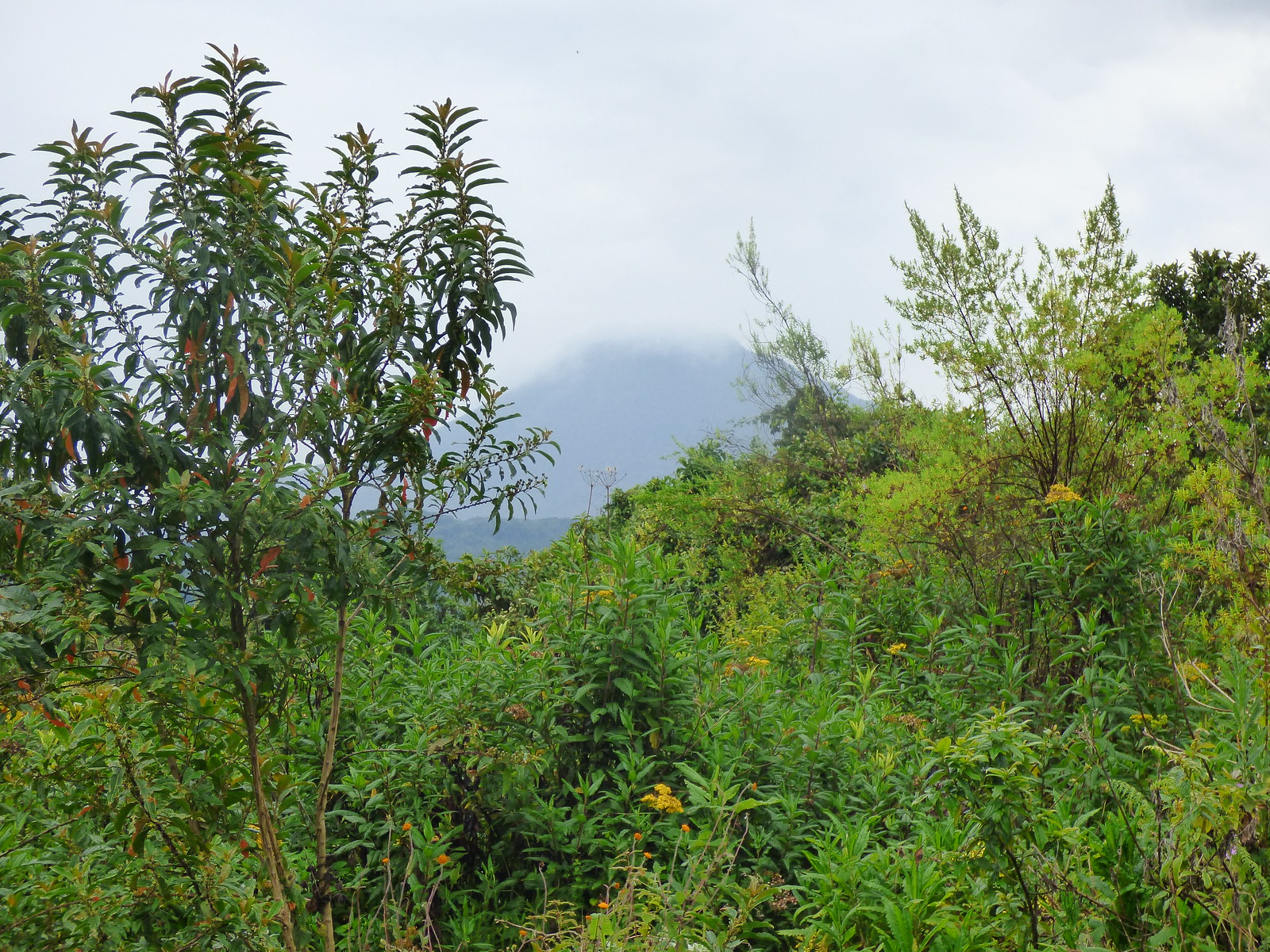
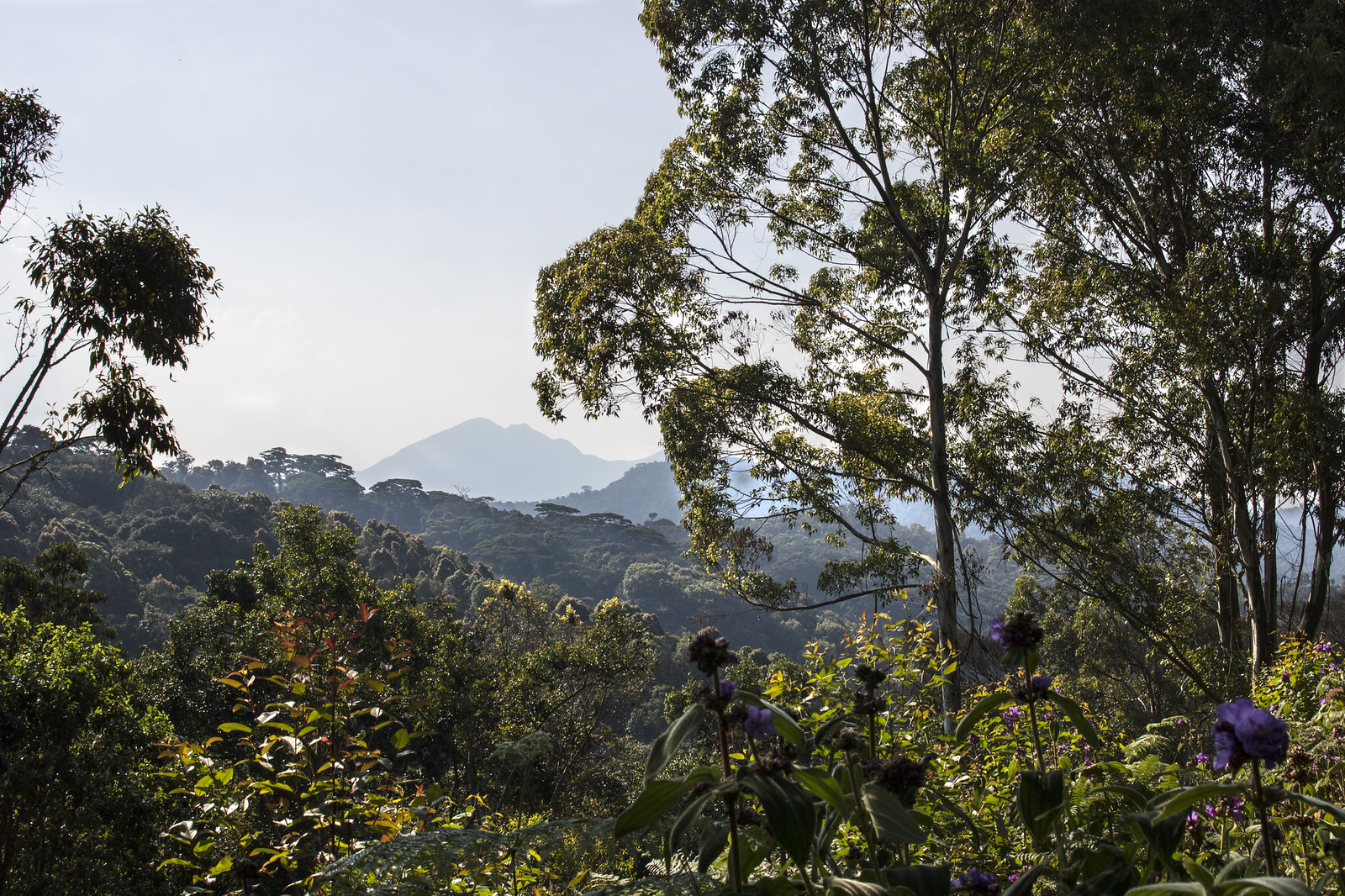
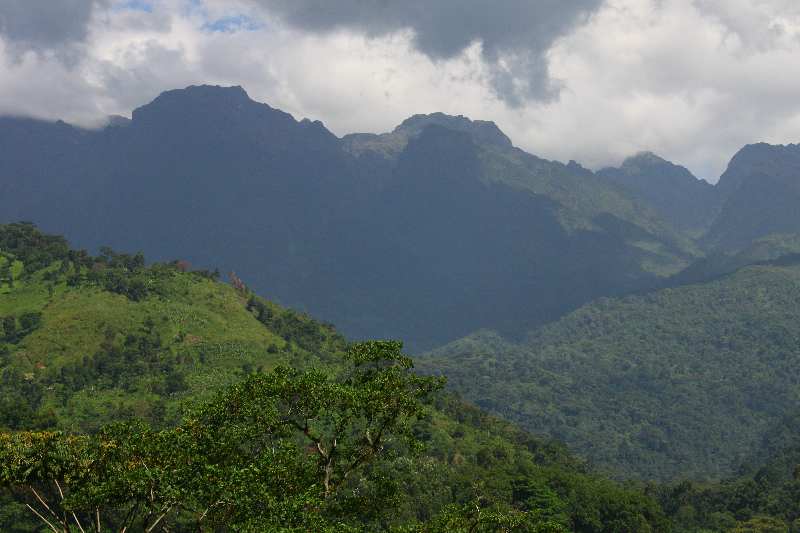
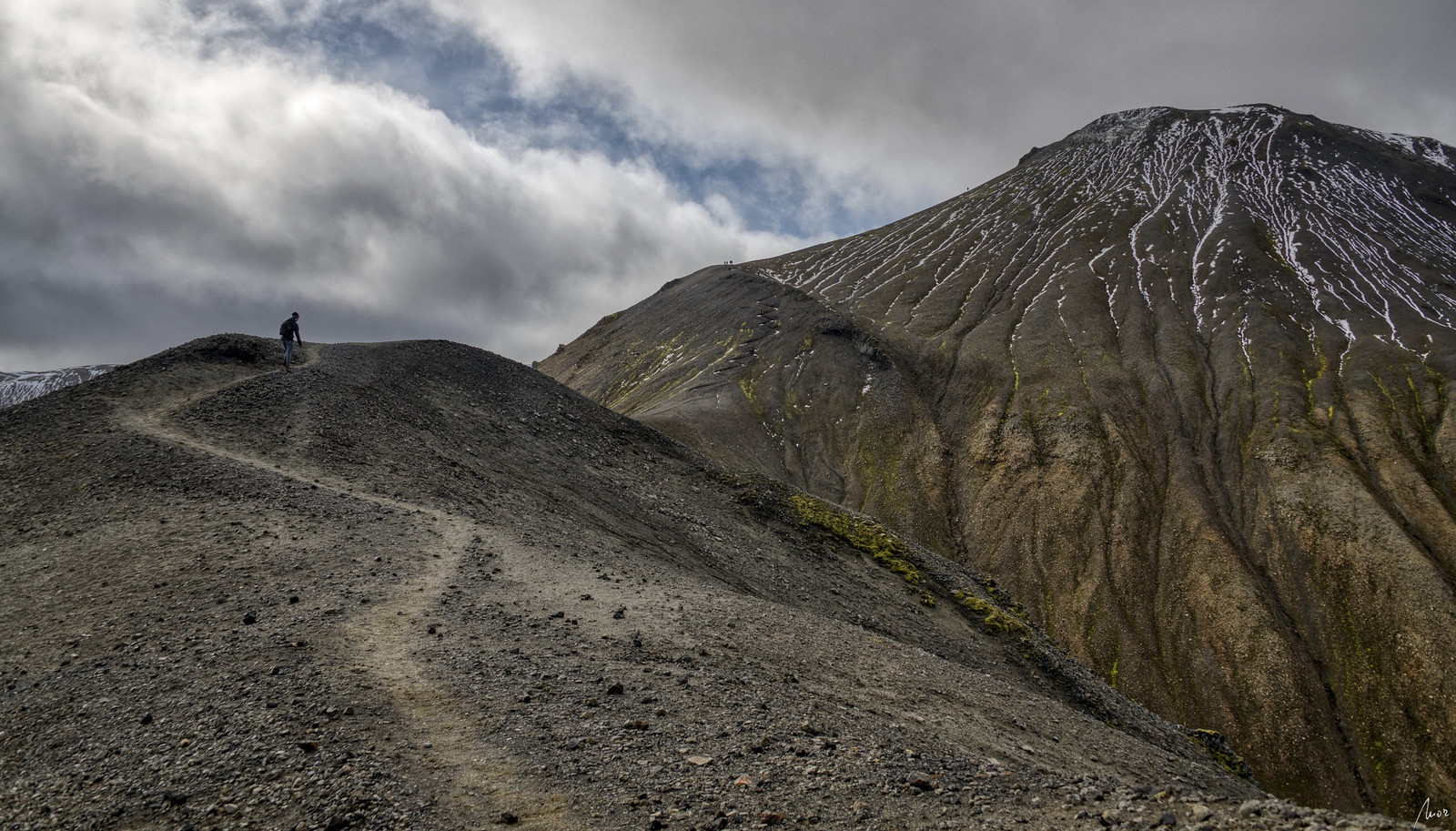
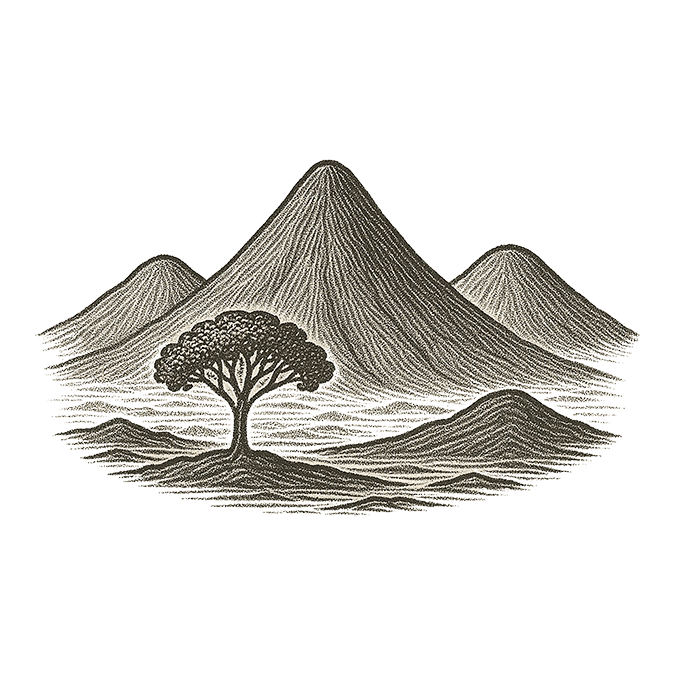
The defining feature of Mahale is its dramatic topography. The Mahale Mountains rise steeply from the shores of Lake Tanganyika, creating a breathtaking backdrop of misty peaks and thick forest. The highest summit, Mount Nkungwe, towers over 2,400 meters above sea level, offering challenging hikes and panoramic views across the lake.Lake Tanganyika itself is a marvel. As the second-deepest freshwater lake in the world and one of the oldest, it contains an incredible diversity of fish species found nowhere else on Earth. Its waters are astonishingly clear, often reflecting the forested slopes like a mirror.Unlike the vast savannah parks of East Africa, Mahale’s beauty lies in its intimacy. The dense forest hums with insects and birds, waterfalls cascade through hidden valleys, and the shoreline offers peaceful stretches of sand where travelers can relax after a trek.
The Chimpanzees of Mahale
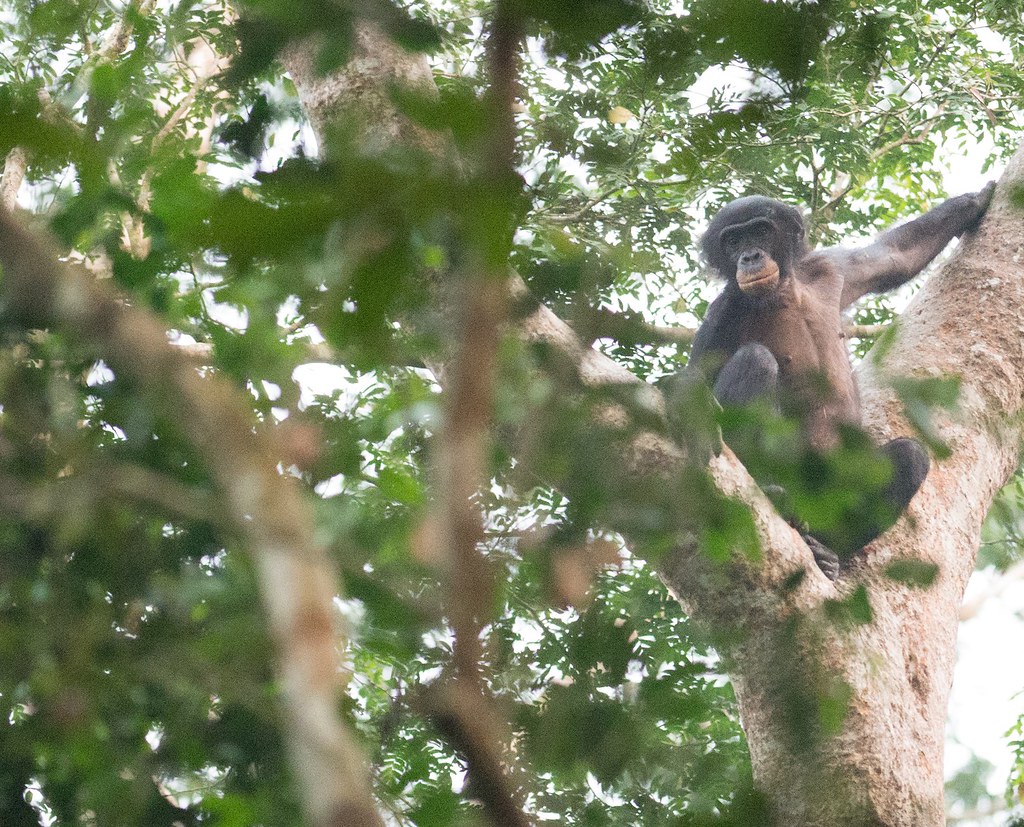
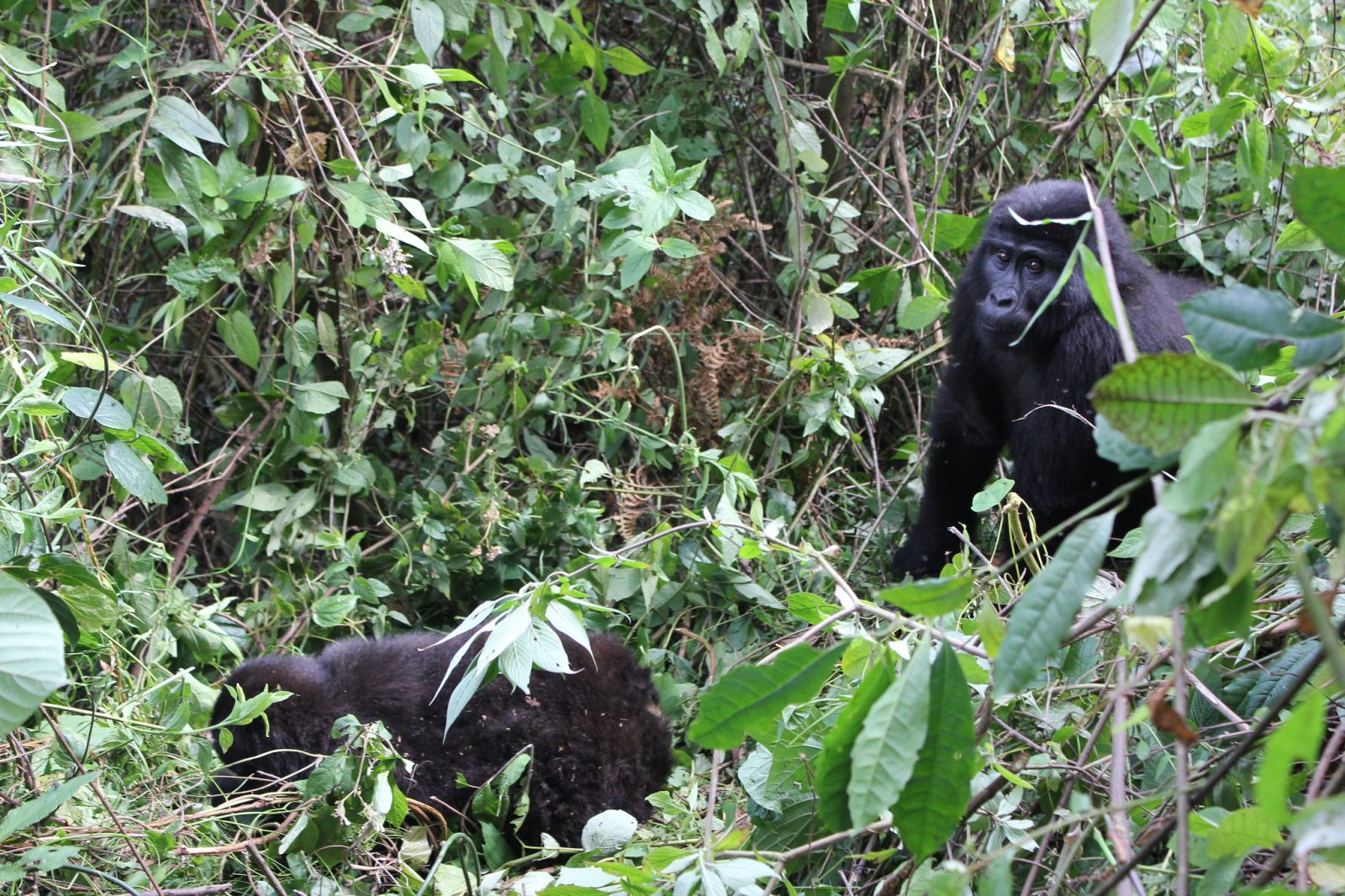
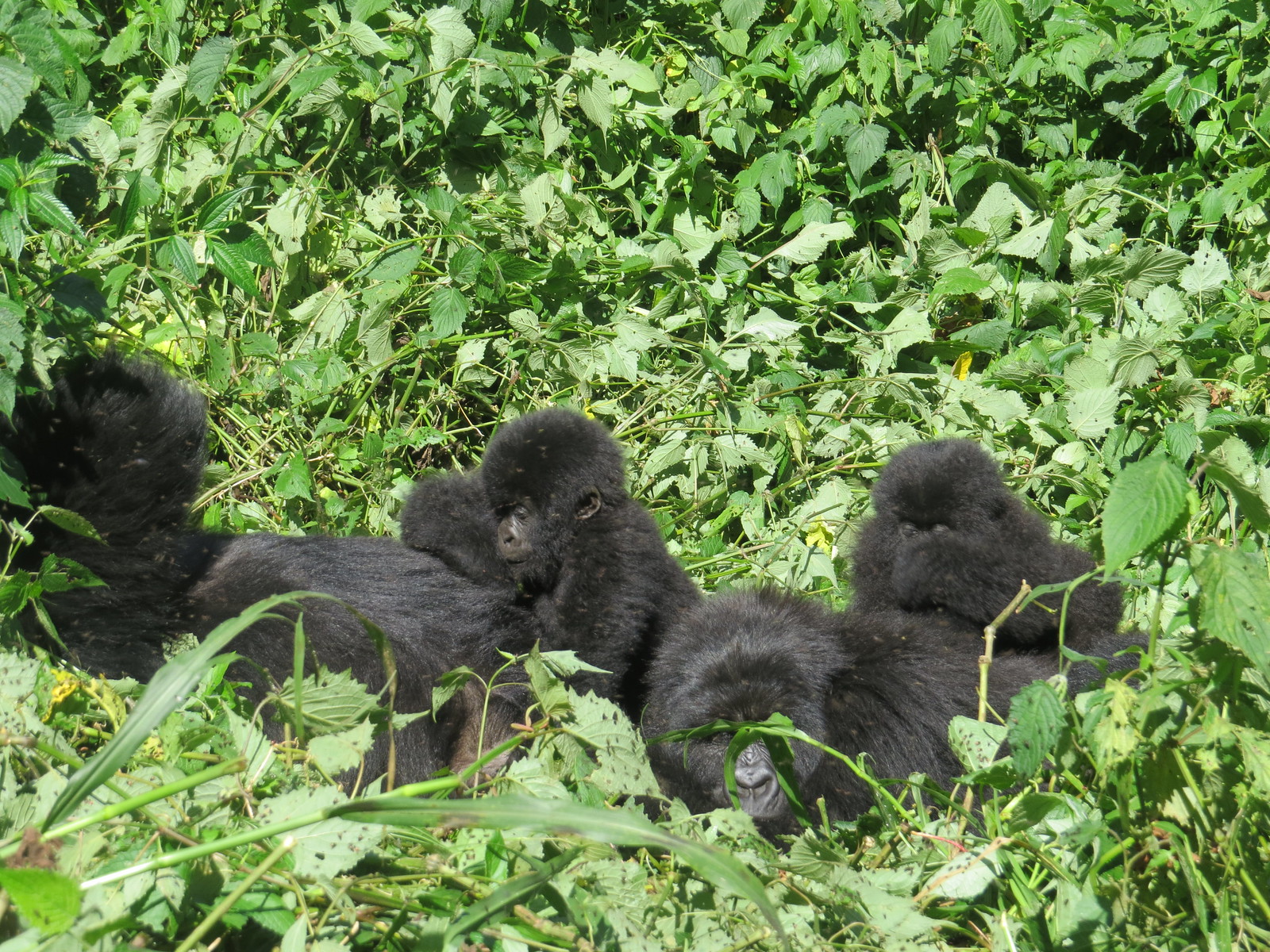
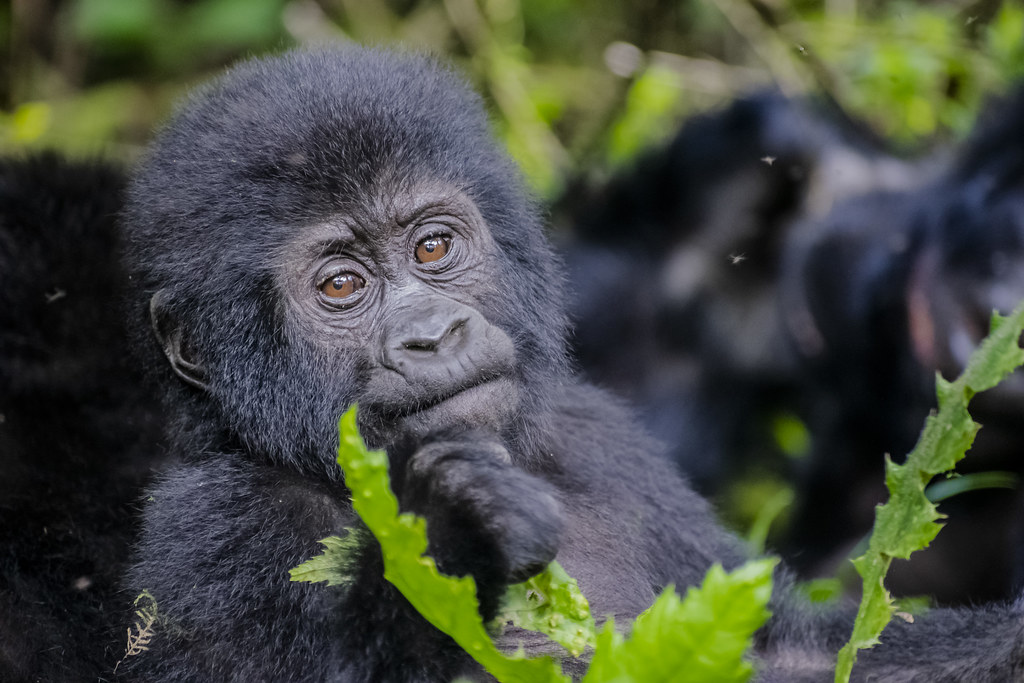
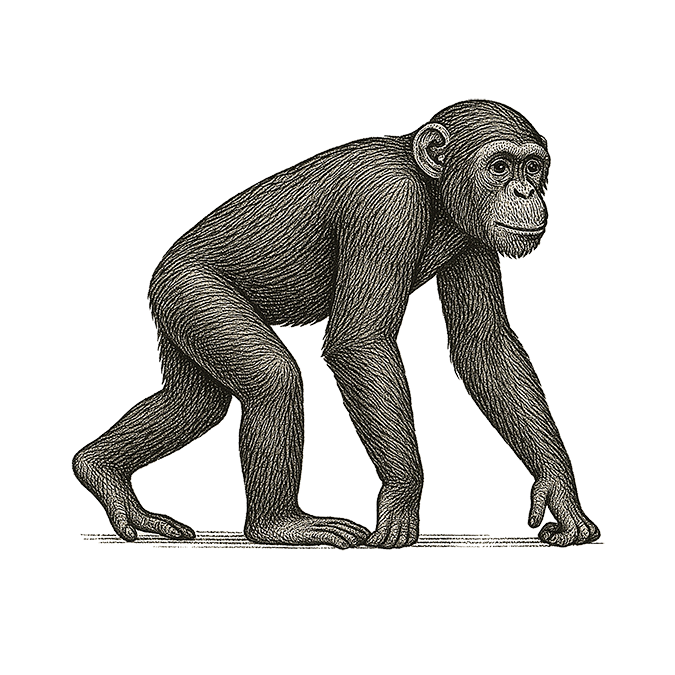
Mahale is world-renowned for its chimpanzee population. The park is home to one of Africa’s largest protected populations of wild chimpanzees, with several habituated groups available for tracking.Chimpanzee trekking in Mahale is often described as more adventurous and less crowded than similar experiences elsewhere. Visitors hike through lush forest, guided by experienced trackers who follow vocalizations, nests, and feeding signs to locate a troop. Once found, you may observe playful juveniles swinging through trees, mothers grooming infants, and dominant males displaying their strength.The Mimikire (M Group) chimpanzees are the most frequently visited and have been studied for decades, providing researchers and tourists alike with deep insights into chimp behavior and social structures. Spending time with these intelligent primates, watching their human-like expressions and interactions, is profoundly moving.
A History of Research and Conservation
Mahale has long been a center for primate research. Japanese scientists began studying chimpanzees here in the 1960s, making it one of the longest-running chimpanzee research sites in Africa. Their work contributed significantly to our understanding of chimpanzee society, tool use, and communication.Today, conservation remains a priority. The park’s remote location has helped preserve its ecosystems, but ongoing protection is essential. Sustainable tourism plays a crucial role in funding conservation initiatives and supporting local communities. By visiting Mahale, travelers contribute to the protection of chimpanzees and their habitat.
Beyond Chimpanzees: Wildlife and Biodiversity
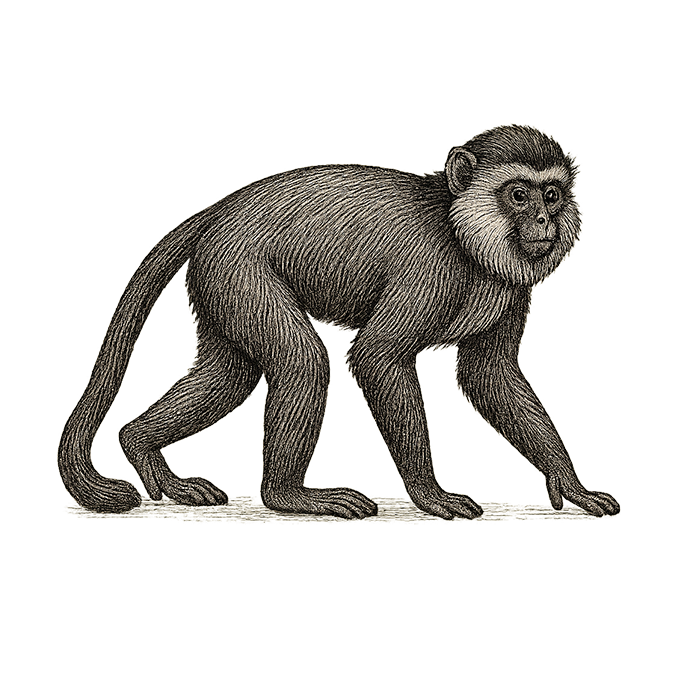
Although chimpanzees are the main attraction, Mahale offers more than primates. The forest shelters other monkey species, including red colobus, red-tailed monkeys, and blue monkeys. Forest antelope and bush pigs roam the undergrowth, while leopards move stealthily through the terrain.Birdwatchers will find Mahale particularly rewarding. The park’s varied habitats support numerous bird species, from fish eagles along the lake to colorful forest birds hidden in the canopy.Lake Tanganyika adds yet another dimension to the park’s biodiversity. Snorkeling reveals vibrant cichlid fish species found nowhere else in the world, making Mahale an unexpected paradise for freshwater exploration.
Activities in Mahale Mountains National Park
Chimpanzee trekking is the highlight, but visitors can also enjoy guided forest hikes to waterfalls, mountain climbs, kayaking, swimming, and snorkeling in Lake Tanganyika.Hiking up Mount Nkungwe is challenging but immensely rewarding, offering sweeping views across the lake and into neighboring countries. Shorter forest walks provide opportunities to discover waterfalls and hidden valleys.After active mornings, afternoons can be spent relaxing on sandy beaches, swimming in the lake’s warm waters, or watching the sun set over the horizon in spectacular shades of gold and crimson.
Accommodation and Accessibility
Mahale is remote, and reaching it requires effort, which adds to its exclusivity. Most visitors fly from Arusha or Dar es Salaam to an airstrip near the park and then transfer by boat to their lodge.Accommodation is limited but luxurious. Small eco-friendly lodges and tented camps blend seamlessly into the environment, offering comfort while maintaining sustainability. The intimate nature of these lodges ensures personalized service and minimal environmental impact.
Best Time to Visit
The dry season, from June to October, is generally considered the best time to visit Mahale. During these months, forest trails are less muddy, and chimpanzee trekking is easier. Wildlife sightings are also more predictable as animals congregate near water sources.The wet season, from November to April, transforms the park into a lush green paradise. Although trekking can be more challenging, the scenery is particularly vibrant, and birdwatching is excellent.
Why Mahale Stands Apart
Mahale Mountains National Park stands apart from other African safari destinations because of its unique combination of primate encounters, mountainous rainforest, and lakeside relaxation. It offers a rare opportunity to combine adventure and serenity in one destination.Unlike busy safari circuits, Mahale provides solitude and immersion. You are not just observing wildlife; you are stepping into their world. The sounds of chimpanzee calls echoing through the forest, the gentle lapping of lake waters against the shore, and the scent of damp earth after rain create a sensory experience unlike any other.Mahale Mountains National Park is a hidden gem of Africa — a place where forested mountains meet crystal-clear waters, and where chimpanzees live freely in their natural habitat. Its remoteness, biodiversity, and breathtaking scenery make it one of Tanzania’s most remarkable destinations.For travelers seeking an intimate wildlife experience away from crowds, Mahale offers something rare and unforgettable. Whether trekking through rainforest in search of chimpanzees, snorkeling in the clear waters of Lake Tanganyika, or watching the sun set behind misty peaks, a journey to Mahale is an immersion into one of Africa’s last great wildernesses.