East African Fruits You’ve Never Heard Of and Should Try
East Africa is often celebrated for its safaris, mountains, and wildlife, but its fruit diversity is equally remarkable and far less explored by international travelers. Beyond the globally known bananas, mangoes, and pineapples, the region offers a wide range of indigenous and semi-wild fruits that are deeply embedded in local diets, seasonal markets, and rural food systems.
In countries like Uganda, Kenya, Tanzania, and Rwanda, fruit consumption is not only about nutrition but also culture, tradition, and seasonal rhythm. Many of these fruits grow naturally in forests, farm edges, and wild landscapes, making them part of everyday rural life but still unfamiliar to most visitors.
Below is a detailed guide to some of the most interesting East African fruits you may have never heard of but should absolutely try when traveling through the region.
Jackfruit (Fruits of the Giant Tree)
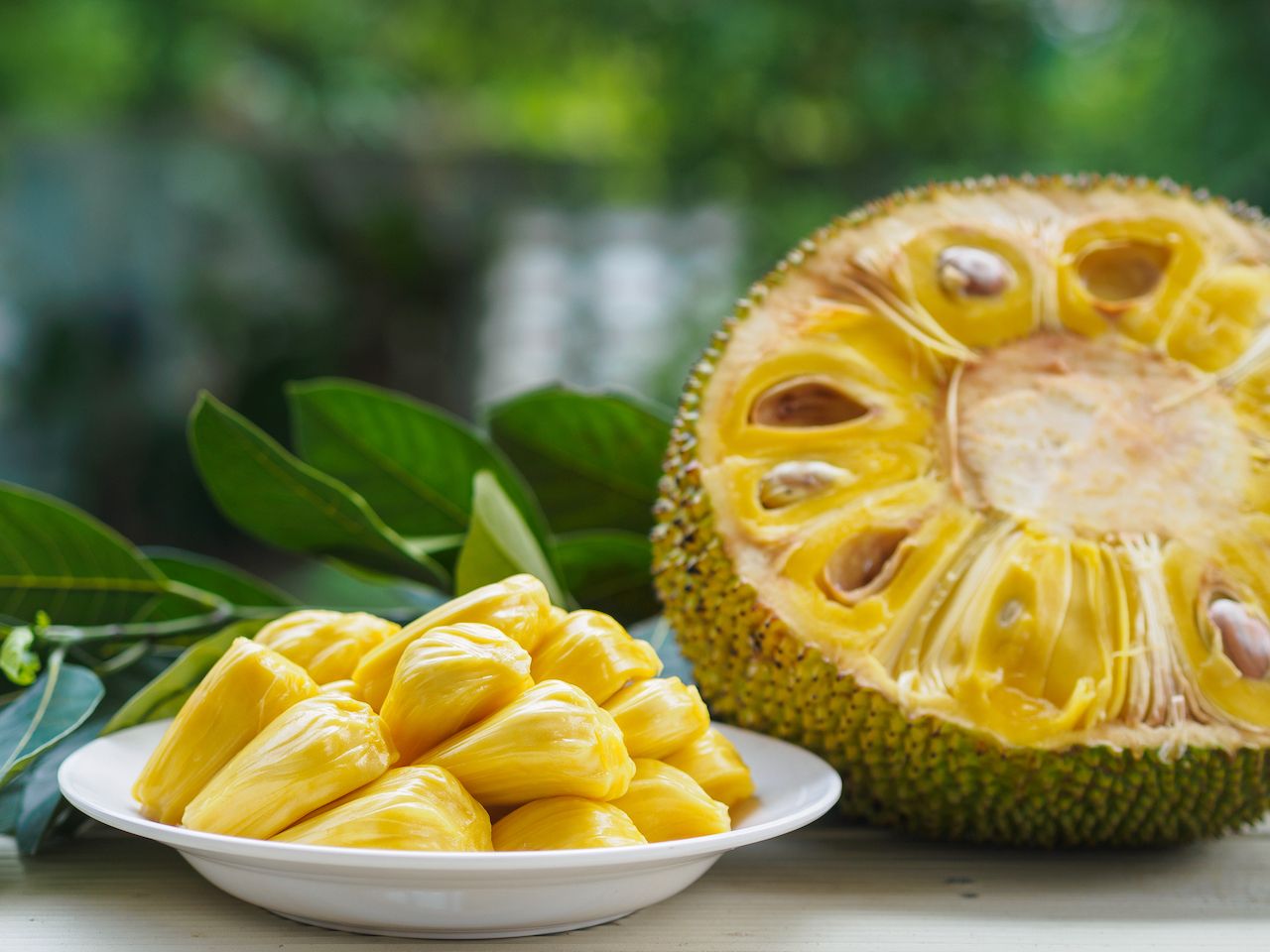
Jackfruit is one of the most impressive fruits found in East Africa due to its size, aroma, and versatility. It grows on large trees and can weigh several kilograms, making it one of the largest tree-borne fruits in the world.
The inside contains yellow, fibrous pods that are sweet, fragrant, and slightly chewy. When ripe, it has a strong tropical aroma and a flavor mix that resembles banana, pineapple, and mango combined.
In Uganda and parts of coastal East Africa, jackfruit is commonly sold in roadside markets during peak season. It can be eaten fresh or cooked when unripe, where it takes on a meat-like texture used in savory dishes.
Marula Fruit (Wild Savanna Fruit)
Marula is a wild fruit commonly found in savanna regions and rural landscapes. It is small, yellow when ripe, and has a tangy, slightly sour taste with a hint of sweetness.
It grows naturally on marula trees and is often harvested by local communities and wildlife alike. Elephants are particularly known for consuming large quantities of marula fruit when in season.
Locally, it is eaten fresh or used to make juice and fermented drinks. The fruit is highly seasonal, making it a rare treat when available.
African Star Apple (Agbalumo Equivalent in East Africa)
The African star apple is a lesser-known fruit with a soft, jelly-like pulp and a sweet-sour flavor profile. When opened, it reveals a segmented, translucent interior that is both refreshing and slightly tangy.
It is commonly found in forested and semi-wild areas and is often sold in small quantities at rural markets.
The fruit is particularly popular among children and rural communities due to its refreshing taste and natural sweetness.
Kei Apple (Wild Citrus Fruit)
Kei apple is a small, round fruit with a bright yellow-orange color and a sharp, citrusy taste. It is more tart than sweet and is often used for making jams, juices, and preserves.
The fruit grows on thorny shrubs and is commonly found in parts of Kenya and Tanzania. While it is not widely exported, it remains a local favorite for its refreshing acidity and medicinal associations.
African Medlar (Local Forest Fruit)
African medlar is a small, brownish fruit with soft pulp inside. It has a sweet, slightly earthy flavor and is often eaten fresh when fully ripe.
It grows in forested areas and is not commonly cultivated on farms, making it more of a wild-harvest fruit.
In rural communities, it is often picked during forest walks or collected from naturally growing trees near homesteads.
Tamarind (Sweet and Sour Pod Fruit)
Tamarind is widely known globally, but in East Africa it is deeply integrated into daily food culture in a way many visitors do not expect.
The fruit grows in long pods containing sticky brown pulp with a strong sweet-sour taste. It is used for juice, sauces, snacks, and traditional cooking.
Street vendors often sell tamarind pods in markets, where people enjoy them as a natural snack by cracking the shell and eating the pulp directly.
East African Fruits You’ve Never Heard Of and Should Try
Safou (African Pear)
Safou, also known as African pear, is a highly nutritious fruit found in forested regions. It is oval-shaped with a soft, oily flesh that becomes edible after light roasting or boiling.
Unlike most fruits, safou is often eaten cooked rather than raw. It has a rich, buttery texture and is sometimes compared to avocado in consistency.
It is an important seasonal food in parts of Central and East Africa and is often sold in local markets during harvest periods.
Loquat (Japanese Plum in East Africa)
Loquat trees grow in many East African regions, producing small orange-yellow fruits with a sweet and slightly tangy flavor.
The fruit is juicy and refreshing, often eaten fresh off the tree. It contains several seeds in the center and is commonly found in home gardens and roadside environments.
Although originally from Asia, it has become naturalized in many parts of East Africa.
Passion Fruit Varieties (Local and Wild Types)
Passion fruit is widely known, but East Africa has multiple varieties, including smaller, more acidic wild types that grow naturally in forest edges.
These wild varieties are more aromatic and intensely flavored compared to cultivated types.
They are often used in fresh juice, which is one of the most popular drinks in urban areas like Kampala and Nairobi.
Wild Fig (Forest Fruit of Uganda and Kenya)
Wild figs grow naturally in forests and are an important food source for both wildlife and rural communities.
They are small, soft, and mildly sweet, often consumed directly from the tree. They play a key ecological role, supporting birds and primates in forest ecosystems.
In some rural areas, children and foragers collect them seasonally as a snack.
Sugar-Apple (Custard Apple)
Sugar-apple is a soft, segmented fruit with a creamy texture and sweet flavor. When ripe, it becomes easy to open and eat by hand.
It is often grown in home gardens and small farms across East Africa.
The flavor is rich and dessert-like, making it one of the more indulgent tropical fruits in the region.
Why These Fruits Matter
East African fruits are not just food items-they are part of ecological systems, rural economies, and seasonal lifestyles.
Many of them are wild or semi-wild, meaning they are not heavily commercialized but remain essential for local diets and livelihoods.
They also reflect biodiversity. The variety of climates in East Africa, from tropical forests to savannas, allows for a wide range of fruit species to grow naturally.
For travelers, trying these fruits offers a deeper connection to local environments beyond safari experiences.
Final Thoughts
East Africa’s fruit diversity is one of the most underrated aspects of the region’s food culture. While tourists often focus on wildlife and landscapes, the fruit traditions reveal another layer of richness rooted in seasonality, ecology, and local knowledge.
From jackfruit and tamarind to wild figs and safou, these fruits offer unique flavors that are often unavailable outside the region.
Exploring them is not just about taste-it is about understanding how people interact with land, forests, and seasons in everyday life across East Africa.