



Ugandan Rolex: The Street Food You Must Try in Kampala
The Ugandan Rolex is one of the most iconic street foods in East Africa and an essential culinary experience for anyone visiting Kampala. It is simple, fast, affordable, and deeply rooted in everyday urban life. Despite its name, it has nothing to do with luxury watches. Instead, it is a rolled combination of eggs and vegetables wrapped inside a freshly made chapati, creating a handheld meal that defines Kampala’s street food culture.
For travelers exploring Uganda’s capital, the Rolex is not just food. It is a cultural introduction, a social experience, and a reflection of how local communities turn basic ingredients into something practical, flavorful, and widely accessible. In busy areas across the city, from markets to taxi parks and roadside stalls, the Rolex is constantly being prepared, sold, and eaten at all hours of the day.
What Is a Ugandan Rolex?
A Ugandan Rolex is a street food wrap made from two core components: a soft chapati and a freshly cooked omelet. The omelet is typically made with eggs, tomatoes, onions, and cabbage, although variations exist depending on the vendor and customer preference.
The preparation is quick and highly efficient. The vendor first prepares a chapati on a hot pan, then cooks a thin egg mixture on the same surface. Once the eggs are ready, they are placed on top of the chapati and rolled tightly into a compact wrap. The result is a warm, filling, and portable meal that can be eaten immediately.
The name “Rolex” comes from the phrase “rolled eggs,” which was shortened over time through local slang and urban speech patterns. Today, it is one of the most recognized street food names in Uganda and is widely understood across all age groups.
The Origin of the Rolex in Kampala
The Rolex originated in Kampala’s urban food scene, particularly around student communities and high-traffic commercial areas. It became especially popular near universities such as Makerere, where students needed cheap, fast, and filling meals that could be eaten between lectures or while moving through busy schedules.
Street vendors quickly adopted the concept because it was easy to prepare, required minimal ingredients, and had high demand. Over time, it spread beyond student areas into markets, transport hubs, and residential neighborhoods across the city.
What started as a simple street snack eventually became a national symbol of creativity in Ugandan cuisine. Today, it is not only a meal but also part of Uganda’s identity, representing innovation in everyday cooking.
Why the Rolex Is So Popular in Kampala
The popularity of the Rolex is driven by several practical and cultural factors. One of the main reasons is affordability. It is one of the cheapest complete meals available in Kampala, making it accessible to students, workers, and travelers alike.
Another reason is convenience. The Rolex is designed for fast preparation and immediate consumption. It fits perfectly into the rhythm of Kampala’s busy streets, where people are constantly moving between work, transport, and social activities.
It is also highly filling. The combination of eggs, chapati, and vegetables provides a balanced mix of carbohydrates and protein, making it a complete meal rather than just a snack.
Finally, it is customizable. Customers can add ingredients such as sausage, chicken, avocado, cheese, or extra vegetables depending on preference and budget. This flexibility has helped it remain relevant across different income groups and tastes.
Where to Find the Best Rolex in Kampala
The Rolex is available almost everywhere in Kampala, but certain areas are especially known for high-quality street food culture.
Busy roadside stalls in Wandegeya are popular due to the student population and constant demand. Kabalagala is another major hotspot, especially at night when the area transforms into a lively food and entertainment zone. Nakulabye is known for round-the-clock vendors serving both daytime and late-night customers. Central Kampala near taxi parks and business districts also has a high concentration of Rolex vendors catering to office workers and commuters.
Each vendor has a slightly different approach. Some focus on larger portions, others emphasize extra vegetables, and some specialize in spicy or heavily seasoned versions. The best way to find quality is to observe where locals are lining up, as high turnover usually indicates fresh ingredients and consistent preparation.
How the Ugandan Rolex Is Made
The preparation of a Rolex is simple but requires skill and timing. The chapati is first rolled and cooked on a flat pan until it becomes soft with a slightly crisp outer layer. At the same time, eggs are beaten and mixed with finely chopped vegetables.
The egg mixture is then poured onto the hot pan and cooked into a thin omelet. Once ready, it is placed on top of the chapati and rolled tightly while still warm. The vendor often wraps it in paper for easy handling.
The entire process usually takes only a few minutes, which is one of the reasons it is so popular in fast-paced urban environments.
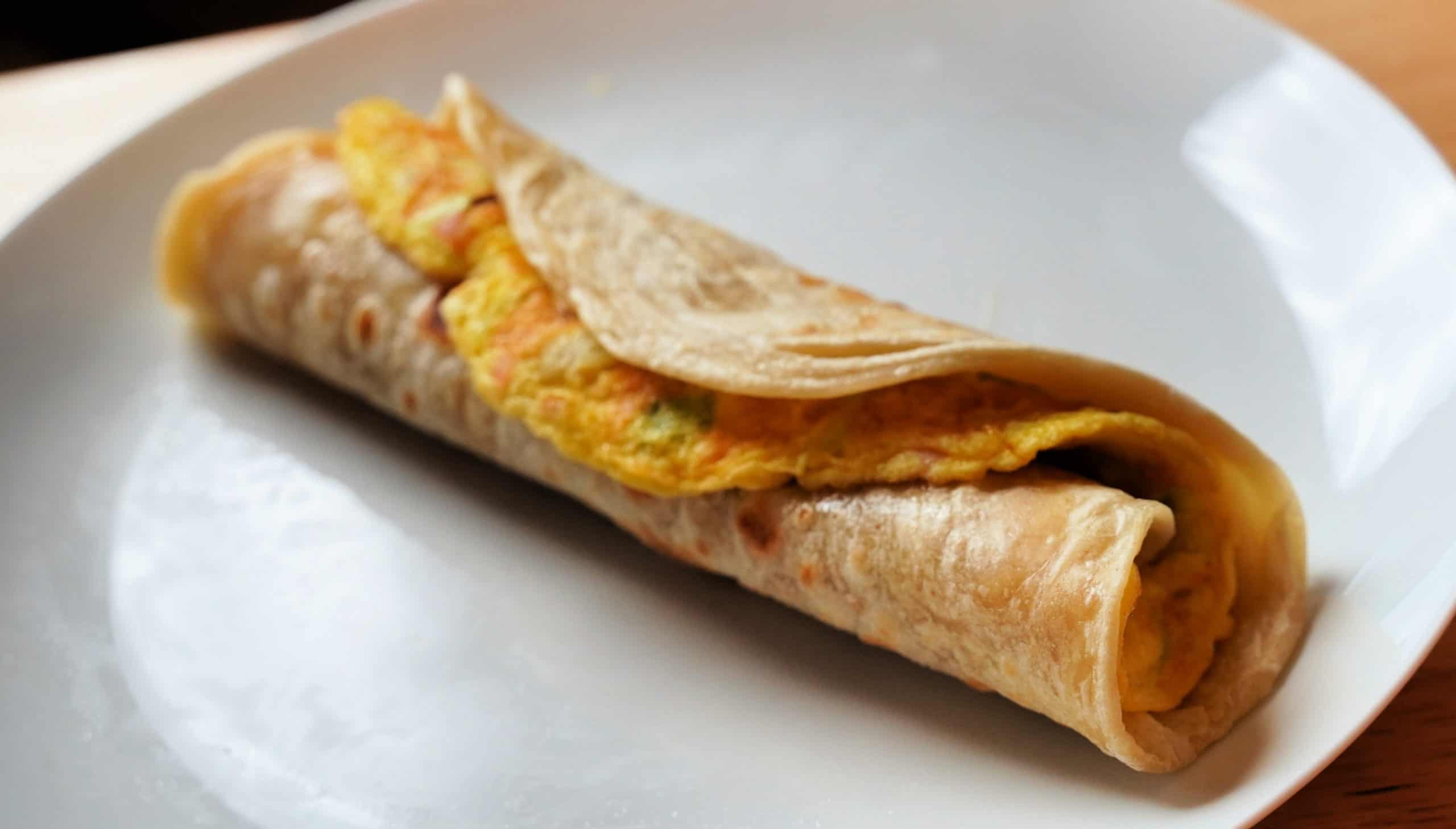
Ugandan Rolex
Variations of the Rolex
Although the classic version remains the most common, there are many variations of the Rolex across Kampala.
Some vendors add sausage or minced meat for extra protein. Others include cheese for a richer flavor profile. In more modern food stalls and cafes, gourmet versions may include avocado, chicken strips, chili sauces, or even fusion-style fillings influenced by international cuisine.
There is also the “double Rolex,” which uses two chapatis instead of one, creating a larger and more filling meal. This version is often chosen by customers with higher energy needs or those sharing meals.
Despite these variations, the traditional egg-and-vegetable Rolex remains the most authentic and widely consumed version.
Cultural Importance of the Rolex
The Rolex is more than just food.
It represents everyday urban life in Uganda and is widely consumed by students, taxi drivers, workers, and travelers alike, making it one of the few meals that naturally crosses social and economic boundaries without distinction.
It also reflects the strength of Uganda’s informal economy, where street vendors play a central role in supplying affordable food to city populations, and where many families rely on Rolex vending as a primary source of income, making it an important part of urban livelihoods and daily survival systems.
In Kampala, the Rolex is not reserved for special occasions. It is part of daily life, eaten at breakfast, lunch, and even late at night.
When to Eat a Rolex
One of the unique aspects of the Rolex is its flexibility in timing. It is available throughout the day and night.
In the morning, it serves as a quick breakfast for commuters and students heading to work or school. During lunchtime, it becomes a fast and convenient meal for office workers. In the evening and late at night, it is a popular street snack for people moving through entertainment districts.
This all-day availability has made it one of the most reliable food options in Kampala.
Street Food Experience in Kampala
Eating a Rolex is not just about the food itself but also about the street experience. Vendors often cook in open view, allowing customers to watch the entire preparation process. The sound of sizzling pans, the smell of fresh chapati, and the fast-paced movement of vendors create a lively urban atmosphere.
Customers usually eat standing by the roadside or while walking, reflecting the fast-moving nature of city life. This informal dining style is part of what makes the experience authentic and memorable for visitors.
Safety and Choosing Good Vendors
As with most street food, quality can vary depending on the vendor. One of the best indicators of a good Rolex stall is customer volume. Busy stalls typically indicate fresh ingredients and constant turnover.
Observing hygiene practices is also important. Clean cooking surfaces, fresh ingredients, and proper handling of food are good signs of quality preparation.
Locals often know the best spots, so following crowd patterns is a practical way to find reliable vendors.
Why Tourists Should Try the Ugandan Rolex
For travelers, the Rolex offers an accessible and authentic introduction to Ugandan food culture. It is inexpensive, widely available, and easy to enjoy without formal dining settings.
More importantly, it provides insight into daily life in Kampala. It connects visitors to local eating habits, urban energy, and the informal food economy that defines much of the city.
Trying a Rolex is often one of the simplest and most memorable food experiences for tourists in Uganda.
Final Thoughts
The Ugandan Rolex is a perfect example of how simple ingredients can create a culturally significant dish. It is fast, affordable, filling, and deeply embedded in Kampala’s everyday life.
Beyond its ingredients, it represents urban creativity, economic resilience, and the vibrant street culture of Uganda’s capital city.
Whether eaten on a busy street corner, at a roadside stall, or during a quick break in the city, the Rolex remains one of the most iconic and essential food experiences in Kampala.
Recommended Tours: 9 Days Uganda Wildlife Safari | 7 Days Uganda Safari













