Experience Monitoring Lions in Queen Elizabeth National Park
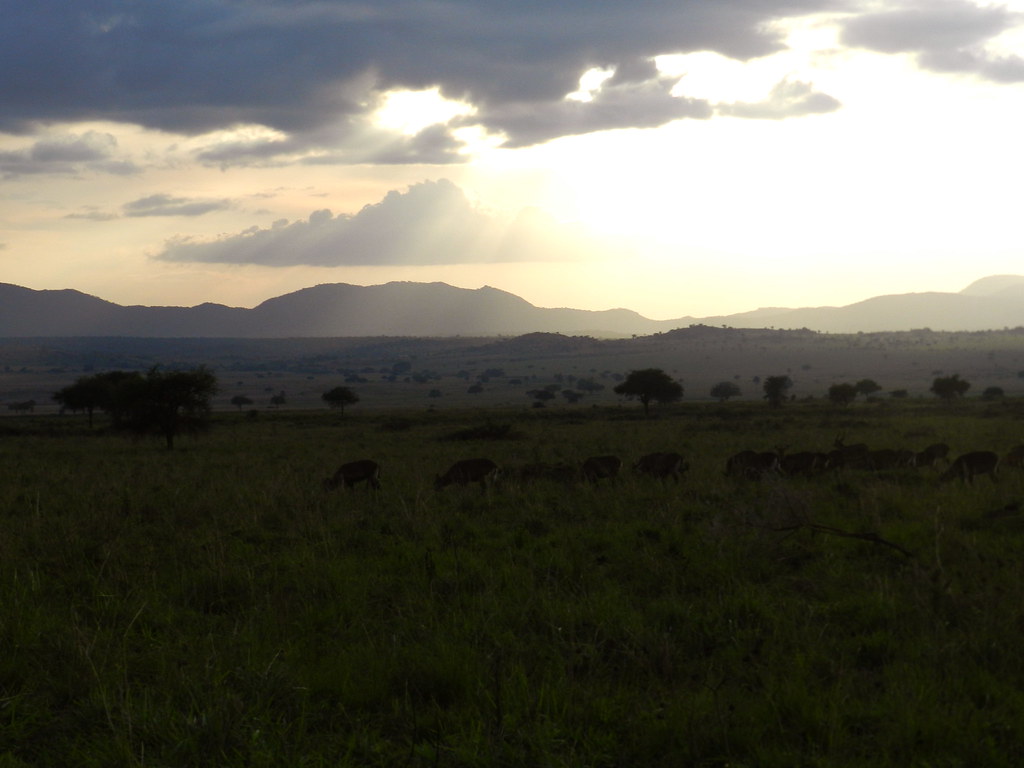
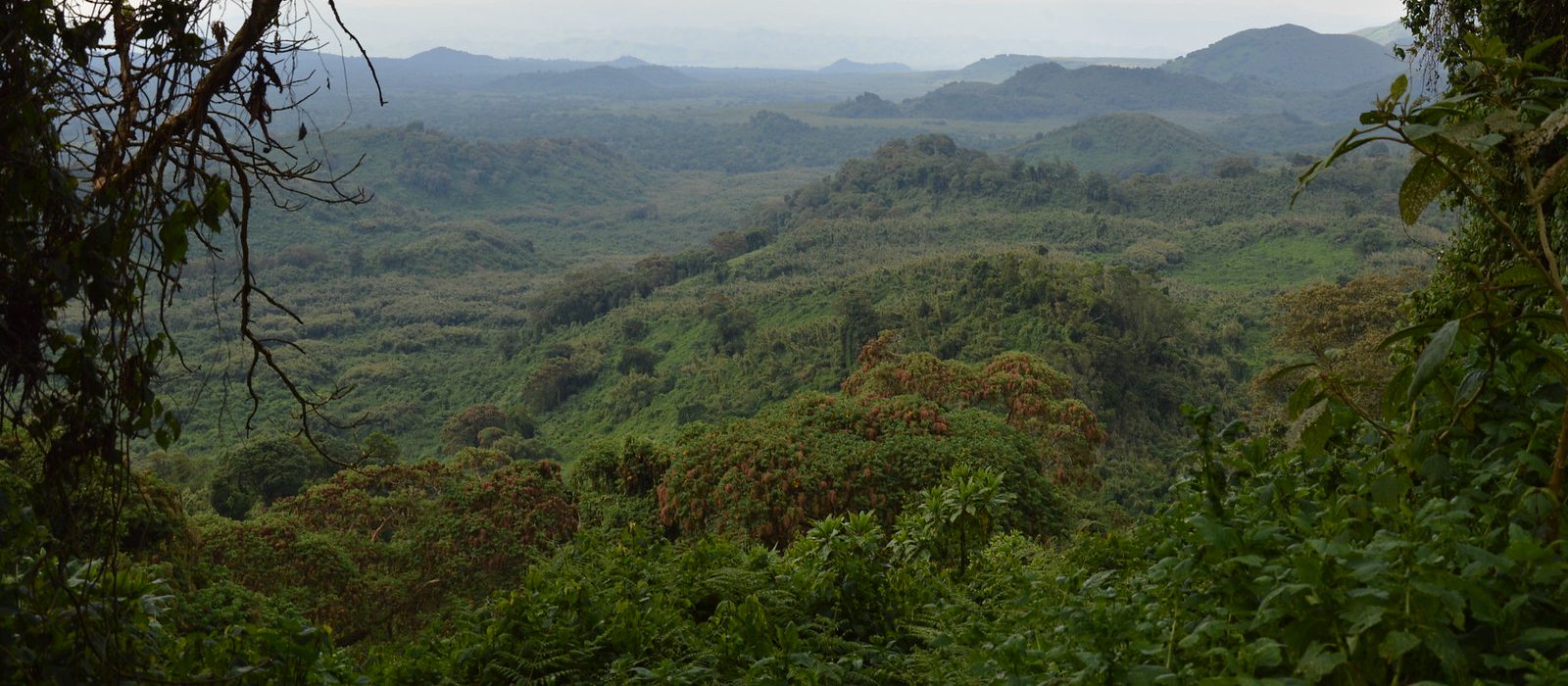
Queen Elizabeth National Park is one of Uganda’s most celebrated conservation landscapes, a place where wide savannah plains, volcanic crater lakes, wetlands, and dense forests merge to form one of East Africa’s most diverse ecosystems. Located in western Uganda along the floor of the Albertine Rift Valley, the park is best known for its remarkable wildlife diversity and dramatic scenery. Among its most fascinating attractions is the opportunity to take part in lion monitoring experiences, an activity that goes beyond traditional game viewing and allows visitors to engage directly with ongoing conservation efforts.
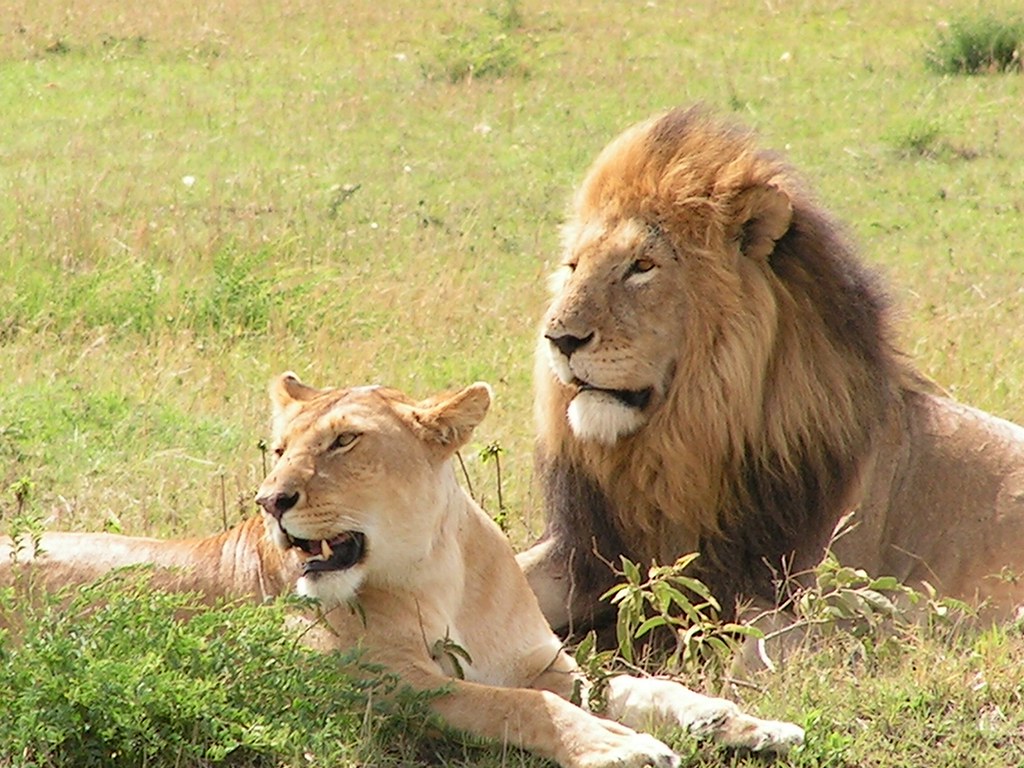
Monitoring lions in Queen Elizabeth National Park is not just about seeing Africa’s iconic predator in the wild. It is an immersive, educational journey that reveals how science, community involvement, and tourism work together to protect one of Uganda’s most important carnivore populations. This experience offers a deeper understanding of lion behavior, habitat use, and the challenges they face in a rapidly changing environment.
Queen Elizabeth National Park and Its Lions
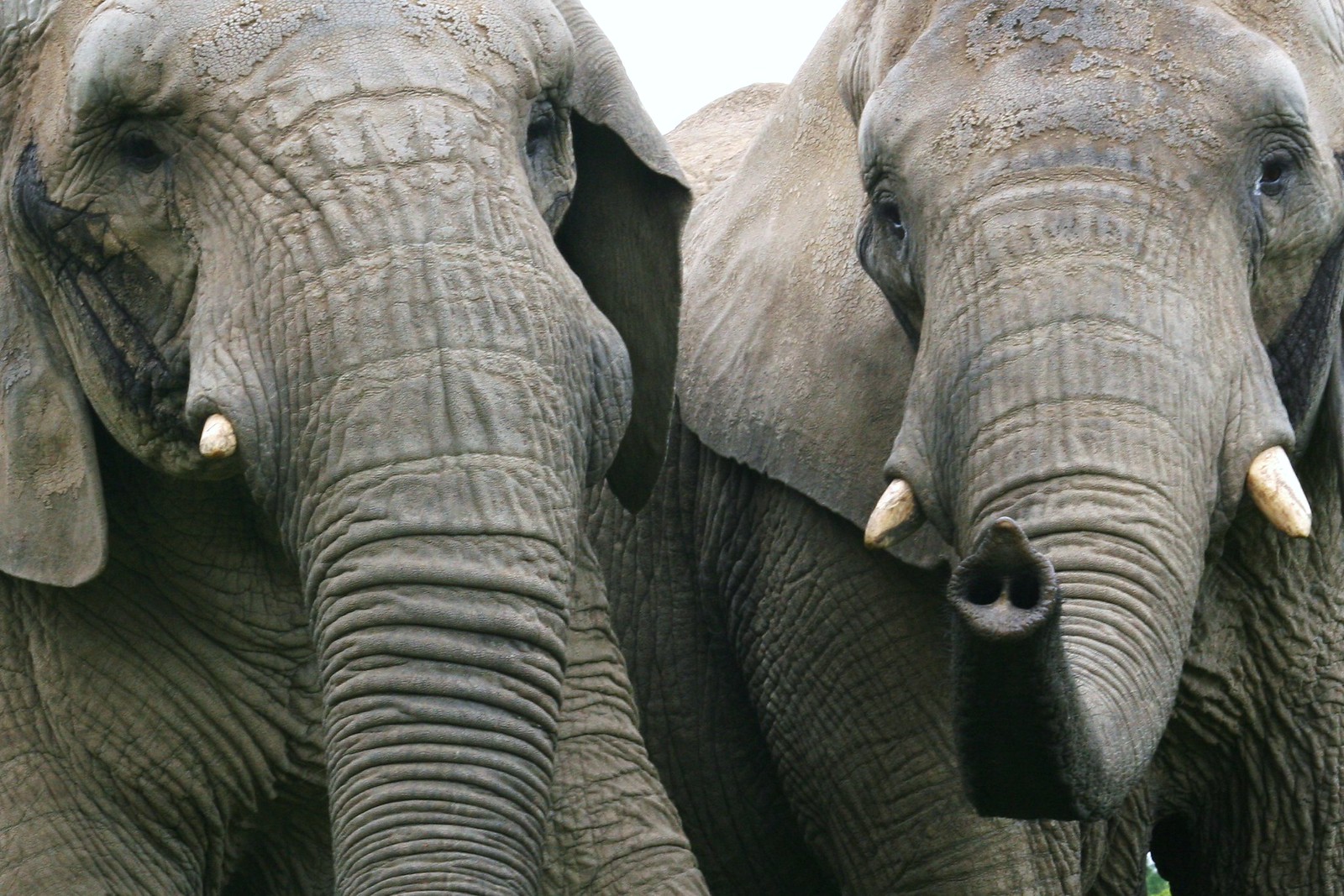
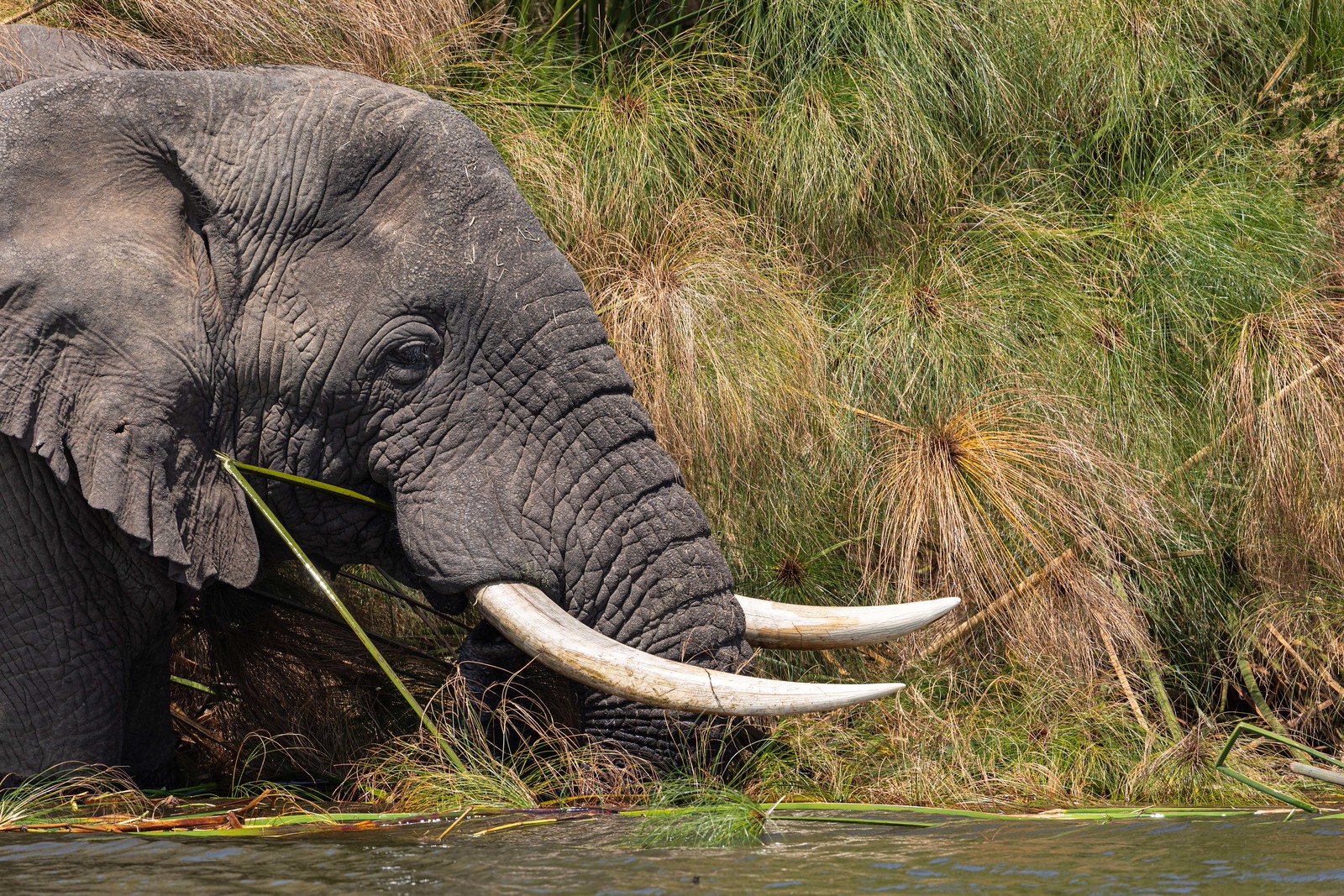
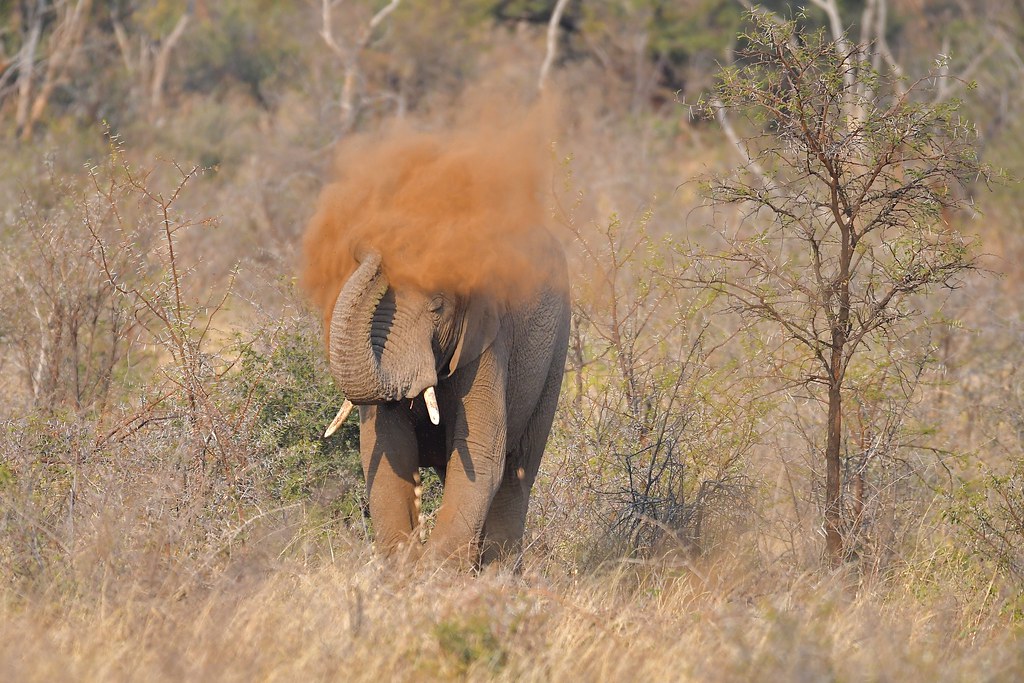
Queen Elizabeth National Park covers an area of approximately 1,978 square kilometers and is home to an impressive variety of wildlife, including elephants, buffaloes, hippos, leopards, hyenas, and over 600 bird species. However, the park’s lions hold a particularly special place in its ecological and tourism story. The lions of Queen Elizabeth are among the best-studied in East Africa and are famous for their unique behaviors, including the rare tree-climbing lions found in the Ishasha sector.
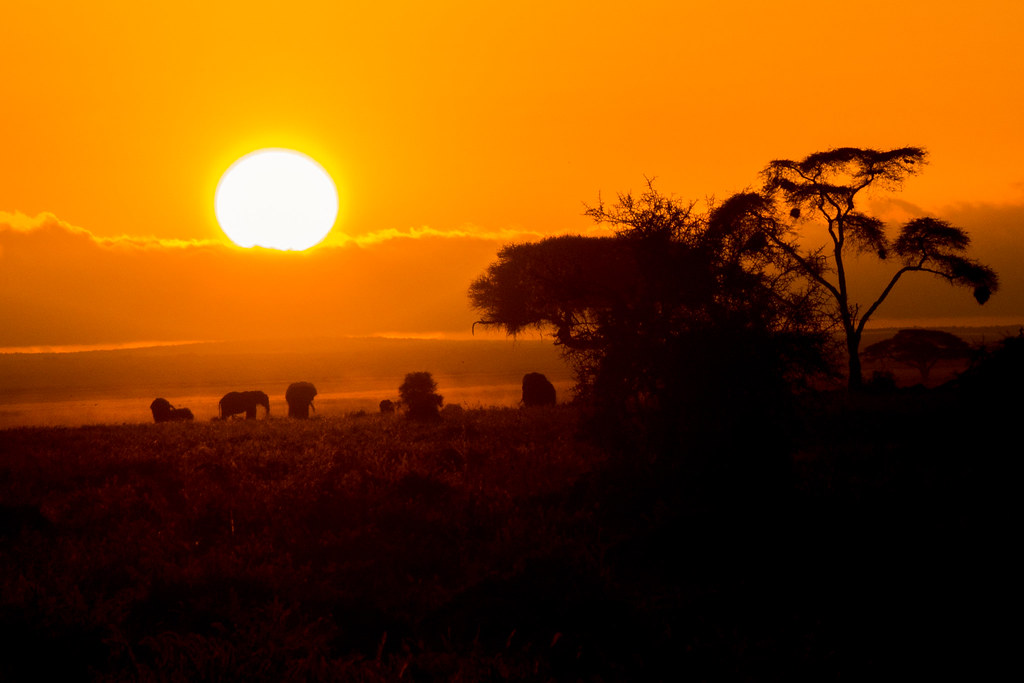
The park supports several lion prides spread across different habitats, from open savannahs in Kasenyi and Mweya to wooded grasslands and fig tree–dotted plains in Ishasha. These lions play a crucial role as apex predators, helping regulate herbivore populations and maintain the balance of the ecosystem.
What Lion Monitoring Is All About
Lion monitoring in Queen Elizabeth National Park is a conservation-focused activity conducted in collaboration with researchers, conservation organizations, and the Uganda Wildlife Authority. The primary goal is to collect data on lion populations, movements, pride structure, health, and interactions with both prey species and surrounding communities.
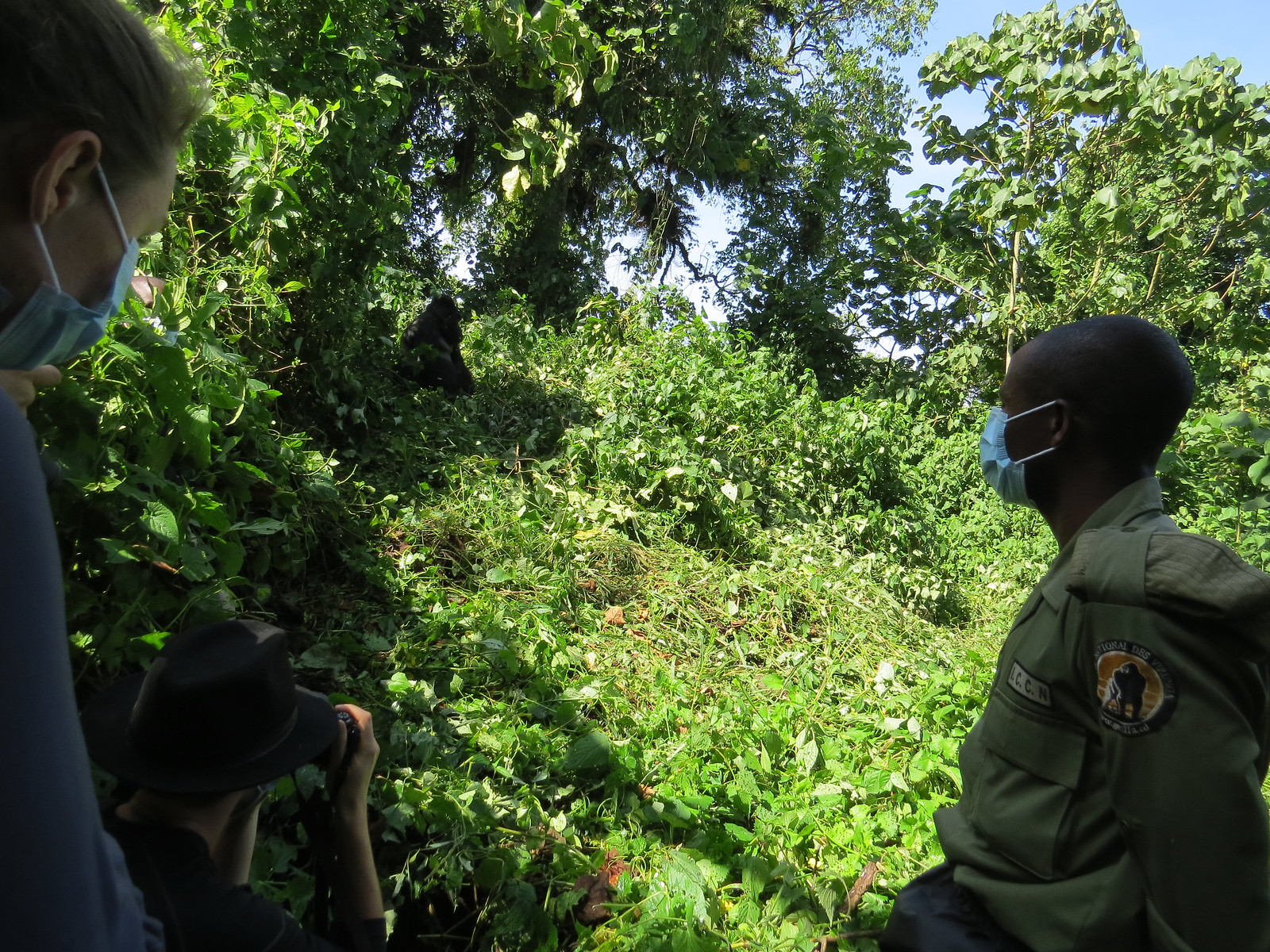
During a lion monitoring experience, visitors accompany trained researchers and rangers into the park, often early in the morning when lions are most active. Using specialized tracking equipment, including radio collars fitted on selected lions, the team locates individuals or prides and observes their behavior from a safe distance. Every sighting contributes valuable information that helps scientists understand how lions use the landscape and how best to protect them.
The Role of Radio Collars and Tracking Technology
A key aspect of lion monitoring in Queen Elizabeth National Park involves the use of radio collars. These collars are carefully fitted on a limited number of lions by veterinary and research teams, following strict ethical and safety guidelines. The collars emit signals that allow researchers to track the lions’ movements across the park.
Tracking data helps identify hunting grounds, resting areas, territorial boundaries, and migration corridors. It also plays a critical role in mitigating human–wildlife conflict by alerting rangers when lions approach community lands near the park boundary. For visitors, seeing how this technology works in the field provides a rare behind-the-scenes look at modern wildlife conservation.
A Typical Lion Monitoring Experience
A lion monitoring excursion usually begins with a briefing at a research base or lodge, where participants are introduced to the goals of the project and the rules for responsible observation. Guides explain lion ecology, social structure, and the importance of long-term data collection. This background knowledge enhances the experience, transforming it from a simple safari drive into an educational adventure.
Once in the field, the team uses tracking signals and expert knowledge of lion behavior to locate the animals. Encounters can vary greatly. Sometimes lions are found resting under acacia trees, their powerful bodies stretched out in the shade. At other times, visitors may observe pride interactions, grooming, playful cubs, or coordinated movements as lions prepare for a hunt.
Researchers record details such as pride size, age composition, physical condition, and behavior. Visitors are encouraged to observe quietly and ask questions, gaining insight into how each observation contributes to broader conservation strategies.
Understanding Lion Behavior and Social Structure
One of the most fascinating aspects of monitoring lions is learning about their complex social lives. Lions are the only truly social big cats, living in prides that consist of related females, their cubs, and one or more dominant males. Monitoring allows researchers to track changes in pride dynamics over time, including births, cub survival rates, male takeovers, and territorial disputes.
In Queen Elizabeth National Park, researchers have documented how prey availability, habitat type, and human pressures influence lion behavior. For example, lions in open savannah areas may hunt differently from those in more wooded regions. Observing these nuances in real time helps visitors appreciate the adaptability and intelligence of these predators.
Tree-Climbing Lions of Ishasha
One of the highlights of lion monitoring in Queen Elizabeth National Park is the chance to encounter the famous tree-climbing lions of the Ishasha sector. These lions are often seen resting in the branches of large fig trees, a behavior that is rare among lions elsewhere in Africa.
Monitoring these lions has helped researchers explore why this behavior occurs, with theories ranging from avoiding ground-level heat and biting insects to gaining a better vantage point over the surrounding plains. Seeing these lions up close, stretched across tree branches, is a memorable experience that underscores the uniqueness of Queen Elizabeth’s lion population.
Conservation Challenges Facing Lions
Lion monitoring also sheds light on the challenges facing lions in and around Queen Elizabeth National Park. Habitat loss, declining prey populations, and human–wildlife conflict pose ongoing threats to lion survival. As communities expand and livestock grazing increases near park boundaries, incidents of livestock predation can lead to retaliatory killings of lions.
By tracking lion movements and understanding conflict hotspots, conservation teams can work with local communities to implement preventive measures such as improved livestock enclosures and early warning systems. Visitors who participate in lion monitoring gain a deeper appreciation of these challenges and the importance of coexistence between people and wildlife.
The Importance of Tourism in Lion Conservation
Tourism plays a vital role in supporting lion conservation in Queen Elizabeth National Park. Fees from monitoring experiences and safaris contribute directly to research, ranger patrols, and community outreach programs. By choosing conservation-focused activities, visitors help ensure that lions remain protected and valued as a living resource rather than a threat.
Lion monitoring also helps shift tourism from passive observation to active participation. Travelers leave with a stronger emotional connection to the animals and a clearer understanding of how their visit contributes to long-term conservation goals.
Best Time for Lion Monitoring in Queen Elizabeth National Park
Lion monitoring can be conducted throughout the year, but certain seasons offer better conditions. The dry seasons, typically from June to September and December to February, make tracking easier as vegetation is less dense and animals are more concentrated around water sources. Early mornings and late afternoons are the most productive times for sightings, as lions are less active during the heat of the day.
Regardless of the season, each monitoring trip is unique. The unpredictability of wildlife ensures that no two experiences are ever the same, adding to the sense of adventure and discovery.
A Deeper Safari Experience
Monitoring lions in Queen Elizabeth National Park transforms a traditional safari into a meaningful conservation journey. It allows visitors to step into the role of a researcher, even if only briefly, and see firsthand how data collection, technology, and local knowledge come together to protect one of Africa’s most iconic species.Rather than simply ticking off a wildlife sighting, participants leave with stories of individual lions, pride histories, and conservation challenges. This deeper connection often inspires a lasting appreciation for Uganda’s wildlife and a desire to support conservation efforts beyond the visit.Experiencing lion monitoring in Queen Elizabeth National Park is one of the most rewarding wildlife activities Uganda has to offer. It combines thrilling encounters with Africa’s top predator and an educational insight into the realities of modern conservation. From tracking radio-collared lions across vast savannahs to learning about pride dynamics and human–wildlife coexistence, the experience offers a rare and meaningful perspective on safari tourism.In a park renowned for its diversity and beauty, lion monitoring stands out as an activity that truly connects visitors to the heart of conservation. It is an experience that not only deepens understanding but also reinforces why protecting lions and their habitats is essential for the future of Queen Elizabeth National Park and Uganda’s natural heritage as a whole.