Home / Gabon Safaris /
When To Go On A Gabon Safari
Planning the best time to visit Gabon for a safari depends largely on weather patterns, wildlife activity, and the type of experiences you want to enjoy. Because Gabon lies along the equator, the country has a tropical climate with high humidity throughout the year, but seasonal rainfall variations strongly influence travel conditions, wildlife visibility, and accessibility of national parks. Understanding these seasonal changes helps travelers choose the most rewarding time for their safari adventure.
Rwanda Gorilla Trekking Experience
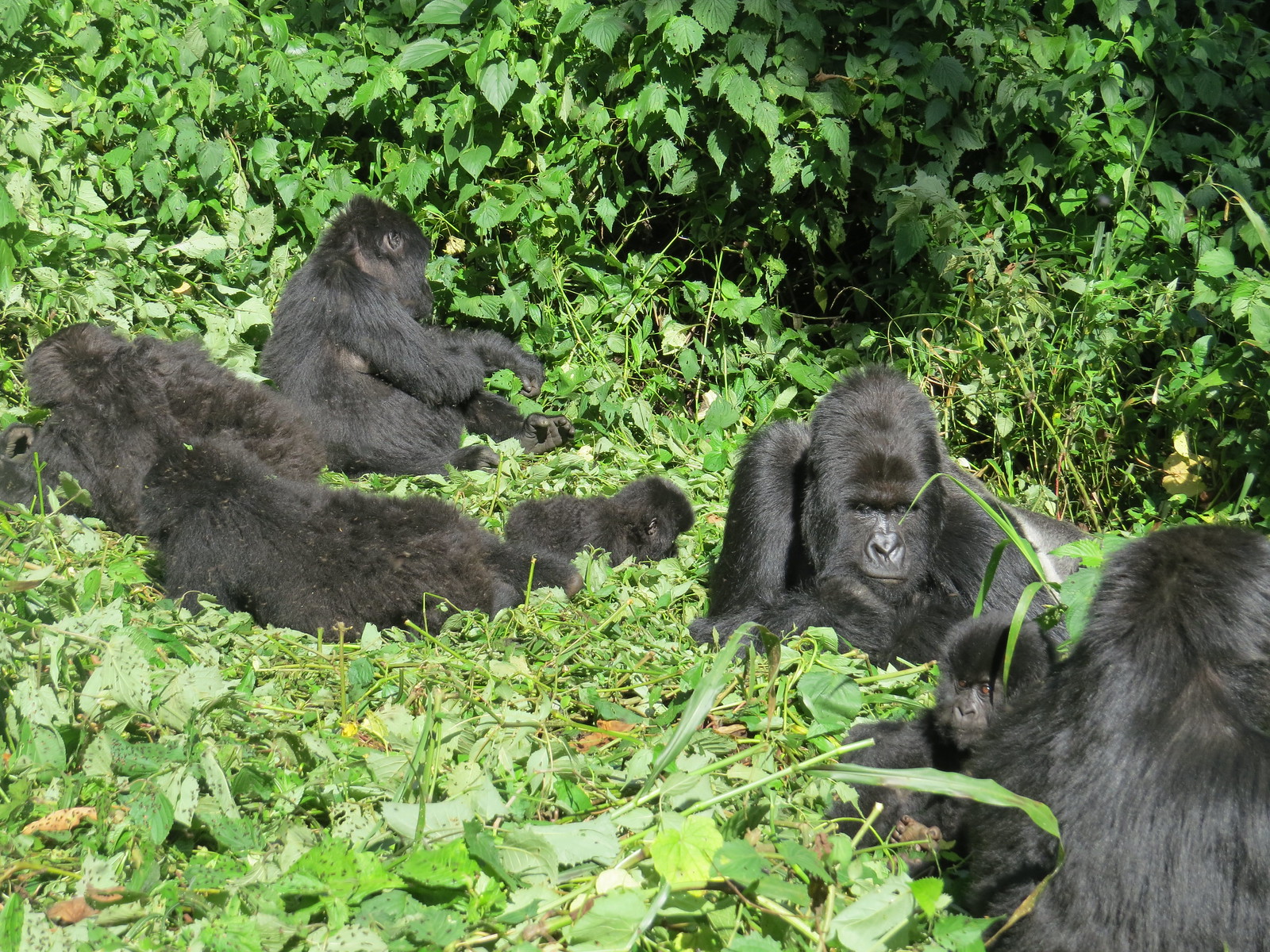
Discover Rwanda’s gorilla trekking experience where misty rainforests shelter mountain gorillas, ancient trails wind through volcanoes national park’s depths, and every step brings you closer to one of Africa’s most profound wildlife encounters, blending raw nature, conservation, and lasting memories.
When To Go On A Gabon Safari & Tours
Please the content should be 110 characters.
7 Days Rwanda & Uganda Gorilla and Wildlife Safari from Kigali with Volcanoes, Bwindi & Big Game Experiences
When To Go On A Gabon Safari Guide: Journey into Gabon
Understanding Gabon’s Climate and Seasonal Patterns
Gabon’s climate is shaped by its position along the equator and proximity to the Atlantic Ocean. Temperatures remain relatively consistent throughout the year, typically ranging between 24°C and 30°C, with little seasonal variation. Humidity levels remain high regardless of season, and rainfall can occur at almost any time, although certain months experience heavier precipitation than others.
The country experiences two primary rainy seasons and two dry seasons. The long rainy season typically occurs from March to May, followed by a major dry season from June to September. A shorter rainy period occurs from October to November, and a secondary dry season takes place between December and February. These seasonal shifts influence travel conditions in national parks, river navigation, and wildlife movement patterns, all of which affect safari experiences.
Main Dry Season — The Best Time for Most Safari Activities (June to September)
The long dry season from June to September is widely regarded as the best time to visit Gabon for a safari. During these months, rainfall decreases significantly, and although humidity remains present, the environment becomes more comfortable for outdoor activities. Forest trails become less muddy and easier to navigate, making this period ideal for trekking experiences such as gorilla tracking and chimpanzee observation.
Wildlife viewing often improves during the dry season because animals move more frequently in search of water and food resources. Coastal parks become particularly spectacular, especially in destinations such as Loango National Park, where visitors may see forest elephants walking along beaches, buffalo grazing near ocean waves, and hippos inhabiting lagoons. The reduced rainfall also improves visibility in rainforest environments, increasing chances of successful wildlife encounters.
One of the most significant highlights of this period is marine wildlife activity. Between July and September, humpback whales migrate along Gabon’s coastline, creating exceptional whale-watching opportunities. Dolphins are also occasionally observed offshore, adding another dimension to safari experiences that combine rainforest and ocean ecosystems.
Secondary Dry Season — A Good Alternative with Fewer Crowds (December to February)
The shorter dry season between December and February provides another favorable period for visiting Gabon. Rainfall decreases compared to surrounding months, and travel conditions are generally manageable for most safari activities. Forest landscapes remain lush and green due to recent rains, creating beautiful scenery for photography and nature exploration.
This period can be particularly attractive for travelers who want to avoid peak tourism months while still enjoying good wildlife opportunities. Parks such as Lopé National Park and Ivindo National Park offer rewarding experiences during this season, including primate tracking, birdwatching, and forest walks. River levels may also remain favorable for boat excursions, allowing exploration of remote habitats.
Although humidity can still be high and occasional rain showers may occur, conditions are generally comfortable enough for most safari activities, making this an excellent alternative to the main dry season.
Rainy Seasons — Challenges and Specialized Opportunities (March to May and October to November)
The rainy seasons in Gabon bring heavy precipitation, increased humidity, and more challenging travel conditions. The long rains from March to May typically produce the heaviest rainfall, while the shorter rainy period from October to November still brings frequent showers. Roads may become muddy, forest trails slippery, and access to remote parks more difficult during these months.
For many travelers, these periods are less convenient for safari holidays due to logistical challenges. However, the rainy seasons also provide unique advantages for certain interests. Vegetation becomes lush and vibrant, creating stunning landscapes for photography. Birdlife becomes particularly active, with migratory species present in wetlands and forests. Travelers interested in botany, rainforest ecology, or birdwatching may find these months especially rewarding.
Coastal destinations such as Mayumba National Park also experience important wildlife events during wetter periods, including sea turtle nesting along protected beaches. Travelers seeking solitude, fewer visitors, and potentially lower travel costs may also consider visiting during these seasons with proper preparation.
Wildlife Viewing Throughout the Year
Because Gabon’s ecosystems support resident wildlife populations, animals can be observed at any time of year. However, environmental conditions influence how easily wildlife can be located. During dry seasons, animals often gather around water sources, improving viewing opportunities. Reduced vegetation density can also enhance visibility in forest environments.
Primate tracking, including western lowland gorillas and chimpanzees, is generally more comfortable during dry months when trails are easier to navigate. However, sightings are still possible year-round with experienced guides. Mandrills, forest elephants, and antelope species can also be observed in multiple seasons depending on location.
Marine wildlife follows seasonal patterns more closely. Whale watching peaks between July and September, while turtle nesting varies by location but often occurs during wetter months. Birdwatching remains productive throughout the year, with some species more visible during rainy periods when food resources increase.
Regional Differences Across Gabon’s National Parks
Different national parks may offer slightly different seasonal experiences depending on their ecosystems and geography. Coastal parks often benefit from marine wildlife activity during certain months, while inland rainforest parks may become more challenging to access during heavy rains. Transition zones between forest and savannah, such as those found in Lopé, may provide better wildlife visibility even during wetter periods compared to dense jungle areas.
River-based exploration also depends on seasonal water levels. Higher water levels during rainy periods may allow deeper river access in some regions, while dry seasons provide easier trekking conditions on land. Understanding these regional variations helps travelers design itineraries that maximize their experience.
Travel Comfort and Preparation Considerations
Regardless of season, travelers should be prepared for warm temperatures, humidity, and occasional rain showers. Lightweight breathable clothing, waterproof gear, insect protection, and comfortable trekking footwear are essential for Gabon safaris. Physical fitness is also important, particularly for activities such as gorilla tracking or forest hikes, which can be demanding in humid environments.
Travel logistics may also vary by season, with certain remote areas requiring careful planning during rainy months. Working with experienced safari operators ensures safe access to parks and well-organized itineraries regardless of travel timing.
Choosing the Best Time Based on Your Travel Goals
Selecting the best time to visit Gabon ultimately depends on personal interests and priorities. Travelers focused on wildlife viewing, primate tracking, and comfortable conditions should prioritize the main dry season from June to September. Those seeking lush scenery, fewer crowds, and good overall conditions may prefer the December to February period. Adventurous travelers interested in birding, photography, or turtle nesting may consider the rainy seasons with proper planning and flexibility.
Because Gabon remains one of Africa’s least crowded safari destinations, visitors often enjoy a sense of exclusivity regardless of timing. The key factor is aligning seasonal conditions with the experiences that matter most to each traveler.
Timing Your Gabon Safari for Maximum Reward
Gabon offers extraordinary safari experiences throughout the year, but seasonal differences influence accessibility, comfort, and wildlife viewing opportunities. The main dry season from June to September remains the most recommended period for most visitors, providing the best balance of favorable weather and wildlife encounters. The secondary dry season between December and February also offers excellent travel conditions with lush scenery and fewer visitors.
Whether exploring rainforest trails, observing elephants along ocean beaches, watching whales offshore, or discovering rare primates deep within jungle ecosystems, choosing the right time to visit ensures a rewarding and unforgettable safari in one of Africa’s most untouched wilderness destinations.
What Our Travelers Enjoyed About Primate Safaris

Gorillas "Silverback"
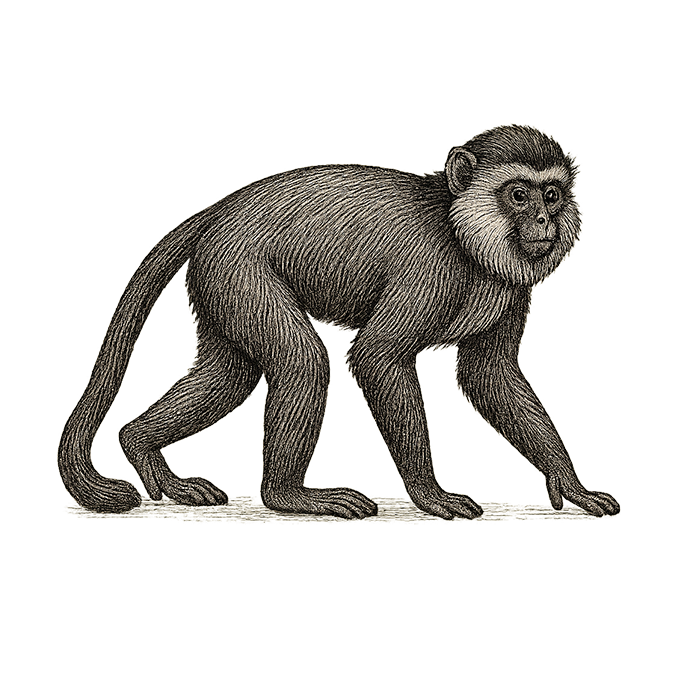
Golden Monkey "Photogenic"
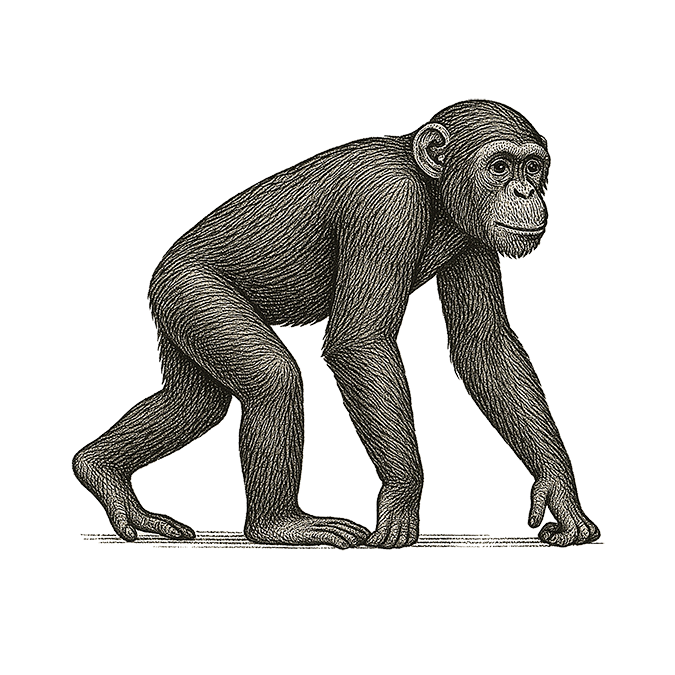
Chimpanzees "Pant-hoot"