Cultural Safaris
November 22, 2025
Walking & Hiking Safaris
November 22, 2025


Conservation Safaris
Conservation safaris represent a responsible approach to wildlife travel, combining authentic safari experiences with direct contributions to environmental protection and community development. Unlike conventional safaris that focus solely on wildlife viewing, conservation safaris are designed to support habitat preservation, anti-poaching initiatives, scientific research, and local livelihoods. In East Africa, where biodiversity is both extraordinary and fragile, conservation-driven travel plays a critical role in sustaining national parks, reserves, and the people who live alongside wildlife.


Great Migration Experience
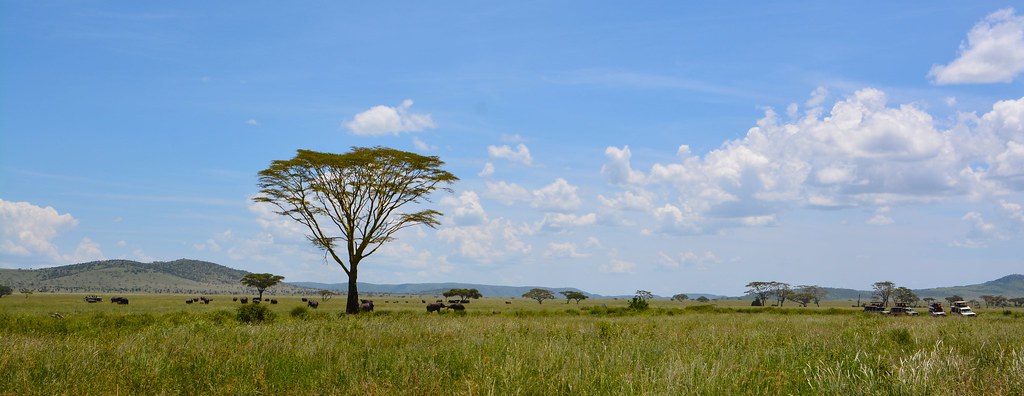
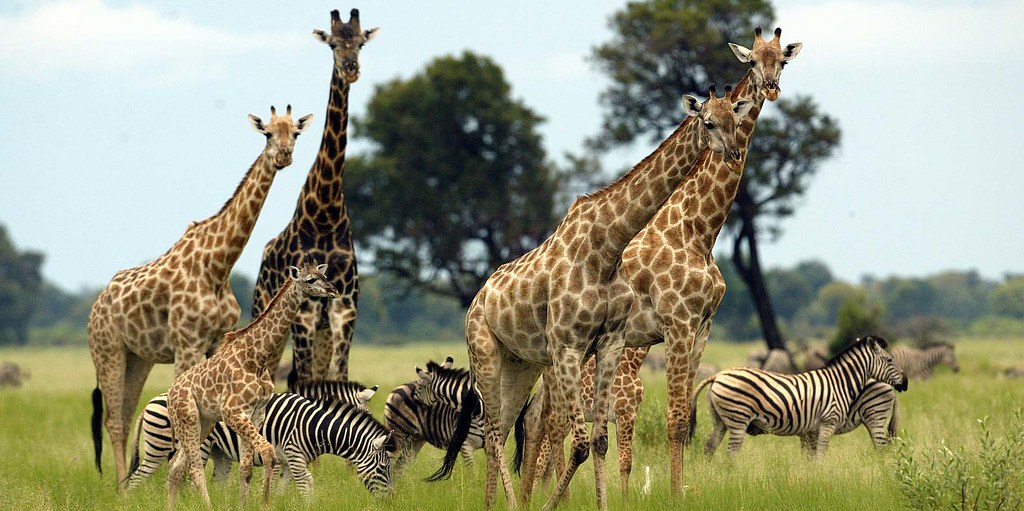
Discover great migration experience where misty rainforests shelter ancient trails wind through great migration's depths, and every step brings you closer to one of Africa’s most profound wildlife encounters, blending raw nature, conservation, and lasting memories.
Conservation Safaris: A Complete Guide to Experiences Across the Region
Why East Africa Is the Heart of Conservation Safaris
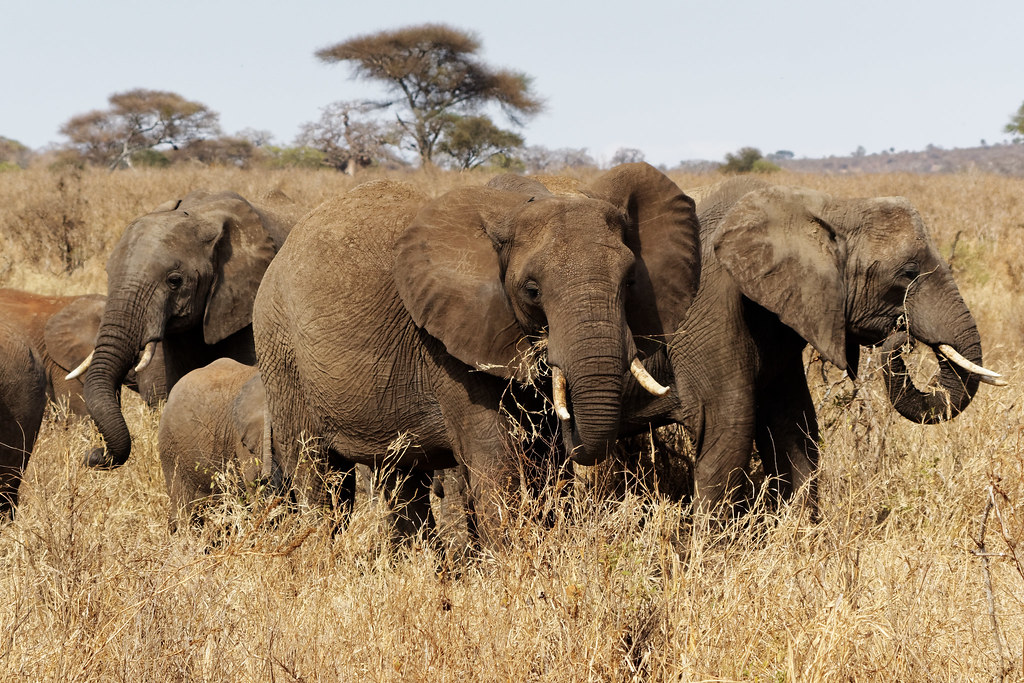
East Africa stands at the forefront of wildlife conservation in Africa, hosting some of the continent’s most iconic ecosystems and endangered species. From the savannahs of Uganda and Kenya to the wetlands and forests of Rwanda and Tanzania, the region supports lions, elephants, rhinos, leopards, buffaloes, mountain gorillas, chimpanzees, and over a thousand bird species. Conservation safaris in East Africa help protect these species while maintaining ecological balance across landscapes that face pressure from population growth, climate change, and land-use conflicts.
Conservation Safaris and Wildlife Protection
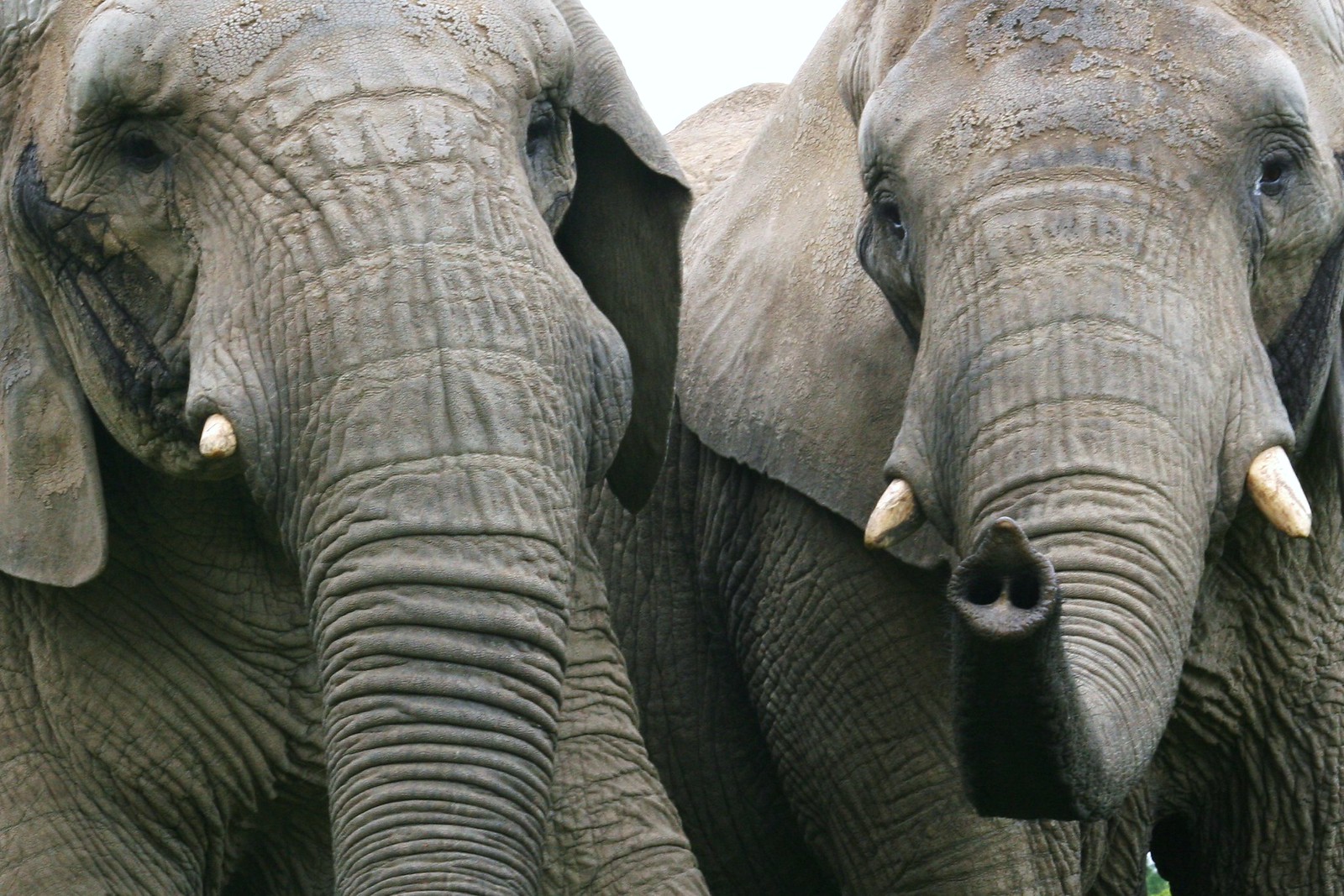
At the core of conservation safaris is the protection of wildlife populations, especially species threatened by poaching and habitat loss. Safari revenues fund ranger patrols, surveillance programs, wildlife corridors, and rescue operations for injured animals. In Uganda, conservation-focused safaris contribute to the survival of mountain gorillas in Bwindi Impenetrable Forest and chimpanzees in Kibale Forest. In savannah parks such as Queen Elizabeth and Kidepo Valley, conservation tourism supports predator monitoring, elephant tracking, and sustainable land management.
The Role of Local Communities in Conservation Tourism
Successful conservation safaris place local communities at the center of tourism development, ensuring that people benefit directly from protecting wildlife. Revenue-sharing programs support schools, health centers, clean water projects, and employment opportunities. Many conservation lodges employ staff from nearby villages and source food and materials locally, creating a sustainable economic cycle. Cultural encounters during conservation safaris also allow travelers to understand traditional knowledge systems that have long supported coexistence between humans and nature.
Conservation Lodges and Eco-Friendly Accommodation
Eco-conscious lodges are a defining feature of conservation safaris, blending comfort with minimal environmental impact. These lodges often operate on solar power, use rainwater harvesting systems, and follow strict waste management policies. In East Africa, conservation lodges are strategically located to reduce habitat disturbance while offering exceptional wildlife access. Staying at such properties ensures that guest expenditures directly support conservation initiatives rather than mass tourism infrastructure.
Conservation Safaris and Big Game Experiences
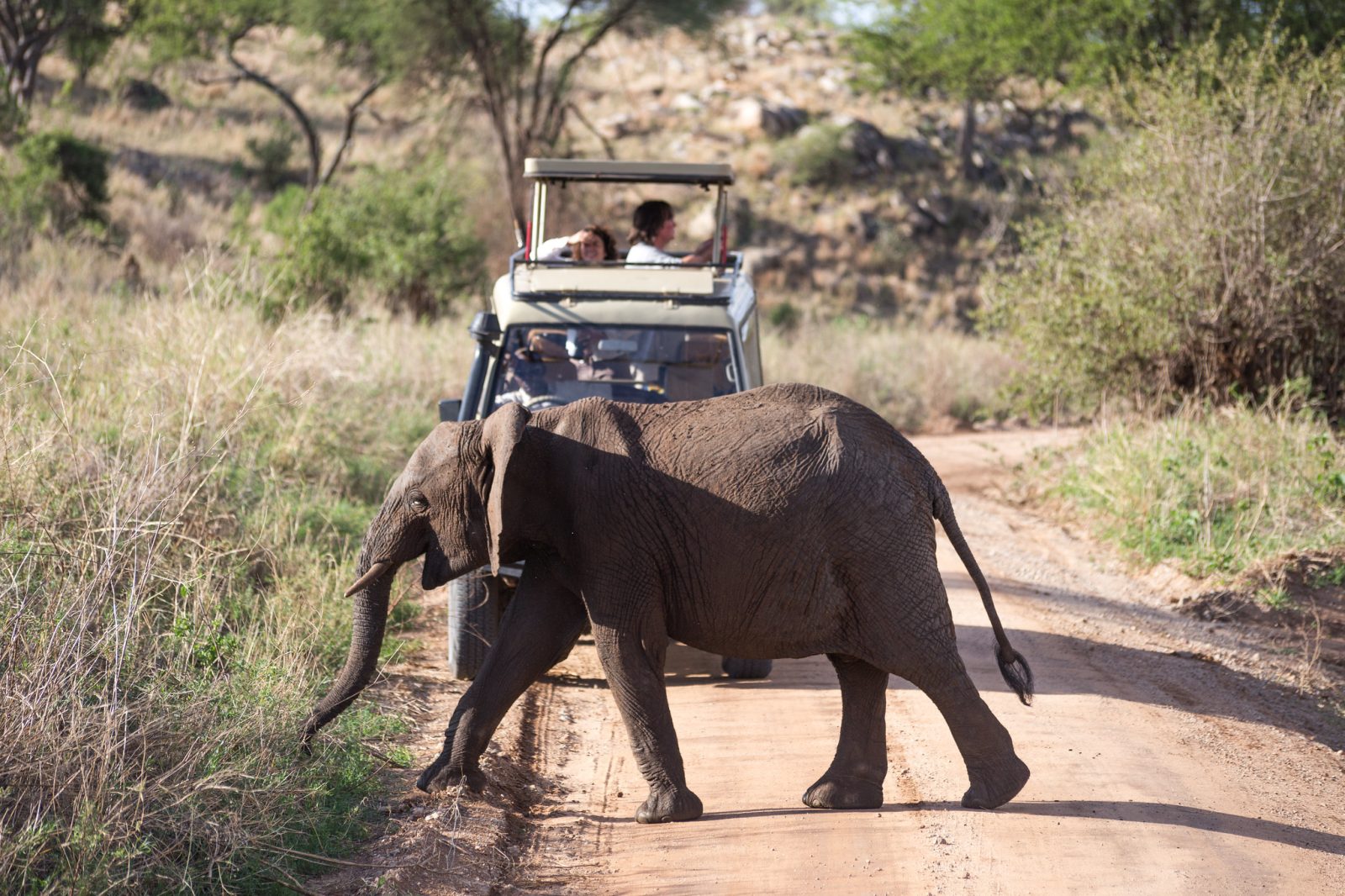
Conservation safaris do not compromise on wildlife encounters, offering exceptional opportunities to observe the Big Five and other iconic species in their natural habitats. Parks like Queen Elizabeth National Park provide conservation-driven game drives where visitors learn about predator-prey dynamics, habitat restoration, and human-wildlife conflict mitigation. In Kidepo Valley National Park, conservation safaris help protect one of East Africa’s most untouched wilderness areas while delivering authentic big game experiences far from crowded routes.
Gorilla and Primate Conservation Safaris
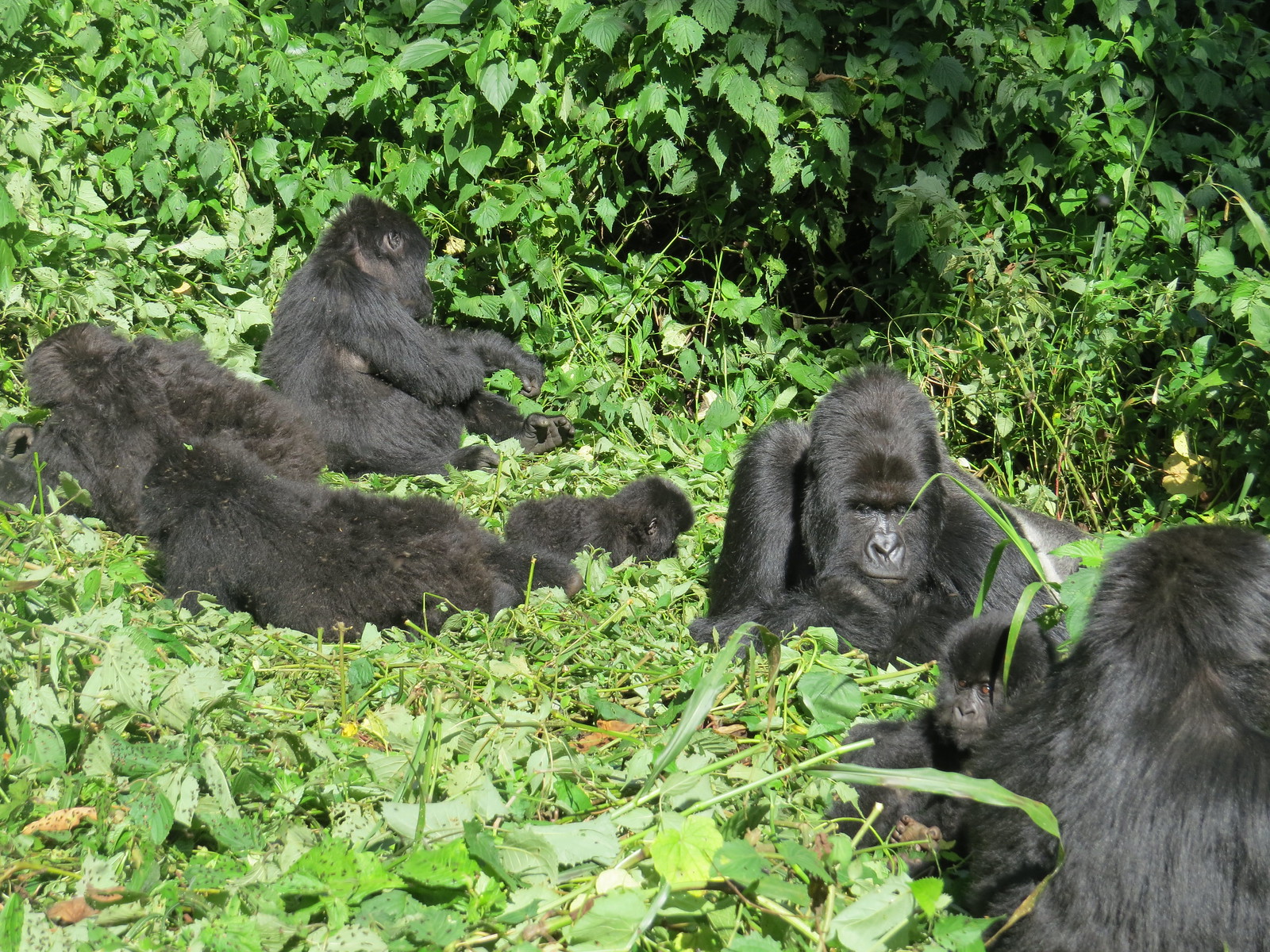
Primate conservation safaris are among the most impactful experiences in East Africa, particularly in Uganda and Rwanda. Gorilla trekking permits directly fund forest protection, veterinary care, and community projects. Conservation-focused primate safaris emphasize strict trekking guidelines, limited visitor numbers, and educational briefings that explain gorilla behavior and conservation challenges. Travelers leave with a deeper understanding of why responsible tourism is essential for the survival of great apes.
Birding Safaris as a Conservation Tool
Birding safaris play a vital role in habitat conservation, especially in wetlands, forests, and migratory corridors. East Africa is a global birding hotspot, and conservation safaris focused on birds support the protection of fragile ecosystems often overlooked by mainstream tourism. In Uganda, birding conservation safaris help preserve Important Bird Areas while promoting awareness of climate change impacts on migratory species.
Family and Educational Conservation Safaris
Conservation safaris are increasingly popular among families and educational groups, offering meaningful learning experiences for all ages. Guided activities focus on ecology, conservation ethics, and wildlife behavior, helping young travelers develop environmental awareness. Family-friendly conservation safaris in East Africa balance safety, comfort, and education, making them ideal for travelers seeking purposeful travel experiences that leave a positive legacy.
Luxury Conservation Safaris in East Africa
Luxury and conservation now coexist seamlessly in East Africa, redefining high-end safari travel. Luxury conservation safaris combine exclusive accommodations, private guides, and personalized experiences with strong environmental commitments. Guests enjoy refined comfort while supporting conservation programs through park fees, lodge initiatives, and private conservation areas. This model proves that responsible tourism can deliver both exceptional quality and measurable conservation outcomes.
Fly-In Conservation Safaris and Remote Protection
Fly-in conservation safaris reduce environmental impact while accessing remote wilderness areas, particularly in parks such as Kidepo Valley and northern Uganda. By minimizing road traffic and travel time, these safaris lower habitat disturbance and carbon footprints. Fly-in safaris also make it economically viable to protect isolated ecosystems that might otherwise lack sufficient tourism revenue.
Conservation Safaris and Cultural Preservation
Cultural conservation is an integral part of responsible safari tourism, especially in East Africa where indigenous traditions are closely linked to natural landscapes. Conservation safaris often include respectful cultural interactions that promote heritage preservation and sustainable livelihoods. These experiences foster mutual respect while reinforcing the importance of protecting both cultural identity and biodiversity.
The Long-Term Impact of Conservation Safaris
Conservation safaris create long-term benefits that extend far beyond individual trips, supporting ecosystem resilience and community stability. Revenue from responsible tourism helps national parks remain financially sustainable, reduces reliance on extractive activities, and encourages governments to prioritize conservation. Travelers become ambassadors for wildlife protection, sharing awareness and supporting conservation long after their journey ends.
Choosing the Right Conservation Safari Experience
Selecting a genuine conservation safari requires informed choices, including working with operators committed to ethical practices and transparent conservation contributions. In East Africa, well-managed conservation safaris balance wildlife viewing with education, respect for nature, and measurable conservation support. The result is a travel experience that is enriching, responsible, and deeply rewarding
Our Recommended Tour Ideas
Please the content should be 110 characters.

Please the content should be 110 characters.
Please the content should be 110 characters.
Please the content should be 110 characters.
Please the content should be 110 characters.

7 Days Rwanda & Uganda Gorilla and Wildlife Safari from Kigali with Volcanoes, Bwindi & Big Game Experiences
Please the content should be 110 characters.
Please the content should be 110 characters.
Please the content should be 110 characters.
What Our Travelers Enjoyed About Primate Safaris

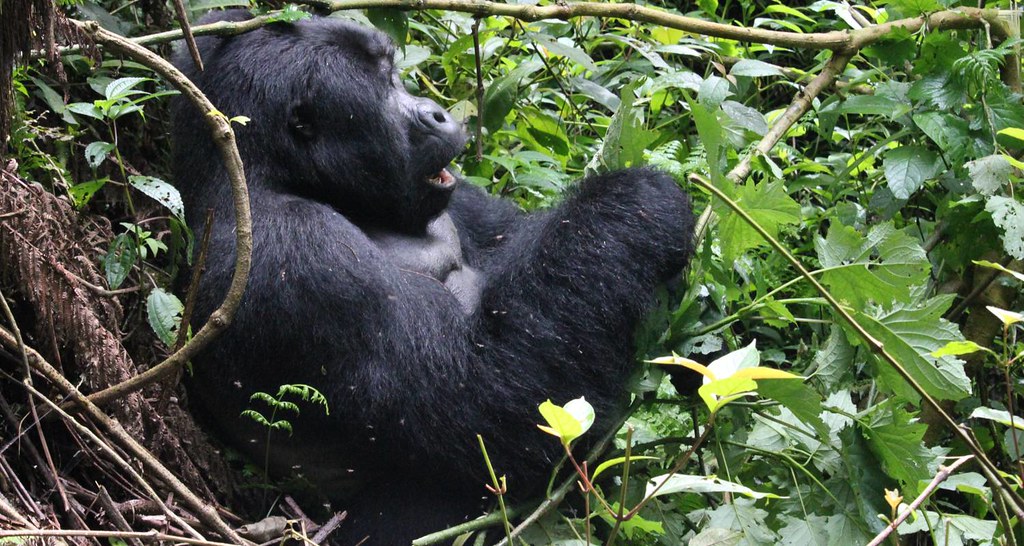
Gorillas "Silverback"

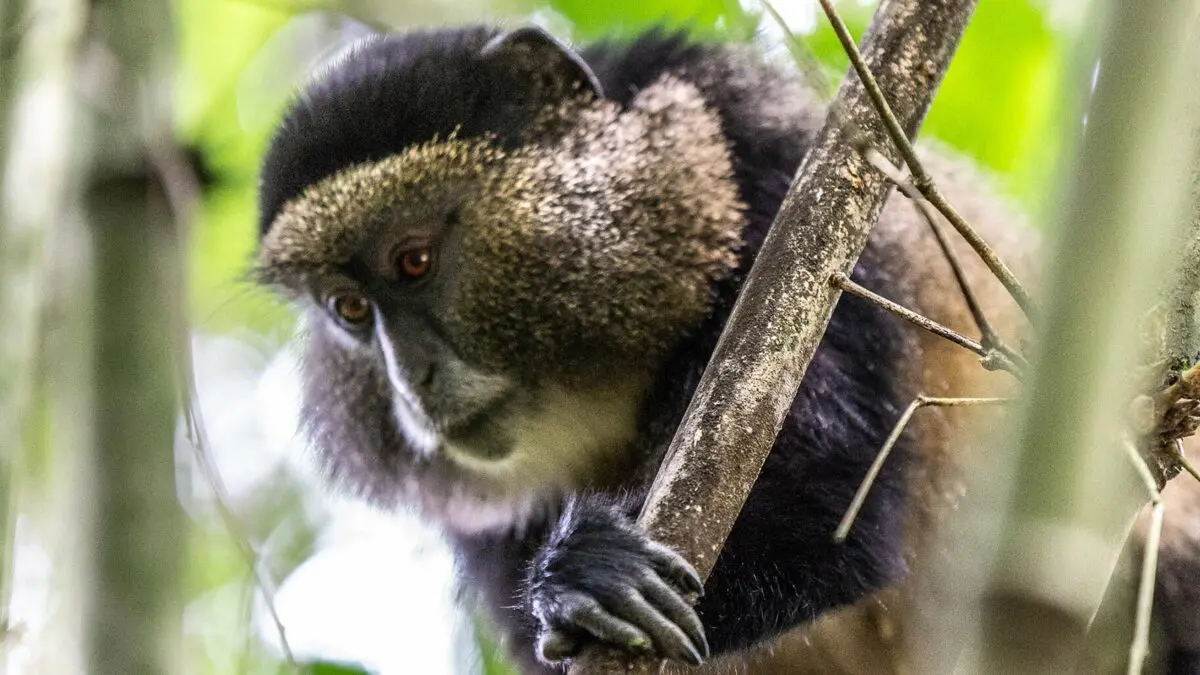
Golden Monkey "Photogenic"

Chimpanzees "Pant-hoot"