
Big Five Safaris
November 22, 2025
Conservation Safaris
November 22, 2025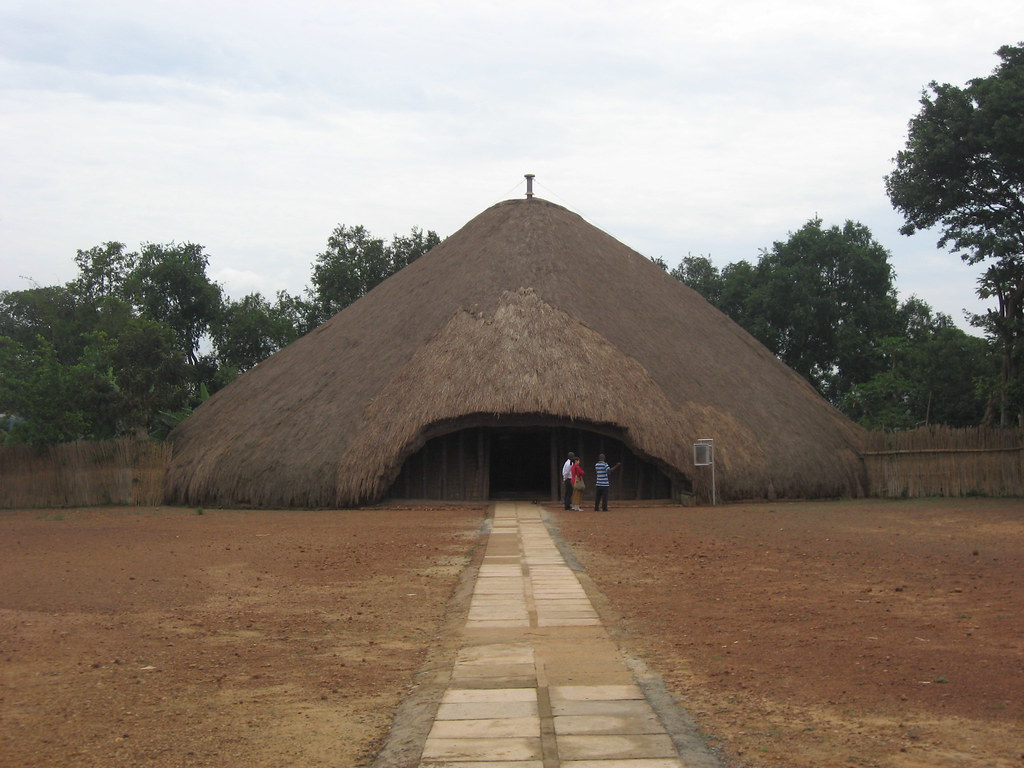


Cultural Safaris
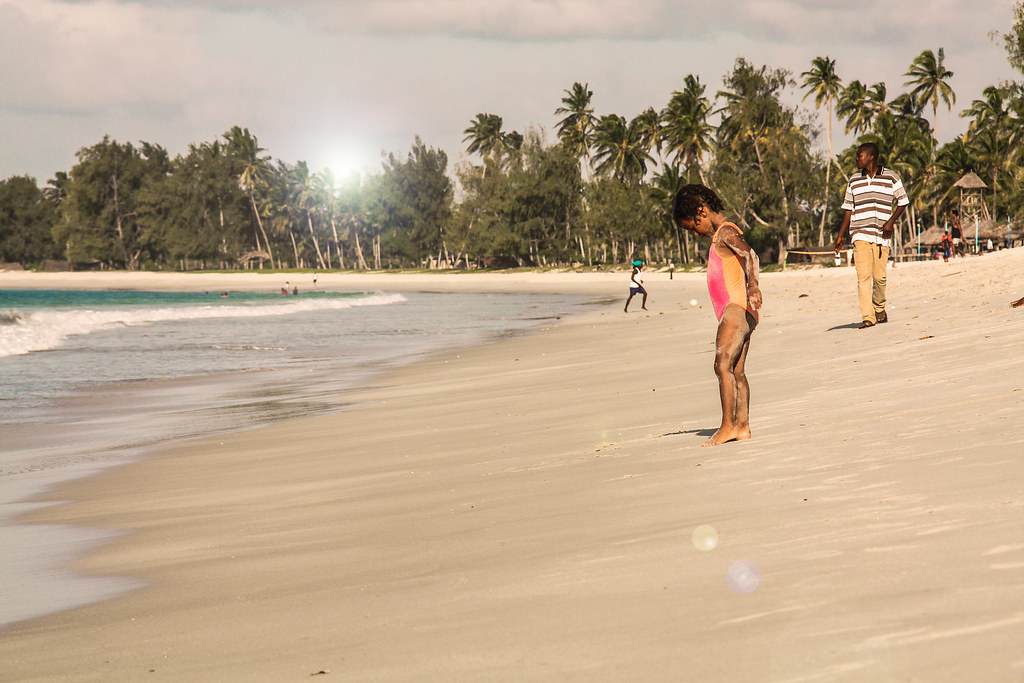
Cultural safaris in East Africa offer a deeply enriching travel experience that goes beyond wildlife viewing to focus on people, traditions, and living heritage. While the region is globally famous for its national parks and iconic animals, East Africa is also home to hundreds of ethnic communities whose cultures, languages, and customs have been preserved for generations. Cultural safaris allow travelers to engage respectfully with these communities, gaining insight into daily life, traditional knowledge, and the strong relationship between people and the land.

Rwanda Gorilla Trekking Experience
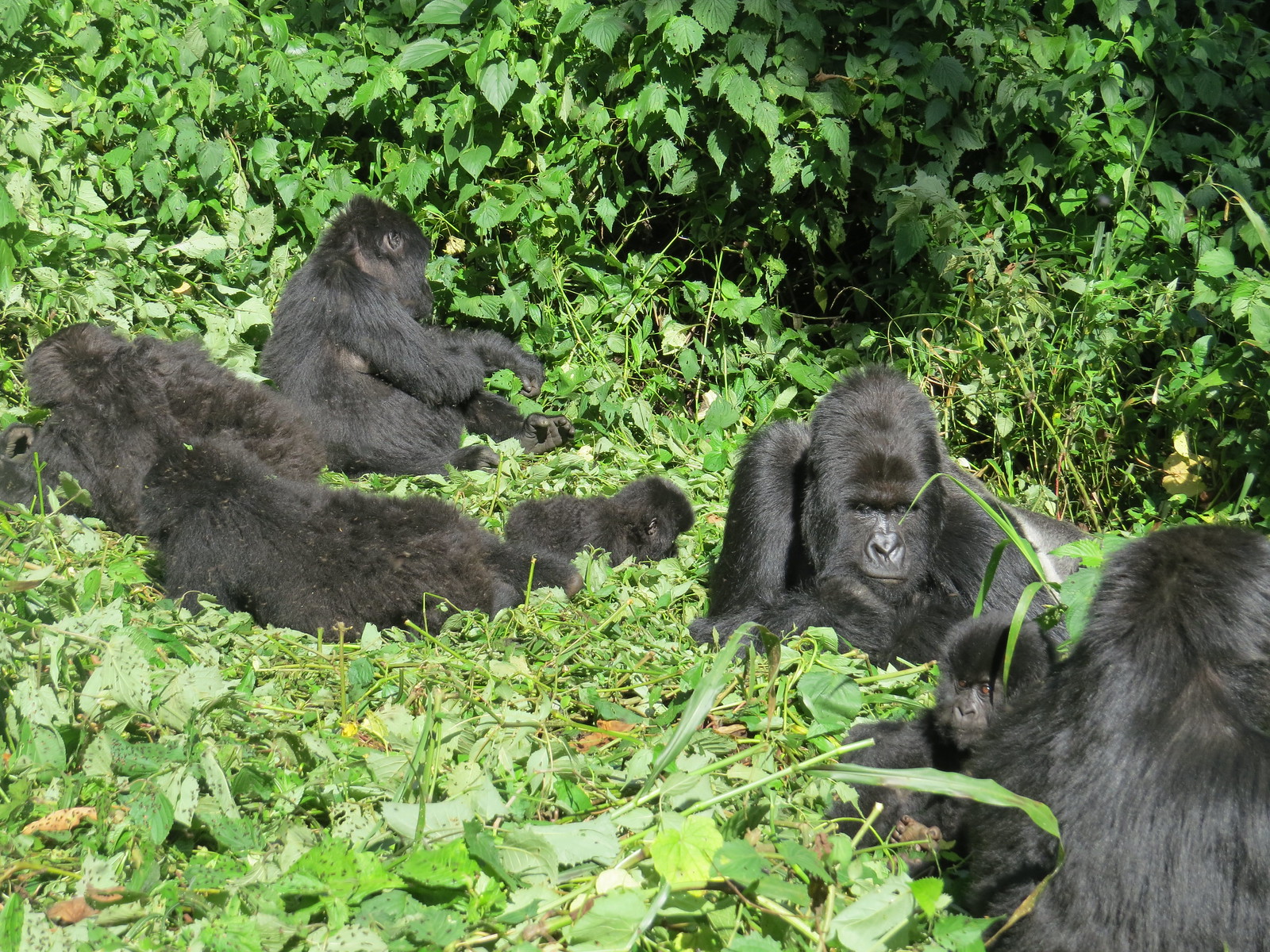
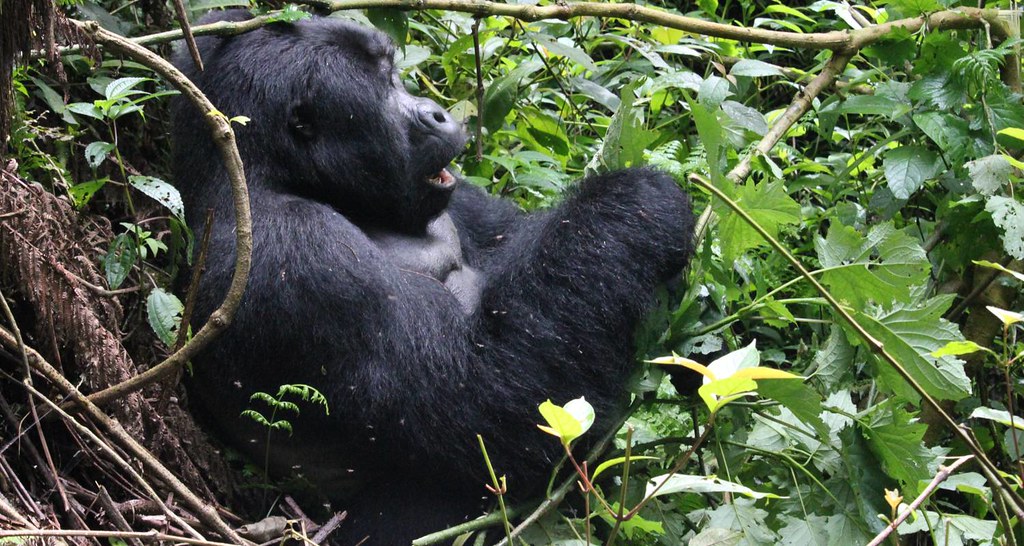
Discover Rwanda’s gorilla trekking experience where misty rainforests shelter mountain gorillas, ancient trails wind through volcanoes national park’s depths, and every step brings you closer to one of Africa’s most profound wildlife encounters, blending raw nature, conservation, and lasting memories.
Cultural Safaris: A Complete Guide to Experiences Across the Region
What Defines a Cultural Safari
A cultural safari is centered on meaningful interaction and cultural exchange rather than passive observation. Travelers visit villages, homesteads, markets, and cultural centers, guided by local hosts who share their history, customs, and stories. These experiences are designed to be respectful, educational, and mutually beneficial, ensuring that communities retain control over how their culture is presented and that tourism contributes positively to local livelihoods.
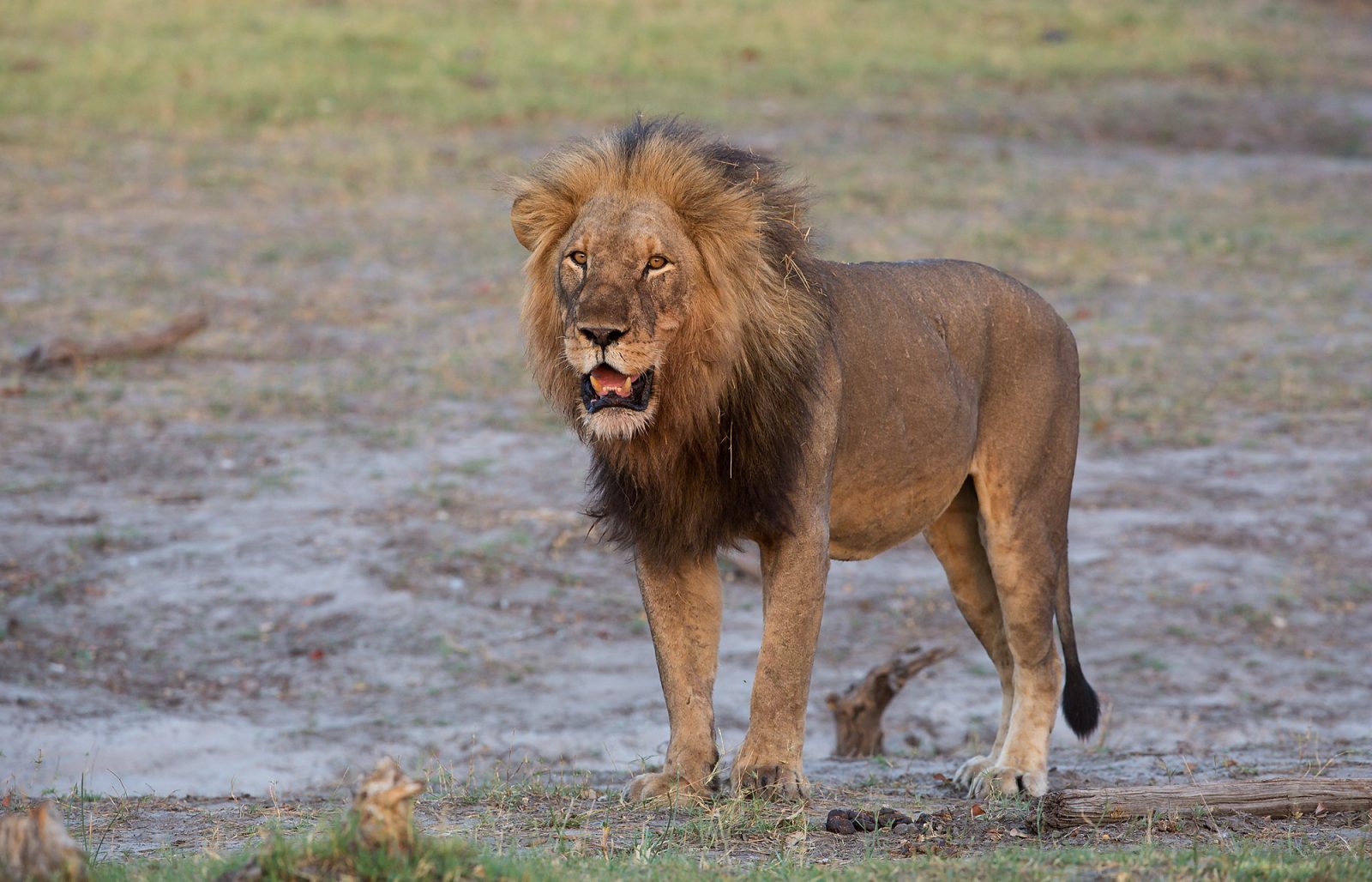
Cultural safaris are often combined with wildlife experiences, creating a balanced itinerary that reflects both the natural and human landscapes of East Africa.
East Africa’s Cultural Diversity
East Africa is one of the most culturally diverse regions on the African continent. Uganda, Kenya, Tanzania, and Rwanda are home to dozens of indigenous communities, each with distinct traditions, music, dress, and belief systems. From pastoralist societies to forest-dwelling communities and agricultural cultures, the region’s diversity provides travelers with a wide range of authentic cultural experiences.
This diversity is closely linked to geography, as different communities have adapted their lifestyles to forests, savannahs, mountains, and lakes over centuries.
Cultural Safaris in Uganda
Uganda is exceptionally well-suited for cultural safaris due to its rich ethnic diversity and welcoming communities. Cultural experiences are spread across the country and can easily be integrated into wildlife itineraries.
In southwestern Uganda, cultural safaris often include visits to local communities near Bwindi Impenetrable Forest, where travelers learn about traditional farming, storytelling, and music. In northeastern Uganda, cultural safaris in the Karamoja region offer insight into pastoralist traditions, cattle culture, and ceremonial practices. Central Uganda provides exposure to royal heritage, traditional governance, and craft-making, while eastern Uganda offers opportunities to engage with communities living around mountains and river systems.
Cultural Safaris in Kenya
Kenya is internationally recognized for its cultural safari experiences, particularly among pastoralist and semi-nomadic communities. Cultural safaris here emphasize traditional lifestyles, ceremonies, and the relationship between people and wildlife.
In areas surrounding major national parks, cultural visits are often led by community members who explain social structures, traditional architecture, and conservation practices. These experiences highlight how communities coexist with wildlife and contribute to conservation efforts through community-based tourism.
Cultural Safaris in Tanzania
Tanzania offers cultural safaris rooted in both ancient traditions and rural village life. Travelers can explore communities that maintain strong connections to their ancestral customs while adapting to modern influences. Cultural safaris often involve guided village walks, visits to traditional homesteads, and opportunities to learn about local agriculture, cuisine, and crafts.
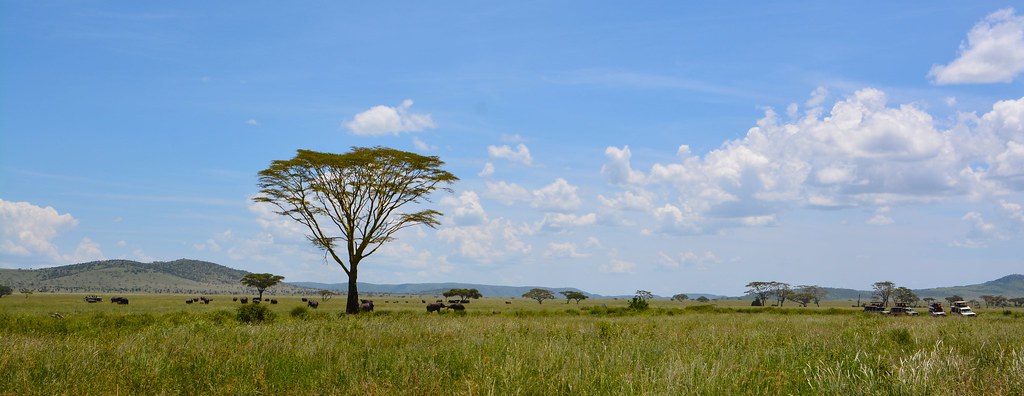
These experiences are commonly paired with safaris in the Serengeti or Ngorongoro region, providing a holistic understanding of both human and wildlife histories.
Cultural Safaris in Rwanda
Rwanda’s cultural safaris focus on heritage, resilience, and community storytelling. Cultural experiences here are carefully curated to promote understanding, unity, and preservation of traditional arts. Visitors engage with music, dance, craftsmanship, and oral history, gaining insight into Rwanda’s cultural identity.
Cultural safaris in Rwanda are often combined with gorilla trekking or savannah safaris in Akagera National Park, adding depth and context to wildlife experiences.
Activities on Cultural Safaris
Cultural safaris include a wide range of interactive and educational activities. These may involve guided village walks, participation in traditional cooking, craft demonstrations, music and dance performances, storytelling sessions, and visits to cultural heritage sites. Travelers are encouraged to ask questions, observe respectfully, and engage openly, fostering genuine exchange rather than staged encounters.
Responsible and Ethical Cultural Tourism
Responsible tourism is fundamental to cultural safaris in East Africa. Ethical operators ensure that cultural experiences are community-led, fairly compensated, and respectful of local customs. Visitors are guided on appropriate behavior, photography etiquette, and cultural sensitivity to maintain dignity and authenticity.
Cultural safaris support community development by creating income opportunities, preserving traditions, and encouraging younger generations to value their heritage.
Who Cultural Safaris Are Best For
Cultural safaris appeal to travelers seeking depth, education, and authentic connection. They are ideal for solo travelers, families, students, and culturally curious visitors who want to understand East Africa beyond wildlife. Cultural safaris are also well-suited for travelers interested in anthropology, history, and sustainable tourism.
Best Time for Cultural Safaris
Cultural safaris can be enjoyed year-round, as cultural life continues regardless of season. However, timing visits around local festivals, ceremonies, or harvest periods can enhance the experience. Cultural activities are often flexible and can be adapted to suit different travel schedules.
Cultural Safaris and Conservation
Cultural safaris play a vital role in conservation and sustainability. By linking cultural heritage to protected landscapes, these safaris demonstrate how community involvement is essential to wildlife conservation. When communities benefit from tourism, they are more likely to support conservation initiatives and protect natural resources.
Our Recommended Tour Ideas
Please the content should be 110 characters.

Please the content should be 110 characters.
Please the content should be 110 characters.
Please the content should be 110 characters.
Please the content should be 110 characters.

7 Days Rwanda & Uganda Gorilla and Wildlife Safari from Kigali with Volcanoes, Bwindi & Big Game Experiences
Please the content should be 110 characters.
Please the content should be 110 characters.
Please the content should be 110 characters.
What Our Travelers Enjoyed About Primate Safaris

Gorillas "Silverback"

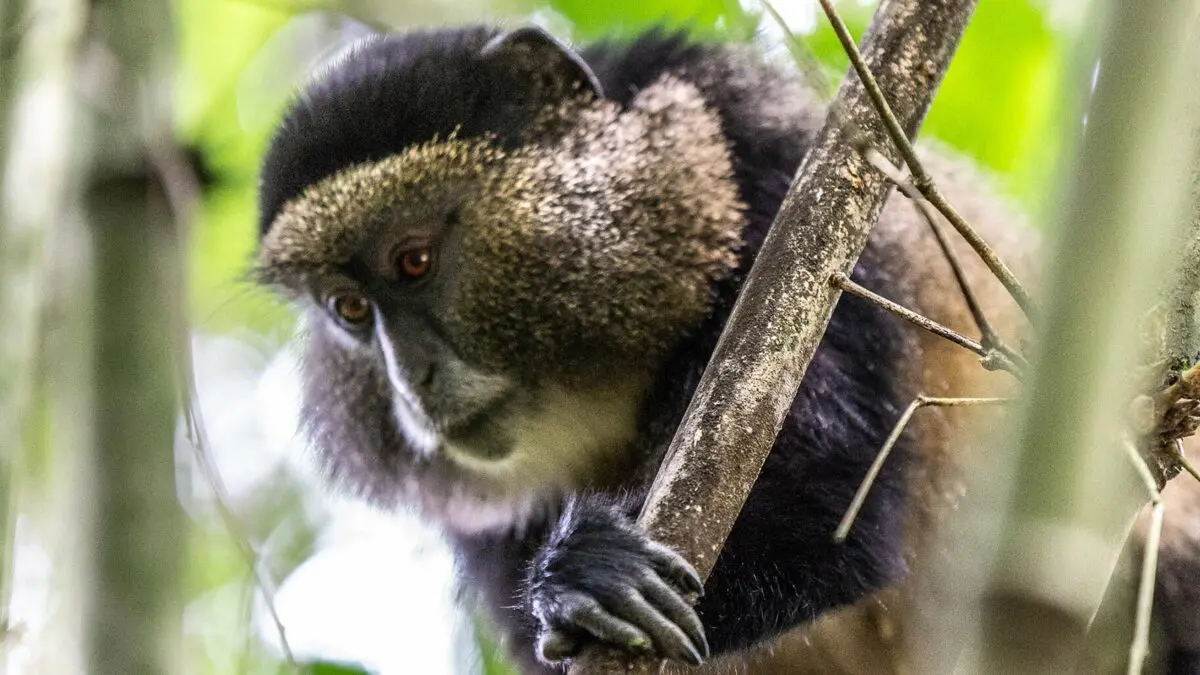
Golden Monkey "Photogenic"

Chimpanzees "Pant-hoot"