East Africa Holiday Types
November 22, 2025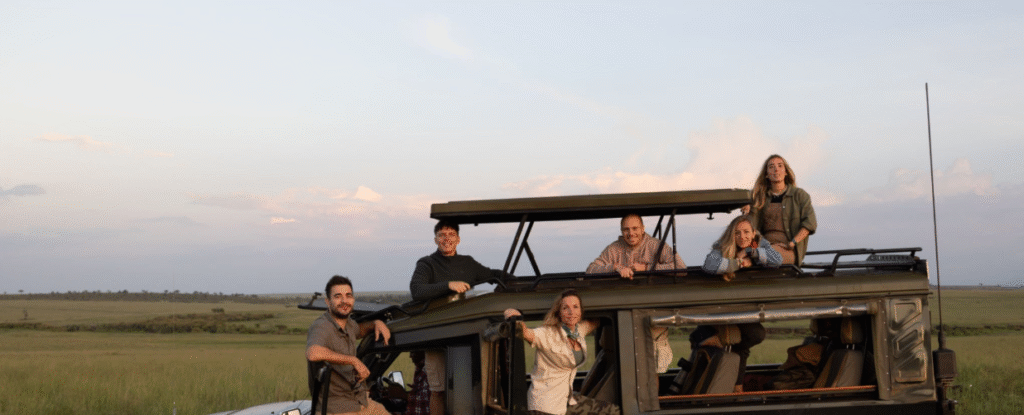


Group Safaris
Group safaris offer an engaging and cost-effective way to experience Africa’s wildlife while traveling with like-minded people. Designed for small to medium-sized groups, these safaris combine professional guiding, shared transport, and carefully selected accommodations to create a social yet immersive safari experience. Group safaris are ideal for friends, families traveling together, photography clubs, students, corporate teams, and solo travelers who enjoy meeting others while exploring Africa’s iconic national parks.


Rwanda Gorilla Trekking Experience
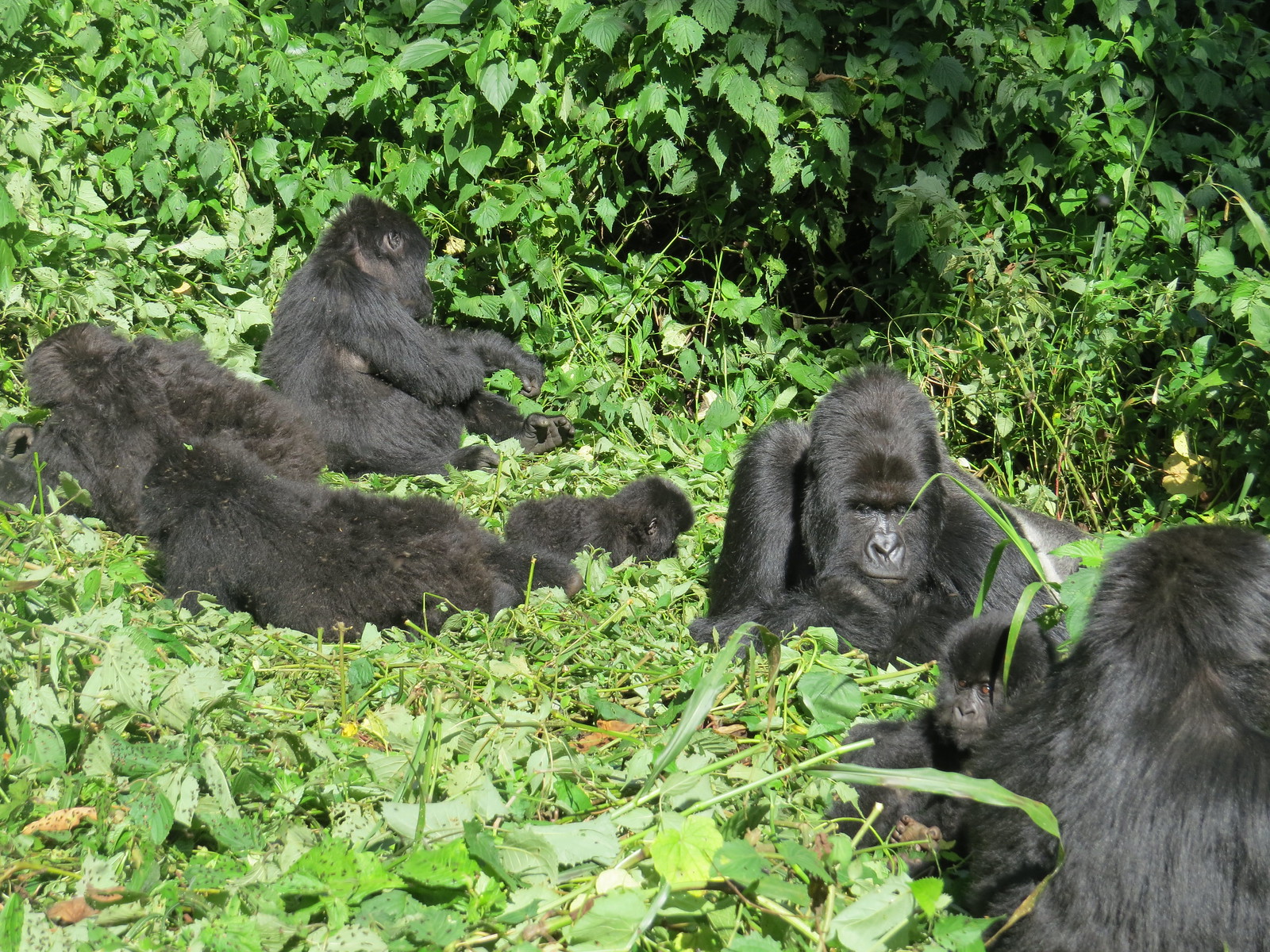
Discover Rwanda’s gorilla trekking experience where misty rainforests shelter mountain gorillas, ancient trails wind through volcanoes national park’s depths, and every step brings you closer to one of Africa’s most profound wildlife encounters, blending raw nature, conservation, and lasting memories.
Group Safaris: A Complete Guide to Experiences Across the Region
What Defines a Group Safari Experience
A group safari is built around shared travel and shared discovery. Guests travel together in customized safari vehicles, participate in scheduled game drives, and stay at lodges or camps that cater to groups. This structure allows costs such as guides, fuel, park fees, and vehicles to be shared, making group safaris more affordable than private safaris while still maintaining high standards of wildlife viewing and comfort.
The group dynamic often enhances the experience, as wildlife sightings are celebrated collectively and knowledge is exchanged among travelers with different backgrounds and interests.
Why Choose a Group Safari
Group safaris provide excellent value without compromising the quality of the safari experience. Because expenses are shared, travelers can access well-known parks, experienced guides, and comfortable lodges at a lower per-person cost. This makes group safaris particularly attractive for first-time safari travelers, students, and travelers with fixed budgets who still want authentic wildlife encounters.
Beyond cost, group safaris offer a social dimension that private safaris may lack. Sharing early morning game drives, sunset moments, and campfire conversations often leads to lasting friendships and a richer travel experience.
Group Safaris in Uganda
Uganda is exceptionally well-suited for group safaris due to its compact geography and diverse wildlife. National parks such as Queen Elizabeth National Park, Murchison Falls National Park, Lake Mburo National Park, and Kidepo Valley National Park are easily combined into group itineraries. Travelers can enjoy big game drives, boat safaris, birding experiences, and cultural encounters without long, exhausting transfers.
Group safaris in Uganda also commonly combine savannah wildlife with primate experiences. Gorilla trekking in Bwindi Impenetrable Forest or chimpanzee tracking in Kibale Forest can be added to group itineraries, creating a well-rounded wildlife journey that appeals to a broad range of travelers.
Types of Group Safaris
Group safaris can be tailored to different interests and travel styles. Wildlife-focused group safaris prioritize big game viewing, while birding group safaris focus on diverse habitats and endemic species. Photography group safaris are guided by experts who help participants capture high-quality images, while cultural group safaris integrate community visits and heritage experiences.
There are also scheduled departure group safaris, where travelers join a pre-planned itinerary on fixed dates, and private group safaris designed for families, organizations, or special-interest groups traveling together.
Accommodation Styles for Group Safaris
Accommodation on group safaris ranges from mid-range lodges to luxury safari camps. Lodges catering to groups typically offer multiple room categories, communal dining areas, and spaces for group briefings and relaxation. Some safari camps provide exclusive-use options for private groups, allowing greater flexibility in activities and schedules.
Comfort, safety, and proximity to wildlife areas are prioritized, ensuring that group members can rest well between activities while remaining immersed in nature.
Group Size and Safari Vehicles
Group sizes are usually kept manageable to ensure quality wildlife viewing. Most group safaris operate with 4 to 7 guests per vehicle, allowing each traveler a window seat and ample space for photography. Professional safari guides manage group dynamics, ensuring that everyone has opportunities to observe wildlife, ask questions, and enjoy the experience fully.
Smaller group sizes also reduce environmental impact and allow vehicles to navigate wildlife areas more responsibly.
Educational and Social Benefits
Group safaris are highly educational, benefiting from shared learning experiences. Guides provide in-depth explanations of animal behavior, ecosystems, and conservation efforts, while group discussions enhance understanding through shared observations. This interactive learning environment is particularly valuable for students, wildlife enthusiasts, and travelers seeking more than casual sightseeing.
Social interaction is another defining feature. Meals, game drives, and evening discussions bring travelers together, fostering camaraderie and a sense of shared purpose throughout the journey.
Safety and Organization
Safety and organization are central to successful group safaris. Reputable operators manage logistics, permits, park fees, and accommodation bookings, allowing travelers to focus entirely on the experience. Clear itineraries, experienced guides, and well-maintained vehicles ensure smooth operations and peace of mind for all participants.
Best Time for Group Safaris
Group safaris operate year-round, but timing influences wildlife viewing and comfort. Dry seasons generally offer easier wildlife spotting and better road conditions, while green seasons provide lush scenery, fewer crowds, and excellent birding opportunities. Many group safaris are scheduled around peak travel periods, making them convenient for travelers planning in advance.
Conservation and Responsible Travel
Group safaris play an important role in sustainable tourism. By sharing resources, group travel reduces per-person environmental impact. Many operators support conservation initiatives and community projects, allowing travelers to contribute positively to wildlife protection and local livelihoods through responsible tourism.
Group safaris combine affordability, social connection, and unforgettable wildlife experiences. They allow travelers to explore Africa’s national parks with expert guidance, comfortable accommodations, and a shared sense of adventure. Whether you are a solo traveler joining a scheduled departure or part of a private group, group safaris offer a rewarding and enriching way to experience Africa’s natural wonders while connecting with others who share a passion for wildlife and travel.
Our Recommended Tour Ideas
Please the content should be 110 characters.
Please the content should be 110 characters.
Please the content should be 110 characters.
Please the content should be 110 characters.
Please the content should be 110 characters.

7 Days Rwanda & Uganda Gorilla and Wildlife Safari from Kigali with Volcanoes, Bwindi & Big Game Experiences
Please the content should be 110 characters.
Please the content should be 110 characters.
Please the content should be 110 characters.
What Our Travelers Enjoyed About Primate Safaris

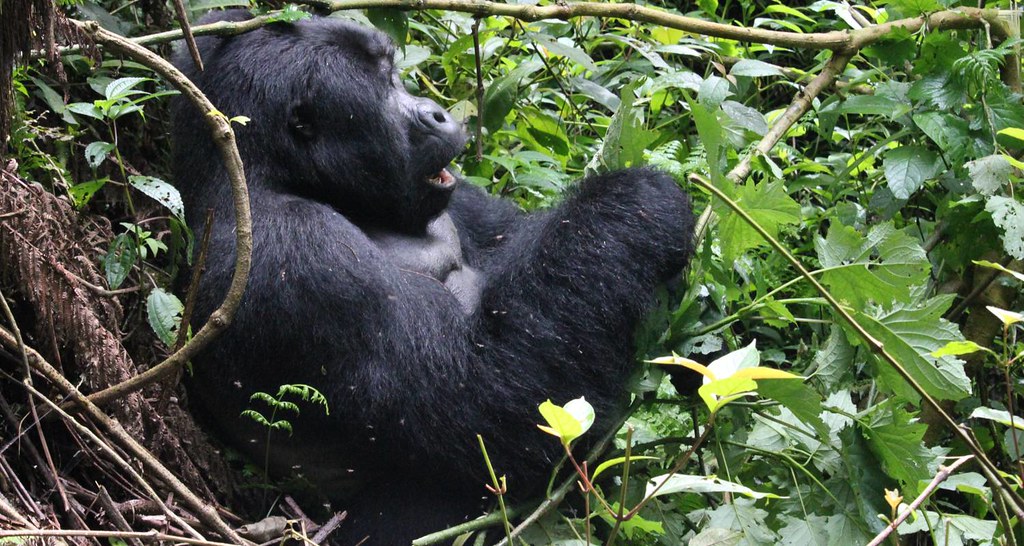
Gorillas "Silverback"
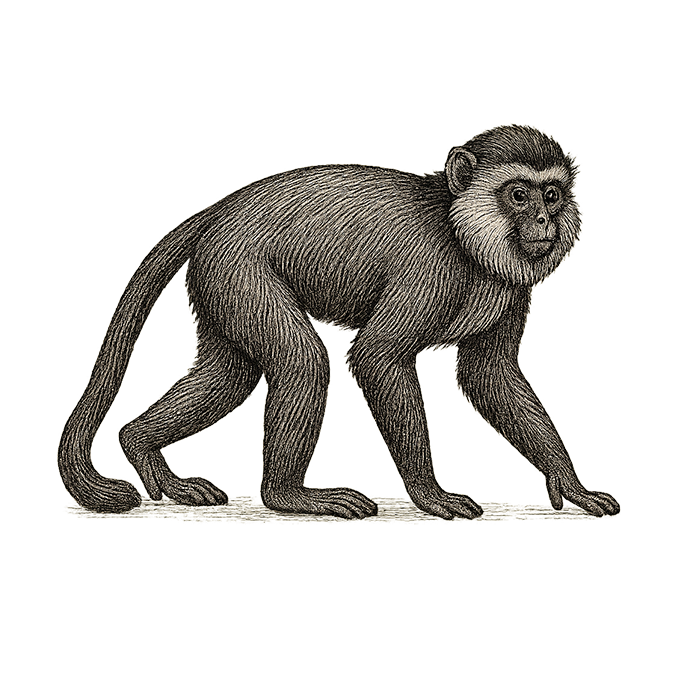
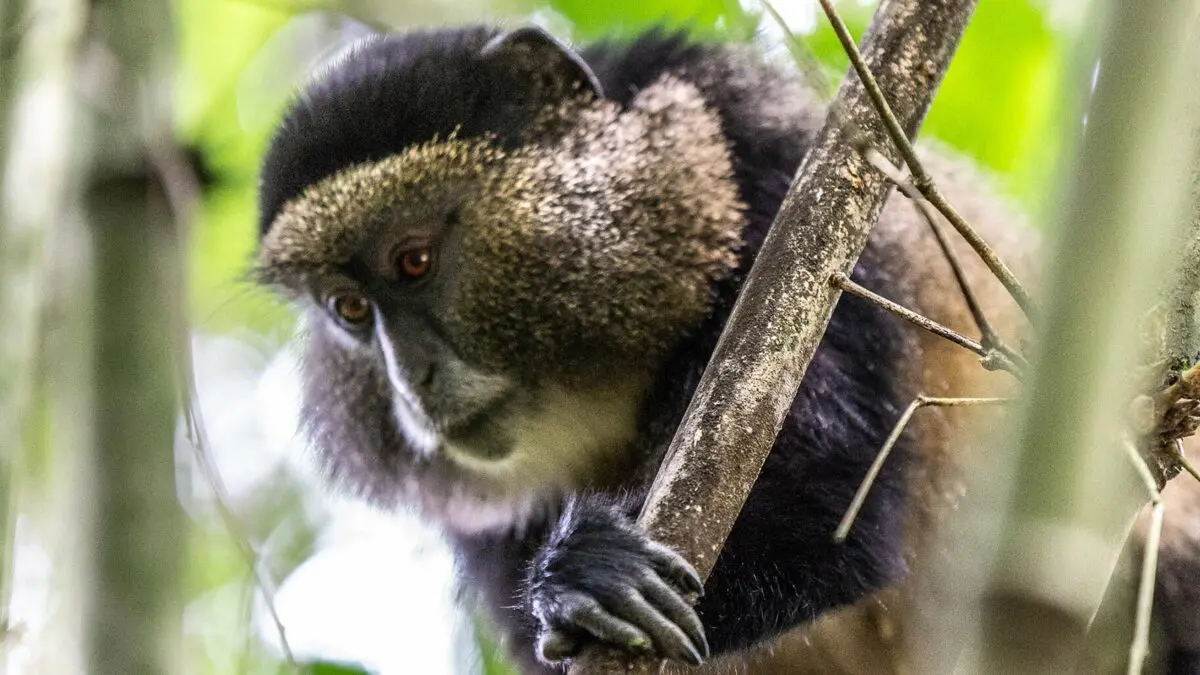
Golden Monkey "Photogenic"

Chimpanzees "Pant-hoot"