
Conservation Safaris
November 22, 2025
Beach Safaris
November 22, 2025


Walking & Hiking Safaris
Walking and hiking safaris offer one of the most immersive and intimate ways to experience Africa’s wilderness. Unlike traditional game drives, where wildlife is observed from the comfort of a vehicle, walking safaris invite travelers to slow down, tune into nature, and truly feel part of the landscape. Every footprint in the sand, every rustle in the grass, and every distant animal call becomes part of a living story unfolding beneath your feet.


Uganda Gorilla Trekking Experience
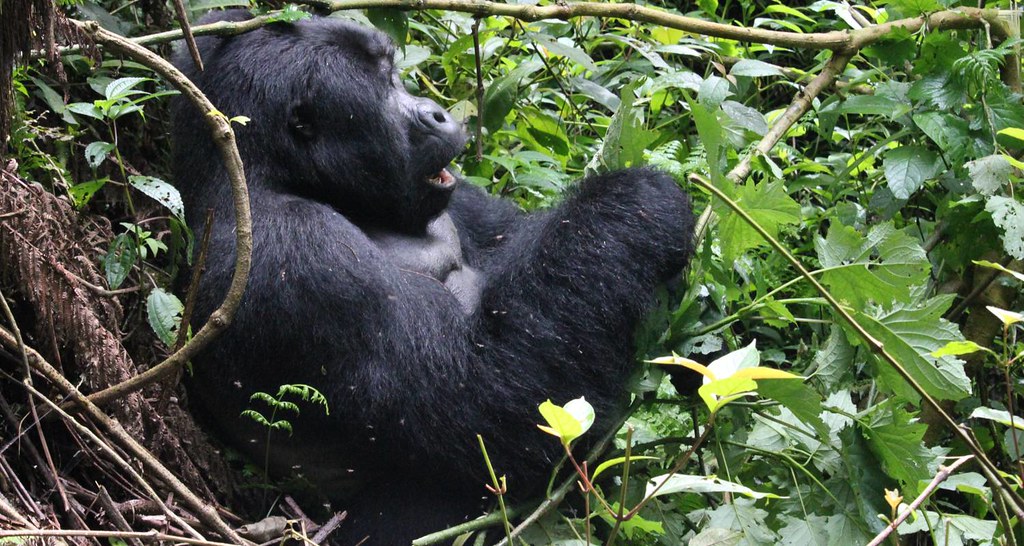
Discover Uganda’s gorilla trekking experience where misty rainforests shelter mountain gorillas, ancient trails wind through Bwindi’s depths, and every step brings you closer to one of Africa’s most profound wildlife encounters, blending raw nature, conservation, and lasting memories.
Walking & Hiking Safaris: A Complete Guide to Experiences Across the Region
The Essence of Walking and Hiking Safaris
At their core, walking and hiking safaris are designed to reconnect travelers with nature in its purest form. Moving on foot allows for a heightened sense of awareness, where the smells of the earth, the texture of leaves, and the patterns of animal tracks come alive. The pace is slower, encouraging observation and reflection rather than rush and noise.Unlike hiking in remote mountains or forests elsewhere in the world, African walking safaris are led by armed and highly trained guides, ensuring safety while allowing guests to explore areas inhabited by wildlife. These professionals interpret the environment, explain animal behavior, and share stories that transform the landscape into a living classroom.Hiking safaris may involve longer treks through hills, escarpments, forests, or volcanic terrain, while walking safaris typically take place in savannahs, riverine areas, and woodlands. Both forms emphasize respect for wildlife, conservation ethics, and responsible tourism.
Why Choose a Walking Safari Over a Game Drive
While game drives are excellent for covering large distances and spotting big game, walking safaris provide a deeper, more personal connection to the environment. On foot, travelers become aware of the intricate relationships that sustain ecosystems, from insects and birds to plants and predators.Walking safaris sharpen the senses. Guides often pause to examine tracks, identify bird calls, or explain how animals mark territory. Even the smallest details, such as termite mounds or animal droppings, become fascinating clues to the daily rhythms of the wild.There is also an undeniable sense of adventure. Knowing that you are sharing the landscape with wild animals creates an adrenaline-filled yet respectful experience. This awareness fosters humility and appreciation for the balance of nature.
Wildlife Encounters on Foot
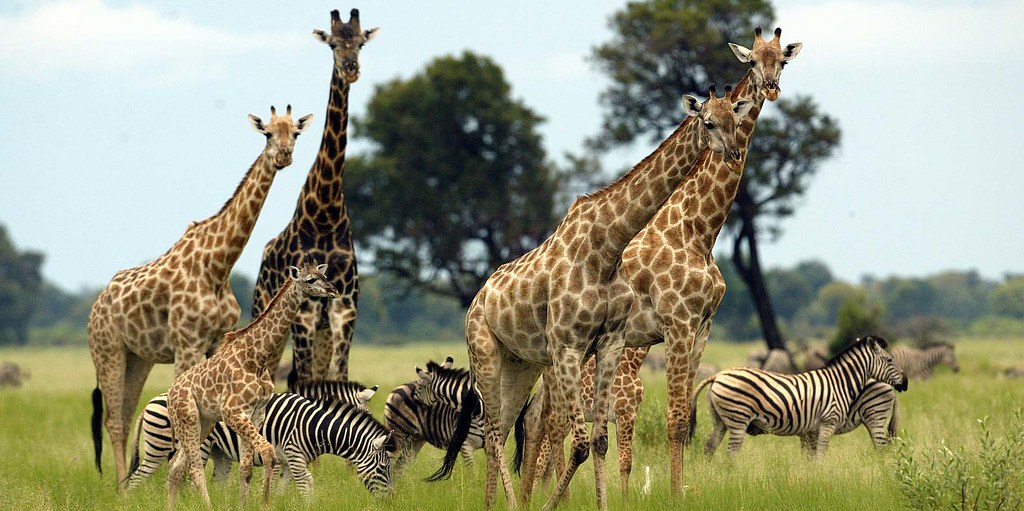
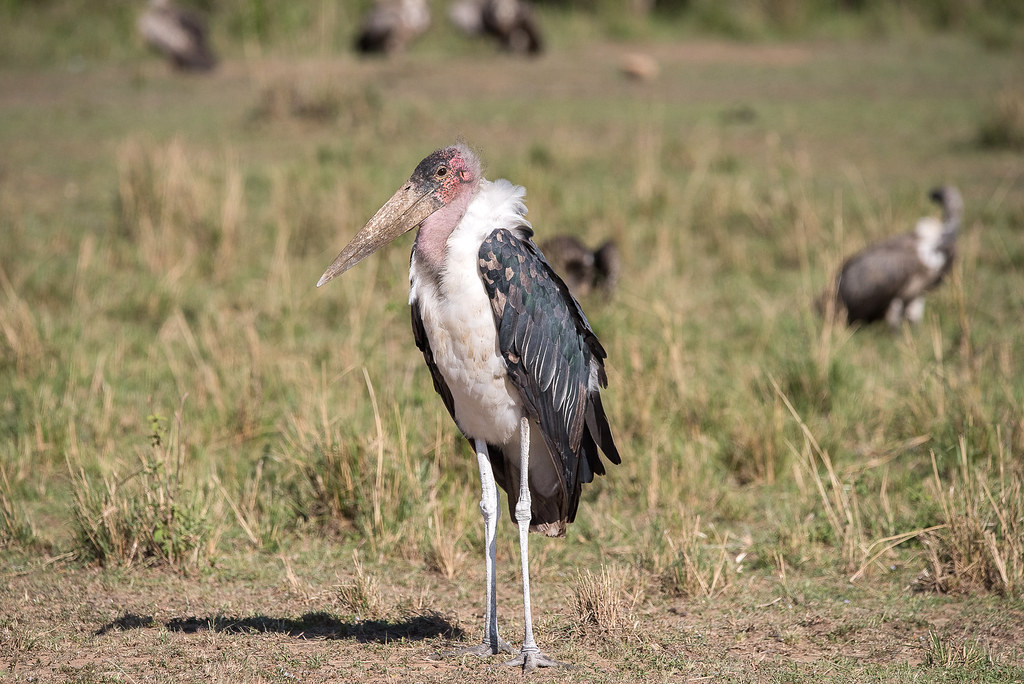
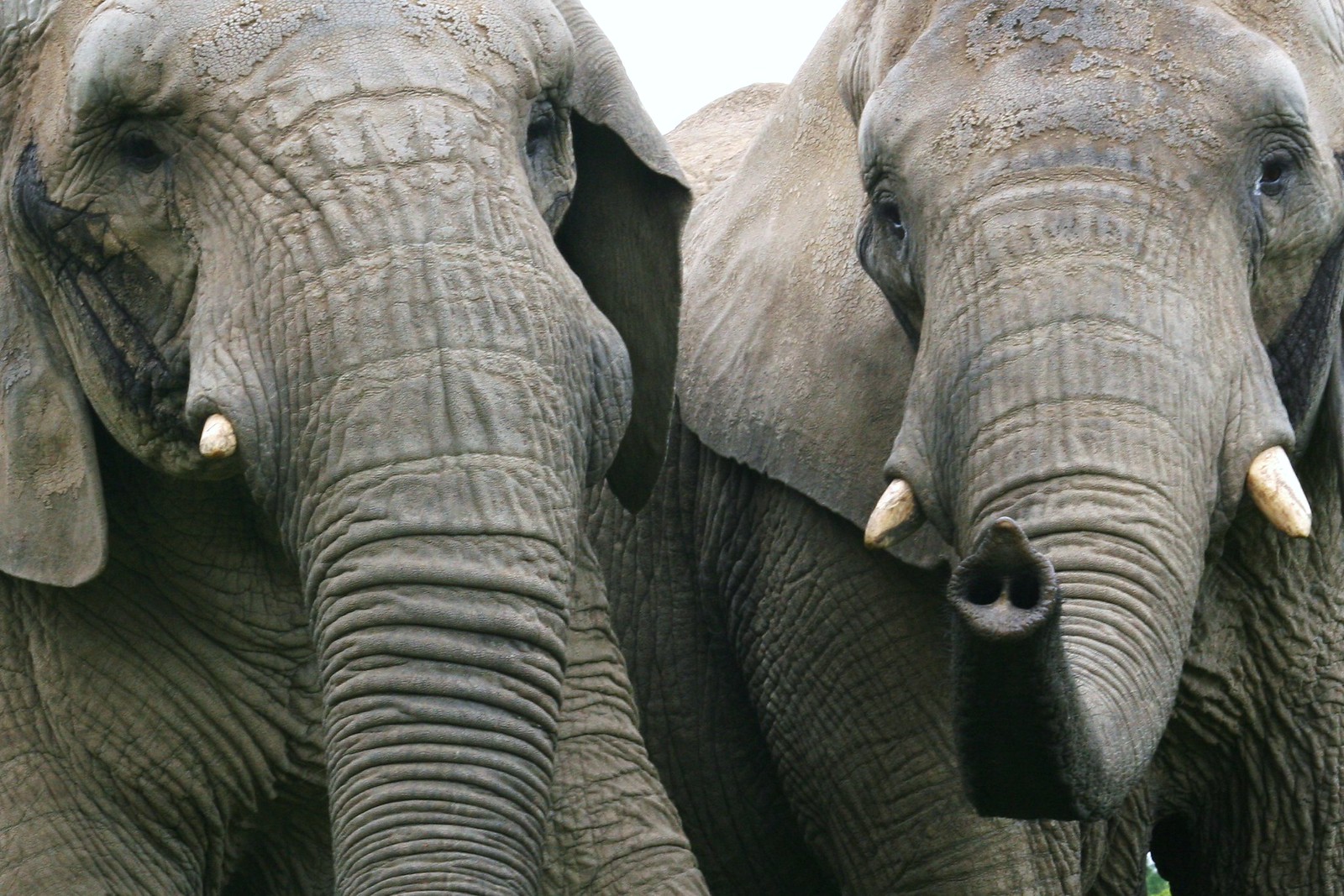
Wildlife encounters during walking and hiking safaris are often quieter and more respectful than those experienced from vehicles. Animals may be observed grazing, resting, or moving naturally without the disturbance of engines. Large mammals such as elephants, giraffes, buffaloes, and antelopes are commonly seen at safe distances, while smaller creatures like lizards, insects, and birds reveal the richness of the ecosystem.Predators such as lions and leopards are less frequently encountered on foot, but their presence is often felt through tracks and signs. Guides carefully assess conditions and routes to ensure safety at all times. Learning how animals perceive humans and understanding their behavior is a key educational component of these safaris.Birdlife is particularly rewarding on walking safaris. Without engine noise, it becomes easier to hear calls and observe feeding behavior. Forests, wetlands, and riverbanks provide ideal settings for birdwatching on foot.
Popular Destinations for Walking and Hiking Safaris in Africa
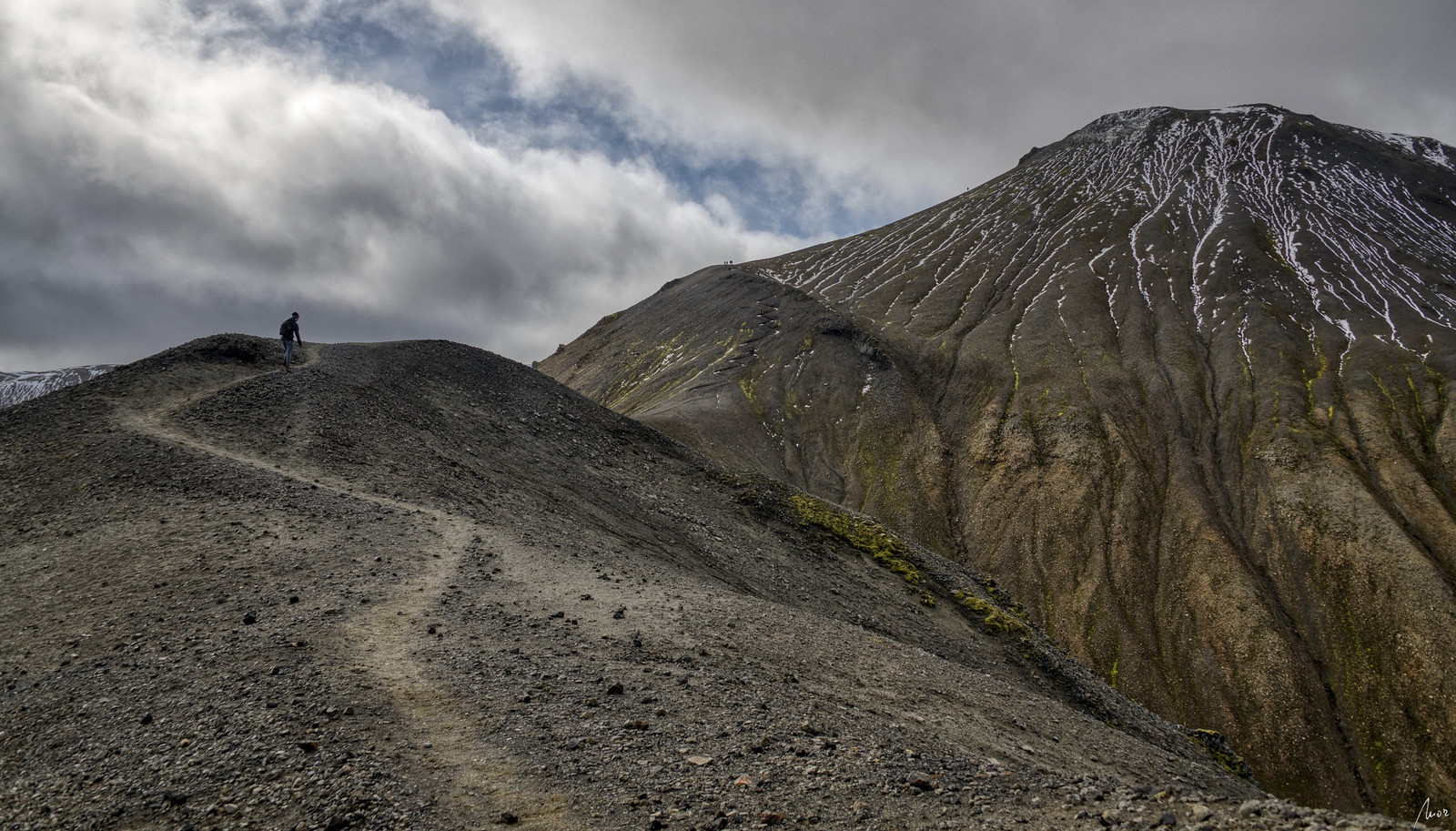
Across East and Southern Africa, several destinations have become renowned for their walking and hiking safari experiences. Each offers unique landscapes, wildlife, and cultural insights.In Uganda, walking safaris are available in parks such as Murchison Falls National Park, where guided walks near the Nile allow visitors to observe hippos, crocodiles, and birds from a safe vantage point. Kidepo Valley National Park offers open savannah walks with sweeping views and abundant plains game, while Mount Elgon National Park provides hiking safaris through montane forests, waterfalls, and volcanic caves.Rwanda’s Nyungwe Forest National Park is ideal for hiking safaris focused on primates, birds, and botanical diversity. Trails range from gentle forest walks to challenging hikes along ridges and waterfalls. Volcanoes National Park combines hiking with gorilla trekking, offering a powerful mix of adventure and conservation.In Kenya, walking safaris thrive in private conservancies such as Laikipia and the Maasai Mara conservancies, where experienced guides lead guests through wildlife-rich landscapes. Tanzania’s Serengeti and Ruaha National Parks also offer exceptional walking safaris, particularly in remote areas where wildlife densities are high.Southern Africa, especially Zambia and Zimbabwe, is considered the birthplace of the walking safari. Parks like South Luangwa National Park and Mana Pools National Park are globally celebrated for their expertly guided walking experiences.
The Role of Professional Guides
Professional guides are the backbone of any successful walking or hiking safari. Their training encompasses wildlife behavior, first aid, navigation, and firearm safety, as well as deep ecological knowledge. Beyond safety, guides enrich the experience by interpreting the landscape and sharing insights that transform each walk into a story.These guides often come from local communities, bringing cultural perspectives and traditional knowledge into the safari experience. Learning about indigenous tracking methods, survival skills, and folklore adds depth and authenticity to the journey.Trust between guide and guest is essential. Clear communication, respect for instructions, and mutual awareness ensure that walking safaris remain safe, educational, and enjoyable.
Physical Preparation and Fitness Levels
Walking and hiking safaris vary in difficulty, making them accessible to a wide range of travelers. Some walks are short and gentle, suitable for beginners, while others involve longer hikes over uneven terrain. Guests are encouraged to discuss fitness levels and expectations in advance so that experiences can be tailored accordingly.Comfortable walking shoes, breathable clothing, and adequate hydration are essential. Walking safaris often take place during cooler hours of the day, such as early morning or late afternoon, to avoid excessive heat and maximize wildlife activity.
Conservation and Responsible Tourism
Walking and hiking safaris are closely aligned with conservation principles. By minimizing vehicle use, these safaris reduce environmental impact and promote low-impact tourism. They also foster appreciation for ecosystems as interconnected wholes rather than collections of individual species.Many walking safari programs directly support conservation efforts and local communities. Fees often contribute to park management, anti-poaching initiatives, and community development projects. Guests gain a deeper understanding of conservation challenges and the role tourism plays in protecting wildlife.Experiencing nature on foot encourages respect and stewardship. Travelers often leave with a stronger commitment to conservation, having witnessed firsthand the delicate balance that sustains wildlife.
Cultural Encounters Along the Way
Walking and hiking safaris often include opportunities to engage with local communities. Visits to villages, interactions with pastoralists, and learning about traditional land-use practices add cultural richness to the journey. These encounters highlight the relationship between people and nature, emphasizing coexistence rather than conflict.Cultural storytelling, traditional dances, and shared meals deepen connections and provide insight into ways of life shaped by the natural environment.
Safety and Ethical Considerations
Safety is paramount on walking and hiking safaris. Strict guidelines govern routes, group sizes, and behavior. Guests are briefed before each walk and are expected to follow instructions carefully. Maintaining silence, staying close to the guide, and respecting wildlife boundaries are essential practices.Ethical considerations include maintaining safe distances from animals, avoiding disturbance, and adhering to park regulations. Walking safaris prioritize animal welfare and ecosystem integrity over close encounters or dramatic experiences.Walking and hiking safaris represent a profound way to experience Africa’s wild spaces. They invite travelers to step out of vehicles and into the rhythm of nature, where every sound, scent, and sign tells a story. These safaris are about discovery, not just of wildlife, but of perspective—learning to see the world through the lens of the natural environment.Whether tracing animal tracks across a savannah, hiking through ancient forests, or standing quietly by a riverbank, walking and hiking safaris offer moments of awe, reflection, and connection that linger long after the journey ends. For those seeking an authentic, responsible, and deeply rewarding safari experience, exploring Africa on foot is an adventure unlike any other.
Our Recommended Tour Ideas

Please the content should be 110 characters.

Please the content should be 110 characters.
Please the content should be 110 characters.
Please the content should be 110 characters.
Please the content should be 110 characters.

7 Days Rwanda & Uganda Gorilla and Wildlife Safari from Kigali with Volcanoes, Bwindi & Big Game Experiences
Please the content should be 110 characters.
Please the content should be 110 characters.
Please the content should be 110 characters.
What Our Travelers Enjoyed About Primate Safaris

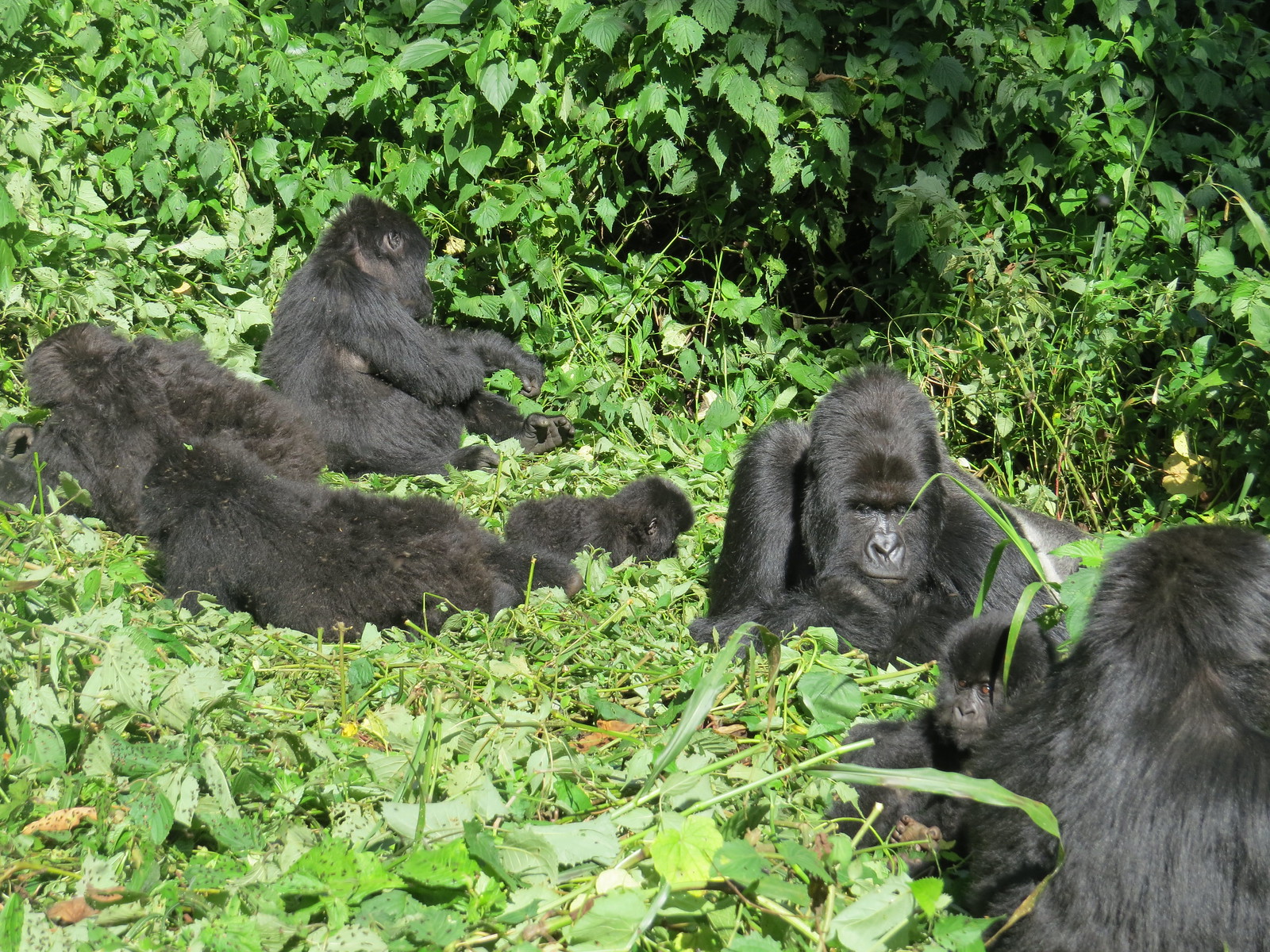
Gorillas "Silverback"

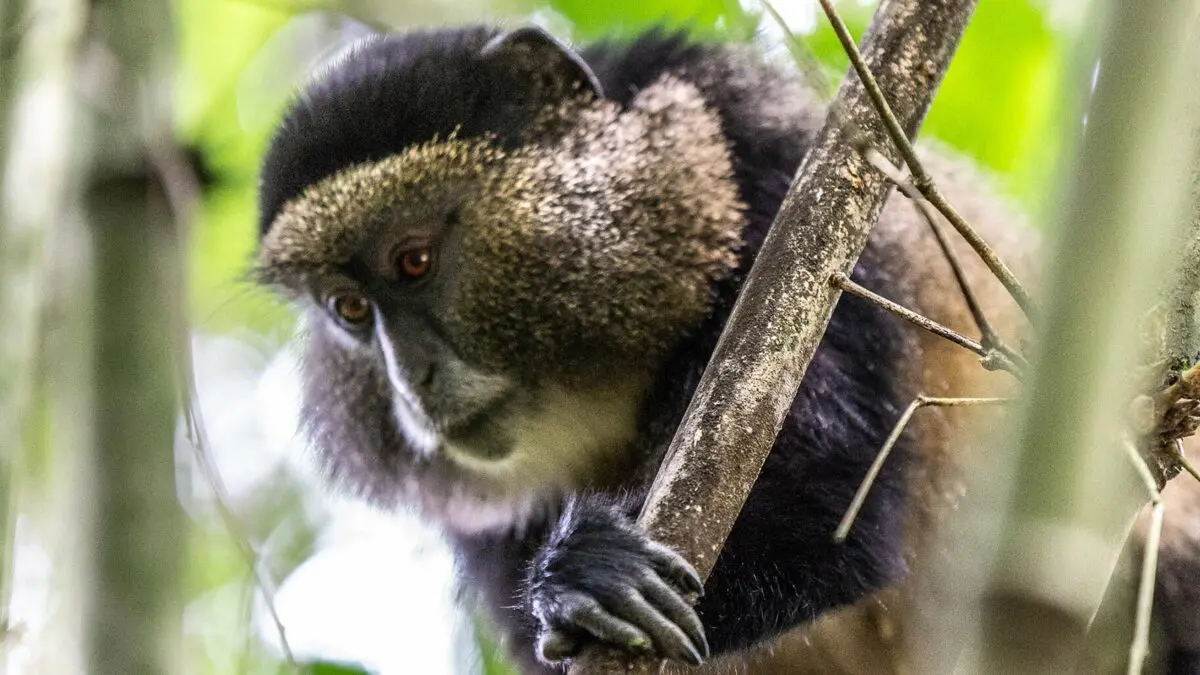
Golden Monkey "Photogenic"

Chimpanzees "Pant-hoot"