Trekking is more than just a physical activity—it’s a journey of self-discovery, teamwork, and adventure. Whether you’re scaling a mountain, traversing dense forests, or exploring remote trails, the experience is profoundly shaped by how trekking groups are organized. A well-structured group ensures safety, camaraderie, and an unforgettable adventure. But what goes into organizing a trekking group? How do leaders ensure that every member has a fulfilling experience while maintaining discipline and safety?
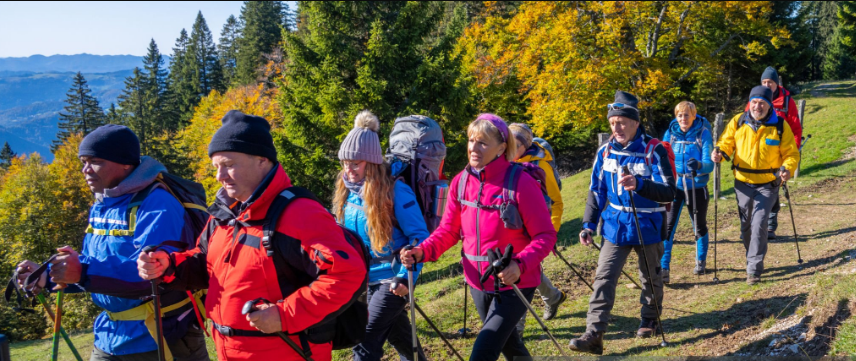
In this article, we’ll explore the intricacies of how trekking groups are organized, the roles within a group, the importance of planning, and how teamwork transforms a challenging trek into an inspiring journey.
1. The Foundation: Purpose and Planning
Before any trek begins, the foundation is laid with a clear purpose and meticulous planning. Trekking groups are organized based on several key factors:
A. Defining the Trek’s Objective
-
Is it a leisure hike, an endurance challenge, or a professional expedition?
-
Are there specific landmarks or peaks to conquer?
-
Will the focus be on photography, wildlife spotting, or cultural immersion?
The objective shapes the group’s composition, route selection, and required expertise.
B. Route Selection and Difficulty Assessment
-
Beginner-friendly trails require minimal technical skills.
-
Moderate treks involve longer distances and elevation gains.
-
Advanced expeditions demand experience, endurance, and specialized gear.
Organizers study maps, weather conditions, and past trek reports to ensure the chosen path aligns with the group’s capabilities.
C. Group Size and Composition
-
Small groups (4-10 people) allow for better bonding and flexibility.
-
Large groups (10-20+ people) require more coordination but foster diverse interactions.
-
Mixed-skill groups are balanced with experienced trekkers assisting beginners.
A well-organized trek ensures that no one feels left behind or overwhelmed.
2. Leadership and Roles: The Backbone of the Group
A trek’s success depends on strong leadership and clearly defined roles. Here’s how trekking groups are organized in terms of responsibilities:
A. The Trek Leader (Guide)
-
The most experienced person, often a certified mountaineer or wilderness expert.
-
Navigates the trail, makes critical decisions, and ensures safety protocols.
-
Motivates the group during tough stretches.
B. The Assistant Guide/Sweeper
-
Walks at the back to ensure no one lags behind.
-
Assists stragglers and reports issues to the leader.
-
Often carries extra medical or emergency supplies.
C. The Support Staff (For Commercial Treks)
-
Porters/Cooks: Carry equipment and prepare meals.
-
Local Guides: Provide insights into terrain and culture.
-
Medics: Essential for high-altitude or remote treks.
D. Participants’ Responsibilities
-
Follow instructions and maintain discipline.
-
Help fellow trekkers when needed.
-
Carry personal essentials (water, snacks, first aid).
A well-structured hierarchy ensures smooth coordination, especially in emergencies.
3. Pre-Trek Preparation: Training and Gear Distribution
Trekking groups are organized not just on the trail but also in the preparation phase.
A. Physical and Mental Conditioning
-
Organizers may suggest training routines (cardio, strength, endurance).
-
Mental preparation workshops for high-altitude treks.
B. Gear Checklist and Distribution
-
Personal Gear: Trekking shoes, backpacks, thermal wear.
-
Group Gear: Tents, ropes, cooking equipment.
-
Safety Gear: First aid kits, GPS devices, walkie-talkies.
A gear inspection before departure prevents last-minute mishaps.
C. Briefing Sessions
-
Route details, weather forecasts, and emergency protocols.
-
Cultural sensitivity training (if trekking through local communities).
-
Team-building exercises to foster trust.
4. On the Trail: Coordination and Adaptability
Once the trek begins, organization shifts to real-time adjustments.
A. Walking Formations
-
Single file on narrow trails to avoid accidents.
-
Buddy system for safety checks.
-
Regrouping points at intervals to ensure no one gets lost.
B. Pacing and Breaks
-
The leader sets a sustainable pace.
-
Short breaks every hour for hydration and rest.
-
Longer halts for meals and scenic appreciation.
C. Handling Emergencies
-
Injuries: Medics or trained leaders administer first aid.
-
Weather changes: Alternate routes or shelter setups.
-
Lost members: Pre-agreed signals and search protocols.
A disciplined yet flexible approach keeps the group safe and motivated.
5. Post-Trek: Reflection and Bonding
The journey doesn’t end at the destination. How trekking groups are organized also includes post-trek activities.
A. Debriefing Sessions
-
Sharing experiences and lessons learned.
-
Feedback for improving future treks.
B. Certificate Distribution (For Organized Treks)
-
Recognition of effort boosts morale.
C. Staying Connected
-
Social media groups or reunions to maintain friendships.
The Power of Organized Trekking
When trekking groups are organized effectively, the experience transcends physical exertion—it becomes a life-changing adventure. The blend of leadership, teamwork, and meticulous planning turns challenges into triumphs.
Whether you’re a first-time trekker or a seasoned explorer, remember that every step taken in an organized group is a step toward self-growth, resilience, and unforgettable memories. So, lace up your boots, trust your team, and embrace the journey—because the mountains don’t just test your strength; they reveal it.
Happy Trekking! 🚵♂️⛰️
East Africa Safari — Essential Travel Information
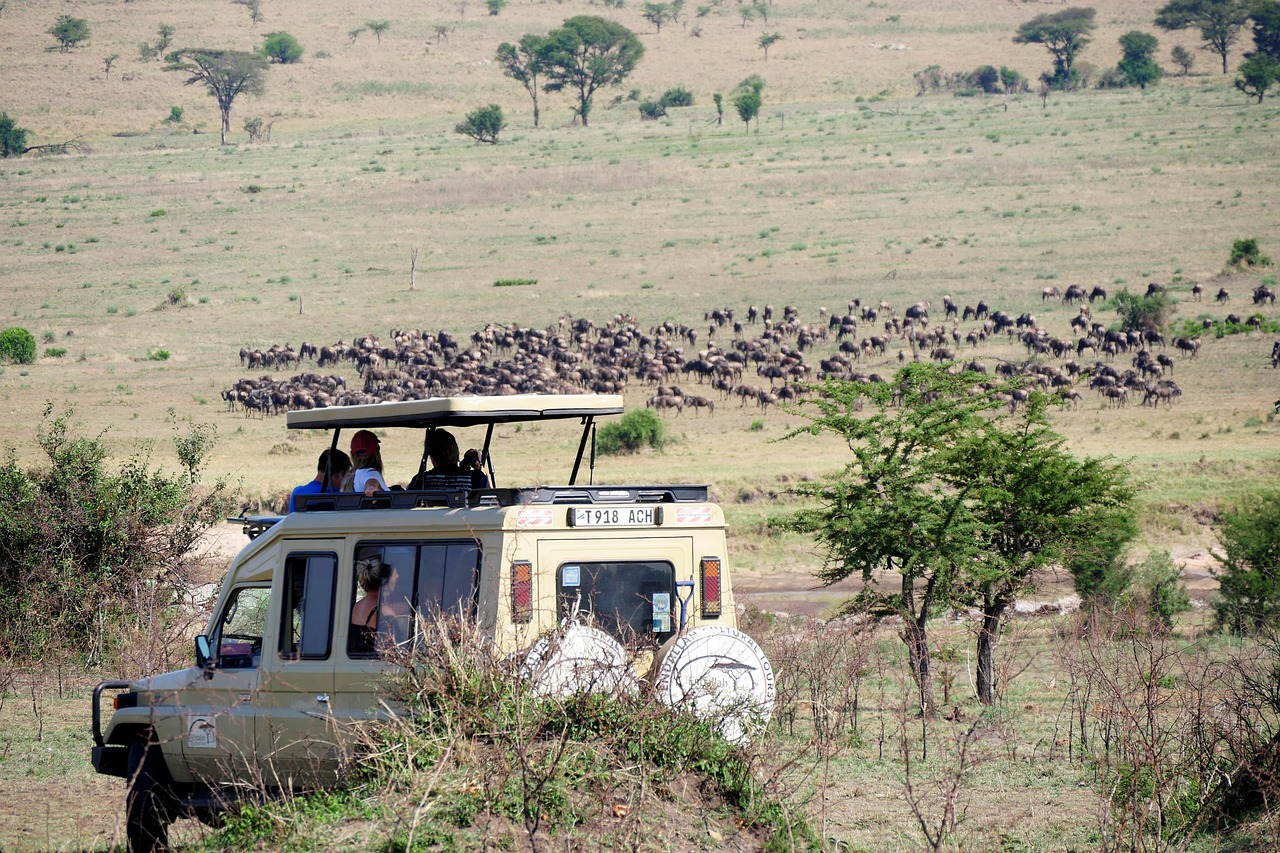
East Africa encompasses some of the world’s most iconic wildlife destinations. Uganda, Rwanda, Kenya, and Tanzania form the heart of the safari region, each offering distinct landscapes, wildlife, and travel experiences. Whether you’re seeking mountain gorillas in misty rainforests, the spectacular wildebeest migration across the Serengeti, or the intimate Big Five encounters of the Masai Mara, East Africa delivers an unparalleled variety of wildlife experiences within a relatively compact geographic region.
The region’s safari infrastructure is mature and well-developed, with a wide range of accommodation from budget campsites to ultra-luxury tented lodges. International air connections serve multiple gateway airports including Nairobi’s JKIA, Entebbe (Uganda), Kigali (Rwanda), Kilimanjaro International (Tanzania), and Julius Nyerere International (Dar es Salaam), giving visitors flexibility in designing multi-country itineraries.
East Africa Safari Planning Tips
- Best time to visit: The dry seasons — June to October and December to February — offer the best wildlife viewing across most of East Africa. The Masai Mara migration peaks in July–October. Gorilla trekking is year-round but June–September is most popular.
- Book early: Gorilla permits (Uganda and Rwanda), popular migration camps in the Serengeti and Masai Mara, and Kilimanjaro climb slots all have limited capacity. Book 6–12 months ahead for peak season.
- Combine countries: East Africa’s geography makes multi-country itineraries practical and rewarding. A classic 10-day circuit might combine Uganda gorillas + Queen Elizabeth wildlife + Rwanda gorillas. A 14-day trip adds the Serengeti and Masai Mara.
- Health preparation: Yellow fever vaccination is required for Uganda and Rwanda and recommended elsewhere in the region. Malaria prophylaxis is essential below 2,500m. Comprehensive travel insurance including medical evacuation coverage is non-negotiable.
- Currency: The US dollar is the de facto currency in most safari operations. Carry clean, undamaged USD bills printed after 2009 — older notes are routinely refused. Each country has its own local currency for smaller purchases.
Recommended Tours: 4 Days Bwindi Gorilla Trekking Safari | 8 Days Kenya Wildlife Safari