
Lake Mburo National Park
July 31, 2024
Rwenzori Mountains National Park
August 1, 2024


Kibale National Park
Kibale National Park is one of Uganda’s most important and biologically rich protected areas, famous for its primate diversity and tropical rainforest ecosystem. Located in western Uganda near the town of Fort Portal, the park spans rolling hills, lush valleys, and undisturbed tropical forest.Kibale is renowned as the “primate capital of East Africa” due to its high concentration of primates, including over thirteen species. Beyond primates, the park offers birdwatching, nature walks, and a chance to experience the forest environment that once covered much of Uganda. Its combination of wildlife diversity, accessible trails, and scenic beauty makes Kibale a cornerstone of any Uganda safari itinerary.





Attractions In Rwanda
Attractions In Tanzania
Kibale National Park
Kibale National Park is a jewel of Uganda’s rainforest ecosystem, offering extraordinary primate encounters, rich biodiversity, and meaningful cultural experiences. From observing chimpanzees in their natural habitat to exploring forest trails and birdwatching in pristine environments, Kibale provides a deeply engaging and educational safari experience. For nature lovers and wildlife enthusiasts, a visit to Kibale is an essential component of any Uganda safari adventure.
Kibale National Park: National Parks and Protected Areas
The Tropical Rainforest and Ecological Significance
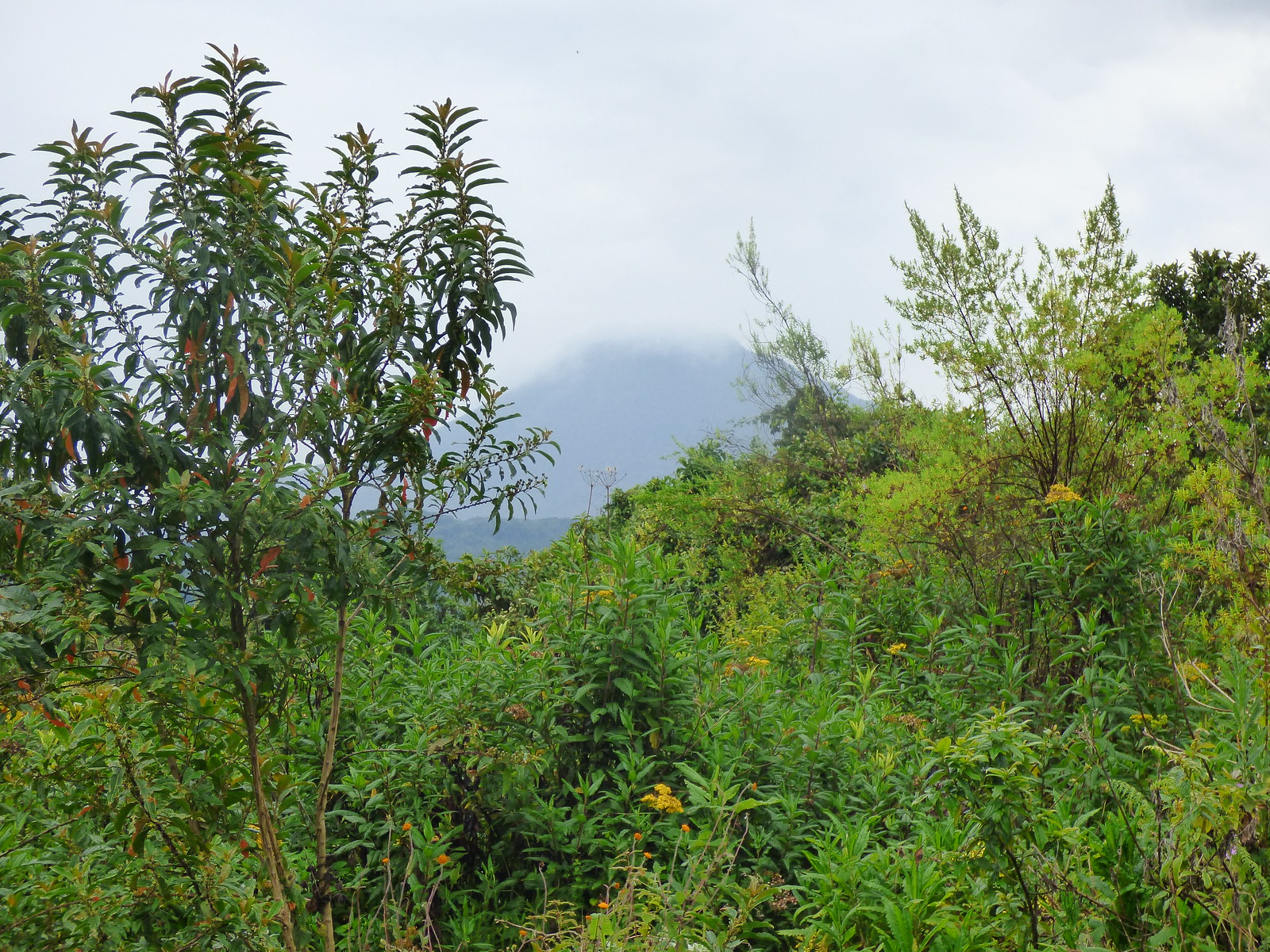
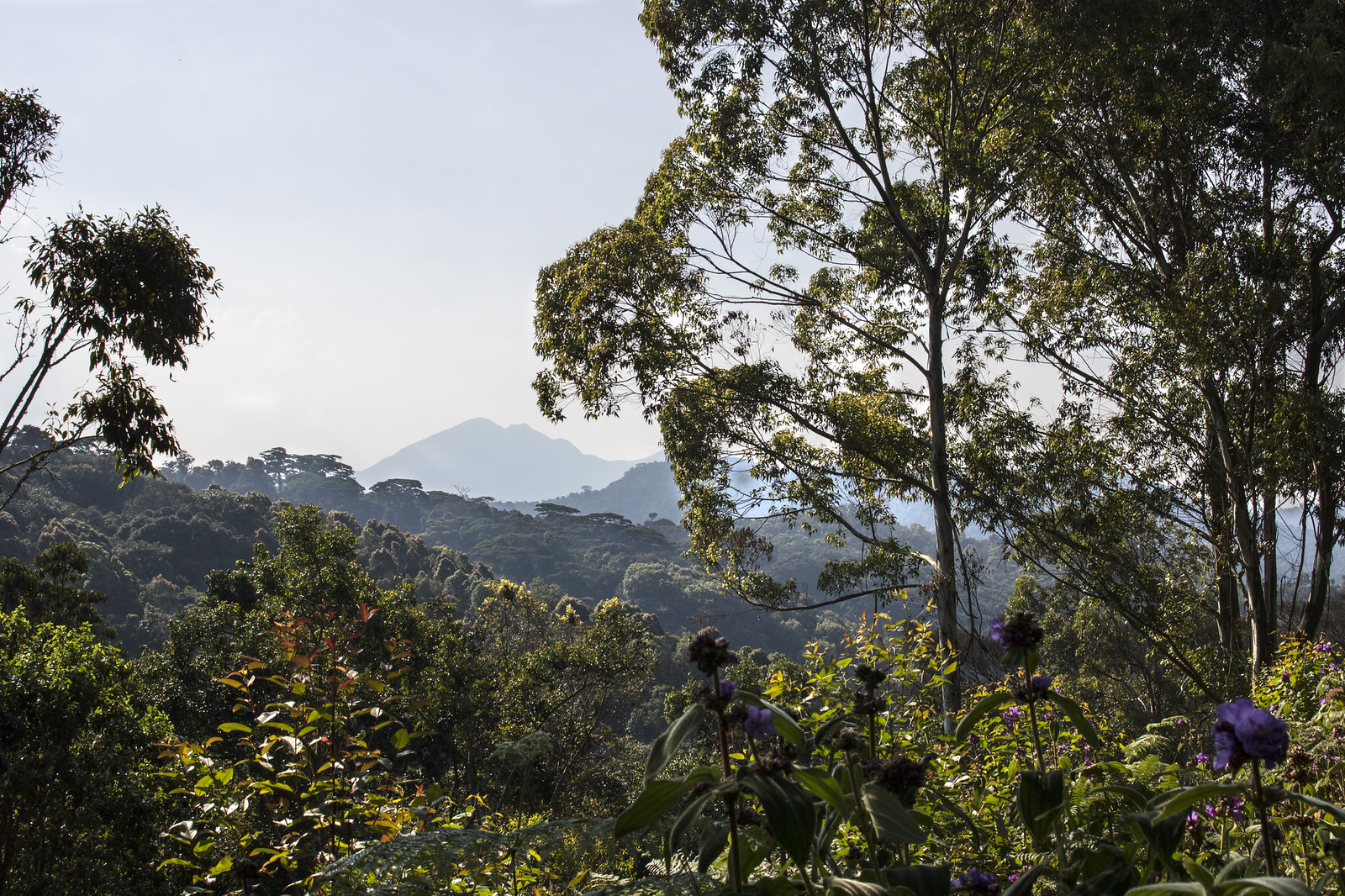
Kibale National Park’s rainforest is among Uganda’s most diverse, forming part of the Albertine Rift and supporting unique flora and fauna. Towering trees, dense undergrowth, swamps, and riverine corridors create a rich mosaic of habitats for wildlife.
The forest is ecologically significant because it acts as a key watershed and carbon sink while preserving species that are endemic to the Albertine Rift. Walking through Kibale’s forest, visitors encounter a sensory experience of towering mahoganies, thick lianas, and forest sounds that define East Africa’s jungle environment.
Chimpanzee Trekking in Kibale
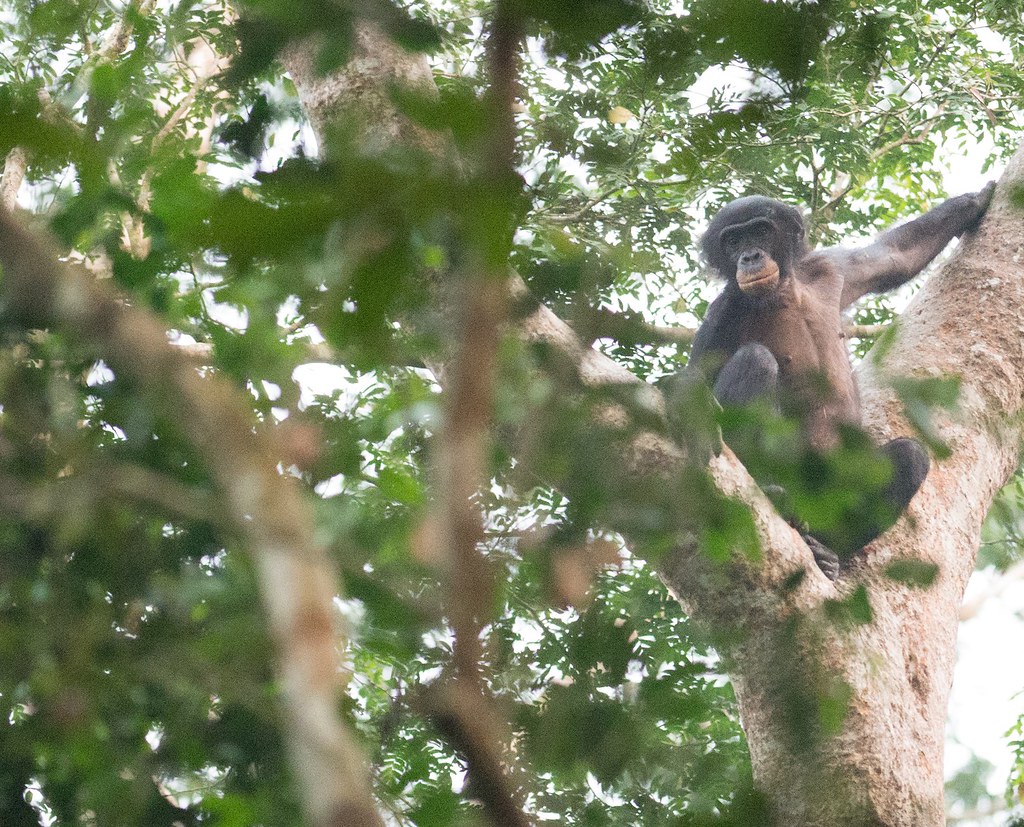
Chimpanzee trekking is the flagship activity of Kibale National Park, offering a once-in-a-lifetime opportunity to observe our closest relatives in the wild. The park is home to habituated chimpanzee communities that allow safe, regulated visitor encounters under expert guidance.
Trekking begins with a briefing and a hike through forest trails, following ranger teams tracking chimpanzee movements. The experience of observing chimps feeding, grooming, and interacting socially is both exhilarating and humbling. Kibale offers higher encounter rates compared to many other primate habitats in Africa, making it a premier destination for wildlife enthusiasts.
Other Primate Species in Kibale
Kibale is home to a remarkable variety of primates beyond chimpanzees, including black-and-white colobus monkeys, red-tailed monkeys, grey-cheeked mangabeys, blue monkeys, and the elusive L’Hoest’s monkeys.
Primate diversity contributes to the park’s reputation as the ultimate destination for primate research and wildlife observation. Walking quietly along forest trails allows visitors to spot and hear multiple species, adding layers of discovery to the safari experience.
Birdwatching in Kibale National Park
Kibale National Park is a birdwatcher’s paradise, hosting over 350 recorded species. Its forest environment attracts both Albertine Rift endemics and migratory species, making it an ideal destination for avid birders.
Birdwatchers can observe hornbills, turacos, sunbirds, flycatchers, and numerous forest-dependent species. The combination of chimpanzee trekking and birdwatching allows visitors to maximize wildlife encounters in one immersive rainforest experience.
Nature Walks and Forest Trails
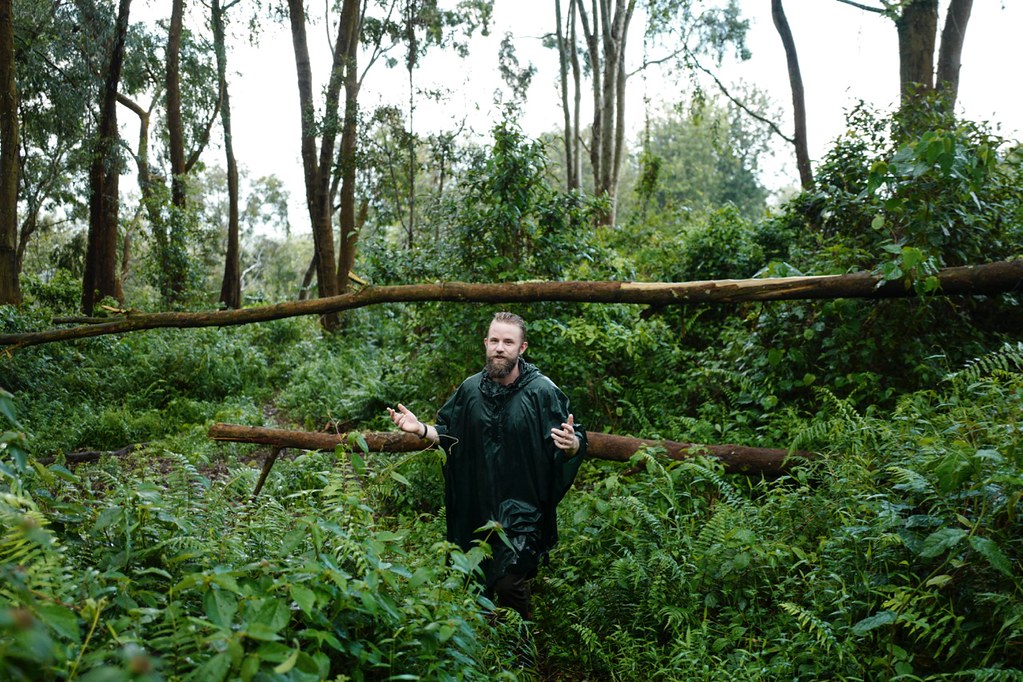
Guided nature walks in Kibale provide a deeper understanding of the rainforest ecosystem, focusing on plant identification, animal tracks, and ecological interactions. Trails pass through swamp forests, open glades, and riverine zones, each offering unique wildlife viewing opportunities.
Forest walks complement chimpanzee trekking, highlighting the diversity of flora and fauna that make Kibale a biologically significant destination. These walks are ideal for photography, wildlife observation, and education about forest ecology.
Community and Cultural Experiences
Cultural encounters near Kibale National Park offer insight into the lives of local communities, including the Bakiga and Batooro people. Visitors can learn about traditional agriculture, forest resource use, and cultural practices that have coexisted with the park for generations.
Community walks and cultural experiences provide a meaningful context for conservation efforts and demonstrate how ecotourism supports local livelihoods while protecting biodiversity.
Best Time to Visit Kibale National Park
Kibale National Park can be visited year-round, but dry seasons from December to February and June to August offer the best trekking conditions. Trails are easier to navigate, and visibility for wildlife observation is optimal.
Rainy seasons enhance the forest’s lushness, increase bird activity, and offer a different visual appeal. Regardless of season, Kibale provides consistently high chances of primate encounters, making it a flexible destination for travelers.
Accommodation and Safari Experience
Accommodation around Kibale National Park ranges from luxury forest lodges to eco-friendly camps, designed to blend into the rainforest environment. Many lodges offer guided forest walks, cultural interactions, and easy access to chimpanzee trekking trailheads.
The park’s compact size allows visitors to combine multiple wildlife experiences—chimpanzee trekking, birdwatching, and nature walks—into a seamless, immersive safari adventure.
Conservation Significance of Kibale
Kibale National Park is a conservation success story, balancing tourism, research, and community development. The park protects critical rainforest habitat, supports primate research initiatives, and generates revenue that benefits local communities.
Chimpanzee tourism, combined with forest protection, has been a key driver in preserving one of Uganda’s most important ecological areas. Kibale serves as a model for sustainable wildlife tourism and primate conservation.
Why Kibale National Park Is Special
Kibale National Park is unmatched for primate diversity, rainforest immersion, and eco-tourism experiences, offering something different from savannah-focused safaris. Its dense forest, chimpanzee encounters, and abundance of other primates provide a unique perspective on Uganda’s biodiversity. For travelers seeking active wildlife adventures, immersive rainforest experiences, and intimate encounters with primates, Kibale is a must-visit destination.
Our Recommended Tour Ideas


A 7-day family-friendly wildlife safari in Uganda designed for safe, enjoyable, and memorable nature experiences.


What Our Travelers Enjoyed About Primate Safaris

Gorillas "Silverback"

Golden Monkey "Photogenic"

Chimpanzees "Pant-hoot"