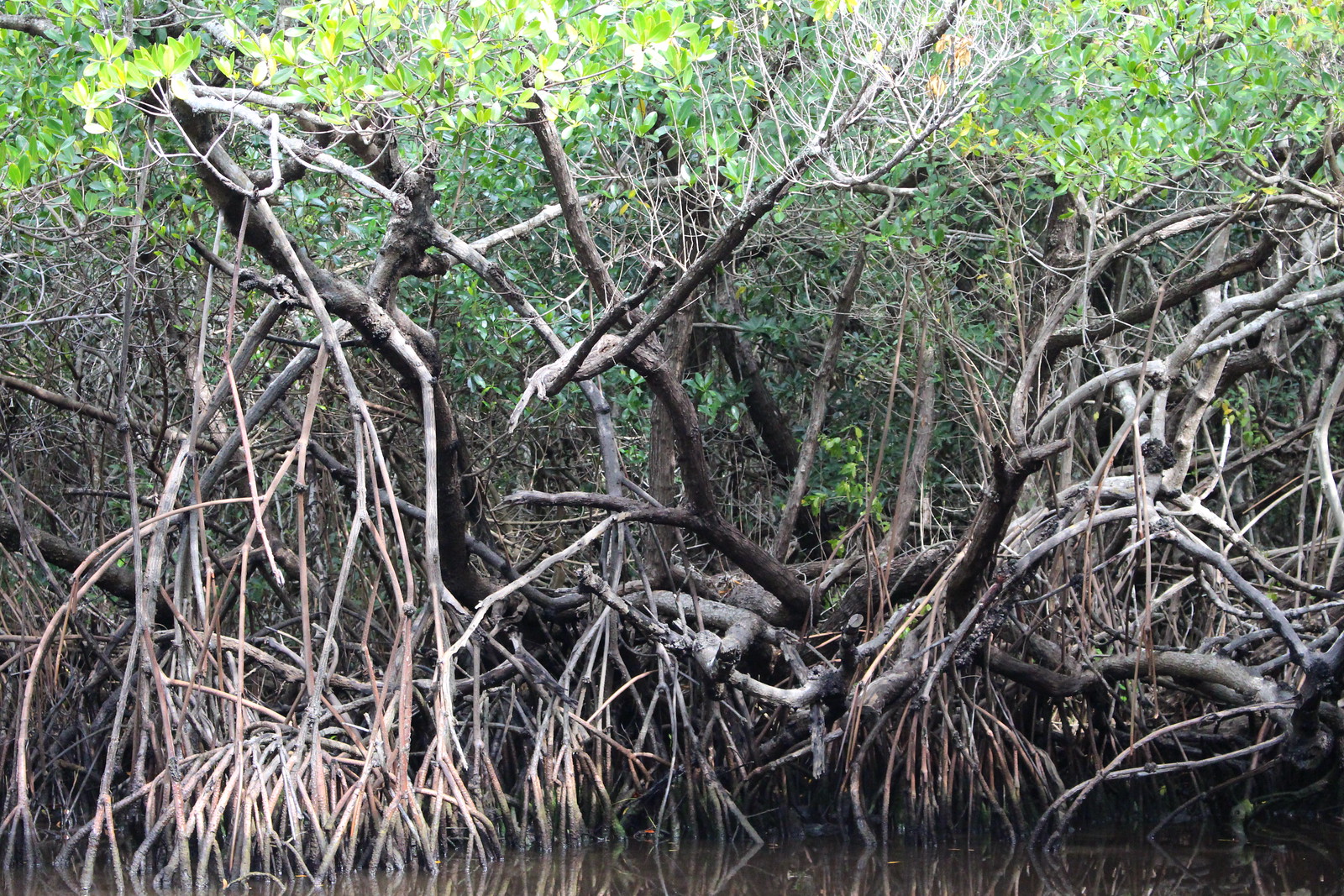
Mida Creek stretches several kilometers inland from the Indian Ocean, forming a wide lagoon of calm, shallow waters. At high tide, the creek transforms into a shimmering expanse reflecting endless skies. At low tide, sandbanks and mudflats emerge, revealing a hidden world of crabs, mollusks, and wading birds.The mangrove forests that line the creek are among its greatest treasures. Their tangled roots rise above the water like natural sculptures, anchoring the shoreline and creating nurseries for fish and crustaceans. These trees are not only vital for biodiversity but also serve as natural barriers against coastal erosion and rising sea levels.The landscape constantly shifts with the tide, ensuring that no two visits feel exactly the same. Morning light paints the water in soft blues and silvers, while evening sunsets bathe the creek in amber and rose.
A Haven for Birdlife
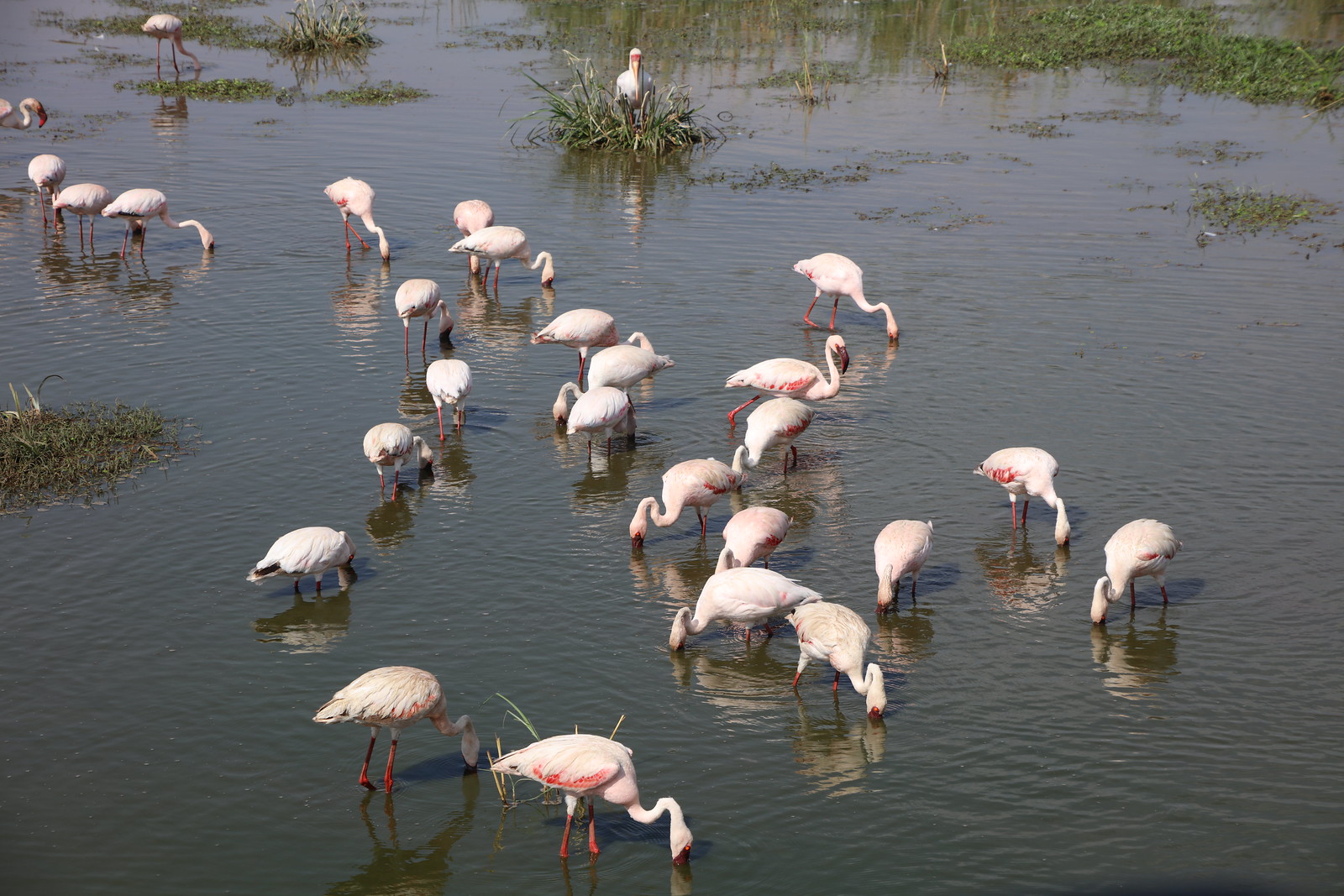
Mida Creek is internationally recognized as an Important Bird Area, drawing bird enthusiasts from around the world. Its mudflats and mangroves provide crucial feeding grounds for migratory birds traveling thousands of kilometers from Europe and Asia.During migration seasons, flocks of crab plovers, sandpipers, and curlews gather along the exposed flats. Resident species such as herons, kingfishers, and African fish eagles add year-round vibrancy to the ecosystem. The sight of hundreds of birds lifting into the sky at dawn is both humbling and unforgettable.Birdwatching here is not hurried. It is patient and immersive, requiring quiet observation as nature unfolds in subtle movements and calls.
The Mangrove Boardwalk Experience
One of the most accessible ways to explore Mida Creek is via the raised mangrove boardwalk near Dabaso village. The wooden walkway winds gently through the forest canopy, allowing visitors to walk above tidal waters without disturbing the fragile ecosystem.Interpretive signs explain the importance of mangroves in carbon storage, marine life support, and shoreline protection. Observation decks provide panoramic views across the creek, where traditional fishing canoes glide silently through narrow channels.The boardwalk experience blends eco-education with peaceful immersion. It offers insight into how conservation efforts and community involvement sustain the creek’s delicate balance.
Dhow Sailing and Water Adventures
The calm waters of Mida Creek make it ideal for non-motorized activities. Canoeing through the mangrove channels allows travelers to explore hidden corners where birds nest and fish dart beneath the surface. The silence enhances the sense of intimacy with nature.Traditional dhow sailing is perhaps the most enchanting activity. As wind fills the triangular sails, the dhow drifts effortlessly across the water. Sunset cruises are especially magical. The sky ignites in shades of gold and crimson while the creek mirrors the spectacle below.Unlike speedboat excursions elsewhere along the coast, dhow sailing here is slow and meditative, perfectly aligned with the tranquil atmosphere of the creek.
Community and Conservation
The communities surrounding Mida Creek have long depended on its resources. Fishing, small-scale tourism, and mangrove harvesting are central to local livelihoods. Recognizing the creek’s ecological importance, conservation initiatives have emerged to promote sustainable use.Community-led mangrove reforestation projects help restore degraded areas. Eco-tourism programs generate income while raising environmental awareness. Visitors contribute directly to these efforts through guided tours and boardwalk fees, ensuring that tourism supports rather than harms the ecosystem.This collaboration between conservationists and local residents exemplifies how tourism can protect fragile environments while empowering communities.
Best Time to Visit
Mida Creek can be visited year-round, but experiences vary depending on seasons and tides. The dry months between January and March and July through October offer clearer skies and calmer conditions.Bird migration peaks between September and April, making this period particularly rewarding for birdwatchers. Checking tide schedules before visiting enhances the experience, as high tide is ideal for canoeing and dhow sailing, while low tide reveals expansive mudflats rich in birdlife.
Pairing Mida Creek with Coastal Adventures
Watamu’s white sandy beaches lie just minutes away, offering a perfect complement to the mangrove ecosystem. Travelers can combine creek excursions with snorkeling in coral reefs, exploring marine parks, or relaxing on sunlit shores.The contrast between the open ocean and the sheltered creek highlights the diversity of Kenya’s coastline. In a single day, one can witness vibrant coral gardens offshore and tranquil tidal forests inland.
Why Mida Creek Leaves a Lasting Impression
Mida Creek is not dramatic in the way savannah parks are. It does not roar or stampede. Instead, it whispers. It invites visitors to slow down, to notice the ripple of water against mangrove roots, to listen to distant bird calls carried on coastal breezes.Its beauty lies in quiet detail — in reflections that blur the boundary between sky and sea, in fishermen navigating channels shaped by generations of knowledge, and in sunsets that seem almost suspended in time.For travelers seeking a different side of Kenya, one defined by stillness and ecological richness rather than adrenaline and spectacle, Mida Creek offers an unforgettable escape.In a world that often moves too quickly, this tidal sanctuary reminds us that nature’s most profound experiences are sometimes the most serene.