Home / Rwanda Safaris /
When To Go On A Rwanda Safari
Choosing when to go on a Rwanda safari is an important part of planning a successful and enjoyable trip. Rwanda is a year-round destination, but weather patterns, wildlife behavior and trekking conditions can significantly influence your experience. From gorilla trekking in Volcanoes National Park to classic game drives in Akagera and chimpanzee tracking in Nyungwe Forest, each season offers distinct advantages. Understanding Rwanda’s climate and travel seasons helps you decide the best time to visit based on your interests, budget and travel style.
Rwanda Gorilla Trekking Experience
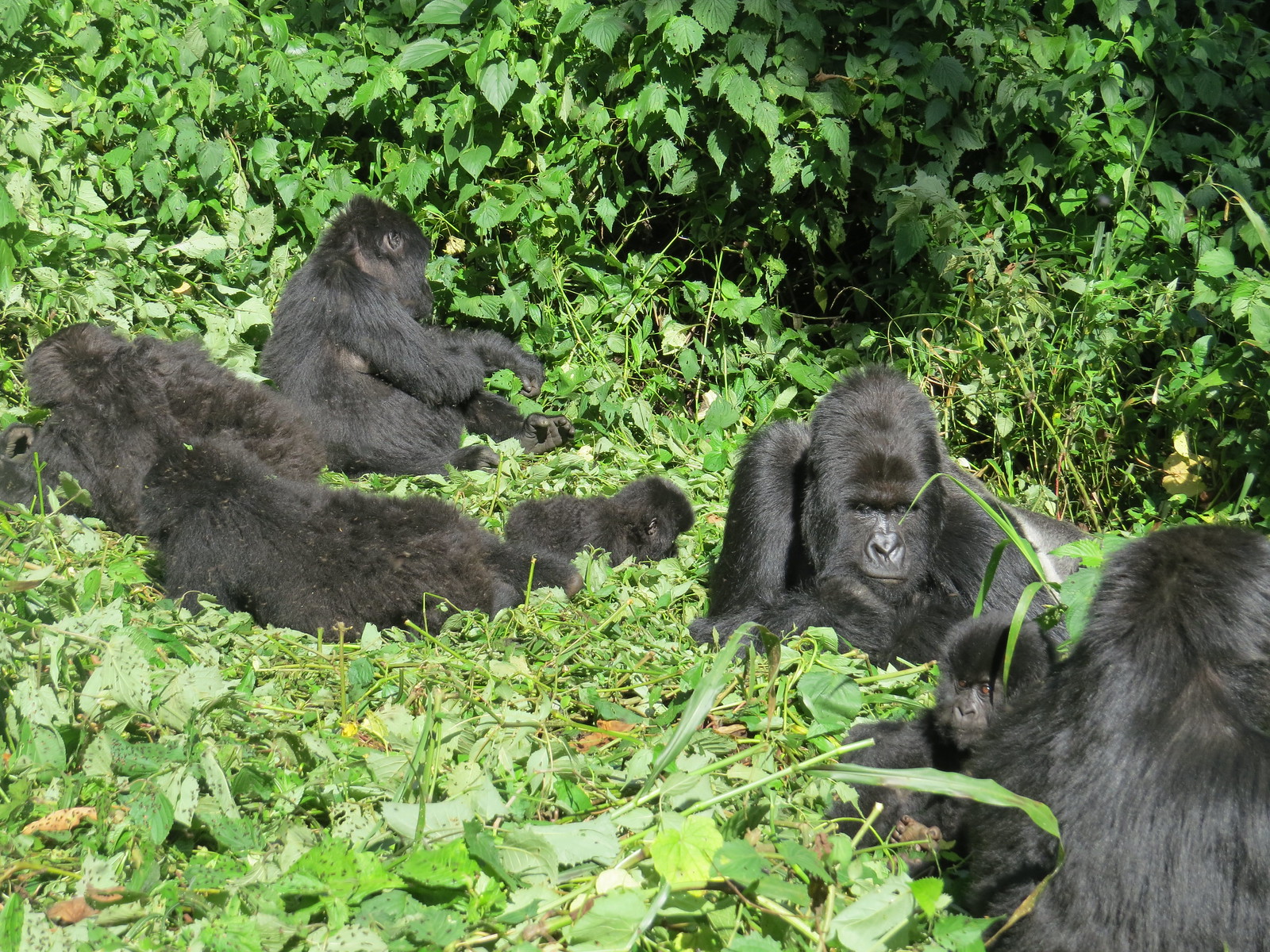
Discover Rwanda’s gorilla trekking experience where misty rainforests shelter mountain gorillas, ancient trails wind through volcanoes national park’s depths, and every step brings you closer to one of Africa’s most profound wildlife encounters, blending raw nature, conservation, and lasting memories.
When To Go On A Rwanda Safari & Tours
Please the content should be 110 characters.
7 Days Rwanda & Uganda Gorilla and Wildlife Safari from Kigali with Volcanoes, Bwindi & Big Game Experiences
When To Go On A Rwanda Safari Guide: Journey into Rwanda
Understanding Rwanda’s Climate
Rwanda has a mild, temperate climate due to its high elevation, despite being located near the equator. Temperatures remain fairly consistent throughout the year, with cooler conditions in mountainous areas and warmer weather in lower regions such as Akagera National Park. Rather than four seasons, Rwanda experiences alternating dry and rainy periods, which play a major role in determining safari conditions.
Dry Season: The Most Popular Time for a Rwanda Safari
The dry season is widely considered the best time to go on a Rwanda safari, especially for wildlife activities. This period generally runs from June to September and again from December to February. During these months, rainfall is minimal, making forest trails less muddy and hiking conditions more comfortable. Gorilla trekking in Volcanoes National Park is easier during the dry season, as paths are more accessible and visibility is clearer.
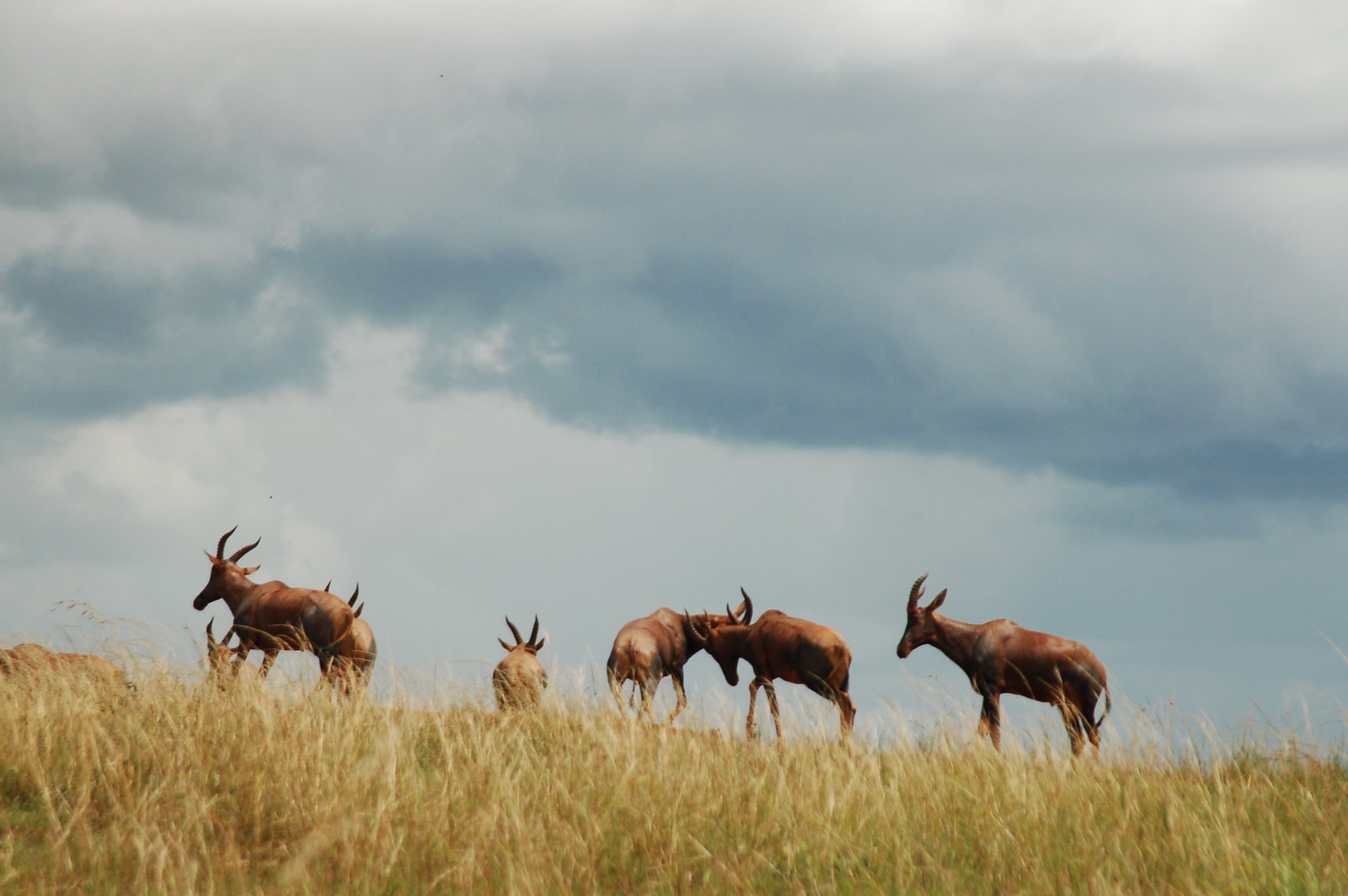
In Akagera National Park, the dry season improves wildlife viewing as animals gather around water sources and vegetation is less dense. This makes spotting elephants, lions and other wildlife more rewarding. Because of these favorable conditions, the dry season is also the busiest time for tourism in Rwanda, with higher demand for accommodation and gorilla trekking permits.
Rainy Season: Lush Landscapes and Fewer Crowds
The rainy season in Rwanda occurs mainly from March to May and from October to November. While rainfall can be heavy at times, it does not usually rain all day, and many travelers still enjoy excellent safari experiences during these months. The landscapes become greener and more vibrant, creating beautiful scenery for photography.
Gorilla trekking and chimpanzee tracking are still possible during the rainy season, though trails can be muddy and hikes more physically demanding. One of the biggest advantages of visiting during this period is the reduced number of tourists. Lodges may offer lower rates, and national parks feel quieter and more intimate. For travelers who prefer solitude and do not mind occasional rain, the wet season can be a rewarding time to go on a Rwanda safari.
Best Time for Gorilla Trekking in Rwanda
Gorilla trekking is the highlight of many Rwanda safaris, and timing can greatly affect the experience. The dry months from June to September and December to February are ideal for gorilla trekking due to easier hiking conditions and better overall comfort. However, gorillas can be trekked throughout the year, and some experienced travelers prefer the rainy season because of fewer visitors and lush forest surroundings.
It is important to note that gorilla permits are limited and in high demand during peak seasons. Booking well in advance is essential if you plan to travel during the dry months.
Best Time for Wildlife Safaris in Akagera National Park
For classic game drives in Akagera National Park, the dry season is the most favorable. Wildlife is easier to spot when grass is shorter and animals congregate near lakes and rivers. Boat safaris on Lake Ihema are also more enjoyable during this time, with clearer views and calmer conditions.
During the rainy season, Akagera becomes greener and more scenic, but dense vegetation can make wildlife harder to see. However, birdlife is especially abundant during wetter months, making this season attractive for birdwatchers.
Best Time for Chimpanzee Trekking in Nyungwe Forest
Chimpanzee trekking in Nyungwe Forest National Park is possible year-round, but the dry season offers more comfortable hiking conditions. Trails are less slippery, and trekking times are often shorter. During the rainy season, chimpanzees may move deeper into the forest in search of food, which can make treks longer and more challenging. Still, Nyungwe’s rainforest is at its most beautiful during wet months, with dense greenery and dramatic misty views.
High Season vs Low Season Travel
High season in Rwanda coincides with the dry months, when demand for safaris, lodges and permits is highest. This period is ideal for travelers who prioritize comfort, accessibility and optimal wildlife viewing. Low season aligns with the rainy months and appeals to travelers seeking lower costs, fewer crowds and a more tranquil safari experience. Each option has its benefits, and the best choice depends on personal preferences.
Choosing the Right Time for Your Rwanda Safari
The best time to go on a Rwanda safari ultimately depends on what you want from your journey. If you are focused on gorilla trekking, wildlife viewing and dry conditions, the dry season offers the most favorable experience. If you value lush landscapes, quieter parks and more affordable travel, the rainy season can be equally rewarding. Rwanda’s year-round appeal means there is no bad time to visit, only different ways to experience this remarkable destination.
What Our Travelers Enjoyed About Primate Safaris

Gorillas "Silverback"
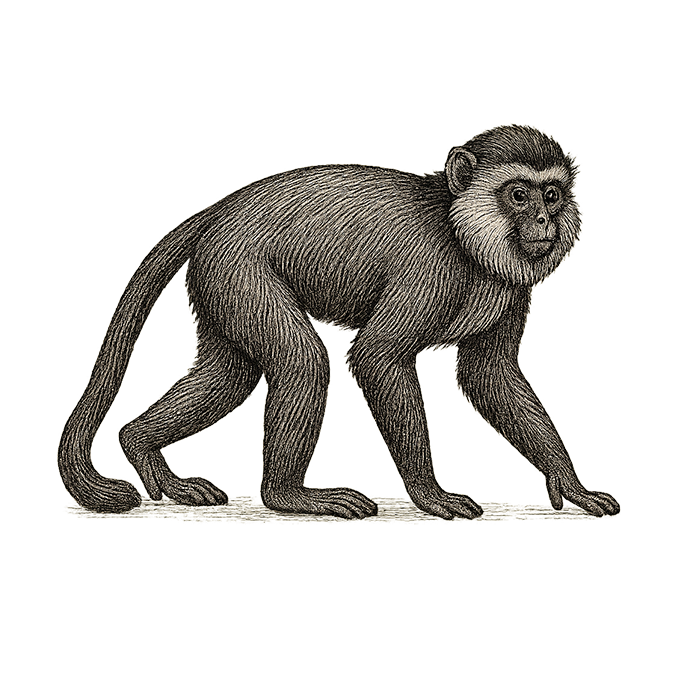
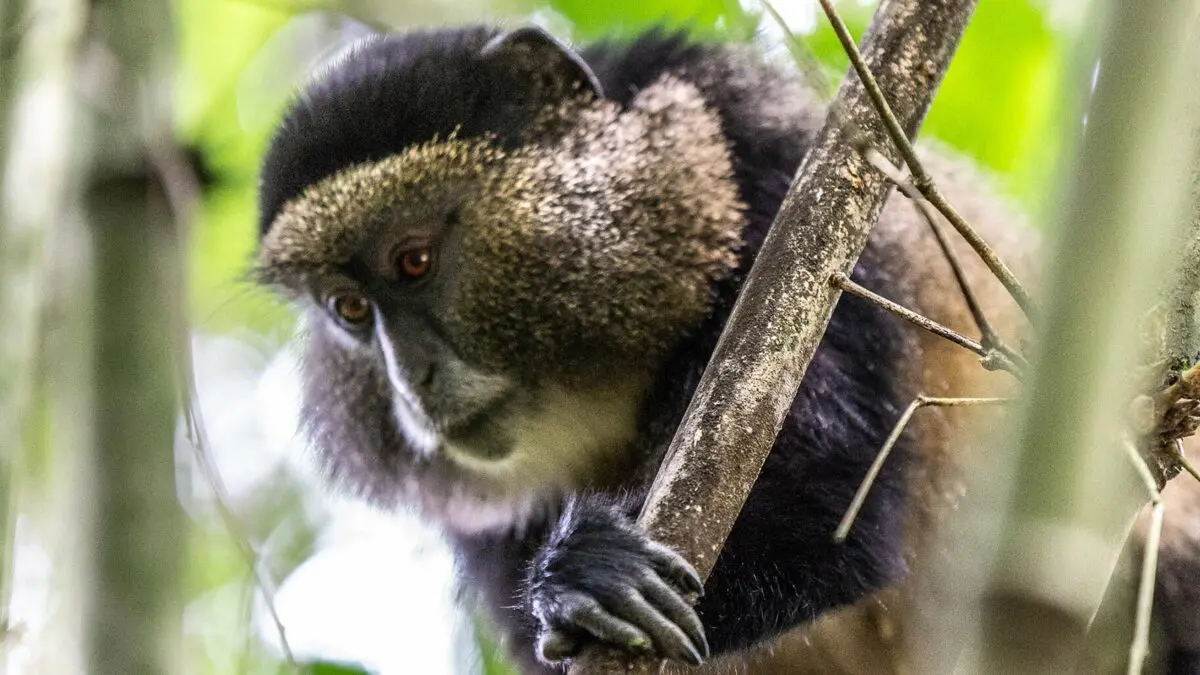
Golden Monkey "Photogenic"
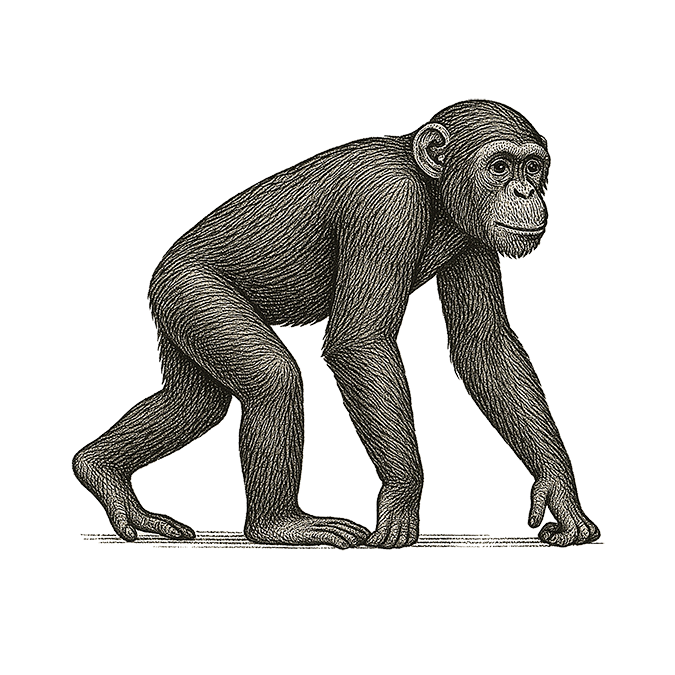
Chimpanzees "Pant-hoot"