Safari Camp Food: What to Expect at Meals in the Bush (2026 Guide)
Safari camp food is one of the most surprising parts of an African safari. Many travelers expect basic, survival-style meals in remote wilderness areas. In reality, most established safari camps deliver well-planned, fresh, and high-quality food—even in extremely remote environments.
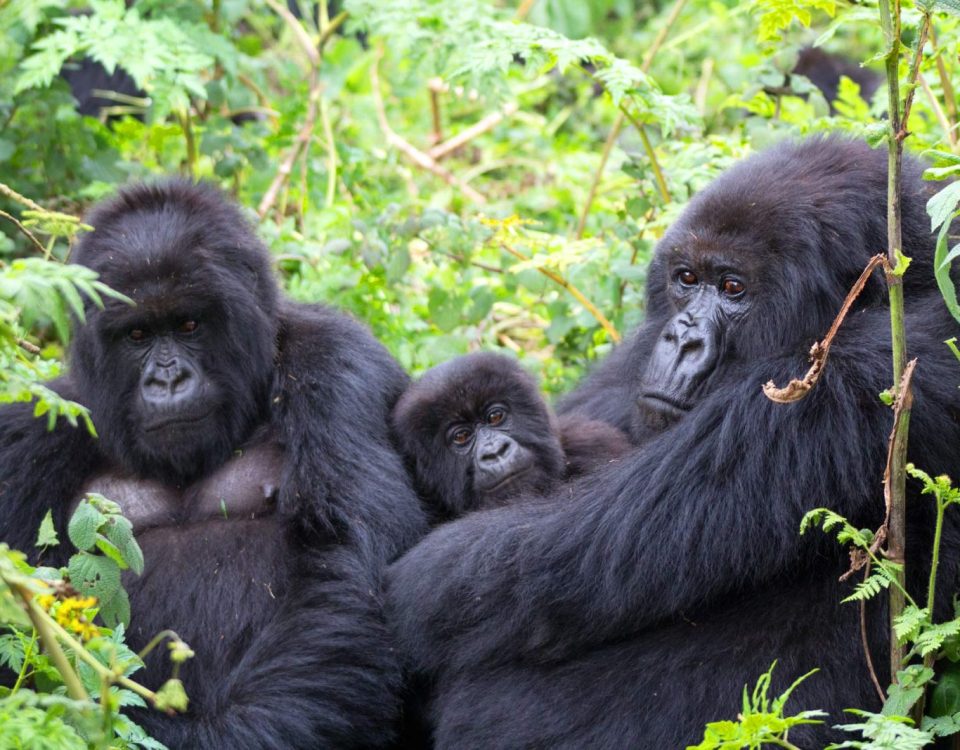
Whether you are staying in savannah camps, desert lodges, or forest regions like Bwindi Impenetrable National Park, meals are designed to keep you energized, comfortable, and fully immersed in the safari experience.
This guide explains what food you actually eat in safari camps, how it is prepared in remote conditions, and why bush dining is such an important part of the experience.
How Safari Camp Food Systems Work
Safari camps operate in isolated environments where supply chains are limited and unpredictable. Because of this, food planning is done carefully and in advance.
Most camps follow a structured system: dry goods like rice, flour, and pasta are stocked in bulk, fresh produce is delivered from nearby towns or regional hubs, menus are planned around availability and seasonality, and meals are pre-organized to match safari schedules.
Even in mobile tented camps, kitchens are well organized, with trained chefs and strict preparation routines. The key challenge is logistics, but the goal remains consistent: fresh, safe, and satisfying meals in the middle of the wilderness.
Breakfast in Safari Camps
Breakfast in safari camps is one of the most important meals of the day, not because it is elaborate, but because it is functional, well-timed, and designed around the rhythm of early-morning wildlife activities. Whether you are in the open savannahs of East Africa, the forests of Uganda, or the river ecosystems of Southern Africa, breakfast is structured to prepare you for long game drives, boat safaris, or trekking experiences.
In most safari environments, mornings start early—often before sunrise—so breakfast culture is built around flexibility, speed, and energy delivery.
Early Morning Safari Routine and Breakfast Timing
Safari mornings begin very early, often between 5:00 a.m. and 6:30 a.m. depending on the destination and planned activities.
Because wildlife is most active in the early hours, guests are usually either:
Heading out immediately after a light snack or coffee
Returning from a sunrise game drive for a full breakfast
This creates a dual-breakfast system that is very common in safari camps.
In gorilla trekking regions such as Bwindi Impenetrable National Park, breakfast is especially important because trekking starts early and can last several hours in steep terrain.
Pre-Game Drive Breakfast (Quick Energy Start)
Before early morning game drives, many camps offer a light breakfast or “wake-up service” delivered directly to your tent or lodge room.
This typically includes:
Tea or coffee
Light biscuits or rusks
Fruit slices
Simple snacks like granola bars
The purpose is not a full meal, but quick energy to sustain guests until a proper breakfast is served later.
In luxury camps, this wake-up service may include freshly brewed coffee, hot chocolate, or even small pastries delivered quietly before departure.
Full Breakfast After Morning Activities
The main breakfast is usually served after guests return from game drives or trekking.
By this time, guests are often hungry after several hours in the field, so the meal is more substantial and relaxed.
Typical full breakfast options include:
Eggs cooked to order (fried, scrambled, or omelets)
Toast or fresh bread
Pancakes or waffles in some camps
Fresh fruit platters
Cereals and yogurt
Porridge or oatmeal
Sausages or grilled meats
Coffee and tea remain central and are usually available in unlimited supply.
Buffet vs À La Carte Breakfast Styles
Safari camps generally use two main breakfast service styles.
In mid-range and larger camps, breakfast is often buffet-style, allowing guests to select from a wide range of options.
In smaller luxury camps, breakfast is often à la carte, where meals are freshly prepared per order. This ensures higher quality and customization.
Both systems are designed to balance efficiency with freshness, depending on camp size and guest volume.
Bush Breakfast Experience
One of the most iconic safari dining experiences is the bush breakfast.
Instead of eating inside the camp, guests are taken into the wilderness after a morning game drive and served breakfast in an open natural setting.
Tables are set up in scenic areas such as savannah plains, riverbanks, or shaded woodland spots. Meals are prepared on-site or transported from camp in insulated containers.
A typical bush breakfast includes:
Freshly cooked eggs and sausages
Bread and pastries
Fresh fruit
Coffee and tea
Juices and light refreshments
The experience is enhanced by wildlife views, open landscapes, and natural sounds, making it far more memorable than a standard dining room meal.
Breakfast in Tented Camps vs Lodges
Breakfast style can vary depending on accommodation type.
In permanent safari lodges, breakfast is usually served in structured dining rooms with full service and stable facilities.
In tented camps, breakfast often feels more immersive and flexible. Dining areas may be open-air or semi-outdoor, allowing guests to feel closer to nature.
Despite these differences, both formats prioritize freshness, timing, and energy delivery for safari activities.
Regional Differences in Safari Breakfasts
Breakfast menus can also vary depending on location.
Tea is typically black and served with milk and sugar, reflecting regional preferences.
In many camps, coffee is also available throughout the morning, especially during game drives where thermos flasks are carried in safari vehicles.
Dietary Needs and Custom Breakfast Options
Modern safari camps are highly flexible with dietary requirements.
Vegetarian, vegan, gluten-free, and allergy-friendly breakfast options are widely available when requested in advance.
Guests can usually request customized egg preparations, dairy alternatives, or fruit-based breakfast combinations.
This flexibility ensures that all travelers maintain energy levels for demanding safari activities.
Why Breakfast Matters in Safari Life
Breakfast in safari camps is not just a meal—it is part of the operational rhythm of the safari experience.
It provides:
Energy for long game drives or treks
Hydration after early morning wake-ups
A transition between night and active safari hours
A social space to plan the day’s activities
It is also often the quietest and most peaceful part of the day, with soft light, cool air, and early wildlife sounds in the background.
Packed Meals During Safari Activities
Packed meals are a major part of safari dining.
These are prepared early in the morning and carried into the field during game drives or trekking excursions.
Typical packed lunches include sandwiches, boiled eggs, fruit, snacks, bottled water, and sometimes salads or wraps in higher-end camps.
The design is simple but practical. Food must remain safe in warm temperatures, easy to carry, and quick to eat without disrupting wildlife viewing.
In forest safaris, packed meals are especially important because trekking times can be long and unpredictable.
Lunch in Safari Camps
Lunch is usually lighter than dinner but still well-prepared and satisfying.
It often includes grilled meats, salads, pasta, rice dishes, or vegetable-based stews depending on the region.
In many camps, lunch is served in shaded outdoor areas or open dining spaces that overlook rivers, plains, or forests.
The midday meal is designed to restore energy while allowing guests time to rest before afternoon activities. In hot climates, light and refreshing dishes are prioritized.
Dinner: The Main Event
Dinner is the highlight of the safari dining experience.
It is usually served in three courses: starter such as soup or salad, main course with meat, chicken, fish, or vegetarian dishes, and dessert such as fruit, cake, or pudding.
Despite being in remote locations, many safari camps maintain surprisingly high culinary standards. Meals are often freshly prepared with rotating menus to avoid repetition.
Dinner is also a social experience. Guests gather to share safari stories, review wildlife sightings, and relax after long days in the bush.
Lighting is often warm and atmospheric, sometimes featuring lanterns or fire-lit dining areas.
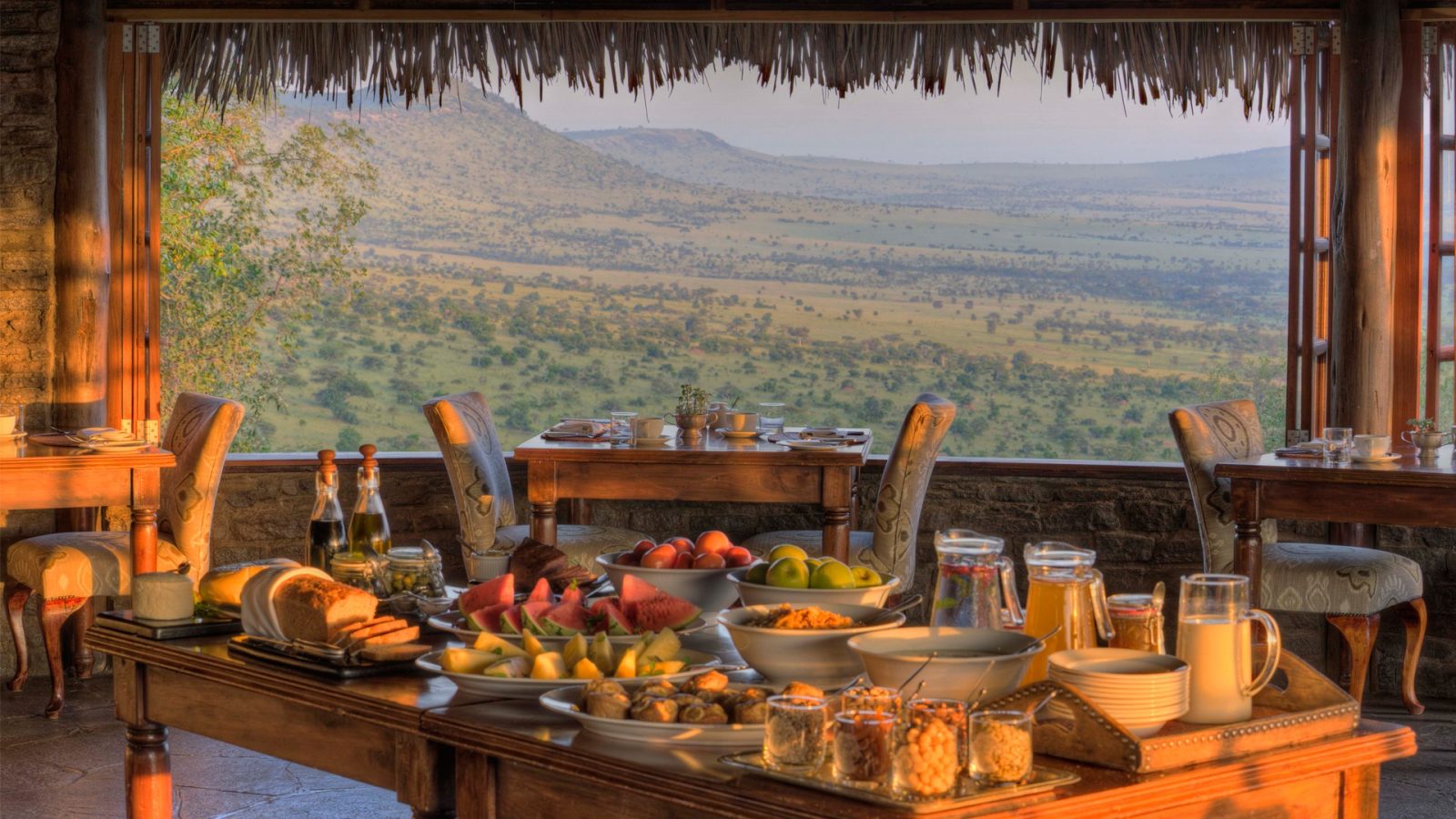
Safari Camp Food
Bush Dining Experiences
One of the most memorable parts of safari camp food is “bush dining.”
This refers to meals served outdoors in natural settings rather than inside a dining room.
Examples include breakfast in the savannah after a morning game drive, sundowner snacks during sunset viewing, and candlelit dinners under open skies.
Bush breakfasts often involve cooking stations set up in the wild. Guests may eat fresh eggs, sausages, fruit, and coffee surrounded by open landscapes.
Sundowners are light snacks served with drinks while watching the sunset over plains or rivers.
These experiences turn food into part of the safari adventure itself.
Local Influences in Safari Camp Food
Even though many safari camps offer international menus, local cuisine is often integrated into meals.
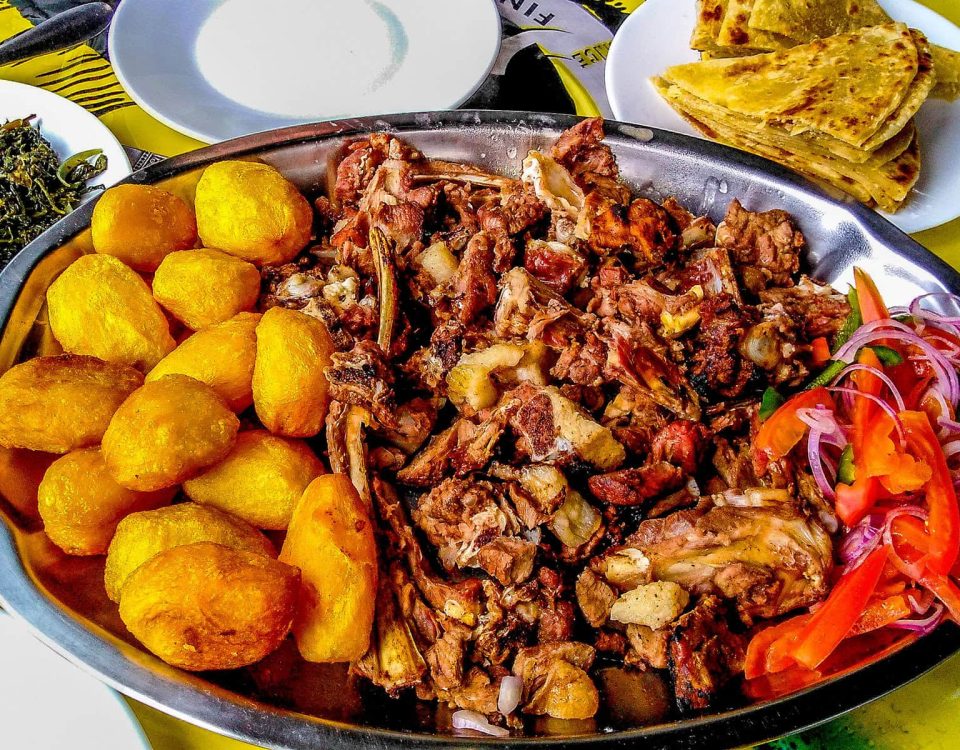
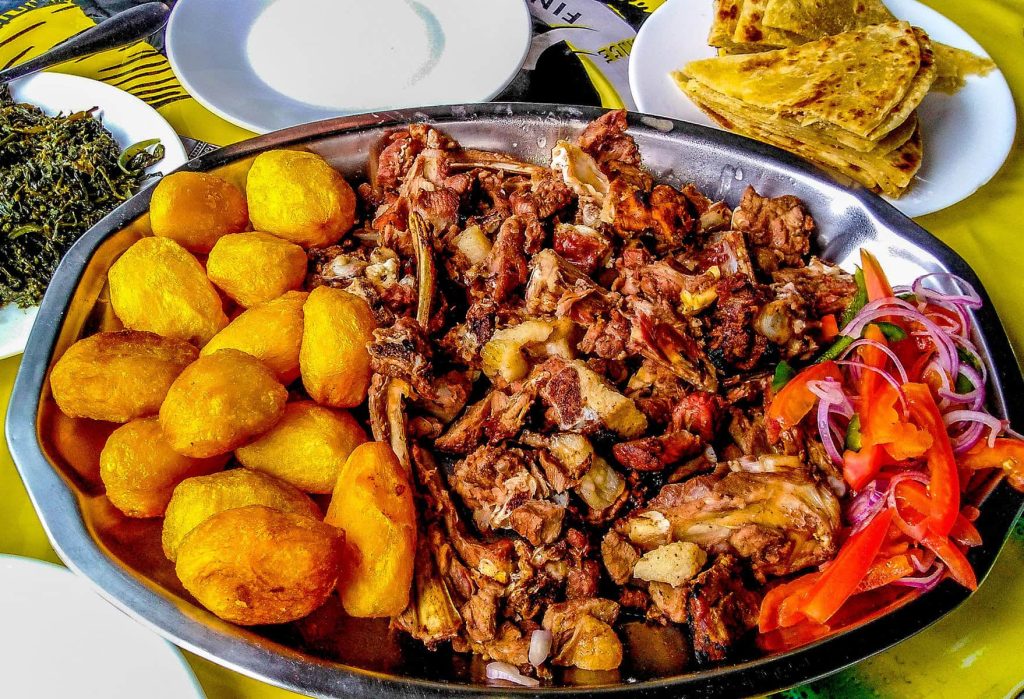
In East African camps, you may find dishes inspired by regional cooking such as grilled tilapia, spiced rice, plantain sides, and vegetable stews.
In savannah regions, grilled meats and barbecue-style dishes are common due to livestock availability and open-fire cooking traditions.
Local influences are usually subtle, blended into international-style meals to suit global guests while still reflecting the destination.
Drinks and Refreshments
Safari camps typically offer a full range of drinks, including bottled water, tea and coffee, soft drinks, and beer and wine in mid-range and luxury camps.
Water is always available due to hot climates and active safari schedules.
Coffee and tea are especially important parts of daily routines, often served early in the morning and after meals.
In the evening, drinks are often part of social “sundowner” moments during sunset viewing.
Dietary Requirements and Special Meals
Modern safari camps are very experienced in handling dietary needs.
Vegetarian, vegan, gluten-free, and allergy-sensitive meals are widely available if requested in advance.
Chefs usually adapt menus rather than preparing completely separate dishes, ensuring consistency in quality and experience.
Because camps operate in remote environments, advance communication is important for proper meal planning.
Hygiene and Food Safety in the Bush
Despite remote locations, reputable safari camps maintain strict hygiene standards.
Food is carefully stored, prepared, and served using structured safety protocols. Water is usually filtered or bottled, and kitchens follow professional cleanliness procedures.
This is essential in tropical and wilderness environments where conditions can change quickly.
Why Safari Food Feels Special
Safari camp food is not just about nutrition—it is part of the experience.
Meals are timed around wildlife activities, landscapes, and natural rhythms. You may eat breakfast after a sunrise game drive, lunch in the middle of the bush, or dinner under a star-filled sky.
This connection between food and environment makes dining feel immersive rather than routine.
In many cases, travelers remember bush breakfasts, sundowners, and open-air dinners just as strongly as the wildlife sightings.
Final Thoughts
Safari camp food is far more refined and thoughtfully designed than most travelers expect. Even in remote wilderness locations, camps consistently deliver fresh, well-prepared, and satisfying meals.
From early breakfasts before game drives to packed lunches in the field and atmospheric dinners in the bush, food is carefully integrated into the safari rhythm.
Ultimately, dining in a safari camp is not separate from the safari—it is part of it. It connects travelers to the landscape, the pace of the wild, and the overall experience of being in Africa’s most iconic natural environments.
Recommended Tours: 9 Days Uganda Wildlife Safari | 7 Days Uganda Safari