
Uganda’s Best Festival: A Deep Cultural Journey into the Pearl of Africa
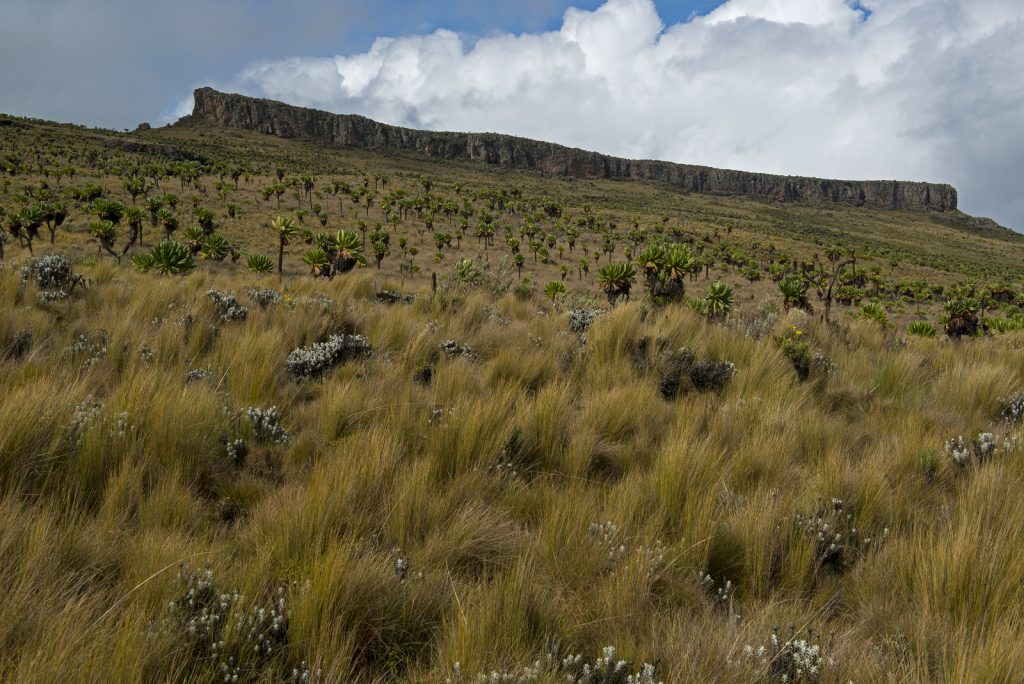
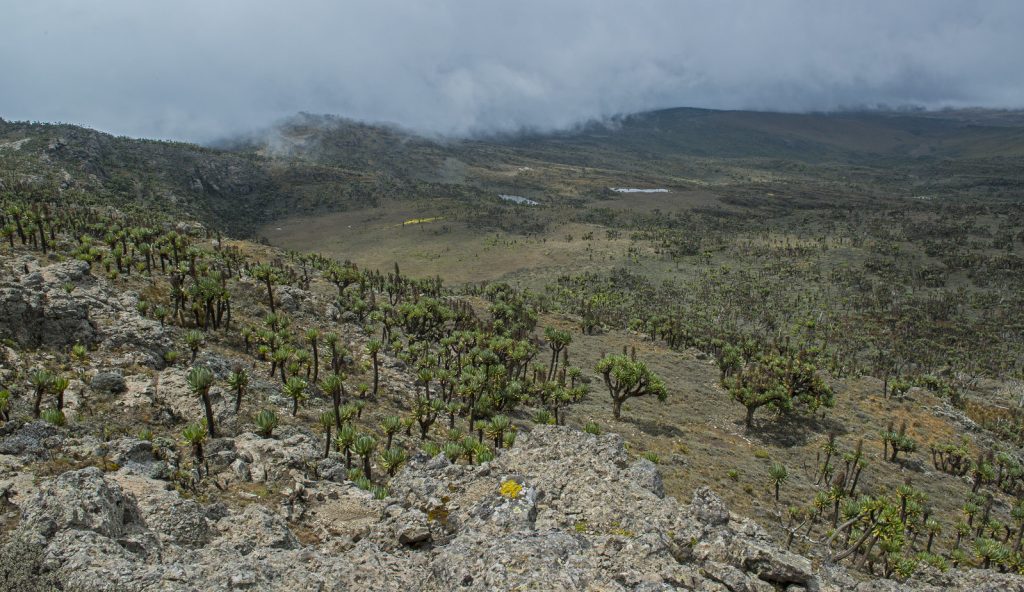
Uganda, famously described by Winston Churchill as the “Pearl of Africa,” is a country celebrated for its sweeping savannahs, mist-covered forests, and extraordinary wildlife. Yet beyond its national parks and iconic safari experiences lies another treasure that is just as powerful and enduring: its cultural heritage. This heritage is most vividly expressed through festivals, where music, dance, ritual, and storytelling converge to reveal the true spirit of the nation. Among the many celebrations held across the country, one festival rises above the rest in cultural depth, national representation, and historical importance — the Ndere Cultural Festival.
Uganda’s Cultural Landscape and the Role of Festivals
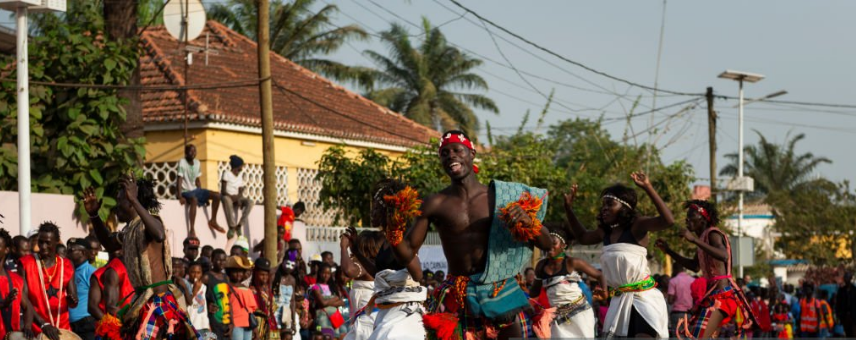
Uganda is one of Africa’s most culturally diverse nations, home to more than fifty indigenous ethnic groups spread across four major regions. Each community possesses its own language, belief systems, music, dance styles, and social traditions. Festivals in Uganda are not merely entertainment events; they are living archives that preserve identity, reinforce community bonds, and pass ancestral knowledge from elders to younger generations.
In many Ugandan societies, music and dance are inseparable from daily life. They accompany births, marriages, harvests, coronations, and rites of passage. Festivals therefore serve as moments when culture is performed publicly, allowing both locals and visitors to reconnect with traditions that might otherwise be confined to villages and ceremonial spaces.
The Ndere Cultural Festival: Uganda’s Finest Cultural Celebration
The Ndere Cultural Festival, held at the Ndere Cultural Centre in Kampala, is widely regarded as Uganda’s best and most comprehensive festival. Unlike celebrations that focus on a single ethnic group or modern artistic expression, Ndere presents a national cultural narrative, bringing together traditions from across the country in one unified experience.
Founded with the mission of preserving and promoting Uganda’s intangible cultural heritage, the festival showcases traditional dances, music, poetry, and storytelling from communities spanning northern, eastern, western, and central Uganda. Each performance is carefully researched and authentically presented, ensuring historical accuracy in costume, rhythm, and movement.
What sets Ndere apart is its educational foundation. Performances are not staged merely to impress; they are designed to explain. Dancers and narrators guide audiences through the origins and meanings of each cultural expression, helping visitors understand how geography, history, and social structures have shaped Uganda’s diverse traditions.
A Festival That Tells Uganda’s Story
At Ndere, every performance tells a story. The energetic dances of northern Uganda reflect resilience and communal strength shaped by pastoral and warrior traditions. The graceful movements from western Uganda speak of royalty, cattle culture, and spiritual symbolism. Eastern Uganda’s rhythms echo agricultural cycles and initiation ceremonies, while central Uganda’s court dances reveal the legacy of ancient kingdoms.
These performances collectively narrate Uganda’s history — from ancient migrations and pre-colonial kingdoms to social transformations brought by trade, colonialism, and modern nationhood. The festival thus becomes a cultural map, allowing audiences to travel across Uganda’s regions without leaving their seats.
The Atmosphere and Setting
The Ndere Cultural Centre itself enhances the authenticity of the festival. Designed using traditional African architectural concepts, the open-air amphitheater blends seamlessly with its natural surroundings. Performances often take place in the evening, under the open sky, creating an atmosphere that feels intimate, communal, and deeply rooted in tradition.
The audience is typically a mix of Ugandans and international visitors, families and scholars, artists and travelers. This blend reinforces Ndere’s role as a cultural meeting point where knowledge is shared rather than consumed.
Food, crafts, and cultural exhibitions often accompany festival events, offering visitors the opportunity to experience Uganda through taste and touch as well as sound and sight. Traditional dishes introduce guests to regional cuisines, further enriching the cultural immersion.
Cultural Preservation in a Changing World
One of the most important contributions of the Ndere Cultural Festival is its role in cultural preservation. In a rapidly globalizing world, traditional knowledge systems face constant erosion. Urbanization, Western influence, and modern lifestyles have led to the decline of indigenous languages, dances, and rituals across Africa.
Ndere actively counters this trend by training young performers, documenting traditional dances, and creating a professional platform for cultural practitioners. For many communities, Ndere represents one of the few spaces where their heritage is celebrated with dignity and accuracy. The festival is therefore not only a cultural showcase but also a form of conservation — safeguarding traditions in the same way national parks protect wildlife.
How Ndere Compares to Other Ugandan Festivals
Uganda hosts several other notable festivals, each offering unique experiences. Bayimba International Festival of the Arts is renowned for promoting contemporary African creativity and global artistic exchange. Nyege Nyege Festival has gained international fame for its alternative music scene and youthful energy. Traditional ceremonies such as the Imbalu circumcision festival in eastern Uganda provide profound insight into specific cultural rites.
However, these events tend to focus on either modern expression, niche audiences, or localized traditions. Ndere stands apart because of its national scope and cultural balance. It does not replace these festivals but complements them by providing a foundational understanding of Uganda’s cultural identity.
For visitors seeking to understand Uganda holistically, Ndere offers the most complete cultural introduction.
The Ideal Festival for Cultural Travelers
Travelers increasingly seek experiences that go beyond sightseeing. Cultural immersion, authenticity, and meaningful engagement have become essential components of modern travel. The Ndere Cultural Festival meets these expectations fully.
For safari travelers, Ndere provides valuable context to the communities living alongside Uganda’s national parks. Understanding local traditions deepens appreciation for conservation efforts and human-wildlife coexistence. For cultural travelers, the festival offers a rare opportunity to witness multiple traditions in one setting without dilution or commercialization.
When and Why to Visit
The Ndere Cultural Festival is held regularly throughout the year, with weekly cultural performances and special festival events during peak seasons. This consistency allows visitors flexibility while maintaining quality and authenticity.
The best time to attend is during Uganda’s dry seasons, when travel conditions are favorable and visitor numbers are high enough to create vibrant energy without overcrowding. Combining Ndere with a safari itinerary creates a well-rounded journey through Uganda’s natural and cultural landscapes.
Uganda’s Cultural Heartbeat
Uganda’s best festival is not defined by scale, marketing, or international headlines. It is defined by authenticity, representation, and purpose. The Ndere Cultural Festival embodies these qualities more profoundly than any other celebration in the country.
Just as Murchison Falls represents the raw power of nature and Bwindi symbolizes biodiversity conservation, Ndere represents the soul of Uganda’s people. It preserves the rhythms, stories, and identities that have shaped the nation for centuries.
For travelers who wish to experience Uganda beyond the surface — to understand its people, history, and cultural depth — the Ndere Cultural Festival stands as the country’s most meaningful and rewarding cultural experience.
Uganda Travel Guide — The Pearl of Africa
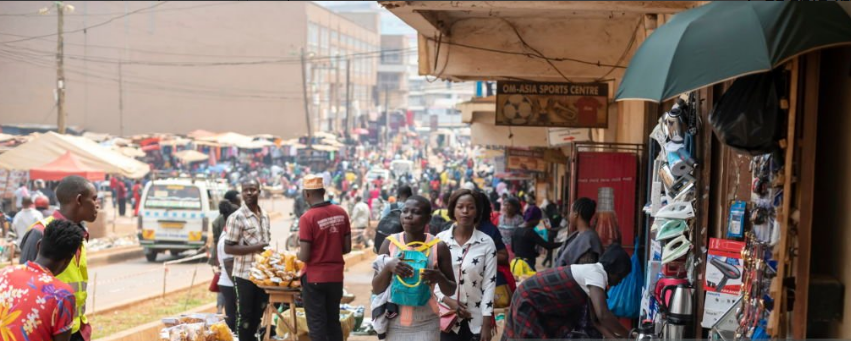
Uganda is one of Africa’s most rewarding and underrated destinations. Winston Churchill’s description of Uganda as the “Pearl of Africa” — inspired by its extraordinary combination of landscapes, wildlife, and people — remains as apt today as when he coined it in 1908. The country packs an astonishing range of experiences into a relatively compact area: snow-capped mountains, vast savannahs, dense tropical rainforests, the source of the Nile, and some of the world’s most remarkable wildlife.
Uganda shares borders with Kenya, Tanzania, Rwanda, the Democratic Republic of Congo, and South Sudan, and sits astride the equator in East-Central Africa. The capital, Kampala, is a vibrant, growing city that serves as the gateway to Uganda’s national parks. Most wildlife safaris begin and end in Kampala or at Entebbe International Airport, 45 minutes south of the city.
Uganda’s Key National Parks and Wildlife Areas
- Bwindi Impenetrable Forest: UNESCO World Heritage Site and home to over half the world’s mountain gorillas. Four trekking sectors: Buhoma, Ruhija, Rushaga, and Nkuringo.
- Queen Elizabeth National Park: Uganda’s most visited park, famous for tree-climbing lions in the Ishasha sector, boat cruises on the Kazinga Channel, and diverse savannah and forest habitats.
- Murchison Falls National Park: Uganda’s largest park, home to the world’s most powerful waterfall. Excellent for elephants, giraffes, buffalo, hippos, crocodiles, and shoebill storks on the Nile.
- Kibale Forest National Park: The world’s best chimpanzee trekking destination, also home to 12 other primate species and superb birdwatching.
- Kidepo Valley National Park: Uganda’s most remote and arguably most spectacular park, bordering South Sudan. Wild, untouched, and home to species found nowhere else in Uganda including cheetahs and caracals.
- Mgahinga Gorilla National Park: In the Virunga Mountains, offering gorilla trekking, golden monkey trekking, and volcano hiking in a compact, accessible park.
Practical Uganda Travel Information
Visa and entry requirements
Uganda offers an e-visa for most nationalities, applied online at visas.immigration.go.ug. East African Community citizens are exempt. The East Africa Tourist Visa (covering Uganda, Kenya, and Rwanda) is available at the point of entry. A yellow fever vaccination certificate is mandatory for entry.
Currency and costs
The Ugandan Shilling (UGX) is the local currency. USD is widely accepted in tourist areas. Mid-range safari lodges cost USD 150–350 per person per night. Budget accommodation in Kampala starts from USD 20–40. Gorilla permits (USD 800) are the single largest expense for most visitors.
Getting around Uganda
Most visitors use private safari vehicles (included in tour packages) or hire a driver-guide. Public minibus taxis (matatus) connect major towns but are not suitable for wildlife areas. Charter flights from Entebbe to Kihihi, Kisoro, Kasese, or Pakuba significantly reduce overland travel times on longer itineraries.
Recommended Tours: 9 Days Uganda Wildlife Safari | 7 Days Uganda Safari