

Nature Walk
January 28, 2026
Camel Trekking
January 28, 2026

Horse Back Riding
Horseback riding offers a distinct way to explore nature, combining physical activity, adventure, and an intimate connection with both the environment and the horse. Unlike traditional vehicle safaris, horseback riding allows travelers to move quietly through landscapes, often bringing them closer to wildlife and natural sounds that are missed from vehicles.



Golden Monkey Trekking
Golden monkeys are endemic to the Albertine Rift, meaning they are found nowhere else in the world. Trekking to see them is not only an adventure but also an opportunity to witness a rare species whose survival depends on continued conservation and responsible tourism.
Horse Back Riding: A Complete Guide to Experiences Across the Region
Why Horseback Riding Is a Special Safari Experience
Horseback riding safaris provide access to areas that vehicles cannot reach, including dense bush, steep valleys, or river edges. The horses’ agility and quiet movement allow for closer observation of wildlife, often without startling animals as a vehicle might. This creates unique photographic opportunities and moments of intimate wildlife observation.
Moreover, horseback riding engages the rider actively. Unlike being a passive observer, riders must balance, respond to the terrain, and develop a subtle communication with the horse. This interaction builds confidence, heightens awareness, and creates a profound sense of accomplishment once trails are completed or wildlife is sighted.
Horseback Riding Destinations for Safaris
Horseback riding safaris are offered across Africa, Europe, and other adventure destinations. In Africa, countries like Kenya, Tanzania, Botswana, Uganda, and South Africa provide a range of horseback safari experiences. Riders traverse savannahs, riverbanks, and forest edges, often encountering wildlife such as zebras, giraffes, antelopes, and even elephants at a safe distance.
These safaris may take place in private conservancies, national parks, or specialized equestrian lodges. Each location offers a different combination of terrain, wildlife, and cultural scenery, from expansive plains to volcanic slopes and river valleys.
What to Expect on a Horseback Safari
A typical horseback safari begins with a briefing on safety, horse handling, and trail etiquette. Guests are matched with horses suited to their experience level, ensuring comfort and confidence throughout the ride. Trails vary in length and difficulty, allowing both beginners and experienced riders to enjoy the adventure.
Riders move at a pace dictated by terrain, horse temperament, and wildlife activity. Quiet moments allow observation of birds, smaller mammals, and plant life, while open stretches invite gallops or brisk trots that heighten the sense of freedom and exhilaration. Guided rides often include scenic stops, photography opportunities, and optional picnic breaks, creating a full-day immersion into nature.
Wildlife and Nature Encounters on Horseback
One of the most compelling aspects of horseback riding safaris is the chance to observe wildlife naturally. Horses’ quiet movement allows close approaches to antelope, zebras, and sometimes predators, without causing alarm. Riding through forests, river valleys, and open plains reveals patterns of animal movement, tracks, and behavior that are less visible from vehicles.
Birdwatching from horseback is equally rewarding. Early morning rides allow for sightings of raptors, hornbills, and other forest or savannah species. The combination of height, mobility, and low noise levels provides a unique vantage point for observing and photographing wildlife.
Photography Tips for Horseback Safaris
Capturing images on horseback requires planning and awareness. Stabilizing the camera while riding, anticipating wildlife movement, and using natural light effectively are key techniques. Slow-paced sections of the ride are ideal for composing shots, while shorter bursts can capture dynamic action or fleeting wildlife behaviors.
Photography is not the only way to capture memories. Observing patterns, sounds, and scents on horseback creates lasting impressions that are equally vivid and meaningful.
Best Seasons for Horseback Safaris
The best time for horseback riding safaris depends on climate, wildlife patterns, and terrain conditions. Dry seasons typically offer easier trails, fewer obstacles, and clearer wildlife viewing. Wet seasons create lush landscapes, dramatic waterfalls, and abundant birdlife, though trails may be muddy or slippery, requiring experienced riding and careful preparation.
Understanding seasonal variation ensures the safari aligns with personal preferences and desired experiences, balancing wildlife activity, trail accessibility, and landscape aesthetics.
Safety and Preparation for Riding Safaris
Safety is paramount in horseback safaris. Riders are provided with helmets and protective gear, and guides ensure trails are matched to skill levels. Proper footwear, sun protection, and hydration are essential, especially for longer rides or rides in hot climates.
Communication between horse and rider is subtle but vital. Listening to guides, responding calmly to the horse, and maintaining focus helps ensure both rider and animal enjoy the experience safely.
Family and Group Riding Experiences
Horseback safaris can be adapted for families and groups. Trails can be customized for varying experience levels, making it accessible for beginners, teens, and experienced riders alike. Children often enjoy the thrill of riding through open plains or observing wildlife from a unique height, while groups share the adventure, creating collective memories.
Riding together strengthens bonds, encourages teamwork, and enhances the overall enjoyment of the safari experience.
Combining Horseback Safaris with Other Activities
Horseback riding integrates seamlessly into broader adventure and safari itineraries. Many travelers combine riding with traditional vehicle safaris, walking trails, cultural village visits, or river excursions. This combination creates a dynamic travel experience that highlights the contrast between different environments and modes of exploration.
Multi-day horseback safaris may include overnight stays in lodges, tented camps, or eco-retreats, allowing travelers to immerse themselves fully in the landscape and rhythms of the wilderness.
The Emotional Experience of Riding Through Nature
Horseback riding evokes a profound sense of freedom and connection. The combination of movement, rhythm, and landscape allows riders to experience nature in a direct, unmediated way. Moments when horses pause near wildlife, drink from streams, or gallop across open plains create lasting memories.
Many travelers describe horseback safaris as empowering and calming simultaneously, offering an opportunity to reconnect with the environment while actively participating in the adventure. Horseback riding safaris offer a unique, immersive, and exhilarating way to experience Africa’s landscapes and wildlife. By combining physical engagement, wildlife observation, and scenic beauty, horseback riding provides access to areas and perspectives unavailable from vehicles or on foot.
This adventure blends excitement, tranquility, and intimacy with nature, making it ideal for solo travelers, families, and groups alike. Horseback safaris are not just rides—they are journeys that connect humans, horses, and the wild world, leaving a lasting impression that resonates long after the trail ends.
Our Recommended Tour Ideas

Murchison Falls' classic activities based from a premium riverside lodge, with private transfers throughout.

Search for the shoebill stork among 450+ recorded species, with classic game drives built around the trip too.
A dedicated sunset game drive for peak predator activity, alongside the park's classic Nile boat cruise.
Cast for Nile perch below the falls, then spend an afternoon on a classic savannah game drive.

Uganda's only wild rhinos at Ziwa, chimpanzee trekking in Budongo, and classic Murchison Falls game drives.
A fast, efficient fly-in trip with a game drive and boat cruise to the base of the falls.

A longer, quieter Nile cruise downstream to the Delta on Lake Albert, known for strong shoebill stork sightings.
Hike to the top of Murchison Falls where the Nile forces through a narrow gorge, plus classic savannah game drives.

Skip the long drive with a direct flight to wherever the migration currently is, for a fast, high-value trip.
What Our Travelers Enjoyed About Primate Safaris

Gorillas "Silverback"
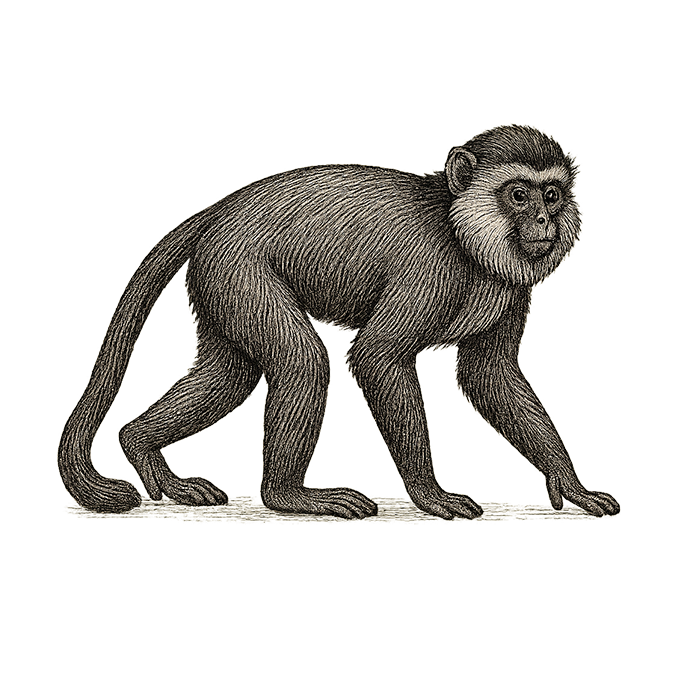
Golden Monkey "Photogenic"
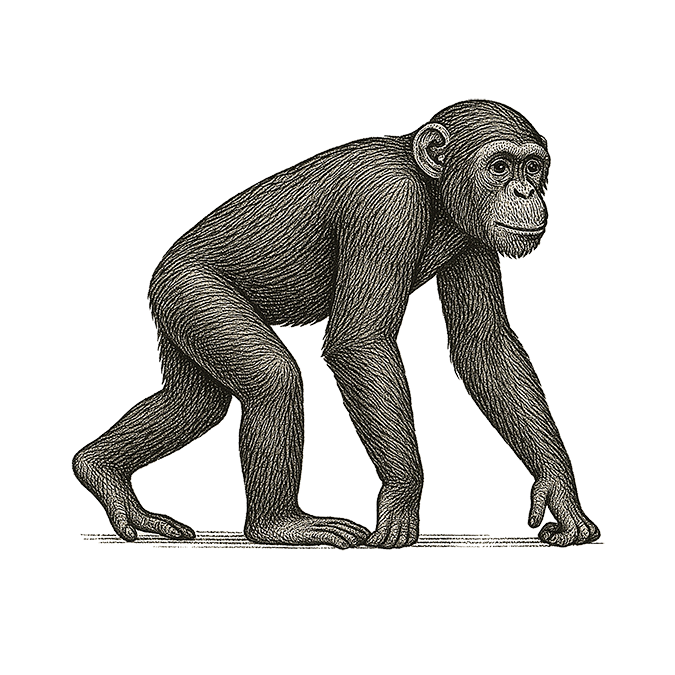
Chimpanzees "Pant-hoot"
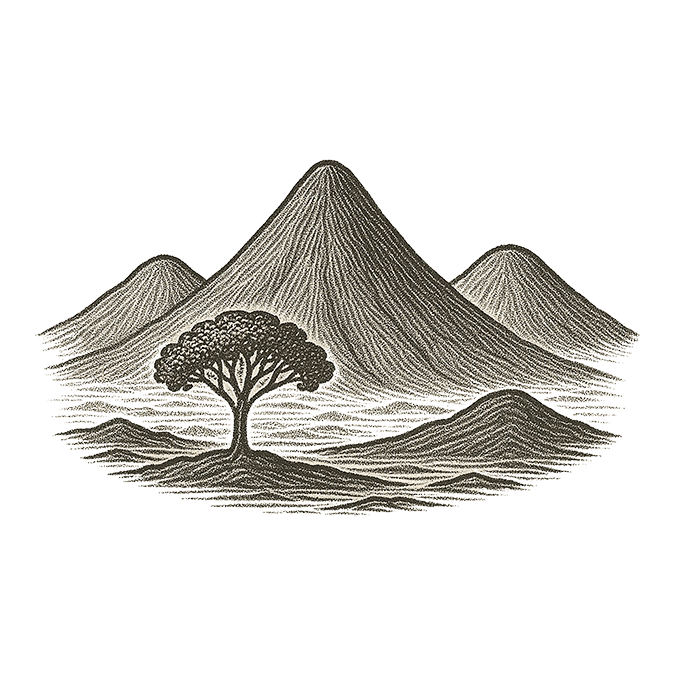
Volcanoes "Real Forest Africa"
Experience East Africa the Way It Was Meant to Be
Horseback safaris are only possible in a handful of private conservancies where wildlife has grown accustomed to horses over years of controlled riding, which makes Kenya’s Mara North Conservancy, Ol Pejeta Conservancy, and Borana Conservancy the region’s main destinations for the activity. Riding at eye level with zebra, giraffe, and antelope, and sometimes at a respectful distance from elephant or buffalo, offers a genuinely different perspective from a vehicle-based game drive, though rides are always led by an experienced guide who reads the terrain and wildlife behavior carefully.
Riders are generally expected to have at least intermediate riding experience, since routes can include trotting or cantering across open plains when conditions and wildlife allow, and most conservancies require an assessment ride before joining a full excursion in wildlife areas. In Tanzania, similar horseback riding is offered in the highlands around Ngorongoro and parts of the northern circuit, typically on private land bordering the main parks rather than inside them. Horseback safaris are usually arranged in advance as part of a stay at a specific conservancy lodge that has the necessary permits and trained horses.