

Hiking to Waterfalls
January 28, 2026
Salt Lake Exploration
January 28, 2026

Volcano Hiking
Volcano hiking in Africa is one of the continent’s most dramatic and rewarding adventure experiences. Towering volcanic peaks, lava-sculpted landscapes, misty forests, and crater views create a setting that feels raw, powerful, and deeply connected to the Earth’s origins. Unlike ordinary mountain hikes, volcano trekking immerses travelers in landscapes shaped by fire, pressure, and time, offering both physical challenge and profound natural beauty.

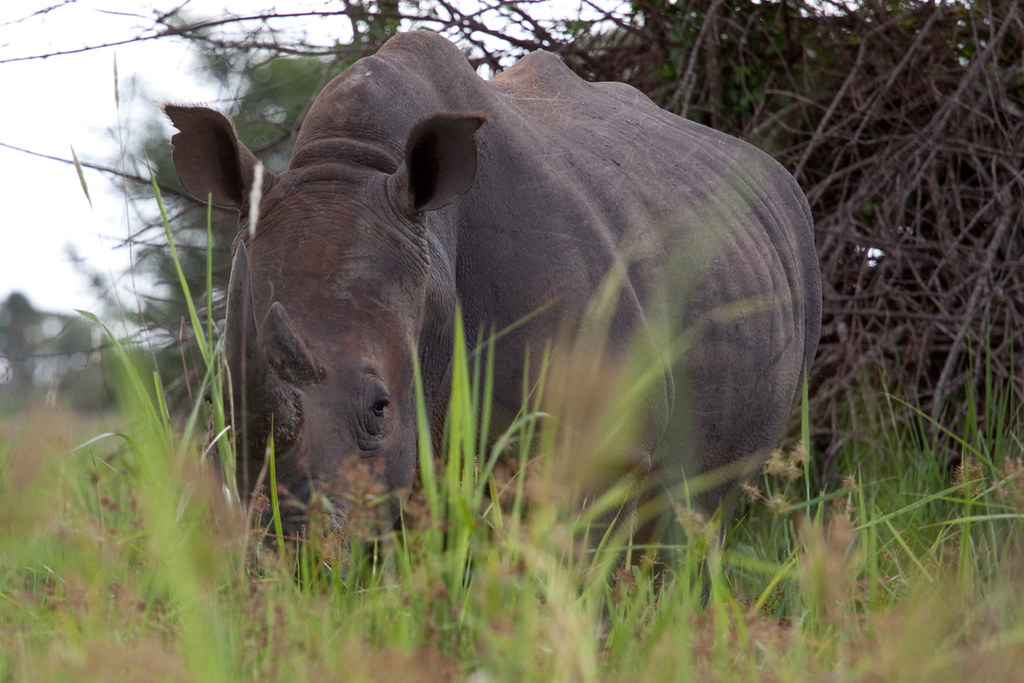

Golden Monkey Trekking
Golden monkeys are endemic to the Albertine Rift, meaning they are found nowhere else in the world. Trekking to see them is not only an adventure but also an opportunity to witness a rare species whose survival depends on continued conservation and responsible tourism.
Volcano Hiking: A Complete Guide to Experiences Across the Region
Why Volcano Hiking Is a Unique Adventure Experience
Volcano hiking stands apart from other trekking experiences because it combines adventure, science, and wilderness in equal measure. Each step reveals volcanic rock formations, hardened lava flows, ash fields, and crater rims that tell stories millions of years old. The terrain constantly shifts, keeping hikers engaged and challenged while offering breathtaking scenery at every turn.
Beyond the geology, volcano hikes often pass through multiple ecological zones. Lower slopes may be covered in farmland or savannah, transitioning into dense montane forests, bamboo zones, and finally alpine or barren volcanic landscapes near the summit. This diversity makes volcano hiking visually dynamic and biologically rich.
Top Volcano Hiking Destinations in Africa
Africa is home to some of the most iconic volcano hiking destinations in the world. Mount Kilimanjaro, while dormant, remains Africa’s highest peak and a legendary trekking destination with volcanic origins. The Virunga Mountains, shared by Uganda, Rwanda, and the Democratic Republic of Congo, offer some of the most dramatic volcano hikes on the continent.
Mount Nyiragongo stands out as one of the most extraordinary volcano hikes globally, featuring an active lava lake visible from the summit. Hiking Nyiragongo is both thrilling and humbling, as trekkers stand on the edge of one of the world’s most powerful natural phenomena. Nearby, Mount Nyamuragira, Mount Karisimbi, Mount Muhabura, Mount Gahinga, and Mount Sabyinyo offer challenging yet rewarding treks through misty forests and volcanic ridges.
Ethiopia’s volcanic landscapes, particularly in the Danakil Depression, provide a stark and otherworldly hiking experience, with colorful mineral deposits, volcanic craters, and geothermal activity unlike anywhere else in Africa.
What to Expect During a Volcano Hike
A volcano hike typically begins early in the morning, guided by experienced local guides and rangers. The ascent varies depending on the volcano’s height, terrain, and activity level. Some hikes are completed within a day, while others require overnight camping near the summit.
As hikers ascend, the environment gradually changes. Forested lower slopes are often alive with birds and small wildlife, while higher elevations become quieter and more rugged. Volcanic ash, jagged lava rocks, and steep inclines demand stamina and careful footing. Reaching the summit or crater rim is an emotional moment, offering panoramic views that stretch across valleys, lakes, and neighboring peaks.
The Geological Wonders of Volcanic Landscapes
Volcano hiking offers a rare opportunity to witness geology in action. Lava flows frozen in motion, steaming vents, sulfur deposits, and massive craters reveal the forces that continue to shape the planet. Guides often explain how tectonic movement and magma activity created the landscapes underfoot, turning the hike into a living geology lesson.
In active volcanic areas, the presence of heat, steam, and distant rumbling adds a sense of awe and respect. These elements remind hikers that volcanoes are dynamic systems, constantly evolving beneath the surface.
Best Time for Volcano Hiking in Africa
The best time for volcano hiking depends largely on weather conditions and accessibility. Dry seasons are generally preferred, as trails are less slippery and visibility is clearer. In East Africa, this often corresponds to periods when rainfall is lower and skies are more stable.
Weather at higher elevations can change rapidly, with mist, wind, and temperature drops occurring even on sunny days. Proper timing ensures safer conditions and enhances the overall hiking experience, allowing trekkers to enjoy summit views and crater landscapes without obstruction.
Physical Preparation and Fitness Requirements
Volcano hiking is physically demanding and requires a reasonable level of fitness. Steep gradients, high altitudes, and uneven volcanic terrain challenge both endurance and balance. Preparing with regular cardio exercise, strength training, and practice hikes significantly improves comfort and performance during the trek.
Altitude acclimatization is especially important for taller volcanoes. Guides monitor hikers closely, ensuring safe pacing and adequate rest. The sense of accomplishment upon reaching the summit makes the effort worthwhile, rewarding hikers with both physical pride and unforgettable views.
Safety and Responsible Volcano Hiking
Safety is paramount when hiking volcanoes, particularly active ones. All treks are conducted with trained guides who understand volcanic behavior, weather patterns, and emergency procedures. Visitors are briefed on safety measures, trail rules, and environmental responsibility before starting the hike.
Responsible volcano hiking emphasizes respect for nature and local communities. Staying on designated trails, avoiding disturbance of fragile formations, and following guide instructions help preserve these environments for future generations.
Cultural and Conservation Significance of Volcano Regions
Volcanoes hold deep cultural significance in many African communities. They are often associated with legends, spiritual beliefs, and traditional practices passed down through generations. Hiking these mountains offers insight into local perspectives and a deeper appreciation for the relationship between people and the land.
Many volcanic regions are protected as national parks or conservation areas, supporting biodiversity and sustainable tourism. Fees and guided treks contribute to conservation efforts, community development, and wildlife protection, ensuring that volcano hiking benefits both nature and local livelihoods.
Combining Volcano Hiking with Other Safari Experiences
Volcano hiking pairs exceptionally well with other African adventure activities. In the Virunga region, a volcano hike can be combined with gorilla trekking, golden monkey trekking, nature walks, and cultural visits. In Tanzania and Kenya, volcano trekking complements wildlife safaris, crater exploration, and scenic lake excursions.
This combination creates a well-rounded itinerary that blends physical challenge, wildlife encounters, and cultural discovery into a single unforgettable journey.
The Emotional Impact of Reaching a Volcanic Summit
Standing atop a volcano is a deeply moving experience. The vastness of the landscape, the silence of high altitude, and the knowledge of the forces beneath your feet inspire humility and awe. Many hikers describe volcano summits as places of reflection, clarity, and connection with nature.
The journey up is often as meaningful as the destination, with each step reinforcing resilience, patience, and respect for the natural world. Volcano hiking in Africa is an extraordinary adventure that combines raw natural beauty, geological wonder, and personal achievement. From active lava lakes to mist-covered peaks, Africa’s volcanoes offer some of the most powerful trekking experiences on the planet.
For travelers seeking more than sightseeing, volcano hiking delivers immersion, challenge, and unforgettable moments shaped by fire and time. It is a journey into the heart of the Earth and a highlight of any African adventure itinerary.
Our Recommended Tour Ideas

Murchison Falls' classic activities based from a premium riverside lodge, with private transfers throughout.

Search for the shoebill stork among 450+ recorded species, with classic game drives built around the trip too.
A dedicated sunset game drive for peak predator activity, alongside the park's classic Nile boat cruise.
Cast for Nile perch below the falls, then spend an afternoon on a classic savannah game drive.

Uganda's only wild rhinos at Ziwa, chimpanzee trekking in Budongo, and classic Murchison Falls game drives.
A fast, efficient fly-in trip with a game drive and boat cruise to the base of the falls.

A longer, quieter Nile cruise downstream to the Delta on Lake Albert, known for strong shoebill stork sightings.
Hike to the top of Murchison Falls where the Nile forces through a narrow gorge, plus classic savannah game drives.

Skip the long drive with a direct flight to wherever the migration currently is, for a fast, high-value trip.
What Our Travelers Enjoyed About Primate Safaris

Gorillas "Silverback"
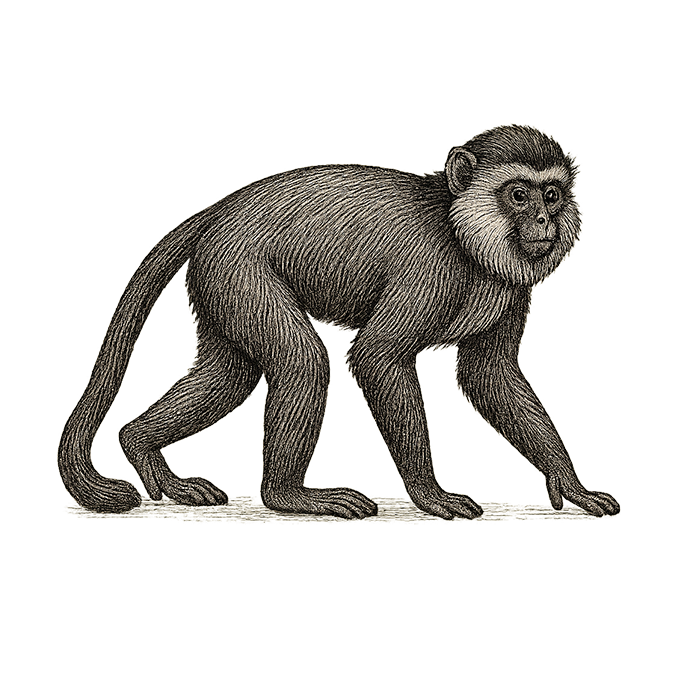
Golden Monkey "Photogenic"

Chimpanzees "Pant-hoot"
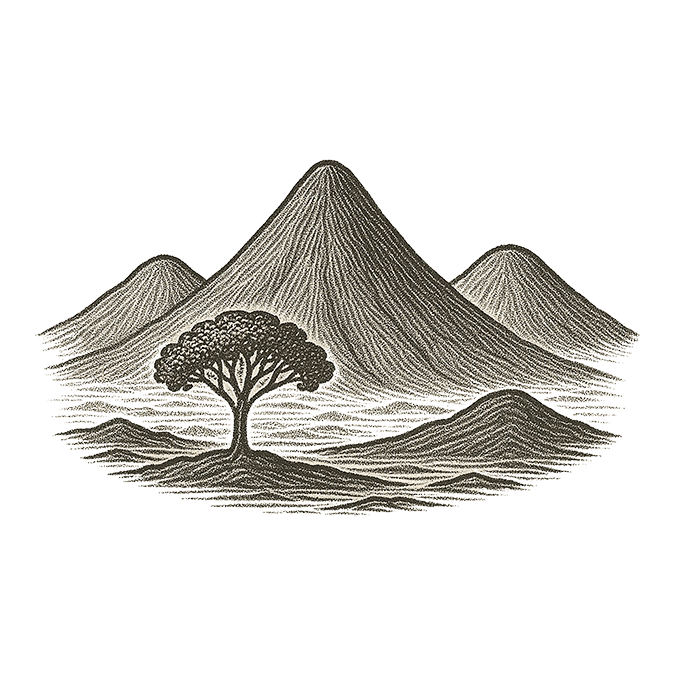
Volcanoes "Real Forest Africa"
Experience East Africa the Way It Was Meant to Be
The Virunga Mountains, a chain of eight volcanoes straddling Rwanda, Uganda, and the Democratic Republic of Congo, offer some of the most rewarding volcano hikes in Africa. On the Congolese side, Mount Nyiragongo is one of the world’s most active volcanoes and hosts one of the largest lava lakes on Earth. The climb to the summit is typically done as an overnight hike, reaching the rim in the afternoon to camp beside the crater and watch the lava lake glow through the night, a sight few other treks anywhere can match.
On the Rwandan side, Mount Bisoke offers a demanding but achievable day hike through dense bamboo forest to a crater lake at the summit, often with a real chance of encountering buffalo or elephant sign along the way. Mount Karisimbi, the tallest of the Virunga volcanoes, is a longer and more serious two-day climb through changing vegetation zones, from bamboo to alpine moorland, usually reserved for fitter, more experienced hikers. All of these climbs require park permits, a guide, and armed ranger escort, and are generally booked as a standalone add-on to a gorilla trekking itinerary in the same region.