Matheniko Bokora Wildlife Reserve
January 28, 2026
Katonga Wildlife Reserve
January 28, 2026

Ajai Wildlife Reserve
Ajai Wildlife Reserve is one of Uganda’s lesser-known yet ecologically important protected areas, located in the West Nile region near the eastern bank of the Albert Nile. Covering a mosaic of savannah grasslands, wetlands, riverine forest, and seasonal floodplains, the reserve offers a peaceful and authentic nature experience far removed from busy safari circuits.Named after Chief Ajai, a powerful 19th-century leader in the region, the reserve carries both ecological and historical significance. Ajai Wildlife Reserve is ideal for travelers interested in conservation history, birdlife, wetland ecosystems, and quiet nature exploration rather than mass tourism.



Attractions In Rwanda
Attractions In Tanzania
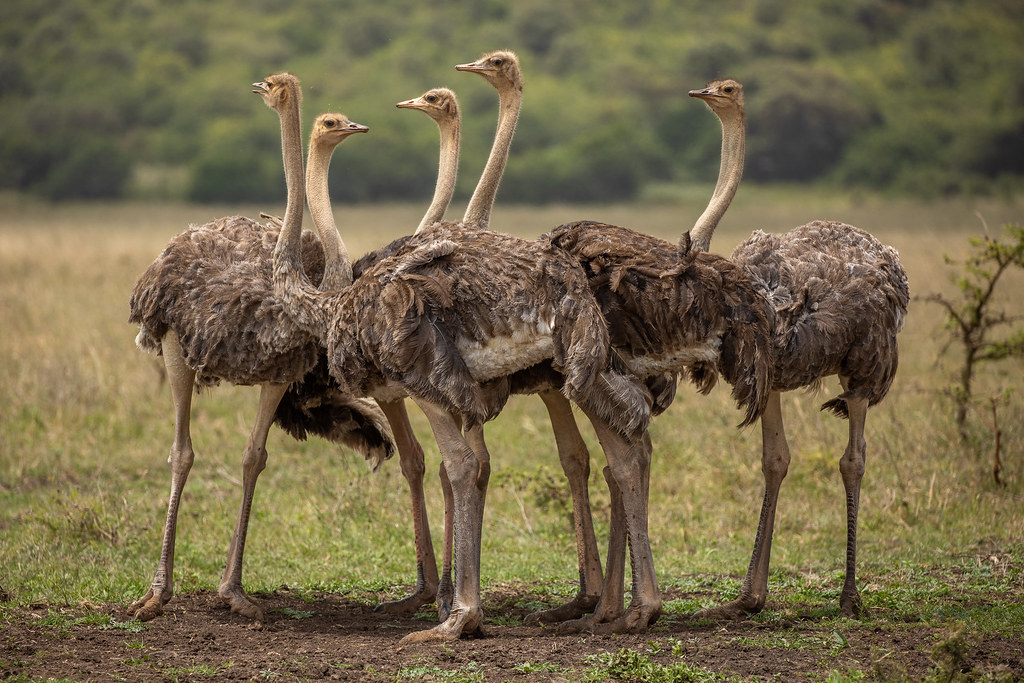
Uganda Gorilla Trekking Experience
Discover Uganda’s gorilla trekking experience where misty rainforests shelter mountain gorillas, ancient trails wind through Bwindi’s depths, and every step brings you closer to one of Africa’s most profound wildlife encounters, blending raw nature, conservation, and lasting memories.
Ajai Wildlife Reserve: National Parks and Protected Areas
Landscape and Ecosystem Diversity
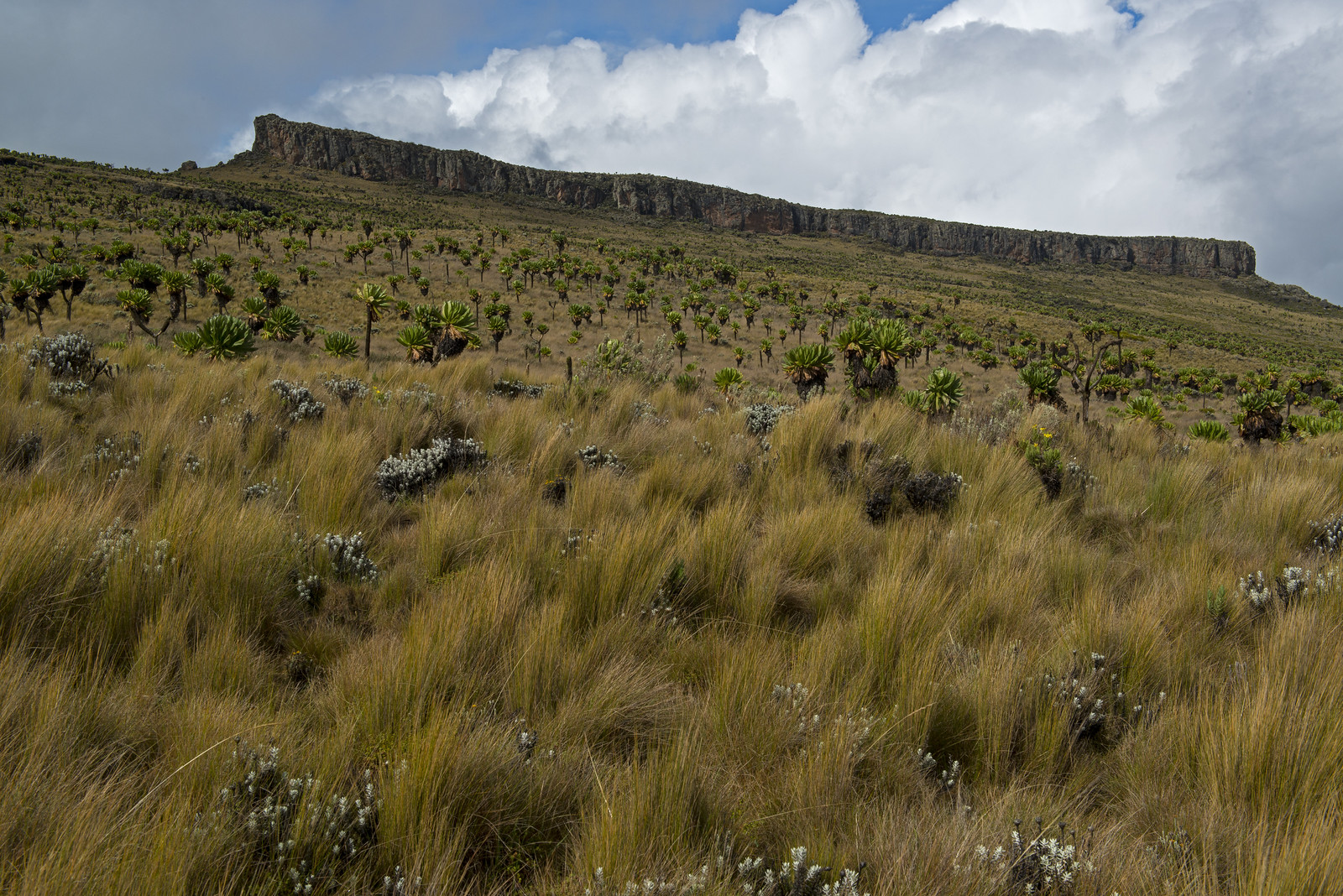
The landscape of Ajai Wildlife Reserve is shaped by water, grassland, and open skies, creating an environment that supports a wide range of species. The Albert Nile and its tributaries influence the reserve’s wetlands and floodplains, which are vital breeding and feeding grounds for wildlife.
Seasonal changes dramatically transform the scenery. During wetter months, wetlands expand and attract large numbers of birds, while dry seasons reveal open savannah that allows for easier wildlife viewing. This dynamic ecosystem makes Ajai an important refuge for species adapted to both aquatic and grassland habitats.
Historical Importance and Rhino Conservation Legacy
Ajai Wildlife Reserve holds a special place in Uganda’s conservation history as one of the country’s former rhino strongholds. Before the devastating poaching crisis of the 1970s and 1980s, the reserve supported a healthy population of white rhinos.
Although rhinos no longer roam Ajai today, the reserve remains a symbol of Uganda’s conservation journey and a reminder of the importance of protecting wildlife habitats. Conservation initiatives and future restoration plans continue to emphasize Ajai’s potential role in wildlife recovery efforts.
Wildlife of Ajai Wildlife Reserve
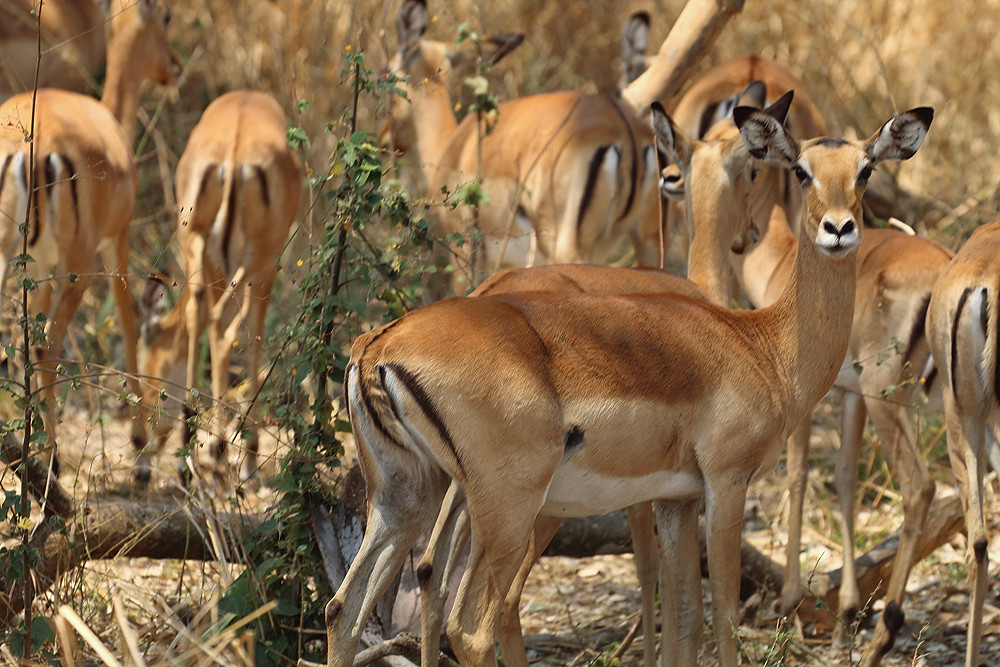
Wildlife in Ajai Wildlife Reserve is best experienced through patience and quiet observation, as animals move freely across expansive grasslands and wetlands. The reserve supports species such as Uganda kob, bushbucks, warthogs, waterbucks, and occasional sightings of buffaloes.
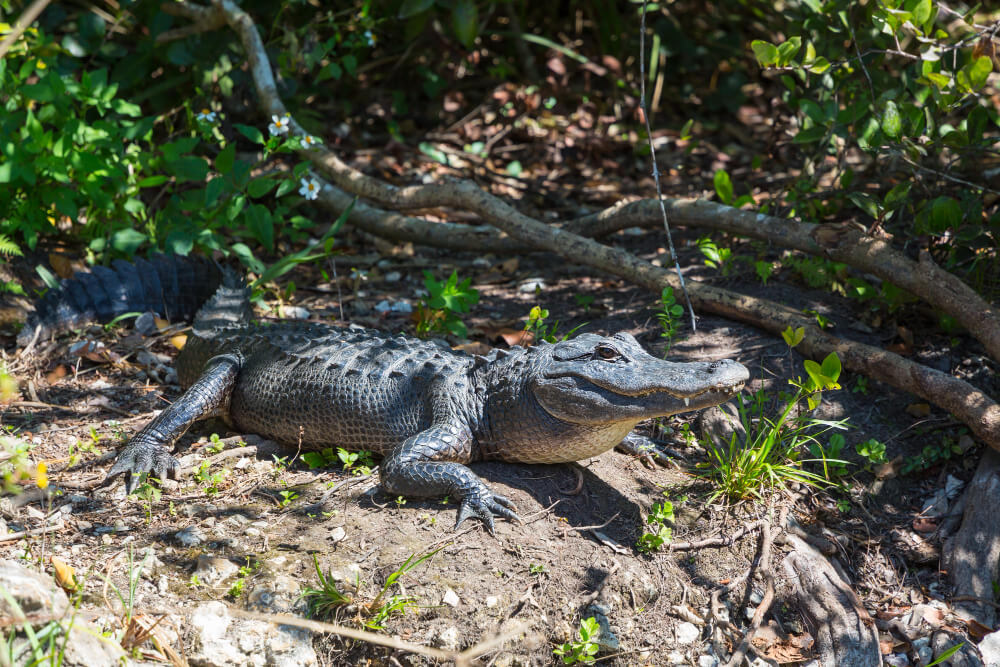
Smaller mammals and reptiles thrive in the wetland areas, while primates inhabit patches of riverine forest. Although Ajai is not known for dense predator populations, its ecological value lies in species diversity and habitat preservation rather than dramatic wildlife concentrations.
Birdwatching in Ajai Wildlife Reserve
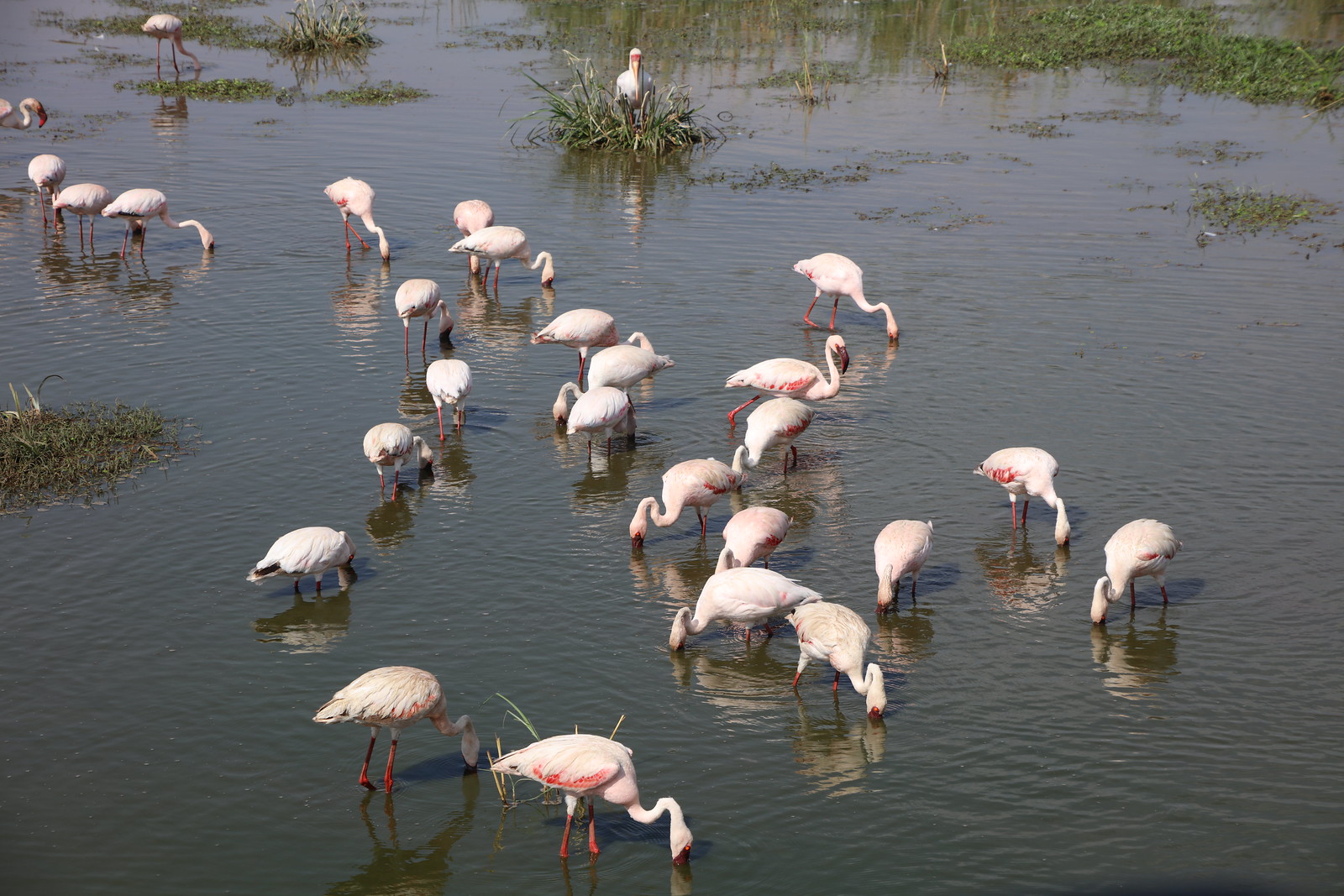
Birdwatching is one of the strongest attractions of Ajai Wildlife Reserve, with the wetlands and river systems providing habitat for an impressive variety of resident and migratory bird species. The reserve is especially rewarding for birders interested in waterbirds and grassland species.
Large birds such as herons, storks, cranes, and pelicans are commonly observed, along with kingfishers and raptors that patrol the waterways and open plains. The peaceful atmosphere and minimal disturbance allow birdlife to thrive, making Ajai an excellent destination for photography and focused birding experiences.
Nature Walks and Guided Exploration
Nature walks are the most immersive way to experience Ajai Wildlife Reserve, offering close encounters with the landscape, birdlife, and smaller wildlife. Guided walks emphasize ecological interpretation, helping visitors understand wetland systems, animal tracks, and plant communities.
Walking through Ajai reveals subtle details often missed during vehicle-based safaris. The sounds of birds, rustling grasses, and flowing water create a calming rhythm that defines the reserve’s character.
Cultural Context and Local Communities
Ajai Wildlife Reserve is closely connected to the cultural heritage of the West Nile region, where communities have long coexisted with wildlife and wetland environments. The reserve’s name reflects the historical leadership of Chief Ajai, whose influence shaped regional identity and resistance during the colonial era.
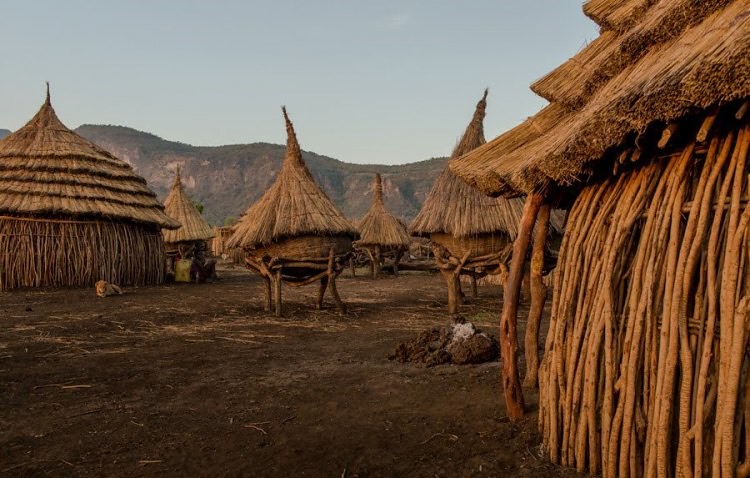
Cultural interactions around Ajai offer insight into traditional livelihoods such as fishing, pastoralism, and small-scale farming. These experiences help visitors understand the human dimensions of conservation and the importance of community involvement in protecting natural resources.
Best Time to Visit Ajai Wildlife Reserve
Ajai Wildlife Reserve can be visited throughout the year, though seasonal conditions influence accessibility and wildlife activity. Dry periods provide easier movement across the reserve and clearer wildlife viewing, while wet seasons enhance bird activity and wetland scenery.
The reserve’s climate is generally warm, with open landscapes offering wide views and dramatic skies, especially during sunrise and sunset.
Accommodation and Visitor Experience
Accommodation around Ajai Wildlife Reserve is simple and nature-focused, reflecting the reserve’s quiet and undeveloped character. Visitor facilities emphasize eco-tourism, conservation awareness, and low-impact travel.
Staying near Ajai allows travelers to experience unspoiled landscapes, minimal crowds, and a slower pace of exploration. Evenings are serene, marked by calls of birds, cool river breezes, and expansive star-filled skies.
Why Ajai Wildlife Reserve Matters
Ajai Wildlife Reserve plays a crucial role in protecting wetland ecosystems and preserving Uganda’s conservation heritage. While it may not rival larger parks in terms of iconic wildlife, its importance lies in habitat conservation, birdlife diversity, and historical significance.
For travelers seeking meaningful, low-impact safari experiences, Ajai offers a refreshing alternative to mainstream destinations. It is particularly appealing to birdwatchers, conservation enthusiasts, and those interested in Uganda’s lesser-known protected areas.
Our Recommended Tour Ideas
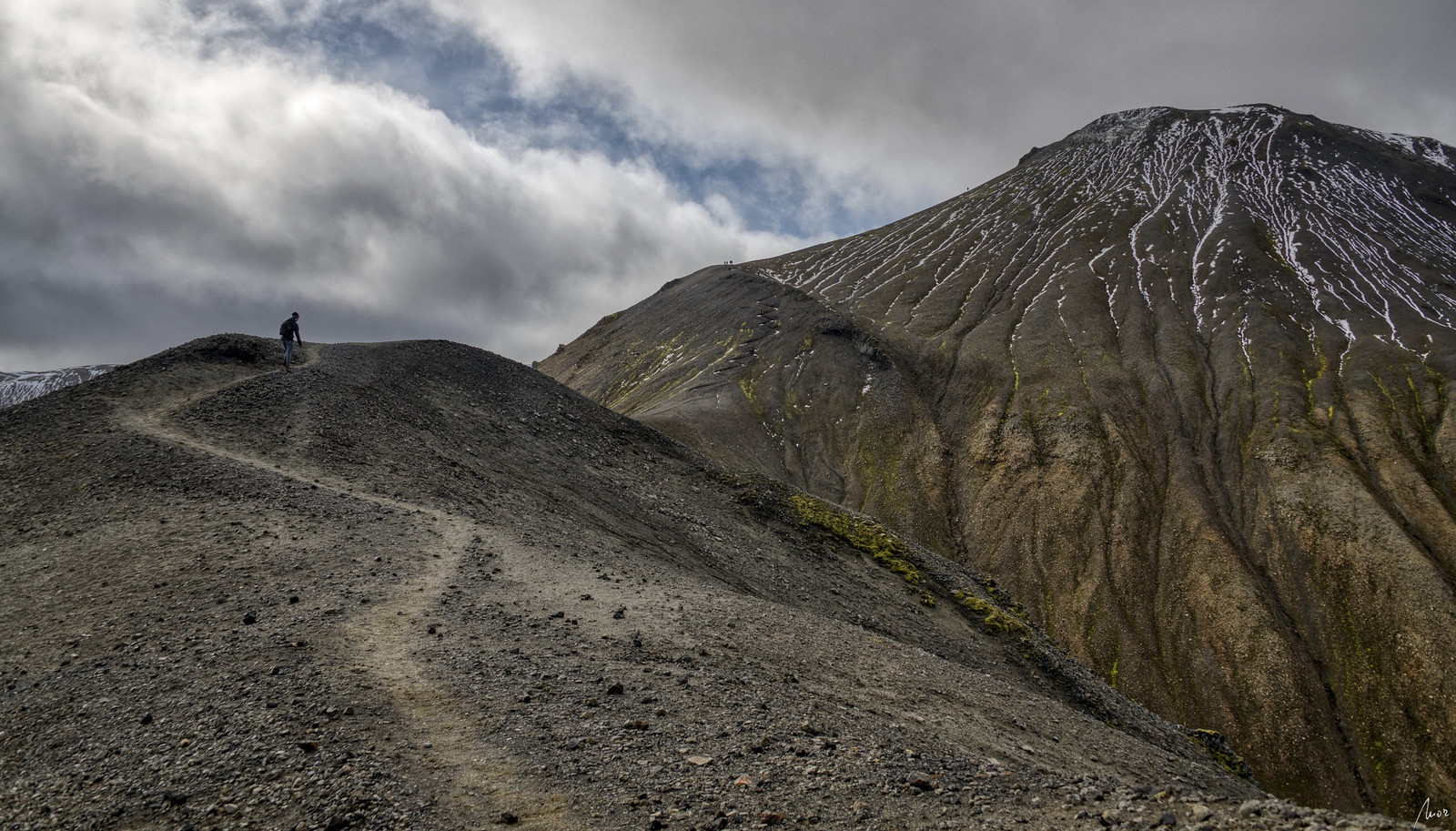
Choose Bwindi or Volcanoes for an amazing gorilla trek on this flexible and exciting 4-day Kigali safari trip.

Trek mountain gorillas and track chimps and primates in Rwanda's volcanic forests on this 5-day Rwanda safari.

7 days in Uganda combining mountain gorilla trekking, rich cultural experiences, and rare wildlife landscapes.
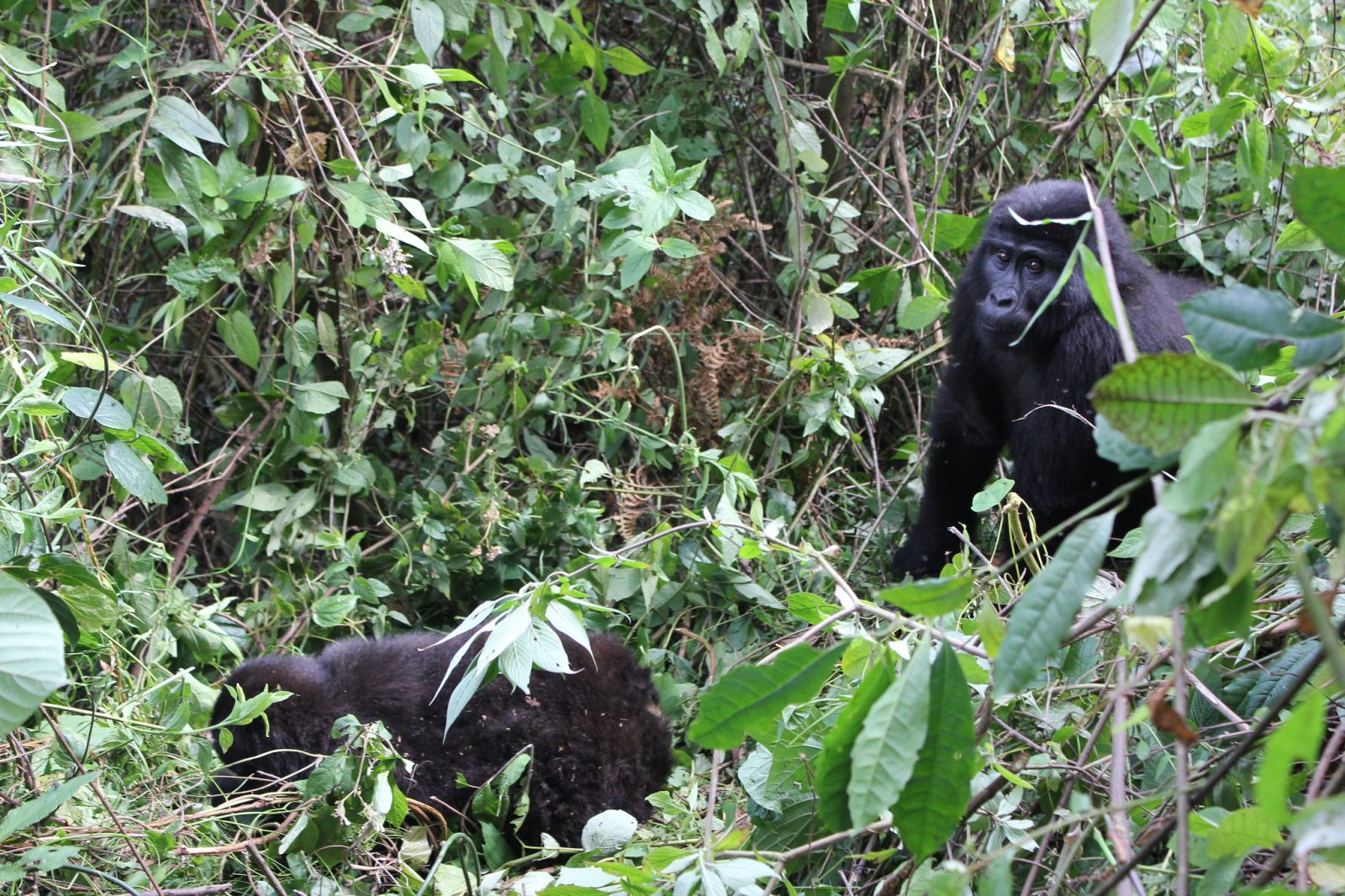
Double your gorilla trek in Bwindi and Mgahinga for a unique and rewarding 5-day Uganda double gorilla safari.

Explore Queen Elizabeth's tree-climbing lions, hippos and elephants on this exciting 5-day Uganda safari trip.
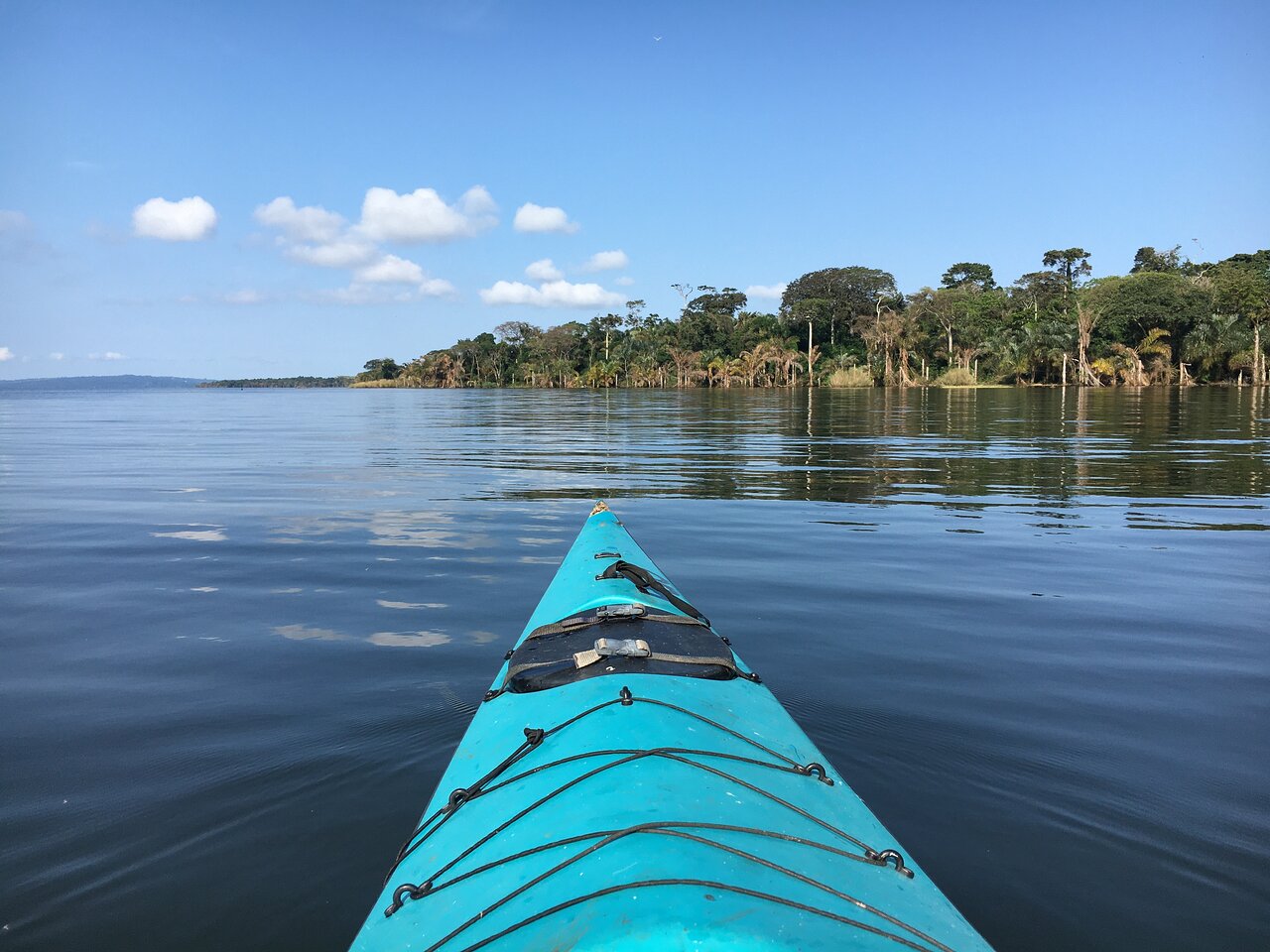
Relax on the palm-fringed shores of Uganda's Ssese Islands on this beautiful peaceful and scenic 3-day escape.

Track chimpanzees in Kibale and gorillas in Bwindi on this rewarding 8-day Uganda primate and wildlife safari.
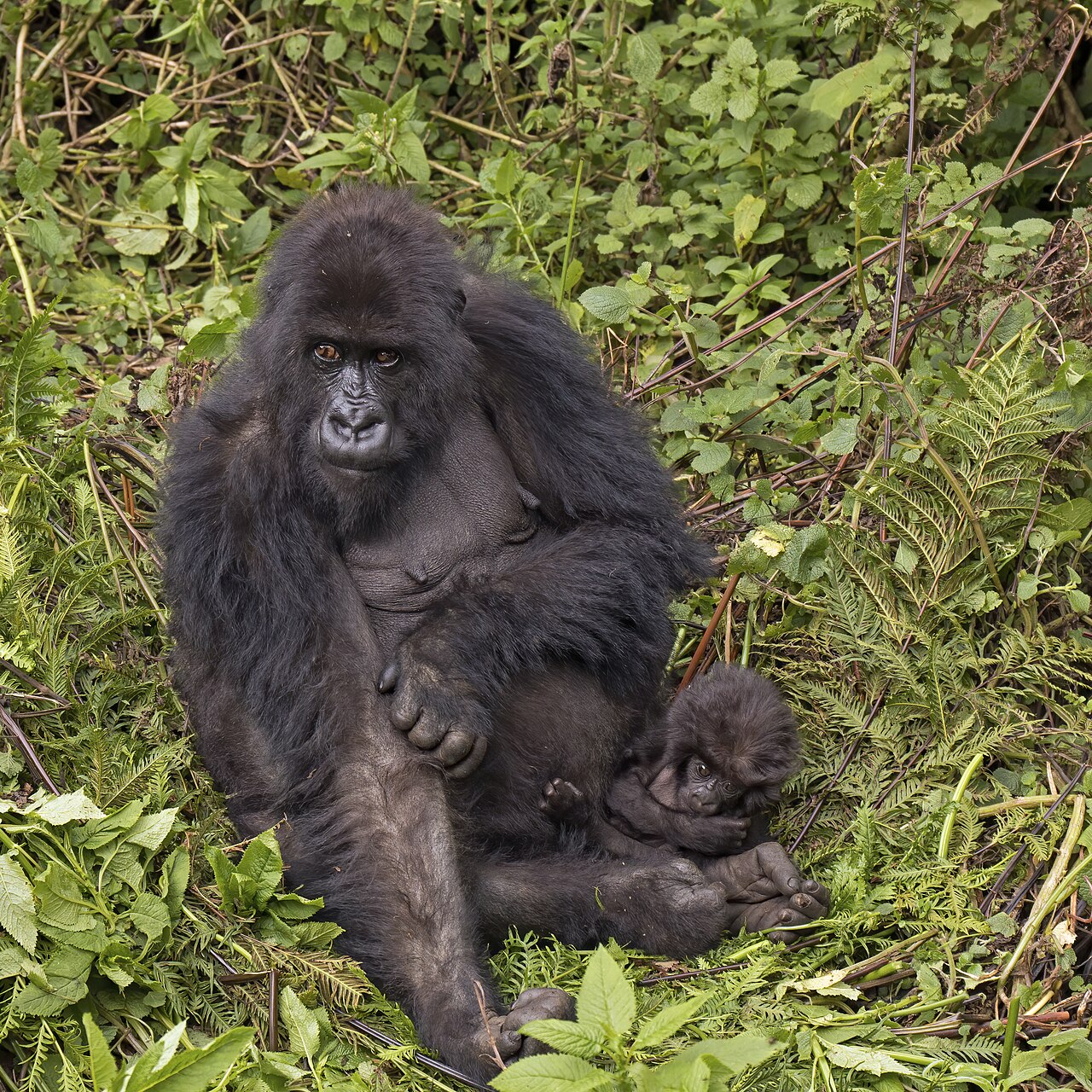
A first-timer-friendly family itinerary: one gorilla trek plus kid-friendly activities at a comfortable, unrushed pace.

A focused Masai Mara trip timed to migration season, when the reserve holds one of the densest wildlife concentrations on Earth.
What Our Travelers Enjoyed About Primate Safaris

Gorillas "Silverback"
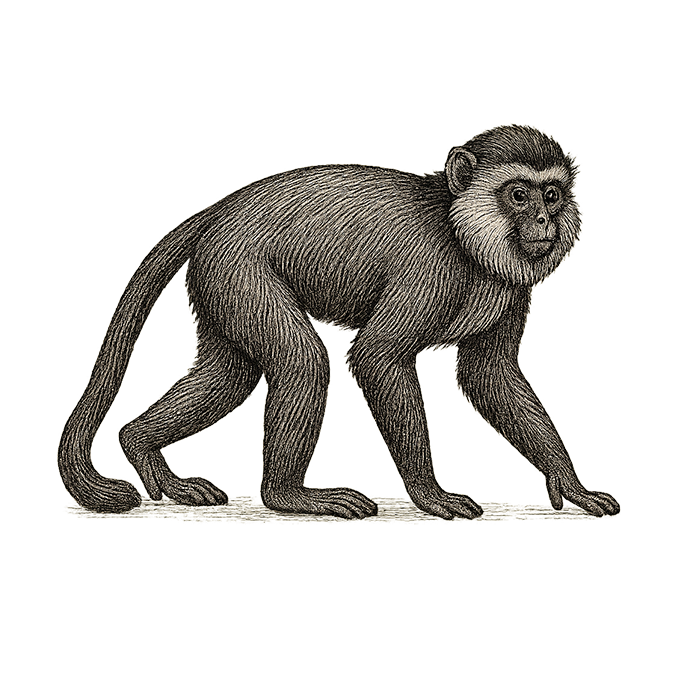
Golden Monkey "Photogenic"

Chimpanzees "Pant-hoot"