Amboseli National Park
January 28, 2026
Meru National Park
January 28, 2026

Mount Kenya National Park
Rising dramatically from the central highlands of Kenya, Mount Kenya is the second-highest peak in Africa, standing at 5,199 meters (17,057 feet). Surrounding this iconic mountain is Mount Kenya National Park, a UNESCO World Heritage Site and one of Kenya’s most spectacular natural landscapes. Established in 1949, the park encompasses approximately 715 square kilometers (276 square miles) and protects not only the mountain’s towering peaks but also its glacial features, forests, moorlands, and alpine ecosystems.




Attractions In Rwanda
Attractions In Tanzania
Uganda Gorilla Trekking Experience
Discover Uganda’s gorilla trekking experience where misty rainforests shelter mountain gorillas, ancient trails wind through Bwindi’s depths, and every step brings you closer to one of Africa’s most profound wildlife encounters, blending raw nature, conservation, and lasting memories.
Mount Kenya National Park: National Parks and Protected Areas
The Landscape of Mount Kenya National Park
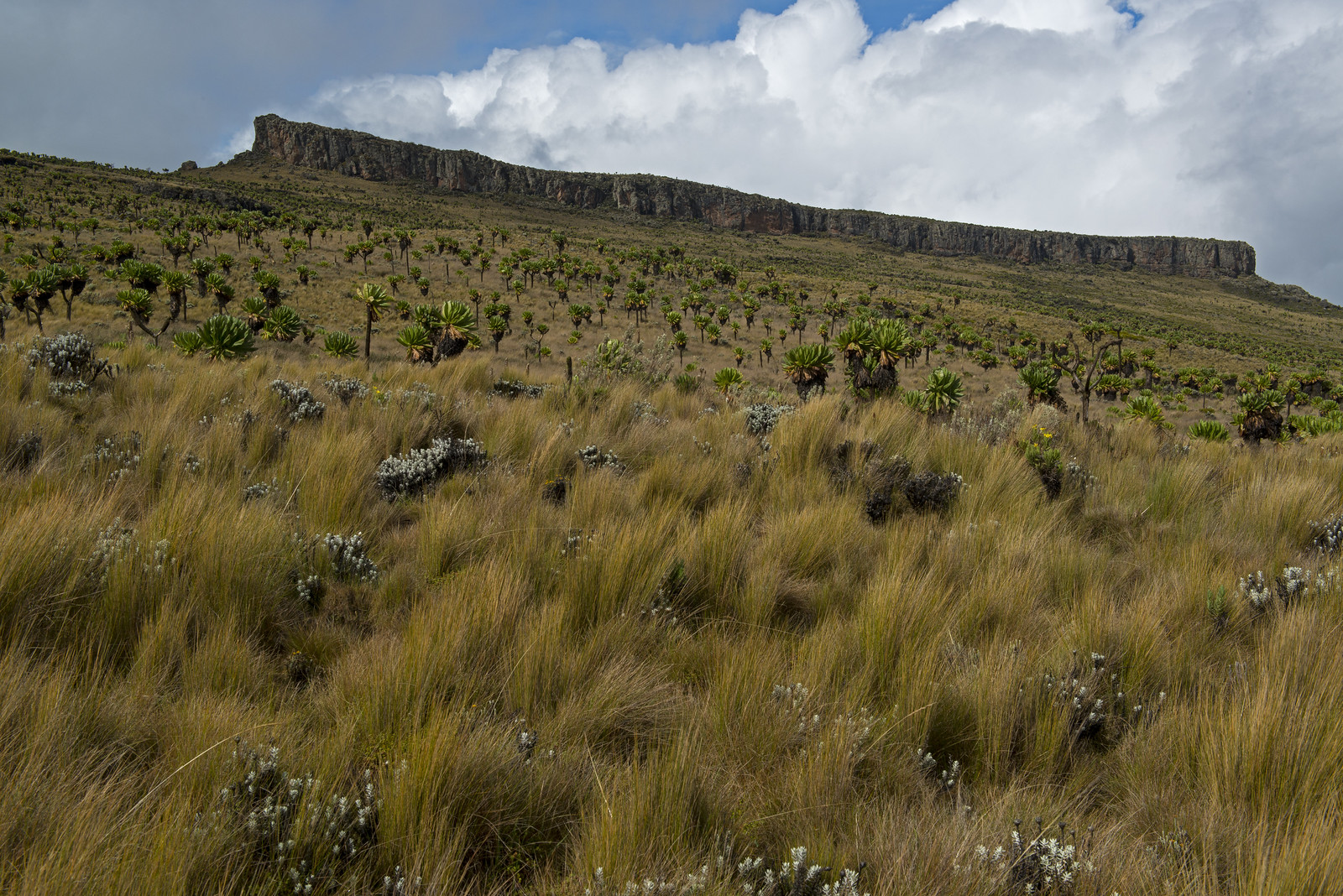
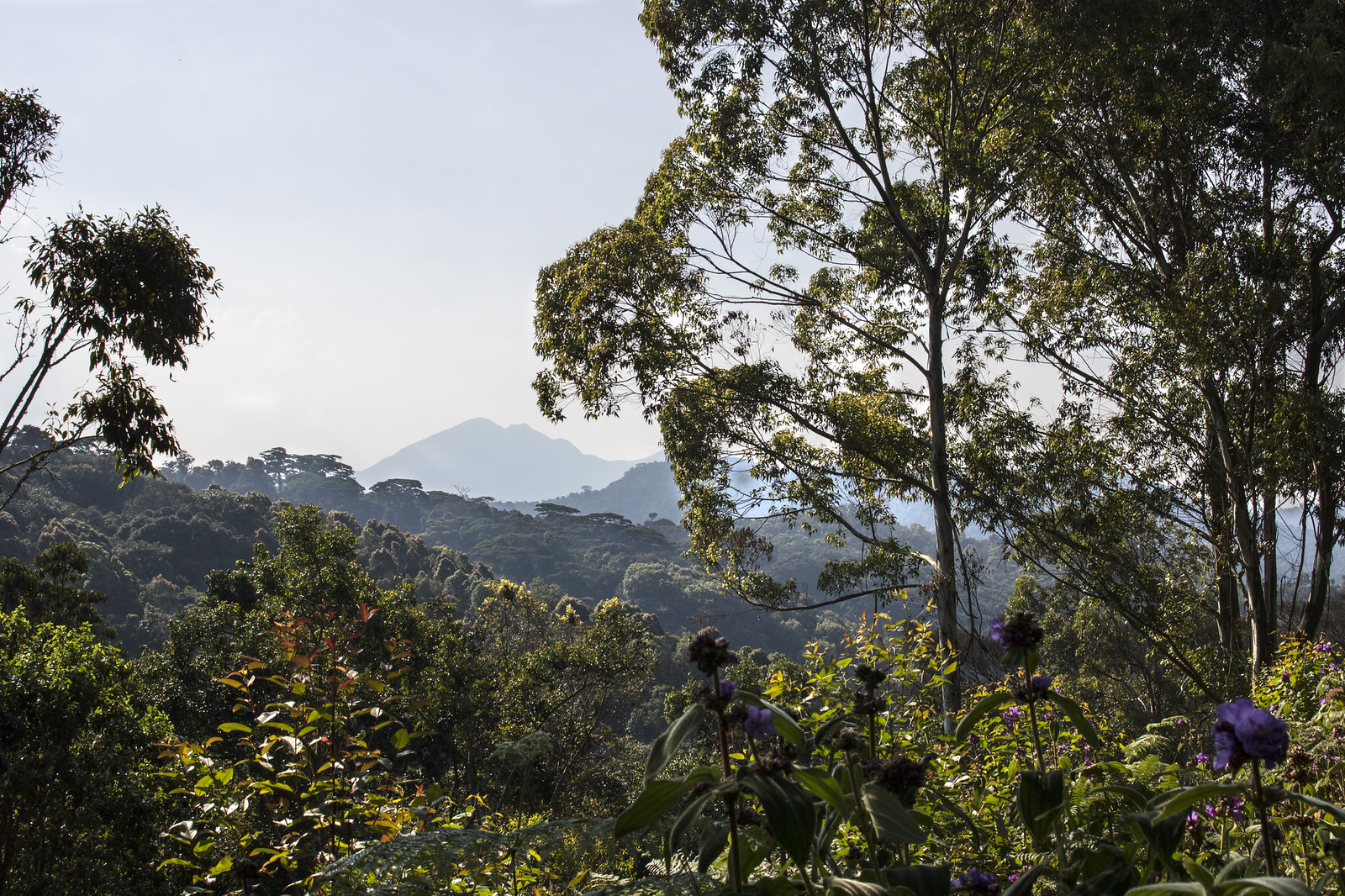
The park’s terrain is stunningly diverse, ranging from dense montane forests to bamboo zones, heath and moorlands, and rocky alpine peaks. The slopes of Mount Kenya are dotted with glacial valleys, crystal-clear tarns, and streams, adding both beauty and ecological importance.
-
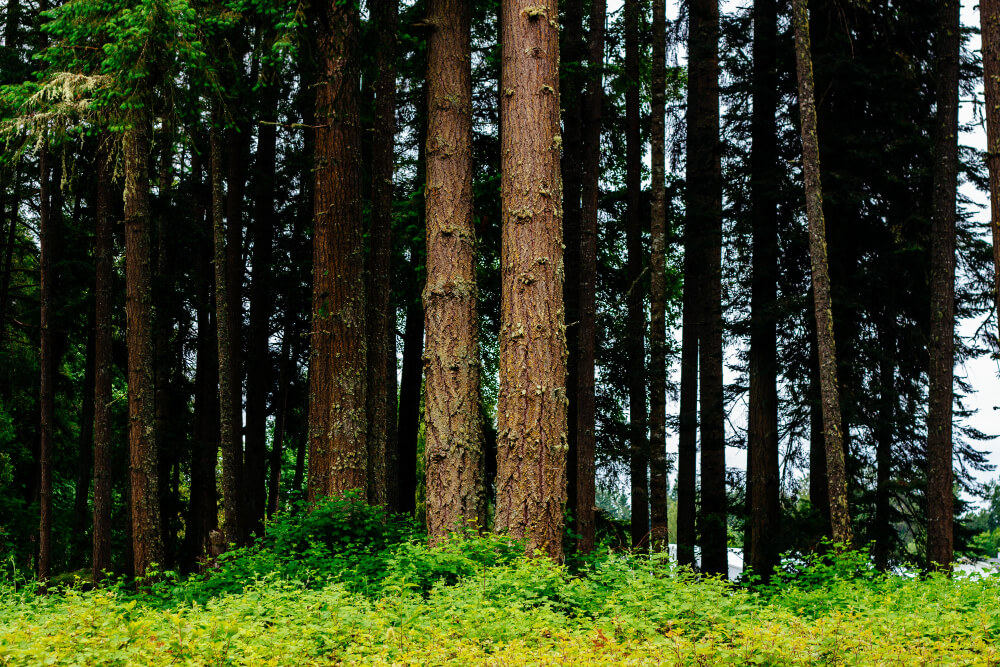
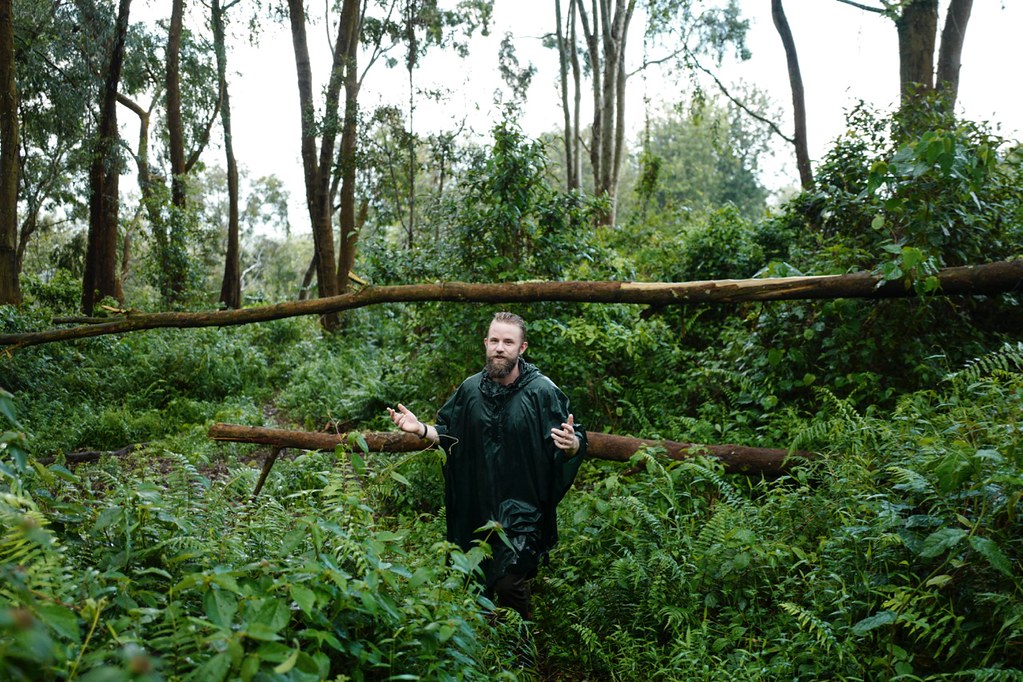
Montane Forests: These lower slopes are dense with cedar, camphor, and Podocarpus trees, home to monkeys, elephants, and diverse birdlife.
-
Bamboo Zones: Mid-altitude slopes feature bamboo thickets, which provide cover for wildlife and unique hiking experiences.
-
Alpine Heath and Moorlands: Higher elevations are characterized by giant lobelias, groundsel plants, and tussock grasses, creating a dramatic contrast with the rocky peaks.
-
Glaciers and Peaks: The summit zone holds remnants of Mount Kenya’s glaciers, including the Lewis and Darwin Glaciers, which have shaped the mountain’s valleys and tarns over millennia.
This ecological variety creates a vertical ecosystem, where temperature, rainfall, and vegetation change with altitude, allowing Mount Kenya to support species adapted to specific zones.
Wildlife of Mount Kenya National Park
While the park is best known for its mountain landscapes, it also supports remarkable wildlife.
Elephants
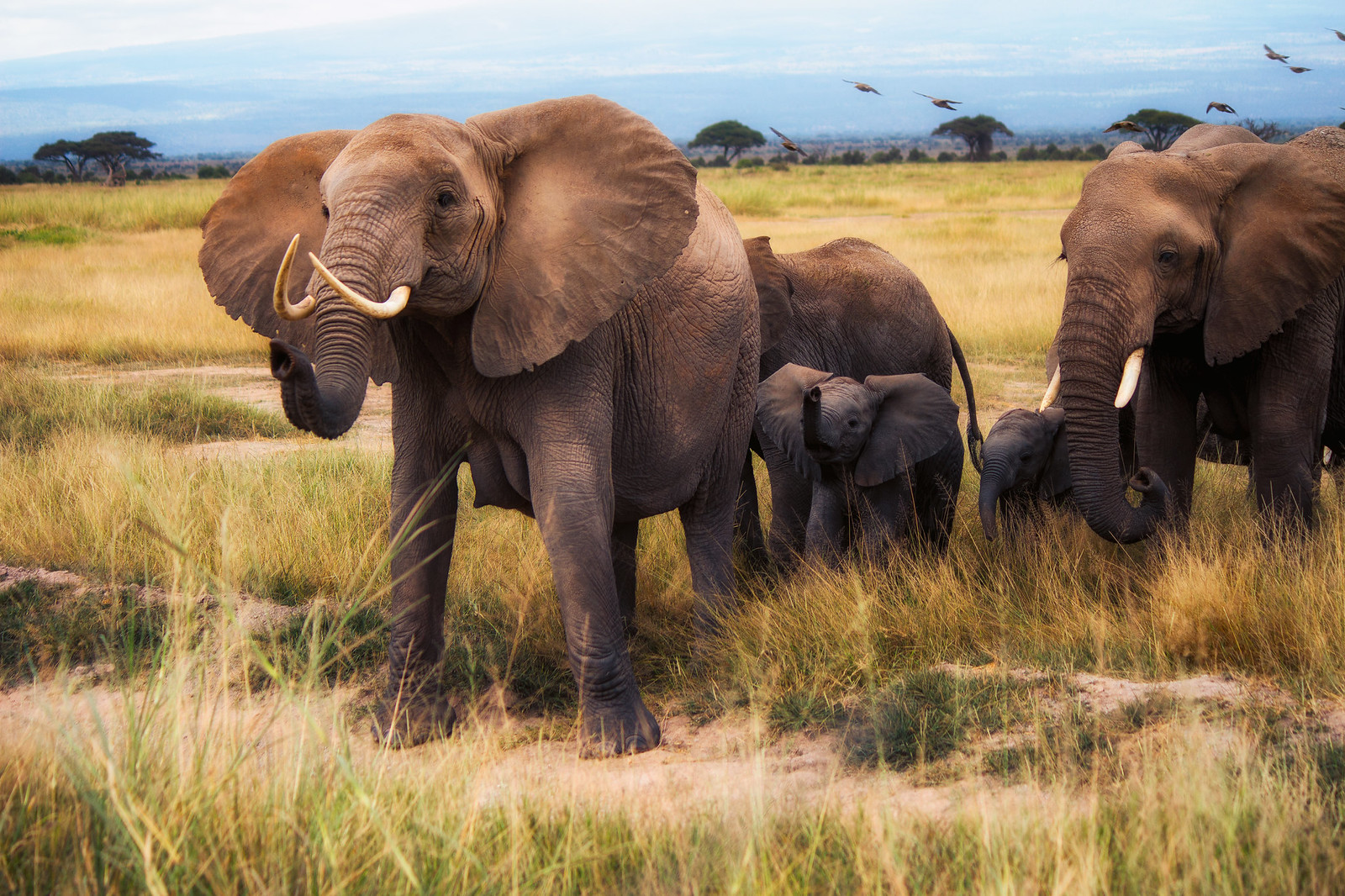
Elephants roam freely in the lower montane forests and open grasslands. The sight of elephants grazing against the backdrop of snow-capped peaks is a photographer’s dream. These herds are well-protected, and their presence is a key conservation success in the park.
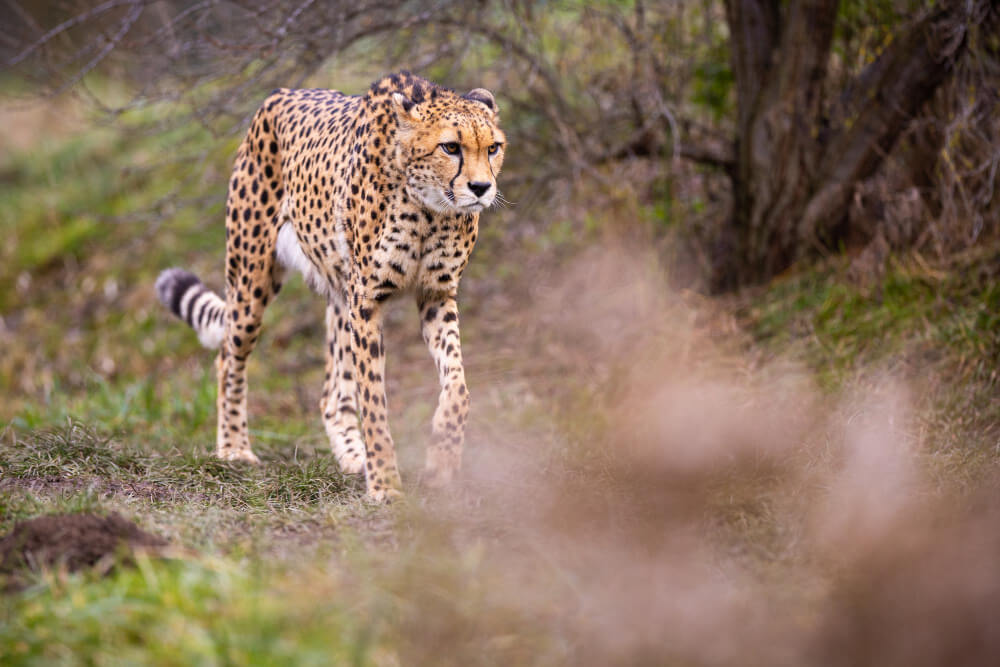
Predators: Leopards and Hyenas
The forests and rocky outcrops provide cover for elusive leopards, while spotted hyenas roam open areas and forest edges. Predator sightings are less predictable than in lowland savannahs, but when observed, they highlight the park’s intact ecosystems.
Buffalo, Bongo, and Antelopes
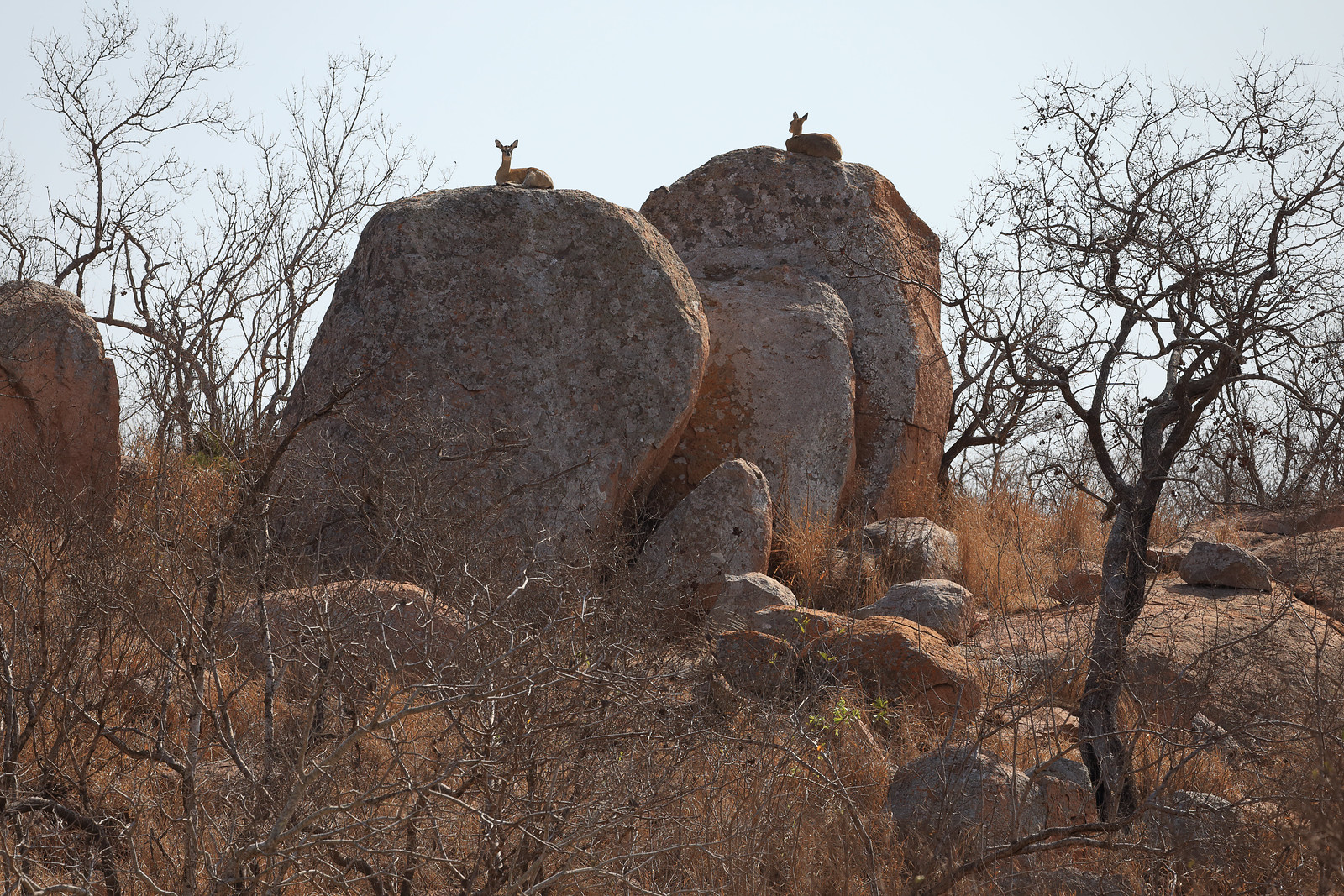
Mount Kenya supports forest-dwelling species such as buffaloes and the rare bongo, a large forest antelope. Other herbivores, including reedbucks, bushbucks, and waterbucks, inhabit the park’s montane grasslands and wetlands.
Primates
The park is home to vervet monkeys, colobus monkeys, and olive baboons, which are commonly seen along hiking trails and forest edges. Their playful behavior and vocalizations add life and color to treks through the forest.
Birds
Mount Kenya National Park hosts over 200 bird species, making it a favorite for ornithologists. Forest zones harbor turacos, hornbills, and sunbirds, while higher moorlands attract swift species, larks, and alpine specialists. The park’s diversity is enhanced by migratory birds that visit during specific seasons, enriching the birding experience.
Activities in Mount Kenya National Park
The park offers a range of adventurous and educational experiences for visitors of all types.
Mountain Climbing and Trekking
Mount Kenya is famous for its trekking and mountaineering opportunities, suitable for both serious climbers and moderate hikers. Popular routes include:
-
Sirimon Route: Gentle ascent through forest and moorlands, ideal for scenic views.
-
Chogoria Route: Dramatic landscapes with gorges, glaciers, and mountain tarns.
-
Naro Moru Route: Direct and challenging, often chosen for summit attempts.
Treks typically target the Point Lenana summit (4,985 meters), accessible to fit hikers, while Batian and Nelion peaks are technical climbs for experienced mountaineers.
Nature Walks and Birding
For those less inclined to summit, the park offers nature walks in montane forests and moorlands, where visitors can spot wildlife, rare plants, and bird species. Birdwatchers often find this park a rewarding destination, especially during migratory seasons.
Photography
Mount Kenya’s dramatic landscapes, glacial lakes, wildlife, and flora make it a photographer’s paradise. Sunrise over peaks, mist-laden forests, and encounters with elephants or colobus monkeys provide endless photographic opportunities.
Cultural Experiences
The park’s surrounding communities, including the Meru and Kikuyu, offer cultural tours where visitors can learn about local traditions, agriculture, and conservation practices. This connection between culture and nature enhances the experience and supports community-based tourism.
Conservation in Mount Kenya National Park
Mount Kenya National Park is a UNESCO World Heritage Site, recognized for both its natural beauty and ecological importance. Conservation initiatives focus on:
-
Protecting endangered species, including elephants, leopards, and the rare bongo.
-
Forest conservation, maintaining water catchments that supply surrounding communities.
-
Sustainable tourism, balancing visitor access with ecological integrity.
The park works in collaboration with local communities and conservation organizations to minimize human-wildlife conflict and promote education about environmental stewardship.
Visiting Mount Kenya National Park: Practical Information
How to Get There
The park is easily accessible from Nairobi, approximately 3–4 hours by road. The nearby town of Nanyuki serves as a gateway, providing accommodation, guides, and logistical support for treks and safaris.
Accommodation
Visitors can choose from a variety of lodges, tented camps, and mountain huts, such as:
-
Fairmont Mount Kenya Safari Club: Luxury stay at the forest base.
-
Sirimon and Chogoria Huts: Popular for multi-day treks.
-
Camping options: Available at designated sites along trekking routes.
Best Time to Visit
-
Dry Season (January–February, July–October): Ideal for trekking, climbing, and wildlife viewing.
-
Wet Season (March–May, November–December): Lush scenery and flowing rivers, though trails can be muddy and slippery.
Safari Tips
-
Pack warm clothing, as temperatures drop significantly at higher altitudes.
-
Wear sturdy hiking boots for treks through rocky terrain and glaciers.
-
Carry water, snacks, sunscreen, and insect repellent.
-
Use experienced guides for both trekking and wildlife walks for safety and local expertise.
The Magic of Mount Kenya
Mount Kenya National Park is more than a protected area — it is a symbol of natural grandeur, adventure, and ecological diversity. From the montane forests at its base to the alpine peaks capped with glaciers, the park provides experiences that blend adventure, wildlife viewing, and breathtaking scenery.
Encountering elephants grazing beneath misty peaks, spotting a colobus monkey in a giant cedar tree, or watching sunlight illuminate glacier valleys creates memorable moments that stay with visitors long after the trek is over.Mount Kenya National Park is a unique destination where mountains, wildlife, and culture converge. It offers both adventurous treks for summit seekers and serene nature walks for wildlife enthusiasts. The park’s diverse ecosystems, rich biodiversity, and dramatic landscapes make it an essential part of any Kenya itinerary.
Whether trekking to Point Lenana, photographing wildlife in the forest, or simply absorbing the scale and majesty of Africa’s second-highest peak, Mount Kenya National Park leaves visitors with a profound sense of connection to nature and appreciation for conservation efforts. It is a wilderness that challenges, inspires, and rejuvenates — a true jewel in Kenya’s natural heritage.
Our Recommended Tour Ideas

Based directly in the northern Serengeti near the Mara River during peak river-crossing season.

Cross into Congo to trek lowland gorillas in Virunga on this unique thrilling 5-day Rwanda-Congo gorilla trek.

Explore Kenya's finest game parks at Maasai Mara, Amboseli, and Lake Nakuru on this classic 7-day safari tour.

See Rwanda from mountain gorillas to genocide memorial on this moving and memorable 15-day Rwanda safari tour.

Trek mountain gorillas in Mgahinga Gorilla Park on this compact and exciting 3-day Uganda gorilla safari trip.
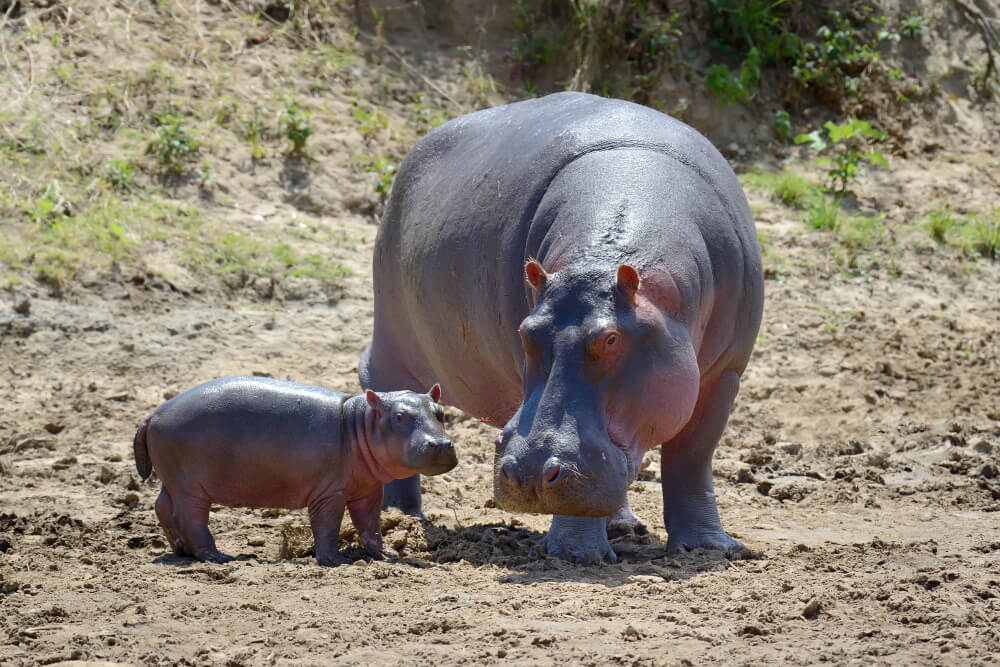
Spot Uganda kob, hippos and lions in Queen Elizabeth Park on this very rewarding 2-day Uganda wildlife safari.

A fast, efficient fly-in trip with a game drive and boat cruise to the base of the falls.

Enjoy game drives in Queen Elizabeth and Kibale on this diverse, rewarding 4-day Ugandan wildlife safari trip.

Spend three days tracking chimpanzees through Nyungwe Forest on this rewarding 3-day Rwanda chimpanzee safari.
What Our Travelers Enjoyed About Primate Safaris

Gorillas "Silverback"
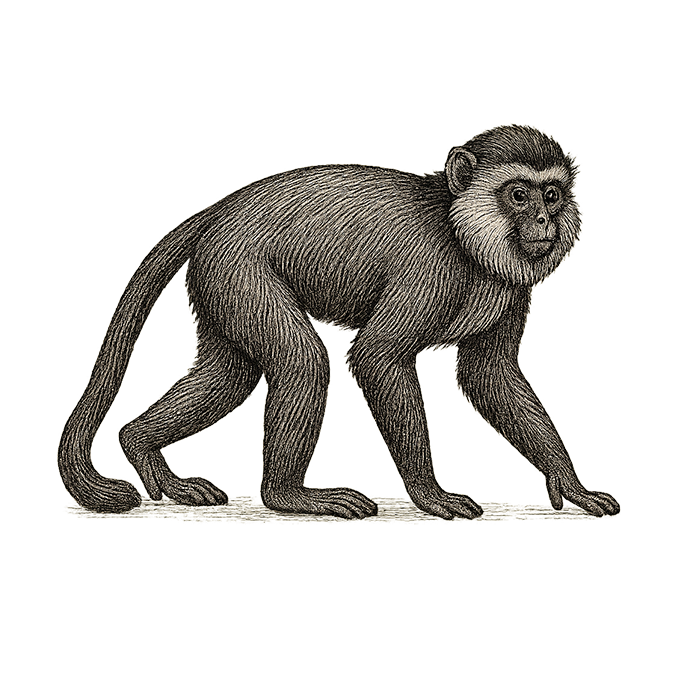
Golden Monkey "Photogenic"

Chimpanzees "Pant-hoot"