Nairobi National Park
January 28, 2026
Katavi National Park
January 28, 2026

Nyerere National Park
Nyerere National Park is one of Africa’s greatest wildlife wilderness areas — vast, largely untouched, and teeming with iconic animals and dramatic landscapes. Formerly part of the Selous Game Reserve, the park was renamed in honor of Tanzania’s first president, Mwalimu Julius Nyerere, and lies in the southern region of Tanzania. At roughly 30,000 square kilometers (about 11,600 square miles), it is one of the largest protected areas in Africa and a UNESCO World Heritage Site, offering a true safari experience far from the crowds that visit other parks.




Attractions In Rwanda
Attractions In Tanzania
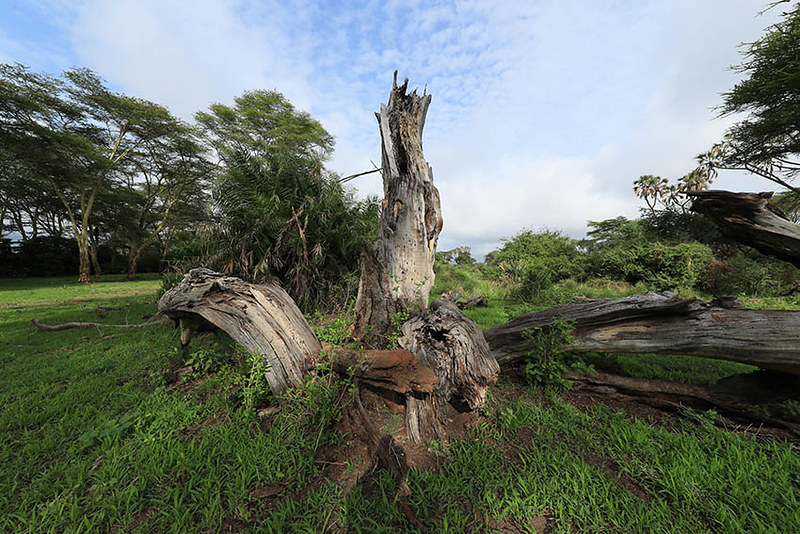
Great Migration Experience
Discover great migration experience where misty rainforests shelter ancient trails wind through great migration's depths, and every step brings you closer to one of Africa’s most profound wildlife encounters, blending raw nature, conservation, and lasting memories.
Nyerere National Park: National Parks and Protected Areas
A Vast Wilderness in the South
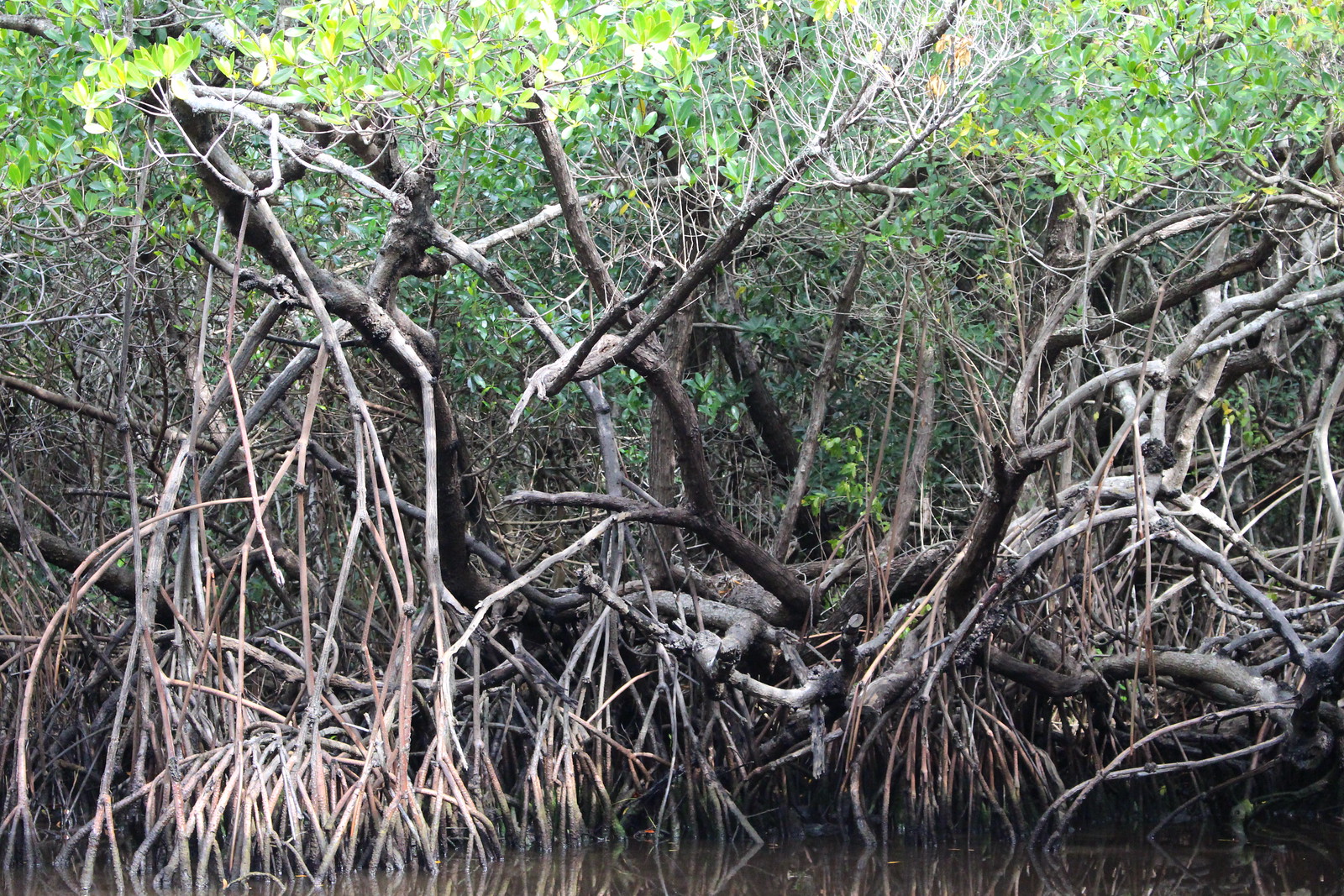
Stretching from the Rufiji River in the north to grassy plains and densely wooded areas in the south, Nyerere National Park covers a remarkable variety of ecosystems. Its heart is formed by the Rufiji floodplain — one of East Africa’s most productive wetland systems — which glows with life during the wet months, attracting countless wildlife species.
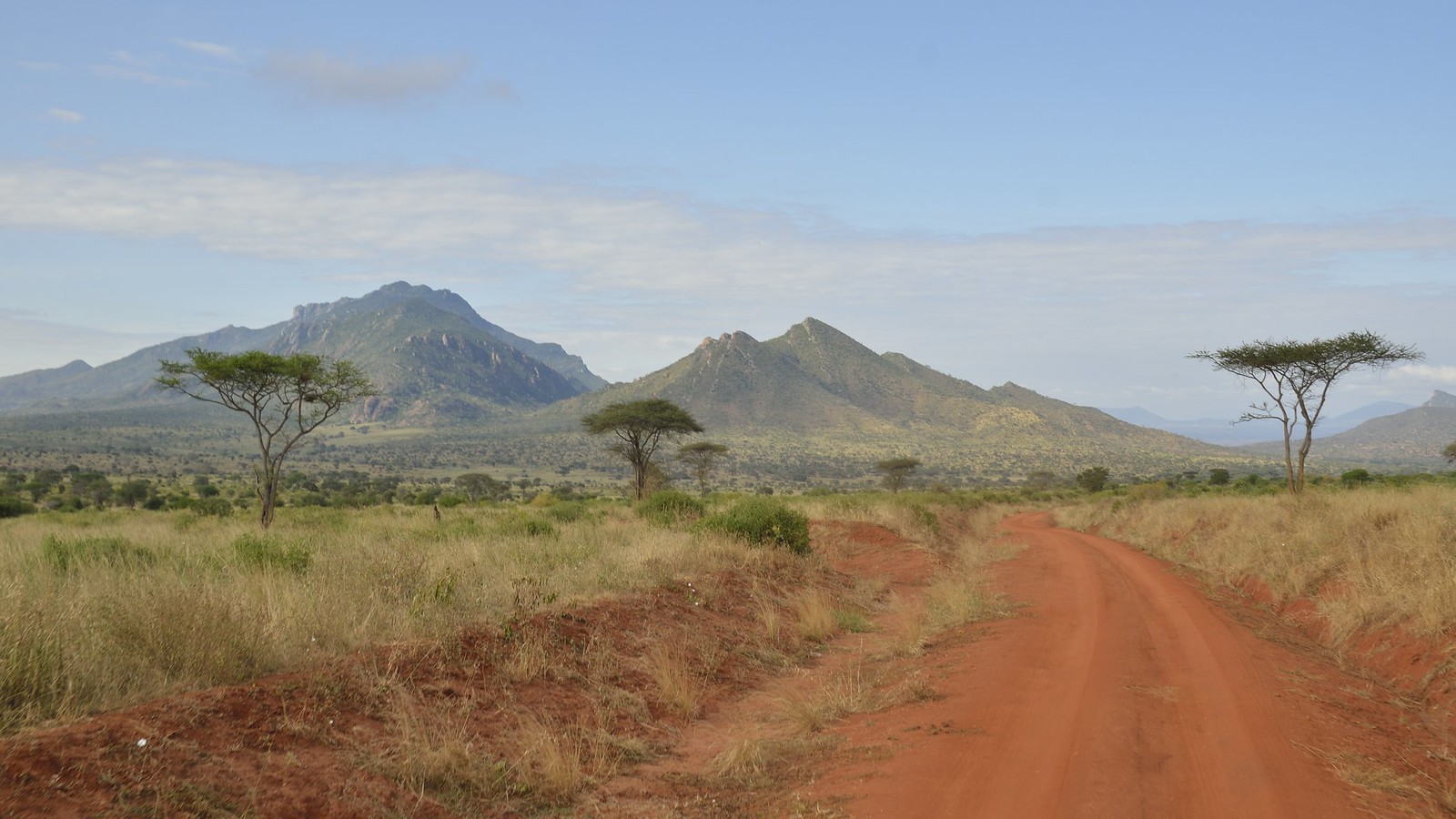
Unlike parks dominated by open savannah, Nyerere’s landscapes shift with seasons. In the dry season, waterholes and river channels become magnets for animals. In the wet season, grasslands transform into blankets of green, attracting waterbirds, grazers, and a dance of predator‑prey dynamics unlike anywhere else.
This dramatic variation makes it a safari destination for serious wildlife travelers and photographers seeking immersive, expansive experiences in habitats where nature plays by its own ancient rules.
Iconic Wildlife of Nyerere National Park
Nyerere is synonymous with wildlife abundance. Here’s a look at what you’re likely to encounter on safari:
1. Elephants
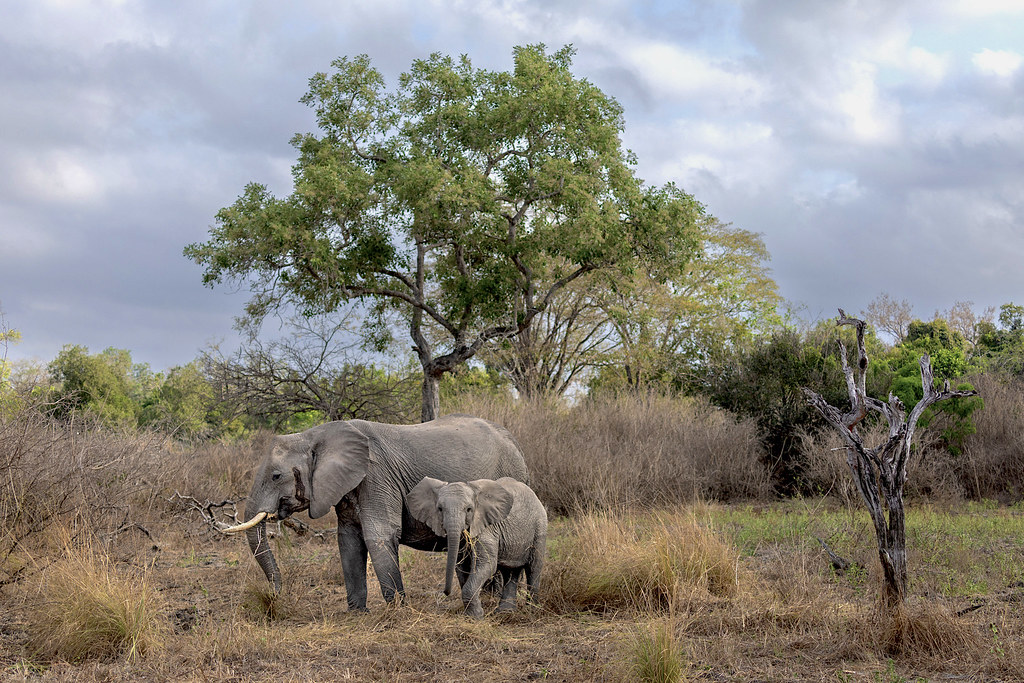
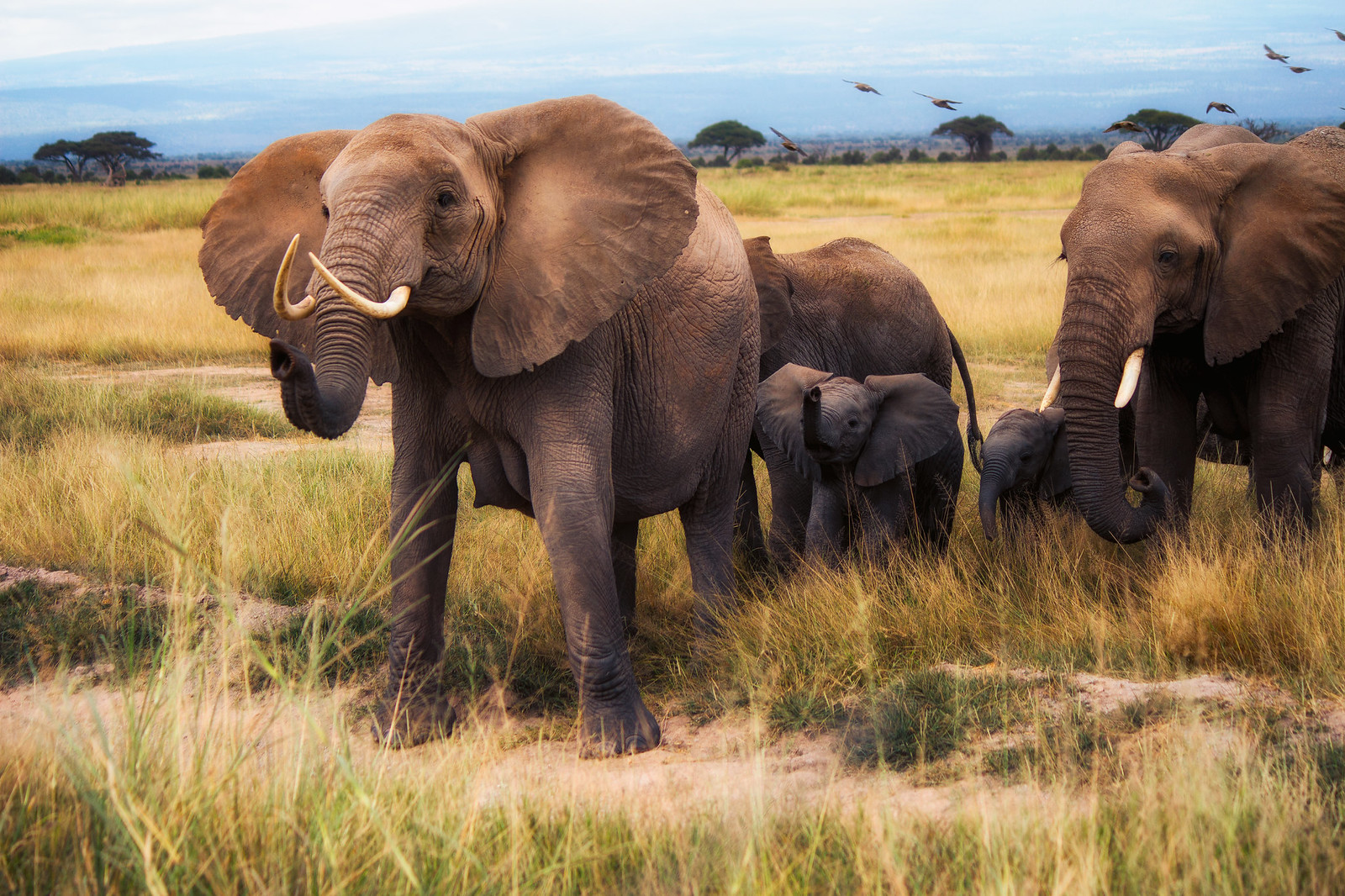
Massive herds of African elephants roam across the park, particularly near riverine forests and water sources. Nyerere offers some of the most engaging elephant sightings in Tanzania — from small family groups to large herds moving gracefully across plains. Their deep rumbling calls, playful dust bathing, and intricate social bonds are unforgettable.
2. Predators: Lions, Leopards, and Wild Dogs
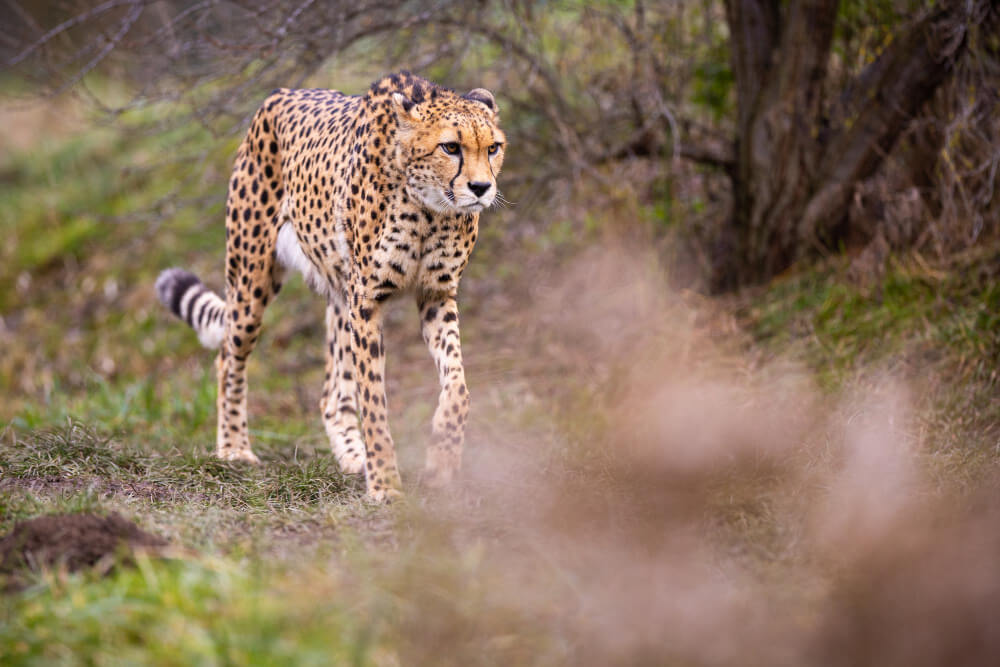
Nyerere is home to formidable predators. Lions patrol grassy plains and riverbanks, and sightings often occur during early morning and late afternoon drives. Though elusive, leopards make their presence known through fleeting sightings in wooded areas and riverine forests.
One of the park’s biggest success stories is the thriving population of African wild dogs (Lycaon pictus), a species struggling across much of its range. Their energetic pack dynamics and cooperative hunting behavior can be a mesmerizing sight for visitors lucky enough to encounter them.
3. Hippos and Crocodiles
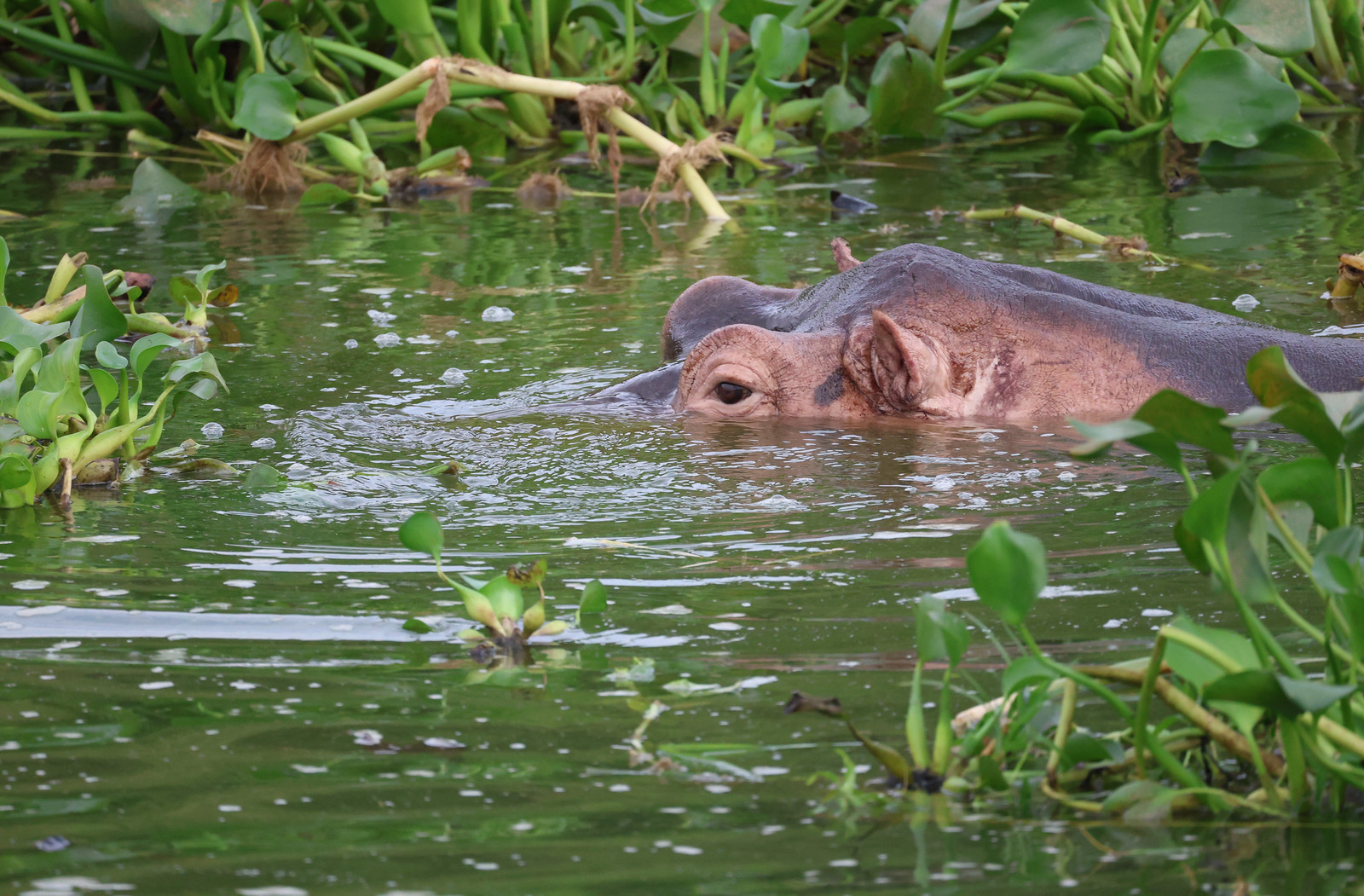
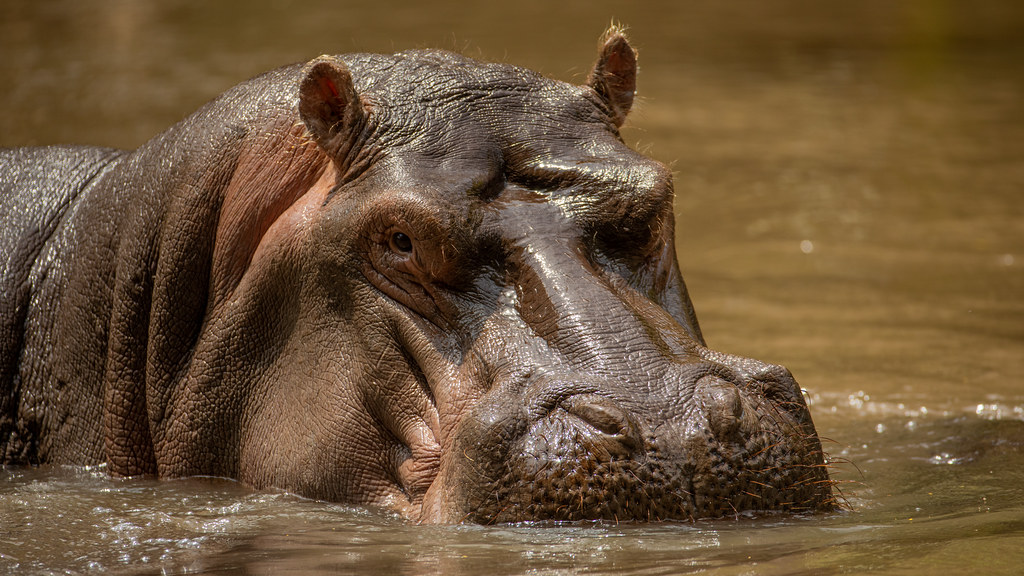
The Rufiji River teems with hippos, especially during the dry season, as they wallow amid river bends and shallow pools. They often graze on riverbanks at dusk, producing dramatic scenes against fiery African sunsets.
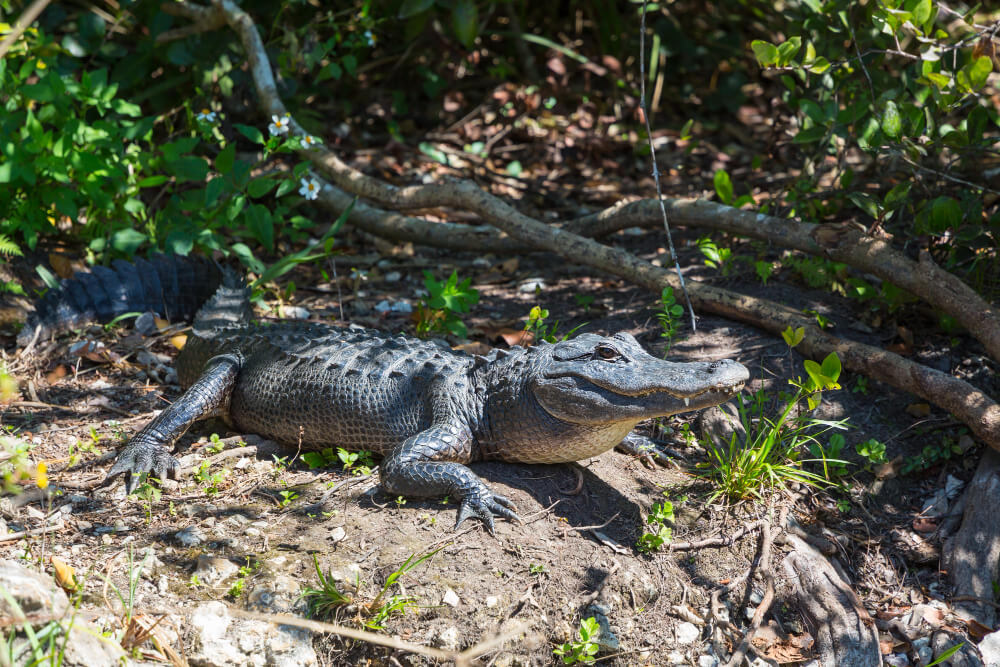
Large Nile crocodiles also patrol river margins, sunning themselves or slipping silently into water to ambush prey, reinforcing the power and unpredictability of river ecosystems.
4. Plains Herbivores
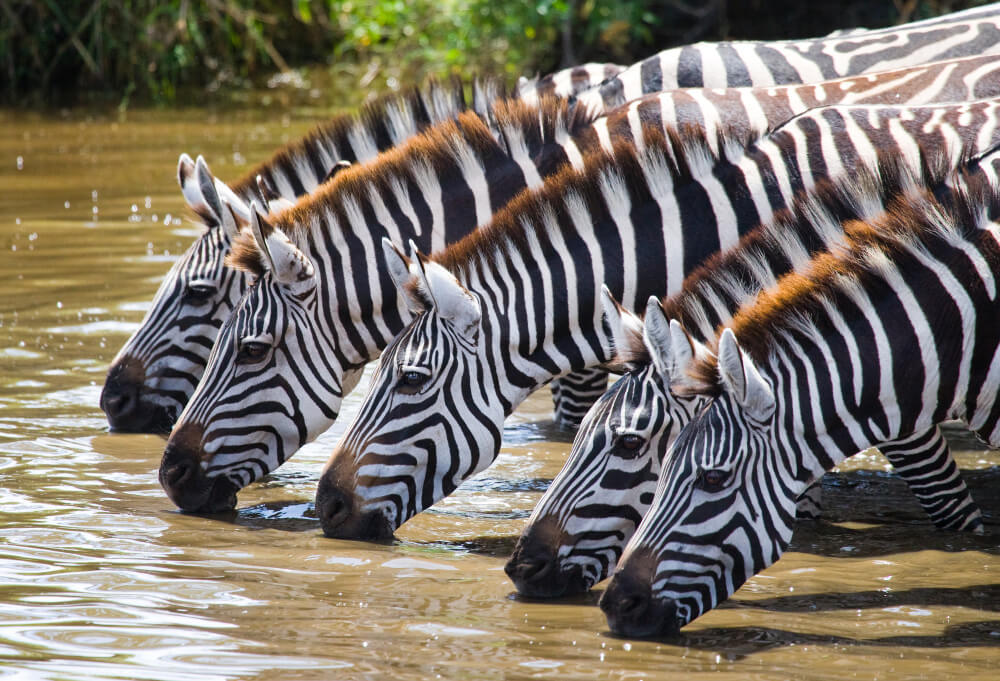
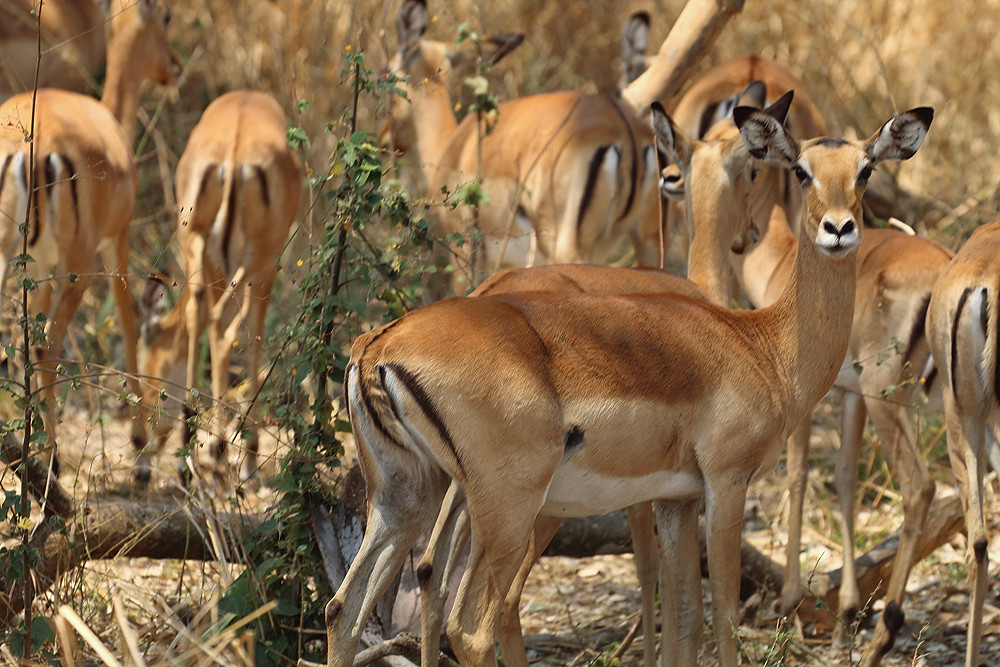
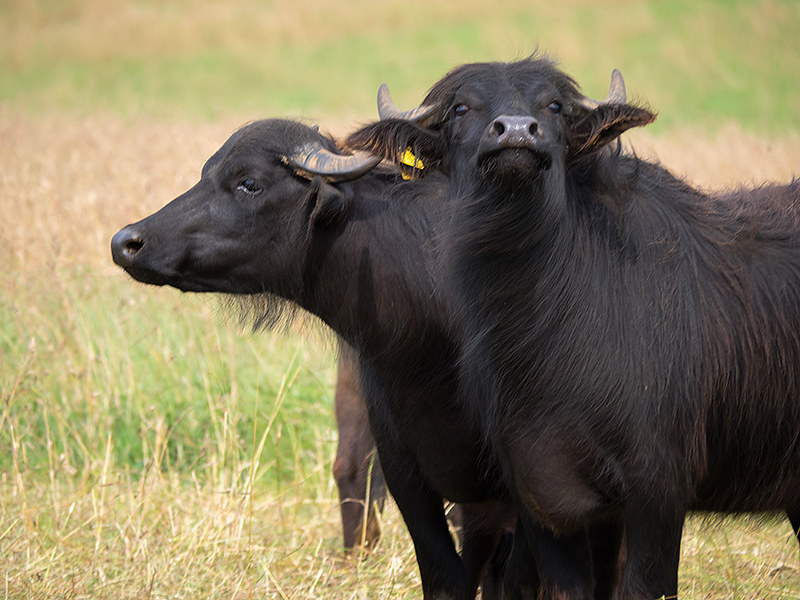
Nyerere’s grasslands support vast numbers of herbivores, including buffaloes, zebras, impalas, topis, waterbucks, and eland. Their seasonal movements across plains provide dramatic wildlife spectacles, especially where floodplains interweave with savannah.
5. Birdlife Galore
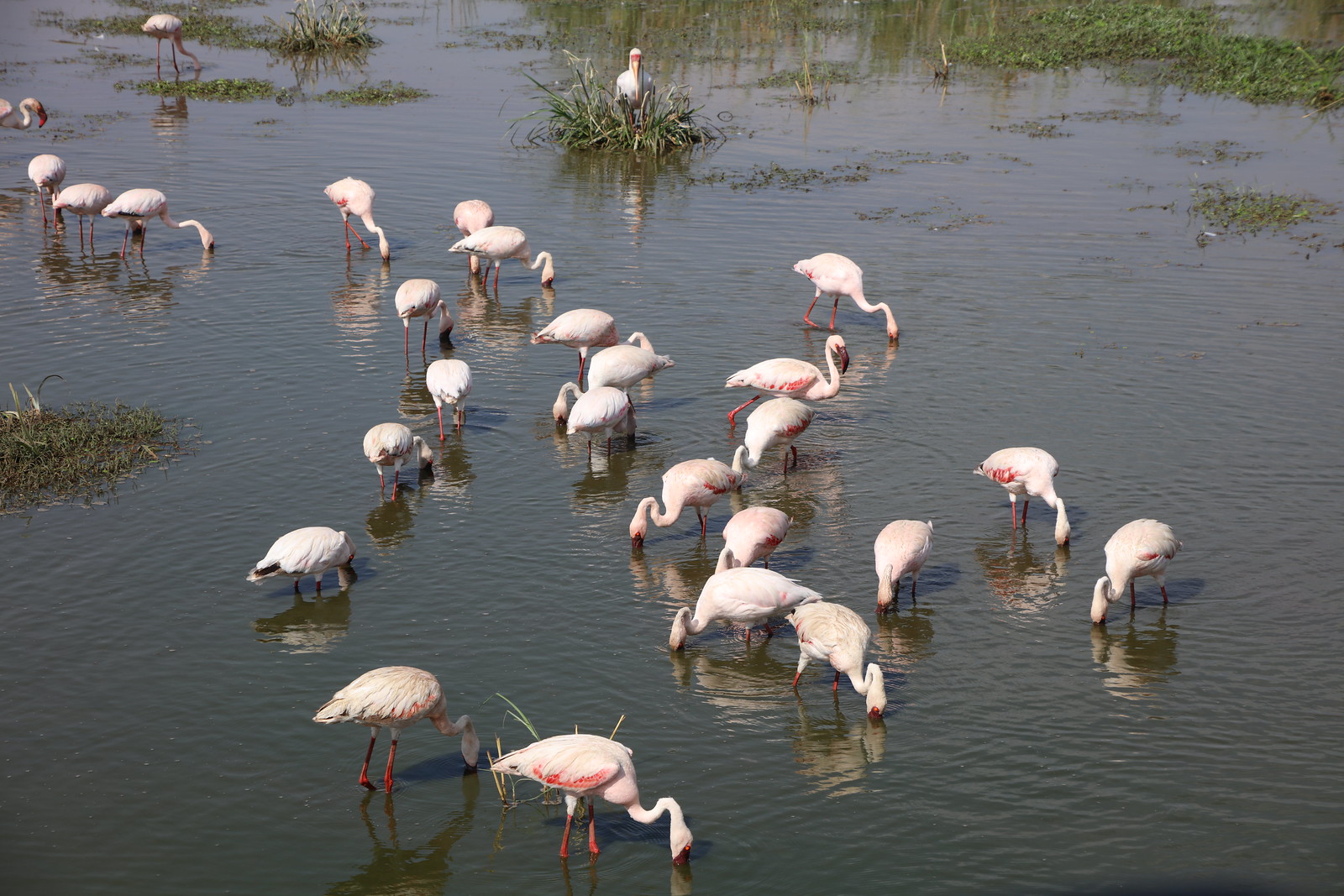
With over 400 bird species, Nyerere is a paradise for birdwatchers. Waterbirds such as African fish eagles, storks, herons, pelicans, and colorful kingfishers populate waterways, while woodlands and open plains offer sightings of raptors, bee‑eaters, rollers, and hornbills.
Whether you’re an avid birder or casual wildlife enthusiast, the diversity and vibrancy of birdlife here contribute richly to the safari experience.
Safari Experiences in Nyerere National Park
Nyerere offers a range of safari activities tailored to different interests and comfort levels — from classic game drives to river boat adventures and walking safaris.
Game Drives
Classic 4×4 game drives make up the core of most safaris in Nyerere. Expert guides help visitors track animals using local knowledge, animal behavior patterns, and seasonal movements. Drives often take place early in the morning or late afternoon — times when wildlife is most active and temperatures are optimal for viewing.
Each game drive brings new moments: lions at rest under shady trees, elephants splashing in waterholes, or giraffes nibbling treetops under cloud‑streaked skies.
Boat Safaris on the Rufiji River
One of the most distinctive experiences in Nyerere is a boat safari on the Rufiji River. Unlike many East African parks where safaris are exclusively land‑based, here you can see wildlife from water. Cruising along gentle river bends offers intimate views of hippos, crocodiles, and birds, all while surrounded by serene wetland landscapes.
Boat safaris provide a completely different vantage point on wildlife behavior, especially during the dry season when animals gather near shrinking water sources.
Walking Safaris
For those seeking a deeper connection with the land, guided walking safaris are offered in designated areas. Walking through grasslands, along riverbanks, and under towering trees allows visitors to notice the details — tracks in soft soil, insects buzzing around blooms, birds flitting in the canopy.
These excursions are educational and intimate, enhancing understanding of animal behavior, ecology, and survival strategies of the park’s inhabitants.
Conservation at Work: Protecting a Wild Legacy
Nyerere National Park represents a remarkable conservation achievement. Its transformation from part of the old Selous Game Reserve (which was under pressure from poaching and human encroachment) into a well‑managed national park required intense investment, planning, and collaboration between the Tanzanian government, conservation partners, and local communities.
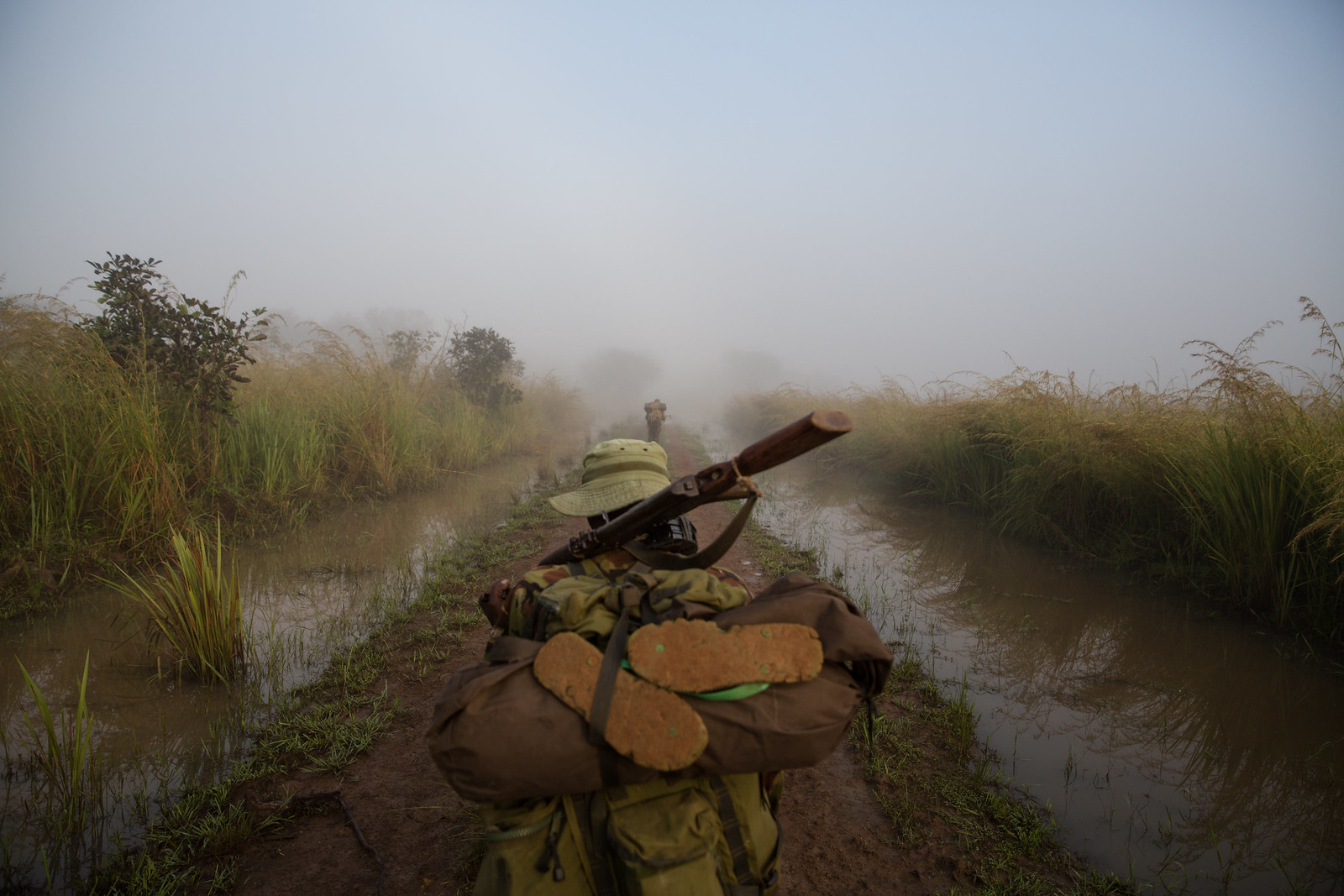
Anti‑poaching units, advanced monitoring systems, and community outreach programs work tirelessly to protect wildlife and habitats. These efforts have helped stabilize populations of endangered species such as wild dogs, support elephant herds, and expand tourism opportunities that benefit local livelihoods.
Unlike more popular parks, Nyerere still receives relatively low tourism traffic — a blessing for travelers seeking solitude and authentic wilderness, but also a reminder of the importance of sustainable tourism in supporting conservation gains.
When to Visit Nyerere National Park
Understanding seasonal patterns can help you choose the best time for your safari:
Dry Season (June to October)
The dry season is the most popular time to visit Nyerere. Water becomes scarcer, drawing animals toward rivers and waterholes — making them easier to locate. Vegetation thins out, improving visibility across plains and floodplains. This period also coincides with excellent game viewing conditions and comfortable daytime temperatures.
Wet Season (November to May)
During the wet season, Nyerere transforms. Grasslands turn lush and green, birdlife becomes even more vibrant, and the Rufiji River swells with life. While some roads may become difficult for travel, the park’s rich floodplain ecology shines. Seasonal water channels create dynamic patterns of wildlife movement, and photographers relish the vivid colors and dramatic landscapes.
Each season has its own rewards: dry months for accessibility and visibility, wet months for lush beauty and abundant bird activity.
Getting There and Practical Tips
How to Get There
Nyerere National Park is well connected by road and air:
-
By Air: Domestic flights operate from Dar es Salaam or Kilimanjaro to airstrips near the park, especially in the northern and central sectors.
-
By Road: The park is accessible by 4×4 from Dar es Salaam (about 6–8 hours), with scenic drives through southern Tanzania’s countryside.
Accommodation Options
Nyerere offers a spectrum of places to stay, from luxury lodges and tented camps overlooking waterways to comfortable mid‑range accommodations that blend comfort with wilderness immersion. Many lodges offer safari packages including game drives, boat safaris, and guided walks.
Safari Tips
-
Binoculars and Cameras: Essential for wildlife and birdwatching.
-
Neutral Clothing: Earth tones help you blend into the environment and avoid startling animals.
-
Sun and Insect Protection: The African sun is strong, and insect repellent helps keep mosquitoes and tsetse flies at bay.
-
Water and Snacks: Especially on long game drives, staying hydrated enhances comfort.
Responsible Safari Ethics
Respect for animal space, avoidance of noise, and adherence to guide instructions are key to ethical wildlife encounters. Staying on park trails and minimizing disturbance preserves the environment and ensures safety for visitors and animals alike.
The Magic of Nyerere National Park
Nyerere’s magic isn’t in one legendary sighting or single iconic animal — it is in the totality of experience: the herds moving slowly across the plains at sunrise; hippos grunting softly in water at dusk; flocks of birds shimmering across the sky; the roar of a lion echoing in the tall grass; and the river currents that keep the landscape alive year after year.
It is the unfiltered rhythm of African wilderness — large in scale, rich in wildlife, and deeply authentic.
In a world where many wild places are shrinking, Nyerere National Park stands as a tribute to what’s possible when conservation efforts, scientific understanding, and community engagement converge. It reminds us that Africa’s wild heart beats strongest where landscapes are preserved, wildlife thrives, and travelers can still encounter nature on her own terms.
For those seeking an **epic African safari — vast, wildlife-rich, and steeped in natural wonder — Nyerere is not just a destination. It is an adventure, invitation, and unforgettable story waiting to be lived.
Our Recommended Tour Ideas

Explore Uganda's finest gorilla forests and wildlife parks on this diverse and rewarding 7-day Ugandan safari.
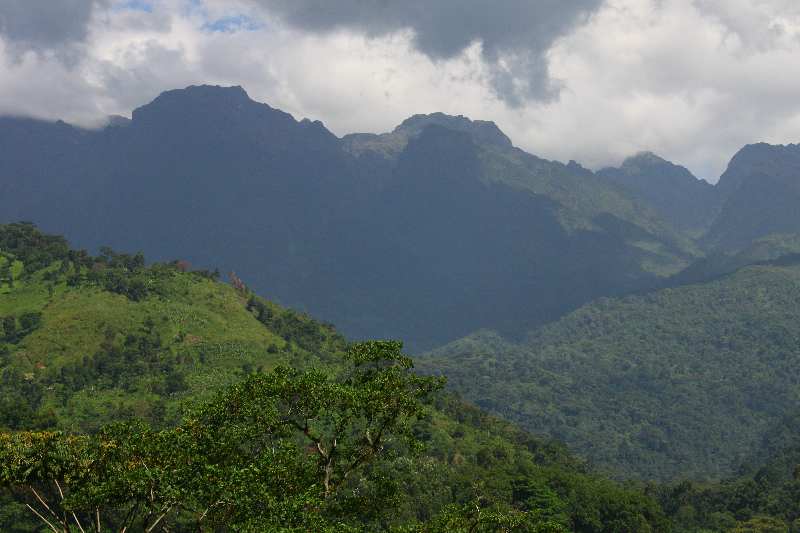
Combine gorilla trekking with Loango's pristine beaches and coastal wildlife on this epic 10-day Gabon safari.

Spot Amboseli elephants and witness the Big Five in Maasai Mara on this thrilling classic 4-day Kenyan safari.

A sunrise hot air balloon flight over the Mara plus classic Big Five game drives and a bush breakfast.

Discover Kidepo Valley's wild terrain and the thundering Murchison Falls on this exciting 6-day Uganda safari.
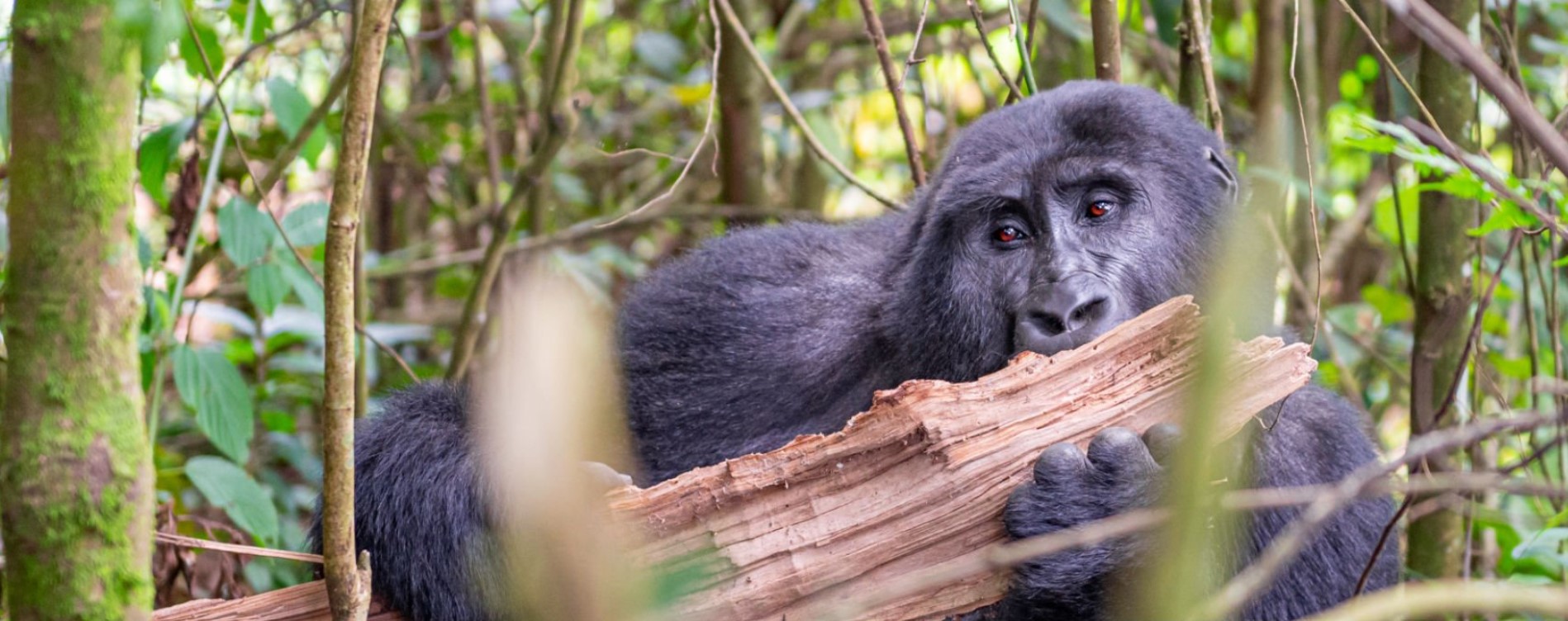
Trek gorillas departing from either Entebbe or Kigali on this flexible convenient 3-day Uganda gorilla safari.
Journey from Kigali to Bwindi for a mountain gorilla encounter on this exciting short 2-day cross-border trek.
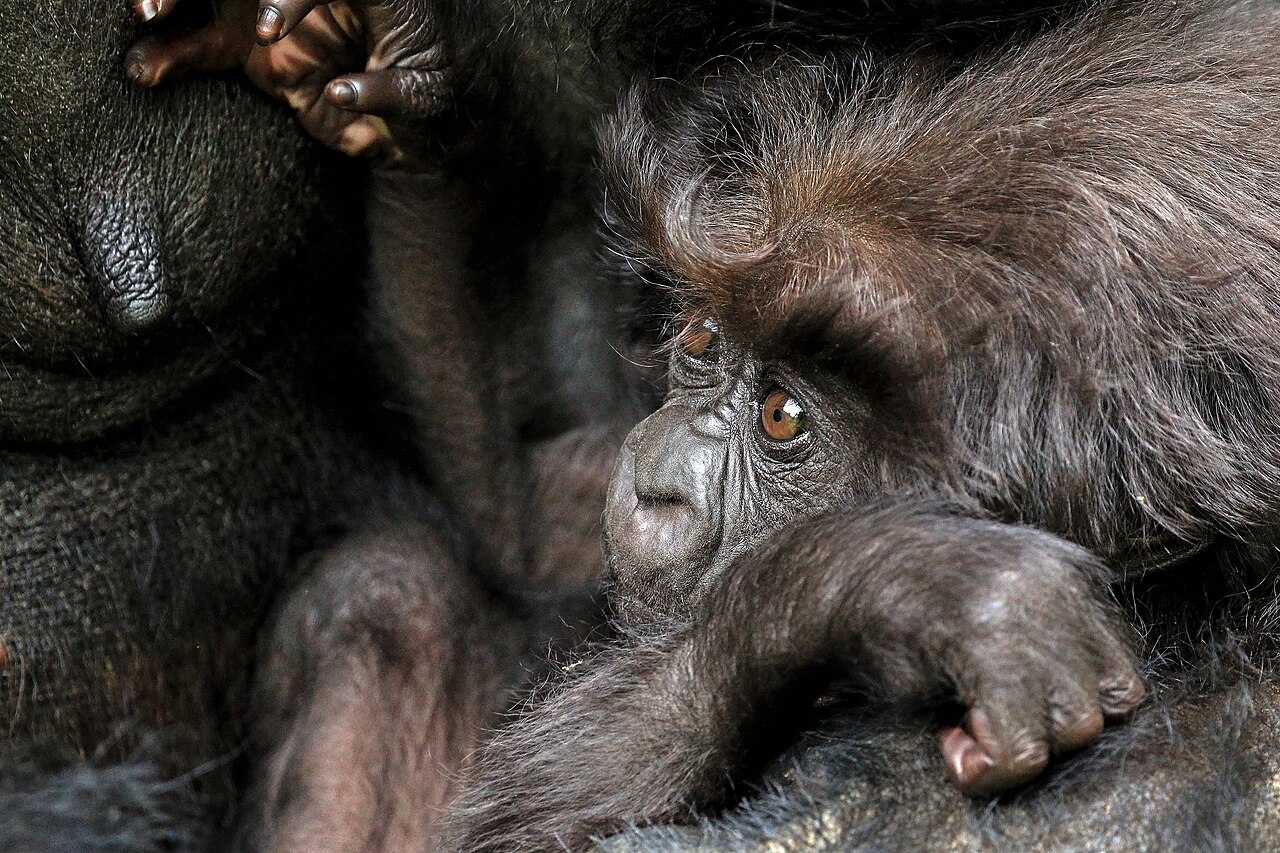
A gentle first look at Rwanda combining a Kigali city orientation, one gorilla trek, and relaxed time on Lake Kivu.
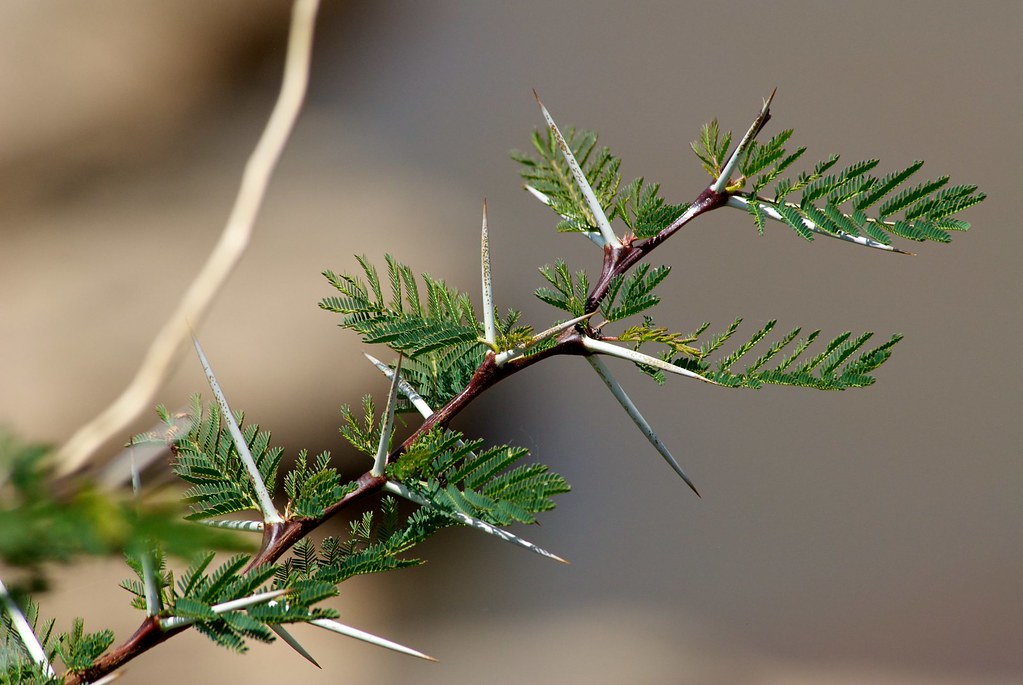
Trek gorillas in Rwanda and Uganda's Bwindi on this epic 7-day combined mountain gorilla wildlife safari trip.
What Our Travelers Enjoyed About Primate Safaris

Gorillas "Silverback"
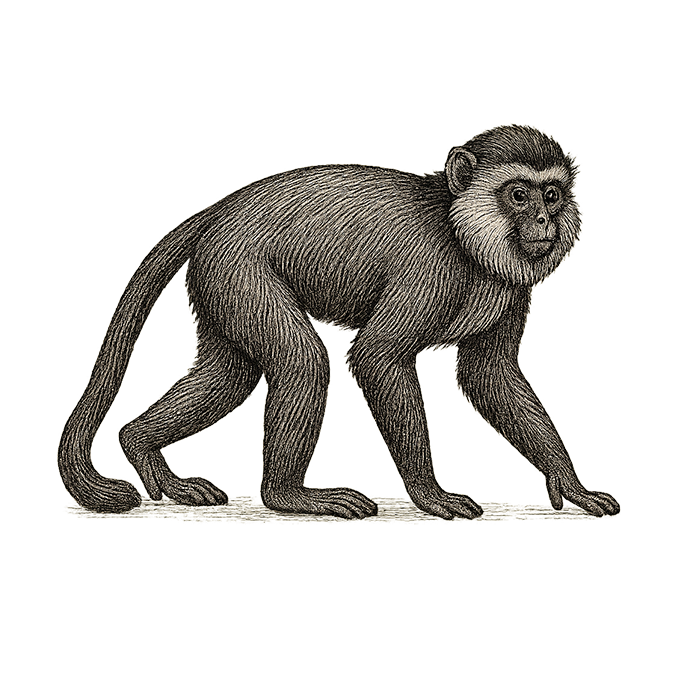
Golden Monkey "Photogenic"
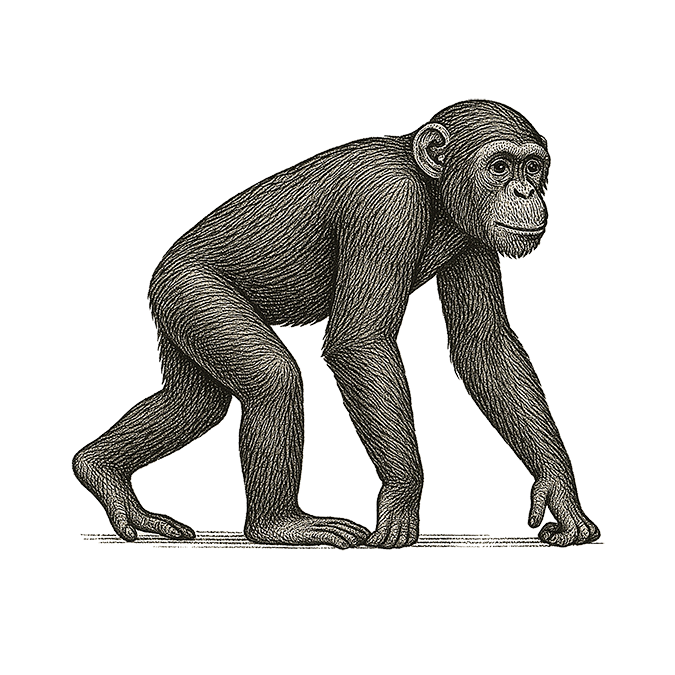
Chimpanzees "Pant-hoot"