Visiting the Best Gorilla Habitats in East Africa and Beyond
Gorilla trekking is among the most thrilling and transformative wildlife experiences on the planet. Few encounters match the intimacy of observing these majestic creatures in their natural habitat, where every gesture, expression, and movement speaks to the complexity of their social lives. Africa, with its dense forests, volcanic slopes, and protected parks, offers travelers the opportunity to witness mountain gorillas and lowland gorillas in ways that are both safe and profoundly moving.
Mountain Gorillas in East Africa
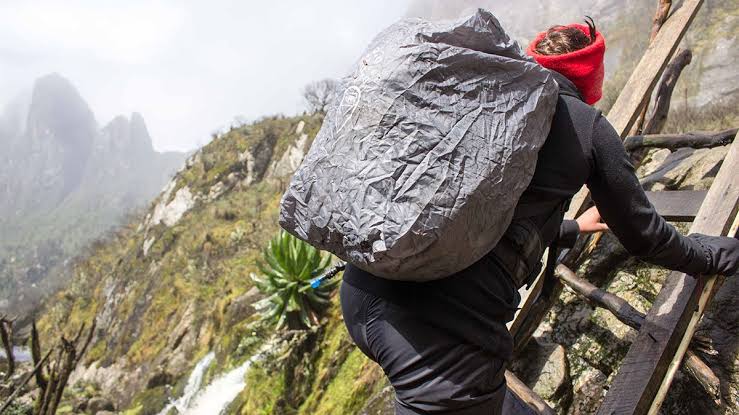
East Africa is home to the majority of the world’s mountain gorillas, and a journey to see them is a pilgrimage into some of the most spectacular and biologically diverse landscapes on the continent. Rwanda’s Volcanoes National Park is one of the most renowned destinations. Here, the forested slopes of the Virunga Mountains rise in a chain of dramatic peaks, shrouded in mist and mystery. Trekking through these highlands requires determination and patience, as steep inclines and dense undergrowth challenge even seasoned travelers. Yet every step is worth it. The moment a gorilla family appears through the greenery, observing you with curious eyes, the effort melts away. These encounters are regulated to ensure the gorillas’ safety, with a limited number of visitors allowed per group each day. This regulation maintains both the wellbeing of the animals and the intimacy of the experience.
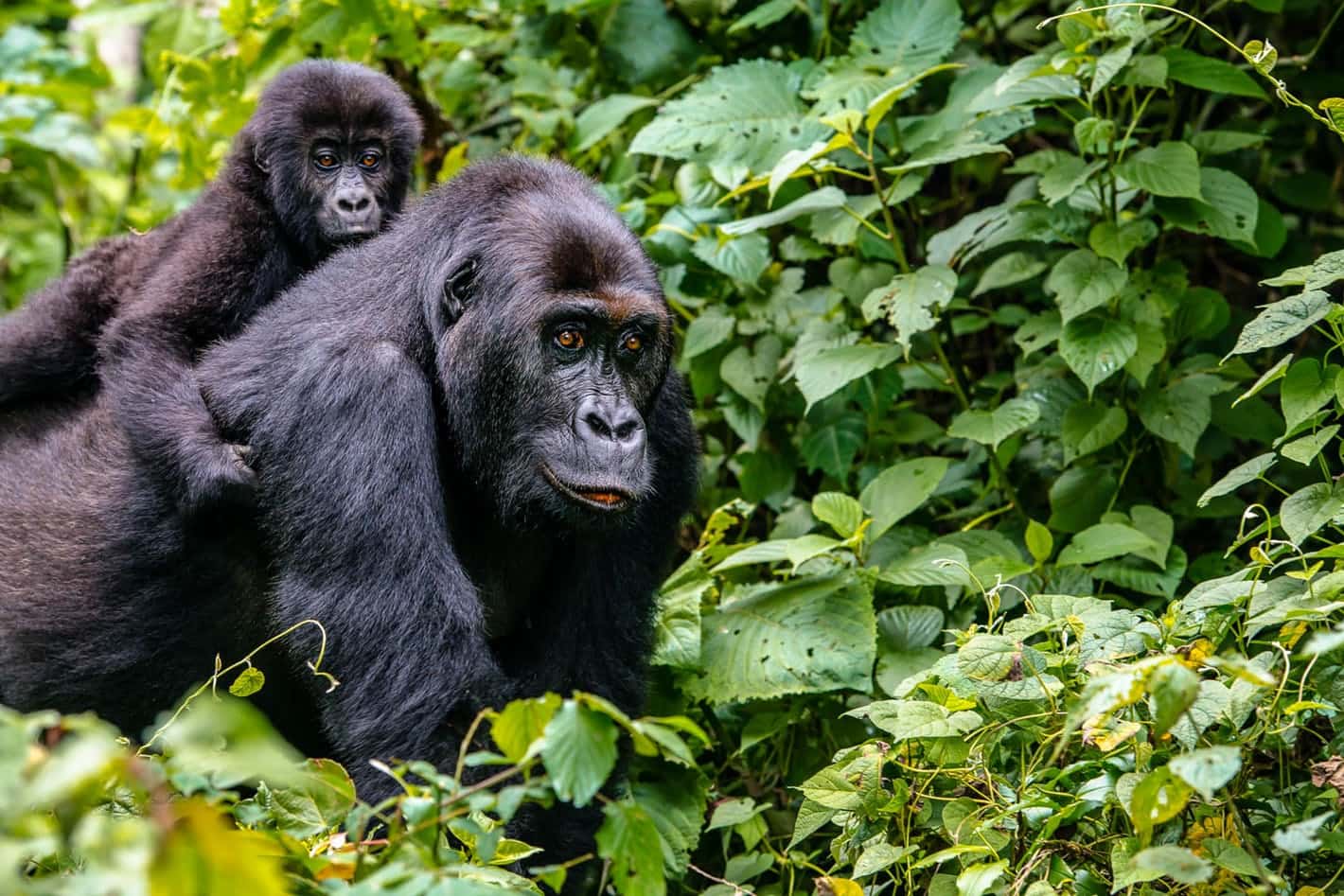
In Uganda, Bwindi Impenetrable Forest offers a contrasting but equally captivating gorilla experience. The forest is a living cathedral of biodiversity, with towering trees, thick undergrowth, and the sounds of countless birds and primates filling the air. Gorilla families here move fluidly through the forest, feeding, playing, and interacting in ways that reveal their intelligence and social complexity. Trekking can be physically demanding, often requiring hours of careful tracking, but the reward is incomparable. Observing a silverback respond to his family, or a young gorilla’s playful antics, creates a connection that stays with visitors long after the journey ends. Mgahinga Gorilla National Park, also in Uganda, offers opportunities for encounters with smaller groups of gorillas, often in less visited areas, providing a more private and serene trekking experience.
Chimpanzees and Other Primates
While mountain gorillas are the iconic focus of East African primate safaris, chimpanzee trekking is another remarkable experience. Kibale Forest in Uganda is renowned for its large chimpanzee populations. Walking through this biodiverse forest, travelers are treated to dynamic displays of chimp behavior – from grooming and feeding to vocalizations that echo through the canopy. Primate trekking provides insight into evolutionary connections and emphasizes the importance of conservation efforts. Nearby forests such as Kyambura Gorge in Queen Elizabeth National Park also allow close encounters with chimpanzees, set against dramatic landscapes of cliffs and rolling savannah.
Gorilla Experiences Beyond East Africa
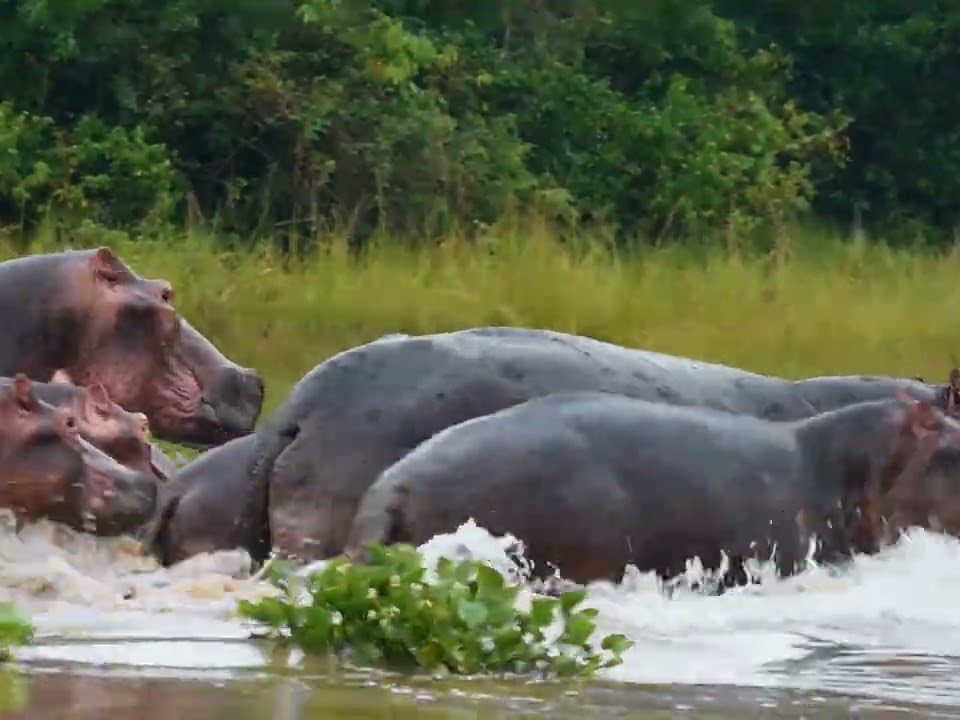
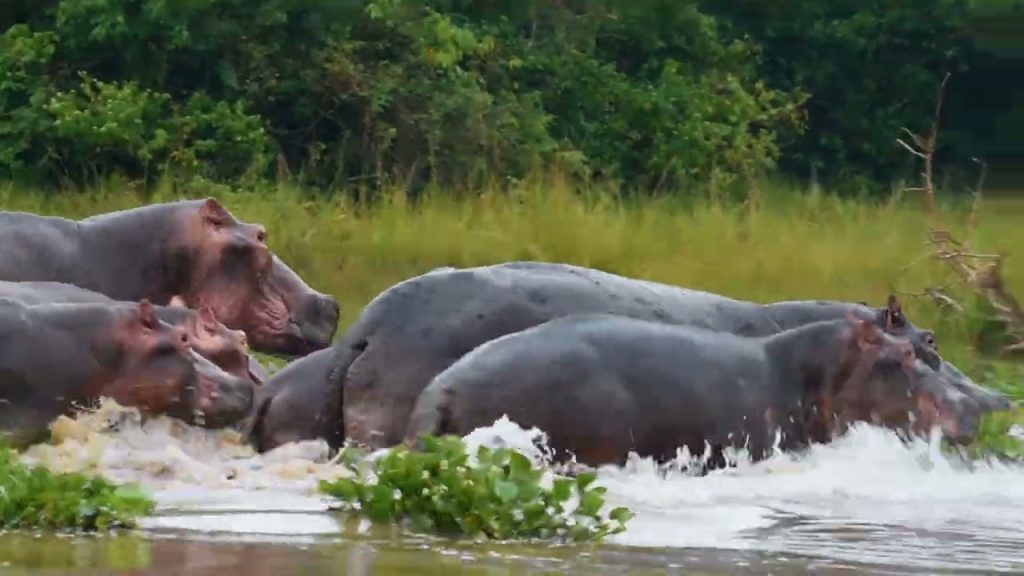
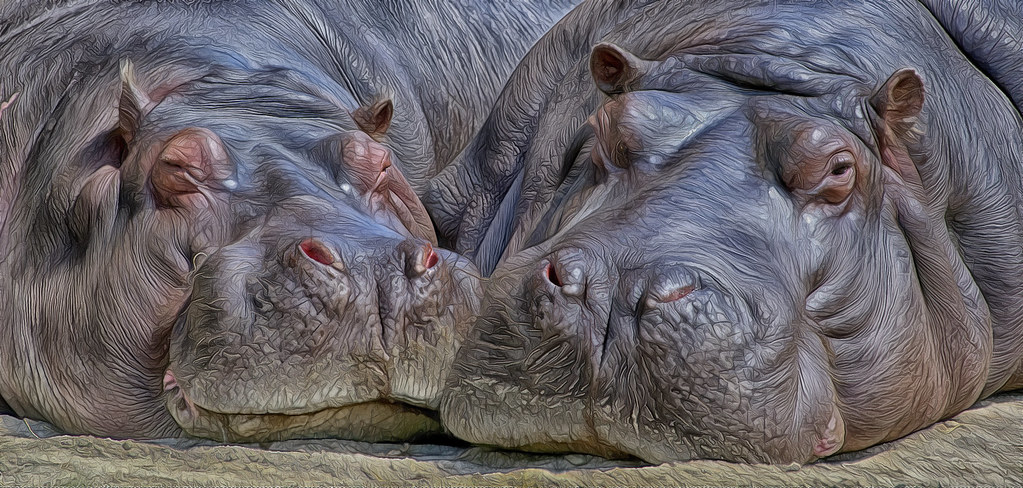
Although East Africa is the center of mountain gorilla tourism, Africa is home to other gorilla habitats that are equally fascinating. Western lowland gorillas, found primarily in the dense forests of Central Africa, inhabit countries such as the Republic of Congo, Gabon, and the Democratic Republic of Congo. Loango National Park in Gabon offers opportunities to see lowland gorillas alongside forest elephants and hippos on pristine beaches – a combination rarely found elsewhere. Dzanga-Sangha in the Central African Republic is another destination where conservation-focused tours allow visitors to witness gorilla families in their natural, untouched rainforest habitats. These experiences are often more rugged and remote than East African treks, requiring a spirit of adventure and a willingness to navigate challenging logistics, but the rewards include solitude, pristine wilderness, and deeply personal encounters with gorillas.
Planning a Gorilla Safari
A successful gorilla safari requires careful planning. Permits are mandatory for mountain gorilla trekking in Rwanda and Uganda, and they are limited to protect the animals and their habitats. Booking in advance ensures access to these limited spots. For lowland gorilla tours in Central Africa, arrangements are often made through specialized operators, and travel logistics can involve chartered flights or long drives through remote terrain. Health preparation is critical; vaccinations, malaria prophylaxis, and adequate insurance are essential for a safe journey. Visitors should also prepare for the physical demands of trekking, with appropriate clothing, footwear, and supplies for varying weather conditions.
Conservation and Ethical Considerations
Gorilla trekking is not only a tourism activity but also a vital conservation tool. Revenue from permits directly supports park management, anti-poaching efforts, and local community development. By observing strict guidelines – maintaining distance, limiting group interactions, and avoiding physical contact – travelers ensure that their presence has minimal impact on these sensitive species. Engaging with local communities and conservation programs further enhances the experience, creating a sense of shared responsibility for protecting some of the world’s most extraordinary wildlife.
Why Gorilla Trekking is Unforgettable
The power of gorilla encounters lies in the depth of connection they inspire. Unlike other wildlife sightings that can be fleeting, gorilla families interact with visitors in a way that allows recognition, curiosity, and sometimes playfulness. Observing a silverback’s protective stance, a mother’s nurturing behavior, or a juvenile’s mischievous antics fosters awe and empathy, offering an experience that is both emotional and educational. The forests themselves add to the magic – the smell of damp earth, the sounds of leaves and distant calls, and the sense of being enveloped in a living ecosystem all contribute to an encounter that transcends ordinary travel experiences.
A Journey Through Gorilla Habitats Across Africa
Traveling to gorilla habitats in Africa is also a journey through some of the continent’s most dramatic landscapes. The volcanic peaks of Rwanda and Uganda, the remote forests of Gabon, the dense jungles of the Congo Basin – each offers a unique backdrop that enhances the wildlife experience. The combination of physical exertion, sensory immersion, and the emotional impact of seeing gorillas up close creates a safari that is unlike any other. Every trek is a story – of survival, adaptation, and the delicate balance of ecosystems – that invites travelers to reflect on the connection between humans and nature.
Planning for a Gorilla Safari from Abroad
For travelers coming from the USA, UK, or other international locations, visiting gorilla habitats requires thoughtful planning. Flights into East Africa often land in Kigali, Entebbe, or Nairobi, and internal travel to national parks may involve chartered flights, long drives, or a combination of both. Booking a guided safari with experienced operators ensures access to permits, knowledgeable guides, and safe accommodations. The best time for mountain gorilla trekking is during dry seasons, typically from June to September and December to February, when trails are more accessible and sightings are more predictable. For lowland gorilla tours, remote access and seasonal conditions may dictate the timing of travel.
Conclusion
Gorilla trekking stands as one of the most profound wildlife experiences available to travelers in Africa. East Africa’s mountain gorillas offer accessibility, comfort, and regulated encounters, while Central Africa’s lowland gorillas provide raw, adventurous experiences in pristine rainforests. Each journey brings a sense of intimacy, wonder, and reflection, connecting visitors to the natural world in a way few other experiences can.
A gorilla safari is more than observing wildlife; it is an immersive encounter with intelligence, emotion, and social complexity that inspires conservation and deep appreciation. From the misty slopes of the Virunga Mountains to the untouched jungles of Gabon and the Congo Basin, Africa offers a spectrum of gorilla experiences that leave an indelible mark on every traveler. By preparing carefully, respecting both wildlife and local communities, and embracing the adventure with patience and curiosity, visitors embark on a journey that transcends ordinary travel – one that resonates long after the trek has ended.