Queen Elizabeth National Park, one of Uganda’s premier wildlife destinations, is more than just its well-known attractions, which already include savannah plains, crater lakes, and one of Uganda’s richest concentrations of wildlife. Spanning nearly 1,978 square kilometers, this diverse park offers a wealth of hidden treasures waiting to be explored, tucked away in sectors that see far fewer visitors than the areas most tour itineraries cover, often because they require a little more time, a slightly longer drive, or a touch more planning to reach than the park’s headline attractions. From lesser-known wildlife hotspots to serene natural wonders, here’s a guide to discovering the hidden wonders of the park and its must-see spots, for travelers who genuinely want to go beyond the standard game drive experience.
Uncovering Hidden Wonders
The Ishasha Sector: A Unique Safari Experience
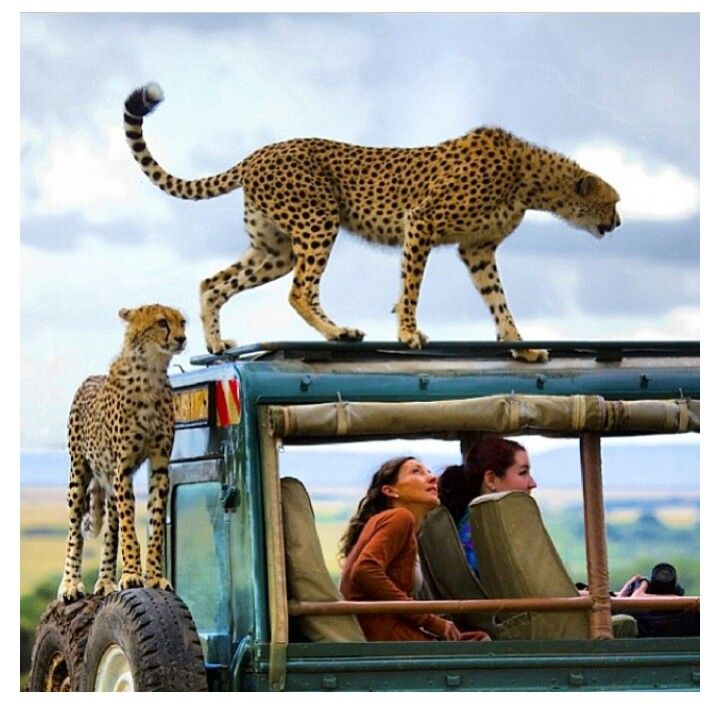
While many visitors flock to the more popular parts of Queen Elizabeth National Park, the Ishasha Sector, tucked away in the park’s remote southern reaches, remains a hidden gem with its own unique charm. Renowned for its rare tree-climbing lions, Ishasha offers an unparalleled safari experience. These lions are known for their unusual behavior of lounging in the branches of fig trees, a sight that is both rare and fascinating, and one that researchers still debate, with theories ranging from escaping biting insects on the ground to simply enjoying the cooler breeze and better vantage point higher up, or simply keeping a clearer eye on any potential prey moving across the plains far below. Whatever the reason, sightings are never guaranteed on any given day, which is part of what makes finding one draped across a branch such a memorable moment for visitors who make the extra effort to travel south to Ishasha rather than staying in the park’s more central sectors. Aside from the tree-climbing lions, the Ishasha Sector is also home to large herds of buffaloes, elephants, and the elusive leopard, along with topi and Uganda kob grazing across the open grassland. The open plains and scattered trees provide a picturesque backdrop for a less-crowded yet incredibly rewarding wildlife experience, and because Ishasha sees a fraction of the visitor numbers of the park’s northern sector, game drives here often feel far more private, with visitors sometimes going an entire morning without passing another vehicle. The sector also borders Uganda’s frontier with the Democratic Republic of Congo, giving it a remoteness that adds to its appeal for travelers who have already done a more conventional game drive elsewhere in the park and are looking for a slower, quieter change of pace on a longer trip through the country. This area is truly worth discovering the hidden wonders it offers.
The Kazinga Channel: A Serene Waterway
Often overshadowed by more famous attractions, the Kazinga Channel is a tranquil, roughly 40-kilometre waterway that deserves attention in its own right. This hidden marvel links Lake Edward and Lake George and serves as a vital aquatic corridor for wildlife, drawing animals to its banks from across the surrounding plains, especially during the drier months when other water sources shrink. A boat safari along the channel offers a peaceful way to observe a variety of animals, including hippos, crocodiles, and a diverse array of bird species, with some of the largest concentrations of hippo found anywhere in Africa gathered along its banks, often visible in pods of dozens resting in the shallows during the heat of the day. Boat trips typically depart twice daily, in the morning and again in the late afternoon, and the slow pace of the cruise makes it an easy activity to combine with a game drive on the same day. The channel’s serene environment and close-up wildlife encounters, including sightings of the rare saddle-billed stork and the majestic African fish eagle, make it a unique and relaxing way to experience the park’s rich biodiversity, offering a different pace and perspective from a vehicle-based game drive. Buffalo and elephant are also regularly seen wading or drinking along the banks, and the channel’s narrow width means wildlife on either side is often close enough to observe in real detail without binoculars, giving the boat safari a very different feel from scanning the horizon on a wide-open game drive across the plains. It’s another prime example of discovering the hidden wonders within the park.
Must-See Spots
The Enigmatic Maramagambo Forest
Maramagambo Forest, one of the oldest forests in the park, is a lush and vibrant area that often goes unnoticed by visitors who head straight for the open savannah instead. This forest is home to several hidden wonders, including the striking Blue Lake, whose mineral-tinted waters give it its distinctive colour, and the fascinating bat caves. The bat caves house large, noisy colonies of fruit bats, providing a genuinely remarkable spectacle, and the caves themselves have also drawn attention from researchers studying the ecosystem they support, including the parasites and diseases the bat colonies can carry, which is why visitors are generally kept at a safe viewing distance rather than entering the caves themselves. The forest also borders Lake Edward, and the boundary between dense woodland and open water adds yet another habitat type to an already varied park, supporting species that would not otherwise be found in the more open sectors nearby, from forest-dwelling birds to primates and insects rarely seen away from dense tree cover. Guided nature walks through Maramagambo offer good opportunities to spot elusive wildlife such as forest elephants and rare bird species, along with a wide range of butterflies and primates moving through the canopy overhead. Guided tours enhance the experience with in-depth knowledge of the forest’s unique flora and fauna, revealing the park’s hidden ecological treasures that a self-guided visit would likely miss entirely. Guides here often know individual trees, roosting spots, and even specific animals by sight, built up through years spent walking the same trails, and that local knowledge tends to make the difference between a quiet stroll and a genuinely memorable walk through the forest. For those keen on discovering the hidden wonders, Maramagambo Forest is a must-visit destination.

The Lesser-Known Kyambura Gorge
Kyambura Gorge, also known as the “Valley of Apes,” is a verdant, steep-sided ravine cut into the surrounding savannah, offering a striking change of scenery for those seeking a deeper connection with Uganda’s primate life. This lesser-known gem offers an exceptional opportunity for chimpanzee trekking in a lush, forested environment that feels a world apart from the open plains just above the gorge’s rim. The gorge’s diverse ecosystem also includes colobus monkeys, red-tailed monkeys, and various bird species that thrive in the cooler, shaded conditions below, a noticeable and welcome contrast to the drier, more open plains found across most of the rest of the park. The trek through Kyambura Gorge provides a rare and intimate glimpse into the lives of these remarkable primates and the lush forest habitat they inhabit, and reaching the chimpanzees usually involves a steady descent into the gorge followed by a return climb, making it a more physical outing than a typical game drive, so a reasonable level of fitness is worth having before booking, and sturdy, closed footwear with good grip makes a real difference on the steeper, sometimes slippery sections of the trail down into the gorge. Guides carry radios to coordinate with other trekking groups already in the gorge, which helps improve the odds of a sighting even on a morning when the chimpanzees have moved further from the usual trailheads. Permits for chimpanzee trekking in the gorge are limited each day, so booking well ahead of your travel dates is genuinely worth doing, particularly during the busier dry season months when demand across the park is highest and permit availability can run out several days in advance without much warning. For a true adventure in discovering the hidden wonders of Queen Elizabeth National Park, Kyambura Gorge is a must-see.
Queen Elizabeth National Park is a destination filled with hidden wonders and must-see spots that reward visitors willing to venture beyond its best-known viewpoints. Whether exploring the rare tree-climbing lions of Ishasha, cruising the serene Kazinga Channel, discovering the enigmatic Maramagambo Forest, or trekking through the lush Kyambura Gorge, each individual experience offers a unique glimpse into the park’s rich biodiversity and natural beauty, and together they show just how remarkably varied a single Ugandan national park can genuinely be. Most of these spots can be combined into a multi-day stay without needing to leave the park’s boundaries, since accommodation options are spread across several of its sectors, from comfortable lodges overlooking the Kazinga Channel to simpler tented camps closer to Ishasha. Two to three nights is generally enough time to take in most of these hidden spots without feeling rushed between activities, though a longer stay allows for a noticeably more relaxed pace between each of them. Embrace the adventure and enjoy discovering the hidden wonders of this remarkable Ugandan gem.
Recommended Tours: 9 Days Uganda Wildlife Safari | 7 Days Uganda Safari