Gorilla Trekking with Children: Age Requirements and Family Tips
Gorilla trekking is one of Africa’s most extraordinary wildlife experiences, offering the chance to observe mountain gorillas in their natural habitats. For families considering this adventure, understanding the age requirements, safety guidelines, and practical tips is essential to ensure a safe and memorable experience. Trekking with children requires preparation, flexibility, and an awareness of both physical demands and ethical considerations.
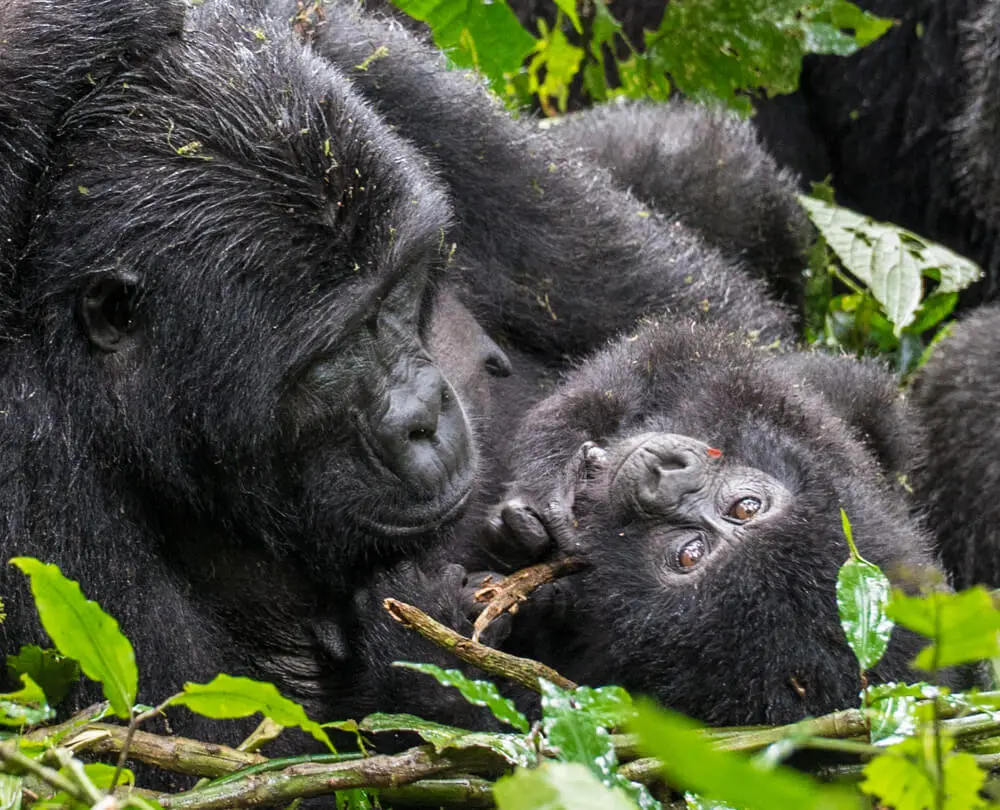
Children can enjoy the adventure and learn about conservation, wildlife behavior, and local culture, but their participation is regulated to protect both the young visitors and the gorillas. Gorilla trekking with children is not only about the thrill of seeing these magnificent animals—it is also an educational and emotionally enriching experience that fosters appreciation for nature and conservation from an early age.
Age Requirements for Gorilla Trekking
In Uganda and Rwanda, the minimum age for gorilla trekking is strictly enforced due to safety and conservation concerns. Children under 15 years of age are generally not permitted to participate in treks. This regulation ensures that young visitors are physically and emotionally capable of handling the demanding forest terrain and can understand and follow guidelines around gorilla behavior.
Parents or guardians should be prepared for the possibility that the trek may involve long walks through steep, muddy, or slippery trails. While some families may assume that trekking with older children is straightforward, it is important to evaluate each child’s stamina, interest, and ability to follow instructions in a forested environment.
Physical Considerations for Children
Gorilla trekking can be physically demanding for children. Trails often include uneven terrain, uphill climbs, and dense vegetation. Families should consider the length and difficulty of the trek, particularly in areas such as Bwindi Impenetrable National Park and Volcanoes National Park, where altitude and steep slopes can increase fatigue.
For families trekking with children, choosing a gorilla family located in a more accessible area is advisable. Some habituated gorilla groups are situated in lower-altitude or less rugged terrain, making the trek more manageable for younger participants. Trekking poles, sturdy boots, and protective clothing help children navigate the trails safely.
Safety Guidelines and Ethical Considerations
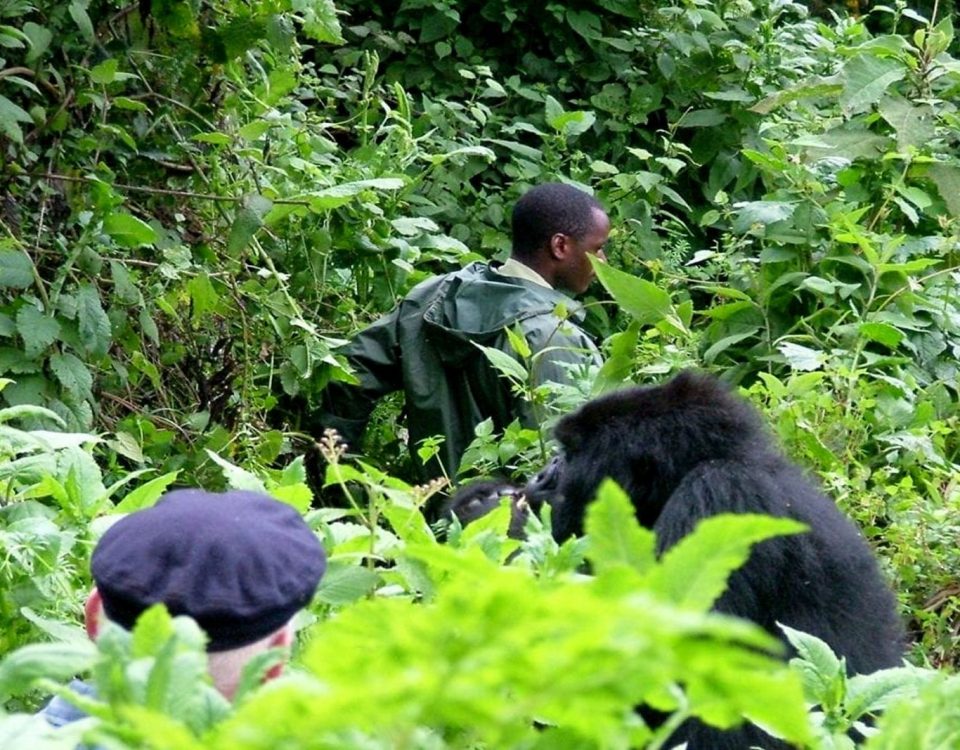
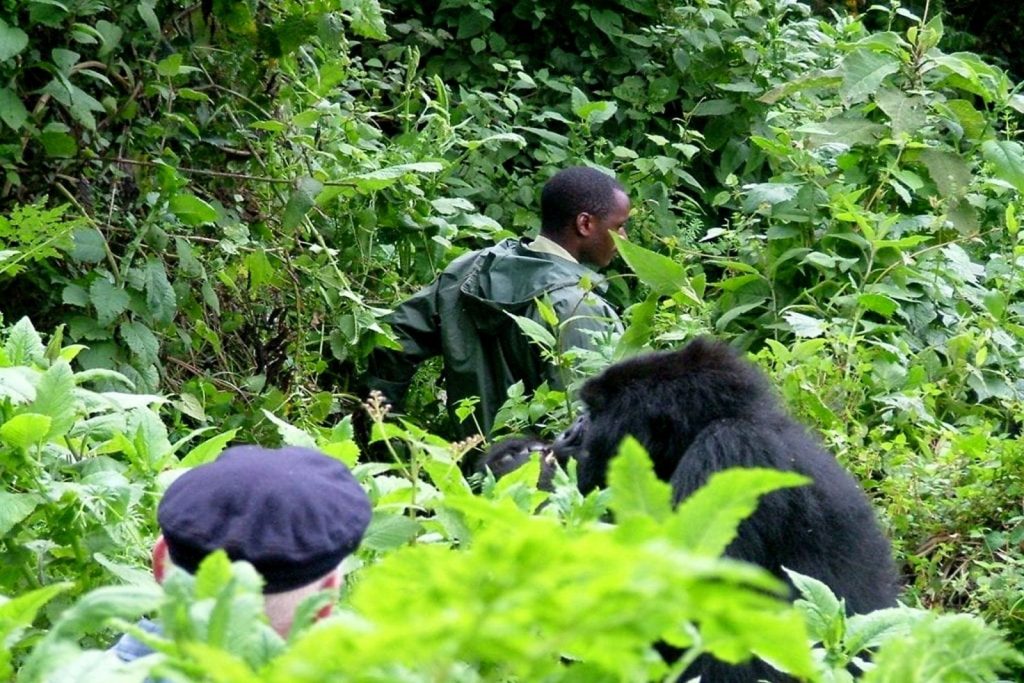
When trekking with children, safety and ethical behavior around gorillas are paramount. Children must understand that gorillas are wild animals, and interactions should be observed at a safe distance. Parents or guardians should instruct children to move quietly, avoid sudden movements, and follow the ranger’s guidance at all times.
Rangers and trackers ensure that family groups maintain the correct distance from gorillas, minimizing stress on the animals and reducing the risk of disease transmission. Children should be taught about respecting wildlife and following conservation rules, creating a meaningful and educational experience.
Preparing Children for the Trek
Preparation is key to ensuring that children enjoy the gorilla trekking experience. Families should explain what to expect, including walking through dense forests, encountering wildlife, and observing gorilla behavior from a distance. Children may be more comfortable if they understand the need for patience and quiet observation.
Packing appropriately for children is essential. Clothing should be lightweight, breathable, and moisture-wicking. Long sleeves and trousers protect against scratches and insect bites, while waterproof jackets are necessary in case of rain. Hiking boots with good ankle support, gloves, hats, and gaiters further ensure comfort and safety.
Carrying snacks, water, and a small backpack helps children maintain energy and stay hydrated throughout the trek. Sunscreen, insect repellent, and a basic first-aid kit are also recommended. For families trekking during cooler seasons or at higher altitudes, additional warm layers are advisable.
Choosing the Right Trek for Families
Not all gorilla families or trekking sectors are equally suited for children. Families should select habituated gorilla groups in accessible sectors with moderate trail difficulty. For example, in Bwindi, families such as Mubare or Habinyanja are located in areas with less challenging trails, making them ideal for families with older children. In Rwanda, families like Susa in Volcanoes National Park offer moderate trekking experiences suitable for children aged 15 and above.
Engaging a reputable tour operator can help families select suitable trekking options, ensuring that logistics, safety, and permits are managed efficiently. Guides can also provide advice on pacing, rest breaks, and maximizing enjoyment for children during the trek.
Educational and Emotional Benefits
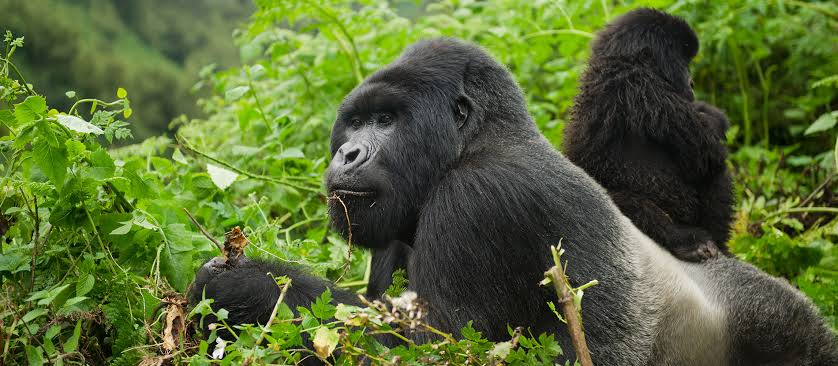
Gorilla trekking offers significant educational and emotional benefits for children. Observing gorillas provides insight into social behavior, communication, and family dynamics. Children witness the intelligence, empathy, and problem-solving abilities of these primates, fostering an appreciation for wildlife and conservation.
Participating in gorilla trekking can also strengthen family bonds, as parents and children navigate the forest together, share observations, and discuss the experience. Many families report that witnessing gorillas for the first time is a transformative experience, creating lasting memories and inspiring future interest in nature and environmental stewardship.
Post-Trek Activities for Families
After the trek, families can explore cultural and community activities to complement the wildlife experience. Visiting local villages, participating in traditional music and dance sessions, or engaging in educational workshops allows children to learn about the human communities living alongside gorillas.
Some lodges and tour operators also provide post-trek activities tailored for families, such as guided forest walks, bird watching, and educational presentations about gorilla conservation. These activities reinforce lessons learned during the trek and create a holistic experience that combines wildlife observation with cultural understanding.
Tips for a Successful Family Trek
- Ensure children meet the minimum age requirement of 15 years.
- Prepare children physically and mentally for trekking in forested, rugged terrain.
- Choose gorilla families and sectors with moderate trails suitable for family groups.
- Pack appropriate clothing, footwear, and gear for children.
- Emphasize safety, quiet observation, and respect for wildlife.
- Schedule regular breaks and carry snacks and water to maintain energy.
- Engage children with educational content about gorilla behavior and conservation.
- Capture the experience with photography while respecting ethical guidelines (no flash).
- Consider combining the trek with post-trek cultural and community experiences.
Gorilla trekking with children offers families a rare opportunity to experience one of the world’s most extraordinary wildlife encounters while fostering education, conservation awareness, and emotional connection. By understanding age requirements, preparing appropriately, and choosing suitable trekking options, families can enjoy a safe, rewarding, and unforgettable adventure in Uganda or Rwanda.
Participating in gorilla trekking with older children not only creates lasting memories but also instills a lifelong appreciation for wildlife, nature, and conservation. The experience is transformative, offering both adventure and education, while contributing directly to the protection of these endangered primates and their natural habitats.