Chimpanzee Tracking in Rwanda: Options and Experiences
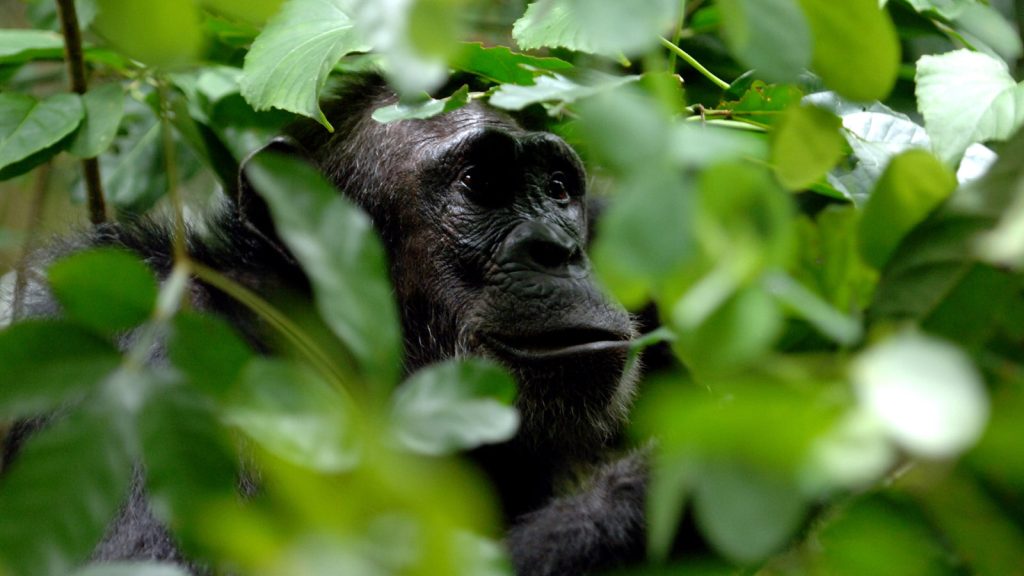
Chimpanzee tracking in Rwanda offers one of the most immersive rainforest wildlife experiences in East Africa, taking visitors deep into ancient montane forests in search of one of humanity’s closest relatives. Unlike more open savannah safaris, this experience is entirely forest-based, requiring trekking through dense vegetation, steep slopes, and misty terrain where chimpanzees live in complex social groups.
The primary destination for this activity is Nyungwe Forest National Park, a vast and biologically rich rainforest located in the southwestern part of the country. This protected area is one of Africa’s oldest montane forests and supports a significant population of habituated chimpanzees.
What makes chimpanzee tracking in Rwanda special is the combination of accessibility, conservation success, and biodiversity density. Visitors not only track chimpanzees but also encounter other primates, rare birds, and unique forest ecosystems within a single journey.
Nyungwe Forest as Rwanda’s Prime Chimpanzee Habitat
Nyungwe Forest National Park is the core destination for chimpanzee tracking in Rwanda and remains one of the most important primate conservation areas in Africa. The forest is characterized by high-altitude rainforest, bamboo zones, and swampy valleys that create ideal conditions for chimpanzee survival.
Within Nyungwe Forest National Park, chimpanzees live in communities that move frequently through different forest layers, feeding on fruits, leaves, and occasionally small animals. Their movement patterns are dynamic, meaning no two tracking experiences are ever identical.
The forest itself enhances the experience, with thick canopy cover, filtered sunlight, and constant natural sounds creating a deeply atmospheric environment. This makes every trek feel like an exploration into a truly untouched wilderness.
Chimpanzee Tracking Experience: What Happens in the Forest
Chimpanzee tracking in Rwanda begins early in the morning when guides locate groups based on nesting sites and vocal signals. Visitors then follow expert trackers into the forest, navigating trails that may change depending on chimpanzee movement.
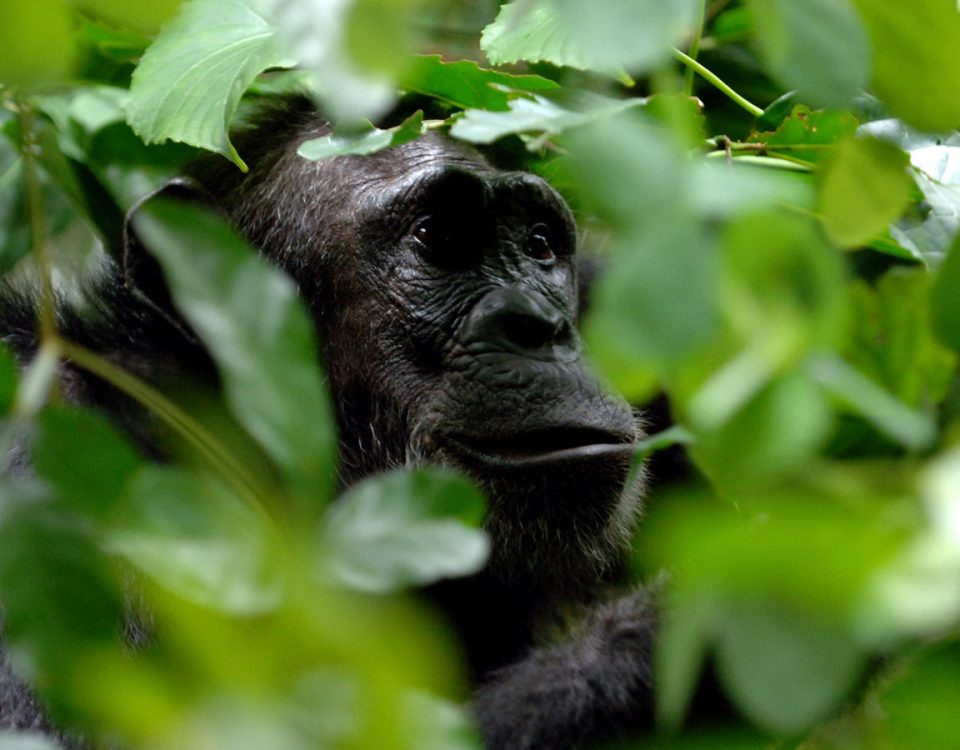
In Nyungwe Forest National Park, chimpanzees are often heard before they are seen. Their loud calls echo through the forest, guiding trackers toward their location. Once found, visitors are allowed to observe them for a limited time, usually around one hour.
During this encounter, chimpanzees may be seen feeding, grooming, playing, or traveling through the trees. Their behavior is highly social and energetic, offering a dynamic contrast to more relaxed primate encounters elsewhere in Africa.
Options for Chimpanzee Tracking in Rwanda
Rwanda offers structured chimpanzee tracking experiences that are carefully managed to protect both wildlife and visitors. The main tracking experience takes place in Nyungwe, but there are variations depending on location and difficulty level.
Within Nyungwe Forest National Park, there are different trailheads and tracking zones that may be used depending on chimpanzee movements. Some treks are shorter and easier, while others require more physical endurance due to steep terrain.
This flexibility allows both experienced hikers and casual nature lovers to participate in the experience. However, all participants should be prepared for unpredictable forest conditions.

Chimpanzee Tracking in Rwanda
Cyamudongo Forest: A Secondary Tracking Area
Cyamudongo Forest is a smaller but important chimpanzee habitat located near Nyungwe, offering an alternative tracking experience. This forest is more compact, making it easier to locate chimpanzee groups compared to the larger Nyungwe forest block.
In Nyungwe Forest National Park, Cyamudongo is often used when chimpanzee groups are more active or easier to access in this section. The forest’s dense vegetation still provides a wild and immersive atmosphere.
For visitors with limited time or lower physical endurance, Cyamudongo can be a preferred option due to its relatively shorter trekking distances.
Difficulty Level and Physical Requirements
Chimpanzee tracking in Rwanda is considered moderately challenging due to the terrain and forest density. Trails often involve steep climbs, slippery ground, and thick vegetation that requires careful navigation.
Within Nyungwe Forest National Park, altitude also plays a role, as some trekking areas are located in high-elevation zones that can affect stamina.
Despite these challenges, most visitors with average fitness levels can complete the trek successfully with proper pacing and guidance from rangers.
Best Time for Chimpanzee Tracking in Rwanda
Chimpanzee tracking in Rwanda is available throughout the year, but seasonal conditions influence the trekking experience. Dry seasons generally offer easier trails and better visibility within the forest.
In Nyungwe Forest National Park, the most favorable months are typically June to September and December to February, when rainfall is reduced and forest paths are more accessible.
However, the wet season provides a greener and more atmospheric forest environment, often enhancing photography and overall immersion.
Costs and Permit Information
Chimpanzee tracking permits in Rwanda are regulated to ensure conservation and sustainable tourism practices. These permits grant access to guided tracking experiences led by trained rangers.
Within Nyungwe Forest National Park, permits should be booked in advance, especially during peak tourism months when demand is higher.
While costs may seem significant, they directly support conservation efforts, ranger programs, and community development around the park.
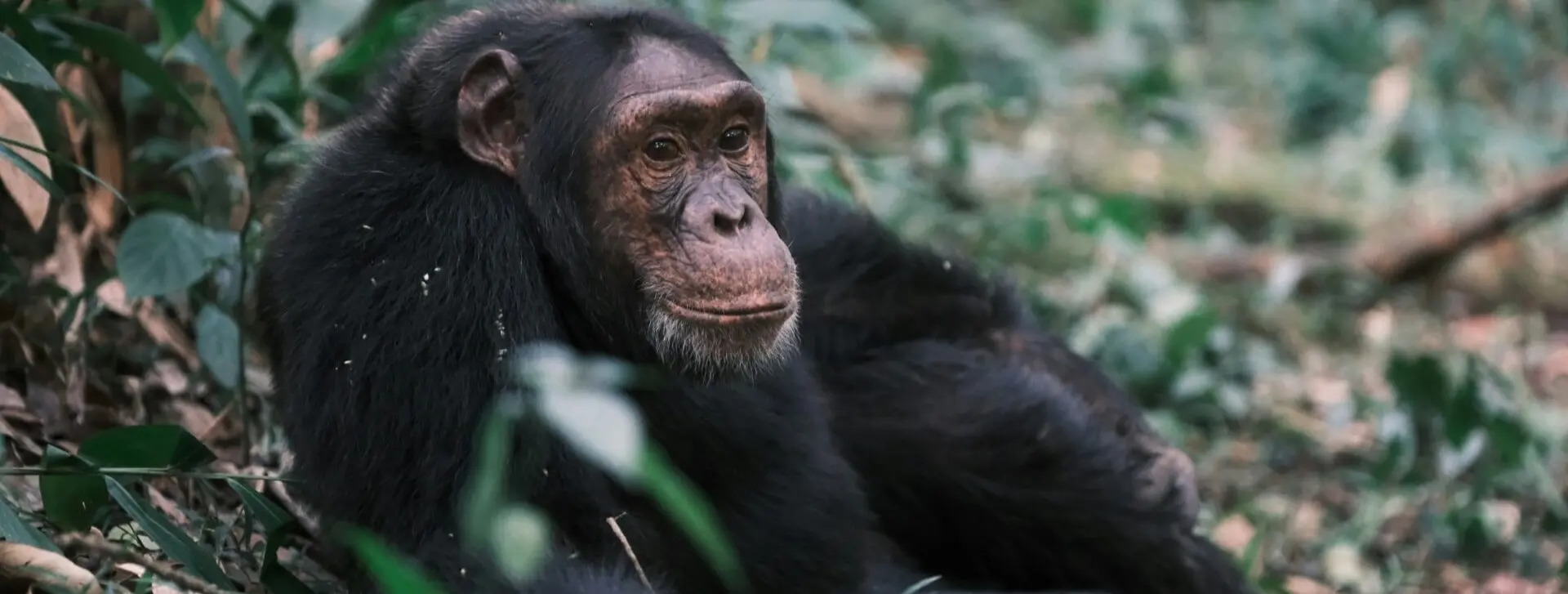
Chimpanzee Tracking in Rwanda
What to Expect During the Encounter
A chimpanzee encounter in Rwanda is unpredictable, fast-paced, and highly engaging. Unlike gorillas, chimpanzees are constantly on the move, meaning sightings can shift quickly between ground and canopy.
In Nyungwe Forest National Park, visitors may observe chimpanzees swinging between trees, calling loudly, or interacting in large social groups.
The experience is often described as energetic and chaotic in the best possible way, offering a raw glimpse into primate behavior.
Wildlife Beyond Chimpanzees in Nyungwe
Nyungwe Forest is not only about chimpanzees but also supports one of the richest primate populations in Africa. Visitors often encounter colobus monkeys, L’Hoest’s monkeys, and blue monkeys during tracking excursions.
Within Nyungwe Forest National Park, the biodiversity extends beyond primates to include hundreds of bird species, butterflies, and unique plant life.
This makes chimpanzee tracking part of a broader ecological experience rather than a single wildlife activity.
Why Chimpanzee Tracking in Rwanda Stands Out
Chimpanzee tracking in Rwanda is distinguished by its conservation success, accessibility, and high-quality guiding systems. The country has invested heavily in protecting Nyungwe Forest and improving visitor experiences.
Within Rwanda, Nyungwe represents one of the most important natural tourism assets, showcasing both ecological richness and sustainable tourism development.
For travelers seeking a deep forest experience, Rwanda offers one of the most reliable and rewarding chimpanzee trekking opportunities in Africa.
Final Thoughts on Chimpanzee Tracking in Rwanda
Chimpanzee tracking in Rwanda is a powerful and immersive wildlife experience that combines adventure, conservation, and natural beauty. From the first forest step to the final chimpanzee encounter, every moment feels raw and authentic.
Within Nyungwe Forest National Park, the experience goes beyond wildlife viewing and becomes a journey into one of Africa’s oldest and most important ecosystems.
For nature lovers, photographers, and adventure travelers, chimpanzee tracking in Rwanda stands as a must-do experience that reveals the wild heart of the forest.
Chimpanzee Trekking in East Africa – Complete Guide
Chimpanzees (Pan troglodytes) are our closest living relatives, sharing approximately 98.7% of human DNA. Watching a habituated chimpanzee family in the wild – their complex social dynamics, tool use, and remarkable expressions – is one of the most intellectually and emotionally engaging wildlife experiences Africa has to offer.
East Africa’s premier chimpanzee destination is Kibale Forest National Park in western Uganda, home to over 1,500 chimpanzees – the highest density of primates in Africa. Rwanda’s Nyungwe Forest National Park offers another outstanding option within one of Africa’s largest montane rainforests.
Kibale Forest National Park – Uganda’s Chimpanzee Capital
Kibale Forest covers 776 km² of moist evergreen and semi-deciduous forest in the Rwenzori foothills of western Uganda. The park’s Kanyanchu tourism site is where chimpanzee trekking takes place, with several habituated communities accustomed to human observation.
A standard chimpanzee trekking permit in Kibale costs USD 250 per person and covers one hour with the chimps after tracking them through the forest. The Chimpanzee Habituation Experience (CHEX) costs USD 250 per person and runs from 6 AM to 6 PM, allowing a full day following a semi-habituated community – a far more intimate encounter. Permits are available through Uganda Wildlife Authority or licensed tour operators.
Beyond chimpanzees, Kibale is home to 12 other primate species including red-tailed monkeys, black-and-white colobus, grey-cheeked mangabeys, olive baboons, and the rare L’Hoest’s monkey. Over 375 bird species have been recorded, making it one of Uganda’s premier birding destinations.
Recommended Tours: 3 Days Chimpanzee Trekking in Kibale | 4 Days Kibale & Queen Elizabeth Safari